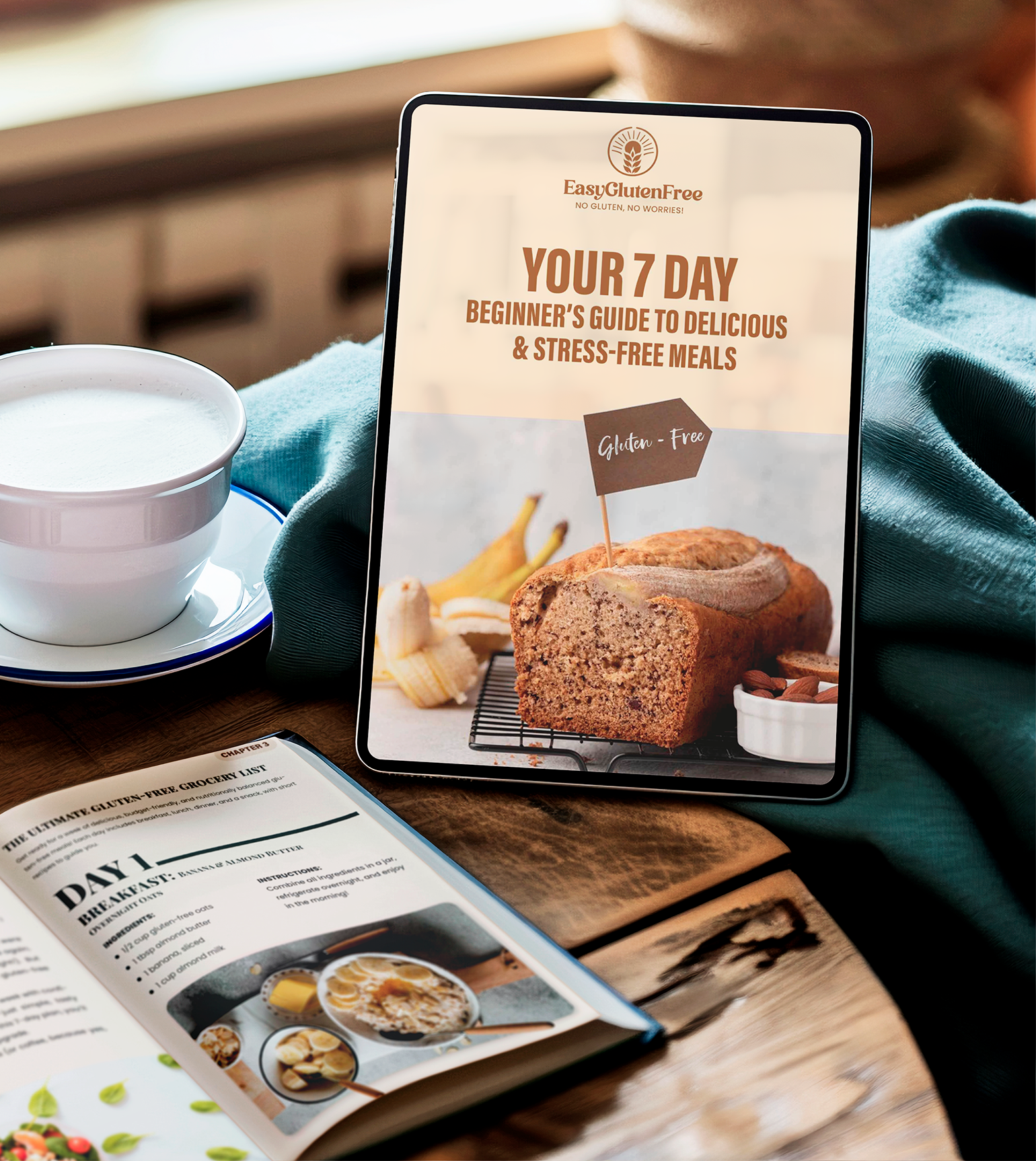
Grab Your Free Gluten-Free Pantry Makeover eBook

The Essential Gluten-Free Pantry List for Beginners
Building a gluten-free pantry from scratch can feel overwhelming, but it doesn’t have to be. This guide walks you through the must-have staples, smart swaps, and practical tips so you can cook confidently, avoid hidden gluten, and always have something safe and satisfying on hand.
Download Our Free Gluten-Free Starter Guide
- 7-day meal plan
- shopping list
- Tips & 3 beginner-friendly recipes
Introduction
Standing in front of your kitchen cabinets and realizing that most of what you own suddenly might not be safe is a very real moment for many new gluten-free eaters. Whether you’re gluten-free by choice, on the advice of a professional, or supporting a gluten-free family member, the pantry is usually the first place that needs a serious refresh.
The good news: you do not need to throw away everything, buy expensive specialty foods, or cook complicated recipes to eat well. A smart gluten-free pantry is built around naturally gluten-free whole foods, a few trusted packaged staples, and a basic understanding of where gluten tends to hide. Once you learn that framework, the entire lifestyle becomes far easier.
In this guide, we’ll walk step by step through how to clean out, restock, and organize a gluten-free pantry that works for real life. You’ll learn what to watch for on labels, which flours and grains are safe, how to handle shared kitchens, and which convenient “backup” items will save you on those nights when you just can’t cook from scratch.
1. Pantry Basics: Understanding Gluten-Free Foundations
Before you start bagging up half your pantry, it helps to understand what you’re actually trying to avoid. Gluten is a protein found naturally in wheat, barley, rye, and regular (non–gluten-free certified) oats. It also sneaks into many processed foods as a thickener, flavoring, or stabilizer.
Your gluten-free pantry “foundation” is built on two pillars: foods that are naturally gluten-free, and packaged items that are clearly labeled or certified gluten-free according to the laws and standards in your country. Learning to lean on these two groups is what makes shopping and cooking easier over time.
Audit what you already have
Start with a simple audit rather than an emotional purge. Work shelf by shelf and create three groups:
- Clearly contains gluten: anything with wheat, barley, rye, malt, or regular oats in the ingredient list (think: standard pasta, flour, many cereals, some sauces).
- Clearly gluten-free: plain canned beans, vegetables, fruits, plain rice, plain nuts and seeds, most oils, plain spices (single-ingredient), and clearly labeled gluten-free items.
- “Question mark” foods: flavored mixes, sauces, bouillon, spice blends, snack foods, and any ultra-processed product where gluten could be hiding.
Set aside the obvious gluten items and question-mark foods for later. Your goal today is to see what safe foods you already own. You may be pleasantly surprised by how many staples can stay.
Learn the key label-reading habits
Gluten-free living gets much easier when reading labels becomes second nature. Over time, you’ll gravitate toward brands and products you trust, but it still helps to double-check formulas now and then since they can change.
When you pick up a packaged product, make a quick pass for:
- Allergen statement: some packages call out wheat clearly in a “Contains” line, which can simplify decisions.
- Gluten-free labeling: look for phrases like “gluten-free” or trusted gluten-free certification symbols where applicable.
- Red-flag ingredients: wheat flour, barley malt, rye, modified food starch (if source isn’t specified), and certain flavorings or hydrolyzed proteins in processed foods.
A calm, systematic approach now will help you feel more confident later. The pantry is where your gluten-free lifestyle starts every single day—even on the nights you only have the energy to boil pasta or heat up soup.
2. Building Your Core Gluten-Free Pantry Staples
Once you’ve identified what can stay and what needs to go, it’s time to think about what should always be in your gluten-free pantry. The goal is to make everyday meals possible without a last-minute grocery trip. A well-stocked pantry also saves money, because you’re less likely to rely on expensive takeout when you’re tired or busy.
Gluten-free grains & starches to keep on hand
These form the base of many meals and are usually budget-friendly:
- Rice: white, brown, jasmine, basmati, or short-grain—great for bowls, stir-fries, and one-pot meals.
- Gluten-free oats: look for clearly labeled gluten-free oats if tolerated and suitable for your needs.
- Quinoa, millet, and buckwheat groats: naturally gluten-free options that cook quickly and work well in salads and warm bowls.
- Gluten-free pasta: brown rice, corn, quinoa, or blended grain/legume pastas labeled gluten-free.
- Potatoes and sweet potatoes: technically not pantry items, but they keep well and are incredibly versatile.
Beans, proteins & canned goods
Plant-based proteins and shelf-stable options are your backup on busy nights:
- Canned beans (black, chickpeas, kidney, cannellini) and lentils.
- Canned tuna, salmon, or chicken packed in water or safe oils.
- Cartons or cans of plain tomatoes, tomato sauce, and tomato paste.
- Broth or stock labeled gluten-free for soups, stews, and sauces.
- Nut butters (peanut, almond, cashew) with simple ingredient lists.
Everyday gluten-free baking staples
You don’t need to be a baker to benefit from a few simple gluten-free baking staples. They make pancakes, quick breads, and basic treats possible without a big production:
- A trusted all-purpose gluten-free flour blend designed to be a 1:1 swap in many recipes.
- Cornstarch, tapioca starch, or arrowroot for thickening sauces and gravies.
- Baking powder, baking soda, and cocoa powder (check labels).
- Sugars and sweeteners: granulated sugar, brown sugar, honey, or maple syrup.
From here, you can personalize your pantry based on what your household actually eats: gluten-free crackers, safe snack bars, instant polenta, rice noodles, or specialty mixes can all earn a place if they’re used regularly.
Product unavailable
3. Smart Gluten-Free Swaps for Everyday Cooking
Many people assume that going gluten-free means reinventing every favorite recipe from the ground up. In reality, most home cooking can be adapted with a few strategic swaps. When your pantry is ready with the right stand-ins, you can follow familiar recipes and simply reach for gluten-free alternatives.
Simple starch & flour swaps
In many everyday recipes, flour is used as a thickener rather than for structure. This is where gluten-free swaps shine:
- Thickening sauces and gravies: use cornstarch, arrowroot, or a gluten-free all-purpose flour blend instead of wheat flour. Mix with a little cold water to create a slurry before adding to hot liquids.
- Breading for chicken or fish: try a mix of gluten-free breadcrumbs, crushed gluten-free crackers, cornmeal, or a flour blend.
- Coating roasted vegetables: toss in a bit of gluten-free flour and spices for extra crisp edges.
Sauces, condiments & umami
Gluten often hides in sauces that add depth and umami to dishes. With the right swaps, you won’t miss out on flavor:
- Choose tamari or certified gluten-free soy sauce alternatives in place of conventional soy sauce.
- Check labels carefully on ketchup, mustard, mayonnaise, and salad dressings, or make simple versions at home.
- Use plain tomato paste, herbs, and spices to build flavor when pre-made sauces aren’t an option.
Breakfast, lunch & snack ideas using pantry swaps
Here are a few ways to use your gluten-free pantry staples without complicated recipes:
- Breakfast bowls: gluten-free oats or millet cooked with water or milk, topped with nut butter, fruit, and seeds.
- Loaded rice bowls: rice or quinoa topped with canned beans, salsa, avocado, and a sprinkle of cheese.
- Pantry pasta night: gluten-free pasta tossed with canned tomatoes, garlic, olive oil, and any vegetables you have.
- Snack plates: gluten-free crackers or rice cakes with nut butter, cheese, or hummus, plus fresh fruit or veggies.
These simple meals are powered almost entirely by pantry and long-lasting fridge items, proving that gluten-free can still be convenient and satisfying.
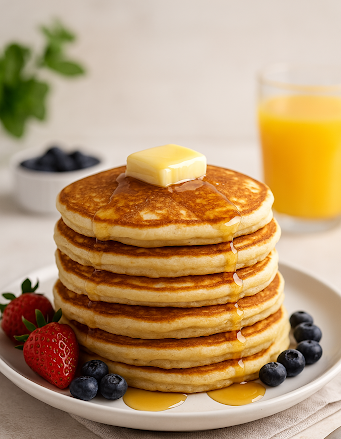
Recipe Inspiration
Try these gluten-free staples loved by thousands:


4. Avoiding Hidden Gluten in Your Pantry
Hidden gluten is what tends to trip people up after they’ve removed the obvious bread, pasta, and flour. Many long-time gluten-free eaters can point to a single soup mix, sauce, or “mystery spice blend” that caused an unexpected reaction or setback. A bit of awareness now can help you avoid those surprises later.
Common pantry items that may contain gluten
While formulas vary by brand and region, these categories often require extra scrutiny:
- Gravies and sauce mixes: many use wheat flour as a thickener.
- Bouillon cubes and stocks: some contain wheat, barley, or malt flavoring.
- Spice blends and seasoning packets: anti-caking agents or fillers may include gluten-containing ingredients.
- Breakfast cereals and granolas: even oat-based ones may be processed with gluten grains.
- Snack foods: chips, pretzels, bars, and crackers may include wheat or barley-based ingredients.
When in doubt, move a questionable item to a separate “review later” box rather than returning it to your main pantry shelf.
Understanding cross-contact in a shared kitchen
If you share your kitchen with people who still eat gluten, cross-contact is just as important as the ingredient list. Some practical strategies include:
- Separate storage: keep a clearly labeled gluten-free shelf or bin for your safe items.
- Dedicated spreads: have your own gluten-free peanut butter, jam, and butter to avoid crumb contamination.
- Color-coded tools: consider separate cutting boards, colanders, or wooden utensils used only for gluten-free cooking.
- Crumb control: be extra mindful around toasters, bread knives, and baking sheets that come into contact with gluten bread.
These small habits make a big difference over time and can help you feel more relaxed cooking and eating at home.
Rotate, label, and keep it simple
The more complicated your pantry is, the harder it is to keep everything clearly gluten-free. Simple systems work best:
- Write purchase or open dates on packages so you can rotate older products forward.
- Use clear containers and labels for bulk items like rice, oats, and flours so you never mix them up.
- Keep a short “safe brand” list on your phone or fridge to make shopping and restocking easier.
Your future self will thank you every time you open the pantry and immediately know what’s safe to cook with.
5. Organizing & Maintaining Your Gluten-Free Pantry
Once your pantry is stocked, the final step is making it easy to use. An organized gluten-free pantry saves time, money, and stress, because you’re less likely to buy duplicates or end up with five half-used bags of flour hiding in the back.
Set up zones that match how you cook
Instead of organizing purely by food type, consider how you actually use things:
- Baking zone: gluten-free flours, starches, leaveners, sugars, cocoa, chocolate chips.
- Grains & pasta zone: rice, quinoa, gluten-free pasta, polenta, and oats.
- Quick meals zone: canned beans, tomatoes, stocks, sauces, gluten-free mixes you use often.
- Snacks zone: gluten-free crackers, nuts, seeds, bars, and dried fruit.
This way, when you’re making pancakes or pasta, most of what you need is in one place.
Use containers and labels wisely
Clear, lidded containers can reduce clutter and help protect against accidental contamination in shared kitchens. Consider:
- Storing gluten-free flours and oats in well-sealed containers labeled “GF.”
- Using smaller bins to group similar items together—like all your gluten-free baking mixes.
- Placing opened packages toward the front, with unopened backups behind.
You don’t need a picture-perfect, color-coded pantry for this to work. Function matters more than aesthetics.
Make restocking part of your weekly rhythm
Your pantry will serve you best if you build a simple habit of checking it regularly. A quick weekly glance before you shop can help you:
- Note which core items are low (rice, pasta, beans, stock).
- Plan one or two meals based primarily on pantry ingredients.
- Avoid buying duplicates of items you already have.
Over time, you’ll naturally create a “default” gluten-free pantry that supports your favorite meals and fits your budget. And that’s the whole point: a pantry that works with your life, not against it.
Key Takeaways
- A gluten-free pantry should focus on naturally gluten-free whole foods first, with a smaller selection of trusted packaged staples.
- Start with a calm pantry audit, separating clearly safe foods, clearly gluten-containing items, and “question mark” products to review later.
- Keep versatile gluten-free grains, beans, canned goods, and a basic flour blend on hand so you can build simple meals without last-minute stress.
- Watch for hidden gluten in sauces, spice blends, stocks, and mixes, and create simple systems to reduce cross-contact in shared kitchens.
- Organize your pantry in zones, label clearly, and build a weekly restocking habit so your gluten-free lifestyle becomes easier and more sustainable over time.
Take the Next Step in Your Gluten-Free Journey
- Download the Free EGF Starter Guide
- Try our Gluten-Free Planner to simplify your week
- Explore our growing recipe library
You don’t have to navigate the gluten-free lifestyle alone, we are here to make it easier every day.
Category: Pantry & Kitchen Tips