The Best Gluten-Free Flours in 2025

Choosing the right gluten-free flour can be the difference between dry, crumbly bakes and soft, bakery-style perfection. In this 2025 guide, we’ll walk through the best gluten-free flours, how to use them, and how to finally bake with confidence—without gluten.
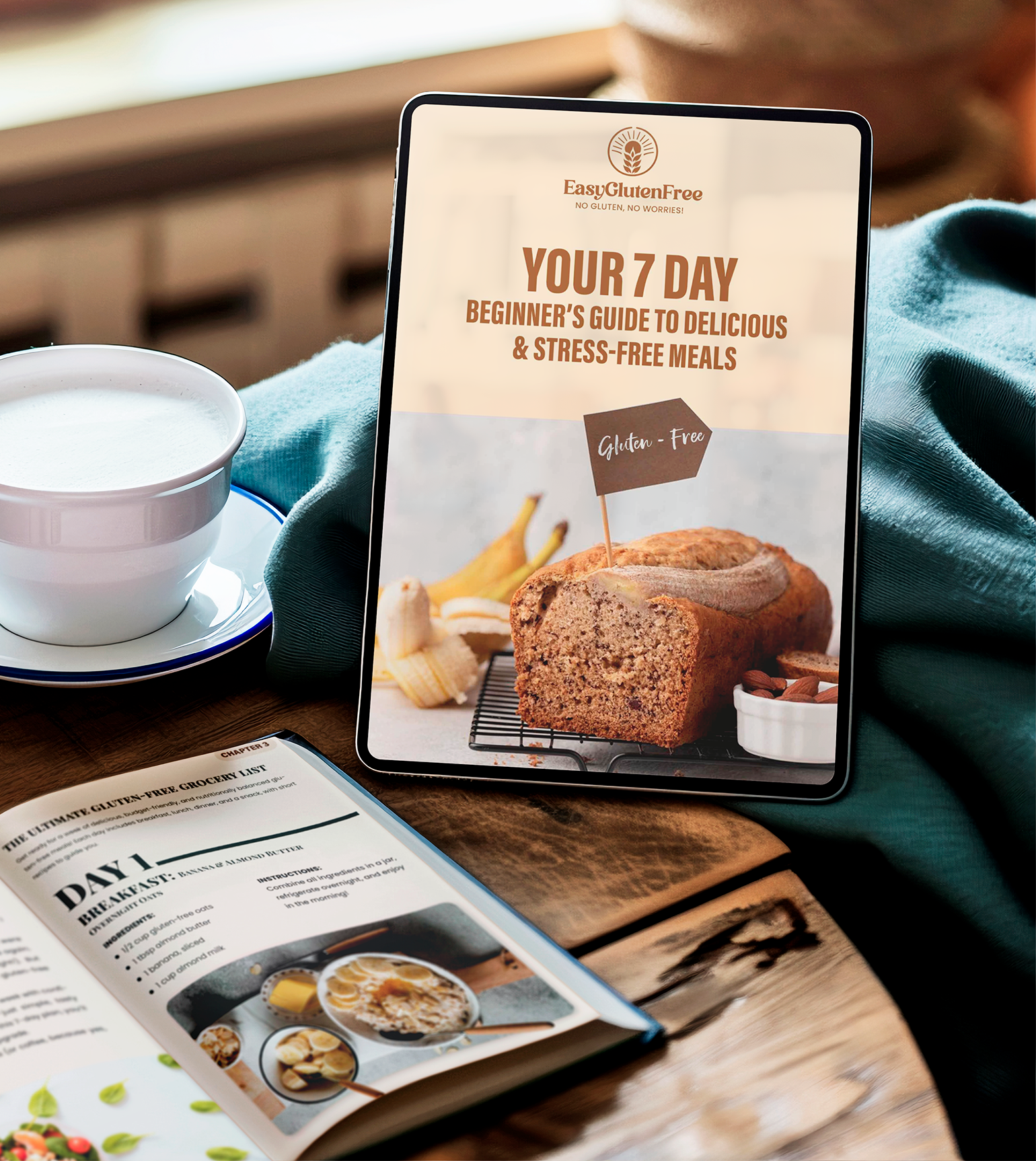
Download Our Free Gluten-Free Starter Guide
- 7-day meal plan
- shopping list
- Tips & 3 beginner-friendly recipes
Introduction
Gluten-free baking has come a long way. Ten years ago, “gluten-free” often meant dry, sandy textures and strange aftertastes. In 2025, we’re in a completely different world. With high‑quality blends, single-origin grains, and better testing, you can bake fluffy pancakes, chewy cookies, and crusty bread—all without gluten and without feeling like you’re compromising.
This guide focuses on the best gluten-free flours in 2025 and how to actually use them in real life. We’ll cover staple flours like almond flour and coconut flour, newer options like sorghum and tigernut, and ready-made gluten-free flour blends that behave almost like wheat flour in your favorite recipes. Whether you’re baking for celiac disease, non-celiac gluten sensitivity, or simply feel better wheat-free, this breakdown will help you stock your pantry with confidence.
We’ll keep things practical: what each flour tastes like, how it behaves in gluten-free baking, which flours are high in protein or fiber, and which blends work best for pancakes, bread, or everyday cooking. By the end, you’ll know exactly which gluten-free flours to buy, how to combine them, and how to avoid the most common mistakes that lead to disappointing gluten-free bakes.
1. Understanding Gluten-Free Flours in 2025
Before we dive into specific gluten-free flours, it helps to understand one core truth: there is no single “perfect” gluten-free flour. Wheat flour is unique because gluten provides elasticity, structure, and chew. In gluten-free baking, we recreate that structure by combining several flours and starches—and sometimes binders like xanthan gum or psyllium husk.
In 2025, gluten-free baking has become more intuitive thanks to three main categories of flours:
- Nut and seed flours (like almond flour and coconut flour): rich, higher in fat and protein, great for moist cakes, cookies, and low-carb recipes.
- Whole-grain gluten-free flours (like oat, sorghum, buckwheat, millet, and brown rice): more nutritious, with flavor and structure closer to traditional grains.
- Starches and refined flours (tapioca, potato starch, white rice flour, corn starch): provide lightness, crisp edges, and that tender “bakery-style” crumb when used in moderation.
Most reliable gluten-free baking recipes use a combination of these categories. For example, a great gluten-free pancake might use a gluten-free all-purpose blend plus a little almond flour for richness and a touch of tapioca starch for fluffiness. This is why “gluten-free baking” is less about memorizing one magic flour and more about understanding how each option behaves.
Another important change in 2025 is clearer labeling and better testing. Look for gluten-free flours that are certified gluten-free, especially if you have celiac disease. This is crucial with oat flour (which can be contaminated with wheat in the fields or factory) and with bulk-bin flours, which may share scoops or bins with wheat products. When possible, choose brands that test to below 20 ppm gluten—or even more stringent levels if you’re particularly sensitive.
To make shopping easier, think in terms of “roles” instead of individual products:
- Structure builders: almond flour, oat flour, sorghum flour, buckwheat flour.
- Lighteners and crispers: white rice flour, tapioca starch, potato starch, corn starch.
- Flavor boosters: coconut flour, teff, buckwheat, chestnut, and nut flours.
Once you know the role each flour plays, gluten-free baking stops feeling random or intimidating. You’ll be able to read a recipe and instantly understand why those flours were chosen—and how to tweak things if you want to experiment.
2. Almond Flour, Coconut Flour & Nut-Based All-Stars
Almond flour and coconut flour are two of the most searched terms in gluten-free baking—and for good reason. They’re versatile, naturally gluten-free, and widely available. But they behave very differently, so using them well can transform your baking, while misusing them can quickly lead to dense, dry, or oily results.
Almond Flour: The Gluten-Free Baking Workhorse
Almond flour is made from finely ground blanched almonds. It’s naturally grain-free, gluten-free, and rich in healthy fats, protein, and vitamin E. In gluten-free baking, almond flour shines in:
- Moist cakes and muffins
- Cookies with chewy centers and crisp edges
- Shortcrust-style tart shells and crumbles
- Low-carb or paleo-friendly recipes
Because almond flour is high in fat and has no starch, it creates a rich, tender texture but doesn’t provide the same structure that wheat flour does. For that reason, most recipes combine almond flour with eggs (for binding) and sometimes a starch like tapioca or arrowroot to add lightness. A typical ratio for simple almond flour bakes is about 2 parts almond flour to 1 part eggs by volume, plus a small amount of starch or coconut flour if you need extra structure.
When shopping, look for “fine” or “superfine” almond flour, not almond meal. Almond meal is coarser and often includes skins, which can make baked goods heavy or gritty. Store almond flour in the fridge or freezer to protect its delicate fats and prevent rancidity.
Coconut Flour: Super-Absorbent and Flavorful
Coconut flour is a completely different beast. It’s made from dried, defatted coconut meat and is extremely absorbent. A little goes a long way—most recipes use only 1/4 to 1/2 cup coconut flour for an entire batch of muffins or pancakes. You will also almost always see more eggs in coconut flour recipes, because coconut flour needs both moisture and binding.
In gluten-free baking, coconut flour is ideal for:
- Fluffy, high-fiber pancakes and waffles
- Quick breads and snack cakes
- Grain-free brownies and blondies
- Adding structure to almond flour recipes without making them heavy
Because of its mild coconut flavor and high fiber content, coconut flour pairs nicely with almond flour. For example, you might see a recipe use 2 cups almond flour plus 1/4 cup coconut flour. The coconut flour helps firm the crumb and prevents the almond flour from feeling oily, while almond flour keeps everything moist and tender.
When working with coconut flour, never swap it 1:1 for wheat flour or for other gluten-free flours. Doing so will make your batter dry and crumbly. Follow coconut-flour-specific recipes or start with small amounts and increase only gradually, allowing it time to hydrate fully before judging the texture.
Other Nut & Seed Flours Worth Knowing
While almond and coconut flour are the biggest stars, 2025 has brought a growing interest in other nut and seed flours, especially for people looking for more variety or with nut allergies:
- Hazelnut flour: fantastic in cookies and chocolate cakes, adds a rich praline-like flavor.
- Pecan or walnut flour: wonderful in autumn bakes, crumbles, or pie crusts; use combined with a starch or oat flour.
- Sunflower seed flour: a good nut-free alternative to almond flour (note it can turn green when baked with baking soda—this is harmless and due to chlorogenic acid).
- Tigernut flour: not a nut but a tuber; naturally sweet, slightly grainy, and perfect for cookies and breakfast bars.
Nut and seed flours are nutrient-dense, so they’re ideal if you want gluten-free baking that doesn’t rely solely on white rice flour and starch. However, they’re also high in calories and fats, which means portion sizes matter if you’re watching energy intake.
If you’re new to gluten-free baking, start with tested recipes that specifically call for almond flour or coconut flour rather than swapping them into your favorite wheat-based recipes. Once you’ve seen how these flours behave in a few trusted recipes, you’ll feel much more confident experimenting.
Bob’s Red Mill Super-Fine Almond Flour
This finely ground, certified gluten-free almond flour delivers consistently tender cakes and cookies without the gritty texture some budget brands have. It’s our go-to for everything from birthday cupcakes to Sunday pancakes.
3. Whole-Grain Gluten-Free Flours (Oat, Sorghum, Brown Rice & More)
While nut flours deliver richness, whole-grain gluten-free flours are the backbone of many everyday recipes. They behave more like traditional wheat flour, offering body, gentle chew, and a familiar “bready” taste—especially when combined with starches and a binder. They also tend to be higher in fiber and micronutrients, making them excellent foundation flours for a healthier gluten-free pantry.
Gluten-Free Oat Flour
When labeled and tested as certified gluten-free, oat flour is one of the most beloved gluten-free baking ingredients. It has a mild, slightly sweet, “cookie dough” flavor and works wonderfully in:
- Muffins and quick breads
- Cookies and granola bars
- Crumbles and fruit crisps
- Blended flours for pancakes and waffles
You can buy oat flour or simply grind certified gluten-free rolled oats in a blender until very fine. Oat flour tends to absorb more moisture than wheat flour but less than coconut flour, so batters made with oat flour often benefit from a short resting period (5–10 minutes) before baking to hydrate fully.
Note: some people with celiac disease or gluten sensitivity also react to oats, even gluten-free ones. If that’s you, skip oat flour and lean into sorghum, buckwheat, or millet instead.
Sorghum Flour
Sorghum flour is a slightly sweet, mild-tasting ancient grain that’s naturally gluten-free. It’s often used in commercial gluten-free flour blends because it adds structure and a wheat-like flavor profile without bitterness. Sorghum flour is especially good in:
- Sandwich bread and dinner rolls (as part of a blend)
- Soft cookies and snack cakes
- Chapati-style flatbreads when combined with starch
Sorghum flour pairs well with starches like tapioca or potato starch and sometimes a bit of brown rice flour. It can make dough slightly sticky, so it’s more often used in batter-style bread recipes rather than kneaded doughs.
Brown Rice Flour
Brown rice flour is one of the most common base flours in gluten-free baking. It has a mild, slightly nutty taste and higher fiber content than white rice flour. You’ll find it in countless recipes for:
- Gluten-free sandwich breads and rolls
- Pancakes and waffles
- Coatings for frying (tempura-style batters)
- Thickening soups and sauces
Choose finely milled brown rice flour whenever possible. Coarse grinds can create a gritty texture that many people associate with “bad” gluten-free baking. Some brands now market “ultra-fine” or “stone-ground fine” brown rice flour that performs much closer to wheat flour in delicate bakes.
Buckwheat, Millet & Teff
For deeper flavor and nutritional diversity, consider working with:
- Buckwheat flour: despite its name, buckwheat is gluten-free. It has an earthy, robust flavor and is famous in crepes, pancakes, and rustic bread. Use it as a portion of your blend (25–50%) to avoid overpowering other flavors.
- Millet flour: pale yellow, mild, and slightly sweet. It brings tenderness to muffins and bread and pairs very well with sorghum and rice flour.
- Teff flour: tiny Ethiopian grain with a malty, slightly chocolatey note. Wonderful in brownies, chocolate cakes, and hearty loaves.
These whole-grain gluten-free flours are particularly helpful when you want a more nourishing base for everyday baking—beyond just starches and white rice. They can also help keep blood sugar more stable than ultra-refined gluten-free mixes, especially when paired with protein and healthy fats.
In most recipes, a blend of one or two whole-grain flours + one or two starches + a binder (xanthan gum, psyllium, or chia) will give you the structure and tenderness you’re looking for. Start with established recipes, then slowly experiment with swapping 10–20% of the flour for another whole-grain option to adjust flavor and nutrition.
Recipe Inspiration
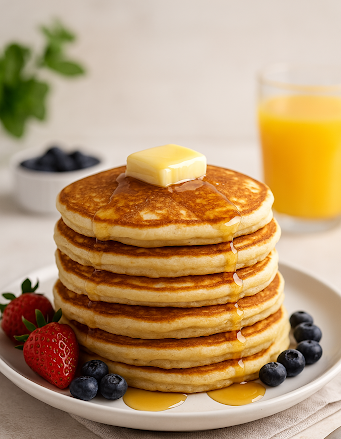
Try these gluten-free staples loved by thousands:


4. All-Purpose Gluten-Free Flour Blends: When to Use Them
If you don’t want to learn the ins and outs of every individual flour right away, all-purpose gluten-free flour blends are your best friend. These blends are formulated to mimic the behavior of wheat flour and are especially handy for weekday baking or when you’re converting a favorite family recipe.
What’s Inside a Good Gluten-Free Blend?
Most high-quality blends combine:
- One or two base flours – often brown rice, sorghum, or oat flour
- One or more starches – like tapioca, potato starch, or corn starch
- A binder – usually xanthan gum, guar gum, or psyllium husk (sometimes pre-included, sometimes not)
The goal is to balance structure, tenderness, and ease of use. A good blend will perform consistently across a range of recipes without requiring a ton of adjustments.
When All-Purpose Blends Work Best
All-purpose gluten-free flour blends shine in:
- Simple swaps – cakes, muffins, quick breads, and cookies where you replace wheat flour 1:1 by weight or volume (following the package directions).
- Pantry minimalism – when you don’t want to store five different bags of flour.
- Beginner baking – learning the basics of gluten-free baking without getting overwhelmed.
They may be less ideal for chewy artisan bread, laminated pastries, or recipes where you want precise control of texture. For these, a custom blend or recipe-specific mix is often better.
How to Convert Recipes Using a Blend
To adapt a traditional recipe with an all-purpose gluten-free flour:
- Check if the blend contains xanthan gum. If it does, you usually don’t need to add more. If it doesn’t, add about 1/4 to 1/2 teaspoon xanthan gum per cup of flour for cookies and cakes, and up to 1 teaspoon for bread.
- Measure carefully. Weighing flour is more reliable than scooping with a cup, particularly for blends that pack differently.
- Add a little extra moisture if needed. A tablespoon or two of milk, plant milk, or oil can transform a dry batter into a lush one.
- Let batters rest. A 10–15 minute rest before baking helps hydrate the flours and starches, reducing grittiness.
Remember that gluten-free batters sometimes look thicker (or thinner) than wheat-based ones. Trust the recipe creator’s visual cues when available—and resist the urge to keep adding flour if the batter looks slightly looser than you’re used to; many gluten-free cakes and muffins thicken as they rest.
Pros & Cons of Relying on Blends
Pros:
- Convenient & consistent.
- Beginner-friendly for gluten-free baking.
- Great for family recipes when you’re not ready to fully re-engineer them.
Cons:
- Less control over nutrition (some blends lean heavily on starches).
- Flavor can be blander than whole-grain custom mixes.
- Not all blends behave the same, so results can vary if you switch brands.
Many bakers end up using a hybrid approach: a reliable all-purpose blend for everyday recipes, plus a small “library” of flours like almond, oat, and sorghum for when they want specific textures or nutrition upgrades.
5. Smart Pantry Planning & Substitution Tips
One of the biggest secrets to stress-free gluten-free baking is planning your pantry. Instead of buying every flour you see, focus on a compact collection that covers your favorite styles of baking—then learn how to substitute wisely within that set.
Building a Simple 2025 Gluten-Free Flour Pantry
For most home bakers, a practical, versatile setup might include:
- 1 all-purpose gluten-free blend – for everyday muffins, cookies, and quick breads.
- 1 nut flour (usually almond flour) – for richness and grain-free recipes.
- 1 whole-grain flour – oat, sorghum, or brown rice for structure and nutrition.
- 1 starch – tapioca or potato starch to lighten textures or crisp coatings.
- Coconut flour (optional) – if you love low-carb or high-fiber bakes.
This small lineup allows you to make everything from fluffy gluten-free pancakes to hearty banana bread, crisp coatings for chicken, and tender cookies—without filling an entire cupboard.
Smart Substitution Guidelines
Because every flour has its own personality, substitutions in gluten-free baking work best when they’re role-based rather than 1:1:
- Swapping structure for structure: If a recipe calls for sorghum flour and you don’t have it, try brown rice flour or oat flour instead, starting with a direct swap by weight and adjusting moisture if needed.
- Swapping starch for starch: Tapioca starch, potato starch, and corn starch are often interchangeable in small amounts. Tapioca gives more chew and stretch; potato starch adds tenderness; corn starch adds crispness.
- Nut flours for nut flours: Almond, hazelnut, and sunflower seed flour can often substitute for each other in cookies and simple cakes, though flavor will change.
- Coconut flour is unique: avoid swapping it directly with any other flour. If you need to replace coconut flour, look for a recipe that never used it to begin with.
When making a substitution, begin by changing no more than 25–30% of the total flour blend. This gives you room to experiment while still leaning on the original recipe’s structure. Note your changes so you can repeat your wins and learn from any flops.
Storage, Freshness & Cross-Contamination
To keep your flours tasting their best and truly gluten-free:
- Store high-fat flours cold. Almond flour, nut flours, and some whole-grain flours do best in the fridge or freezer.
- Label everything clearly. Date the bag or jar, and keep an eye on smell—rancid flour will have a bitter, “off” aroma.
- Prevent cross-contamination. Keep gluten-free flours on their own shelf, away from wheat flour that can “dust” everything nearby. Use separate scoops and, ideally, separate sifters if your kitchen isn’t 100% gluten-free.
And remember: recipes from trusted gluten-free sources have already done a lot of the heavy lifting for you. Our Fluffy Gluten-Free Pancakes and savory staples like Classic Gluten-Free Chicken Pot Pie are designed with the right flour balance so you can experience what “great” gluten-free texture feels like—then use that as a benchmark when you experiment.
Recommended Starter Flour
If you’re ready to commit to one premium flour to anchor your pantry, choose a finely milled, well-tested option that fits your favorite style of baking.
King Arthur Gluten-Free Measure for Measure Flour
This popular, certified gluten-free blend is designed for 1:1 swaps in many traditional recipes, making it a fantastic starting point if you’re new to gluten-free baking or cooking for mixed gluten and gluten-free households.
With a thoughtful mix of gluten-free baking staples—almond flour, coconut flour, whole-grain options, and a reliable all-purpose blend—you can say goodbye to dry, disappointing gluten-free bakes. Instead, your kitchen becomes a place where pancakes are fluffy, cookies are chewy, and friends are surprised when you tell them everything is 100% gluten-free.
Key Takeaways
- Understand the main roles of gluten-free flours so you can combine them for structure, lightness, and flavor.
- Use almond flour, coconut flour, and other nut or seed flours for rich, moist, naturally gluten-free baking.
- Lean on whole-grain flours like oat, sorghum, and brown rice for everyday nutrition and wheat-like flavor.
- Keep an all-purpose gluten-free blend on hand for easy 1:1 swaps in favorite recipes.
- Plan a small but mighty flour pantry and use role-based substitutions for reliable results.
Take the Next Step in Your Gluten-Free Journey
- Download the Free EGF Starter Guide
- Try our Gluten-Free Planner to simplify your week
- Explore our growing recipe library
You don’t have to navigate the gluten-free lifestyle alone, we are here to make it easier every day.
Category: Gluten-Free Lifestyle / Product Reviews