The Best Gluten-Free Flours in 2025

Choosing the best gluten-free flour in 2025 no longer has to feel overwhelming. In this guide, we’ll walk through the top options, how to use them in gluten-free baking, and which blends actually taste like the “real” thing.
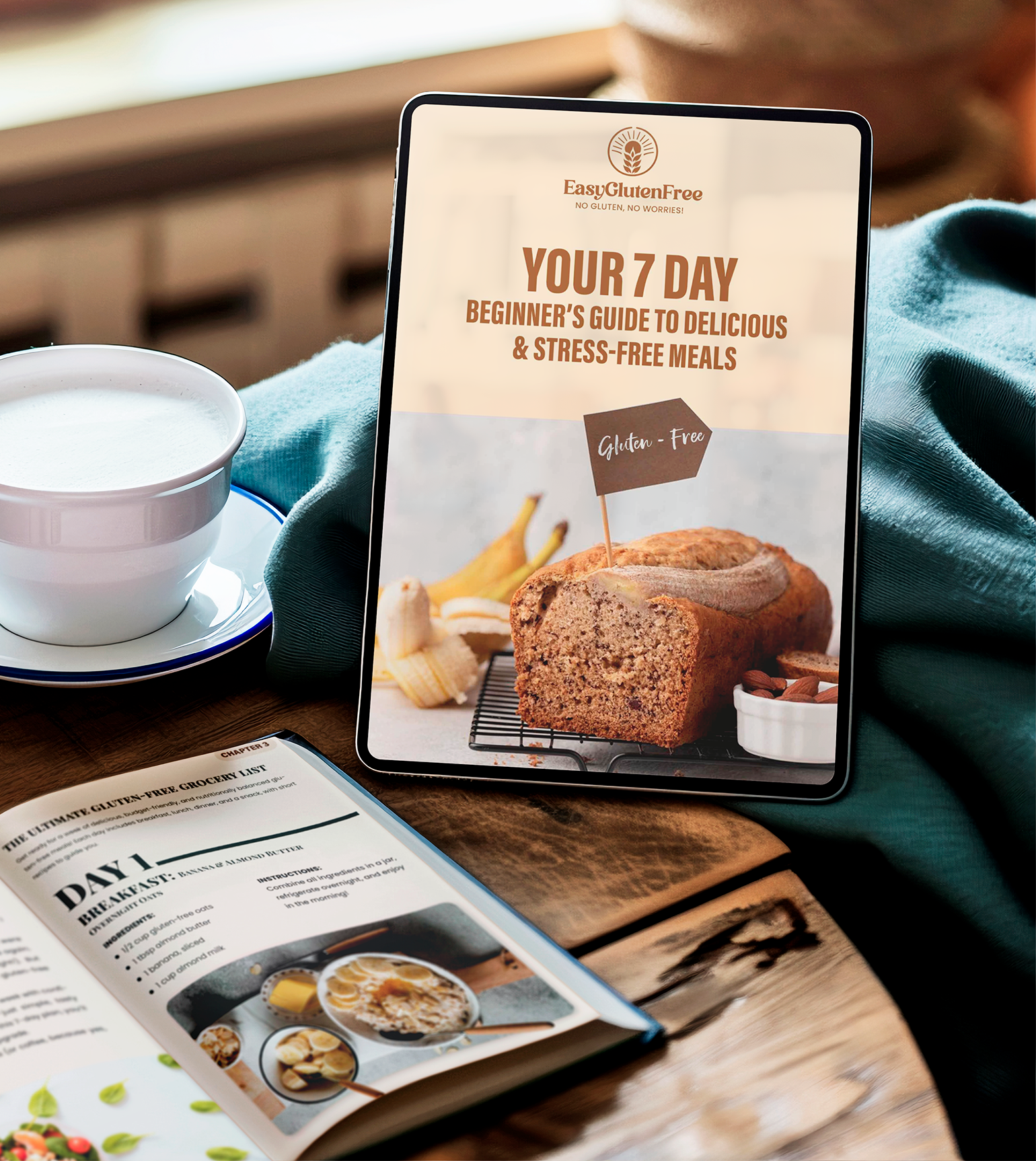
Download Our Free Gluten-Free Starter Guide
- 7-day meal plan
- shopping list
- Tips & 3 beginner-friendly recipes
Introduction
If you’re navigating a gluten-free lifestyle in 2025, you’ve probably noticed one thing: the gluten-free flour aisle has exploded. There are blends for cookies, bread, pizza, cakes, plus single-origin flours like almond flour, coconut flour, oat flour, and even sorghum and teff. It’s exciting—but it can also be seriously confusing.
The good news is that gluten-free baking has never been more delicious or more reliable. We now understand how different gluten-free flours behave, how to blend them for structure and softness, and how to avoid that dry, crumbly texture that used to scream “this is gluten-free.” With the right flour (or blend), you can bake pancakes that fluff, bread that slices, and cookies that stay chewy.
This guide breaks down the best gluten-free flours in 2025, how to choose the right one for your recipe, and how to stock a smart, stress-free gluten-free pantry. Whether you’re baking for celiac disease, gluten sensitivity, or just feel better wheat‑free, you’ll walk away knowing exactly which flours to use—and how to use them with confidence.
1. Understanding Gluten-Free Baking in 2025
Gluten-free baking isn’t just “regular” baking with a different bag of flour. Gluten is a protein that gives dough elasticity, structure, and chew. When you remove it, you need to replace those functions using a combination of starches, whole-grain flours, and binders like xanthan gum or psyllium husk. The magic of modern gluten-free baking is learning how to balance these elements so your bakes look and taste familiar—without the gluten.
In 2025, the landscape of gluten-free flours is more sophisticated than ever. We now have highly tested blends that mimic wheat flour in classic recipes, along with a wide range of nutrient-dense flours such as almond flour, coconut flour, buckwheat, and millet that bring fiber, protein, and healthy fats to your bakes. Instead of settling for “good for gluten-free,” bakers are expecting (and getting) truly delicious results.
Here are a few core concepts that will make every gluten-free baking project easier:
- Blending is better than one flour alone. Most recipes work best with a base of gentle starches (like rice and tapioca) plus more flavorful, nutritious flours (like almond or sorghum). This combination creates structure, browning, and softness.
- Hydration matters. Gluten-free flours often absorb more liquid than wheat flour. If your batter looks thicker than a standard recipe, that’s usually okay—and sometimes necessary. Resting the batter 10–15 minutes before baking helps hydrate the flours fully.
- Binders are your friends. Ingredients like xanthan gum, guar gum, psyllium husk, and ground chia or flax add the stretch and cohesion you’ve lost without gluten. Many all-purpose blends already include a binder; check your label so you don’t double up.
- Not all gluten-free flours behave the same. Almond flour and coconut flour are not interchangeable. Oat flour doesn’t work like rice flour. Understanding a few basics about each flour will save you from dense cakes and crumbly cookies.
Once you think of gluten-free baking as its own skill, rather than a strict copy of “regular” baking, the whole process feels more intuitive and a lot more fun. The rest of this guide will help you understand the strengths of each popular gluten-free flour so you can reach for the right one every time.
2. The Top Single-Ingredient Gluten-Free Flours
Single-ingredient gluten-free flours are milled from just one grain, nut, seed, or root. They’re fantastic for customizing texture and flavor, boosting nutrition, and adapting recipes beyond what an all-purpose blend can offer. Here are the most useful players to keep on your radar in 2025.
Almond Flour
Keywords to remember: gluten-free baking, almond flour, moisture, tenderness, healthy fats.
Almond flour is one of the most beloved gluten-free flours for good reason. It’s naturally grain-free, high in protein and healthy fats, and gives baked goods a rich, moist crumb. It shines in cookies, quick breads, muffins, and crusts.
- Best for: brownies, blondies, cookies, snack cakes, tart crusts, and crumble toppings.
- Texture: Tender and rich with a light, pleasant nuttiness.
- How to use: Often combined with a starch (like tapioca or arrowroot) to keep bakes from feeling heavy. Can replace 25–50% of an all-purpose gluten-free blend for extra moisture.
Because it’s so dense, almond flour doesn’t behave like wheat flour on its own. Look for recipes that were developed for almond flour, or follow a tested blend ratio before experimenting.
Coconut Flour
Coconut flour is incredibly absorbent and fiber-rich. A little goes a very long way, which is why it’s famous for throwing off a recipe when swapped 1:1 for other flours. Used correctly, it creates soft, cake-like textures and adds a gentle coconut flavor.
- Best for: pancakes, muffins, keto-style bakes, and sponge-like cakes.
- Texture: Light and fluffy when balanced with enough eggs and liquid; dry and crumbly if misused.
- How to use: Typically 1/4–1/3 cup coconut flour per 1 cup wheat flour, plus extra liquid and eggs. Avoid direct substitutions.
If you’re new to coconut flour, start with a recipe written specifically for it. Many people love using it for gluten-free baking when they want a lower-carb or higher-fiber option.
Oat Flour (Certified Gluten-Free)
Oat flour brings a cozy, familiar flavor that’s perfect for breakfast and snack recipes. Make sure to choose certified gluten-free oats or oat flour to avoid cross-contamination, which is a concern for people with celiac disease and gluten sensitivity.
- Best for: pancakes, waffles, muffins, snack bars, and rustic cookies.
- Texture: Soft, slightly chewy, and hearty.
- How to use: Often combined 50/50 with a lighter flour or starch (like white rice flour or tapioca) for better lift and structure.
You can grind your own oat flour by blending gluten-free rolled oats into a fine powder, then sifting. This is a budget-friendly way to keep it on hand.
Rice Flours (White and Brown)
Rice flours are the quiet workhorses of gluten-free baking. White rice flour is neutral and light, while brown rice flour adds a touch of nuttiness and more nutrition.
- Best for: the base of many gluten-free flour blends, cakes, cookies, and light breads.
- Texture: White rice flour is delicate; brown rice flour is slightly heartier.
- How to use: Rarely used alone; usually part of a blend with starches and whole-grain flours.
If your gluten-free treats have ever tasted gritty, the culprit was probably a coarsely milled rice flour. Look for finely milled options labeled specifically for baking.
Other Helpful Gluten-Free Flours
Beyond these staples, 2025 has brought more attention to nutrient-dense, gluten-free grains and pseudo-grains:
- Buckwheat flour: Earthy and hearty, fantastic in pancakes, crepes, and rustic loaves.
- Sorghum flour: Mild and wheat-like, often used in gluten-free bread blends.
- Teff flour: Tiny but mighty, rich in minerals and great in brownies and quick breads.
- Millet flour: Light and slightly sweet; balances stronger flavors in blends.
Use these in small amounts (20–30% of your total flour weight) to increase nutrition and complexity without overpowering your recipes.
Bob’s Red Mill Super-Fine Almond Flour
This ultra-fine almond flour is one of the most reliable staples for gluten-free baking. It blends beautifully into cookies, cakes, and quick breads without a gritty texture, and adds moisture and richness that keep your bakes tender for days.
3. Best All-Purpose Gluten-Free Flour Blends
As convenient as single-ingredient flours are for customizing recipes, you don’t always want to play mad scientist on a weeknight. That’s where all-purpose gluten-free flour blends shine. These ready-made mixes are designed to replace wheat flour in many recipes with minimal adjustments.
In 2025, the best gluten-free blends tend to share a few traits:
- A balanced mix of whole-grain flours (like sorghum or brown rice) and starches (like tapioca or potato).
- A built-in binder, usually xanthan gum, for structure and elasticity.
- Fine milling to avoid grittiness, especially in cakes and cookies.
When a recipe calls for “gluten-free all-purpose flour,” it’s usually assuming the flour includes xanthan gum and is designed for 1:1 substitution. Always check your bag to see if a binder is included and whether it’s labeled as “1:1” or “cup-for-cup.”
How to Choose the Right Blend
Different blends shine in different categories. Some are fantastic for yeasted breads and pizza; others excel in tender cakes and cookies. Consider:
- Your priority: Is it taste, nutrition, or convenience?
- Ingredients: Do you need the blend to be rice-free, corn-free, gum-free, or grain-free?
- Use case: Are you mostly baking cookies and muffins, or do you want a blend that can handle crusty bread?
If you’re just getting started, look for a 1:1 gluten-free flour that clearly states it’s suitable for cakes, cookies, and quick breads. These tend to be the most forgiving.
Using 1:1 Gluten-Free Flour in Your Favorite Recipes
Most 1:1 blends are designed so that you can swap them for wheat flour by volume (1 cup for 1 cup) in many home-style recipes. That said, a few tweaks will almost always improve your results:
- Weigh if you can. If the package gives gram weights, use them for more consistent results.
- Add a little extra moisture. Sometimes an extra tablespoon or two of milk, oil, or another wet ingredient per cup of flour helps avoid dryness.
- Let batters rest. A 10–15-minute rest lets starches hydrate, leading to a smoother crumb and better rise.
For yeasted breads, pizza dough, and anything that needs a lot of stretch, it’s often best to follow a recipe developed specifically for gluten-free bread rather than forcing your usual wheat-based recipe to work.
Spotlight: A Reliable Everyday Blend
Many readers of EasyGlutenFree keep one high-quality blend on hand for quick weeknight baking, then customize with single flours when they have more time. A good everyday blend should:
- Contain a mix of rice flour and starches for lightness.
- Include sorghum or a similar whole grain flour for flavor.
- Have xanthan gum added, so you don’t need to measure it separately for standard recipes.
Once you find a blend your household loves, stick with it for a while. Switching between brands can affect hydration, browning, and structure, so consistency makes troubleshooting much easier.
Recipe Inspiration
Try these gluten-free staples loved by thousands:


4. Building a Gluten-Free Pantry That Actually Works
A well-stocked gluten-free pantry turns last-minute dinners and cravings into easy wins instead of stressful experiments. The key is balance: you want enough variety to bake almost anything, without filling your cupboards with half-used bags of obscure flours.
Core Flours to Keep on Hand
For most gluten-free households, these staples cover 90% of everyday baking and cooking:
- One 1:1 gluten-free all-purpose flour blend for cookies, muffins, quick breads, and simple cakes.
- Almond flour for moisture, healthy fats, and grain-free recipes.
- Coconut flour for high-fiber, low-carb bakes (used sparingly).
- Certified gluten-free oat flour or rolled oats for grinding into flour when needed.
- Tapioca or arrowroot starch for stretch, chew, and thickening sauces.
If you love baking bread or experimenting, you might add sorghum, buckwheat, or millet to this list for extra flavor and nutrition.
Essential Binders and Boosters
Alongside flours, a few supporting ingredients drastically improve your results:
- Xanthan gum or psyllium husk: Adds elasticity and structure to breads and doughs that don’t use a 1:1 blend with gum already included.
- Ground flax or chia seeds: Act as egg replacers and add gentle binding plus nutrition.
- Baking powder and baking soda: Fresh leavening is especially important in gluten-free baking for good rise.
Store these in airtight containers, away from light and heat, and check dates regularly. Old leavening or binders can mean flat, crumbly bakes.
Storage Tips (and How to Avoid Wasting Expensive Flour)
Gluten-free flours, especially nut and whole-grain flours, can go rancid more quickly because of their natural oils. To protect your investment:
- Store almond flour, coconut flour, and whole-grain flours (like sorghum, teff, and millet) in the fridge or freezer for longer shelf life.
- Label containers with the date opened so you use older flours first.
- Buy smaller bags of specialty flours unless you bake with them weekly.
Before baking, do a quick check: if a flour smells bitter, sour, or “off,” it’s past its prime and won’t give you good results.
5. Practical Tips for Success with Gluten-Free Flours
Once your pantry is set, a few practical habits will dramatically improve your gluten-free baking success—no culinary degree required.
Start with Tested Gluten-Free Recipes
While it’s tempting to convert every family favorite by swapping in almond flour or a blend, you’ll save time and frustration by starting with recipes developed specifically for gluten-free flours. They’re already tested for the right ratios of flour, liquid, fat, and binder.
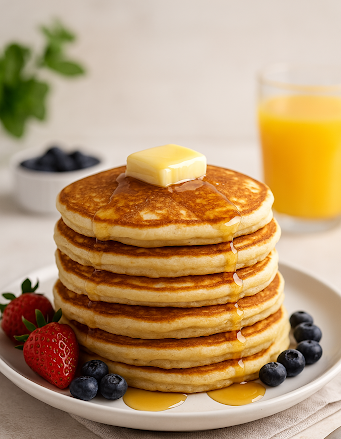
For example, our Fluffy Gluten-Free Pancakes recipe on EasyGlutenFree is carefully balanced so your batter pours easily, rises well, and stays soft even as it cools. Use that as a base, then customize add-ins like blueberries or chocolate chips.
Measure Carefully (and Preferably by Weight)
Because different gluten-free flours vary in density and absorption, measuring by weight gives you far more predictable results than measuring by cups. If you don’t have a scale, be sure to:
- Fluff the flour in its container.
- Spoon it into your measuring cup.
- Level it off with a straight edge (don’t pack it down).
This simple step alone can mean the difference between light muffins and dense ones.
Adjust Liquids Mindfully
If a batter looks thick compared to standard wheat-based versions, don’t panic. Gluten-free batters are often thicker. Rather than adding lots of extra liquid at once, try:
- Letting the batter rest 10 minutes to fully hydrate the flour.
- Then adding 1 tablespoon of liquid at a time only if still overly stiff.
On the flip side, if a dough is unexpectedly sticky (especially for cookies), chilling it for 20–30 minutes usually firms it up enough to handle.
Embrace Small Pans and Shorter Loaves
Without gluten, very tall loaves can struggle to hold their structure. Using slightly smaller pans or baking shorter loaves can dramatically improve texture and prevent sinking in the middle. This is particularly true for gluten-free sandwich bread, banana bread, and pound cakes.
Product Highlight: A Reliable Coconut Flour
Once you’re comfortable with basic gluten-free baking, coconut flour is a powerful tool—especially for high-fiber, lower-carb treats. Look for a fine, consistent grind that blends smoothly into batters.
One option many home bakers love is:
- Viva Naturals Organic Coconut Flour – A smooth, finely milled coconut flour that works beautifully in pancakes, muffins, and snack cakes when paired with enough liquid and eggs.
Used thoughtfully, coconut flour can turn simple recipes into satisfying, fiber-rich snacks that keep you full much longer than traditional wheat-based versions.
Give Yourself Permission to Learn
Finally, remember that gluten-free baking is a new skill, not a downgrade. Every batch teaches you something: how almond flour affects moisture, how your favorite 1:1 blend behaves in cookies versus cakes, how long to rest your batter. Keep notes, celebrate the wins, and know that your “fails” are steps toward becoming a confident gluten-free baker.
Key Takeaways
- Gluten-free baking in 2025 is its own craft, and understanding how flours, starches, and binders work together is the foundation of success.
- Single-ingredient flours like almond flour, coconut flour, oat flour, and rice flour each bring unique textures and flavors—use them intentionally.
- High-quality 1:1 gluten-free flour blends simplify everyday baking, especially for cookies, cakes, and quick breads.
- A smart gluten-free pantry balances a few versatile flours with proper storage so nothing goes stale or to waste.
- Careful measuring, resting batters, and starting with tested recipes make gluten-free baking feel easy and enjoyable.
Take the Next Step in Your Gluten-Free Journey
- Download the Free EGF Starter Guide
- Try our Gluten-Free Planner to simplify your week
- Explore our growing recipe library
You don’t have to navigate the gluten-free lifestyle alone, we are here to make it easier every day.
Category: Product Reviews