The Best Gluten-Free Flours in 2025

Choosing the best gluten-free flours in 2025 doesn’t have to feel overwhelming. This guide will walk you through the essentials of gluten-free baking, from almond flour and coconut flour to smart blends that deliver tender breads, chewy cookies, and golden pancakes—without the gluten and without the guesswork.
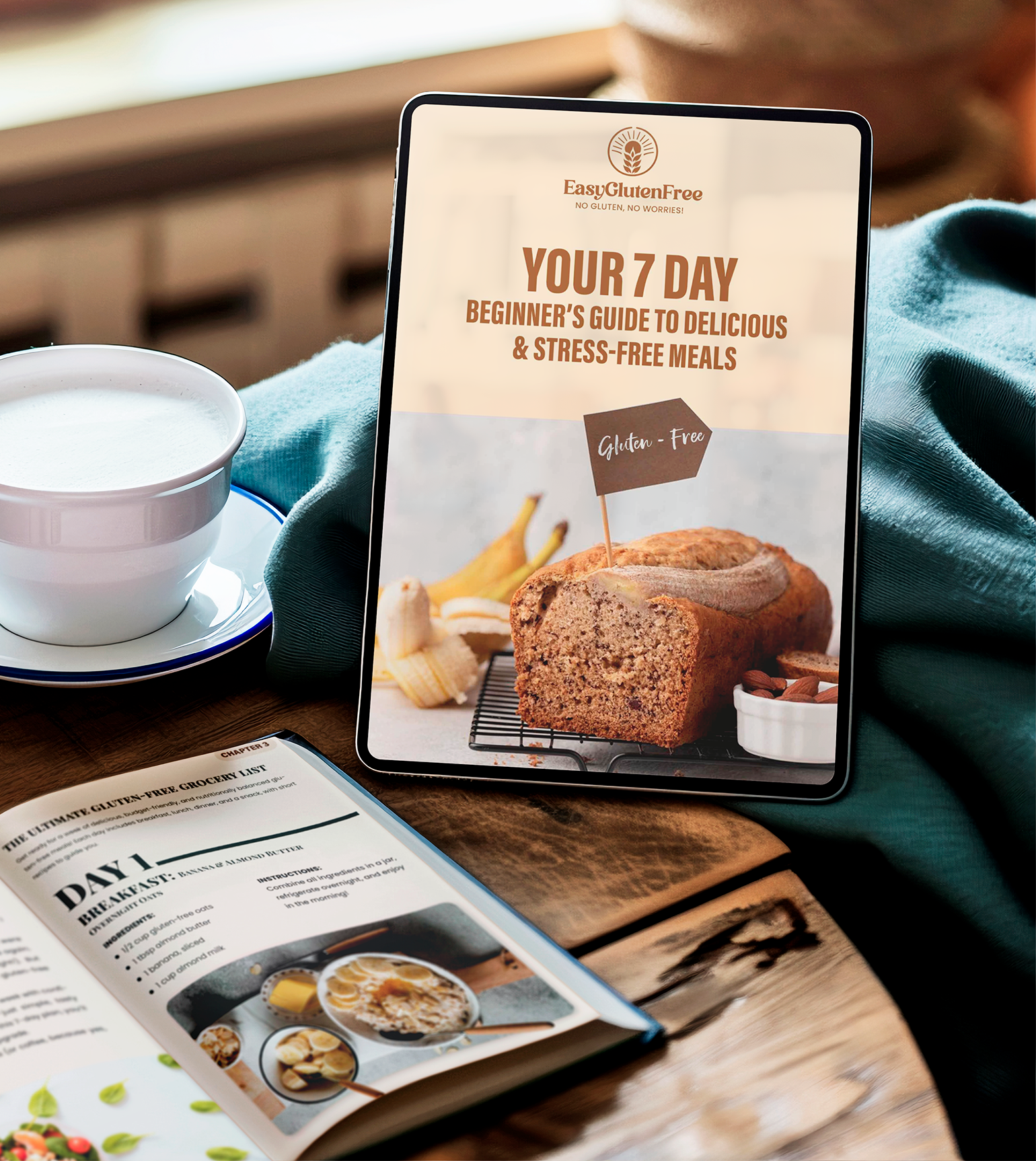
Download Our Free Gluten-Free Starter Guide
- 7-day meal plan
- shopping list
- Tips & 3 beginner-friendly recipes
Introduction
If you’re newly gluten-free—or just ready to level up your gluten-free baking—you’ve probably discovered that there’s no single “gluten-free flour” that acts exactly like wheat. Instead, you’re faced with shelves full of options: almond flour, coconut flour, oat flour, rice flour, sorghum, blends, starches… and a lot of conflicting advice. This guide is here to simplify it all for you.
In 2025, gluten-free flours have come a long way. Ingredient sourcing is better, textures are finer, and blends are more reliable than ever. That means you can create fluffy cakes, chewy cookies, and crusty breads with less trial and error—if you pick the right flour for the job. We’ll walk through each major option, explain how it behaves, and show you where it shines and where it doesn’t.
We’ll also talk about how to combine gluten-free flours, how to avoid common pitfalls (crumbly muffins, sandy textures, or gummy centers), and how to stock a smart gluten-free pantry. Whether you’re baking for celiac disease, gluten sensitivity, or simply by choice, this guide will help you feel confident every time you preheat the oven.
1. Understanding Gluten-Free Baking Basics
Gluten-free baking isn’t just “wheat baking without wheat.” Gluten—the protein in wheat, barley, and rye—provides structure and elasticity. Once you remove it, you need to rebuild that structure with a combination of flours and binders so your bakes don’t fall apart.
Most successful gluten-free recipes rely on a mix of ingredients rather than a single flour. Think of it like a team: one flour brings protein, another brings starch and lightness, and a third adds flavor and color. Together, they approximate the performance of wheat flour without the gluten.
Here are the three building blocks to understand:
- Base flours (like rice, sorghum, or oat flour) create the bulk of your blend and help mimic the feel of all-purpose flour.
- Protein and fat-rich flours (such as almond flour) add moisture, tenderness, and staying power so your baked goods don’t dry out overnight.
- Starches and binders (tapioca starch, potato starch, arrowroot, plus xanthan gum or psyllium husk) create chew, lightness, and that slightly stretchy texture gluten usually provides.
When you understand which role each gluten-free flour plays, you can start to swap and customize confidently. Want chewy cookies? Lean into almond flour and tapioca. Dreaming of a tall, fluffy cake? Go lighter on the nut flours and increase your starches. Learning this language will save you time, money, and a lot of crumbly experiments.
One more important note: gluten-free flours absorb liquid differently. Coconut flour, in particular, is extremely thirsty and can ruin a recipe if you substitute it one-for-one for wheat. That’s why using tested gluten-free recipes—or a well-balanced gluten-free flour blend—is the easiest way to guarantee success as you learn.
2. Almond Flour: The Gluten-Free Baking Powerhouse
Almond flour has become a cornerstone of gluten-free baking—and for good reason. It’s naturally gluten-free, rich in healthy fats and protein, and bakes up beautifully moist and tender. If you’re looking to replace wheat flour in cookies, brownies, quick breads, or even pie crusts, almond flour is often your best friend.
There are two main types you’ll see on shelves in 2025:
- Blanched almond flour – Made from almonds with the skins removed and ground very finely. This is ideal for most gluten-free baking, from pancakes to macarons, because it creates a smooth, light crumb without specks.
- Almond meal – Ground from whole almonds with the skins on and often a bit coarser. It works well in rustic bakes or as a crunchy topping but can make cakes heavier and grittier if used alone.
Almond flour shines in recipes where you want richness and tenderness. It brings a slightly sweet, nutty flavor that plays well with chocolate, spices, citrus, and berries. It also keeps baked goods moist for days, which is especially helpful if you’re avoiding gluten-free products that go stale quickly.
However, almond flour doesn’t behave exactly like wheat flour. It lacks starch and binding power, so it works best when paired with eggs, a small amount of starch (like tapioca or arrowroot), or a touch of xanthan gum. For example, a chewy almond flour chocolate chip cookie might use mostly almond flour plus a tablespoon or two of tapioca starch to boost structure.
Almond flour also browns faster than wheat flour because of its natural oils. When adapting recipes, you may want to lower your oven temperature by about 10–15°C (25°F) and keep a close eye on browning near the end of the bake time.
In the context of gluten-free baking, almond flour pairs beautifully with coconut flour and oat flour. A small amount of coconut flour can absorb excess moisture from almond flour and create a tighter crumb, while oat flour adds a familiar “bakery” flavor to muffins and cakes. Together, these three can create an incredibly satisfying texture in everything from banana bread to blueberry muffins.
Bob’s Red Mill Super-Fine Almond Flour
This ultra-fine blanched almond flour is a staple in many gluten-free kitchens. Its consistent grind, mild flavor, and reliable performance make it perfect for cookies, quick breads, and the base of many gluten-free baking blends. It’s also an excellent choice for high-protein, low-carb baking that still tastes indulgent.
3. Coconut Flour and Other High-Fiber Flours
If almond flour is the moisture hero of gluten-free baking, coconut flour is the sponge. Made from dried, defatted coconut meat, coconut flour is incredibly high in fiber and extremely absorbent. That means a little goes a very long way—and that it should never be swapped one-to-one with wheat flour.
In gluten-free baking, coconut flour is best used in small amounts, usually alongside other flours. A typical recipe might use 1/4 to 1/3 cup of coconut flour for every 1 cup of wheat flour originally called for, plus extra eggs or liquid to compensate. When handled correctly, it creates a tender, cake-like crumb with a subtle coconut aroma.
Here’s how coconut flour behaves in the mixing bowl:
- Absorbs significant liquid – Batter will often thicken as it rests. Allow it to sit for a few minutes before adjusting liquids.
- Pairs well with eggs – Many coconut flour recipes are egg-heavy. The eggs help bind and lift, preventing a dense, chalky texture.
- Best in soft bakes – Coconut flour works beautifully in pancakes, muffins, snack cakes, and soft cookies where a delicate crumb is welcome.
Because coconut flour can be intense on its own, it often works best in combination with other gluten-free flours and starches. A blend of almond flour and coconut flour, for example, balances moisture and structure: almond flour prevents dryness, while coconut flour adds bulk and fiber without excessive heaviness.
Beyond coconut flour, there are several other high-fiber, nutrient-dense flours worth getting to know in 2025:
- Oat flour (certified gluten-free) – Mild, slightly sweet, and familiar in flavor. It adds softness and a “wheaty” feel to gluten-free baking. Perfect in muffins, quick breads, and cookies.
- Sorghum flour – A whole-grain flour with a gentle, earthy sweetness. Often used in gluten-free bread blends, it adds body, color, and a satisfying chew.
- Buckwheat flour – Despite its name, it’s naturally gluten-free. Buckwheat brings deep, nutty flavor and works well in pancakes, crepes, and rustic loaves.
Each of these high-fiber flours supports better blood sugar balance, more staying power after meals, and more nutrient density compared to pure starches. In a gluten-free lifestyle, where many packaged products lean heavily on white rice flour and starch, bringing in these whole-food flours is a smart way to nourish your body while still enjoying your favorite baked treats.
The key is to introduce them gradually and use tested recipes. Start with a trusted gluten-free pancake or muffin recipe that uses a mix of oat, almond, and coconut flour, and notice how the texture differs from a simple rice flour blend. Over time, you’ll learn which flavors you love and which flours you reach for on autopilot.
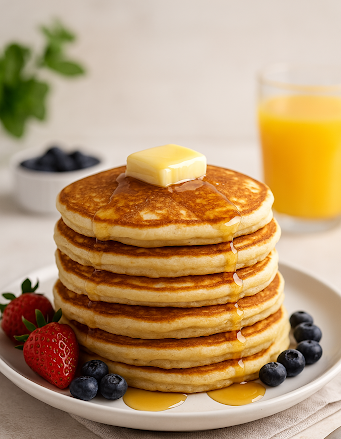
Recipe Inspiration
Try these gluten-free staples loved by thousands:


4. All-Purpose Gluten-Free Flour Blends
While learning each individual gluten-free flour is empowering, most busy home cooks don’t want to blend three or four flours every time they bake. That’s where all-purpose gluten-free flour blends come in. These ready-made mixes usually combine rice flour, sorghum or oat flour, and starches like tapioca and potato, plus a small amount of xanthan gum or another binder.
Their goal is simple: mimic the behavior of wheat all-purpose flour so you can substitute cup-for-cup in many recipes. In 2025, the best blends do exactly that for cookies, muffins, quick breads, and pancakes—with minimal tweaking.
Here’s what to look for when choosing an all-purpose gluten-free blend:
- A mix of whole-grain and starch flours – Blends that include sorghum, buckwheat, or certified gluten-free oat flour often have better flavor and nutrition than blends based only on white rice flour.
- Very fine grind – A gritty flour can ruin cookies and cakes. Look for “super fine” or “fine grind” on the label.
- Certain gums or binders – Xanthan gum or guar gum is usually included to help with structure. If your blend does not contain gums, you’ll likely need to add some separately.
Even with the best all-purpose blend, keep in mind that gluten-free doughs and batters behave differently. Bread doughs may be closer to thick batter than a kneadable ball, cake batters may be slightly looser, and cookie dough might need a short chill to prevent spreading. Trust visual cues and texture rather than relying solely on wheat-based expectations.
For savory cooking, an all-purpose gluten-free blend is incredibly convenient. Use it for dredging chicken, thickening sauces, or making a quick roux for gluten-free gravy or mac and cheese. It’s one of the most versatile staples you can keep in your gluten-free pantry.
When you’re ready to branch out, you can still enhance a store-bought blend by adding a bit of almond flour for richness or a spoonful of coconut flour for additional fiber in specific recipes. Think of your all-purpose blend as the foundation, and the other flours as custom upgrades tailored to your taste and nutrition goals.
5. Building a Smart Gluten-Free Flour Pantry in 2025
A well-planned gluten-free pantry saves money, reduces waste, and makes it easy to cook and bake without last-minute stress. The goal isn’t to buy every flour on the market—it’s to choose a focused set of gluten-free baking essentials that match how you actually eat.
Start by identifying your core needs. Do you bake mostly cookies and muffins? Are you focused on everyday family dinners? Are you trying to keep things lower in carbs or higher in fiber? Your answers will guide which gluten-free flours earn a spot on your shelf.
For most gluten-free households, a simple but powerful starter lineup might look like this:
- One reliable all-purpose gluten-free blend – For quick baking, savory dredging, and weeknight cooking.
- Almond flour – For moist cakes, cookies, and nutrient-dense baking.
- Coconut flour – For high-fiber recipes and for pairing with almond flour in pancakes and quick breads.
- Certified gluten-free oat flour or sorghum flour – For whole-grain goodness and familiar “bakery” flavor.
- Tapioca starch (or arrowroot) – For crisp edges, chewiness, and glossy sauces.
Store gluten-free flours in airtight containers away from light and heat. Nut flours like almond flour can go rancid more quickly due to their natural oils, so keep them in the fridge or freezer if you don’t bake frequently. Label your jars clearly with purchase dates so you can rotate stock before flavors fade.
As you cook through your favorite gluten-free baking recipes, pay attention to what you reach for most often. You may find that almond flour and oat flour become your daily staples, while a specialty flour like buckwheat only comes out for weekend pancakes. That’s completely fine—your pantry should reflect your real life, not a theoretical ideal.
To keep experimentation fun and budget-friendly, change one thing at a time. If you love a particular gluten-free cookie recipe made with an all-purpose blend, try swapping 1/4 of the flour for almond flour to increase richness and protein. Or add a tablespoon of coconut flour to muffins and slightly increase the liquid, noting how the texture shifts.
Over time, you’ll develop an instinctive feel for gluten-free baking: you’ll know when a batter is too thick, when a dough needs more hydration, and which flour to reach for to fix it. That’s the moment gluten-free cooking stops feeling like a restriction and starts feeling like a skill you fully own.
And remember, you don’t need to reinvent every recipe yourself. Rely on trusted resources and tested recipes—like the EasyGlutenFree favorites below—while you get comfortable. Then, once you understand how gluten-free flours work together, you can customize everything from birthday cakes to Sunday waffles with confidence.
Key Takeaways
- Gluten-free baking works best when you combine different flours and binders to replace gluten’s structure.
- Almond flour adds moisture, richness, and protein, making it a cornerstone of gluten-free baking in 2025.
- Coconut flour and other high-fiber flours are powerful tools when used in small, balanced amounts.
- A quality all-purpose gluten-free blend simplifies everyday cooking and baking without sacrificing results.
- A smart gluten-free flour pantry focuses on a few versatile staples tailored to your real-life needs.
Take the Next Step in Your Gluten-Free Journey
- Download the Free EGF Starter Guide
- Try our Gluten-Free Planner to simplify your week
- Explore our growing recipe library
You don’t have to navigate the gluten-free lifestyle alone, we are here to make it easier every day.
Category: Gluten-Free Lifestyle / Product Reviews