The Best Gluten-Free Flours in 2025

Choosing the best gluten-free flours in 2025 can feel overwhelming, but with a little guidance you can bake bread that actually rises, cookies that don’t crumble into dust, and pancakes that taste as good as (or better than) the gluten-filled versions. This guide breaks down the top gluten-free flours, how to use them, and which blends work best for everyday gluten-free baking.
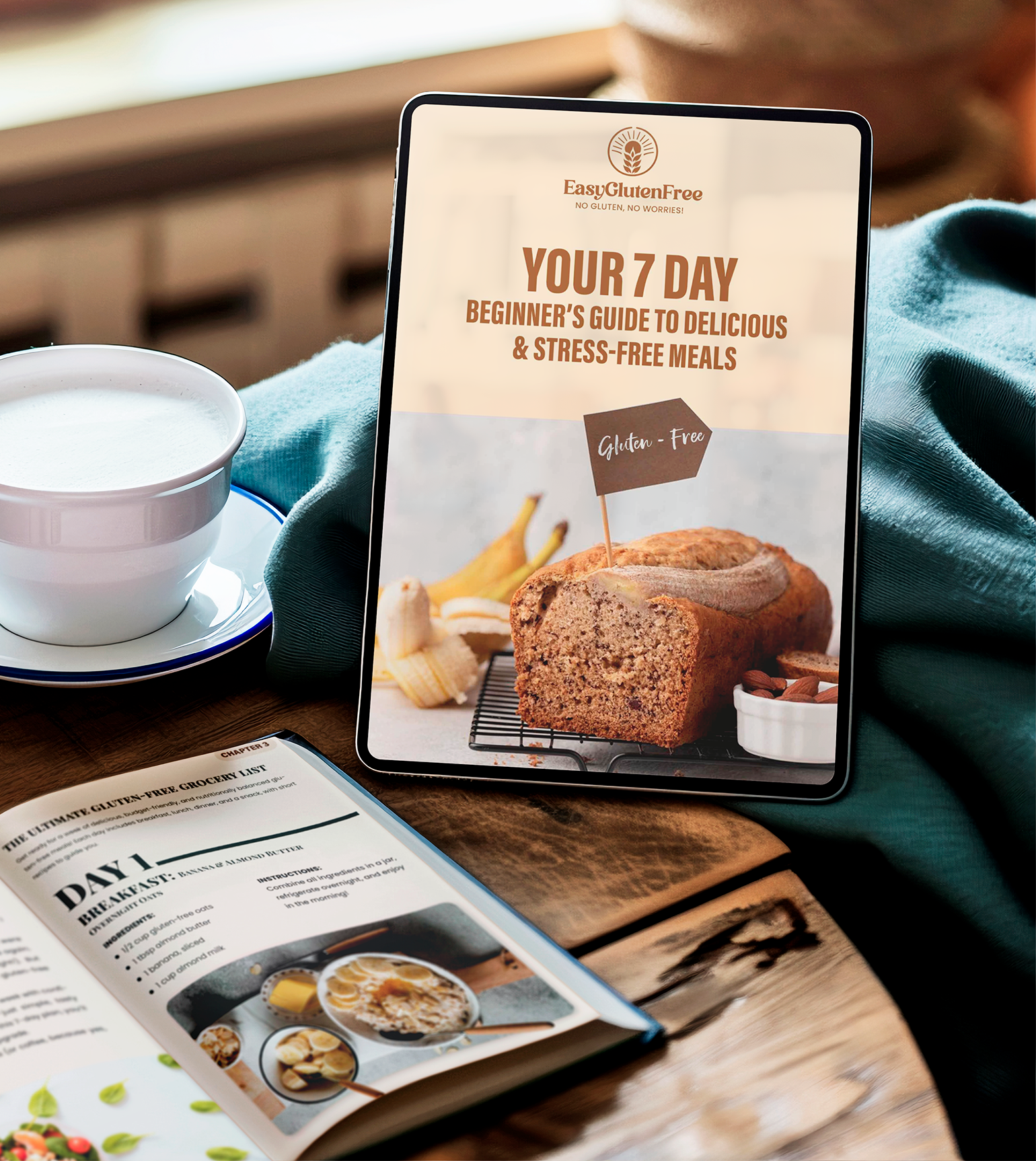
Download Our Free Gluten-Free Starter Guide
- 7-day meal plan
- shopping list
- Tips & 3 beginner-friendly recipes
Introduction
If you’ve ever stared at the gluten-free baking aisle wondering what on earth to do with almond flour, coconut flour, or that mysterious “1:1 gluten-free blend,” you’re not alone. Gluten-free baking is different chemistry, and the flour you choose has a huge impact on texture, flavor, and nutrition.
In 2025, the gluten-free flour market has never been better. We now have reliable all-purpose blends, single-grain flours for artisan-style baking, and nutrient-dense options that support blood sugar balance and gut health. The catch? Not every flour works in every recipe, and swapping one for another without a plan is the fastest way to flat, gummy, or sandy bakes.
This guide is here to simplify all of that. We’ll walk through the best gluten-free flours, how to combine them, and which flours are best for bread, cookies, cakes, and everyday cooking. Whether you’re baking for celiac disease, gluten sensitivity, or simply choosing a gluten-free lifestyle, you’ll walk away with a clear roadmap and confidence to experiment in your own kitchen.
1. Understanding Gluten-Free Baking Basics
Before diving into specific gluten-free flours, it helps to understand what we’re trying to replace. Gluten is a protein found in wheat, barley, and rye. In traditional baking, it gives dough elasticity, helps bread rise, and creates that chewy, tender crumb we all love. When you remove gluten, you lose structure, stretch, and sometimes moisture—unless you intentionally build them back in.
That’s why gluten-free baking typically relies on a mix of flours and starches. A single flour almost never does the job on its own. For example:
- Almond flour adds richness and moisture but can be heavy and dense.
- Coconut flour is extremely absorbent and can make baked goods dry if used alone.
- Rice flour gives structure but can be gritty or crumbly without support from starches or binders.
Most modern recipes use a blend of gluten-free flours plus binders like xanthan gum, psyllium husk, or ground flaxseed. These help trap air bubbles from leavening agents (like baking powder or yeast), mimicking the springiness gluten would normally provide.
When people say “gluten-free baking is hard,” what they usually mean is “I tried to swap wheat flour 1:1 with just almond or coconut flour and it failed.” Once you know which flour families exist and how they behave, you can predict the results far more easily.
In general, gluten-free flours fall into a few main categories:
- Neutral starches: tapioca starch, potato starch, corn starch – light, great for soft texture and crisp edges.
- Base flours: white rice, brown rice, sorghum, oat flour – the backbone of most gluten-free flour blends.
- Nut & seed flours: almond flour, coconut flour, hazelnut, sunflower seed – rich, higher in fat and protein.
- Whole-grain flours: buckwheat, teff, millet, quinoa, amaranth – nutritious and flavorful, often slightly earthy.
The magic happens when you combine these thoughtfully. That’s what we’ll explore in the next sections: which gluten-free flours and blends are working best in 2025, and how to use them without wasting ingredients—or your time.
2. The Best All-Purpose Gluten-Free Flour Blends
For everyday gluten-free baking, an all-purpose gluten-free flour blend is your best friend. These blends are designed to replace regular all-purpose wheat flour in many recipes, usually at a 1:1 ratio by volume or weight. In 2025, most major gluten-free brands have refined their formulas to be less gritty and more reliable, especially for cookies, cakes, quick breads, and pancakes.
But not all blends behave the same way. Some are starch-heavy and perfect for ultra-soft cakes; others are more whole-grain focused and better suited to muffins or rustic loaves. When choosing a blend, check for three things:
- Ingredients list: Look for a balance of base flours (like rice or sorghum) and starches (like tapioca or potato). Avoid blends that are mostly starch with minimal whole grains if you want better nutrition and texture.
- Added binders: Many “1:1” blends contain xanthan gum or guar gum. That means you usually don’t need to add more to the recipe. If your blend has no gums, you may need to add your own for structure, especially in breads and cakes.
- Intended use: Some blends are labeled specifically for bread or pizza dough, while others are general-purpose. A bread blend may be too heavy or yeasty for delicate cookies.
When should you use a gluten-free all-purpose blend?
- When you are adapting a regular wheat-based recipe and want a simple starting point.
- For quick recipes like pancakes, waffles, brownies, or muffins.
- When you’re still learning gluten-free baking and don’t want to stock six different flours yet.
There are a few limitations. All-purpose gluten-free blends can struggle with:
- Yeast breads: You’ll often get a denser crumb unless the recipe is specifically designed for gluten-free baking.
- High-structure bakes: Croissants, brioche, or delicate laminated pastries usually need specialized blends or custom flour combinations.
- Very moist cakes: If your batter is very wet, some blends can turn gummy. In that case, using a blend combined with nut flours like almond flour can improve the texture.
If you’re feeling stuck, start with a trusted gluten-free recipe that was tested with an all-purpose blend, then branch out. Once you taste what’s possible when the flour is balanced correctly, it becomes much easier to judge how a new blend might behave.
Bob’s Red Mill Gluten Free 1-to-1 Baking Flour
This dependable 1:1 gluten-free baking flour is a pantry workhorse, combining rice flours, sorghum, and starches with xanthan gum already blended in. It performs beautifully in cookies, muffins, quick breads, and pancakes, making it an excellent starting point if you’re transitioning to gluten-free baking or simply want a flour that behaves predictably in family-favorite recipes.
3. Almond, Coconut & Other Nut Flours
Nut flours are a big reason gluten-free baking has become delicious instead of just “good enough.” They bring healthy fats, protein, and a tender crumb that’s hard to achieve with starches and rice flour alone. The most popular options in 2025 are almond flour and coconut flour, with hazelnut and cashew flour popping up more often in specialty recipes.
Almond flour
Almond flour is made from finely ground blanched almonds (skins removed). It’s naturally gluten-free and grain-free, with a mild, slightly sweet flavor. In gluten-free baking, almond flour:
- Adds moisture and richness to cakes, cookies, and brownies.
- Helps prevent dry or crumbly textures—especially useful when paired with a gluten-free blend.
- Delivers more fiber, protein, and healthy fats than most grain flours.
However, almond flour is dense. If you swap it 1:1 for wheat flour, your baked goods may not rise well. It works best when:
- You use recipes specifically developed for almond flour, or
- You replace only part of the flour in a recipe (for example, 25–50% of a gluten-free all-purpose blend) to boost moisture and tenderness.
Almond flour shines in recipes like brownies, financiers, tart crusts, and soft cookies. It’s a great choice when you want “gluten-free” to feel like an upgrade, not a compromise.
Coconut flour
Coconut flour is made from dried, defatted coconut meat. It is ultra-fine and intensely absorbent. Just a small amount can soak up a lot of liquid, which is why coconut flour recipes look strange at first glance—lots of eggs and liquid, not much flour.
Key points about coconut flour:
- It’s naturally gluten-free, grain-free, and lower in carbs than many flours.
- It requires far more liquid than other flours. A common starting point is 1/4 to 1/3 cup coconut flour per cup of wheat flour, plus extra eggs.
- It can become dry or “spongy” if overused or not balanced with enough fat and moisture.
Coconut flour works well when you want higher-fiber, lower-carb baked goods, especially in combination with almond flour. Think dense, satisfying muffins, snack cakes, or breakfast breads. When you’re just starting, always follow a recipe that was tested with coconut flour—you’ll save yourself a lot of frustration.
Other nut & seed flours
Hazelnut, cashew, pecan, and sunflower seed flours are also appearing more frequently in gluten-free baking. They behave similarly to almond flour but each has its own flavor profile. Sunflower seed flour is a helpful option if you need nut-free baking with similar richness, though it can react with baking soda and turn baked goods slightly green (harmless, but surprising).
Because nut and seed flours are calorie-dense, a little goes a long way. Use them strategically:
- To replace 25–50% of a grain-based gluten-free flour blend in cakes and muffins.
- In pressed tart crusts, crumble toppings, and cookies for added flavor and tenderness.
- In breading mixtures for chicken or fish, often combined with a starch like tapioca for better crispness.
When you understand how almond flour, coconut flour, and their cousins behave, you can transform “okay” gluten-free recipes into beautifully moist, bakery-quality treats that just happen to be gluten-free.
Recipe Inspiration
Try these gluten-free staples loved by thousands:


4. Whole-Grain Gluten-Free Flours for Better Nutrition
If you’re living gluten-free for the long term, nutrition matters just as much as texture. Many early gluten-free products relied heavily on white rice flour and starches, which can spike blood sugar and leave you feeling hungry soon after eating. In 2025, we have much better options—whole-grain gluten-free flours that add fiber, minerals, and satisfying flavor.
Sorghum flour
Sorghum flour is naturally gluten-free and has a mild, slightly sweet flavor that’s similar to wheat. It’s one of the best base flours to use in homemade gluten-free flour blends because it offers body without too much heaviness.
Sorghum works especially well when:
- Blended with rice flour and starches in 20–30% of the total flour weight.
- Used in muffins, pancakes, and sandwich bread for a more “wheat-like” taste.
- Paired with a good binder such as xanthan gum or psyllium husk.
Oat flour (certified gluten-free)
Oat flour is another favorite for adding nutrition and softness. It’s made from ground oats and naturally contains more fiber and protein than many refined flours. However, oats can be contaminated with gluten during processing, so always choose certified gluten-free oat flour if you have celiac disease or gluten intolerance.
Oat flour is great for:
- Cookies, quick breads, and pancakes with a cozy, slightly nutty flavor.
- Combining with almond flour for wholesome, tender muffins.
- Thickening crumble toppings, granola bars, and snack bites.
Buckwheat, millet, quinoa & teff
These whole-grain gluten-free flours bring more distinct flavors and are wonderful when used in moderation:
- Buckwheat: Earthy and robust. Perfect for crepes, pancakes, and rustic breads when blended with milder flours.
- Millet: Light and slightly sweet, it adds softness and a pale color. Great in homemade flour blends.
- Quinoa: Protein-rich with a stronger flavor; best used at 15–25% of a flour mix to avoid bitterness.
- Teff: Tiny but mighty; traditionally used in Ethiopian injera. Adds a subtle chocolate-like note to brownies and cookies.
When you start layering these whole-grain flours into your gluten-free baking, your recipes become more satisfying and nutritionally balanced. Instead of reaching for another snack an hour after eating a gluten-free muffin, you’ll feel genuinely nourished.
One simple strategy: aim to replace at least 25% of the flour in your baking with a whole-grain gluten-free option like sorghum, oat, millet, or buckwheat. Over time, your palate will adjust to (and crave) the deeper flavors and better satiety they bring.
5. How to Choose the Right Flour for Every Recipe
With so many gluten-free flour options, how do you actually choose the right one for tonight’s baking project? Instead of memorizing dozens of rules, think in terms of texture, structure, and nutrition. Then match the flour (or blend) to the job you need it to do.
Step 1: Decide what texture you want
- Soft and cakey (cupcakes, snack cakes, tender muffins): Use a gluten-free all-purpose blend as your base. For extra moisture, replace 25–30% of the blend with almond flour.
- Chewy and structured (cookies, brownies, bars): Combine an all-purpose blend with almond flour or oat flour. A bit of tapioca starch can add pleasant chew.
- Crisp and flaky (cookies, crusts, breading): Rice flour plus starches (tapioca or potato) work beautifully. Add a tablespoon of almond flour or a little oil for richness.
- Hearty and rustic (bread, pancakes, waffles): Include whole-grain flours like sorghum, buckwheat, or oat flour in the mix for flavor and substance.
Step 2: Check whether the recipe is naturally gluten-free
If you’re adapting an existing wheat-based recipe, ask yourself if it’s a low-risk or high-risk conversion:
- Low-risk: Pancakes, waffles, brownies, simple cookies, quick breads. These often convert well using a 1:1 gluten-free flour blend.
- Medium-risk: Layer cakes, banana bread, scones. Here, success depends more heavily on the blend you use and may benefit from some almond flour or extra moisture.
- High-risk: Yeast breads, cinnamon rolls, brioche, laminated pastries. For these, look for recipes already developed for gluten-free baking, or use a bread-specific gluten-free blend.
Step 3: Use your pantry strategically
In a typical gluten-free pantry, you might have:
- A 1:1 gluten-free baking blend
- Almond flour
- Coconut flour
- Oat or sorghum flour
- A starch like tapioca or potato
Here’s how to combine them in everyday situations:
- For a classic chocolate chip cookie: Use your 1:1 blend, and swap 20–30% of the flour for almond flour to improve chew and richness.
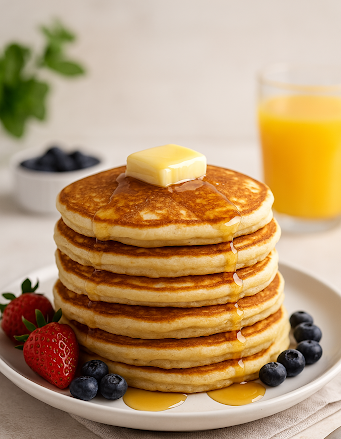
- For weekend pancakes: Use a gluten-free blend with a spoonful of oat flour for extra tenderness, or follow a dedicated mix like our Fluffy Gluten-Free Pancakes.
- For a lower-carb snack cake: Use mostly almond flour, a little coconut flour, and plenty of eggs and moisture—following a tested recipe to get the ratios right.
Step 4: Make small, confident tweaks
The more you bake gluten-free, the more you’ll notice patterns. If something turns out dry, note whether you used coconut flour or too much starch. If something is gummy, you may have too much tapioca or not enough structure from whole-grain flours.
When in doubt:
- Increase moisture (add an extra tablespoon or two of milk or oil).
- Combine flours instead of relying on just one.
- Lean on recipes already tested with almond flour, coconut flour, or specific gluten-free blends—then adjust gently from there.
Above all, remember that gluten-free baking is a skill, not a mystery. Once you understand what each flour brings to the table, you can choose with intention and enjoy gluten-free baked goods that feel joyful and satisfying, not second-best.
Key Takeaways
- Gluten-free baking works best when you combine flours and use binders to replace gluten’s structure.
- A reliable 1:1 gluten-free all-purpose blend is the easiest way to adapt everyday recipes.
- Almond flour, coconut flour, and other nut flours add richness but must be used in the right proportions.
- Whole-grain gluten-free flours like sorghum, oat, and buckwheat boost nutrition and flavor.
- Choose your gluten-free flour based on the texture, structure, and nutrition you want in each recipe.
Take the Next Step in Your Gluten-Free Journey
- Download the Free EGF Starter Guide
- Try our Gluten-Free Planner to simplify your week
- Explore our growing recipe library
You don’t have to navigate the gluten-free lifestyle alone, we are here to make it easier every day.
Category: Gluten-Free Lifestyle / Product Reviews / Health & Nutrition