The Best Gluten-Free Flours in 2025

Choosing the best gluten-free flours in 2025 can feel overwhelming, whether you’re baking your first loaf of bread or perfecting Sunday pancakes. This guide breaks down the most reliable gluten-free flours, how to use them, and which blends actually work—without the guesswork, gritty textures, or cardboard cookies.
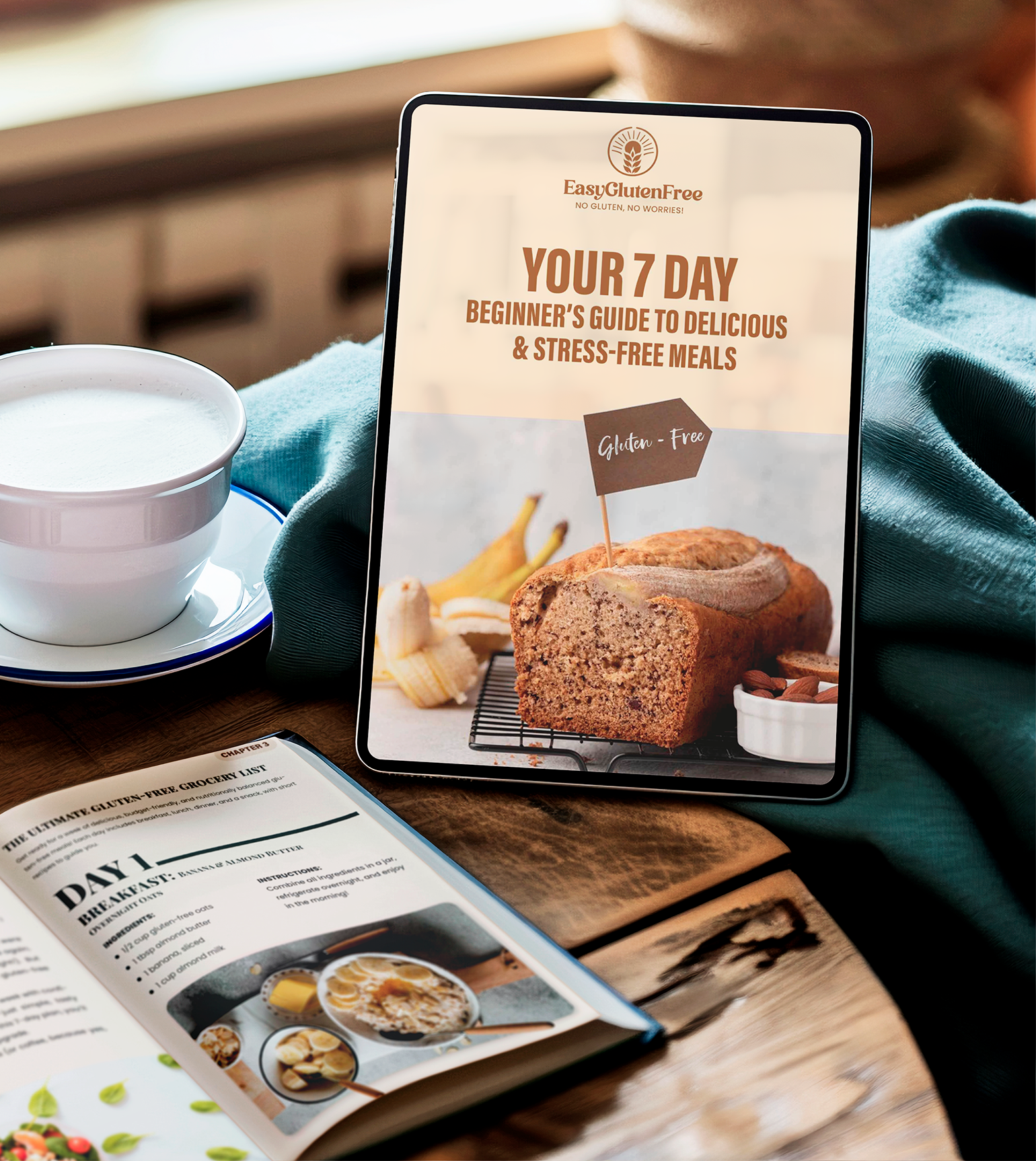
Download Our Free Gluten-Free Starter Guide
- 7-day meal plan
- shopping list
- Tips & 3 beginner-friendly recipes
Introduction
If you’ve ever swapped wheat flour for a random gluten-free flour and ended up with gummy brownies or crumbly bread, you already know this truth: not all gluten-free flours are created equal. In 2025, we’re lucky to have more options than ever, but more choice can also mean more confusion.
This article is your roadmap to gluten-free baking success. We’ll look at the most reliable flours—like almond flour, coconut flour, oat flour, rice flour, and modern all-purpose blends—plus how to combine them so your gluten-free baking rivals (or beats!) traditional baking. Whether you’re cooking for celiac disease, non-celiac gluten sensitivity, or simply choosing a gluten-free lifestyle, having the right flours in your pantry is a game changer.
We’ll also talk about nutrition, texture, and flavor, and I’ll share practical tips you can use today: which flour to choose for pancakes, how to make crispy pizza crust, and why your cookies sometimes spread too much. Keep this guide handy as your go-to reference whenever a recipe calls for “gluten-free flour” and you’re not sure what that actually means.
1. Understanding Gluten-Free Baking in 2025
Gluten-free baking in 2025 is not about finding “the one magic flour.” It’s about understanding how different gluten-free flours behave so you can build structure, moisture, and flavor without gluten. In classic baking, gluten is the protein network that traps air, gives chewiness to bread, and helps cakes rise. Take gluten away and you need smart substitutes.
Most of the time, successful gluten-free baking uses a team of flours instead of just one. A common strategy is to mix:
- A base flour (rice, sorghum, oat) for bulk and mild flavor
- A protein- or fat-rich flour (almond flour, chickpea flour) for tenderness and richness
- A starch (tapioca, potato, arrowroot) for lightness and stretch
- An optional binder (xanthan gum, psyllium husk) to mimic gluten’s elasticity
Many people now prefer using store-bought gluten-free all-purpose blends for convenience, especially those labeled “1:1” or “cup-for-cup.” These blends aim to replace wheat flour directly in recipes. They are great for busy weeknights, but understanding the individual flours inside them will make you a more confident baker, able to tweak recipes instead of just hoping for the best.
Another important shift in 2025 is the focus on whole-food, nutrient-dense flours. Years ago, gluten-free baking was mostly white rice flour and starch, which left many people feeling hungry quickly and didn’t support stable blood sugar. Now, almond flour, coconut flour, buckwheat, teff, and high-fiber blends are more common. They don’t just replace wheat; they nourish you while satisfying cravings.
Finally, it’s crucial to consider cross-contamination. If you’re baking for celiac disease or severe gluten sensitivity, look for certified gluten-free labels on all flours, especially oat flour, which is often processed in facilities that also handle wheat. Store your gluten-free flours in clearly labeled containers away from any gluten-containing ingredients.
Once you understand this big picture—structure, blends, and safety—choosing the best gluten-free flours in 2025 becomes much less intimidating and a lot more fun.
2. The Top Single-Ingredient Gluten-Free Flours
Single-ingredient gluten-free flours are exactly what they sound like: one grain, nut, or seed, finely ground. They’re the building blocks of gluten-free baking, and understanding their strengths and weaknesses will instantly level up your gluten-free baking skills in 2025.
Almond Flour
Almond flour is one of the most loved gluten-free flours—and for good reason. It’s naturally grain-free, rich in protein and healthy fats, and creates tender, moist bakes. It’s a star in gluten-free baking for cookies, cakes, muffins, and bread-like loaves.
Use almond flour when you want a soft crumb and rich flavor, like in banana bread or chocolate chip cookies. It pairs beautifully with a little tapioca or arrowroot starch for lightness. Almond flour also helps keep baked goods fresher for longer because of its higher fat content.
Tips: Almond flour is not the same as almond meal. For baking, look for fine, blanched almond flour. It browns faster than grain flours, so lower your oven temperature by about 10–15°C (25°F) if you notice over-browning.
Coconut Flour
Coconut flour is ultra-absorbent and fiber-rich. A little goes a very long way: most recipes use only a few tablespoons. It makes wonderfully moist-yet-fluffy baked goods when used correctly, but it can easily turn dry and crumbly if you treat it like wheat flour.
Use coconut flour when you want high-fiber, low-carb bakes or when you’re baking grain-free. It’s fantastic in pancakes, muffins, and snack cakes when combined with plenty of eggs and liquid. In gluten-free baking, coconut flour is often paired with almond flour for balance.
Tips: Never swap coconut flour 1:1 for wheat or almond flour. Follow a tested recipe that specifically uses coconut flour, or start by replacing only 10–20% of the flour in a recipe with coconut flour and increasing the liquid slightly.
Oat Flour
Oat flour offers a gentle, nutty flavor and a comforting, bakery-style texture. It’s naturally gluten-free, but you must choose certified gluten-free oats due to frequent cross-contamination with wheat in the supply chain.
Oat flour works beautifully in breakfast recipes like pancakes, waffles, and quick breads. It adds a bit of chew and structure without being heavy. Many 2025 gluten-free baking recipes rely on oat flour as a base because it’s affordable, easy to grind at home, and family-friendly.
Tips: You can make oat flour by blending rolled oats in a high-speed blender until fine. Measure oat flour by weight rather than cups when possible, as its volume can vary.
Rice Flour (White & Brown)
Rice flour remains a staple in gluten-free baking, especially in all-purpose blends. White rice flour is neutral in flavor, light, and versatile, while brown rice flour adds more fiber and a gentle nuttiness.
Use rice flour when you want a neutral base flour—it’s rarely used alone in baking but shines as part of a blend. It’s common in bread, cakes, cookies, and as a coating for crispy, gluten-free fried foods.
Tips: Very fine, “superfine” rice flour reduces the gritty texture that older gluten-free recipes sometimes had. If your bakes taste sandy, your rice flour might be too coarse.
Other Notable Flours in 2025
- Sorghum flour: Mild, slightly sweet, and great in bread blends for structure and softness.
- Buckwheat flour: Despite its name, it’s gluten-free. Earthy and robust—wonderful in crepes, waffles, and rustic breads.
- Chickpea (garbanzo) flour: High-protein and slightly savory. Excellent in flatbreads, fritters, and as part of a breading mix.
- Teff flour: Tiny ancient grain, rich in minerals, ideal in pancakes, brownies, and hearty loaves.
Mixing and matching these flours is where the magic happens. But when life is busy, having a reliable, store-bought gluten-free all-purpose blend in your pantry is a lifesaver. That’s where our featured product comes in.
EasyGlutenFree 1:1 Baking Blend
This versatile 1:1 gluten-free baking blend is designed to replace regular wheat flour in your favorite recipes without complicated conversions. Built on a balanced mix of rice flour, whole-grain flours, and finely tuned starches, it delivers tender cakes, chewy cookies, and soft sandwich bread while remaining completely gluten-free and celiac-safe. Ideal for busy bakers who want consistent results, it pairs perfectly with recipes like Fluffy Gluten-Free Pancakes and classic family dinners.
3. All-Purpose Gluten-Free Flour Blends: When to Use Them
All-purpose gluten-free flour blends are the secret weapon of many home bakers in 2025. Instead of buying five different bags of flour and starch, you can keep one dependable blend on hand and bake almost anything. But not all blends are the same, and using them well requires a bit of strategy.
Most blends combine some of the following: white or brown rice flour, sorghum flour, tapioca starch, potato starch, and a binder like xanthan gum. Some newer blends are gum-free and rely on psyllium husk or extra starch for structure. When evaluating a blend, look at:
- Ingredient list: Does it include whole grains (like sorghum or brown rice) or is it mostly starch?
- Gum content: Does it already contain xanthan gum or guar gum? If so, you usually don’t need to add more.
- Labeling: 1:1, “cup-for-cup,” or “all-purpose” usually means you can swap by volume for wheat flour in many recipes.
Use an all-purpose gluten-free flour blend when you’re:
- Converting a family recipe that calls for wheat flour and you want as few changes as possible.
- Baking everyday staples like muffins, cookies, quick breads, and basic cakes.
- Short on time and don’t want to weigh and mix individual flours.
However, there are times when a blend isn’t ideal. For example, yeast breads, pizza crust, and delicate pastries often turn out better with targeted combinations of flours rather than just a generic mix. If a recipe developer specifies almond flour or coconut flour, using a general blend instead will dramatically change the texture.
To get consistently good results with gluten-free baking, follow these guidelines:
- Stick to recipes written for gluten-free baking. Swapping in a blend for wheat flour in a random recipe can work—but it’s always a gamble. Start with recipes that were created with gluten-free flours in mind.
- Pay attention to hydration. Gluten-free flours often need more liquid. If your batter seems thicker than shown in recipe photos or described in the instructions, add a tablespoon or two of milk or water until the consistency matches.
- Let batters rest. A 10–15 minute rest before baking allows gluten-free flours to hydrate fully, reducing grittiness and helping structure form.
- Bake in the center of the oven. Gluten-free baked goods can brown too quickly on the outside while staying underdone inside. Baking in the center rack helps even heat distribution.
- Measure by weight when possible. Gluten-free flours pack differently into a cup. A kitchen scale removes this variable and improves reliability.
In 2025, high-quality blends make gluten-free baking more approachable than ever. Keep a dependable 1:1 blend for everyday use, and then layer in specialty flours like almond flour and coconut flour when you want to elevate flavor and nutrition.
Recipe Inspiration
Try these gluten-free staples loved by thousands:


4. Matching the Right Flour to the Right Recipe
Knowing which gluten-free flour to use is a bit like pairing wine with a meal: there’s some science, some art, and a lot of personal taste. Here’s a simple way to think about choosing gluten-free flours for common recipes in 2025.
Pancakes, Waffles & Breakfast Bakes
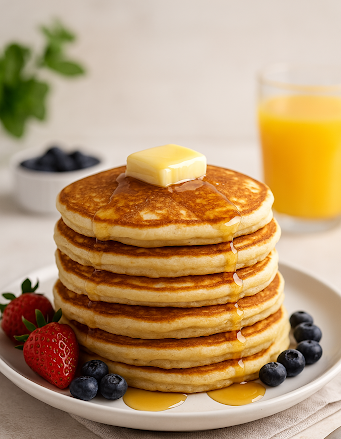
For light, fluffy pancakes and waffles, a gluten-free all-purpose blend is your easiest solution—especially something labeled 1:1 or “pancake-ready.” Almond flour and oat flour both add tenderness and flavor. Coconut flour can be used, but only in recipes designed specifically for it.
If you love classic diner-style pancakes, start with a 1:1 baking blend and try our Fluffy Gluten-Free Pancakes mix or recipe for tested ratios that give airy, golden results every time.
Cakes & Cupcakes
For birthday cakes and celebration cupcakes, texture matters. You want a soft crumb that holds its shape when frosted. The best approach is usually a blend of a 1:1 all-purpose gluten-free flour with a richer flour like almond flour. The blend gives structure, and the almond flour adds moisture and a bakery-style mouthfeel.
Some recipes also use a bit of tapioca starch or potato starch for extra lightness. Avoid using coconut flour as the only flour in cakes unless the recipe is formulated for it, as it can make the cake dense or dry.
Cookies & Bars
Cookies are incredibly forgiving and a great place to start your gluten-free baking journey. A good all-purpose gluten-free baking blend will give you delicious results. For chewier cookies, replacing 10–20% of the blend with almond flour often works wonders. Oat flour also shines in cookies, lending that classic bakery aroma.
If your cookies spread too much, chill the dough for 30 minutes before baking, reduce sugar slightly, or add a tablespoon of additional flour blend. If they’re too cakey, swap a little of the blend for almond flour and increase fat slightly.
Breads & Pizza Crust
Gluten-free yeast breads and pizza crusts are more technical because they require structure and stretch—things gluten naturally provides. Here, a combination of rice or sorghum flour, starches, and a binder like psyllium husk or xanthan gum usually works best.
Almond flour can be used in sandwich bread or focaccia-style recipes for extra tenderness, but it shouldn’t be the main flour in fluffy yeast loaves unless the recipe is specifically designed for it. Coconut flour is rarely the star in yeast breads because of its absorbency and flavor, but it can appear in small amounts to increase fiber.
Savory Dishes & Coatings
For savory cooking—like dredging chicken, thickening sauces, or topping casseroles—gluten-free flours are easy to incorporate:
- Rice flour makes a crisp, light coating for pan-fried or oven-baked foods.
- Chickpea flour is excellent in savory pancakes, fritters, and batters.
- Oat flour works well in meatballs or veggie burgers as a binder.
In comforting dishes like Classic Gluten-Free Chicken Pot Pie or Loaded Gluten-Free Shepherd’s Pie, a 1:1 gluten-free flour blend is perfect for thickening sauces, while potato starch adds silky body.
Once you start matching flours to recipes with intention, your gluten-free results will feel much less like compromise—and much more like the food you love.
5. Pantry Setup & Smart Shopping for Gluten-Free Flours
Setting up a smart gluten-free pantry in 2025 doesn’t mean buying every flour on the shelf. With a few strategic choices, you can cover almost any recipe while keeping your budget and storage space under control.
Your Essential Gluten-Free Flour Starter Kit
If you’re just starting out, begin with:
- 1 versatile 1:1 gluten-free all-purpose blend for everyday baking
- Almond flour for rich cakes, cookies, and quick breads
- Coconut flour for high-fiber, grain-free recipes
- Oat flour (certified gluten-free) for breakfast and snack recipes
- Tapioca starch as a backup for lightness and chew
With these five ingredients, you can make pancakes, waffles, muffins, cookies, brownies, and many breads or crusts. As you grow more comfortable, you can add sorghum flour, buckwheat flour, or chickpea flour to expand your gluten-free baking horizons.
Storage & Shelf Life
Gluten-free flours can go rancid faster than wheat flour, especially nut-based flours like almond flour and seed flours. To keep them fresh:
- Transfer flours to airtight containers and label them clearly.
- Store nut and seed flours in the refrigerator or freezer.
- Keep grain-based flours in a cool, dark pantry away from moisture.
- Note purchase dates and rotate older flours to the front.
Fresh flours smell mild and pleasant. If a flour smells sour, bitter, or “off,” it’s time to replace it.
Reading Labels Like a Pro
When shopping for gluten-free flours in 2025, pay close attention to labels:
- Look for “certified gluten-free” when baking for celiac disease or gluten intolerance.
- Check for added gums, sugar, or flavors in blends so you know how they’ll behave in recipes.
- If you have multiple sensitivities, scan for may contain statements about nuts, soy, or dairy.
Online reviews can also be incredibly helpful—especially for texture. Many bakers share whether a flour is gritty, super-fine, or better in certain types of recipes.
Batch Cooking & Meal Planning
Once your pantry is set up, use your flours strategically by planning a few gluten-free baking sessions each month. Bake a double batch of pancakes or waffles using your favorite blend and almond flour, freeze leftovers, and enjoy easy weekday breakfasts without extra work.
Similarly, plan one afternoon to prep doughs or crusts for meals like gluten-free pizza, chicken pot pie, or shepherd’s pie. Our Classic Gluten-Free Chicken Pot Pie and Loaded Gluten-Free Shepherd’s Pie are great make-ahead options that showcase how well modern gluten-free flours perform in comfort food classics.
Staying Confident on Your Gluten-Free Journey
The best gluten-free flours in 2025 let you enjoy food you love without feeling restricted. Yes, there’s a learning curve—but once you understand how almond flour, coconut flour, and your favorite blends behave, gluten-free baking becomes intuitive.
Start with a reliable all-purpose gluten-free baking blend, layer in a few key flours for nutrition and flavor, and keep experimenting. With each batch of pancakes, loaf of bread, or tray of cookies, you’ll gain confidence and build a gluten-free lifestyle that feels both sustainable and delicious.
Key Takeaways
- Gluten-free baking works best when you understand structure, blends, and safe handling practices.
- Almond flour, coconut flour, oat flour, and rice flour are foundational gluten-free flours in 2025.
- A high-quality 1:1 gluten-free all-purpose blend simplifies everyday baking.
- Match your flour choice to the recipe style for the best texture and flavor.
- A well-organized gluten-free pantry makes your lifestyle easier and more enjoyable.
Take the Next Step in Your Gluten-Free Journey
- Download the Free EGF Starter Guide
- Try our Gluten-Free Planner to simplify your week
- Explore our growing recipe library
You don’t have to navigate the gluten-free lifestyle alone, we are here to make it easier every day.
Category: Gluten-Free Lifestyle / Product Reviews / Recipes