The Best Gluten-Free Flours in 2025

Looking for the best gluten-free flours in 2025 that actually bake, taste, and feel like the real thing? This guide walks you through the must‑have flours, how to use them, and which blends will finally make your gluten-free baking feel easy and joyful.
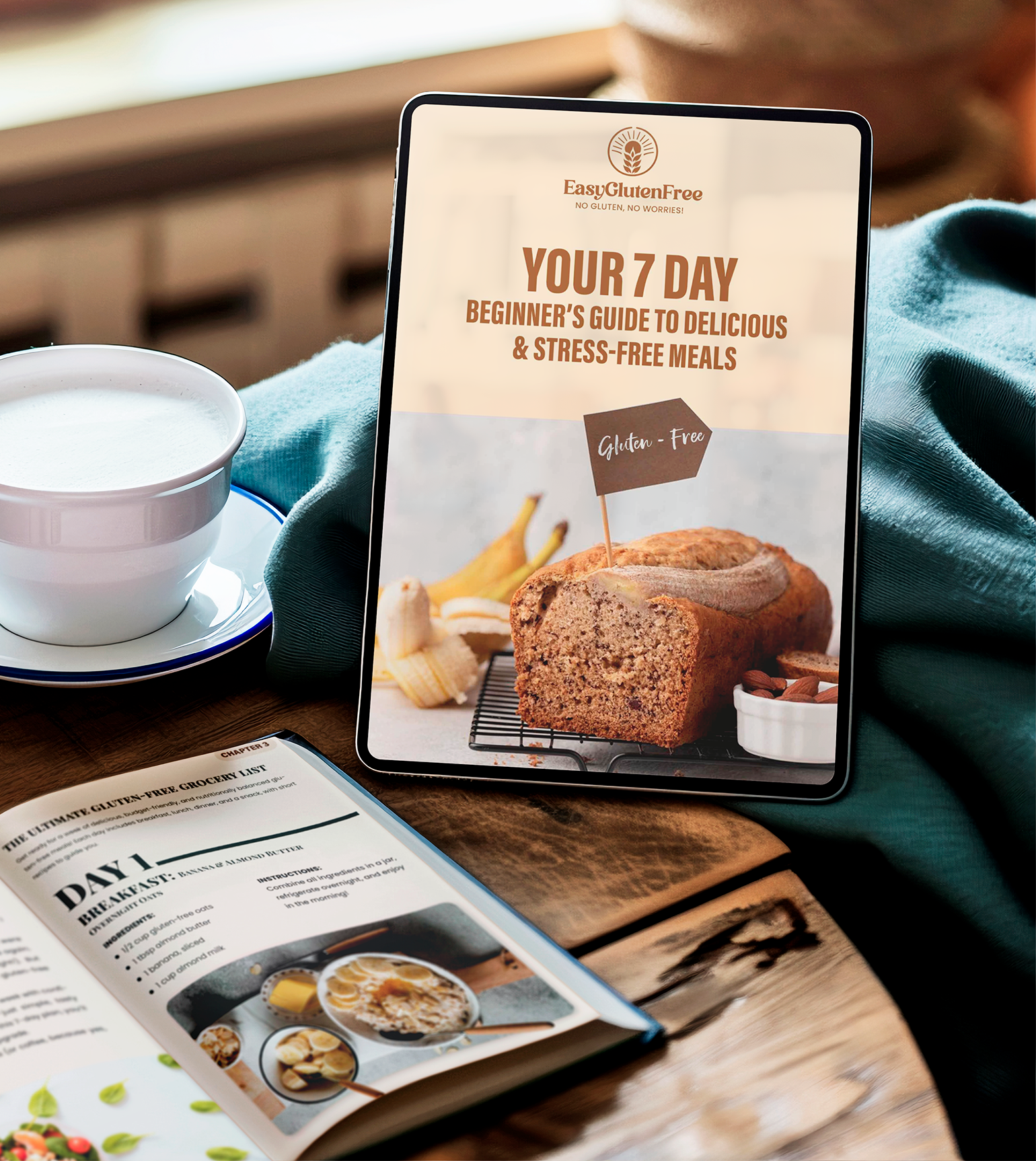
Download Our Free Gluten-Free Starter Guide
- 7-day meal plan
- shopping list
- Tips & 3 beginner-friendly recipes
Introduction
If you’ve ever opened your pantry, stared at five different bags of gluten-free flour, and wondered why your banana bread still sinks in the middle, you are not alone. Gluten-free baking in 2025 is light‑years ahead of where it was even five years ago, but the sheer number of options can feel overwhelming. Almond flour, coconut flour, sorghum, oat, cassava, 1:1 blends… which one actually belongs in your cookies, and which one turns your muffins into dry little bricks?
This guide is here to uncomplicate things. We’ll walk through the best gluten-free flours available in 2025, what they’re made from, how they behave in recipes, and when to use each one. Think of it as your friendly gluten-free baking roadmap: clear, practical, and rooted in real‑life kitchen testing, not just theory. Whether you’re new to the gluten-free lifestyle or you’ve been at it for years and still chasing that perfect chewy chocolate chip cookie, we’ll help you build a flour toolkit that actually works.
We’ll also look at nutrition, cost, and cross‑contamination concerns for those with celiac disease or high sensitivity. Along the way, you’ll see how to pair flours (for example, using almond flour to add richness, or coconut flour to absorb moisture), and how modern “cup‑for‑cup” gluten-free baking blends can make weeknight baking almost as easy as it was before wheat left your kitchen. By the end, you’ll know exactly which gluten-free flours to stock, how to use them with confidence, and which brands and recipes are worth bookmarking.
1. Understanding Gluten-Free Baking in 2025
Gluten-free baking has changed dramatically over the last decade. In the early days, most recipes were dense, crumbly, and had that unmistakable gritty texture. Today, thanks to better milling techniques, improved starches, and smarter combinations of grains and nuts, you can create gluten-free baked goods that are soft, fluffy, and nearly indistinguishable from their wheat‑based counterparts.
To really understand the best gluten-free flours in 2025, it helps to know what gluten did in the first place. Gluten is the protein in wheat, barley, and rye that gives dough elasticity and helps trap air bubbles. That’s what makes bread chewy, cakes tender, and pizza stretchy. When we remove gluten, we have to think in terms of “functions,” not just ingredients: what will create structure, what will hold moisture, and what will add tenderness and flavor?
Most successful gluten-free baking relies on a combination of three building blocks:
- Whole-grain flours (like brown rice, sorghum, or certified gluten-free oat flour) for flavor, color, and some structure.
- Starches (like tapioca, potato, or arrowroot) to add lightness, chew, and that soft, bouncy crumb you want in pancakes and bread.
- Protein- or fat‑rich flours (like almond flour or coconut flour) to increase tenderness, richness, and moisture.
In 2025, we also have better tools: highly consistent “gluten-free baking blends” designed to mimic all‑purpose wheat flour, plus improved xanthan and psyllium options to substitute some of gluten’s binding power. But even if you lean heavily on 1:1 blends, understanding individual flours will help you customize recipes and troubleshoot texture problems.
Another evolution: ingredient transparency. Many brands now clearly label whether their products are safe for people with celiac disease, and more facilities are certified gluten-free. When you’re reading flour labels, look for “certified gluten-free,” watch for potential cross‑contaminants (like shared oats or processing lines), and keep an eye on added ingredients like gums, sugar, or milk powder if you prefer to keep things simple or allergen‑friendly.
Finally, remember this guiding principle: gluten-free baking is more about hydration and balance than strict substitution. The same “cup” of almond flour behaves nothing like a cup of coconut flour. Some flours (especially coconut and certain starches) absorb a surprising amount of liquid; others (like almond flour) stay moist and rich. Once you accept that recipes sometimes need small tweaks—an extra egg, a spoonful of starch, a splash more milk—your gluten-free baking becomes far more predictable and enjoyable.
2. The Top Single-Ingredient Gluten-Free Flours
Single‑ingredient gluten-free flours are exactly what they sound like: flours made from one whole food, such as almonds, oats, or coconut. They’re powerful tools because they let you control flavor, nutrition, and texture in a very targeted way. Below are the most reliable options to keep in your pantry in 2025, how they behave, and the best ways to use them.
Almond flour
Almond flour has become a gluten-free baking superstar, and for good reason. It’s naturally grain‑free, higher in protein and healthy fats, and gives baked goods a tender, moist crumb with a gentle nutty flavor. It shines in cookies, quick breads, muffins, tart crusts, and brownies. When you’re searching for “gluten-free baking” inspiration, almond flour recipes often deliver that bakery‑style richness you may be missing.
How to use it: Almond flour does not behave like wheat flour or like starch‑based gluten-free blends. It’s heavier and moister. It works best in recipes that are designed specifically for almond flour or when it’s used in combination with a lighter flour or starch (for example, half almond flour and half gluten-free all‑purpose blend). It pairs especially well with eggs, which help provide structure.
Best uses: Cakes with a moist crumb (carrot cake, lemon cake), brownies, cookies, financiers, and crusts. Avoid using it alone in tall yeast breads; it simply doesn’t have the structure.
Coconut flour
Coconut flour is ultra‑absorbent and fiber‑rich, which means a little goes a long way. It’s naturally gluten-free and grain‑free, with a light coconut aroma that usually fades once baked. Because of its unusual texture—very fine and thirsty—it’s one of the most misunderstood gluten-free flours.
How to use it: Coconut flour typically replaces only 10–25% of the flour in a recipe. You’ll also need extra eggs or binding agents because it can make baked goods dry and crumbly if used in excess. In well‑tested recipes, it creates soft, tender, and surprisingly light bakes. Don’t swap it 1:1 for almond flour or any other flour; it will not turn out well.
Best uses: Low‑carb or grain‑free recipes, pancakes, waffles, snack cakes, and certain muffins where you want a high‑fiber, filling result.
Oat flour (certified gluten-free)
Oat flour, made from finely milled rolled oats, delivers gentle sweetness and a familiar “bakery” flavor that many gluten-free flours can’t match. It’s also naturally higher in soluble fiber, which helps with moisture retention and can be easier on digestion.
Safety note: If you have celiac disease or a diagnosed gluten sensitivity, choose certified gluten-free oat flour only. Regular oats are frequently cross‑contaminated with wheat, barley, or rye.
How to use it: Oat flour performs beautifully in quick breads, muffins, pancakes, and cookies. It doesn’t provide as much structure as wheat, so it’s usually combined with a starch (like tapioca or arrowroot) or used inside a 1:1 blend. You can also blend your own by grinding certified gluten-free oats into a fine powder, then sifting.
Rice flours: white & brown
Rice flour is one of the original gluten-free flours, and it’s still widely used in 2025. Brown rice flour has more fiber and a deeper, slightly nutty flavor; white rice flour is lighter and more neutral. Finely milled versions are much less gritty than early iterations, so always look for “superfine” or “extra fine” on the label when possible.
How to use it: Rice flour is rarely used alone in baked goods, but it forms the backbone of many successful gluten-free blends. It’s great in cookies, crackers, and light cakes when paired with starches and binders. Brown rice flour also adds a lovely whole‑grain character to bread and muffin recipes.
Sorghum flour
Sorghum is a naturally gluten-free ancient grain with a mild, slightly sweet flavor. When milled into flour, it behaves similarly to wheat in terms of protein content, but it needs support from starches or gums to achieve that same elasticity.
How to use it: Sorghum flour is a fantastic addition to gluten-free bread, pancakes, and muffins. It pairs well with tapioca starch and a bit of xanthan gum or psyllium husk. Many people prefer the flavor of sorghum over brown rice, especially in sandwich bread and wraps.
Other honorable mentions
In 2025, you’ll also see cassava flour (whole‑root, grain‑free, fairly neutral), buckwheat (earthy, great in crepes and rustic loaves), and teff (tiny grain with a deep, malty flavor used in injera). These are wonderful for expanding your gluten-free baking repertoire once you master the basics like almond flour, coconut flour, oat, and rice‑based blends.
Bob’s Red Mill Gluten Free 1-to-1 Baking Flour
This dependable gluten-free baking blend is formulated to replace wheat flour cup‑for‑cup in most recipes. Built on a base of rice flours and starches with xanthan gum already added, it takes the guesswork out of gluten-free baking, especially for cookies, muffins, quick breads, and pancakes.
3. 1:1 Gluten-Free Baking Blends: When to Use Them
While it’s empowering to understand single‑ingredient flours, most busy home bakers don’t want to mix three or four different bags every time they crave chocolate chip cookies. That’s where modern 1:1 gluten-free baking blends come in. These are carefully balanced combinations of flours and starches (often with xanthan gum or a similar binder) designed to mimic all‑purpose wheat flour in both taste and texture.
What “1:1” actually means: A 1:1 or “cup‑for‑cup” blend is meant to be swapped directly for wheat flour by volume or weight in many recipes. That doesn’t mean every recipe will be perfect without adjustment—yeast breads and delicate pastries often still need tweaks—but for everyday baking, they’re incredibly convenient.
Most high‑quality blends in 2025 are built on a base of white and brown rice flours, tapioca starch, potato starch, and a small amount of xanthan gum. Some add sorghum for flavor or include milk powder for richness, so if you’re dairy‑free, always check the label.
Best uses for 1:1 blends
- Cookies & bars: Chocolate chip cookies, shortbread, brownies, and blondies typically translate very well with a straight swap of gluten-free baking blend for wheat flour. Watch baking time closely the first time you try it; gluten-free treats can brown faster.
- Muffins & quick breads: Banana bread, pumpkin bread, and everyday muffins are excellent candidates for 1:1 blends. If the batter looks thicker than expected, add a tablespoon or two of milk or oil to help with moisture.
- Pancakes & waffles: Most pancake and waffle recipes tolerate a direct substitution beautifully. Blends that include a bit of tapioca often create that ideal light, fluffy interior with crisp edges.
- Cakes & cupcakes: Classic layer cakes, snack cakes, and cupcakes usually do well with 1:1 blends, especially if the recipe calls for buttermilk or yogurt, which add structure and tenderness.
When to skip the 1:1 blend
There are times when a pre‑mixed baking blend is not your best option:
- High‑hydration yeast breads: Artisan loaves, sourdough, and chewy sandwich breads often need a specific mix of flours plus psyllium husk for structure. In these cases, it’s better to follow a recipe written for gluten-free bread from the ground up.
- Very delicate pastries: Choux pastry, laminated doughs, and certain pastries benefit from custom flour mixes and careful technique. 1:1 blends can work, but results vary widely between brands.
- Special diets: If you need grain‑free, low‑carb, or nut‑free as well as gluten-free, most standard blends will not fit your needs. In that case, almond flour, coconut flour, cassava, or seed‑based blends are better choices.
How to get bakery‑style results with blends
To get consistently great results with your favorite gluten-free baking blend, keep these tips in mind:
- Weigh your flour when possible. Gluten-free blends can settle differently than wheat flour. Using a scale removes the guesswork.
- Let batters rest 5–10 minutes. Many gluten-free flours and starches absorb liquid slowly. A short rest helps the batter thicken and improves texture.
- Don’t overbake. Gluten-free bakes dry out faster if left in the oven too long. Pull cakes and muffins the moment a toothpick comes out with just a few moist crumbs.
- Pair with flavor‑boosters. Vanilla, brown sugar, citrus zest, and spices help compensate for the more neutral flavor of many blends, giving your baked goods that “real bakery” aroma.
Once you find a gluten-free baking blend you love, treat it like your pantry workhorse. Use it for weeknight treats and quick recipe conversions—and then reach for specialty flours like almond flour or coconut flour when you’re ready to play with texture, nutrition, and more nuanced flavors.
Recipe Inspiration
Try these gluten-free staples loved by thousands:
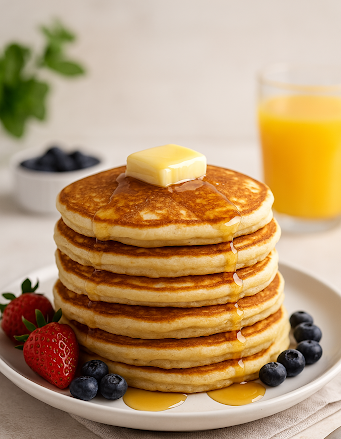
Fluffy Gluten-Free Pancakes

Classic Gluten-Free Chicken Pot Pie

Loaded Gluten-Free Shepherd’s Pie
4. How to Choose the Right Flour for Each Recipe
Now that you know the major gluten-free flours and blends, the real magic comes from choosing the right one for the right job. Think of it like building a team: each flour has strengths and weaknesses, and your goal is to match those to what the recipe needs.
Start with the style of baked good
- Soft & fluffy (pancakes, cupcakes, muffins): A good gluten-free baking blend with a little extra moisture (yogurt, oil, or milk) is usually the easiest path. For extra tenderness, replace 20–25% of the blend with almond flour.
- Chewy & bendable (cookies, tortillas, flatbreads): Blends with tapioca starch or added psyllium help create chew. For tortillas and flatbreads, recipes built on cassava or sorghum with psyllium or xanthan often give the best texture.
- Moist & rich (brownies, snack cakes): Almond flour shines here, either on its own (in recipes written for it) or combined with a lighter blend. Coconut flour can be added in very small amounts to help hold moisture without making things heavy.
- Rustic & hearty (sandwich bread, scones, rustic loaves): Look for recipes that use a mix of sorghum or brown rice with starches and psyllium husk. 1:1 blends can work in quick breads, but for yeast‑risen loaves, follow a formula developed specifically for gluten-free bread.
Consider flavor and nutrition
If you’re aiming for more than just “it’s gluten-free and it works,” bring flavor and nutrition into the conversation:
- For more fiber and staying power: Incorporate oat flour, sorghum, or brown rice flour. They help keep you full longer and add a satisfying texture.
- For healthy fats and fewer refined carbs: Almond flour and other nut or seed flours (like sunflower seed flour) can reduce the need for large amounts of sugar while keeping things moist.
- For a neutral, kid‑friendly taste: Stick to mild blends, white rice flour, and small amounts of oat flour, and go easy on strongly flavored flours like buckwheat or teff.
Don’t forget hydration
Hydration is where many gluten-free bakes go off track. Coconut flour can turn a pancake batter into a dough if you add too much. Oat and sorghum slowly absorb liquid as they rest. That’s why it’s helpful to:
- Let batter rest for 5–10 minutes before baking.
- Add liquid a tablespoon at a time if the batter seems much thicker than the original wheat version.
- Note the texture the first time you bake a recipe successfully so you can replicate it.
Follow tested gluten-free recipes when you can
Converting wheat recipes to gluten-free baking is absolutely possible, but it comes with a learning curve. Whenever possible, start with recipes that were developed from the ground up to be gluten-free, especially for breads and pastries. Once you see how those recipes balance almond flour, coconut flour, starches, and binders, you’ll feel more confident experimenting on your own.
5. Pantry Setup, Storage & Budget Tips
A smart gluten-free pantry doesn’t have to be huge or expensive. With a strategic selection of flours, you can cover everyday baking, special occasions, and spur‑of‑the‑moment cravings without wasting money on ingredients you rarely touch.
Build a minimalist gluten-free flour toolkit
If you’re just starting your gluten-free journey, aim for this simple core kit:
- One reliable 1:1 gluten-free baking blend for everyday recipes, pancakes, cookies, and quick breads.
- Almond flour for richer cakes, brownies, and cookies, and for adding tenderness to blend‑based recipes.
- Coconut flour in a small bag for specific high‑fiber or grain‑free recipes.
- Certified gluten-free oat flour or whole oats you can grind yourself, for flavor and fiber in muffins, breads, and pancakes.
With just these four staples, you can make a surprisingly wide variety of gluten-free baking recipes without feeling like your pantry is a science lab.
Storage tips to keep flours fresh
- Use airtight containers: Transfer flours into clearly labeled jars or canisters as soon as you open them. This keeps moisture, odors, and pantry pests away.
- Refrigerate or freeze higher‑fat flours: Almond flour, coconut flour, and other nut or seed flours last longer in the fridge or freezer. Bring them back to room temperature before baking to avoid clumping.
- Label dates: Note the purchase or opening date on each container. Most gluten-free flours keep their best quality for 3–6 months in the pantry and up to a year frozen.
- Check for clumps or off smells: If a flour smells stale, oily, or “dusty,” or has hard clumps that don’t break apart easily, it’s time to replace it.
How to stay on budget with specialty flours
Gluten-free baking doesn’t have to blow your grocery budget. A few practical habits can make a big difference:
- Buy the flours you use most in larger bags, such as your favorite baking blend, and keep them in the freezer to extend shelf life.
- Skip impulse buys: If you see a trendy new flour, ask yourself what recipes you’ll use it in before buying. If you can’t name at least three, leave it on the shelf for now.
- Use recipes that overlap ingredients: Plan a baking week where pancakes, muffins, and cookies all use the same blend and almond flour so nothing sits unused.
- Grind your own when it makes sense: Oat flour is the perfect example. Grinding certified gluten-free oats in a blender is often cheaper than buying it pre‑milled.
Make your gluten-free pantry work for everyday life
Finally, remember that gluten-free baking should support your real life—not complicate it. You don’t need every flour under the sun to enjoy great food. Start simple: a solid gluten-free baking blend, almond flour, a bit of coconut flour, and oat flour will cover most cravings. As you grow more confident, you can layer in sorghum, cassava, or buckwheat to explore new flavors and textures.
The goal isn’t perfection; it’s pleasure, confidence, and ease. With a thoughtfully stocked pantry and a handful of trusted recipes, your gluten-free kitchen can feel abundant, not restrictive—and your baking can finally taste the way you’ve been hoping it would.
Key Takeaways
- Gluten-free baking in 2025 is all about understanding function—structure, moisture, and tenderness—rather than chasing a single perfect flour.
- The best single-ingredient flours, like almond flour, coconut flour, oat flour, and sorghum, each bring unique strengths to your gluten-free baking toolkit.
- Modern 1:1 gluten-free baking blends are ideal for everyday cookies, cakes, and pancakes, especially when you respect their limits with breads and delicate pastries.
- Choosing the right flour for a recipe means matching texture, flavor, and nutrition goals while paying close attention to hydration.
- A small, well-organized gluten-free pantry—stored properly and planned with a budget in mind—can support delicious baking without overwhelm.
Take the Next Step in Your Gluten-Free Journey
- Download the Free EGF Starter Guide
- Try our Gluten-Free Planner to simplify your week
- Explore our growing recipe library
You don’t have to navigate the gluten-free lifestyle alone, we are here to make it easier every day.
Category: Gluten-Free Lifestyle / Product Reviews / Health & Nutrition