The Best Gluten-Free Flours in 2025

Looking for the best gluten-free flours in 2025 so your pancakes don’t fall apart and your cookies don’t taste like sand? You’re in the right place. This guide walks you through the top gluten-free flours, how to use them for gluten-free baking, and exactly when to reach for almond flour versus coconut flour (and when to absolutely not mix the two).
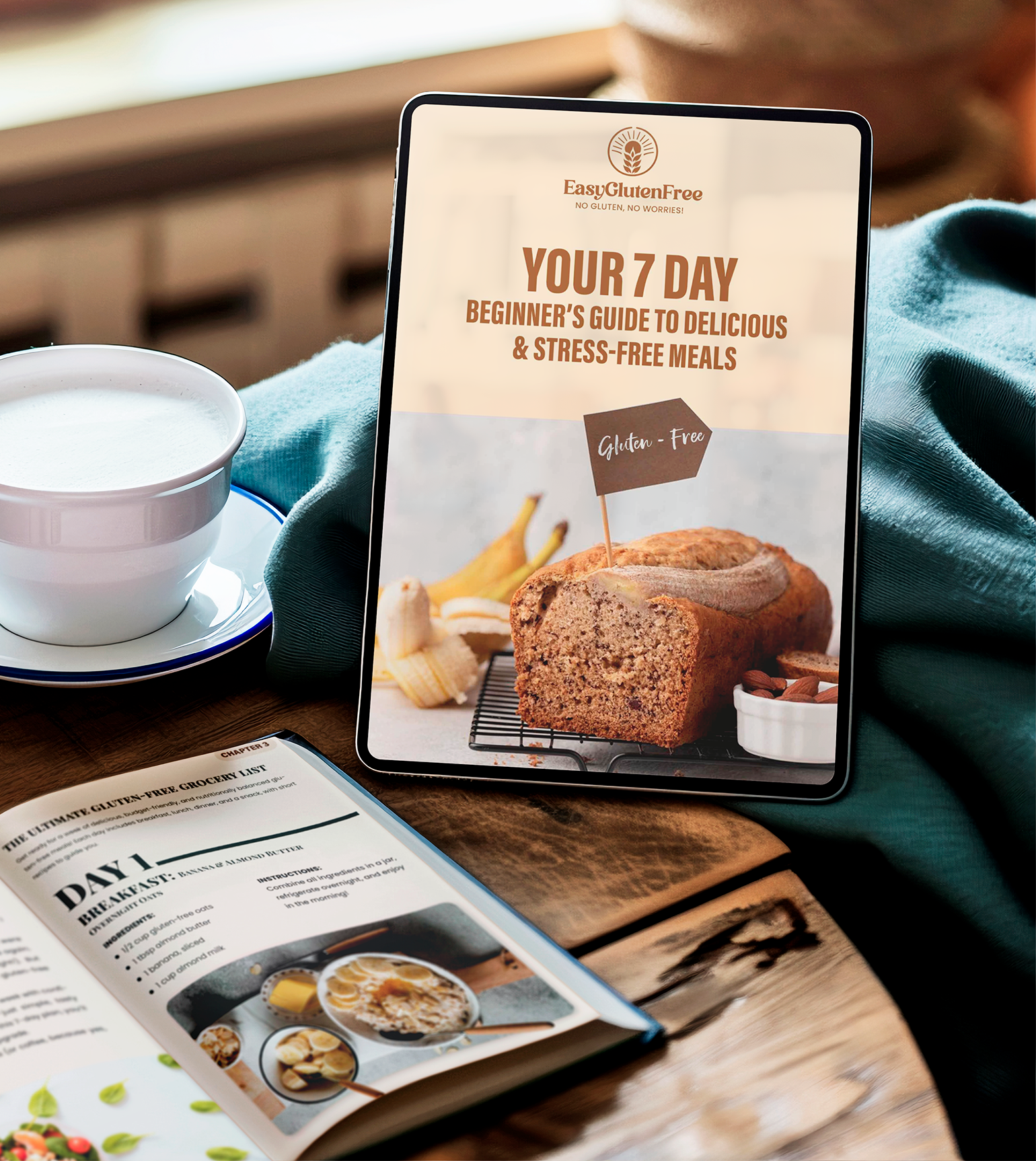
Download Our Free Gluten-Free Starter Guide
- 7-day meal plan
- shopping list
- Tips & 3 beginner-friendly recipes
Introduction
Going gluten-free used to mean giving up flaky croissants, chewy pizza crust, and birthday cakes that didn’t crumble at the first touch of a fork. In 2025, that’s no longer the case. With thoughtful gluten-free baking and the right gluten-free flours, you can enjoy bakes that are tender, fluffy, and full of flavor—without a trace of wheat, barley, or rye.
The challenge is that the gluten-free aisle has exploded. You’ll see almond flour, coconut flour, oat flour, sorghum, buckwheat, tapioca, arrowroot, cassava, and a dozen all-purpose gluten-free blends… and that’s before you even add the starches and binders. The question most people ask me is: “Which gluten-free flour should I actually buy, and how do I use it so my recipes work every time?”
This 2025 guide is here to answer exactly that. We’ll break down the best gluten-free flours, how they behave, how to substitute them, and which ones to keep in your pantry depending on whether you mostly bake cookies, bread, or quick weekday dinners. Whether you’re cooking for celiac disease, gluten sensitivity, or simply feeling better grain-free, this is your roadmap to gluten-free baking that’s delicious, reliable, and stress-free.
1. Understanding Gluten-Free Flours in 2025
When you remove gluten from baking, you’re removing the protein that gives dough elasticity and helps trap air for that tender, bouncy crumb. Gluten-free flours don’t naturally behave like wheat flour, which is why early gluten-free baking often turned out dry, dense, or gummy. The good news: modern gluten-free flours are much more refined, and when you understand how they work, you can recreate almost any classic recipe.
In 2025, gluten-free baking typically relies on a blend of three components: a base flour, a structure flour, and a starch. The base flour brings flavor and bulk—think brown rice flour, sorghum flour, oat flour, or almond flour. Structure flours add protein and a bit of chew, such as buckwheat or teff. Starches like tapioca, potato, or arrowroot lighten the crumb, create crisp edges, and help with browning.
Most store-bought gluten-free all-purpose blends combine these categories for you. This is why you’ll often see ingredients like rice flour, tapioca starch, and potato starch grouped together on the label. These blends are designed to replace regular flour cup-for-cup in many recipes, especially cookies, muffins, pancakes, and quick breads. However, they’re not all created equal—some are better for tender baking, while others perform better in yeasted bread.
Here’s a simple way to think about the major players on your gluten-free shelf in 2025:
- Grain-based gluten-free flours (rice, sorghum, millet, certified gluten-free oat flour) are neutral to slightly nutty in flavor and mimic the texture of wheat flour most closely.
- Nut and seed flours (almond flour, hazelnut, sunflower seed flour) are rich and tender, adding moisture and healthy fats, fantastic for gluten-free baking that feels indulgent.
- Root and tuber flours (cassava, potato, tapioca) add stretchiness, crispness, or chew, depending on how you use them. They’re invaluable in pizza crusts and tortillas.
- Specialty flours (coconut flour, buckwheat, teff, chickpea) bring stronger flavors or unique nutrition profiles, shining in specific recipes but rarely used alone.
On top of that, most gluten-free bakers use a small amount of a binder like xanthan gum or psyllium husk to replace gluten’s elasticity. While that may sound technical, in practice it’s as simple as adding 1/4 to 1/2 teaspoon per cup of flour in recipes that need structure, like bread or pizza dough.
As you experiment in your own kitchen, remember that gluten-free flours are not interchangeable in a 1:1 way. Swapping almond flour for coconut flour in the same quantity, for example, will almost always lead to failure. Instead, think of each flour as a tool with a specific job, and choose your flour based on the texture you want: light and airy, soft and cakey, rich and moist, or crisp and crunchy.
2. Almond Flour: The Gluten-Free Baking Powerhouse
Almond flour remains one of the best gluten-free flours in 2025 for home bakers who want reliable, crowd-pleasing results. Made from finely ground blanched almonds, it’s naturally gluten-free, grain-free, and rich in healthy fats, protein, and vitamin E. In gluten-free baking, almond flour brings tenderness, moisture, and a lovely mild nuttiness that works in both sweet and savory recipes.
Because almond flour is higher in fat and lower in starch than wheat flour, it behaves very differently in recipes. Instead of building structure, it creates a soft, moist crumb that’s more forgiving of over-baking than most gluten-free flours. This is why almond flour is so popular in gluten-free baking recipes like brownies, cookies, banana bread, and snack cakes—the result is rich and satisfying, not crumbly or dry.
To get the best results from almond flour:
- Use finely ground, blanched almond flour, not almond meal. Blanched flour (skins removed) gives lighter texture and more delicate flavor.
- Combine almond flour with a starch such as tapioca or arrowroot when you want more elasticity or crisp edges—for example, in pizza crust or waffles.
- Expect denser batters than with wheat flour. Almond flour batters don’t pour as easily but bake up moist and tender.
- Reduce oil or butter slightly compared to wheat recipes, because almonds already bring plenty of healthy fat.
Almond flour also shines for people eating low-carb or following a grain-free or paleo-style approach. While this guide isn’t focused on specific diets, it’s helpful to know that almond flour often plays well with natural sweeteners, eggs, and coconut products to create balanced, high-protein bakes that don’t spike blood sugar as dramatically as traditional wheat-based treats.
If you’re just starting with gluten-free baking in 2025 and wondering which bag to buy first, almond flour is an excellent investment. Paired with a good gluten-free all-purpose blend, it lets you cover almost any recipe you’re craving, from weekend pancakes to special-occasion desserts.
Premium Fine Almond Flour
This ultra-fine blanched almond flour is ideal for gluten-free baking, from birthday cakes and muffins to crisp-edged cookies. Its consistent grind helps your batters mix smoothly and bake evenly, so you get moist, tender results without gritty texture or bitter skins.
3. Coconut Flour and Other Low-Carb Staples
Coconut flour has earned a permanent place in many gluten-free pantries, especially for people who want high-fiber, lower-carb baking options. Made from dried, defatted coconut meat, coconut flour is naturally gluten-free and grain-free. It has a mild coconut flavor that works beautifully in pancakes, muffins, and snack cakes.
However, coconut flour is dramatically different from any other gluten-free flour: it is extremely absorbent. A little goes a very long way. Where a muffin recipe might use 1 1/2 cups of gluten-free all-purpose flour, a coconut-flour version might need only 1/3 to 1/2 cup of coconut flour combined with several eggs and extra liquid. Trying to swap coconut flour 1:1 for almond flour or wheat flour is the fastest route to dry, brick-like results.
Here are key guidelines for baking with coconut flour:
- Always use a tested coconut flour recipe instead of trying to convert a wheat recipe directly. The ratios are unique.
- Expect lots of eggs. Coconut flour needs eggs for structure, moisture, and lift—often 4 to 6 eggs per cup of flour.
- Let the batter rest for a few minutes after mixing. Coconut flour will continue to thicken as it absorbs liquid.
- Pair with other flours like almond flour or tapioca starch when you want a more familiar crumb and less “spongey” texture.
Beyond coconut flour, several other gluten-free flours are popular in low-carb or higher-protein baking in 2025:
- Sunflower seed flour is nut-free yet behaves similarly to almond flour in many recipes, making it a great option for nut-free schools and homes.
- Flax meal and chia meal are often used in small amounts for binding and moisture; they can partially replace eggs or act as a fiber booster in breads and muffins.
- Sesame and pumpkin seed flours add earthy, savory notes and pair especially well with breads and crackers.
If your main goal is everyday gluten-free baking that the whole family will enjoy, think of coconut flour and these specialty flours as “boosters” rather than your only base. A tablespoon or two of coconut flour added to a gluten-free pancake recipe can increase fiber and help the pancakes feel satisfying longer, while still keeping the texture familiar.
Used intentionally, coconut flour can help you create gluten-free baking recipes that fit a variety of lifestyles—from lower-carb to higher-fiber—without sacrificing flavor. The key is to respect its quirks, measure carefully, and embrace recipes developed specifically with coconut flour in mind.
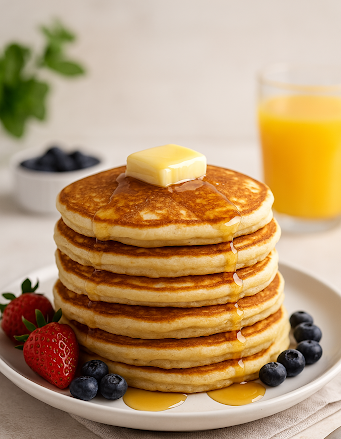
Recipe Inspiration
Try these gluten-free staples loved by thousands:


4. Building Your Own Gluten-Free Flour Blend
While there are some excellent packaged gluten-free all-purpose blends on the market, building your own blend gives you more control over flavor, texture, and nutrition. It can also save money over time, especially if you bake frequently. The idea is simple: combine a mild base flour, a whole-grain or protein-rich flour, and one or two starches, then add a binder only as needed in the recipe.
A versatile homemade blend for everyday gluten-free baking might look like this:
- 40% whole-grain flour (such as brown rice, sorghum, or certified gluten-free oat flour)
- 40% starch (a mix of tapioca and potato starch for lightness and chew)
- 20% richer flour (such as almond flour or millet flour) for flavor and tenderness
By adjusting these percentages, you can customize your blend for different uses. For example, more starch and less whole grain creates lighter cakes and cupcakes, while more whole grain and a touch of psyllium husk give hearty structure for sandwich bread. Keep your blend in an airtight container, labeled with the date and recipe ratio, so you can reproduce your successes.
When you’re just getting started, you don’t need eight different flours on day one. Choose two or three that match how you like to cook. If you mainly bake breakfast items and simple desserts, a high-quality gluten-free all-purpose blend plus almond flour will take you far. If you love making bread, pizza, and flatbreads, you might add sorghum flour, tapioca starch, and psyllium husk to your collection.
Remember that even the best gluten-free flour blend is only part of the picture. The way you measure your flour (spooned into the cup and leveled, or weighed on a scale), the liquid ratio, and your oven temperature all matter. Fortunately, once you find a blend that works for you, you can use it consistently across your favorite recipes, tweaking only liquids and baking times as needed.
5. Practical Tips for Foolproof Gluten-Free Baking
Knowing which gluten-free flours are best in 2025 is helpful, but success really comes from how you use them. With a few simple habits, you can dramatically increase your gluten-free baking success rate and reduce the number of “learning experience” batches headed for the compost.
First, whenever possible, weigh your ingredients. Gluten-free flours vary in density, and scooping a measuring cup directly into a bag often packs in more flour than the recipe intends. A small digital kitchen scale helps your gluten-free baking stay consistent, especially with delicate recipes like cakes or bread dough.
Second, mix thoroughly and rest the batter. Many gluten-free flours benefit from a short rest of 5–10 minutes before baking, which allows the flours and starches to hydrate fully. This is particularly important when working with coconut flour or oat flour. During this rest, your batter may thicken; if it becomes too stiff, you can gently fold in a tablespoon or two of extra liquid before baking.
Third, don’t fear binders. Xanthan gum, guar gum, and psyllium husk all play different roles in replacing gluten’s elasticity. While some packaged blends already include xanthan gum, others do not, leaving you free to customize. As a general rule, cookies and bars need little to no added gum, while bread, pizza, and tortillas benefit from a bit more. If you prefer to avoid gums, psyllium husk combined with chia or flax meal can offer excellent structure, especially in yeasted loaves.
Fourth, pay attention to moisture. Gluten-free baked goods often benefit from slightly higher moisture content than their wheat-based counterparts. Ingredients like yogurt, applesauce, mashed banana, or a touch of extra oil can help keep your bakes soft and enjoyable even after a day or two. This is where almond flour in particular can shine, bringing natural richness that counteracts dryness.
Finally, give yourself permission to learn and adapt. Gluten-free baking is less about memorizing rules and more about getting a feel for your flours. Over time, you’ll start to recognize what a good gluten-free batter or dough should look and feel like before it goes in the oven. You’ll know when coconut flour needs more liquid, when your almond flour cookies are ready to come out (even if they still look soft), and which gluten-free flour blend your family loves most in pancakes or pizza crust.
The best gluten-free flours in 2025 are powerful tools—but you are still the most important ingredient. With a bit of curiosity and a stocked pantry, you can create gluten-free baking that doesn’t feel like a compromise at all. And when in doubt, lean on trusted gluten-free recipes and resources so you never have to reinvent the wheel from scratch.
Key Takeaways
- Gluten-free flours each have specific roles, and blends work best for recreating classic wheat-based textures.
- Almond flour is a versatile, moisture-rich staple that excels in many gluten-free baking recipes.
- Coconut flour and other low-carb flours are powerful but must be used with dedicated recipes and careful ratios.
- Building a simple homemade gluten-free flour blend gives you control over flavor, texture, and nutrition.
- Consistent measuring, hydration, and smart use of binders are the keys to foolproof gluten-free baking.
Take the Next Step in Your Gluten-Free Journey
- Download the Free EGF Starter Guide
- Try our Gluten-Free Planner to simplify your week
- Explore our growing recipe library
You don’t have to navigate the gluten-free lifestyle alone, we are here to make it easier every day.
Category: Gluten-Free Lifestyle / Product Reviews / Health & Nutrition