The Best Gluten-Free Flours in 2025

Choosing the best gluten-free flours in 2025 can feel like decoding a secret language—almond flour, coconut flour, oat, sorghum, blends, starches… and why did your “bread” just bake into a brick? In this guide, we’ll break down exactly which gluten-free flours to use, when to use them, and how to finally get soft bread, chewy cookies, and fluffy pancakes without any gluten at all.
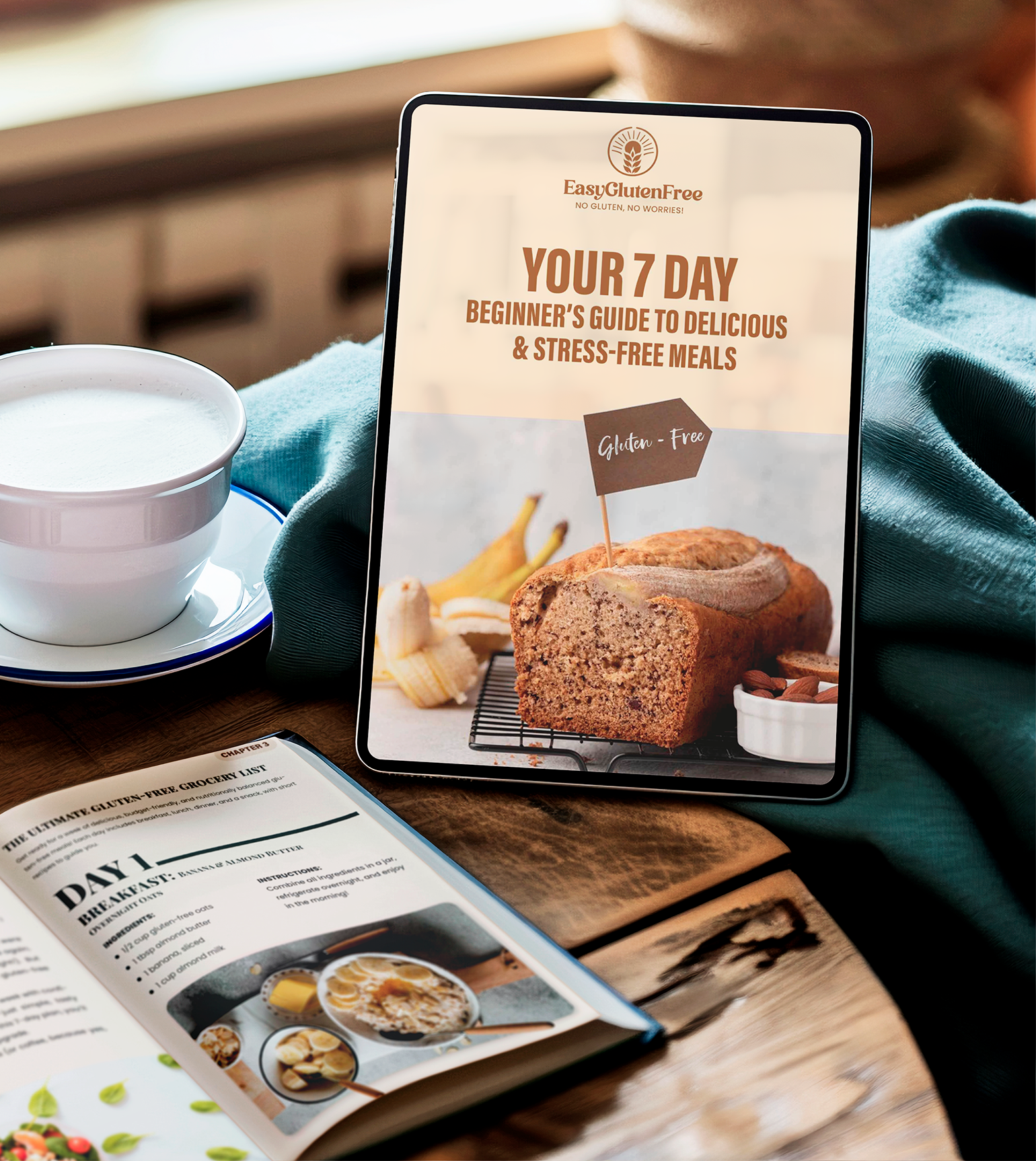
Download Our Free Gluten-Free Starter Guide
- 7-day meal plan
- shopping list
- Tips & 3 beginner-friendly recipes
Introduction
If you’ve ever excitedly pulled a gluten-free cake from the oven only to find a dense, gummy, slightly tragic blob, you’re not alone. Mastering gluten-free baking in 2025 is less about following one magical recipe and more about truly understanding your flours. Once you know what each flour does, you can swap, mix, and match like a pro—and actually trust that your baked goods will turn out.
Gluten-free baking relies on a smart mix of whole grain flours (for structure and flavor), nut and seed flours like almond flour and coconut flour (for richness and moisture), and starches (for lightness and stretch). There is no single one-to-one swap for wheat, which is why so many people get frustrated and give up. But with the right guidance, you can absolutely enjoy tender muffins, crusty bread, crisp cookies, and flaky pie crusts—without gluten and without weird textures.
In this 2025 guide to the best gluten-free flours, we’ll dive deep into the everyday staples, specialty options, and ready-made blends that actually work. We’ll also talk about how to read labels, avoid cross-contamination, and build a gluten-free flour toolkit that supports your lifestyle—whether you’re baking once a month or running a 100% gluten-free kitchen for celiac disease. Keep the keywords “gluten-free baking,” “almond flour,” and “coconut flour” in mind—they’re the backbone of many modern gluten-free recipes, and by the end of this article you’ll know exactly how to use them with confidence.
1. Understanding Gluten-Free Flours in 2025
Before you can choose the best gluten-free flours, it helps to understand one key truth: gluten-free baking is all about teamwork. Wheat flour naturally contains gluten, a protein network that traps air and gives bread its chew and cakes their soft crumb. Once you remove gluten, no single flour can do everything on its own. That’s why gluten-free baking relies on blends and combinations.
In 2025, the gluten-free flour aisle has exploded. You’ll see whole grain options like brown rice flour, oat flour, sorghum, and millet; protein-rich flours like almond flour and chickpea flour; lighter starches like tapioca, arrowroot, and potato starch; and ready-to-use all-purpose gluten-free blends. This variety is amazing—but also overwhelming if you’re just starting out.
Think of gluten-free flours in three broad categories:
- Whole grain flours (brown rice, oat, sorghum, buckwheat, millet, teff): These bring body, structure, fiber, and flavor. Alone, they can be heavy, but paired with starches they create a great base for gluten-free baking.
- Nut & seed flours (almond flour, coconut flour, sunflower seed flour): These are rich, tender, and satisfying. Almond flour is beloved in gluten-free baking for its moist crumb, while coconut flour is ultra-absorbent and best used in small amounts.
- Starches (tapioca, arrowroot, potato, corn starch): These provide lightness, chew, and that slight “stretch” we miss from gluten. They’re rarely used alone but are ideal partners to heavier whole grain and nut flours.
Modern gluten-free baking blends these three categories strategically. For example, a typical gluten-free baking blend might be 60–70% whole grain flours, 20–30% starches, and optionally 10–20% nut flours for richness. You don’t have to blend your own from day one—good store-bought blends exist—but understanding these roles will help you read labels and choose the best flour for each recipe.
Another big shift in 2025 is awareness of cross-contamination. With stricter standards and clearer labeling, more brands are offering certified gluten-free flours processed in dedicated facilities. If you have celiac disease or a medically diagnosed gluten sensitivity, look for “certified gluten-free” seals, and avoid bulk bins where cross-contact is common.
Finally, keep in mind that gluten-free baking works best by weight, not volume. Two cups of almond flour can vary widely depending on how they’re packed, while 200 grams is always 200 grams. If you’re serious about gluten-free baking, a small digital kitchen scale may be the single best investment you make this year.
2. The Everyday Gluten-Free Flour Staples
Let’s talk pantry basics. When people ask, “What are the best gluten-free flours?” they’re really asking, “Which flours should I buy first so I can bake almost anything?” Here are the core players I recommend stocking in 2025 if you want reliable, versatile gluten-free baking.
Brown Rice Flour
Brown rice flour is one of the workhorses of gluten-free baking. It has a mild, slightly nutty flavor and pairs beautifully with starches like tapioca or potato. It’s often the first ingredient in all-purpose gluten-free blends. Choose a finely milled, certified gluten-free brand to avoid grit and cross-contamination.
Best for: breads, muffins, pancakes, cookies, and as a base for your own flour mix.
Oat Flour (Certified Gluten-Free)
Oat flour brings a cozy, breakfast-like flavor that works incredibly well in gluten-free baking. It adds tenderness, a light chew, and extra fiber. Always choose certified gluten-free oat flour, as regular oats are frequently contaminated with wheat or barley during processing.
Best for: cookies, quick breads, snack bars, and pancakes. Oat flour pairs beautifully with almond flour for soft, cake-like textures.
Sorghum Flour
Sorghum flour has a gentle, sweet, whole-grain flavor that many people compare to wheat. It lends structure and color to gluten-free breads and is a staple in many commercial blends in 2025. Paired with starches and a binder (like xanthan gum or psyllium husk), it can help recreate a wheat-like crumb.
Best for: sandwich bread, rustic loaves, and rolls.
Tapioca Starch (Tapioca Flour)
Tapioca starch is one of the secret weapons of gluten-free baking. It adds elasticity, lightness, and chew—exactly what most gluten-free breads and pizza crusts are missing. It also helps create golden, crisp edges on things like waffles and cookies.
Best for: bread, pizza crust, tortillas, waffles, and as part of a blend to lighten dense flours.
Potato Starch (Not Potato Flour)
Potato starch is a powerful lightener. It creates tender crumbs, helps baked goods stay moist, and pairs especially well with sorghum and brown rice flours. Don’t confuse it with potato flour, which is heavier and more strongly flavored.
Best for: cakes, muffins, and soft dinner rolls.
A Reliable All-Purpose Gluten-Free Blend
If blending your own flours feels intimidating, start with a trusted gluten-free all-purpose flour. In 2025, many blends are designed to mimic wheat flour in “cup-for-cup” swaps, especially in cookies, cakes, and pancakes. Look for a blend that includes a mix of whole grain flours and starches, plus a binder such as xanthan gum or psyllium husk.
Once you have an everyday blend you like, you can use it as your default in many recipes while gradually learning how to incorporate single flours like almond flour or coconut flour for improved texture and nutrition.
Bob’s Red Mill Super-Fine Almond Flour
Bob’s Red Mill Super-Fine Almond Flour is a pantry hero for gluten-free baking in 2025. Made from blanched almonds and finely ground, it blends beautifully into batters and doughs without grittiness. Use it to add richness, moisture, and a tender crumb to cookies, cakes, brownies, and even savory coatings. It’s naturally grain-free, low in carbs, and a fantastic way to boost the protein and healthy fat content of your favorite gluten-free recipes.
3. Spotlight on Almond Flour & Coconut Flour
Two of the most searched gluten-free flours in 2025 are almond flour and coconut flour—and for good reason. They’re naturally gluten-free, widely available, and can make truly delicious baked goods. But they behave very differently from grain flours, so understanding how each one works will save you from a lot of “why is this so dry?” moments.
Almond Flour: Moist, Tender, and Crowd-Pleasing
Almond flour is made from finely ground blanched almonds. It’s rich in healthy fats, protein, and vitamin E, with a mild, slightly sweet flavor. In gluten-free baking, almond flour is beloved for one main reason: it makes things taste and feel indulgent. Muffins stay moist for days, cookies have crisp edges and chewy centers, and cakes develop a lovely, soft crumb.
Because almond flour lacks starch, it doesn’t behave like wheat flour or even like a typical gluten-free all-purpose blend. It doesn’t absorb as much liquid, and it needs more eggs or binders to create structure. Many recipes that are “almond flour based” rely on additional eggs, a bit of starch or coconut flour, and sometimes a touch of xanthan gum or psyllium husk.
Use almond flour when you want:
- Rich, moist cakes and cupcakes
- Soft, chewy cookies and brownies
- Nutty pie crusts and crumble toppings
- Gluten-free, grain-free coatings for chicken or fish
Look for “super-fine” or “extra-fine” almond flour made from blanched almonds. Almond meal (often ground with skins on) is great in some rustic recipes but can be coarse and oily in delicate bakes.
Coconut Flour: Powerful, Absorbent, and Best in Small Amounts
Coconut flour is made from dried, defatted coconut meat and has a naturally sweet, mild coconut flavor. It is extremely absorbent—far more than any grain flour. A little goes a long way. Where you might use 120 grams of a gluten-free blend, you might use only 30–40 grams of coconut flour, plus extra eggs and liquid.
This absorbency is both its superpower and its trap. Used correctly, coconut flour can create light, fluffy, high-protein baked goods that are naturally grain-free. Used in excess, it produces dry, crumbly, “sawdust” textures that give gluten-free baking a bad reputation.
Use coconut flour when you want:
- Grain-free pancakes and waffles that are still light
- High-fiber, lower-carb quick breads and muffins
- To add structure to almond-flour-based recipes
- Subtle coconut flavor without added sugar
Always follow a recipe created specifically for coconut flour until you’re comfortable. As a rough rule of thumb, each 1/4 cup (about 30 grams) of coconut flour usually needs at least one extra egg and additional liquid.
Almond Flour vs. Coconut Flour: Can You Swap Them?
Almond flour and coconut flour are not interchangeable one-for-one. Almond flour is heavy and moist; coconut flour is dry and extremely absorbent. Swapping them directly will almost always result in a baking fail.
That said, they work beautifully together. Many modern gluten-free baking recipes combine almond flour (for richness and tenderness) with a small amount of coconut flour (for structure and lightness). This duo can replace both wheat flour and some starches in grain-free recipes while staying moist and satisfying.
When you see recipes tagged as “gluten-free baking” that highlight almond flour and coconut flour, read them carefully. Note the balance of eggs, liquids, and any added starch or binders. Over time, you’ll start to see patterns and will feel confident tweaking recipes to fit your preferences.
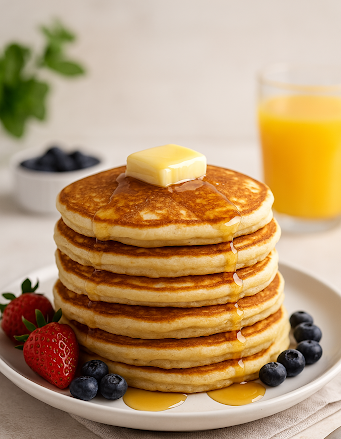
Recipe Inspiration
Try these gluten-free staples loved by thousands:


4. Choosing & Storing Gluten-Free Flour Blends
Once you understand the roles of individual gluten-free flours, choosing a good all-purpose blend for everyday baking becomes much easier. In 2025, there are more blends on the market than ever—some designed for yeasted bread, some for cakes and cookies, and others marketed as “one-to-one” wheat replacements.
What to Look For in a Gluten-Free Flour Blend
Flip the bag over and read the ingredient list. A balanced blend will usually contain:
- One or two whole grain flours (like brown rice, oat, sorghum, or millet)
- One or two starches (such as tapioca, potato, or arrowroot)
- A binder (xanthan gum, guar gum, or psyllium husk powder)
If you’re focused on nutrition, look for blends with more whole grains and fewer starches. If your priority is light, fluffy cakes, a higher starch blend can work beautifully. There’s no one “best” blend, but there is a best blend for your style of gluten-free baking.
Dedicated Bread vs. General Baking Blends
Some 2025 blends are optimized specifically for bread—they may include more protein, psyllium husk for structure, and instructions tailored to yeasted doughs. Others are formulated for cookies, muffins, and pancakes. It can be helpful to keep one “bread blend” and one “all-purpose for everything else” in your pantry.
If you’re baking mostly quick recipes like pancakes, brownies, and snack cakes, a general gluten-free all-purpose flour is usually plenty. Save the specialty bread blends for when you’re ready to tackle sandwich loaves and artisan-style loaves.
How to Store Gluten-Free Flours for Freshness
Because many gluten-free flours are milled from whole grains, nuts, and seeds, they’re more prone to going rancid than standard wheat flour. Proper storage protects both flavor and nutrition.
- Keep them cool and dark: Store opened bags of gluten-free flour in airtight containers in a cool pantry, away from heat and sunlight.
- Refrigerate or freeze nut flours: Almond flour, coconut flour, and other nut/seed flours stay fresh longest in the fridge or freezer. Let them come to room temperature before baking to avoid clumping.
- Label with the date: Write the purchase or opening date on each container. As a general guideline, use gluten-free flours within 3–6 months at room temperature, or 6–12 months in the freezer.
- Watch for off smells: If a flour smells bitter, sour, or “dusty,” it’s likely past its prime. Fresh gluten-free flours should smell mild, nutty, or neutral.
A Simple DIY Blend to Start With
If you’re curious about making your own blend, here’s a simple starter mix that works well for many gluten-free baking recipes:
- 40% brown rice flour
- 30% oat flour (certified gluten-free)
- 20% tapioca starch
- 10% potato starch
Mix thoroughly by weight, then add xanthan gum or psyllium according to your specific recipe. Over time, you can tweak the ratios or swap in sorghum or millet to suit your taste and texture preferences.
5. Practical Tips for Better Gluten-Free Baking
Knowing the best gluten-free flours is only half the story. The way you use them in your kitchen has just as much impact on your final results. Here are practical, realistic tips to help your gluten-free baking succeed from day one.
Use Recipes Written for Gluten-Free Baking
Instead of swapping gluten-free flour into your favorite wheat-based recipes and hoping for the best, start with recipes written specifically for gluten-free flours. These recipes already account for differences in absorption, structure, and flavor. Once you’ve built some confidence, you can experiment with adapting old favorites.
Measure Carefully—Preferably by Weight
Because almond flour, coconut flour, and starches all pack differently into a measuring cup, weighing your ingredients with a digital scale reduces guesswork. Many gluten-free baking failures come down to just a little too much flour or too little liquid. If a recipe provides both grams and cups, always follow the grams.
Let Batters Rest
Gluten-free batters and doughs benefit from a short rest before baking. Even 10–15 minutes allows flours and starches to fully hydrate, improving texture and reducing grittiness. This is especially helpful with brown rice flour and blends that include psyllium husk or xanthan gum.
Don’t Fear Binders (But Use the Right One)
Because gluten-free flours lack gluten’s elasticity, most recipes rely on small amounts of binders:
- Xanthan gum: Common in many 2025 blends; helps with structure and chew, especially in cookies and cakes.
- Psyllium husk powder: Fantastic in bread; helps trap gas from yeast and improves flexibility in crusts and rolls.
- Ground flax or chia: Great natural binders, especially in whole-grain style baking or vegan recipes.
Many commercial gluten-free all-purpose flours already contain xanthan gum. If so, you usually don’t need to add more unless a recipe specifically calls for it.
Adjust Liquids and Bake Time
Gluten-free batters often look thicker than wheat-based batters and may need slightly longer bake times. Look for visual cues: cakes should spring back lightly when touched, and a toothpick should come out mostly clean. If your batter seems too thick or dry, add 1–2 tablespoons of milk or plant milk at a time until it reaches a soft, scoopable consistency.
Lean on Trusted Recipes While You Learn
As you explore gluten-free flours—especially almond flour and coconut flour—use well-tested recipes to build your confidence. Once you have a few reliable wins, everything feels less intimidating. Our community loves starting with comforting recipes like pancakes, pot pies, and shepherd’s pie, then branching out into breads, cookies, and desserts.
Most importantly, give yourself permission to learn. Even experienced gluten-free bakers still have the occasional flop—but the wins are so worth it. Every success teaches you more about how these flours behave, and soon your kitchen will be the place friends come to prove that gluten-free baking can be just as delicious as the “real” thing.
Key Takeaways
- Gluten-free flours each play specific roles—no single flour can replace wheat on its own.
- Stock a handful of everyday staples and a trusted all-purpose blend for reliable results.
- Almond flour and coconut flour are powerful tools, but they are not one-to-one swaps.
- Reading labels and storing flours correctly keeps them fresh, flavorful, and safe.
- Success in gluten-free baking comes from good recipes, accurate measurements, and a bit of patience.
Take the Next Step in Your Gluten-Free Journey
- Download the Free EGF Starter Guide
- Try our Gluten-Free Planner to simplify your week
- Explore our growing recipe library
You don’t have to navigate the gluten-free lifestyle alone, we are here to make it easier every day.
Category: Gluten-Free Lifestyle / Product Reviews / Health & Nutrition