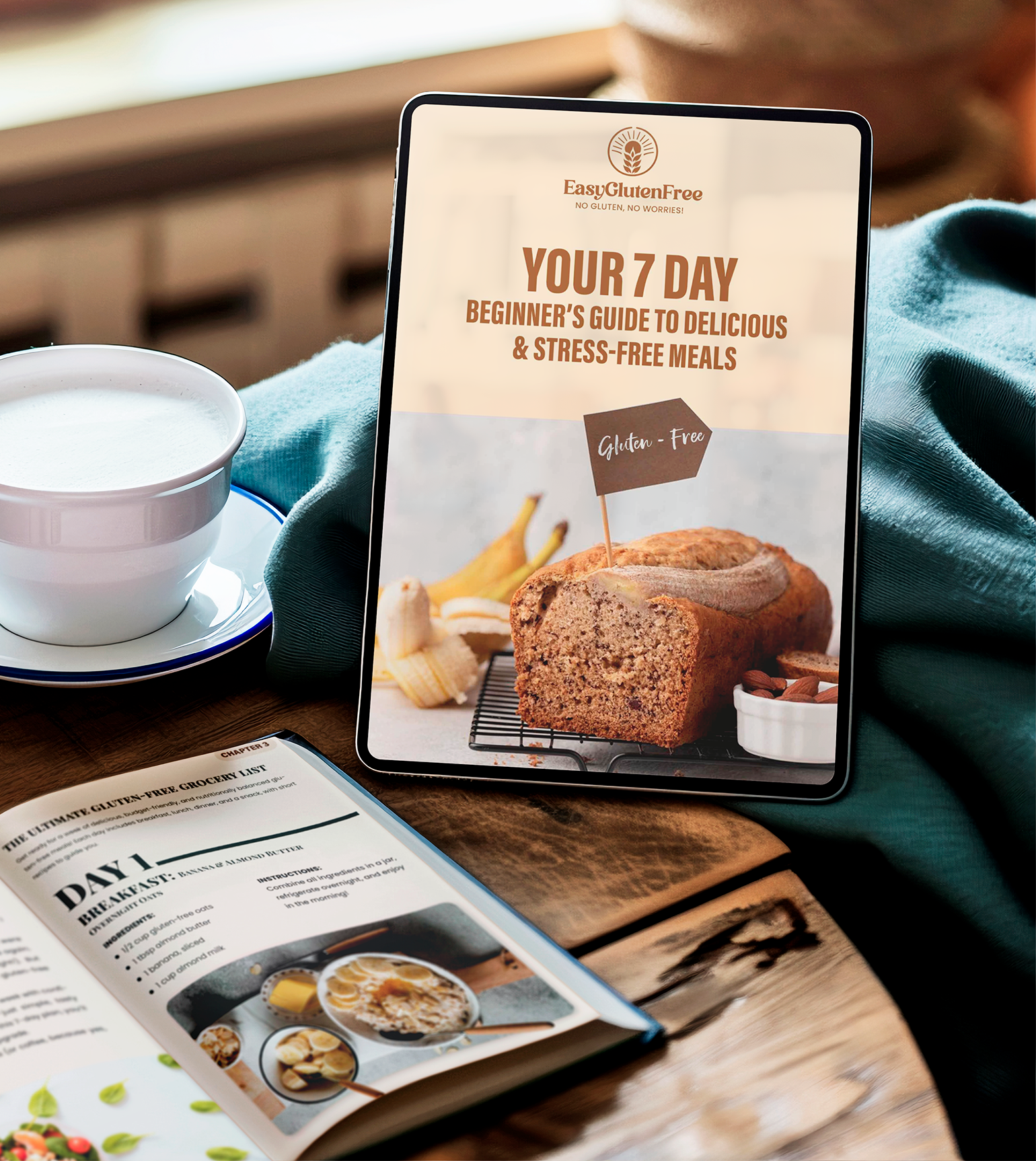
Download the Free Guide to Stress-Free Gluten-Free Testing & Eating Out

How to Use a Nima Gluten Sensor Test Safely When You’re Gluten-Free
Wondering how a Nima gluten sensor test fits into real-life gluten-free living—especially if you’re constantly second-guessing restaurant menus, shared kitchens, and “gluten-friendly” labels? This guide walks you through how to think about quick gluten testing as one tool in a bigger gluten-free toolkit, so you can feel more confident, prepared, and less stressed when you eat.
Download Our Free Gluten-Free Starter Guide
- 7-day meal plan
- shopping list
- Tips & 3 beginner-friendly recipes
Introduction
Living gluten-free today is both easier and more confusing than ever. Restaurants have “GF” symbols, friends swear their air fryer “doesn’t count” as cross-contact, and every week there’s a new gadget that promises to keep you safe. In the middle of all that noise, many gluten-free eaters just want clarity: is this food actually safe for me to eat?
That’s where on-the-spot gluten checks come in. Tools like the Nima gluten sensor test are designed for exactly that moment when you’re staring at a plate of food thinking, “Is this really gluten-free, or am I gambling with my next 48 hours?” While no tool is perfect, understanding how these tests fit into a thoughtful gluten-free strategy can make a huge difference to your stress levels—and your confidence.
In this article, we’ll explore practical, everyday ways to use quick gluten testing as part of your gluten-free life: how to think about results, how to combine tests with smart questions and label reading, and when relying on testing might not be the right move. You’ll come away with a calmer, more strategic approach to dining out, traveling, and handling shared kitchens—whether you’re newly gluten-free or years into the journey.
1. Understanding Quick Gluten Testing in Real Life
Before you start relying on any kind of quick gluten test, it’s important to zoom out and look at the bigger picture: what can these tools realistically do for you, and what can they not do? When used thoughtfully, they can add confidence and data to your decisions. When misunderstood, they can create a false sense of security—or unnecessary panic.
Think of testing as one layer of protection
A helpful way to think about gluten-free safety is as a stack of layers, not a single magic answer. Those layers might include:
- Reading labels carefully and understanding certification logos
- Choosing restaurants with clear gluten-free procedures
- Asking targeted questions about cross-contact in kitchens
- Managing shared equipment and spaces at home
- Using gluten tests as an extra check in higher-risk situations
Testing shines brightest when it’s confirming what already looks reasonably safe: a gluten-free labeled dish prepared in a kitchen that understands cross-contact, or a packaged item that seems fine but uses vague wording. It’s not a replacement for all the other layers—it’s the bonus safety net.
What quick gluten checks can realistically tell you
Real-world gluten testing is always limited by what you can actually sample. You’re testing a small portion of a meal or food, which can give you useful information about that specific bite. That means:
- A sample that looks representative of the whole dish will usually give you more meaningful information than testing just a garnish or a corner of a plate.
- Heavily mixed foods, like casseroles or sauces, are often easier to sample reliably than layered or “topped” foods, where gluten might be unevenly distributed.
- Any test result is a data point, not a guarantee. It’s one more piece of information to combine with your knowledge of the restaurant, ingredient list, and preparation method.
Keeping this mindset—data, not perfection—can help keep your expectations realistic and your stress lower.
When relying on testing alone can backfire
It’s tempting to believe that a quick test can make any risky situation safe, but that’s not how gluten-free living really works. For example:
- A restaurant with flour dust in the air, shared fryers, and no understanding of cross-contact is still high-risk, even if a single test comes back negative on one bite of food.
- A shared home kitchen with cutting boards, wooden spoons, and toasters used for gluten foods may need system-level changes, not just spot checks.
- If you’re feeling pressured to eat something (“We made this just for you!”), testing under stress can make it harder to think clearly about the result and your own comfort level.
Using quick gluten tests well means pairing them with your boundaries, not using them to talk yourself out of boundaries you know you need.
2. When a Nima Gluten Sensor Test Can Be Most Helpful
If you use—or are considering using—a Nima gluten sensor test, it helps to think ahead about when it’s most likely to reduce stress and add clarity. You don’t need to test every bite you eat. In fact, being strategic about when you test can save time, money, and emotional energy.
High-value moments to use a test
Many gluten-free eaters find that quick gluten tests are most useful in situations like these:
- Trying a new restaurant where you’re not yet sure how well they understand gluten-free preparation and cross-contact.
- Traveling internationally, when language barriers or unfamiliar cuisine make ingredient questions harder.
- Eating foods with vague claims like “gluten-friendly,” “no gluten ingredients,” or “made without gluten,” especially when no third-party certification is present.
- Shared kitchens or events (office parties, catered events, family gatherings) where gluten-free items legally can be present but practically might be at risk.
In those moments, a test can give you extra information to either proceed with more confidence—or decide to skip the food and find a safer option.
Pairing test results with your own comfort level
Different people have different reactions, risk tolerance, and anxiety levels around gluten. Some feel better using testing frequently for peace of mind. Others prefer to reserve it for very specific situations. Both approaches can be valid.
What matters is that your use of a gluten sensor supports your well-being. If testing helps you enjoy meals, travel more freely, or identify patterns in your reactions, it may be a helpful tool for you. If you find yourself testing obsessively, re-testing the same foods, or spiraling over every result, it might be time to step back and simplify your approach.
How to get the most meaningful sample
When you do choose to test, a few simple habits can make your result more informative:
- Sample the part of the dish you’re most worried about (for example, the sauce or breading, not just the plain rice on the side).
- Mix small, representative bites from different parts of the dish when possible, instead of testing just a single pea or crumb.
- Avoid testing obvious gluten sources like regular bread or pasta — if a dish clearly contains gluten ingredients, there’s no need to confirm what you already know.
- Test before you’re starving, so you have time to consider the result calmly and decide how you want to proceed.
Used this way, testing becomes part of a thoughtful gluten-free routine, not a last-minute panic move over a plate of food.
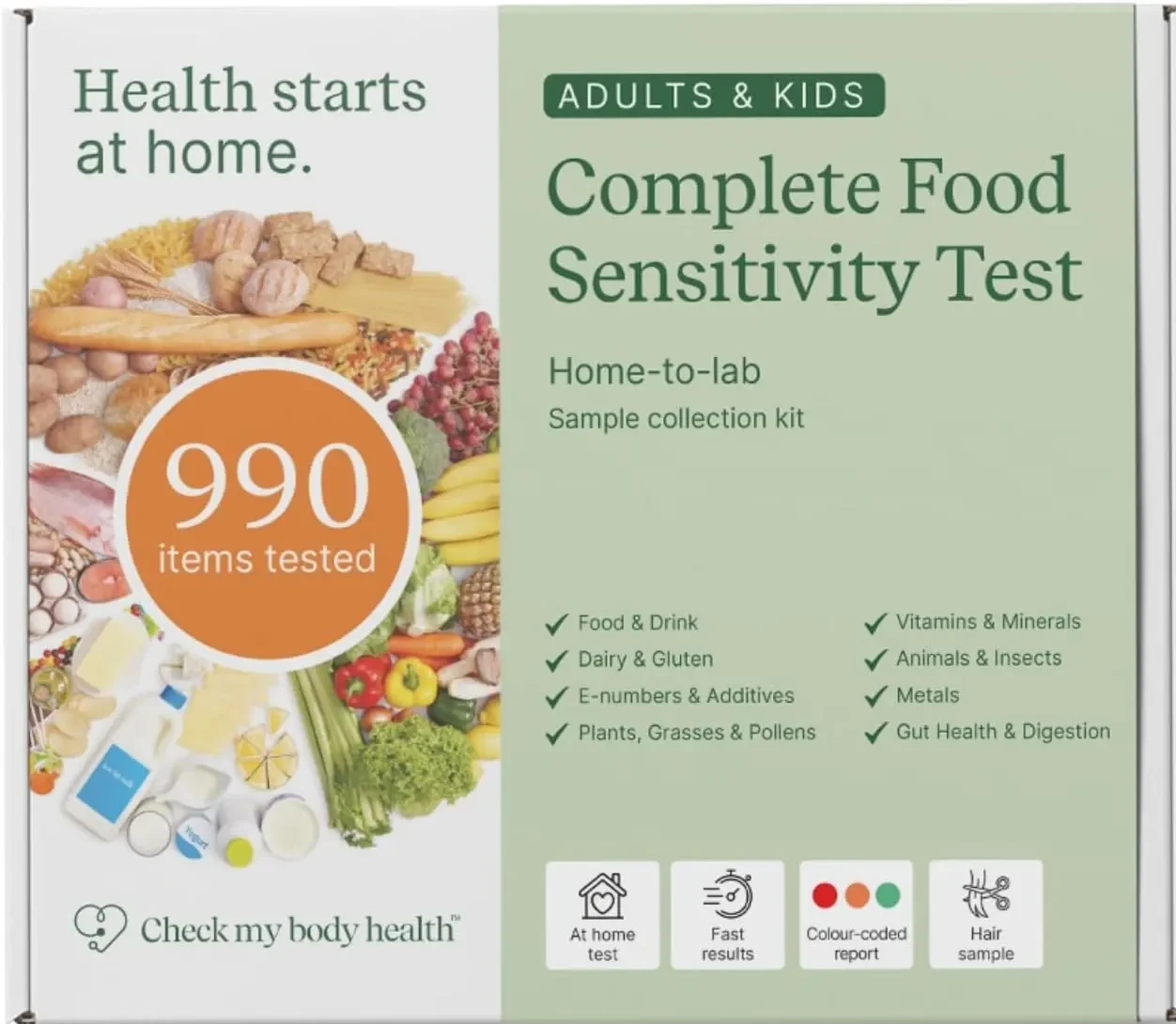
Nima gluten sensor test
These single-use capsules pair with the Nima Sensor to help users test foods for gluten on the spot. Perfect for travelers, researchers of their own digestive reactions, or anyone who just doesn’t trust that café’s “gluten-free… we think?” answer. A reliable, quick-gluten-detection option that empowers people who want data—not guesswork.
3. Practical Tips for Eating Out While Gluten-Free
Whether you use a gluten sensor or not, eating out gluten-free is always going to be a blend of communication, observation, and choosing restaurants that actually get it. A bit of preparation goes a long way toward lowering your stress before the server even brings the menu.
Choose restaurants that are worth your energy
Not every restaurant is going to be a good fit for strict gluten-free needs, and that’s okay. Save yourself time and frustration by:
- Checking menus online for a dedicated gluten-free menu or clear symbols.
- Looking for notes about separate fryers, preparation processes, or staff training.
- Scanning reviews specifically from gluten-free diners to see what their experiences have been.
- Calling ahead during quiet hours to ask targeted questions about cross-contact, not just “Do you have gluten-free options?”
If a restaurant sounds confused or dismissive on the phone, that’s important information. It might be a sign to choose a different spot rather than trying to “make it work” once you’re already seated and hungry.
Ask questions that actually reveal how the kitchen works
Instead of asking, “Is this gluten-free?”, try questions that show you how the food is handled behind the scenes. For example:
- “Do you have a dedicated gluten-free fryer, or is it shared with breaded items?”
- “Is the gluten-free pizza or bread baked on its own pan or surface?”
- “Can you prepare this on a clean pan with fresh utensils?”
- “Are there any pre-marinated or pre-breaded ingredients I should know about?”
Notice the tone of the answers. Are they confident and detailed, or vague and uncertain? The way staff talk about their process can tell you a lot about how seriously they take gluten-free needs.
How quick testing can fit into restaurant dining
If you choose to use a gluten sensor at restaurants, it can be most helpful when it’s the last step in a decision—not the only step. For example:
- You research and select a restaurant with good gluten-free reviews.
- You confirm key details with staff about cross-contact and preparation.
- Your meal arrives and visually appears consistent with what you were told.
- You test a portion of the highest-risk component (sauce, breading, or mixed dish).
- You decide whether to proceed based on both the test result and your own comfort level.
That layered approach tends to feel calmer and more empowering than testing dishes that were clearly high-risk from the start.
Give yourself permission to say “no, thank you”
Sometimes, the most powerful gluten-free tool isn’t a test or an app—it’s your ability to calmly decline a dish that doesn’t feel safe enough. You’re allowed to say:
- “I really appreciate the effort, but I’m not comfortable eating this based on how it was prepared.”
- “This doesn’t seem safe for my needs. Could we do a simple grilled protein and salad instead?”
- “I’m going to skip eating this time and just have a drink, but I’d still love to stay and chat.”
Protecting your body and peace of mind is more important than a single meal, and the right people will respect that.
Recipe Inspiration
Try these gluten-free staples loved by thousands:



4. Smart Gluten-Free Travel Strategies
Travel adds extra variables to gluten-free life: new ingredients, unfamiliar brands, and kitchens that may never have heard the words “cross-contact.” With a little planning, though, you can shift from constant worry to “prepared but still having fun.”
Pack a small “gluten-free travel kit”
Consider putting together a compact kit that lives in your carry-on or car. It might include:
- Trusted non-perishable snacks (bars, nuts, crackers, instant oatmeal, or shelf-stable meals).
- A small cutting board or plate and your own utensil set.
- Sealable bags or containers for leftovers or emergency meals.
- Printed allergy cards in the local language if you’re traveling abroad.
If you use a gluten sensor, you can decide whether it belongs in this kit based on how you usually travel and where you’re headed. Some people feel better having it handy in countries where labeling laws are different from what they’re used to.
Research lodging with food prep in mind
Having even a tiny kitchenette can dramatically lower your stress on longer trips. When booking, look for:
- Hotels or rentals with a fridge and microwave at minimum.
- Spaces with cooking surfaces where you can control cross-contact (non-porous pans and utensils are easiest to manage).
- Grocery stores or markets nearby, so you aren’t fully reliant on restaurants.
If you’re concerned about cross-contact from previous guests, you can stick to cookware you bring yourself, choose simple no-cook meals, or line pans with foil as a barrier.
Approaching restaurants in new cities
When you’re in an unfamiliar city, it can help to decide ahead of time which meals you’ll rely on restaurants for and which ones you’ll keep simple. A few ideas:
- Plan breakfast and some lunches from groceries, leaving dinners for restaurants you’ve researched.
- Bookmark a few gluten-aware spots before you arrive instead of trying to decide while you’re hangry.
- Use gluten-free travel blogs and local celiac groups as a reality check on which restaurants are worth the effort.
In higher-risk settings—or places where you can’t verify processes—having a quick gluten test available may give you one more piece of information to work with. But your boundaries still come first: if a place feels chaotic or dismissive, you’re never obligated to eat there just because you’ve already walked in.
Give yourself margin for imperfect days
Travel comes with delays, detours, and the occasional “there is nothing safe to eat here” moment. Having backup snacks, simple meal ideas, and realistic expectations can help you navigate those days with less stress. It’s okay if some meals on a trip are more about staying fueled than about culinary adventures—you’re still allowed to enjoy the trip as a whole.
5. Building a Low-Stress Gluten-Free Routine at Home
Most of your gluten-free life happens at home, not in restaurants or airports. Creating a calm, predictable routine at home makes it easier to handle the occasional higher-risk situation elsewhere—because your everyday baseline is steady and supportive.
Set up your kitchen to work for you
A well-organized gluten-free kitchen reduces the need for constant vigilance. Depending on whether your space is 100% gluten-free or shared, that might look like:
- Having clearly labeled gluten-free shelves, bins, or drawers.
- Using separate toasters, wooden utensils, cutting boards, and colanders for gluten-free foods.
- Storing gluten-free flours and baking mixes away from regular flour to avoid airborne contamination.
- Keeping surfaces simple and easy to clean after any gluten cooking occurs.
The more automatic these systems become, the less mental energy they require day to day.
Build a rotation of “safe without thinking” meals
Try creating a short list—maybe 7 to 10 meals—that you know are reliably gluten-free and easy to throw together. For example:
- Bowl-style meals with rice or quinoa, protein, and roasted veggies.
- Sheet-pan dinners with meat, potatoes, and seasonal vegetables.
- Simple soups or stews that freeze well for future busy nights.
- Breakfast-for-dinner using trusted gluten-free pancake or waffle mixes.
When you already know the ingredients and brands that work for you, there’s less need to double-check or test. That’s a gift to your future self on tired evenings.
Where quick testing fits into home life
Some gluten-free eaters use testing at home only occasionally, such as:
- Checking a new brand or imported food that doesn’t have clear certification.
- Spot-checking shared condiments or pantry items if there’s been a history of “crumb contamination.”
- Confirming whether a product labeled with cautious wording (“may contain” or “processed in a facility with…”) feels comfortable for them personally.
Others may feel no need to test at home at all, especially if they control all the food that comes in and their kitchen is fully gluten-free. The right approach is the one that supports both your physical comfort and your mental bandwidth.
Be kind to yourself as you learn
Gluten-free living is a skill set that builds over time. You’ll learn which brands you trust, which restaurants just “get it,” and how your body responds in different situations. Tools like restaurant research, meal planning, and gluten testing can all play supporting roles—but you’re still the expert on your own experience.
If you’re feeling overwhelmed, start small: simplify your home meals, choose one or two restaurants that feel safe, and slowly expand from there. Over time, the constant question of “Is this safe?” gets quieter, and your routines get smoother. That’s the real goal: not perfection, but a gluten-free life that feels doable, sustainable, and genuinely enjoyable.
Key Takeaways
- Quick gluten testing is most helpful as one layer in a broader gluten-free strategy, not a standalone solution.
- Using a Nima gluten sensor test strategically—at new restaurants, while traveling, or with vague labels—can provide extra data for your decisions.
- Strong restaurant choices, clear communication, and permission to say “no, thank you” often matter more than any single tool.
- Smart travel planning and a simple gluten-free “kit” can turn stressful trips into manageable, even enjoyable, experiences.
- A supportive home routine with safe go-to meals and clear kitchen systems reduces daily stress and makes occasional testing optional rather than essential.
Take the Next Step in Your Gluten-Free Journey
- Download the Free EGF Starter Guide
- Try our Gluten-Free Planner to simplify your week
- Explore our growing recipe library
You don’t have to navigate the gluten-free lifestyle alone, we are here to make it easier every day.
Category: Gluten-Free Lifestyle