Download Our Free Gluten-Free Eating Out Survival Guide

Gluten-Free Eating Out: How to Avoid Cross-Contact and Stay Safe
Navigating restaurants when you’re gluten-free can feel like a trust exercise with strangers handling your food. This guide walks you through practical, repeatable steps to reduce cross-contact risk, communicate clearly with staff, and enjoy eating out with more confidence instead of constant guesswork.
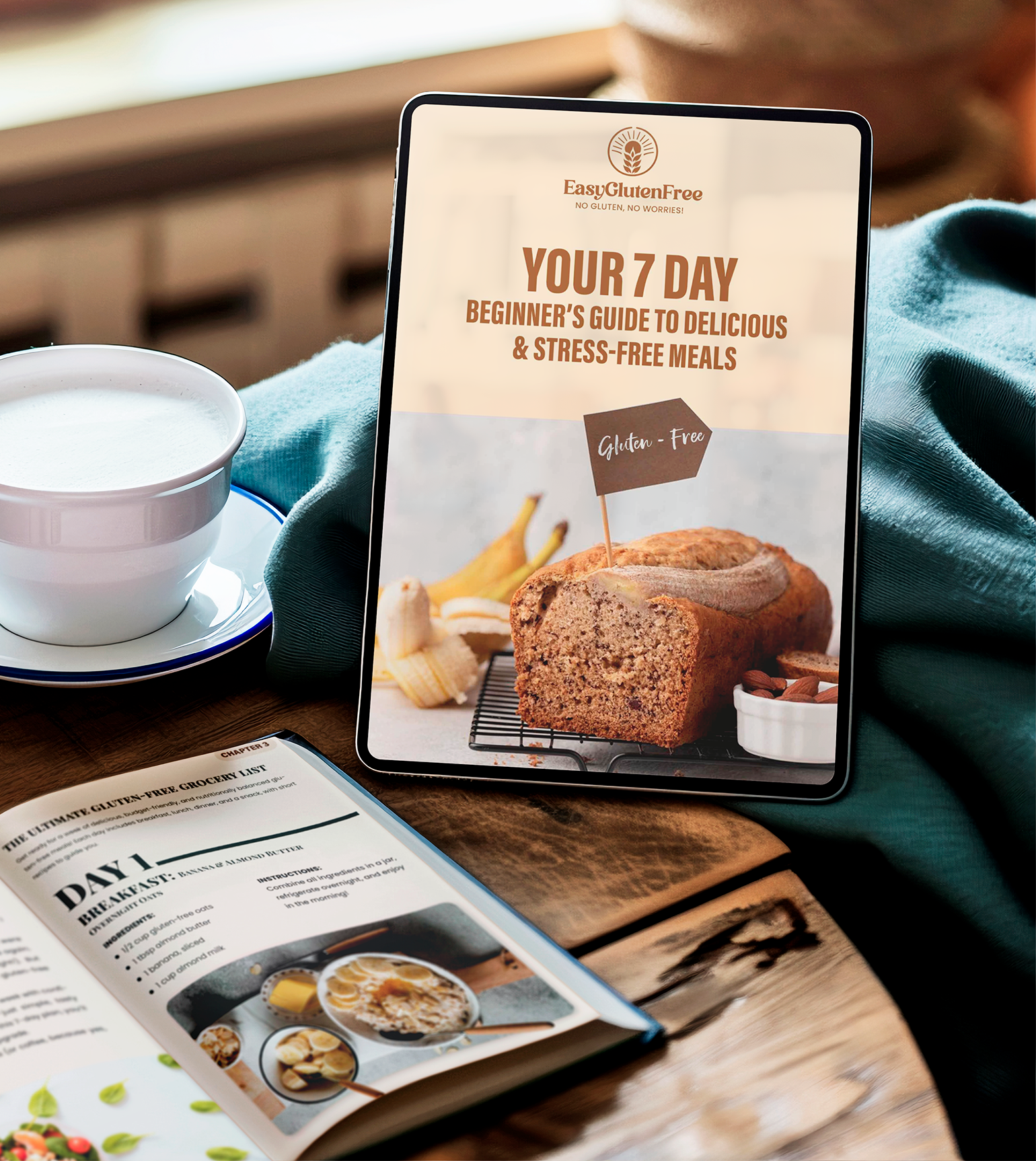
Download Our Free Gluten-Free Starter Guide
- 7-day meal plan
- shopping list
- Tips & 3 beginner-friendly recipes
Introduction
Eating out gluten-free is a completely different game than cooking gluten-free at home. At home you control the ingredients, tools, and surfaces. In a restaurant, you’re relying on busy people, a shared kitchen, and systems that may or may not fully understand gluten-free needs. That’s where cross-contact comes in—and why learning how to avoid it matters so much.
Cross-contact happens when gluten-free food touches gluten-containing ingredients, crumbs, oils, or equipment. The meal might look “safe” on the plate, but tiny amounts of gluten can still get in during prep. For people with celiac disease and those who are highly sensitive, that’s enough to trigger symptoms and inflammation, even if the menu proudly says “gluten-free.”
This article will help you build a step-by-step strategy for eating out more safely. You’ll learn how to assess a restaurant before you go, what questions to ask, how to spot red flags, when to bring tools like portable gluten testers, and how to create your own non-negotiables so you can enjoy meals without constantly wondering, “Is this going to make me sick later?”
1. Understanding Cross-Contact When Eating Out
To avoid cross-contact in restaurants, it helps to understand exactly how and where it happens. Gluten doesn’t just live in obvious items like bread or pasta—it can show up in sauces, shared fryers, and even on the grill where your “plain” chicken was cooked right next to a flour-dusted bun.
What cross-contact actually is (and isn’t)
Cross-contact is when gluten-free food comes into contact with gluten-containing food, surfaces, or utensils so that trace gluten is transferred. This is different from cross-contamination, which is often used for bacteria. In the gluten-free world, “cross-contact” is the more accurate term, and many celiac organizations now prefer it.
In practical terms, it means your gluten-free food is no longer reliably gluten-free, even if none of the visible ingredients contain gluten.
Common cross-contact hotspots in restaurants
- Shared fryers – Fries, tortilla chips, or wings cooked in the same oil as breaded items.
- Griddles and grills – Pancakes, buns, and sandwiches cooked beside “gluten-free” items with no grill cleaning in between.
- Cutting boards and knives – Bread sliced on a board and then used for your salad or steak.
- Salad stations and prep lines – Croutons, pasta, or bread crumbs sprinkled nearby or tossed in the same bowl.
- Pizza ovens – Gluten-free crusts baked directly on oven decks dusted with wheat flour.
- Tongs, spatulas, and gloves – Staff handling gluten items and then your “gluten-free” order without changing tools or gloves.
Hidden gluten vs. cross-contact
It’s helpful to separate two different risks:
- Hidden gluten in ingredients: soy sauce, seasoning mixes, marinades, imitation crab, dessert toppings, etc.
- Cross-contact in the kitchen: shared equipment, surfaces, tools, and fryers.
Most restaurants now know the basics about bread and pasta, but far fewer have strong systems to prevent cross-contact. That’s why asking about both ingredients and prep methods is essential.
Why some people still react to “gluten-free” menu items
Many menus label dishes “gluten-free” based on ingredients only. They may not factor in the kitchen setup or how hectic service gets at peak times. A dish might be prepared gluten-free when the restaurant is quiet, but not when they’re slammed and shortcuts happen.
That’s where your own questions, boundaries, and tools come in. Instead of assuming a gluten-free label equals safety, use it as a starting point for a conversation.
2. How to Vet Restaurants and Use Gluten Testing Tools
Before you walk through the door, you can do a lot to stack the odds in your favor. Think of it as pre-screening: you want to find places that understand gluten-free, have at least some awareness of cross-contact, and are willing to work with you.
Step 1: Research before you go
Start with a quick online check:
- Look for dedicated gluten-free menus or clear allergen charts on the website.
- Search reviews specifically using terms like “celiac,” “gluten-free safety,” or “cross contamination/contact.”
- Check social media – sometimes people post stories or photos about how seriously (or not) a restaurant takes gluten-free orders.
Remember: reviews are helpful, but everyone’s sensitivity and expectations are different. Use them as clues, not guarantees.
Step 2: Call ahead during off-peak hours
A quick phone call can tell you a lot. Ask to speak with a manager or someone who understands how gluten-free meals are prepared. You might say something like:
“Hi, I eat strictly gluten-free for medical reasons and need to avoid cross-contact, not just obvious gluten. Do you have processes in place to prepare meals separately or safely for people with celiac or similar needs?”
Listen not just to the words, but to the confidence and clarity in the response. Vague answers like “Yeah, we have salads so you’ll be fine” are a red flag. You’re looking for specifics: separate pans, clean utensils, dedicated fryer, staff training, or notes in their POS system.
Step 3: Consider using portable gluten testing tools mindfully
Some people like an extra layer of data when eating out, especially if they have a history of unexplained reactions. Portable gluten testing tools can sometimes help you decide whether to eat a particular dish, but they have limitations and don’t replace good restaurant communication, research, and your own boundaries.
If you choose to use a tester, treat it as one piece of your overall strategy—not a pass to relax every other precaution.
Nima gluten sensor test
These single-use capsules pair with the Nima Sensor to help users test foods for gluten on the spot. Perfect for travelers, researchers of their own digestive reactions, or anyone who just doesn’t trust that café’s “gluten-free… we think?” answer. A reliable, quick-gluten-detection option that empowers people who want data—not guesswork.
3. Questions to Ask at Restaurants (Without Feeling Awkward)
You don’t have to deliver a lecture on gluten to every server, but you do need to be clear and specific. The goal is to quickly check whether the restaurant can prepare something safely for you—before you invest time, energy, and appetite.
How to introduce your needs
When your server first greets you, try something simple and direct:
“I need to eat strictly gluten-free for medical reasons, so I also have to avoid cross-contact. Can you help me choose a safe option?”
That one sentence does a lot of work: it communicates that this is medical, you’re avoiding both gluten and cross-contact, and you’re asking for partnership—not perfection.
Key questions to uncover cross-contact risks
You don’t need to ask every question every time, but these are helpful options:
- About fryers: “Are your fries / chips cooked in a dedicated fryer that’s only used for gluten-free items?”
- About grills: “Can my protein be cooked in a clean pan or on a section of the grill that hasn’t had bread or flour on it?”
- About prep surfaces: “Is there a way for the kitchen to prepare my meal on a clean surface with clean utensils?”
- About sauces and seasonings: “Is there any flour, soy sauce, or seasoning mix with gluten in this marinade/sauce?”
- About special handling: “Can you put a note in the system that this is a gluten-free allergy or celiac-level order?”
If the server doesn’t know an answer, that’s okay—as long as they’re willing to check with the kitchen and come back with specifics.
Reading the room: good signs vs. red flags
Good signs:
- The server immediately understands what gluten-free and cross-contact mean.
- They mention separate prep areas, clean pans, or dedicated fryers without you prompting.
- They voluntarily point out items that are not safe, even if they appear gluten-free on the menu.
- The restaurant has clear allergen procedures (marking the ticket, using a different plate, etc.).
Red flags:
- “You can just take the bun off.”
- “We have whole wheat—does that help?”
- “Our gluten-free items are made in the same oven/fryer, but it should be fine.”
- Eye-rolling, dismissive responses, or obvious annoyance at your questions.
When you hit multiple red flags, it’s completely okay to say, “Thank you so much for checking—based on what you’ve shared I don’t think I can safely eat here today.” Protecting your health is more important than an awkward 30 seconds.
Scripts you can borrow
If you feel shy speaking up, having a script helps. A few you can adapt:
- “Which menu items are easiest for your kitchen to prepare safely gluten-free, including avoiding cross-contact?”
- “If you were ordering for someone with celiac disease, what would you recommend—or avoid—here?”
- “Would it be possible to keep my dish very simple, like grilled chicken, steamed veggies, and plain rice, cooked in a clean pan?”
Over time, these conversations get easier. Many gluten-free diners find a few “safe” restaurants and rotate them, so they’re not reinventing the wheel every week.
Recipe Inspiration
Try these gluten-free staples loved by thousands:



4. Safer Ordering Strategies for Different Cuisines
Once you know how to ask good questions, the next step is learning which cuisines tend to be more flexible for gluten-free eaters and where extra caution is wise. Every restaurant is different, but these patterns can help you make quicker decisions.
American grills and burger spots
Watch out for: shared fryers (fries, onion rings, chicken strips), burger buns on the grill, seasoning blends, and gravy.
Safer bets to ask about:
- Burgers without buns, cooked in a clean pan or on a clean part of the grill.
- Grilled chicken, steak, or salmon without marinades that contain gluten.
- Baked potatoes, plain rice, steamed vegetables without sauce.
- Salads without croutons or breaded toppings, with oil-and-vinegar style dressings.
Mexican and Latin-inspired restaurants
These can be great for gluten-free eating, especially if they rely heavily on corn. The main issue is shared surfaces and fryers.
Ask about:
- Whether corn tortillas are 100% corn or mixed with wheat flour.
- If tortilla chips and shells are fried in a dedicated gluten-free fryer.
- Thickeners in sauces and moles (flour vs. corn starch).
- Shared grills or planchas used for flour tortillas and your order.
Simple grilled meats, rice, beans (without lard or flour), salsa, guacamole, and corn tortillas are often good starting points—if cross-contact is addressed.
Italian restaurants and pizza places
Many Italian spots now offer gluten-free pasta and pizza crusts, but cross-contact risk can be high if systems aren’t strong.
Clarify:
- Whether gluten-free pasta is boiled in clean water in a separate pot.
- If gluten-free pizza is baked on a separate pan or screen, away from flour-dusted decks.
- Thickeners in soups and sauces (especially cream sauces and gravies).
Sometimes the safest option in a traditional pasta-heavy place is a grilled protein with vegetables and potatoes or salad, prepared simply.
Asian cuisines (Chinese, Japanese, Thai, etc.)
These can be tricky because soy sauce and wheat-based sauces are common, and woks or grills may be heavily shared.
Key questions:
- Do you have a naturally gluten-free soy sauce alternative, and can they use it only for your dish?
- Can your meal be cooked in a clean pan or wok that hasn’t had gluten sauces or battered foods?
- Are tempura, breaded meats, and noodles kept separate from your dish?
Some restaurants are very gluten-aware and can adapt dishes; others may find it too complex. Asking clearly and being prepared to pivot is important here.
Breakfast and brunch spots
This is where crumbs tend to rule the kitchen. Think French toast, pancakes, muffins, and toast on every surface.
Be extra cautious about:
- Shared toasters (these are almost never safe for gluten-free bread).
- Pancake griddles used for eggs or hash browns without a full clean.
- Pre-shredded hash browns or potatoes that may have flour added.
Safer options can include omelets or scrambled eggs in a clean pan, fruit, yogurt, and simple sides like unseasoned potatoes cooked in a dedicated pan—if the restaurant is willing to accommodate.
5. Building Your Personal Restaurant Game Plan
No two gluten-free journeys look exactly the same. Your sensitivity level, comfort with risk, local restaurant options, and past experiences all play a role. That’s why building a personal “restaurant game plan” can help you make decisions faster and with less stress.
Step 1: Define your non-negotiables
These are the lines you won’t cross, even if the menu looks amazing. For example:
- No shared fryers—ever.
- No restaurants where staff seem confused or dismissive about gluten-free.
- No “gluten-free” pizzas cooked directly on floury oven decks.
Writing these down (even in your phone notes) can make it easier to stick to them in the moment.
Step 2: Create a short list of “trusted” places
Over time, notice where you feel best after eating and where staff clearly “get it.” Rotate those spots into a go-to list. You might even keep notes such as:
- “Server Sarah knows gluten-free protocol—ask for her if possible.”
- “Dedicated fryer for chips; safe tacos with corn tortillas and grilled meats.”
- “Best bet: grilled salmon, plain rice, steamed veggies—no sauce.”
That way, when friends say “Let’s grab dinner,” you already have a starting point.
Step 3: Have a “backup” plan
Sometimes the restaurant you planned on just doesn’t feel right once you arrive. Maybe the manager is new, or the kitchen seems overwhelmed. It’s helpful to have a Plan B, such as:
- Another restaurant nearby you’ve vetted.
- Eating something simple beforehand so you’re not starving if you need to pass.
- Car snacks in your bag or car in case you end up skipping the meal entirely.
This takes some pressure off and makes it easier to walk away when your gut says, “Not worth it.”
Step 4: Reflect after each restaurant visit
After you eat out, take a minute later that day or the next to quickly check in:
- How did you feel during and after the meal?
- Did staff handle your questions well?
- Anything you’d do differently next time—different dish, different time of day, or different restaurant?
Treat it like an ongoing experiment. You’re gathering data to make future choices easier and more personalized to you.
Step 5: Give yourself permission to set boundaries
There will be times when friends or family don’t fully understand why you’re being so careful. You’re allowed to prioritize your health anyway. That might look like:
- Suggesting restaurants that you know can handle gluten-free safely.
- Joining for drinks or dessert only if the meal options feel too risky.
- Explaining, “I love spending time with you, but I have to be very careful about my food to stay healthy.”
You deserve to enjoy social events and feel well afterwards. With a clear game plan, good questions, and tools that support your comfort level, eating out gluten-free can shift from stressful guessing to a more manageable—sometimes even fun—part of your routine.
Key Takeaways
- Cross-contact in restaurants is a major source of gluten exposure, so ingredients and preparation methods both matter when eating out gluten-free.
- Pre-screening restaurants online and calling ahead during quiet hours helps you identify places that understand gluten-free needs and have systems in place.
- Clear, specific questions about fryers, grills, sauces, and prep surfaces can quickly reveal whether a restaurant can safely handle your meal.
- Different cuisines come with different common risks, but simple dishes, clean pans, and minimal sauces are often your safest bets.
- Building personal non-negotiables, a list of trusted spots, and a backup plan allows you to enjoy eating out with more confidence and less stress.
Take the Next Step in Your Gluten-Free Journey
- Download the Free EGF Starter Guide
- Try our Gluten-Free Planner to simplify your week
- Explore our growing recipe library
You don’t have to navigate the gluten-free lifestyle alone, we are here to make it easier every day.
Category: Eating Out