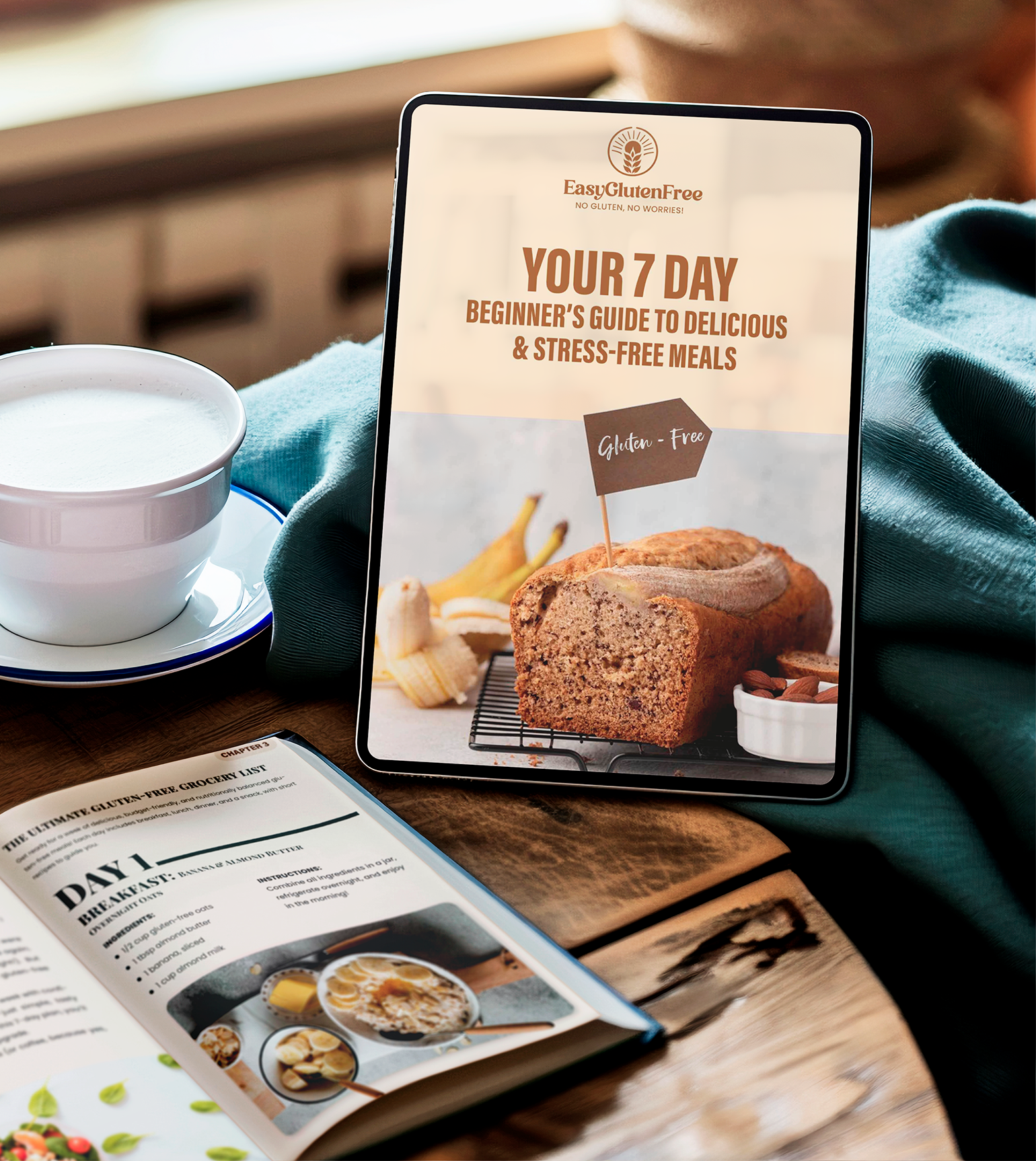
Download Your Free Guide to Confident Gluten-Free Eating Out

Is Restaurant Food Gluten-Free? How to Check, Ask, and Stay Safe When You Don’t Control the Kitchen
Navigating restaurants, takeout, and social events can be the hardest part of eating gluten free. Labels disappear, cross-contact risks go up, and you’re suddenly relying on a stranger’s idea of “gluten-free enough.” This guide walks you through practical ways to check whether food is truly gluten free, how to ask the right questions without feeling awkward, and what tools can help when you’re not the one cooking.
Download Our Free Gluten-Free Starter Guide
- 7-day meal plan
- shopping list
- Tips & 3 beginner-friendly recipes
Introduction
At home, staying gluten free can feel almost easy once you’ve rebuilt your pantry and favorite recipes. Out in the real world, it’s a different story. Menus are vague, servers are rushed, and friends say, “It’s just a little soy sauce, you’ll be fine, right?” Suddenly, every bite feels like a gamble.
Whether you have celiac disease, non-celiac gluten sensitivity, or you simply feel better gluten free, you deserve to eat with confidence instead of anxiety. That doesn’t mean you need to give up dinners out, brunch with friends, or long-awaited vacations. It does mean you’ll need a game plan: how to check if food is actually gluten free, how to spot red flags quickly, and how to politely advocate for yourself.
This article is your step-by-step playbook for doing just that. We’ll cover smart ways to research before you go, what to ask at restaurants, practical strategies for social events, and how tools like portable gluten tests can fit into your overall approach. No scare tactics, no perfectionism—just realistic, sustainable habits to help you enjoy food again while protecting your gluten-free lifestyle.
Table of Contents
▾
- 1. Understanding What “Gluten-Free” Really Means Outside Your Kitchen
- 2. How to Check If Food Is Gluten-Free When You’re Eating Out
- 3. Using Portable Gluten Tests as One More Layer of Protection
- 4. Handling Social Events, Travel, and Takeout Without Panic
- 5. Building Long-Term Confidence in Your Gluten-Free Choices
1. Understanding What “Gluten-Free” Really Means Outside Your Kitchen
When you’re at home, “gluten-free” usually means you’ve checked every ingredient, cleaned your surfaces, and cooked with care. Out in the world, that same phrase can mean very different things depending on who you’re talking to:
- To a restaurant server: it might mean “no bread on the plate.”
- To a chef: it might mean “I’ll avoid obvious gluten, but we use the same fryer and grill.”
- To a friend or family member: it might mean “I bought gluten-free pasta, so the rest doesn’t matter, right?”
Understanding this gap is the first step to protecting yourself. Most people are willing to help, but they don’t live in a gluten-free world like you do. Your job is to translate your needs into clear, simple requests they can act on.
Know the difference: ingredients vs. cross-contact
When checking if food is gluten free outside your home, you’re really looking at two layers:
- Ingredients: Does the dish contain gluten on purpose? (Think wheat flour, regular soy sauce, croutons, malt vinegar.)
- Cross-contact: Could gluten accidentally get into your food? (Shared fryers, cutting boards, pasta water, or tongs.)
Most restaurants are getting better at spotting gluten ingredients, especially in obvious items like bread and pasta. Cross-contact is where things get tricky. A gluten-free bun served with a burger cooked on a grill covered in regular bun crumbs might still be a problem for people who need to be strictly gluten free.
Common myths about “gluten-free” eating out
Here are a few assumptions that can get gluten-free diners into trouble:
- “Salads are always safe.” Croutons, crispy toppings dusted with flour, marinades, and dressings can easily contain gluten.
- “Grilled meats are fine.” Many grills are used for marinated meats, buns, and pancakes, and can be brushed with sauces containing gluten.
- “The menu has a little ‘GF’ icon, so I’m all set.” That usually means the recipe doesn’t include gluten ingredients. It doesn’t guarantee separate prep or dedicated equipment.
- “The server said it’s fine.” Servers often rely on memory or guesswork. The safest answers come when the server checks with the kitchen or uses an allergy protocol.
Set your own comfort level
Different people have different sensitivity levels and health needs. Before you walk into any restaurant, it helps to decide what you are and aren’t comfortable with. For example:
- Are you okay with food cooked on a shared grill, if it’s scraped and wiped first?
- Do you avoid all shared fryers, no matter what?
- Are you comfortable with “no obvious gluten ingredients” but less worried about minor cross-contact?
There’s no one right answer for everyone. Having your own clear line makes decisions less stressful and helps you ask for exactly what you need instead of trying to figure it out when you’re already hungry and overwhelmed.
2. How to Check If Food Is Gluten-Free When You’re Eating Out
Checking whether food is gluten free outside your home is less about perfection and more about stacking smart habits. Think of it as building layers of protection: research before you go, ask good questions when you arrive, and use tools wisely when you need them.
Before you go: research and prep
A few minutes of planning can save you from stressful, hangry decision-making later. When possible:
- Look up the menu online. Search for a gluten-free section, symbols (GF, GFO, “Gluten-Friendly”), or an allergy statement.
- Check reviews from gluten-free diners. Dedicated gluten-free apps, local Facebook groups, or reviews that mention “celiac” or “cross-contamination” can be especially helpful.
- Call ahead during off-peak hours. Ask if they can accommodate gluten free, whether they have dedicated prep areas or fryers, and which dishes are easiest to keep safe.
- Choose restaurants used to special diets. Places that regularly handle dairy-free, nut-free, or vegan orders are often more accustomed to following food-safety protocols.
How to talk to staff without feeling awkward
You don’t need a long medical explanation. What helps most is being clear, calm, and specific. You can say something like:
- “I need to eat strictly gluten free. Can you help me find a safe option?”
- “I can’t have any wheat, barley, or rye, including crumbs or shared fryers. Which dishes are safest?”
- “Could you please check with the kitchen whether this dish is prepared on a shared grill or fried with breaded foods?”
Key questions to ask:
- “Do you have a gluten-free menu or allergen guide?”
- “Is there a separate fryer for fries, chips, or wings?”
- “Are any sauces, marinades, or seasonings made with flour or soy sauce?”
- “How do you usually handle gluten-free or allergy orders in the kitchen?”
You’re not being “difficult”—you’re giving the staff the information they need to help you safely.
Hidden gluten to watch for in restaurants
Even if a dish looks simple and naturally gluten free, certain ingredients frequently introduce gluten. Common culprits include:
- Shared fryers: fries, tortilla chips, wings, and hash browns cooked with breaded items.
- Thickened sauces and soups: gravies, chowders, creamy soups, or any “house sauce” that may use roux (flour + fat).
- Asian dishes: soy sauce, teriyaki, some rice vinegars, and breaded meats in “stir-fries.”
- Breakfast foods: omelets cooked on pancake griddles, sprayed with non-stick sprays that may be shared.
- Salad extras: croutons, crispy topping blends, pre-marinated proteins, and dressings.
The more you practice scanning for these, the faster and less stressful it becomes.
When you’re still unsure
Sometimes, even after asking questions, your gut (the figurative one) still feels uneasy. In that case, you have options:
- Choose the simplest dish—often grilled meat or fish with plain steamed veggies and a baked potato.
- Skip sauces or ask for them on the side if ingredients are unclear.
- Have a backup snack with you so you’re not pressured into eating something that doesn’t feel safe.
- Politely decide not to eat and enjoy a drink instead, then eat something safe later.
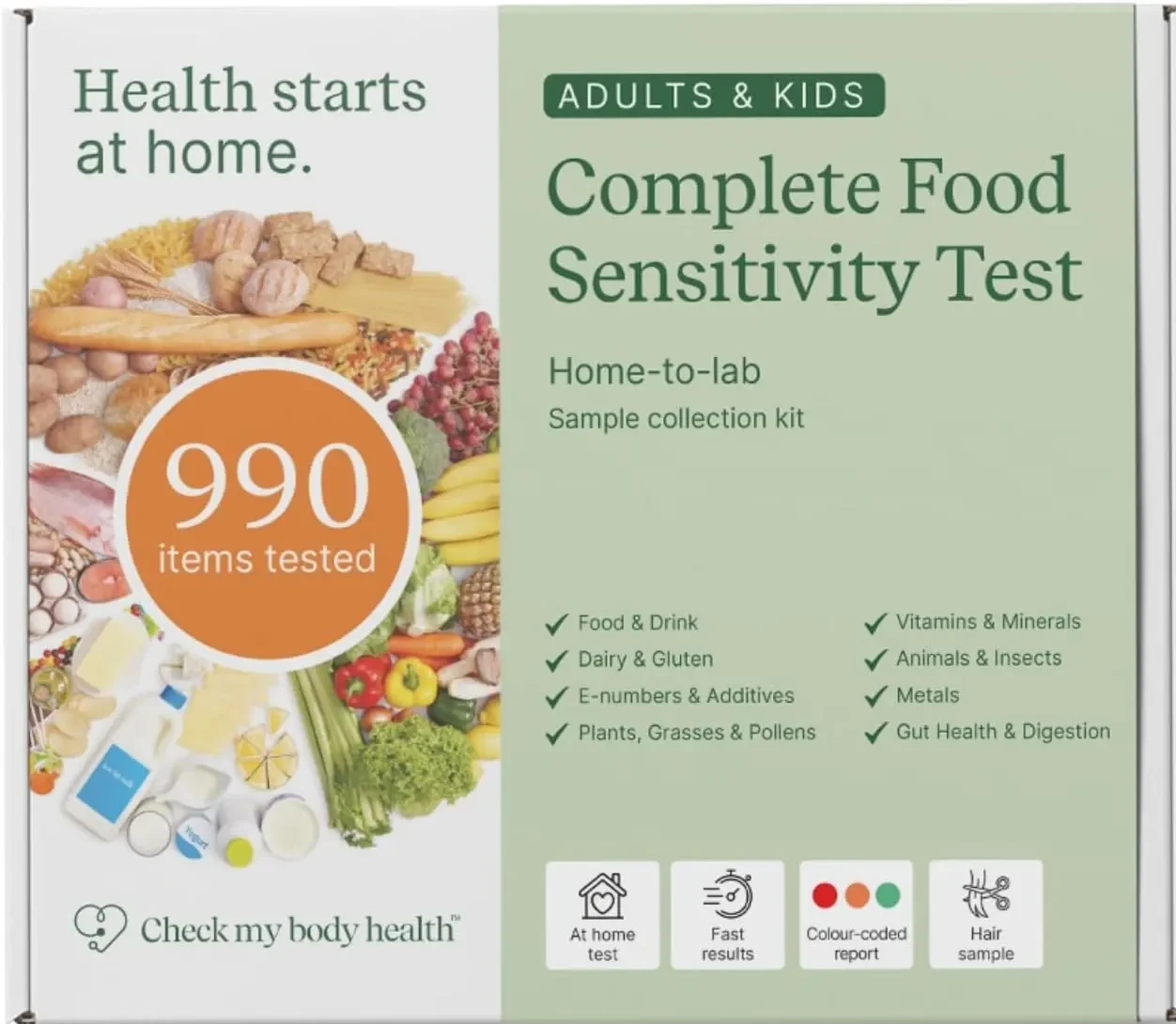
In addition to all of this, some people like having a portable gluten test on hand as one more layer of information. That’s where tools like single-use test capsules can come in.
Nima gluten sensor test
These single-use capsules pair with the Nima Sensor to help users test foods for gluten on the spot. Perfect for travelers, researchers of their own digestive reactions, or anyone who just doesn’t trust that café’s “gluten-free… we think?” answer. A reliable, quick-gluten-detection option that empowers people who want data—not guesswork.
3. Using Portable Gluten Tests as One More Layer of Protection
Portable gluten tests attract a lot of attention in the gluten-free community—for good reason. For many people, they offer something that’s often missing when eating out: objective data about what’s actually on your plate.
It’s important to see these tools as one layer in your safety strategy, not a license to throw all other precautions out the window. They can’t replace clear communication with restaurant staff or careful choices, but they can sometimes add valuable information in situations where you’re still unsure.
When portable tests may be especially helpful
Some gluten-free eaters find on-the-spot testing most useful in these scenarios:
- Traveling in areas with language barriers, where explaining “gluten free” feels challenging.
- Trying a new restaurant that doesn’t have much of a track record with gluten-free diners yet.
- Shared kitchens or mixed menus, where cross-contact seems possible despite staff’s best intentions.
- Special occasions like weddings or conferences where you didn’t choose the caterer or menu.
Portable testing can provide peace of mind for some people and useful insights about how their body responds to certain foods or environments.
How to fit testing into your overall gluten-free approach
If you choose to use a test as part of your gluten-free lifestyle, it works best alongside the basics you’re already doing:
- Do your usual homework first. Ask questions, review menus, and avoid obvious risks like shared fryers.
- Decide what you want to test. Many people focus on the highest-risk items, like sauces or fried foods labeled “gluten free.”
- Use results as information, not panic fuel. Over time, patterns may help you understand which types of foods or restaurants feel most reliable for you.
As with any tool, the goal is to support your confidence, not create more fear. Many people find that using tests occasionally—rather than for every single meal—strikes a good balance.
Limitations to keep in mind
No portable option can cover every possible scenario, and single tests can only analyze the small sample you provide. One bite may be gluten free while another part of the dish is not, and not every type of food or ingredient tests the same way. That’s why it’s helpful to keep testing in perspective and combine it with the foundational habits you’re already building: asking smart questions, choosing simpler dishes, and favoring places that take gluten-free dining seriously.
Ultimately, whether or not you use portable tests is a personal choice. The most important thing is that your gluten-free lifestyle feels sustainable, informed, and as low-stress as possible for you.
Recipe Inspiration
Try these gluten-free staples loved by thousands:



4. Handling Social Events, Travel, and Takeout Without Panic
Even if you feel fairly confident eating at restaurants you’ve chosen yourself, social situations add another layer: you don’t want to be “the difficult one,” but you also don’t want to spend the night feeling sick.
Parties and dinners at friends’ homes
Most hosts genuinely want you to feel included; they just may not know where gluten hides. A little gentle guidance can go a long way:
- Offer to bring a gluten-free dish. That way, you know there will be at least one safe option you can fill your plate with.
- Give simple suggestions if they ask what you can eat. Think “plain grilled chicken and a salad” rather than a long list of gourmet gluten-free recipes.
- Explain cross-contact in everyday language. For example, “If you’re making pasta, could my gluten-free pasta be cooked in a clean pot with fresh water?”
- Plate your food first when possible. Shared serving spoons can quickly make a safe dish less safe.
If it feels easier, eat a snack or small meal beforehand so you’re less anxious about relying on every item being perfect.
Buffets and shared food tables
Buffets are tough for anyone who needs to avoid cross-contact. If you choose to eat from one, a few strategies can help:
- Ask staff if there are gluten-free items prepared separately in the back that can be plated for you.
- Avoid anything that looks like it’s been served with multiple utensils, or sits right next to obvious gluten (like rolls or pasta).
- Look for simple whole foods—fruit, plain salads without croutons, or individually packaged items.
Sometimes, the smartest call is to skip the buffet food altogether and enjoy a drink while you plan a safe meal afterward.
Traveling while gluten free
Travel adds excitement, but also uncertainty. With a bit of prep, you can reduce a lot of the stress:
- Pack shelf-stable snacks like nuts, gluten-free crackers, bars, and instant oatmeal you can make with hot water.
- Research gluten-free-friendly spots near your hotel or usual routes ahead of time.
- Learn a few key phrases in the local language if traveling abroad, especially for “gluten,” “wheat,” and “cross-contamination.”
- When possible, book a place with at least a mini-fridge and, ideally, a small kitchen or kitchenette.
Many travelers also find it helpful to carry tools and resources that add peace of mind, whether that’s a portable test kit, a restaurant card explaining your needs, or simply a tried-and-true list of chain restaurants you generally trust.
Takeout and delivery
Takeout can be convenient, but you lose some of the face-to-face communication that helps with gluten-free safety. To make it work better for you:
- Call rather than ordering only through an app if you have detailed requests.
- Clearly mention that your order needs to be gluten free due to a dietary requirement, not preference.
- Ask for cold and hot gluten-free items to be packed separately if they might usually be combined with gluten-containing sides.
- When the food arrives, do a quick visual check before eating: look for stray croutons, bread, or cookies that may have been added “as a treat.”
Over time, you’ll learn which local spots handle gluten-free takeout reliably, and those can become regular go-tos on busy nights.
5. Building Long-Term Confidence in Your Gluten-Free Choices
At first, checking if food is gluten free outside your home can feel like a full-time job. The good news is that it gets easier. You start recognizing patterns, collecting “safe” spots, and developing scripts that roll off your tongue instead of tripping you up.
Create your personal “gluten-free playbook”
It can help to keep a running list or notes app with:
- Restaurants you trust and what you typically order there.
- Phrases that work well when explaining your needs to servers or hosts.
- Questions you always want to remember to ask, like “Is there a dedicated fryer?”
- Snacks and backup meals that travel well and make you feel prepared.
This “playbook” becomes your safety net so you’re not starting from scratch every time you leave the house.
Notice what’s working (and what isn’t)
Everyone’s gluten-free journey looks a little different. Paying attention to which strategies work best for you can make your lifestyle more sustainable:
- Do you feel calmer when you’ve called ahead?
- Are there certain cuisines or restaurant types that consistently feel easier to navigate?
- Do you prefer fewer but more trusted restaurants, or do you enjoy trying new places with careful planning?
There’s no need to be perfect; you’re simply gathering information and adjusting over time.
Give yourself credit
Living gluten free in a gluten-filled world takes effort. Every time you advocate for yourself, ask a question, send a clarifying message with your takeout order, or decide to wait for safer food instead of “just eating it,” you’re honoring your body and your long-term health.
Confidence doesn’t come from never having doubts; it comes from having a plan you trust even when things feel uncertain. With practice, checking whether food is truly gluten free becomes less of a chore and more of a routine—one that lets you fully enjoy meals, travel, and time with people you love.
And remember, you don’t have to figure it all out alone. Using resources, tools, and a supportive gluten-free community can make this lifestyle not just manageable, but genuinely enjoyable.
Key Takeaways
- “Gluten-free” can mean different things to different people, so clear communication about ingredients and cross-contact is essential when you don’t control the kitchen.
- Before eating out, stack the odds in your favor with simple prep: research menus, read gluten-free reviews, and call ahead when you can.
- Asking focused questions about fryers, sauces, seasonings, and cooking methods helps you quickly spot hidden sources of gluten in restaurants.
- Portable gluten tests can be one additional layer of information, especially while traveling or trying new places, but they work best alongside your usual safety habits.
- Over time, building a personal playbook of trusted spots, go-to orders, and communication scripts turns gluten-free dining from overwhelming into something you can navigate with confidence.
Take the Next Step in Your Gluten-Free Journey
- Download the Free EGF Starter Guide
- Try our Gluten-Free Planner to simplify your week
- Explore our growing recipe library
You don’t have to navigate the gluten-free lifestyle alone, we are here to make it easier every day.
Category: Dining Out & Lifestyle