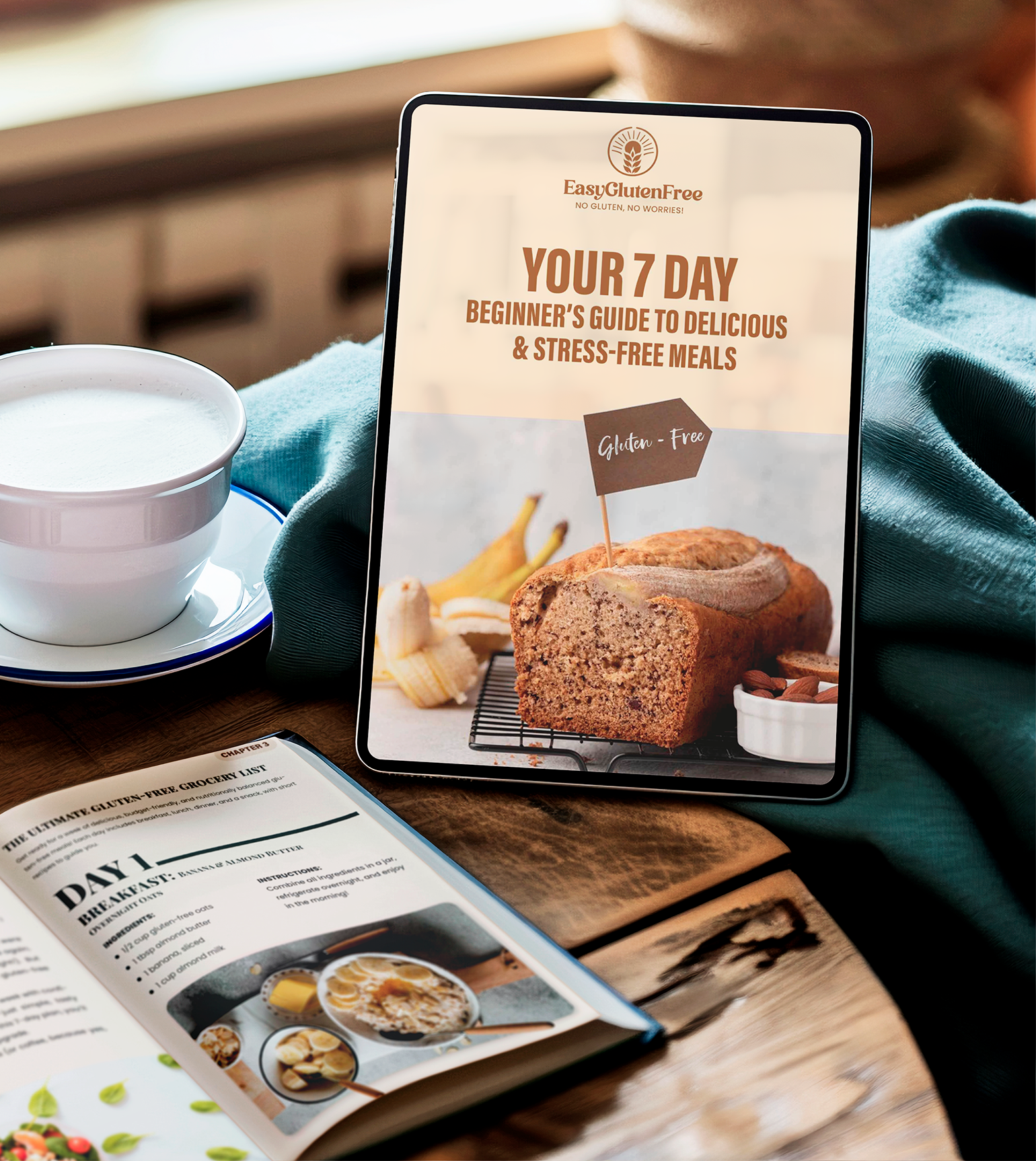
Download the Free Guide to Stress-Free Gluten-Free Lunches

Gluten-Free Lunch Box Ideas for Work and School (That Don’t Taste Like “Diet” Food)
Packing a gluten-free lunch every day can feel like a second job—especially when you’re trying to avoid boredom, crumbs, and surprise gluten. This guide walks you through practical, realistic gluten-free lunch box ideas for work and school, including assembly tips, safe ingredient swaps, and how to keep things fresh and fun all week long.
Download Our Free Gluten-Free Starter Guide
- 7-day meal plan
- shopping list
- Tips & 3 beginner-friendly recipes
Introduction
Whether you’re packing lunches for school, work, or a long day on the go, eating gluten-free adds an extra layer of planning. It’s not just about avoiding the office doughnuts or cafeteria pizza—your lunch box has to be safe from cross-contact, filling enough to get you through the afternoon, and tasty enough that you actually want to eat it.
The good news: once you have a simple system, gluten-free lunch prep becomes a lot easier. You don’t need fancy recipes for every single day; you need a few reliable formulas you can mix and match—plus containers that keep everything in place and at the right temperature. That’s what this guide is here to help you with.
We’ll walk through gluten-free lunch box ideas for both kids and adults, quick prep strategies, packable snack ideas, and how to safely build balanced, satisfying meals. Think: real-world, “I have 10 minutes before I need to leave the house” solutions—without relying on mystery ingredients or sad plain salads.
Table of Contents
▾
- 1. Gluten-Free Lunch Box Basics (So You Don’t Get “Glutened” at Noon)
- 2. Easy Gluten-Free Lunch Box Ideas for Work and School
- 3. Grab-and-Go Gluten-Free Snacks to Round Out Your Lunch
- 4. Time-Saving Meal Prep Tips for Busy Gluten-Free Weeks
- 5. Frequently Asked Questions About Gluten-Free Lunch Boxes
1. Gluten-Free Lunch Box Basics (So You Don’t Get “Glutened” at Noon)
Before we get into the fun lunch box ideas, it’s important to nail the basics: safety, structure, and storage. A gluten-free lunch that falls apart in your bag or gets cross-contact from crumbs isn’t doing you any favors—no matter how cute it looked in the morning.
Know Your Gluten-Free Non-Negotiables
If you’re gluten-free due to celiac disease or gluten sensitivity, you already know there’s a big difference between “no obvious bread” and truly gluten-free. When building a lunch box, keep these non-negotiables in mind:
- Every ingredient must be gluten-free: Check labels for wheat, barley, rye, malt, brewer’s yeast, and “may contain” warnings according to your comfort level.
- Watch for hidden gluten in sauces and snacks: Think soy sauce, marinades, croutons, breaded proteins, and flavored chips or crackers.
- Prevent cross-contact at home: Use a dedicated gluten-free cutting board, knife, toaster, and condiments (no double-dipping knives into shared mayo or butter).
Build Balanced Gluten-Free Lunches with a Simple Formula
Instead of trying to invent a brand-new lunch every day, use a simple formula you can repeat:
- 1 protein (keeps you full): chicken, turkey, tuna, hard-boiled eggs, beans, lentils, hummus, cheese, Greek yogurt.
- 1–2 fiber-rich carbs (steady energy): gluten-free whole grain crackers, certified gluten-free oats (for overnight oats), brown rice, quinoa, gluten-free tortillas.
- 1–2 servings of produce (color + nutrients): sliced cucumbers, cherry tomatoes, berries, apple slices, baby carrots, grapes, bell pepper strips.
- 1 fat or flavor booster: avocado, nuts, seeds, olive oil dressing, pesto, nut or seed butter.
Once you think in terms of “protein + fiber + color + flavor,” it becomes much easier to improvise lunch boxes from what you already have at home.
Choose the Right Containers for Gluten-Free Lunches
The right lunch box setup keeps your food fresh, separated, and safe from soggy disasters. Look for:
- Divided compartments so crackers stay crisp and dips or fruit don’t spill into everything else.
- Leak-resistant seals so dressings, yogurt, or hummus don’t end up at the bottom of your bag.
- Room for an ice pack if you’re packing dairy, meat, or anything that must stay chilled until lunchtime.
- BPA-free, easy-to-wash materials that stand up to daily use and thorough cleaning.
Having one or two reliable lunch containers that you love makes it much more likely you’ll actually pack a gluten-free lunch instead of defaulting to expensive takeout or risky cafeteria options.
2. Easy Gluten-Free Lunch Box Ideas for Work and School
Now let’s get into the fun part: what to actually pack. These gluten-free lunch box ideas work for both kids and adults—you can scale portions up or down, tweak seasonings, or swap ingredients based on dietary needs and preferences.
1. DIY Gluten-Free “Bistro Box”
This is a flexible, snack-style lunch that feels like a café grab-and-go box, but customized and safely gluten-free.
- Protein: slices of turkey or chicken, hard-boiled egg, or a few cheese cubes.
- Carbs: a handful of gluten-free crackers or rice cakes.
- Veggies & fruit: baby carrots, cucumber rounds, grapes, or apple slices with lemon to prevent browning.
- Extras: a small container of hummus, guacamole, or nut/seed butter for dipping.
This type of lunch works especially well in a compartment-style lunch box that keeps wet and dry items separate.
2. Gluten-Free Wrap Box
Using a gluten-free tortilla, you can build a portable wrap that’s far less messy than a sandwich with crumbly GF bread.
- Base: gluten-free tortilla (soft-style, heated briefly to make rolling easier).
- Fillings: turkey, chicken salad (made with gluten-free mayo), or roasted veggies with hummus.
- Sides: cherry tomatoes, pickles, sliced oranges or a small fruit salad.
Slice the wrap into pinwheels and arrange in one compartment, then fill the others with fruits and veggies.
3. Leftover “Remix” Lunch
Don’t underestimate the power of last night’s dinner. Many gluten-free dinners can be turned into satisfying lunch boxes with a few tweaks:
- Grilled chicken + leftover roasted veggies + a small portion of rice or quinoa.
- Gluten-free pasta salad with veggies, olives, and cheese cubes.
- Taco bowl made from leftover seasoned meat, rice, beans, shredded lettuce, and salsa (with tortilla chips in a separate, dry compartment).
Pack sauces and dressings in tiny containers so things don’t get soggy before lunchtime.
4. Kid-Friendly “Snacky Lunch”
Many kids prefer lots of small bites over one big main dish. A snack-style gluten-free lunch box can still be balanced and filling:
- Protein: rolled-up deli meat, cheese sticks, yogurt (certified gluten-free), or chickpea snacks.
- Crunch: gluten-free crackers, popcorn, veggie sticks.
- Fruit: berries, mandarin orange segments, applesauce cups (gluten-free).
- Fun extra: a small treat like dark chocolate squares or a homemade gluten-free cookie.
For younger kids, keep pieces small and easy to grab, and label anything that should stay sealed until eating.
5. Office-Friendly Salad Box
A salad can be satisfying and truly gluten-free with the right components:
- Base: mixed greens, baby spinach, or chopped romaine.
- Protein: grilled chicken, hard-boiled eggs, tuna, chickpeas, or tofu (check marinades).
- Carbs: roasted sweet potato cubes, quinoa, or gluten-free croutons.
- Crunch: pumpkin seeds, sunflower seeds, or nuts (if allowed).
- Dressing: pack a gluten-free dressing separately and add at lunchtime.
Keep any ingredients that might wilt (like cucumbers or tomatoes) in separate compartments and mix everything together right before eating.
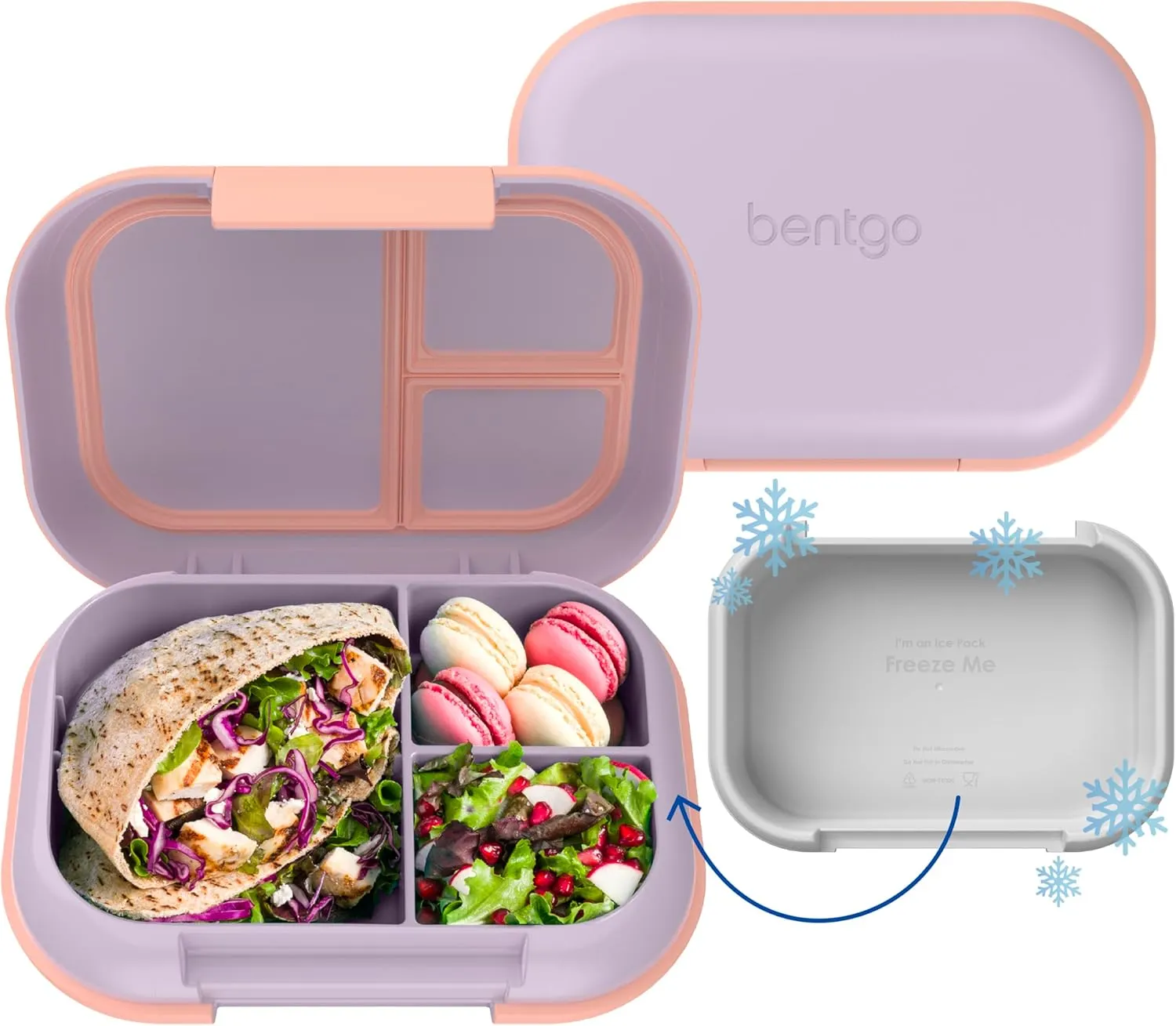
Bentgo Chill Max Lunch Box
it’s perfect for anyone who wants cute, organized, Instagram-able gluten-free lunches. The built-in ice pack keeps things fresh, the compartments are perfect for snacks, dips, and small portions, and it’s leak-proof (so your hummus doesn’t redecorate your tote bag). Ideal for school, work, picnics, travel days, or long study sessions.
3. Grab-and-Go Gluten-Free Snacks to Round Out Your Lunch
Snacks can make or break your lunch box. If your main meal is on the lighter side, a couple of smart gluten-free snacks can keep you satisfied all afternoon and help avoid emergency vending machine runs.
Packable Gluten-Free Snack Ideas
- Nuts & seeds: almonds, walnuts, sunflower seeds, pumpkin seeds (check for flavored coatings that may contain gluten).
- Fresh fruit: bananas, apples, clementines, pears, grapes—built-in packaging and naturally gluten-free.
- Veggie sticks: carrots, cucumbers, bell peppers, snap peas, paired with hummus or a yogurt-based dip.
- Gluten-free crackers or rice cakes: great with cheese, nut butter, or avocado.
- Trail mix: homemade with nuts, seeds, unsweetened coconut flakes, and a few chocolate chips—using only gluten-free ingredients.
- Yogurt cups: check labels for gluten-free status and avoid granola toppings unless certified GF.
- Energy balls or bars: made from oats (if tolerated and certified gluten-free), dates, nut butter, and seeds.
Store-Bought vs. Homemade Snacks
Both can have a place in a realistic gluten-free routine:
- Store-bought snacks are convenient but always read labels—especially for “natural flavors,” binding agents, or shared facility warnings if those matter to you.
- Homemade snacks take a bit more prep but let you control every ingredient and often cost less per serving.
A good compromise is to pick 2–3 store-bought staples you trust and supplement with one homemade option you batch-prep on the weekend.
Smart Ways to Pack Snacks
To keep your gluten-free snacks from getting crushed or forgotten, try:
- Packing small, lidded containers inside your main lunch box for dips, nuts, or trail mix.
- Keeping a “snack drawer” or basket at home with only gluten-free options to quickly grab in the morning.
- Storing a backup gluten-free snack in your work bag or desk (like nuts or a bar) for days when your lunch is smaller than usual.
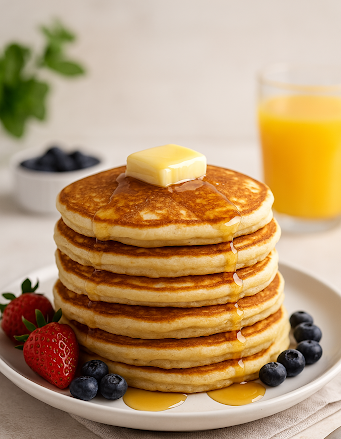
Recipe Inspiration
Try these gluten-free staples loved by thousands:


4. Time-Saving Meal Prep Tips for Busy Gluten-Free Weeks
Gluten-free lunches become dramatically easier when a few pieces are prepped ahead of time. You don’t need a full Sunday afternoon “meal prep marathon”—even 30–45 minutes can set you up for success.
Batch-Prep Your Building Blocks
Instead of prepping full, assembled lunches, focus on versatile building blocks you can mix and match:
- Proteins: grill or bake chicken breasts, hard-boil a batch of eggs, cook a pot of lentils or beans, or portion tuna salad into small containers.
- Grains & carbs: cook a pot of rice or quinoa, or portion out gluten-free pasta for cold pasta salads.
- Veggies: wash and chop crunchy vegetables like carrots, cucumbers, and peppers that hold up well for several days.
- Fruit: wash grapes or berries and store them in breathable containers, or pre-portion apple slices with a little lemon juice.
Store each component in separate containers in the fridge, then assemble in your lunch box the night before or in the morning.
Create a Weekly Gluten-Free Lunch Plan
A simple plan stops the “what on earth do I pack?” spiral. Try this rhythm:
- Monday: leftover remix (use weekend dinner leftovers).
- Tuesday: salad box with prepped protein and grain.
- Wednesday: wrap or bento-style snack lunch.
- Thursday: bistro-style protein + crackers + veggies + dip.
- Friday: fun lunch—maybe breakfast-for-lunch, a mini cheese board style box, or a favorite gluten-free pasta salad.
Write this down or keep a digital note so you can quickly plug in ingredients when you’re grocery shopping.
Night-Before vs. Morning-Of Packing
There’s no single “right” time to pack lunches—just what works for your routine:
- Night-before packing is ideal if mornings are hectic. Keep dressings and very wet ingredients separate and add them just before eating.
- Morning-of packing works if you like extra-fresh textures and have 10–15 predictable minutes to assemble everything.
Whichever you choose, make sure you’re storing your lunch properly overnight (into the fridge promptly, ice pack added in the morning if needed).
Keep a Gluten-Free “Emergency Backup” Plan
Even with the best intentions, some mornings just don’t go to plan. Prepare for those days by having:
- A box of trusted gluten-free crackers or rice cakes in your pantry.
- Shelf-stable tuna or salmon packets, or canned beans.
- A jar of nut or seed butter and some fruit like apples or bananas.
- Pre-portioned nuts, trail mix, or bars that you know are gluten-free.
This way, you can throw together a perfectly decent lunch box in a few minutes without relying on uncertain takeout or convenience food.
5. Frequently Asked Questions About Gluten-Free Lunch Boxes
How do I keep gluten-free bread from falling apart in a lunch box?
Gluten-free bread can be more delicate, especially when stacked with moist fillings. A few tips:
- Lightly toast the bread before assembling to strengthen the texture.
- Use spreadable barriers like butter, mayo, or hummus on the inside of each slice before adding wetter toppings.
- Consider open-faced sandwiches or mini sliders in a snug compartment instead of tall, overstuffed sandwiches.
- Or skip the bread entirely and use gluten-free wraps, rice cakes, or lettuce wraps.
How can I prevent cross-contact at school or work?
Shared spaces can be tricky, but you can reduce risk with a few habits:
- Pack your lunch so it’s completely self-contained—no need for shared utensils, condiments, or toasters.
- Include your own fork, spoon, and napkin in your lunch bag.
- If your child is gluten-free, talk to their teacher or school about where their lunch will be stored and eaten.
- Teach kids simple phrases to explain that their food is special and shouldn’t be shared or swapped.
Are pre-packaged lunch kits ever safe for gluten-free?
Most popular mainstream lunch kits are not gluten-free because of crackers, bread, or cross-contact in production. Some brands do offer labeled gluten-free versions, but you’ll need to:
- Read the packaging every time—ingredients and facilities can change.
- Look for clear gluten-free labeling, not just “no wheat” in the ingredient list.
- Decide your comfort level with “may contain” and shared equipment statements.
Many people prefer to create a DIY version in a safe lunch box instead.
What if my child feels “left out” because of their gluten-free lunch?
This is a very real concern, especially around holidays, parties, and pizza days. A few ideas:
- Make their lunch visually fun—colorful compartments, toothpick “skewers,” or cutout shapes for sandwiches or fruit.
- Pack a special treat on days when you know there will be gluten-filled classroom snacks.
- Involve them in planning and packing so they feel ownership and excitement about what’s in their lunch box.
Over time, many kids become proud of “their” type of lunch, especially when it looks delicious and organized.
How do I keep gluten-free lunches interesting week after week?
Variety doesn’t have to mean constantly reinventing the wheel. Try:
- Rotating one element at a time—change the protein this week, the carb next week, or try a new dip.
- Using theme days: Mediterranean Monday (hummus, olives, veggies), Taco Tuesday (taco bowl), Wrap Wednesday, etc.
- Keeping a running list of 3–5 favorite lunch combinations on your phone or fridge for quick inspiration.
With a solid base of safe ingredients and a container setup you love, gluten-free lunch box ideas stop feeling like a chore and start becoming part of your routine.
Key Takeaways
- Focus on truly gluten-free ingredients and prevent cross-contact at home, school, and work when packing lunches.
- Use a simple formula—protein, fiber-rich carbs, colorful produce, and a flavor booster—to build balanced gluten-free lunch boxes.
- Compartment-style containers with space for an ice pack make it easier to pack safe, fresh, and organized gluten-free meals.
- Batch-prepping proteins, grains, and veggies plus a loose weekly plan removes most of the stress from gluten-free lunch prep.
- Keep a few trusted snacks and emergency staples on hand so you always have a backup gluten-free lunch option.
Take the Next Step in Your Gluten-Free Journey
- Download the Free EGF Starter Guide
- Try our Gluten-Free Planner to simplify your week
- Explore our growing recipe library
You don’t have to navigate the gluten-free lifestyle alone, we are here to make it easier every day.
Category: Gluten-Free Meal Prep