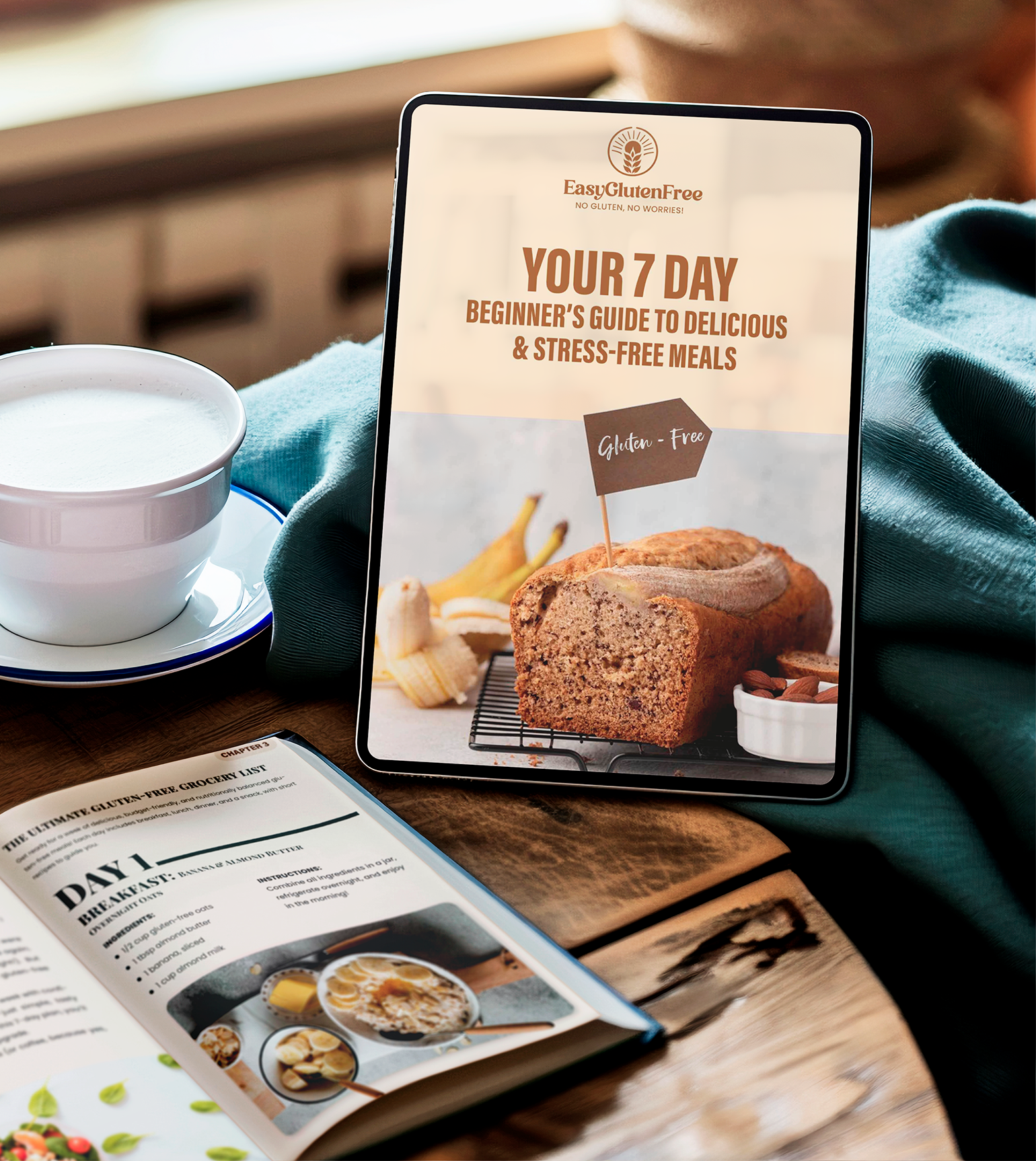
Download Your Free Guide to Confident Gluten-Free Testing

How to Test Food for Gluten Safely: Practical Tips, Tools, and Real-Life Strategies
Wondering how to test food for gluten safely without turning every meal into a science experiment? You’re not alone. Whether you live with celiac disease, non-celiac gluten sensitivity, or you simply feel better gluten-free, learning to check foods for hidden gluten can give you real peace of mind. In this guide, we’ll walk through smart label-reading habits, restaurant strategies, at-home testing tools, and everyday routines that help you feel more confident every time you eat.
Download Our Free Gluten-Free Starter Guide
- 7-day meal plan
- shopping list
- Tips & 3 beginner-friendly recipes
Introduction
If you’ve ever stared at a plate of “gluten-free” food and thought, “But is it really?”, you’re in the right place. Learning how to test food for gluten safely is less about fear and more about building reliable systems, using the right tools, and trusting yourself. Your goal isn’t perfection; it’s reducing risk so you can live your life without obsessing over every crumb.
There are three main pillars to safer gluten-free eating: understanding where gluten hides, developing smart habits (at the store, at home, and when eating out), and, when appropriate, using testing tools and technology to get extra reassurance. When these work together, you move from anxious guessing to informed decision-making.
This article will walk you through all of that step-by-step. You’ll learn what labels really mean, how to think about cross-contact, what consumer gluten test tools can and can’t tell you, and how to create routines that make gluten-free living feel calmer, simpler, and more sustainable for the long run.
1. Understanding Gluten and Everyday Risk Points
Before you think about how to test food for gluten, it helps to know where gluten commonly shows up and how it sneaks into foods that look totally safe. This context lets you use testing more strategically instead of trying to test everything all the time.
What is gluten, practically speaking?
Gluten is a group of proteins naturally found in wheat, barley, and rye. In real life, that means it’s in obvious foods like bread, pasta, and regular flour—but it’s also used as a binder, thickener, or flavor enhancer in countless processed foods. That’s where things get tricky.
For people who need to avoid gluten, even small amounts can matter. So the goal is to reduce exposures from both direct ingredients (like wheat flour in a sauce) and cross-contact (like gluten crumbs on a cutting board or shared toaster).
Major risk categories to watch
- Processed and packaged foods – sauces, soups, flavored chips, veggie burgers, meat substitutes, marinades, and “mystery” spice blends can all contain gluten.
- Restaurant foods – even when the dish seems naturally gluten-free, it may be cooked on shared surfaces, fried in shared oil, or finished with a sauce that contains gluten.
- Shared kitchens – crumbs in butter tubs, flour dust in the air, wooden utensils that have absorbed gluten, and cutting boards used for regular bread are all easy ways gluten spreads.
- “Gluten-friendly” or “low-gluten” claims – these are marketing terms, not regulated standards. They’re not the same as certified gluten-free.
Label basics: your first line of defense
Testing tools are helpful, but the label in your hands is still your most powerful everyday ally. When learning how to test food for gluten safely, start by tightening up your label-reading skills so you only consider testing borderline or high-risk foods.
In many countries, wheat must be declared clearly on the label. Barley, rye, and some forms of oats may be less obvious. Words and ingredients that may signal gluten include:
- Malt, malt extract, malt flavoring (usually from barley)
- Brewer’s yeast (often from barley unless stated otherwise)
- Wheat-based thickeners, modified wheat starch, wheat protein
- Non-certified oats or “oat flour” in products not labeled gluten-free
If an item is certified gluten-free by a recognizable program, that certification usually indicates the product meets a defined gluten limit. Many people rely on that instead of additional testing, but personal comfort levels vary.
When might extra testing be helpful?
While labels and good kitchen habits go a long way, some people choose to add food testing for a bit more information in situations like:
- Traveling in areas where gluten-free labeling is inconsistent
- Eating at a new restaurant that doesn’t have a dedicated gluten-free kitchen
- Trying a new brand or product that feels “borderline” or unclear
- Investigating patterns when you don’t feel well and suspect gluten exposure
The key is to see testing as one part of your gluten-free toolbox—not the only line of defense, and not a guarantee—but something that can help you gather data and make more informed choices.
2. Tools and Devices for Testing Food for Gluten
Once you understand the main gluten risk points, you can decide when a testing tool might give you helpful extra information. Consumer gluten test devices are designed to detect gluten at or below specific thresholds, often around the commonly referenced 20 parts per million (ppm) level used in many gluten-free standards.
These tools can be especially useful for people who like data and want an added layer of reassurance. They’re often used when eating out, traveling, or trying new products. It’s important to know that no device can guarantee a food is 100% safe, but some can help you identify obvious gluten exposures you might otherwise miss.
Different tools have different strengths, limitations, and costs. Some test a small sample from your plate, while others are designed for testing ingredients in your own kitchen. Carefully following the instructions is crucial for getting the most reliable results possible.
Nima gluten sensor test
These single-use capsules pair with the Nima Sensor to help users test foods for gluten on the spot. Perfect for travelers, researchers of their own digestive reactions, or anyone who just doesn’t trust that café’s “gluten-free… we think?” answer. A reliable, quick-gluten-detection option that empowers people who want data—not guesswork.
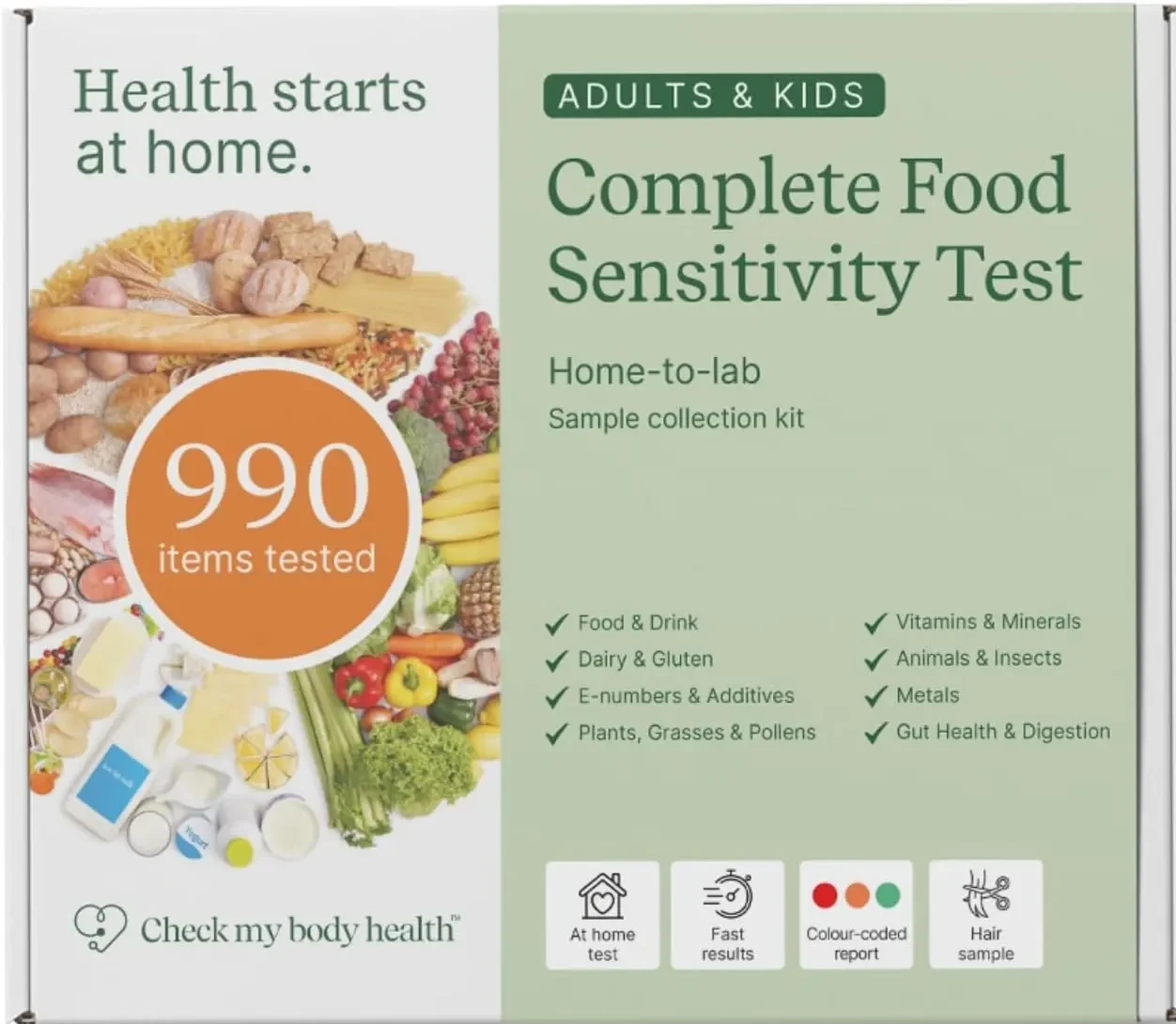
3. How to Reduce Gluten Risk at Home
Home is the place where you can control the most—and that’s why it’s the best place to focus your energy before you ever think about testing individual foods. A well-organized gluten-free kitchen dramatically lowers your everyday exposure and can make you feel calmer and more in control.
Set up your space with gluten safety in mind
Start by deciding whether your home will be fully gluten-free or mixed (both gluten-free and regular gluten foods). A fully gluten-free home is simpler, but not always realistic. If you share a kitchen with gluten, it just means you’ll want a few extra boundaries.
- Dedicate gluten-free zones – Reserve a specific shelf in the pantry and fridge only for gluten-free foods, clearly labeled or color-coded.
- Use separate equipment – Have your own gluten-free toaster, cutting boards, wooden spoons, strainers/colanders, and baking tins. Gluten can hide in scratches and tiny holes.
- Store safely – Keep gluten-free flours and mixes sealed tightly and away from regular wheat flour, which can create airborne dust.
- Clean smart – Wipe counters before prepping gluten-free food, and use fresh dishwater or a clean sponge if it’s been used on gluten-containing dishes.
Shopping habits that simplify gluten-free life
Learning how to test food for gluten safely starts in the store with better choices. The more you lean on naturally gluten-free whole foods, the less you’ll need to worry about label puzzles or testing.
- Base your cart on whole foods – fruits, vegetables, meat, poultry, eggs, fish, beans, nuts, seeds, and naturally gluten-free grains (such as rice, quinoa, and certified gluten-free oats).
- Build a “safe brand” list – Once you find brands you trust and that agree with you, keep a running list in your phone or planner so you can grab them without re-researching every time.
- Scan for “may contain” and shared facility notes – Some people are comfortable with these; others prefer to avoid them. Decide what feels right for you and be consistent.
When to consider at-home food testing
At home, testing usually makes the most sense in investigative situations, for example:
- A product is labeled gluten-free, but you’re unsure based on the ingredients or how you feel after eating it.
- You’re experimenting with bulk-bin items or repackaged foods and want more reassurance.
- You’re troubleshooting symptoms and want to see if certain foods may be contributing.
Remember that when you test a small sample, you’re only checking that specific bite. Food can be unevenly contaminated, especially in mixed dishes. That’s why at-home gluten testing works best as one more piece of information—not the sole basis for every decision.
Create simple kitchen routines
To make gluten-free living sustainable, focus on small routines that remove friction:
- Keep a go-to set of easy gluten-free meals you can make without thinking on busy nights.
- Batch-cook gluten-free grains and proteins on weekends so you always have a safe base to build meals from.
- Label leftovers clearly (“GF pasta bake – safe for me”) so there’s no second-guessing later.
- Store your favorite gluten-free snacks in a dedicated container that no gluten crumbs are allowed to enter.
When your home base feels safe and streamlined, you’ll rely less on constant testing and more on habits that quietly support your health every day.
Recipe Inspiration
Try these gluten-free staples loved by thousands:



4. Safer Gluten-Free Eating at Restaurants and on the Go
Eating out is where many people feel the most anxious about gluten—and understandably so. You’re trusting other people’s ingredients, processes, and understanding of “gluten-free.” While you can’t control everything, you can absolutely stack the odds in your favor.
Choose restaurants strategically
Instead of walking into any random spot and hoping for the best, do a bit of gentle pre-scouting:
- Look for places that mention gluten-free options on their website or menu.
- Read recent reviews from gluten-free or celiac guests, if available.
- When in doubt, call ahead during non-busy hours and ask a few direct questions about cross-contact and how gluten-free meals are prepared.
A restaurant doesn’t have to be 100% gluten-free to be a good option—but staff should be able to explain what they do to reduce gluten exposure.
What to ask when you order
When you arrive, keep your questions respectful and clear. You’re not being “difficult”; you’re simply explaining what you need to stay well.
- Let them know you avoid gluten and ask whether they have gluten-free options.
- Ask whether gluten-free meals are cooked on separate surfaces or pans.
- Check if fried items are cooked in a dedicated gluten-free fryer.
- Verify that sauces, marinades, and seasonings on your dish are gluten-free.
If the person taking your order seems unsure, it’s okay to politely ask if they can check with the kitchen. You deserve clear answers.
How testing tools fit into restaurant life
If you choose to use a gluten testing device at restaurants, it can be part of your ordering routine. Some people like to test especially risky items such as:
- Fried foods that might share oil with breaded items
- Dishes covered in sauce, gravy, or marinade
- Foods that rely on spice mixes or “house seasoning”
Again, a negative test doesn’t guarantee perfection, but for many people it reduces guesswork and may help them feel calmer about eating outside the home.
Travel tips for staying gluten-aware
Travel adds extra uncertainty, but with some planning, you can still enjoy exploring new places:
- Pack a few reliable gluten-free snacks so you’re not forced into risky choices when hungry.
- Learn a few key phrases in the local language to explain you avoid gluten (and, if relevant, why).
- Research gluten-free friendly restaurants or bakeries ahead of time and save them on your map.
- Bring simple, portable tools—like labeled snack bags, wipes for cleaning surfaces, and any testing device you find helpful.
Your goal isn’t to eliminate all risk; it’s to lower it enough that you can participate in life while still respecting your body’s needs.
5. Building a Confident Long-Term Gluten-Free Routine
Learning how to test food for gluten safely is part of a bigger picture: creating a gluten-free lifestyle that feels sustainable, not exhausting. Tools, routines, and knowledge all work together so you’re not constantly starting from zero every time you eat.
Develop your personal “gluten-free system”
Everyone’s comfort level and body are different. Over time, you’ll develop your own system that might include:
- A short list of trusted gluten-free products and brands you rely on week after week.
- Go-to restaurants where staff understand gluten-free needs and you feel safe ordering.
- Kitchen routines that protect your food from cross-contact.
- Clear notes about what tends to work well for you and what doesn’t.
Testing tools can fit into this system as needed—especially in new situations, with new foods, or when you just want a little more information before taking a bite.
Track patterns and listen to your body
Over time, you might notice patterns: certain cuisines that work better for you, particular brands you digest more easily, or situations where you tend to feel less well (like shared appetizers or buffet-style meals).
Consider jotting down simple notes after meals for a little while—nothing complicated, just quick impressions. This can help you connect dots between what you eat, the environments you’re in, and how you feel.
Balancing caution with quality of life
It’s completely valid to be cautious about gluten. At the same time, it’s also valid to want to enjoy food, social events, and travel without constant stress. That balance point will look different for everyone.
Instead of aiming for zero risk (which isn’t realistic for most people), consider aiming for informed, thoughtful choices. Learn the basics, use tools and testing when they genuinely help, lean on habits that reduce daily exposure, and give yourself permission not to obsess over every bite.
Putting it all together
When you combine strong foundational habits—like label reading, safe kitchen setups, and smarter restaurant choices—with optional testing tools, you create a layered approach to gluten safety. That layered approach is what gives many people the confidence to live fully gluten-free without feeling constantly on edge.
Over time, you’ll spend less brain space on the mechanics of avoiding gluten and more on what really matters: enjoying your meals, sharing food with people you love, and feeling like yourself again.
Key Takeaways
- Understanding where gluten hides and how cross-contact happens is the foundation of safer gluten-free eating.
- Strong label-reading skills and a thoughtfully organized kitchen reduce everyday gluten risk more than any single gadget.
- Gluten testing tools can offer helpful extra information in higher-risk settings, especially when used carefully and as part of a broader strategy.
- Restaurant and travel experiences are safer when you plan ahead, ask clear questions, and lean on trusted spots and snacks.
- Building a long-term gluten-free routine is about balance: combining knowledge, systems, and tools so you can live fully without constant food anxiety.
Take the Next Step in Your Gluten-Free Journey
- Download the Free EGF Starter Guide
- Try our Gluten-Free Planner to simplify your week
- Explore our growing recipe library
You don’t have to navigate the gluten-free lifestyle alone, we are here to make it easier every day.
Category: Gluten-Free Basics