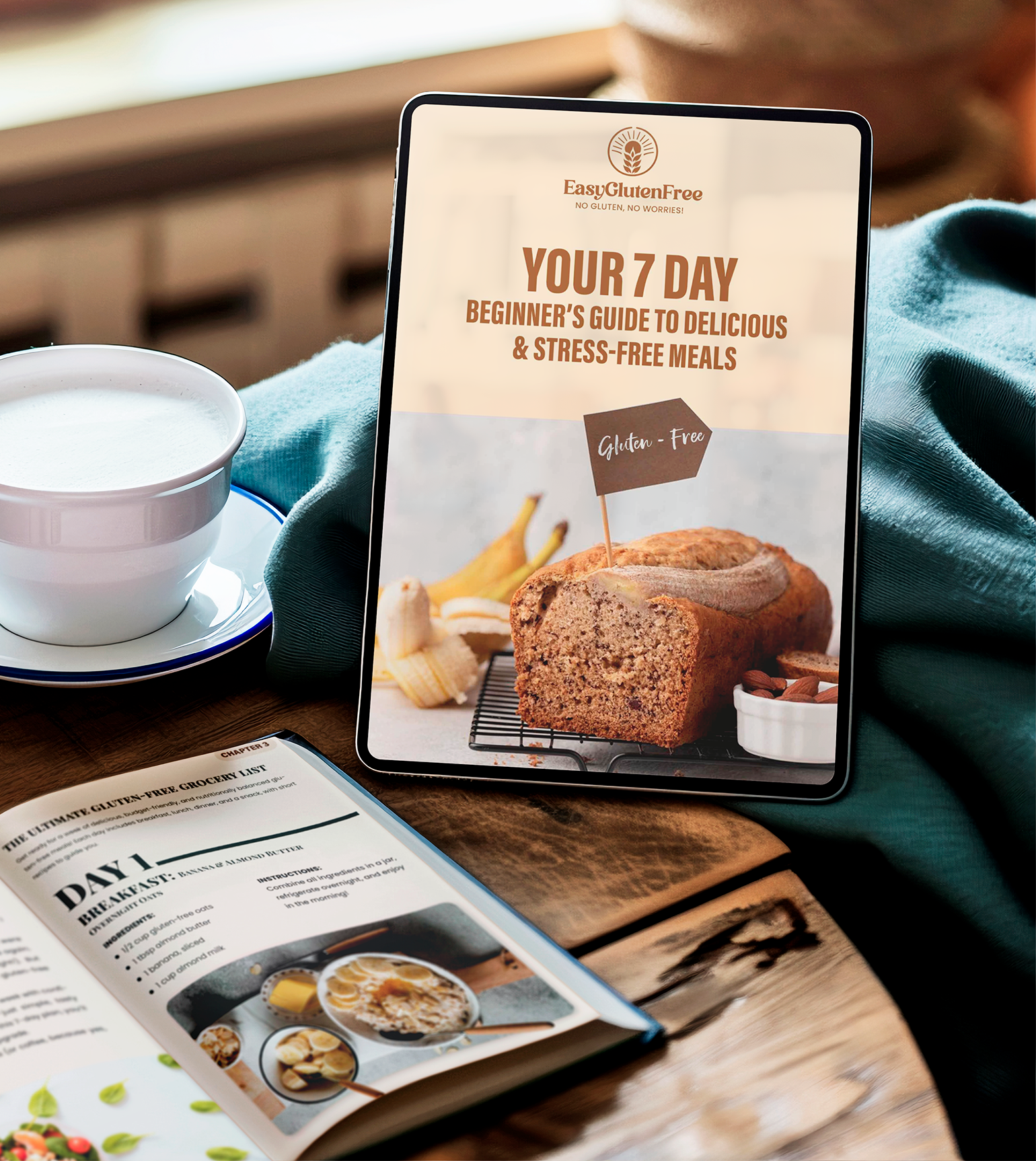
Download the Ultimate Guide to Gluten-Free Travel & Social Life

Gluten-Free Snacks for On-the-Go: Stress-Free Ideas for Busy Days
Being gluten free doesn’t mean you’re doomed to wander the world hungry with a sad banana in your bag. With a little planning (and the right emergency snacks), you can get through commutes, school pick-ups, road trips, and last‑minute social plans without stressing about what you can safely eat. This guide walks you through practical gluten-free snack ideas for real life — not Pinterest — so you always have something tasty and safe within reach.
Download Our Free Gluten-Free Starter Guide
- 7-day meal plan
- shopping list
- Tips & 3 beginner-friendly recipes
Introduction
If you live gluten free, you quickly realize that snacks can make or break your day. One forgotten snack and suddenly you’re at your kid’s soccer game, a work event, or stuck in traffic with nothing safe to eat and no good options in sight. That’s usually the moment people think, “I need a better system for this.”
The good news: gluten-free snacks for on-the-go do not have to be complicated, expensive, or boring. With a bit of prep and a few smart shortcuts, you can build a snack routine that actually fits your lifestyle — whether you’re juggling a commute, kids, travel, or just long, unpredictable days. Think grab-and-go ideas, packable options that don’t crumble into dust, and a few “break glass in case of hunger emergency” back-ups.
In this guide, we’ll look at how to stock your bag, desk, car, and kitchen with reliable gluten-free snacks; how to read labels without overthinking it; and how to manage social situations where everyone else is snacking freely. You’ll come away with specific ideas you can use this week, plus a few strategies to make sure you’re never stuck choosing between going hungry or risking gluten.
1. Why On-the-Go Gluten-Free Snacks Matter
When you’re gluten free, snacks are more than just something to munch on between meals — they’re a safety net. A well-timed snack can prevent blood sugar crashes, awkward “sorry, I can’t eat anything here” moments, and the temptation to gamble on a “probably safe” option that you’re not fully confident about.
Most gluten-related emergencies don’t happen at home; they happen when you’re out and about. Maybe the restaurant changed their fryer oil, your friend forgot to check a label, or the meeting that “will definitely be quick” turned into a four-hour marathon with pastries everywhere and nothing you can eat. Having gluten-free snacks packed and ready gives you control in situations you can’t fully control.
There’s also the emotional side. Constantly worrying about food is exhausting. Knowing you have safe, satisfying snacks tucked into your bag, car, or desk can lower that background stress and help you feel more relaxed at work, school, and social events. You’re not at the mercy of whatever happens to be available — you’ve already taken care of yourself.
Finally, being prepared can help you say “yes” more often. Last-minute park meet-up? Unexpected road trip detour? Impromptu movie night? If you already have gluten-free snacks with you, you can join in without scrambling. That kind of flexibility makes the gluten-free lifestyle feel less restrictive and a lot more doable long term.
2. Smart Gluten-Free Snack Ideas for Busy Days
Let’s talk about what actually works when you’re rushing out the door at 7:15 a.m. and remember you’ll be gone until dinner. The best gluten-free snacks for on-the-go are:
- Stable at room temperature (at least for a few hours)
- Packable (they survive being tossed into a bag)
- Filling (a single rice cake probably isn’t going to cut it)
- Simple to eat (no sticky fingers or utensils required, ideally)
Below are ideas you can mix and match based on where you’ll be and how long you’ll be out.
Everyday Grab-and-Go Gluten-Free Snack Ideas
Pantry-friendly options you can stash in a basket near the door or dedicate a “snack drawer” to:
- Single-serve nut or seed packs
- Trail mix made with gluten-free ingredients (check for wheat in add-ins like candy pieces or pretzels)
- Gluten-free granola or snack bars you’ve vetted and trust
- Individual nut butter squeeze packs (great with fruit or gluten-free crackers)
- Gluten-free crackers or rice cakes portioned into snack bags
- Roasted chickpeas or broad beans (check flavorings for gluten)
Fresh options that travel surprisingly well if you pack them right:
- Apple slices or whole apples
- Grapes or berries in a small lidded container
- Baby carrots, cucumber rounds, or snap peas
- Cheese sticks or small cheese cubes (use an insulated bag if it’s warm)
- Hard-boiled eggs (again, best in a cooler or insulated lunch bag)
- Yogurt cups or pouches labeled gluten free
Combining a protein or fat (nuts, cheese, yogurt, nut butter, eggs) with a carb (fruit, gluten-free crackers, veggies) will usually keep you full longer than a carb-only snack.
Desk, Locker, and Car-Friendly Gluten-Free Snacks
For places where you can’t easily refrigerate food, choose snacks with a longer shelf life. Rotate them regularly so nothing expires, and always keep them in their original packaging until you’re sure you won’t need the ingredient list.
- Vacuum-sealed tuna or chicken salad pouches (paired with gluten-free crackers)
- Jerky or meat sticks that are clearly labeled gluten free
- Shelf-stable hummus cups with gluten-free crackers or veggie chips
- Plain popcorn or gluten-free popcorn chips
- Individual oatmeal cups that are certified gluten free (for office hot water access)
- Energy balls you’ve prepped at home with gluten-free oats, nut butter, and seeds
“Emergency Backup” Gluten-Free Snack Stash
It’s also smart to build an “I totally forgot to pack anything” backup plan. That might look like:
- A small zipper pouch in your bag with a few sealed bars and nut packs
- A labeled snack box in the car with stable items rotated every month or two
- A backup stash in your work drawer for days when meetings run long
Think of this as your personal safety net: you hope you won’t need it, but you’ll be very glad it’s there when plans change at the last minute.
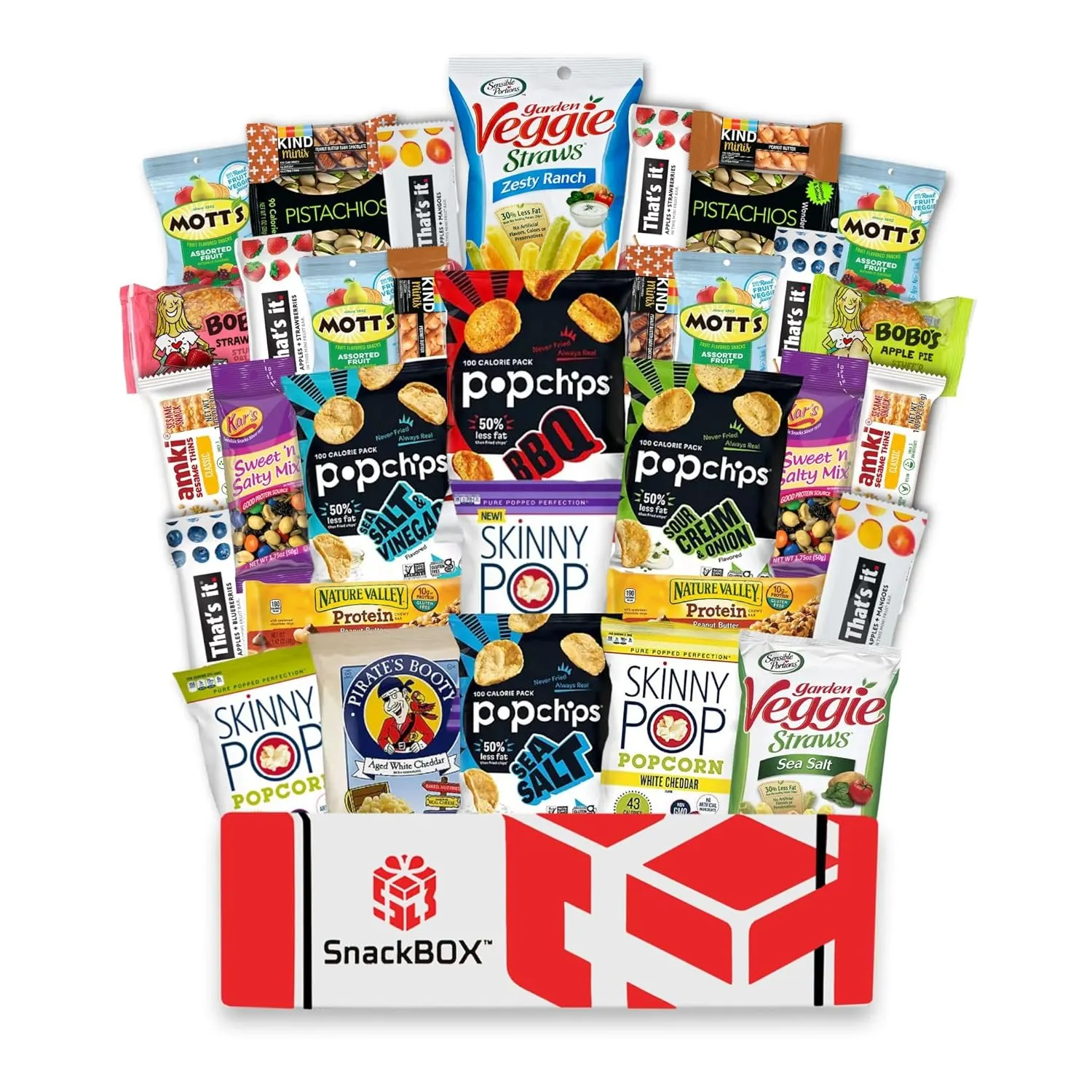
Snack BOX Gluten Free Healthy Care Package
This box is basically “emergency gluten-free social survival” in one package. It’s packed with individually wrapped snacks you can throw into your bag, keep at the office, bring to movie nights, or stash in your car so you don’t end up nibbling sad plain lettuce while everyone else has chips. Great for sharing, hosting, travel, or just living your best snack-gremlin life — gluten free.
3. How to Pack and Store Gluten-Free Snacks
Even the best snack ideas can turn into a crumbly mess if they’re not packed well. A little bit of container strategy goes a long way when you’re trying to keep gluten-free food safe, intact, and appealing hours later.
Choose the Right Containers
For gluten-free snacks, containers do double duty: they protect your food from getting squashed and from touching gluten crumbs in shared spaces like office kitchens or family cars.
- Hard containers: Great for crackers, veggies, and anything you don’t want crushed. Look for containers that close securely so they won’t pop open in your bag.
- Small lidded jars: Perfect for dips, nut butters, trail mix, or small amounts of granola.
- Reusable snack bags: Lighter than containers and handy for nuts, seeds, or fruit — just be sure they zip tightly.
- Insulated lunch bag: Essential for snacks with dairy, eggs, or meat if you’ll be out for several hours.
It can help to have a few containers that are only used for gluten-free food, especially if your household is mixed gluten and gluten free. Labeling them reduces the chance of accidental cross-contact.
Preventing Cross-Contact on the Go
Cross-contact is one of the biggest issues for gluten-free eaters when snacks are shared in group settings. A few simple habits can keep your snacks safer:
- Keep gluten-free snacks sealed until you’re ready to eat them.
- Avoid placing your food directly on shared surfaces (like a conference table). Use napkins, plates, or your container lid instead.
- If others are eating gluten nearby, keep your container closed between bites.
- When sharing snacks that are gluten free, consider serving them in a separate bowl for yourself before others reach in with gluten-y hands.
If you’re packing snacks for kids, it can help to explain in simple terms why “these ones are just for you” and not for sharing at school or on the bus. Clear rules up front reduce awkward moments later.
Make It Easy to Grab and Go
Your snacks are far more likely to actually leave the house with you if they’re easy to grab. Instead of building a complicated system you’ll never maintain, try this:
- Dedicate a small bin or shelf as your “ready-to-go gluten-free snacks” station.
- Once a week, refill it with bars, nut packs, and other shelf-stable items.
- Prep a few fresh options the night before a busy day and store them in the fridge, right next to your water bottle.
- If you regularly use more than one bag (work bag, diaper bag, gym bag), give each a small built-in snack stash.
The goal is to make packing snacks almost automatic, so you can leave the house on time without having to think, “What on earth am I going to eat later?”
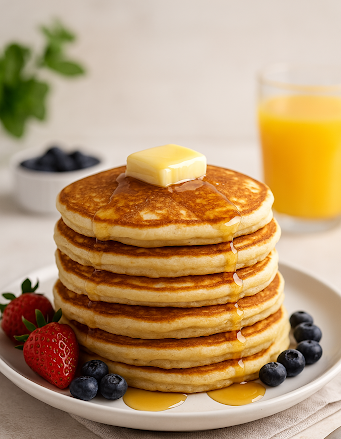
Recipe Inspiration
Try these gluten-free staples loved by thousands:


4. Navigating Social Events, Work, and Travel
On-the-go snacks really shine when you’re stepping into situations you don’t control — office meetings, kids’ parties, road trips, or a friend’s house where “it should be fine” doesn’t quite reassure you.
Workdays and Meetings
Office life can be a minefield of surprise pastries and “mandatory” pizza lunches. A bit of planning helps you participate without relying on whatever shows up in the break room.
- Keep a small drawer or bin labeled with your name for gluten-free snacks you trust.
- Before long meetings, eat a snack you packed so you’re not starving when gluten-filled food appears.
- If you’re comfortable, let the meeting organizer know you’re gluten free and may bring your own snack or meal.
- For potlucks, bring a gluten-free dish you enjoy so you know there’s at least one safe option.
Social Events and Parties
Parties can be tricky because there’s often a lot of shared food, unknown ingredients, and well-meaning people telling you, “Oh, I’m sure it’s fine.” Your snacks give you a quiet backup plan so you can be present without stressing.
- Eat a small meal or hearty snack at home before you go.
- Pack a few individually wrapped snacks in your bag — bars, nuts, or something you genuinely like.
- If it feels right, tell the host ahead of time that you’re gluten free and will likely bring your own snacks.
- When in doubt about an unlabeled dip, sauce, or baked good, it’s okay to politely pass.
Remember: you’re not being “high maintenance” for protecting your health. You’re just being prepared.
Travel, Road Trips, and Flights
Travel days are where gluten-free snacks earn their gold medal. Schedules slip, options are limited, and you might be stuck with convenience stores and airport kiosks for longer than you planned.
- Road trips: Pack a small cooler with cheese, fruit, cut veggies, and drinks, plus a bin of shelf-stable gluten-free snacks. Look up a few grocery stores along your route in case you need to restock.
- Flights: Airlines may label meals, but they can still run out of gluten-free options. Eat before you go, and bring more snacks than you think you’ll need — delays happen.
- Hotels and rentals: Consider packing instant gluten-free oatmeal cups, shelf-stable milk, bars, and fruit to cover breakfasts or late-night hunger.
Taking ten minutes to plan snacks before you travel can turn an anxious, hungry day into a manageable one — which makes the whole experience a lot more enjoyable.
5. Building Your Personal Gluten-Free Snack System
The goal isn’t to memorize a giant list of snack ideas; it’s to build a repeatable system that fits your actual life. That way, grabbing safe, gluten-free snacks becomes a habit, not another task on your already full to-do list.
Step 1: Pick Your “Always Have On Hand” Staples
Choose 5–10 snacks you genuinely like, that are easy to find where you live, and that don’t require much prep. Aim for a mix of:
- Protein/fat options (nuts, nut butter, cheese, jerky, yogurt)
- Carbs (fruit, gluten-free crackers, popcorn, rice cakes)
- Treat-style options (a favorite gluten-free cookie or bar)
Write them down or keep a note on your phone. This becomes your go-to list when you’re shopping or packing.
Step 2: Create Snack Zones
Instead of scattering snacks randomly, group them into simple “zones” that match where you spend your time:
- Home zone: A bin in the pantry or fridge labeled “gluten-free grab & go.”
- Work or school zone: A small box or drawer stocked with safe snacks.
- Car/bag zone: A pouch or small container for stable emergency snacks.
Once a week, do a quick two-minute check: what needs to be refilled, tossed, or replaced?
Step 3: Add Snacks to Your Routine
To make this stick, connect snack prep to something you already do:
- While making coffee or packing lunches, add a snack or two to your bag.
- On grocery day, refill all your zones before putting everything else away.
- On Sunday night, prep a few containers of cut fruit or veggies so they’re ready.
Over time, this will feel less like “extra work” and more like brushing your teeth: just part of how you take care of yourself.
Step 4: Adjust as Your Life Changes
Your ideal snack setup will change over time — new job, new commute, kids’ activities, or travel routines. Build in permission to tweak your system as you go:
- Notice which snacks always get eaten first and which ones sit there.
- Pay attention to when you usually get hungry away from home and pack accordingly.
- Keep experimenting with new gluten-free options if you get bored.
The point isn’t perfection; it’s feeling supported. When your future self reaches into their bag and actually finds something delicious and safe, that’s a win.
Key Takeaways
- On-the-go gluten-free snacks act as a safety net, reducing stress and helping you avoid risky last-minute food decisions.
- The best snacks are packable, satisfying, and stable at room temperature, with a balance of protein, fats, and carbs.
- Smart containers, dedicated gluten-free snack zones, and simple packing habits help prevent cross-contact and keep snacks convenient.
- Having reliable snacks on hand makes workdays, social events, and travel more flexible and enjoyable when you eat gluten free.
- Build a repeatable snack system that fits your life, then adjust it over time so staying prepared feels easy and sustainable.
Take the Next Step in Your Gluten-Free Journey
- Download the Free EGF Starter Guide
- Try our Gluten-Free Planner to simplify your week
- Explore our growing recipe library
You don’t have to navigate the gluten-free lifestyle alone, we are here to make it easier every day.
Category: Lifestyle