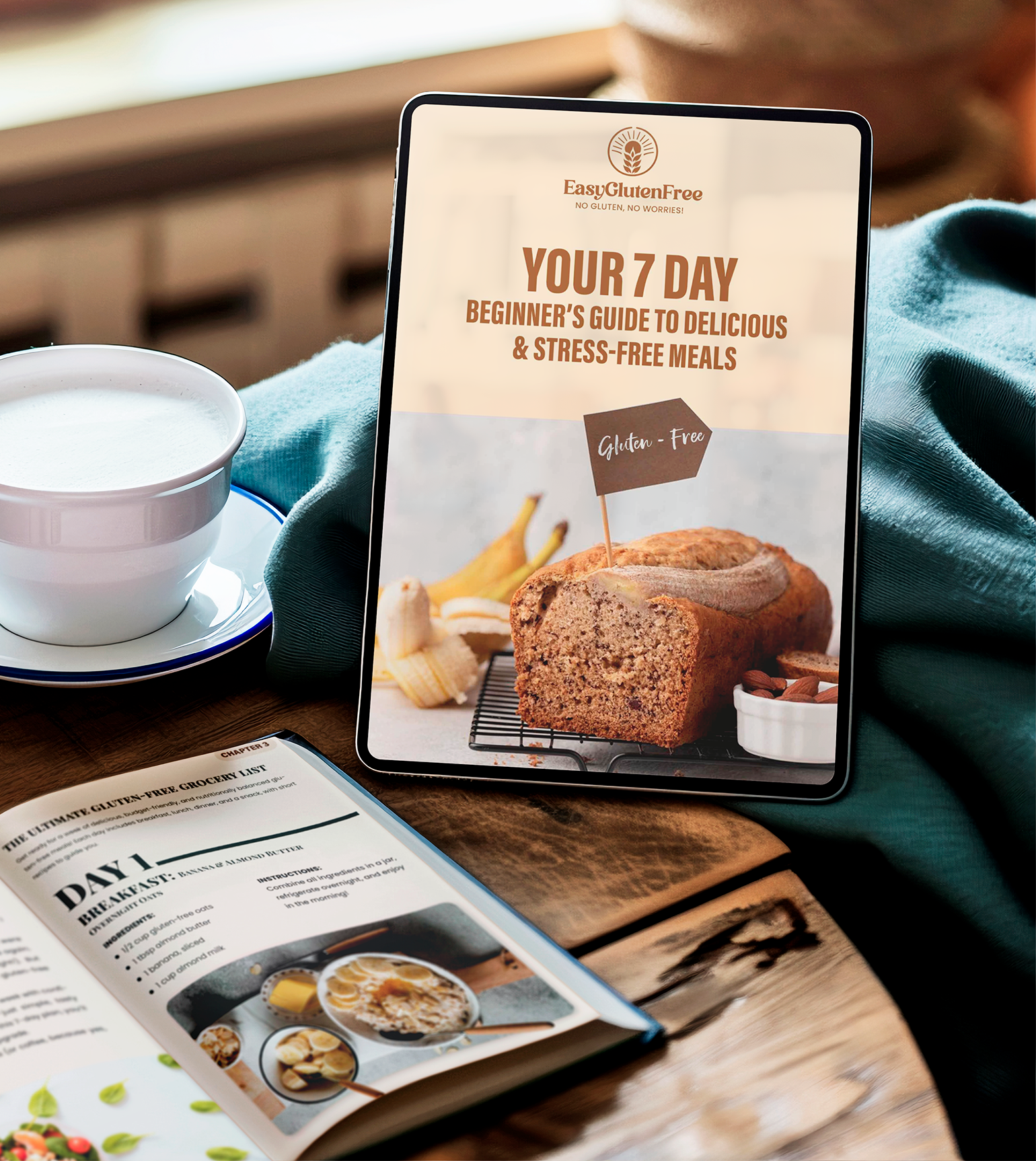
Download Your Free Guide to Effortless Gluten-Free Lunchbox Planning

Easy Gluten-Free Lunch Box Ideas for Work, School & Busy Days
Packing a gluten-free lunch every day can feel like a part-time job: label reading, cross-contamination worries, and trying to keep things interesting so you (or your kids) actually want to eat it. This guide walks you through simple, realistic gluten-free lunch box ideas, time-saving strategies, and smart tools so you can open your lunch and think, “Oh yes, I actually want this.”
Download Our Free Gluten-Free Starter Guide
- 7-day meal plan
- shopping list
- Tips & 3 beginner-friendly recipes
Introduction
Gluten-free at home is one thing. Gluten-free on the go, in a lunch box that’s been bumped around, stored who-knows-where, and opened hours later? That’s a whole different challenge. Between avoiding gluten, keeping food safe at room or fridge temperature, and making everything look even slightly appealing, it’s no wonder many people end up stuck on the same two or three “safe” meals.
The good news: once you understand a few core building blocks, gluten-free lunch packing becomes mostly plug-and-play. You don’t need fancy recipes every day. You need a system: reliable protein, filling carbs, fresh sides, and a few flavor boosters you love. With that, you can mix and match ingredients into endless combinations that work for school, work, travel, or long days out.
In this guide, we’ll walk through smart gluten-free lunch ideas, how to plan ahead without spending all Sunday meal-prepping, how to keep food safe and fresh, and some practical strategies for managing gluten-free lunches in shared spaces like offices and schools. Keep this bookmarked as your evergreen reference whenever you’re staring at an empty lunch box thinking, “Now what?”
1. Core Principles for Gluten-Free Lunch Boxes That Actually Work
Before we jump into specific lunch box ideas, it helps to have a simple framework. When you’re gluten-free, you’re not just thinking, “What’s for lunch?” You’re thinking, “What’s safe, filling, portable, and still appetizing four hours from now?” A bit of planning upfront makes your daily choices so much easier.
Build Each Lunch from Four Simple Building Blocks
Use this formula as your base. You can apply it to almost any cuisine or flavor profile:
- 1. Protein – anchors the meal and keeps you full. Think grilled chicken, hard-boiled eggs, tuna salad, hummus, cheese, tofu, beans, turkey slices, leftover roast meats.
- 2. Gluten-free carb – for energy and satisfaction. Choose gluten-free bread or wraps, corn or brown rice tortillas, leftover rice or quinoa, potatoes, gluten-free crackers, or certified GF pasta.
- 3. Fruits and/or veggies – preferably something that travels well. Cherry tomatoes, cucumber rounds, carrot sticks, bell pepper strips, mandarins, berries, grapes, apple slices (with lemon to prevent browning), or a small side salad.
- 4. Flavor booster – the difference between “fine” and “I actually enjoy this.” Dip, sauce, dressing, pickles, olives, spices, or crunchy toppings. Just confirm they’re gluten-free.
When you think in building blocks instead of full recipes, it’s much easier to improvise based on what you have in the fridge and pantry.
Choose Naturally Gluten-Free Staples First
Leaning on naturally gluten-free foods simplifies your day and reduces label reading. Some reliable options for lunch boxes include:
- Proteins: plain grilled chicken, canned tuna or salmon, eggs, cheese, yogurt, edamame, beans, chickpeas, tofu.
- Carbs: rice, quinoa, potatoes, sweet potatoes, corn tortillas, certified gluten-free oats, plain polenta.
- Produce: almost all plain fruits and vegetables are naturally gluten-free—just watch dressings and dips.
- Fats: nuts, seeds, avocado, nut butters (check for shared facility warnings if needed).
Packaged products like crackers, bread, bars, and deli meats can absolutely be part of your routine—just make sure they’re clearly labeled gluten-free and you trust the brand.
Plan for How Long the Lunch Will Sit Out
What you pack for a lunch that stays in a chilled office fridge is different from what you pack for a backpack in a warm classroom or a long travel day. Think about:
- Temperature control: Can you refrigerate or use an ice pack? If not, choose more shelf-stable options like nut butters, whole fruits, dry snacks, and some hard cheeses.
- Texture changes: Gluten-free bread can dry out quickly. Wraps, rice, potatoes, and pasta salads often hold up better over several hours.
- Moisture management: Pack wet items (like tomato slices, dressings, juicy fruits) separately in small containers so they don’t turn everything soggy.
Don’t Forget Cross-Contamination
In shared kitchens or school spaces, gluten crumbs are often the main issue. A few low-stress habits help a lot:
- Use your own dedicated cutting board and knife at home for gluten-free bread and prep if gluten is in the house.
- Keep a small “GF only” shelf or bin in the fridge and pantry so your lunch ingredients aren’t sharing space with regular bread crumbs.
- When packing shared snacks (like chips or popcorn), portion them into smaller containers to avoid reaching into a big, crumb-filled bag later.
With these core principles in place, the actual lunch ideas become much easier—and more fun—to put together.
2. Easy Gluten-Free Lunch Ideas: Mix-and-Match Combinations
Let’s turn those building blocks into real-life lunch box combos you can use on repeat. You don’t need to follow these exactly—treat them as templates and swap ingredients based on your preferences, budget, and what’s in your kitchen.
Protein-Packed Salads That Travel Well
Salads are portable, versatile, and easy to customize. The key with gluten-free salads is to keep crunchy elements and dressings separate until you’re ready to eat, and always double-check any packaged toppings.
- Chicken & Quinoa Power Bowl: cooked quinoa, baby spinach, roasted chicken, cherry tomatoes, cucumber, feta, and a lemon-olive oil dressing. Optional: add pumpkin seeds for crunch.
- Chickpea Greek Salad: chickpeas, diced cucumber, tomato, bell pepper, olives, red onion, and feta. Dress with red wine vinegar, olive oil, oregano, and salt.
- Tuna & White Bean Salad: canned tuna, cannellini beans, celery, parsley, and a squeeze of lemon with mayonnaise or olive oil. Serve with gluten-free crackers or in lettuce cups.
Tip: If you’re packing greens, put sturdier ingredients (chickpeas, grains) at the bottom and leafy greens on top, then toss with dressing just before eating.
Bento-Style Gluten-Free Snack Lunches
Snack-style or “grazing” lunches are ideal if you prefer smaller bites over one big meal. They’re also great for picky eaters and kids who like variety.
Mix and match from these gluten-free options:
- Proteins: hard-boiled eggs, cheese cubes or sticks, turkey or ham roll-ups (check labels), hummus, Greek yogurt, edamame, roasted chickpeas.
- Carbs: gluten-free crackers, rice cakes, mini corn tortillas, leftover roasted potatoes, homemade gluten-free muffins.
- Fruits & Veg: baby carrots, cucumber slices, snap peas, apple slices, berries, grapes, mandarin oranges.
- Extras: olives, pickles, mixed nuts or seeds, dark chocolate squares, gluten-free granola clusters.
Having a divided lunch container makes it easy to see if you’ve covered all your bases: one section for protein, one for carbs, one for produce, one for fun extras.
Hearty Gluten-Free Wraps, Sandwiches & Roll-Ups
If you or your kids miss the convenience of a classic sandwich, don’t worry—there are plenty of gluten-free options that hold up well in a lunch box.
- Turkey & Avocado Wrap: gluten-free wrap or corn tortilla, spread with hummus or mayo, layered with turkey, avocado, lettuce, and cucumber. Roll tightly and slice.
- Caprese Skewer “Sandwiches”: cherry tomatoes, mozzarella balls, and basil on skewers with gluten-free bread or crackers on the side. Drizzle with balsamic right before eating.
- Chicken Salad Lettuce Wraps: shredded chicken with mayo or yogurt, celery, grapes or dried cranberries, and salt. Pack large lettuce leaves separately for DIY wraps.
For gluten-free bread, it helps to lightly toast it before making sandwiches—this often improves the texture hours later. You can also pack bread and fillings separately to assemble right before eating, especially for kids who dislike “soggy” anything.
Warm Lunches Using Leftovers
If you have access to a microwave, dinner leftovers can become your easiest gluten-free lunches of the week. Aim to cook a bit extra at dinner specifically for future lunches.
- Leftover Rice Bowls: top plain rice with leftover roasted vegetables, chicken or tofu, and a simple sauce like tamari (certified gluten-free), sesame oil, or pesto.
- Potato or Sweet Potato Bowls: use roasted potato chunks or half a baked sweet potato topped with black beans, cheese, salsa, and a dollop of plain Greek yogurt.
- Gluten-Free Pasta Salad: toss leftover gluten-free pasta with olive oil, veggies, cheese, and a protein. Cold pasta salads travel very well.
Always store leftovers in the fridge promptly, and pack them in a container that seals well. If you can’t reheat your lunch, focus on bowls and salads that taste good cold.
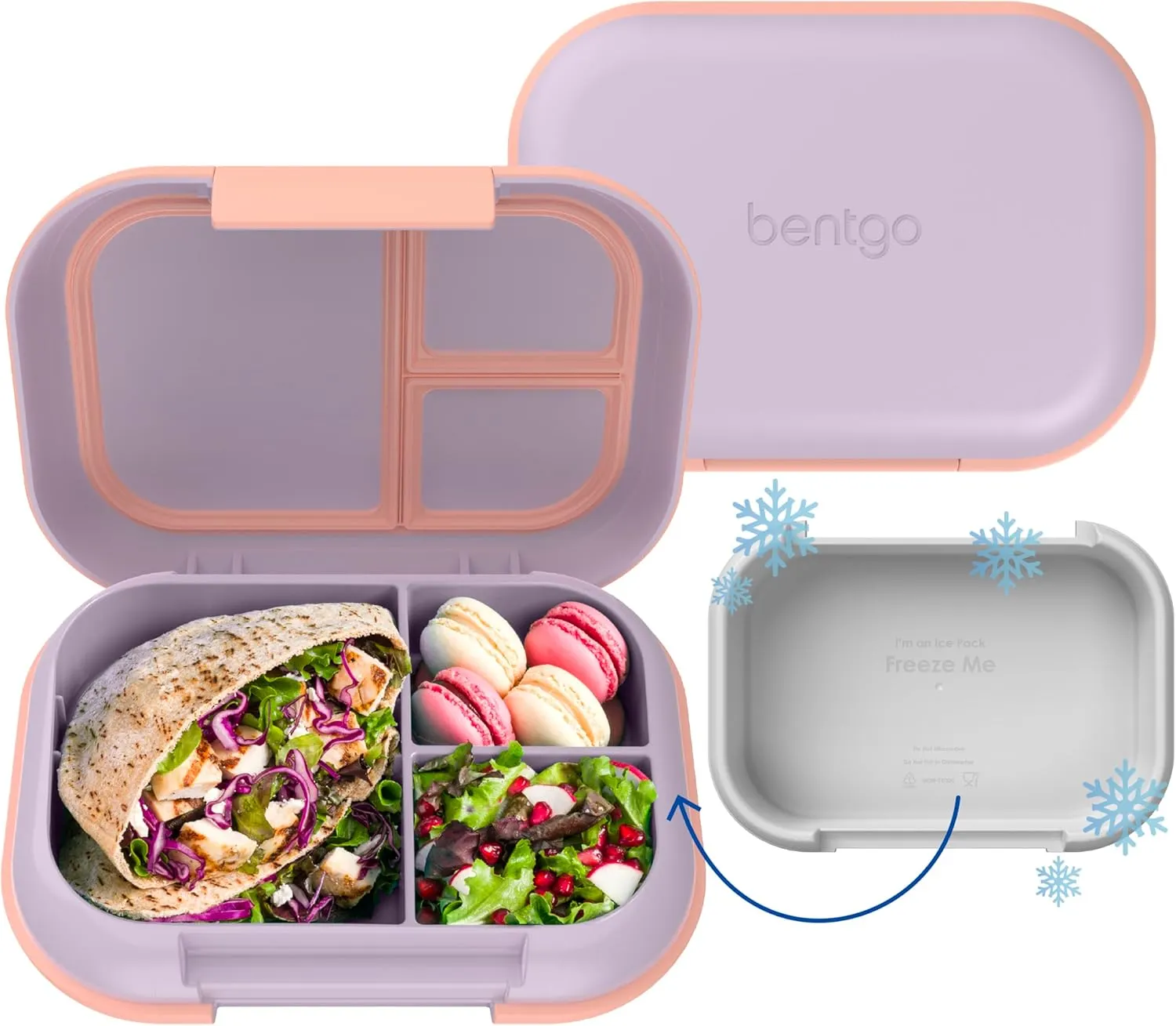
Bentgo Chill Max Lunch Box
it’s perfect for anyone who wants cute, organized, Instagram-able gluten-free lunches. The built-in ice pack keeps things fresh, the compartments are perfect for snacks, dips, and small portions, and it’s leak-proof (so your hummus doesn’t redecorate your tote bag). Ideal for school, work, picnics, travel days, or long study sessions.
3. Make-Ahead Prep: Saving Time on Busy Weeks
Even the best lunch ideas won’t help much if you’re scrambling every morning. A little bit of batch prep goes a long way toward making gluten-free lunches feel easy and sustainable.
Do a 30–45 Minute Weekly Prep Session
You don’t have to meal-prep full, assembled lunches. Focus instead on prepping components you can quickly grab and combine during the week:
- Cook a base carb: a big batch of rice, quinoa, or gluten-free pasta to use in salads and bowls.
- Prep a protein or two: roast a tray of chicken thighs, boil a half-dozen eggs, or cook a pot of beans.
- Wash and cut produce: slice carrots, cucumbers, and peppers; wash grapes; portion berries.
- Portion snacks: nuts, gluten-free crackers, popcorn, or trail mix into small containers or reusable bags.
Store components in clear containers so you can literally see your options when you open the fridge.
Use Theme Days to Reduce Decision Fatigue
Picking “what to pack” is often more exhausting than the actual packing. Theme days are a simple planning tool that still leaves room for variety. Examples:
- Monday: Rice or quinoa bowls
- Tuesday: Wraps or roll-ups
- Wednesday: Salad day
- Thursday: Snack-style bento lunch
- Friday: Leftovers or “clean out the fridge” boxes
Within each theme, you can rotate ingredients and flavors so things don’t feel repetitive, but the basic decision is done.
Prep Sauces & Dressings You Really Love
In gluten-free cooking, sauces can make or break a meal. A very simple bowl becomes exciting when you have a flavorful dressing on hand. Make small jars of:
- Lemon-garlic vinaigrette (olive oil, lemon, garlic, salt)
- Greek yogurt herb dip (yogurt, dried herbs, garlic powder, salt)
- Peanut or almond sauce (nut butter, gluten-free tamari, lime, honey, water)
- Simple pesto (basil, olive oil, nuts or seeds, garlic, salt – confirm ingredients are gluten-free)
Store them in the fridge and add to your lunches just before eating, or pack them in small leak-proof containers inside your lunch box.
Make Mornings Easier with a Packing Checklist
Especially in a mixed gluten/gluten-free household or with kids running around, a basic checklist helps you avoid packing “just snacks” and calling it lunch. Try something like:
- ✔ 1 protein
- ✔ 1 carb
- ✔ 1–2 fruits/veggies
- ✔ 1 flavor booster (dip, sauce, topping)
- ✔ 1 fun item (a small sweet, crunchy snack, or favorite treat)
You can keep this list on your fridge, inside a cabinet door, or even as a note in your phone for quick reference.
Recipe Inspiration
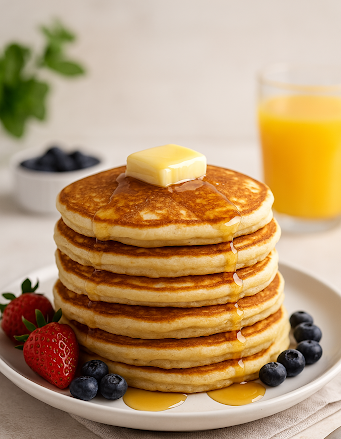
Try these gluten-free staples loved by thousands:


4. Gluten-Free Lunches for Kids, Teens, and Adults
Different ages, different schedules, and very different appetites—but the same gluten-free needs. The key is to adjust portions, textures, and flavors while keeping your base structure the same.
Gluten-Free Lunch Ideas for Younger Kids
For younger kids, think finger foods and familiar flavors. Many children prefer deconstructed meals over “mixed” salads or casseroles:
- Mini gluten-free crackers with cheese cubes and turkey roll-ups
- Hummus with carrot sticks, cucumber rounds, and gluten-free pretzels
- Yogurt (check labels) with a side of berries and a small gluten-free muffin
- Rice cakes topped with peanut butter and banana (or sunflower seed butter if nut-free is required)
Include at least one “safe favorite” in every lunch so there’s always something they’ll eat, even on picky days.
Gluten-Free Lunches for Teens
Teens often need bigger portions and more calories, especially if they’re active. They may also feel self-conscious about “different” food, so simple, familiar-looking options can help:
- Large gluten-free wraps filled with chicken, cheese, and veggies
- Big rice or quinoa bowls with beans, salsa, cheese, and avocado
- Pasta salads with extra chicken or tuna for protein
- Snack boxes with nuts, jerky (check for gluten), cheese, fruit, and gluten-free granola bars
Ask your teen what they actually like and what feels comfortable to eat around friends. Involving them in prep makes it far more likely the lunch will get eaten instead of traded or tossed.
Easy Gluten-Free Lunches for Adults at Work
For adults, lunches often need to fit into tight schedules and small office fridges. You may also need options that can be eaten quickly between meetings.
- Jar salads layered with dressing at the bottom, hearty veggies and protein in the middle, and greens on top.
- Leftover dinner bowls packed straight into containers after dinner to “pre-pack” lunch.
- Snack-style lunches with more grown-up flavors: olives, nuts, good cheese, gluten-free crackers, and raw veggies with dip.
- Soup in a thermos (using gluten-free broth or homemade) with a side of gluten-free bread or crackers.
If your workplace has a shared toaster, treat it as off-limits if you’re sensitive to cross-contact. Instead, toast bread at home and pack it, or pivot to wraps, salads, and bowls that don’t need to be toasted at all.
5. Safety, Storage & Label-Reading for On-the-Go Lunches
Gluten-free lunches need to be both safe from gluten and safe from food-borne illness. A little strategy with storage and label reading helps protect your health on both fronts.
Keep Cold Foods Cold
Most protein-rich foods—dairy, eggs, meats, many dips—should be kept chilled until eaten. If your lunch will be out for more than a couple of hours:
- Use a well-insulated lunch bag and an ice pack.
- Pack perishable items together so the cold stays concentrated.
- Store your lunch in a fridge as soon as you arrive, when possible.
For days when refrigeration isn’t guaranteed, lean toward items that are more stable: whole fruits, nut butters, some hard cheeses, sealed tuna pouches, and dry snacks.
Watch for Hidden Gluten in Packaged Snacks
Packaged snacks make lunch packing much easier, but they’re also where gluten loves to hide. Common places it shows up include:
- Bars and granola (watch for wheat, barley malt, or “malt flavoring”)
- Soup cups and instant noodles
- Crackers and chips (some flavors use wheat-based seasonings)
- Deli meats and sausages (some brands use wheat as a filler)
- Dressings, sauces, and marinades
When in doubt, look for certified gluten-free labeling from organizations you trust, and check the brand’s allergen and cross-contact statements.
Packing Lunch in Mixed Gluten/Non-Gluten Environments
If you live or work in a household or environment where others eat gluten, a few habits reduce risk without turning your life upside down:
- Use separate cutting boards, knives, and toasters for gluten-free foods.
- Designate a gluten-free bin in the pantry and fridge for your lunch ingredients.
- Ask family members or roommates not to double-dip knives into shared butter, spreads, or condiments.
- Label your lunch clearly when storing in shared fridges to avoid accidental mix-ups.
At school, you can also ask teachers or staff about safe storage areas and how they handle food allergies and restrictions. For younger kids, a simple note or card inside the lunch box explaining “Gluten-Free – Please Do Not Share Food” can be helpful.
Listening to Your Body & Adjusting Over Time
Your ideal gluten-free lunch routine won’t look exactly like anyone else’s. Pay attention to how you feel after certain lunches: are you satisfied, energized, or sluggish and hungry an hour later? Use that feedback to adjust your portions, protein, fiber, and fat until you find your sweet spot.
The goal is not perfection. The goal is a system that keeps you safe, nourished, and as stress-free as possible on busy days—one lunch box at a time.
Key Takeaways
- Build every gluten-free lunch from four building blocks: protein, carb, fruits/veggies, and a flavor booster.
- Focus on naturally gluten-free staples first, then layer in clearly labeled gluten-free packaged items.
- Use simple systems—theme days, batch-prepped components, and a quick checklist—to make packing faster.
- Adjust lunches for kids, teens, and adults by changing portions, textures, and how “assembled” the meal is.
- Prioritize both gluten safety and food safety with good storage, careful label reading, and cross-contact awareness.
Take the Next Step in Your Gluten-Free Journey
- Download the Free EGF Starter Guide
- Try our Gluten-Free Planner to simplify your week
- Explore our growing recipe library
You don’t have to navigate the gluten-free lifestyle alone, we are here to make it easier every day.
Category: Lunch & Meal Prep