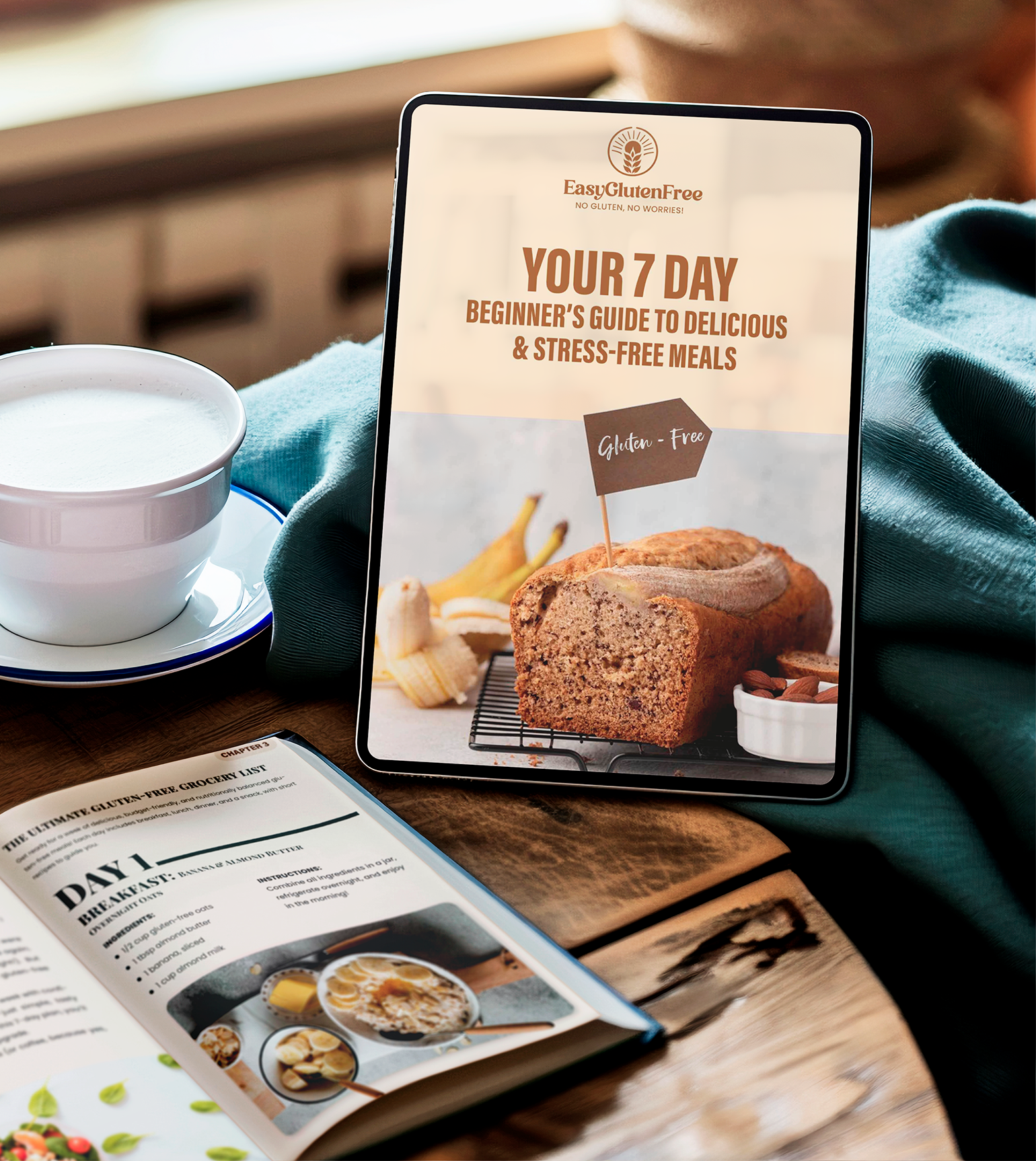
Snag Your Free Guide to Stress-Free Gluten-Free Meal Prep

Gluten-Free Meal Prep for Busy Weeks: How to Stay Nourished Without Losing Your Mind
Juggling work, family, and a gluten-free lifestyle can feel like a full-time job—especially when hunger hits and there’s nothing safe to eat. This guide walks you through practical, realistic gluten-free meal prep so you can save time, reduce stress, and always have something delicious ready to go.
Download Our Free Gluten-Free Starter Guide
- 7-day meal plan
- shopping list
- Tips & 3 beginner-friendly recipes
Introduction
Gluten-free living already comes with extra mental load: reading labels, researching brands, and fielding the “you can eat salad, right?” questions. When you add busy weekdays into the mix, it’s easy to end up skipping meals or grabbing whatever is closest—even if it isn’t the most nourishing or budget-friendly choice.
That’s where gluten-free meal prep shines. A couple of focused hours once or twice a week can translate into days of grab-and-go breakfasts, mix-and-match lunches, and stress-free dinners. No complicated chef-level skills, no spending all Sunday in the kitchen—just smart systems designed with a gluten-free lifestyle in mind.
In this guide, you’ll learn how to build a simple prep routine that works for tight schedules, tiny kitchens, and real life. We’ll talk about planning, shopping, batching, storage, and easy meal formulas you can rinse and repeat—so you’re never stuck wondering, “What on earth can I eat?” again.
1. Why Gluten-Free Meal Prep Is a Game Changer
Meal prep isn’t about becoming a different person who color-codes their fridge. It’s about making the gluten-free choices you already want to make easier—especially on those days when you’re tired, busy, or just over it.
The benefits (especially when you’re gluten-free)
- Less decision fatigue. When meals are prepped, you’re not deciding what to eat 14 times a day. You just heat, assemble, or grab.
- Lower risk of accidental gluten. Having safe, ready-to-go options means fewer last-minute takeout choices where cross-contact can be an issue.
- Budget-friendly. Planning around what’s on sale and using ingredients in multiple meals helps you waste less and spend less.
- More consistent nourishment. It’s easier to eat balanced meals when some of the work is already done.
- Less stress during your busiest moments. Even when everything else is chaos, knowing dinner is essentially “handled” is a relief.
Common myths about gluten-free meal prep
Let’s clear a few things up before we dive in:
- “Meal prep means eating the same thing all week.” Not if you use mix-and-match components (more on that below). One batch of roasted veggies can become bowls, tacos, salads, and side dishes.
- “It takes all day.” You can do a powerful prep session in 60–90 minutes with a simple plan and multitasking (think oven + stovetop + rice cooker working together).
- “It’s too hard if I’m new to gluten-free.” Actually, prepping at home makes it easier to feel confident while you’re still learning how to read labels and find your favorite products.
Batch vs. “prep ahead” – which is better?
There are two main styles of meal prep, and many people blend them:
- Batch cooking: Making full meals (like a big pot of chili or a pasta bake) and portioning them out for the week.
- Prep-ahead ingredients: Cooking components—grains, proteins, veggies, sauces—that can be assembled into different meals.
If you’re easily bored, you’ll probably love the ingredient-based method. If you’re slammed for time and don’t mind repeats, batch cooking full meals may be your new best friend.
2. Must-Have Tools and Containers for Gluten-Free Prep
You don’t need a Pinterest-perfect kitchen to meal prep, but the right tools make a big difference—especially for staying organized and avoiding cross-contact with gluten. Think in categories: cooking tools, storage, and labeling.
Helpful tools for efficient gluten-free prep
- Baking sheets & parchment: Great for sheet-pan meals and roasting large batches of veggies or proteins.
- Large cutting board (gluten-free only): Keep at least one board dedicated to gluten-free foods if you share a kitchen.
- Sharp chef’s knife: Speeds up veggie chopping and reduces fatigue.
- Rice cooker or multi-cooker: Perfect for hands-off grains, beans, and even soups.
- Mixing bowls with lids: Ideal for tossing salads, marinating proteins, or storing big-batch meals.
Storage systems that actually work
Good storage doesn’t just keep food fresh—it keeps your fridge readable. You should be able to open the door and instantly see your gluten-free options.
- Clear containers: Glass or BPA-free plastic makes it easier to see what you have so nothing gets forgotten.
- Stackable shapes: Rectangles and squares use fridge and freezer space more efficiently than round containers.
- Color-coding: Some households use specific colors of lids or bins for gluten-free foods only.
- Labels & dates: A simple strip of masking tape with the name and date goes a long way toward preventing mystery leftovers.
For busy gluten-free eaters, reusable bags and containers are especially handy for snacks, work lunches, kid lunches, and travel days.
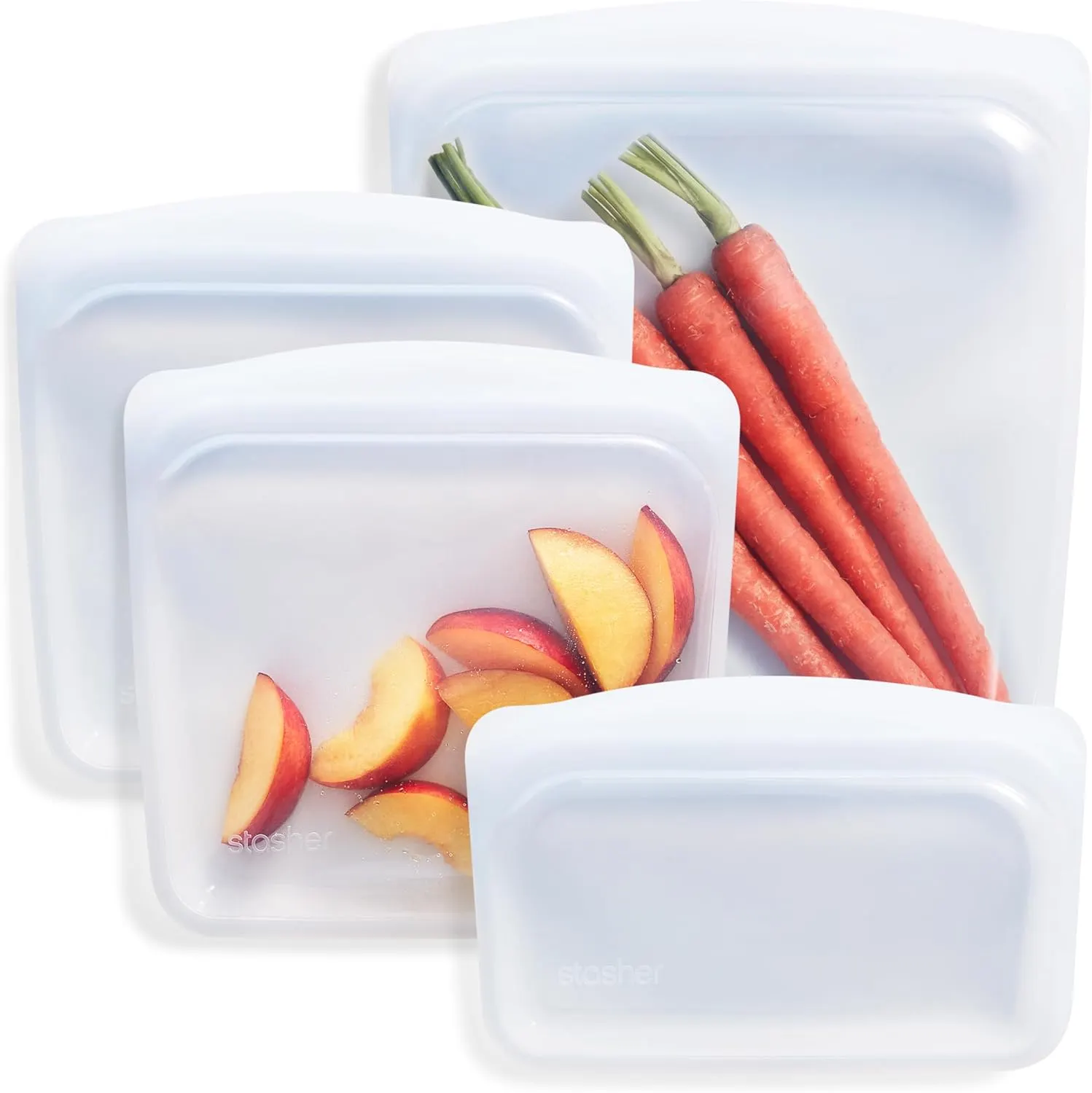
Premium Silicone Reusable Food Storage Bags
These are the “I have my life together” bags. Perfect for packing gluten-free snacks, leftovers from brunch, veggie sticks for road trips, or even freezer prep for busy weeks. They’re reusable, dishwasher-safe, plastic-free, and look aesthetically pleasing in your fridge and your IG stories. Great anchor product for any article about sustainability, meal prep, hosting, or on-the-go GF living.
3. Step-by-Step Gluten-Free Meal Prep Routine
Here’s a simple, repeatable routine you can follow every week. Adjust the timing to your schedule—some people prep on Sundays, others split it across two weeknights.
Step 1: Check your calendar
Before you plan meals, look at your week. Which nights are late? When will you want a zero-effort dinner versus something you can cook fresh?
- Mark your busiest days as “reheat or assemble only.”
- Plan more involved meals for evenings you’re home earlier.
- Don’t forget breakfasts, snacks, and lunches—they’re often where gluten sneaks in when you’re unprepared.
Step 2: Create a simple menu
Choose 2–3 breakfasts, 2–3 lunch ideas, and 2–3 dinners that share ingredients. For example, roasted chicken can show up in bowls, tacos, and salads.
Think in “meal formulas” instead of exact recipes:
- Breakfast formula: protein + fiber + healthy fat (e.g., egg muffins + fruit + nuts).
- Lunch formula: grain or greens base + protein + veggies + sauce.
- Dinner formula: protein + starch + 1–2 veggies.
Step 3: Build your shopping list (with gluten-safe swaps)
From your menu, list out what you need, then quickly scan your pantry. Note key gluten-free swaps or checks like:
- Gluten-free tamari instead of regular soy sauce.
- Gluten-free pasta, tortillas, and bread.
- Clearly labeled gluten-free broth, sauces, and spice blends.
Grouping your list by sections—produce, pantry, fridge, freezer—saves you time at the store.
Step 4: Block 60–90 minutes for prep
When it’s prep time, clear your counters and gather everything you’ll need. If you share a kitchen with gluten, wipe down surfaces, wash your hands, and use clean, gluten-free–only tools and boards.
Then multitask:
- Start with proteins (sheet pan chicken, tofu, beans in the Instant Pot).
- Put grains or starches on next (rice, quinoa, roasted potatoes).
- Use any remaining space for veggies (roasted, steamed, or raw snack boxes).
While things are cooking, whip up a sauce or dressing (like a simple lemon-garlic vinaigrette or tahini sauce) and start washing containers.
Step 5: Cool, portion, and label
Let hot foods cool slightly before sealing to reduce condensation, then portion into containers based on how you like to eat:
- Individual portions: Great for grab-and-go lunches and single-serve dinners.
- Family-style: Larger containers for assembling plates at mealtime.
- Snack packs: Small bags or containers with sliced veggies, nuts, or fruit.
Label with the name and date. If you share a kitchen, you can also mark them clearly as GF and store them on a dedicated gluten-free shelf or bin.
Step 6: Create a quick “what’s in the fridge” list
Stick a note or whiteboard on your fridge listing what you prepped. For example:
- Chicken thighs (Mon–Wed)
- Brown rice (freezer after Day 3)
- Roasted veggies – carrots, broccoli, peppers
- Overnight oats x 4
This simple habit reduces food waste and makes it easier to see how you can mix and match components throughout the week.
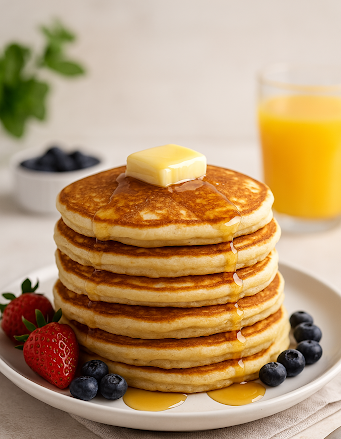
Recipe Inspiration
Try these gluten-free staples loved by thousands:


4. Gluten-Free Meal Ideas for Busy Weeks
To make this truly plug-and-play, here are gluten-free-friendly ideas you can rotate through. Always double-check labels on packaged products to ensure they’re gluten-free and appropriate for your needs.
Grab-and-go gluten-free breakfast ideas
- Egg muffin cups: Whisk eggs with chopped veggies, salt, and pepper; bake in a muffin tin. Pair with fruit and a handful of nuts.
- Overnight oats (using GF oats): Combine certified gluten-free oats with milk or a dairy-free alternative, chia seeds, and fruit. Prep 3–4 jars at once.
- Yogurt snack boxes: Portion yogurt in containers and add small side compartments of berries, gluten-free granola, and seeds.
- Freezer-friendly pancakes or waffles: Make a large batch using a gluten-free mix or recipe, freeze in a single layer, and toast as needed.
Packable gluten-free lunches
- Mason jar salads: Dressing at the bottom, hearty veggies and proteins in the middle, greens at the top. Shake and eat.
- Grain bowls: Brown rice or quinoa + roasted veggies + chicken, tofu, or beans + sauce like tahini or salsa.
- Gluten-free wraps: Use gluten-free tortillas, lettuce leaves, or collard greens as wraps, filled with hummus, turkey, cheese, and sliced veggies.
- Leftover makeover: Turn last night’s roasted veggies and protein into a new lunch with a different sauce or base (like adding them to greens or a baked potato).
Easy gluten-free dinners from prepped ingredients
Once your components are ready, dinner becomes a 10–15 minute process:
- Sheet-pan “reheat and crisp” dinners: Toss pre-cooked veggies and protein on a sheet pan to warm and crisp up together.
- Pasta night: Cook gluten-free pasta, then add your prepped protein, spinach or other quick-cooking greens, and jarred marinara (labeled gluten-free).
- Taco or burrito bowls: Use rice, beans, seasoned ground meat or tofu, salsa, avocado, and shredded lettuce.
- Stir-fry: Sauté pre-chopped veggies with protein, add a quick sauce using gluten-free tamari, and serve over rice or noodles labeled gluten-free.
Snack ideas to prevent “hangry” emergencies
- Sliced veggies with hummus (check that your hummus is gluten-free).
- Cheese sticks, hard-boiled eggs, or single-serve nut butter packs.
- Fresh fruit that travels well, like apples, oranges, and grapes.
- Portioned gluten-free crackers or trail mix in small containers or reusable bags.
Keep a few shelf-stable gluten-free snacks in your work bag, car, or desk so you’re never stuck without a safe option.
5. Time-Saving Tips, Safety & Label-Reading Basics
Once you’ve tried a week or two of gluten-free meal prep, you can start fine-tuning your system. These tips help you save even more time while staying safe and confident.
Time-saving tricks you can steal
- Repeat your base plan. If a week works well, reuse that menu and shopping list with tiny variations.
- Use shortcuts. Pre-washed greens, frozen veggies, and pre-chopped butternut squash are meal prep gold.
- Cook double and freeze. Make extra of soups, stews, and gluten-free casseroles, then freeze half for a future busy week.
- Dedicate a “prep bin.” Keep your favorite oils, spices, and tools in one spot to cut down on rummaging around.
Gluten-free safety in a shared kitchen
If you’re preparing food in a kitchen where gluten is also used, a few habits can lower your risk of cross-contact:
- Have separate gluten-free cutting boards, colanders, and wooden utensils.
- Use your own butter, jam, and condiments to avoid crumbs in shared jars.
- Wipe down surfaces and wash hands before starting your gluten-free prep.
- Store gluten-free prepped food on a dedicated shelf or in a clearly labeled bin.
Label-reading basics for prepped ingredients
Many meal prep staples come from a package—broths, sauces, spice blends, grains, and more. When choosing these items, read labels every time, even if you’ve bought them before, because ingredients and manufacturing processes can change.
Pay special attention to:
- Soy sauce, marinades, and dressings: Look for clearly gluten-free options or use gluten-free tamari.
- Broths and bouillon: Some contain wheat-based flavorings or thickeners.
- Spice blends and seasoning packets: Plain herbs and spices are often naturally gluten-free, but blends can include gluten-containing ingredients.
- Oats and oat products: Choose certified gluten-free oats if they fit your needs.
How long does prepped food last?
General, commonly used home-cooking guidelines (not medical or safety advice) many people follow:
- Most cooked proteins: about 3–4 days in the fridge.
- Cooked grains: about 3–4 days, or freeze in portions.
- Roasted veggies: about 3–4 days, depending on the vegetable.
- Salads with dressing: best within 1–2 days; undressed salads can last longer.
When in doubt, people often rely on sight and smell, but if something seems off, it’s always safest to discard it. You can also lean more heavily on the freezer if you don’t think you’ll eat everything in time.
Start small and build your routine
You don’t have to overhaul your entire week to benefit from gluten-free meal prep. Start with one area—maybe just breakfasts and snacks—and see how much easier your days feel. Once that’s comfortable, add in lunches or a couple of dinners.
Over time, you’ll naturally create your own rotation of favorite meals, reliable products, and go-to prep routines. The goal isn’t perfection; it’s building a gluten-free life that feels calmer, more predictable, and a lot more delicious.
Key Takeaways
- Gluten-free meal prep reduces stress, decision fatigue, and last-minute scrambling by giving you safe, ready-to-eat options.
- Simple tools and smart storage—especially clear, labeled containers—make it easier to stay organized and avoid cross-contact.
- A basic weekly routine of planning, shopping, batch cooking, and labeling can often be done in 60–90 minutes.
- Mix-and-match ingredients let you build multiple gluten-free meals from the same prepped components so you don’t get bored.
- Start small with one or two prepped items, then expand as you learn what works best for your lifestyle and schedule.
Take the Next Step in Your Gluten-Free Journey
- Download the Free EGF Starter Guide
- Try our Gluten-Free Planner to simplify your week
- Explore our growing recipe library
You don’t have to navigate the gluten-free lifestyle alone, we are here to make it easier every day.
Category: Meal Planning