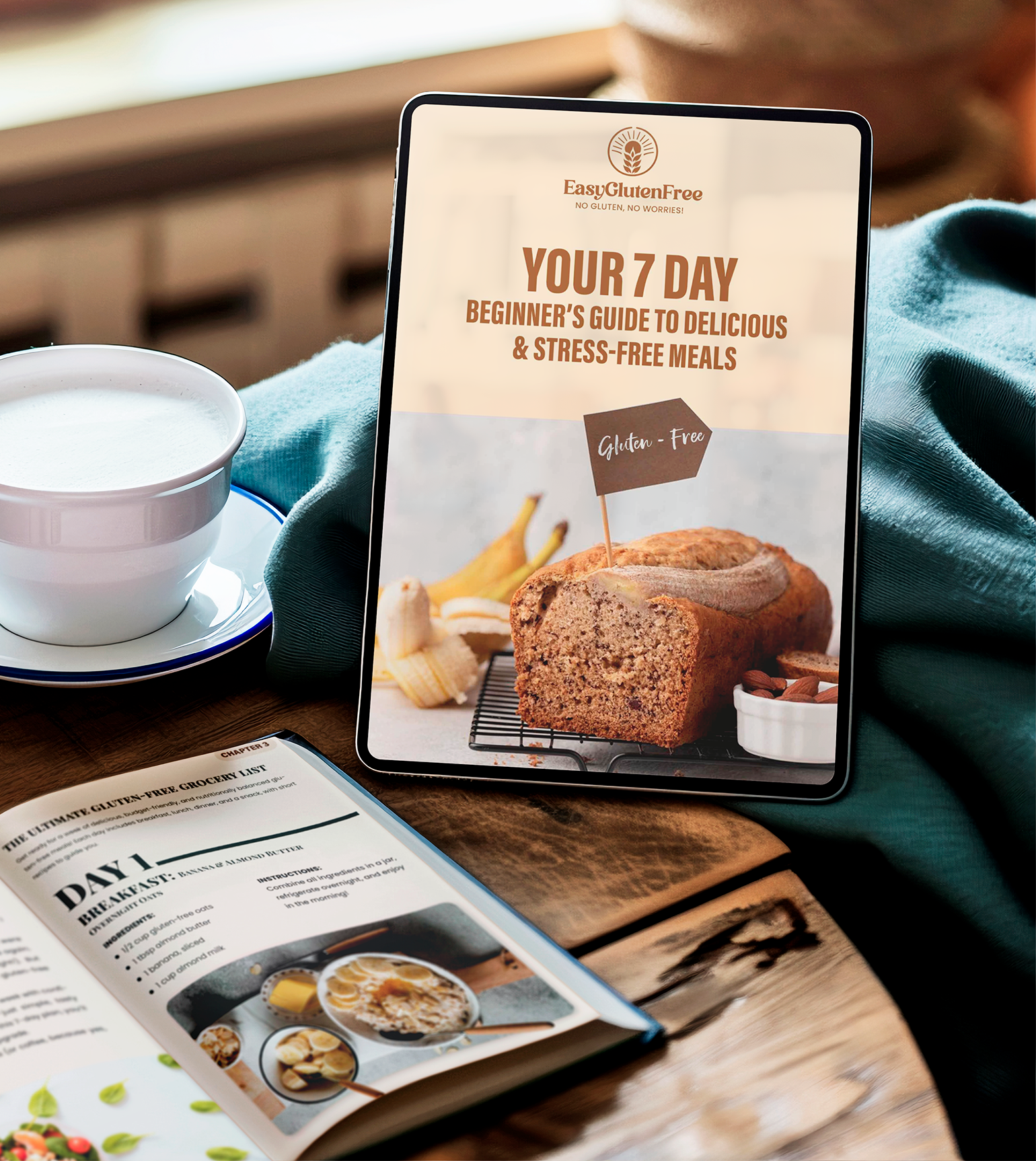
Download Your Free Guide to Stress-Free Gluten-Free Snacking

Gluten-Free Snack Box Ideas for Busy Days & Social Events
Running gluten free in a gluten-filled world means one thing: if you don’t have snacks, you don’t have a plan. This guide walks you through smart gluten-free snack box ideas for work, school, travel, and social events so you can stop stressing about “what if there’s nothing I can eat?” and start focusing on actually living your life.
Download Our Free Gluten-Free Starter Guide
- 7-day meal plan
- shopping list
- Tips & 3 beginner-friendly recipes
Introduction
If you live gluten free, you already know the rule: never leave the house without a backup snack. Office birthdays, airline “meals,” kids’ sports, last‑minute dinners out—most of the time, nobody planned for the gluten-free person. A simple snack box can turn all those stressful moments into “no big deal, I’ve got myself covered.”
This article focuses on practical, real-world gluten-free snack box ideas you can adapt to your routine. We’ll talk through how to build balanced boxes, how to read labels for sneaky gluten, and how to create a little “emergency stash” for social situations and travel, without feeling high-maintenance or stressed.
Whether you’re newly gluten free or just tired of getting stuck with plain lettuce and sad fruit, you’ll walk away with plug-and-play snack ideas, packing tips, and a simple system you can reuse every week so snacks are one less thing you have to think about.
1. Understanding Gluten-Free Snack Boxes
Think of a gluten-free snack box as your portable safety net. It’s a small, grab-and-go kit filled with safe, satisfying foods that keep you from getting stuck hungry when gluten-filled options are all around you. Instead of relying on whatever happens to be available, you’re walking in prepared.
A good snack box does three things:
- Covers your energy needs – with a mix of protein, fat, and carbs so you’re not starving an hour later.
- Respects your gluten-free needs – using clearly labeled gluten-free foods and, where needed, trusted brands and certifications.
- Fits where you are – office, school, road trip, kids’ activities, or a friend’s house for game night.
What Counts as “Gluten Free” for Snack Boxes?
Gluten free means the ingredients and the final product are free from wheat, barley, rye, and their derivatives, and are not contaminated during processing. For packaged snacks, look for:
- A clear “gluten free” statement on the package.
- No wheat, barley, rye, malt, or brewer’s yeast in the ingredients list.
- For higher sensitivity: third‑party certifications can offer additional reassurance.
For simple whole-food snacks you pack yourself—like fresh fruit, veggie sticks, boiled eggs, cheese, or nuts—your job is mainly to keep them away from gluten crumbs in the kitchen and in your lunchbox.
Core Building Blocks of a Gluten-Free Snack Box
To keep things simple, build every snack box around three categories:
- Protein: helps you stay full longer. Examples include hard-boiled eggs, cheese sticks, Greek-style yogurt cups (check labels), nut or seed butters, roasted chickpeas, tuna pouches, or gluten-free deli meat rolled with cheese.
- Carbs: give you quick energy. Think naturally gluten-free starches (like fruit, potatoes, rice cakes) or packaged options that are labeled gluten free (like certain crackers or snack bars).
- Color + crunch: mostly from fruits and veggies—grapes, apple slices, baby carrots, cucumber, cherry tomatoes, snap peas, or even pickles in a little leak-proof jar.
From there, you can add a “fun” element like a small piece of chocolate or a salty snack so your box feels like something you want, not a punishment for needing to be gluten free.
Choosing Containers That Work for Gluten-Free Life
Your container matters more than you might think—especially if shared kitchens or gluteny crumbs are part of your reality. Look for:
- Hard-sided bento-style boxes with dividers to keep crackers, dips, and moist items separate.
- Small lidded sauce containers for nut butters, hummus, salsa, or ranch.
- Clearly labeled GF-only containers if you share a space with gluten eaters, to avoid accidental double-dipping and cross-contact.
Once you have a few good containers and a simple formula (protein + carb + color + fun), gluten-free snack boxes stop feeling overwhelming and start feeling like a normal part of your week.
2. Easy Gluten-Free Snack Box Ideas for Social Events
Social events are where gluten-free snack boxes really shine. Potlucks, backyard parties, movie nights, work trainings, kids’ playdates—most of the spread is usually gluten heavy. Instead of hovering by the chip bowl, you can quietly pull out your own snack stash and relax.
Snack Box Themes That Work Well for Gatherings
Try building your social snack box around a simple theme. That keeps things fun and easy to throw together:
- “Mini Party Platter” Box: gluten-free crackers, cheese cubes, grapes, sliced deli meat or pepperoni (check labels), olives, and a small piece of chocolate.
- “Chips & Dip” Box: labeled gluten-free tortilla chips, guacamole, salsa, bean dip, or queso in tiny containers, plus carrot sticks and bell pepper strips for extra dippables.
- “Movie Night” Box: air-popped popcorn or a labeled GF popcorn brand, a small gluten-free candy, nuts or seeds, and a fruit option such as apple slices or dried mango.
- “Kids’ Party Backup” Box: apple sauce pouch, cheese stick, gluten-free crackers, fruit snacks labeled gluten free, and one “special treat” you know your child loves.
Choose options that feel festive so you’re not staring at a container of plain carrot sticks while everyone else has nachos. The aim is not just “safe” but also “satisfying.”
Managing Cross-Contact at Shared Tables
Even if a snack should be gluten free, shared tables and party buffets introduce a lot of crumbs. Use your snack box to create a personal safe zone:
- Keep crackers, chips, and dippables in your own compartments so you’re not sharing bowls.
- Use your own spoon for dips and spreads rather than community utensils that have grazed gluten.
- If someone wants to share, pour some out onto their plate so your main stash stays untouched.
Bringing your own snacks isn’t about being difficult—it’s about making sure you can stay present and enjoy the people instead of worrying about every bite.
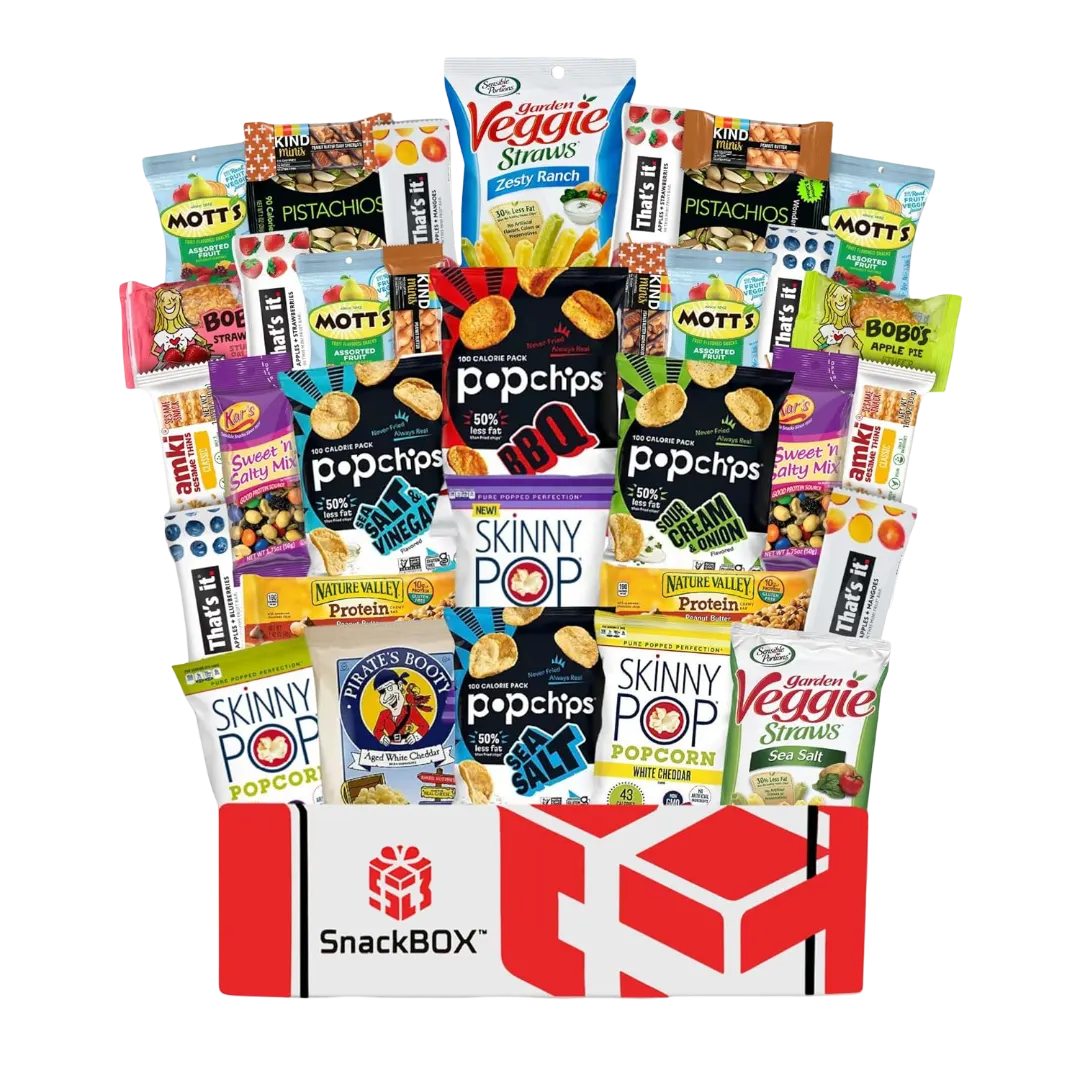
Snack BOX Gluten Free Healthy Care Package
This box is basically “emergency gluten-free social survival” in one package. It’s packed with individually wrapped snacks you can throw into your bag, keep at the office, bring to movie nights, or stash in your car so you don’t end up nibbling sad plain lettuce while everyone else has chips. Great for sharing, hosting, travel, or just living your best snack-gremlin life — gluten free.
3. Everyday Gluten-Free Snack Box Ideas for Work & School
Day-to-day life is where snack boxes quietly save you. A solid gluten-free snack plan keeps you from hitting the vending machine, getting stuck in back-to-back meetings without food, or having kids come home “starving” because there was nothing safe at school.
Simple Gluten-Free Snack Box Formulas for Adults
Use these plug-and-play combinations as a starting point and rotate based on what you have on hand:
- Protein + Crunch + Fruit
Example: cheese stick, a small pack of nuts (if tolerated), baby carrots, and grapes. - Yogurt Bowl To-Go
Example: individual yogurt labeled gluten free, gluten-free granola in a separate container, and berries. - “Mini Lunch” Snack Box
Example: gluten-free crackers, rolled deli turkey with cheese, cucumber rounds, and a small square of dark chocolate. - Hummus & Friends
Example: hummus cup, carrot sticks, bell pepper strips, and a side of rice crackers labeled gluten free.
Pack at least one box that’s more substantial than a light snack. On a chaotic day, that box becomes your backup meal.
Kid-Friendly Gluten-Free Snack Boxes
For kids, aim for familiar foods, fun colors, and easy-to-open containers. A few ideas:
- Build-Your-Own Stackers: gluten-free crackers, cheese squares, and rolled deli meat.
- Snacky Lunch: grapes, baby carrots, a yogurt tube (check label), and a small gluten-free cookie or bar.
- “Breakfast Anytime” Box: hard-boiled egg, gluten-free mini muffin, orange slices, and cucumber coins.
If your child’s classroom has shared snacks, consider sending a clearly labeled box of gluten-free backups the teacher can keep on hand, so your child always has something safe during celebrations or surprise treats.
Office & Locker Stash Ideas
In addition to your fresh snack box, keep a small stash of shelf-stable gluten-free items at work or in a school locker:
- Nut or seed packets
- Gluten-free snack bars
- Microwaveable gluten-free oatmeal cups (if you have access to hot water)
- Single-serve rice cakes or popcorn
- Shelf-stable cheese or tuna packs (if you like them)
Label your snacks so they don’t get borrowed by accident, and keep them in a dedicated “GF only” drawer or box to minimize cross-contact from shared food.
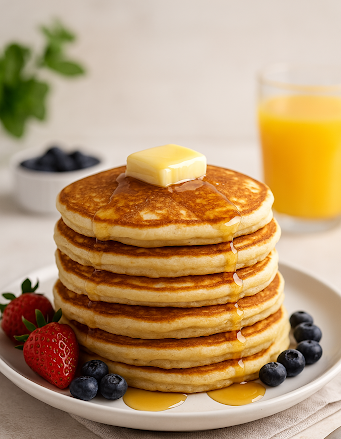
Recipe Inspiration
Try these gluten-free staples loved by thousands:


4. Travel-Friendly Gluten-Free Snack Boxes
Travel is where gluten free can get especially tricky: airports, gas stations, hotel breakfasts, conferences, and long days out exploring. A well-packed gluten-free snack box plus a few extra shelf-stable options can turn travel days from stressful to manageable.
Best Gluten-Free Snacks for Planes, Trains & Road Trips
Focus on items that don’t need refrigeration for several hours and can handle being jostled around:
- Gluten-free snack bars and protein bars
- Individual nut or seed packs
- Dry cereal or gluten-free granola in a small container
- Rice cakes or gluten-free crackers
- Whole fruit (apples, mandarins, grapes in a lidded container)
- Beef or turkey sticks labeled gluten free
- Shelf-stable hummus cups (great for road trips or trains)
If you’ll have access to a cooler or mini-fridge, you can add cheese sticks, hard-boiled eggs, yogurt, and cut veggies. Pack them in a dedicated container so they stay separate from any gluten-containing travel snacks your family might bring.
Airport & Hotel Survival Tips
Airports and hotels are improving but are still hit-or-miss for gluten-free eaters. A few strategies:
- Eat a solid meal before you leave so snacks are truly backup, not your only option.
- Carry at least one “full meal” snack box with enough protein and calories to hold you for several hours if needed.
- Use your hotel room as a base—pick up fresh fruit, yogurt, and any trusted gluten-free items at a nearby grocery store to refill your snack box daily.
- On longer trips, keep a small, sealed stash of gluten-free foods in your suitcase, separate from any gluten products family members might pack.
When you know you’ve got safe food on you, you’re free to enjoy the trip rather than spending your energy hunting for the one salad on the menu that might be okay.
Packing Gluten-Free Snack Boxes Safely
To keep things fresh and avoid a leaky-bag disaster:
- Use a small insulated bag with an ice pack for perishable foods.
- Place anything liquid or saucy (like dips, yogurt, dressings) in well-sealed containers inside a separate small bag.
- Keep gluten-free items in their own section if you’re also transporting gluten foods for others, so there’s no chance of crumbs slipping into your container.
A tiny bit of planning before you travel means much less scrambling once you’re on the road, in the air, or exploring a new city.
5. How to Make Snack Boxing a Simple Weekly Habit
The easiest way to stick with gluten-free snack boxes is to turn them into a repeatable routine—something you do almost on autopilot, like making coffee in the morning.
Step-by-Step Weekly Snack Box Routine
- Choose your “snack box day.” Many people like Sunday or whatever evening they’re already cooking for the week.
- Set out your containers. Line up a few bento boxes, small jars, and snack bags so you can pack assembly-line style.
- Prep your building blocks. Wash and chop veggies, portion nuts or seeds, boil eggs, cut cheese, and wash fruit.
- Assemble 2–4 grab-and-go boxes. Use the formula: protein + carb + color + fun. Vary each slightly so you don’t get bored.
- Restock your shelf-stable stash. Check your office, bag, car, or backpack and refill any gluten-free snacks you’ve used up.
Set a reminder on your phone at first—after a few weeks, it becomes just “what you do” to support your gluten-free life.
Labeling & Storage Tips
Especially in shared spaces, clear labeling helps keep your snacks safe:
- Use a small piece of tape or a label maker to mark containers “GF only.”
- In shared fridges, keep your boxes together in a dedicated bin or lunch bag.
- At home, consider a gluten-free shelf or drawer where only safe foods go.
These small systems reduce the mental load—you don’t have to double-check every container each time when you already know that space is your safe zone.
Adjusting Snack Boxes to Your Needs
Your ideal snack box might look different from someone else’s, and that’s okay. You might need more protein to feel full, more frequent small snacks, or options that are easy to eat while chasing kids or jumping between meetings. Use this guide as a menu, not a rulebook.
Over time, you’ll discover a handful of “house favorite” combinations you can practically pack with your eyes closed. When that happens, gluten-free snacking stops feeling like a daily puzzle and starts feeling—finally—easy.
Key Takeaways
- Gluten-free snack boxes act as a portable safety net, giving you reliable, satisfying options when gluten-filled food is everywhere.
- Use a simple formula—protein + carb + color + fun—to build balanced boxes for work, school, social events, and travel.
- Prioritize clearly labeled gluten-free products and dedicated containers to reduce cross-contact and decision fatigue.
- Keep a mix of fresh snack boxes and shelf-stable backups so you’re covered for busy days, surprise meetings, and long travel days.
- Turn snack boxing into a weekly habit so eating gluten free becomes easier, more predictable, and a lot less stressful.
Take the Next Step in Your Gluten-Free Journey
- Download the Free EGF Starter Guide
- Try our Gluten-Free Planner to simplify your week
- Explore our growing recipe library
You don’t have to navigate the gluten-free lifestyle alone, we are here to make it easier every day.
Category: Snacks & Meal Prep