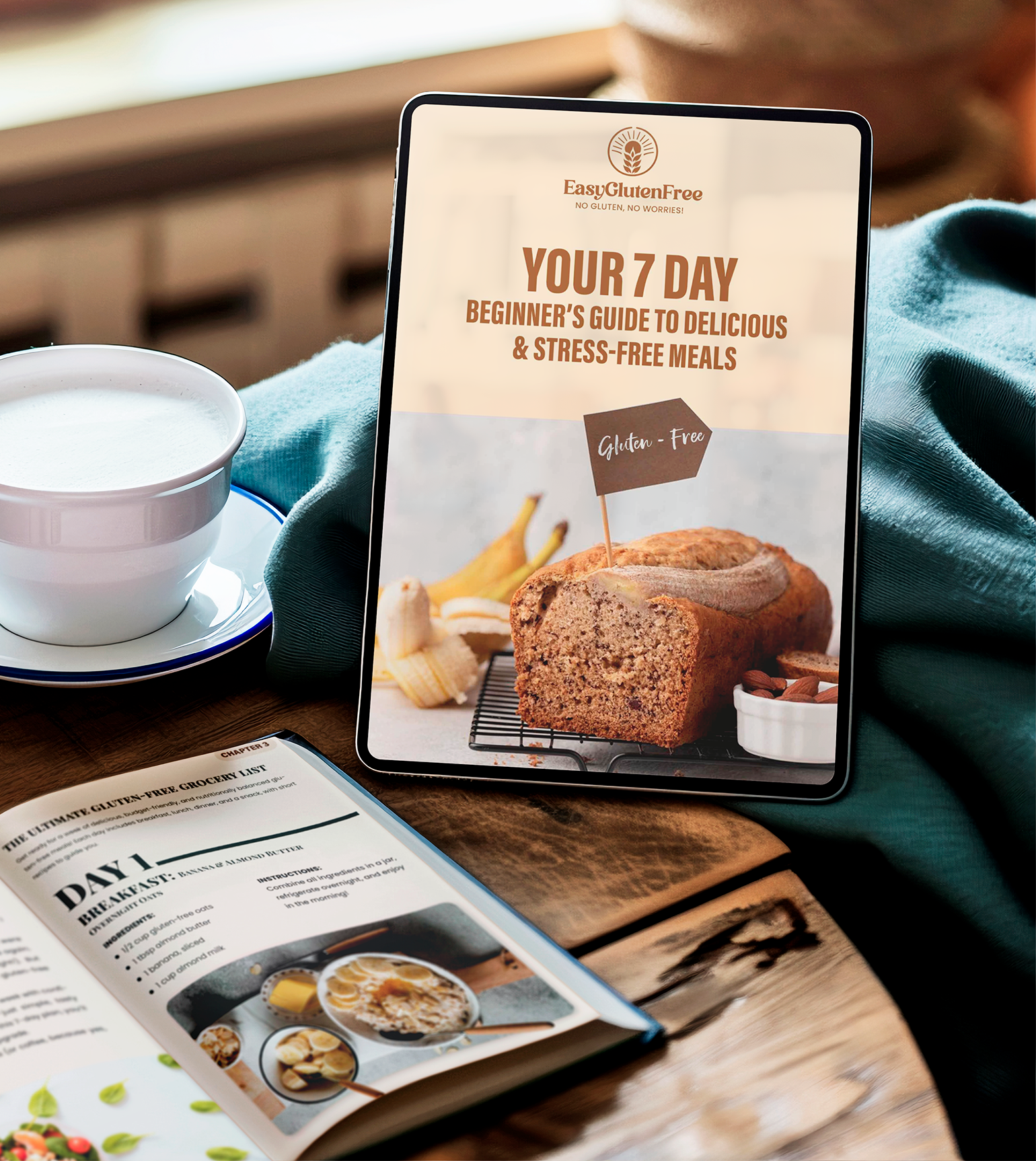
Download the Free Guide to Stress-Free Gluten-Free Lunch Packing

How to Pack Gluten-Free Lunches That Actually Get Eaten
Packing gluten-free lunches every day can feel like a full-time job: checking labels, avoiding cross-contact, and still trying to send something that won’t come back untouched. This guide walks you through how to pack safe, simple, and satisfying gluten-free lunches that travel well, taste good, and fit into a real-life schedule—not a Pinterest fantasy.
Download Our Free Gluten-Free Starter Guide
- 7-day meal plan
- shopping list
- Tips & 3 beginner-friendly recipes
Introduction
If you’re gluten-free, you already know that lunches are where things can go sideways fast. The office cafeteria, the school canteen, the airport snack bar—none of them were designed with cross-contact or hidden gluten in mind. That’s why packed lunches are one of the most powerful tools you have for staying safely and confidently gluten-free.
The good news? Gluten-free lunches do not have to be complicated, expensive, or sad. With a little upfront planning, the right containers, and a few go-to building blocks, you can create lunches that are safe, filling, and something you (or your kids) actually look forward to eating. Think color, texture, and variety—not just another dry sandwich on specialty bread.
In this guide, we’ll break down how to plan, prep, and pack gluten-free lunches that work for school, work, and busy days on the go. You’ll learn how to avoid the most common mistakes, how to keep food safe from cross-contact, and how to use tools like bento-style lunch boxes to stay organized and inspired all week long.
1. Understanding Gluten-Free Lunch Basics
Before you worry about cute lunch layouts or new recipes, it helps to be very clear on the foundations: what “gluten-free” really means for a packed lunch and where things commonly go wrong.
What “gluten-free” means in a lunchbox
Gluten is a protein found in wheat, barley, rye, and ingredients derived from them. For a gluten-free lunch, you’re aiming for two things:
- No gluten-containing ingredients in the food itself (obvious and hidden).
- No cross-contact from crumbs, shared utensils, or contaminated surfaces.
Obvious sources include regular bread, wraps, crackers, cookies, pasta, and battered or breaded foods. Hidden sources can show up in sauces, marinades, soup mixes, flavor packets, deli meats, and some snacks. Reading labels every time and sticking to certified or clearly labeled gluten-free products where possible makes daily packing a lot easier.
Common cross-contact risks when packing lunch
Even when the ingredients are gluten-free, cross-contact can undo your hard work. Watch out for:
- Shared cutting boards used for regular bread or pizza.
- Toasters and toaster bags that have seen regular bread.
- Crumb-filled counters where sandwiches were made.
- Shared butter, jam, or spreads that have been double-dipped with gluteny knives.
- Utensils or lunch tools used for both gluten and gluten-free foods without proper washing.
Designating gluten-free tools at home—like a specific cutting board, knife, and toaster solution—removes daily stress and makes the packing process much more streamlined.
Building a balanced gluten-free lunch
A satisfying gluten-free lunch includes a mix of protein, healthy fats, fiber, and color. Instead of thinking “What sandwich can I send?” try asking:
- What’s my protein? (eggs, beans, cheese, yogurt, meat, tofu, nuts or seeds if allowed)
- What’s my fiber or complex carb? (gluten-free whole grains, potatoes, fruit, veggies)
- What healthy fat am I including? (avocado, olive oil, nuts, seeds, cheese)
- Where’s the color and crunch? (raw veggies, fresh fruit, crunchy toppings)
This way, you’re not chasing specific recipes every day—you’re just plugging ingredients into a simple framework that can adjust to preferences and what’s already in your fridge.
Gluten-free lunch staples worth keeping on hand
Keeping a small set of reliable staples makes it much easier to throw together last-minute lunches. For example:
- Gluten-free crackers or crispbreads
- Cooked rice or quinoa stored in the fridge
- Hard-boiled eggs
- Pre-washed salad greens and baby carrots
- Gluten-free hummus or bean dips
- Cheese sticks, cubes, or shredded cheese
- Frozen gluten-free waffles (great as “bread”)
Rotating just a few of these through your week helps you avoid decision fatigue and keeps you from resorting to last-minute, less-safe options outside the home.
2. Containers, Tools, and Gear That Make Lunch Easier
The container you use can make or break your gluten-free lunch routine. A good setup keeps food fresh, prevents leaks, and makes it easier to separate gluten-free food from risky shared surfaces and snacks.
Why the right lunch box matters when you’re gluten-free
A dedicated, easy-to-clean lunch container is more than just a cute accessory—it’s a safety tool. When you consistently pack food in the same, clearly identified container, it’s easier for teachers, coworkers, and family members to recognize which food must stay gluten-free and untouched.
Look for containers that:
- Seal well to prevent leaks between compartments and into your bag.
- Have sections or spots for different food groups so flavors and textures stay separate.
- Are simple enough to open and close (especially important for kids).
- Wash easily—ideally top-rack dishwasher safe, or smooth surfaces with minimal crevices.
Bento-style systems are especially helpful because they encourage variety without needing lots of separate containers. One main box, multiple textures and flavors, and less chance of mixing crumbs or sauces where you don’t want them.
Helpful accessories for safer gluten-free lunches
Beyond the main lunch box, a few small accessories can really streamline your routine:
- Reusable silicone cups or dividers to keep crackers or cookies away from damp foods.
- Mini dip containers for hummus, ranch, or nut/seed butters (if allowed).
- Reusable utensils that always live in the lunch bag and don’t rely on shared cutlery.
- Ice packs to keep dairy, meats, and dips at safe temperatures until lunchtime.
- Labels or name tags to make sure the gluten-free lunch doesn’t get mixed up with others.
Keeping these washed and stored together—ideally in a “lunch box drawer” or bin—saves time each night and reduces the temptation to grab something that might not be fully safe.
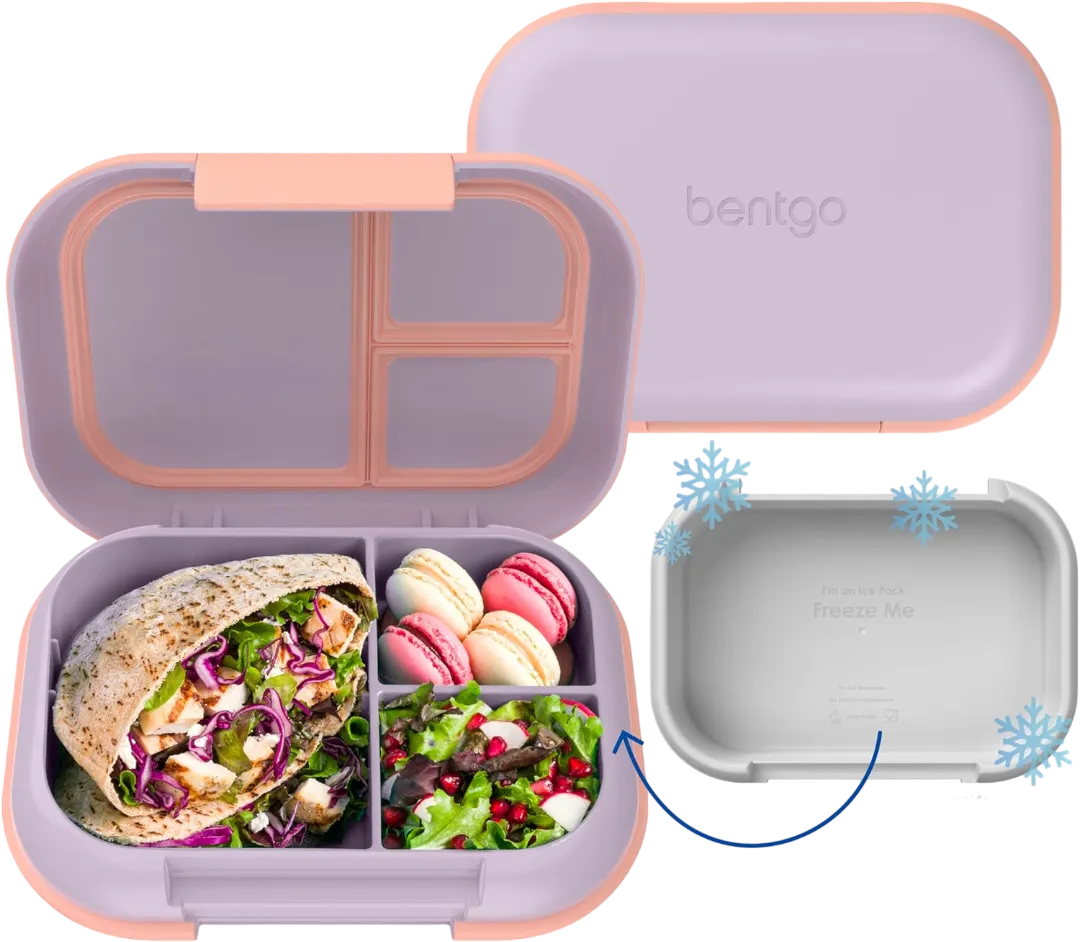
Bentgo Chill Max Lunch Box
it’s perfect for anyone who wants cute, organized, Instagram-able gluten-free lunches. The built-in ice pack keeps things fresh, the compartments are perfect for snacks, dips, and small portions, and it’s leak-proof (so your hummus doesn’t redecorate your tote bag). Ideal for school, work, picnics, travel days, or long study sessions.
3. Easy Gluten-Free Lunch Formulas You Can Mix and Match
You don’t need a brand-new recipe for every single lunch. In fact, most people rotate a handful of basic “formulas” and just swap in different ingredients. This is especially helpful when you’re gluten-free, because once you know a formula works, you can repeat it with confidence.
Formula 1: Snack box lunch
This is a favorite for kids and adults who like variety and grazing. Aim for “little bits of everything” and build around this pattern:
- Protein: cheese cubes, rolled deli meat (gluten-free), hard-boiled egg, or chickpeas.
- Crunch: gluten-free crackers, rice cakes, or crunchy chickpeas.
- Veggies: carrot sticks, cucumber rounds, sugar snap peas, bell pepper strips.
- Fruit: berries, apple slices, orange segments, grapes (cut for little ones).
- Dip or spread: hummus, yogurt dip, or guacamole in a small container.
This kind of lunch works beautifully in a compartment-style box, and it’s easy to adjust for changing tastes or what you have on hand.
Formula 2: Grain + protein bowl
If you prefer something more “meal-like,” try packing a simple bowl that can be eaten cold or at room temperature:
- Base: cooked rice, quinoa, buckwheat, or gluten-free pasta.
- Protein: grilled chicken, chickpeas, tofu, tuna salad, or leftover roast meat.
- Veg: roasted veggies, chopped salad mix, or raw crunchy vegetables.
- Extras: cheese, seeds, olives, or a drizzle of olive oil and lemon.
Pack dressing separately if you’re worried about things getting soggy. These bowls are perfect for using leftovers—just build tomorrow’s lunch while you’re putting away dinner.
Formula 3: Non-sandwich “sandwich” lunch
If gluten-free bread isn’t your favorite, you can still get the feeling of a sandwich without using actual bread:
- Use gluten-free waffles as the “bread” for nut-butter or cream cheese sandwiches (if allowed).
- Make cucumber or bell pepper “boats” filled with chicken or egg salad.
- Roll gluten-free deli meat around cheese sticks or veggies for simple roll-ups.
- Serve tuna, chicken, or bean salad with gluten-free crackers instead of inside a sandwich.
Pair any of these options with fruit and a veggie side, and you’ve got a full lunch without relying on bread.
Formula 4: Leftovers remix
Dinner leftovers are one of the most underrated gluten-free lunch shortcuts. Instead of sending a full repeat, remix them into something that feels new:
- Turn leftover roasted chicken into a chicken salad with mayo, celery, and grapes.
- Use extra tacos fillings over rice for a taco bowl (just check shells and seasonings are gluten-free).
- Slice leftover sausages and pair with gluten-free pasta salad and veggies.
- Transform roasted veggies into a cold salad with quinoa and a simple vinaigrette.
As you plan dinners, it can help to ask, “Could this become tomorrow’s lunch?” If the answer is yes, just make a little extra and portion lunch at the same time you plate dinner.
Recipe Inspiration
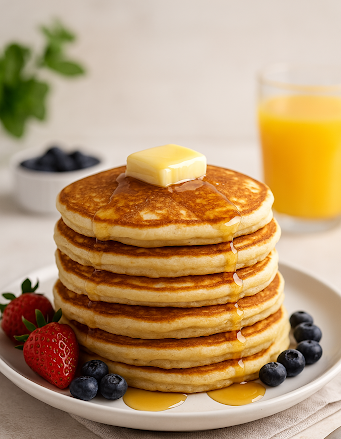
Try these gluten-free staples loved by thousands:


4. Time-Saving Prep Strategies for Busy Weeks
Consistent gluten-free lunches are much easier when you’re not starting from zero every single morning. A little prep at the beginning of the week can turn lunch packing into a quick assembly job instead of a daily puzzle.
Batch-prep building blocks, not full meals
Instead of trying to prep five complete lunches in one go, focus on preparing flexible components:
- Cook one or two gluten-free grains (like rice and quinoa).
- Roast a tray of mixed vegetables with olive oil and salt.
- Hard-boil a batch of eggs.
- Wash and cut sturdy veggies like carrots and peppers.
- Portion out gluten-free crackers or snack mixes into small containers.
These pieces can be mixed and matched into different formulas throughout the week, which keeps things from feeling repetitive while still saving time.
Make the fridge “lunch-friendly”
Try dedicating one shelf or bin in your fridge to lunch items only. Stock it with:
- Ready-to-grab fruit (like washed grapes or apples).
- Prepped veggies in clear containers.
- Proteins like cheese sticks, yogurt, and leftover chicken.
- Pre-portioned dips and dressings.
When it’s time to pack, you’re simply picking one or two items from each “category” bin rather than digging through the whole fridge.
Build a simple weekly lunch rotation
Decision fatigue is real, and it’s even more intense when you’re managing a gluten-free diet. A basic rotation can help:
- Monday: grain bowl + fruit.
- Tuesday: snack box + yogurt.
- Wednesday: leftovers remix + veggie sticks.
- Thursday: non-sandwich “sandwich” + fruit.
- Friday: fun or “treat” lunch—something a bit different using safe convenience foods.
You can still adjust specific ingredients based on cravings, but the overall structure is set, which cuts planning time way down.
Pack as you clean up dinner
One of the easiest ways to build a habit is to attach it to something you already do. Packing lunches right after dinner works well because:
- The kitchen is already in use, so you’re less likely to forget.
- Leftovers are right there, ready to portion.
- You only have to clean the kitchen once.
If mornings are hectic (and whose aren’t?), this one shift can turn lunch packing from stressful to automatic.
5. Troubleshooting Picky Eaters and Lunchtime Burnout
Even with the best system, you might still run into half-eaten lunches, food boredom, or kids who swear they “don’t like that anymore.” That doesn’t mean gluten-free lunches can’t work—it just means you may need a few extra tools.
Start with familiar favorites
If someone is newly gluten-free, this is not the time to overhaul everything at once. Start with the flavors and textures they already like, and simply swap in gluten-free versions where needed:
- Use a trusted gluten-free pasta in their favorite pasta salad.
- Find a gluten-free cracker similar to what they loved before.
- Keep favorite fruits and veggies in the rotation for comfort and familiarity.
Over time, you can gently introduce new options—one at a time—rather than reinventing lunch overnight.
Offer controlled choices
Choice can make kids (and adults) feel more in control of their food, which often leads to better eating. Try offering two gluten-free options for each category, like:
- “Do you want grapes or strawberries tomorrow?”
- “Rice bowl or snack box for lunch?”
- “Hummus or yogurt dip with your veggies?”
You’re still guiding the options, but they feel involved in the decision—and are more likely to eat what they chose.
Keep portions realistic
Sometimes lunches come home half eaten simply because the portions were too big or the variety was overwhelming. Start smaller and allow room for snacks before or after lunch if needed. For younger kids especially, a few well-chosen bites in each category can be more effective than a stuffed lunch box.
Rotate “fun” and comfort items
Including one small, reliably loved item—like a favorite gluten-free cookie, a mini muffin, or a fun-shaped cheese slice—can make the rest of the lunch more appealing. It sends the message that gluten-free doesn’t have to mean missing out, which is especially important if your child sees classmates eating different foods.
Check in and adjust as needs change
Tastes and routines change, especially across school years or seasons. Make a habit of checking in every so often:
- Ask what part of lunch they liked most and least.
- Look at what consistently comes home uneaten—it may be time to swap or reduce it.
- Invite them to help plan a “dream lunch” within gluten-free boundaries.
Small tweaks go a long way toward making lunches feel satisfying rather than repetitive—and when lunches actually get eaten, all your planning and gluten-free label reading really pays off.
Key Takeaways
- Safe gluten-free lunches depend on both gluten-free ingredients and careful avoidance of cross-contact when prepping and packing.
- Using a dedicated, compartment-style lunch container makes it easier to stay organized, keep food fresh, and protect gluten-free meals on the go.
- Leaning on simple formulas—like snack boxes, grain bowls, and leftover remixes—removes daily decision fatigue while keeping lunches varied.
- A bit of weekly prep and a basic lunch rotation can transform lunch packing from a stressful chore into a quick, repeatable routine.
- Staying flexible, offering choices, and regularly checking in about preferences helps reduce lunchbox battles and ensures gluten-free food actually gets eaten.
Take the Next Step in Your Gluten-Free Journey
- Download the Free EGF Starter Guide
- Try our Gluten-Free Planner to simplify your week
- Explore our growing recipe library
You don’t have to navigate the gluten-free lifestyle alone, we are here to make it easier every day.
Category: Lunch & Meal Prep