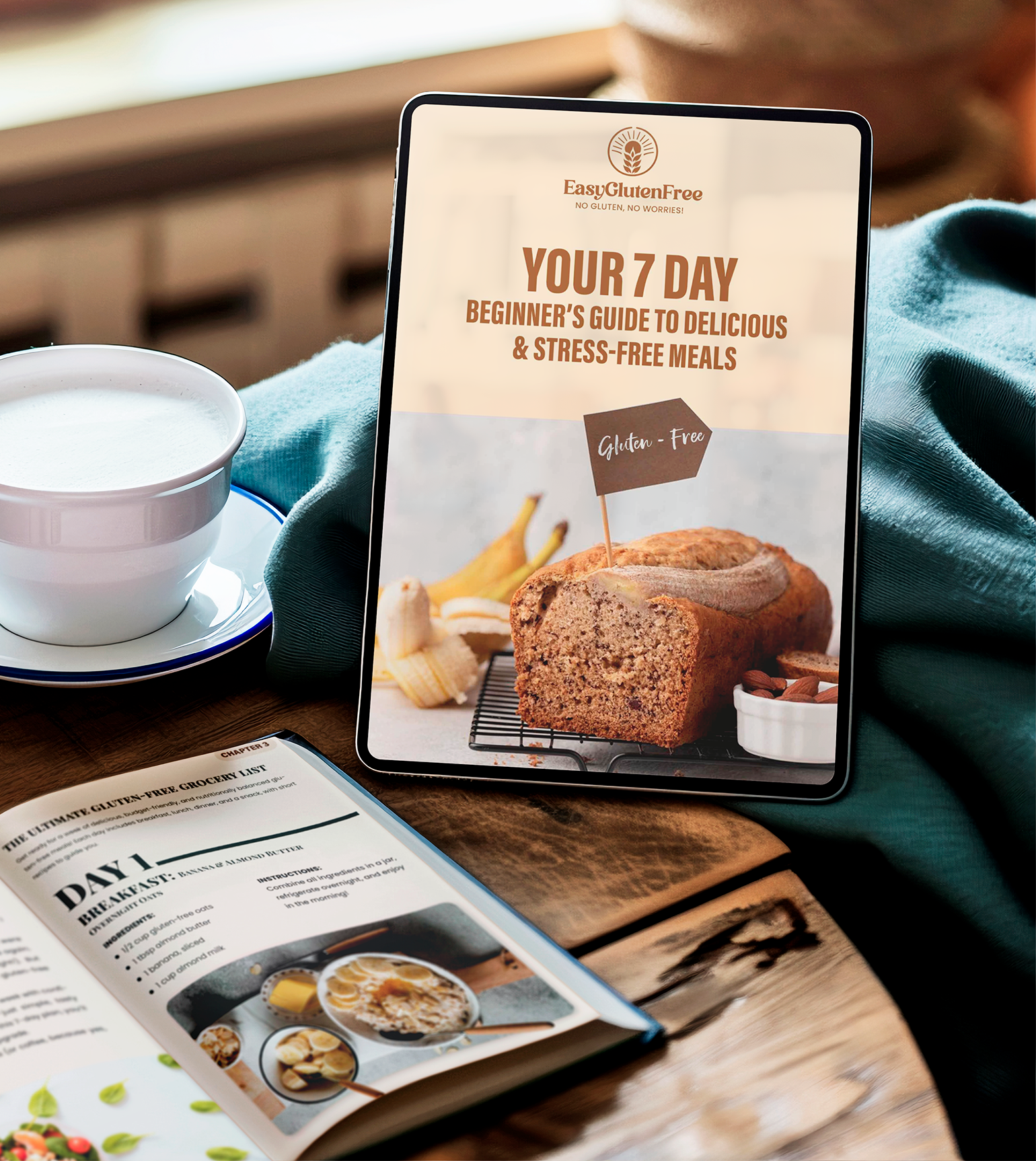
Download the Ultimate Gluten-Free Snack Survival Guide

Best Gluten-Free Snack Box Ideas for Travel, Work & Busy Days
Building a reliable gluten-free snack box can be the difference between feeling calm and prepared… or stuck with nothing but black coffee and envy at the office doughnuts. In this guide, you’ll learn how to stock a gluten-free snack box for work, school, travel, and emergencies so you’re never left hungry or guessing what’s safe.
Download Our Free Gluten-Free Starter Guide
- 7-day meal plan
- shopping list
- Tips & 3 beginner-friendly recipes
Introduction
If you live gluten free, you quickly learn that “I’ll just grab something when I’m out” is… risky at best. Between hidden gluten, shared fryers, and limited options, a simple errand run or workday can turn into a stressful scavenger hunt for something safe to eat.
That’s where a well-planned gluten-free snack box comes in. Think of it as your portable safety net: a small stash of reliable snacks that travels with you to the office, school, airplanes, road trips, and social events. Instead of scrambling, you simply open your box and choose something you already know works for you.
In this article, we’ll walk through how to build a gluten-free snack box that fits your lifestyle, how to read labels with confidence, and how to keep things interesting so you don’t get bored. We’ll also look at a ready-made option if you want something fast and done-for-you. By the end, you’ll have a repeatable system for staying prepared—without spending hours in the snack aisle.
1. Why a Gluten-Free Snack Box Is a Lifesaver
A dedicated gluten-free snack box isn’t just a cute idea from Pinterest—it’s practical, stress-reducing, and genuinely life-improving when you can’t rely on food being available or safe.
It reduces decision fatigue
When you’re hungry, tired, traveling, or stuck in a long meeting, the last thing you want is to mentally run through every possible cross-contact scenario. With a stocked snack box, the decisions are already made. You’ve vetted these snacks, you know how your body responds to them, and you can just eat.
It’s perfect for “everyone else is eating” moments
You probably know those scenes all too well: office birthday cake, pizza in the conference room, snacks at book club, a long flight where everyone else gets pretzels. Having your own snacks on hand means you can still participate and enjoy something, instead of feeling like the odd one out with an empty plate.
It helps you avoid risky last-minute choices
Hunger can make even the most careful person think, “Maybe that’s fine just this once.” Your snack box gives you a safe alternative so you’re not tempted by questionable chips, mystery dips, or something from a shared fryer.
It works in multiple scenarios
Once you build the habit, you may want more than one snack box:
- Work snack box – Lives in your desk or locker.
- Car snack box – For errands, kids’ activities, and surprise traffic.
- Travel snack kit – So flights, layovers, and hotel stays are less stressful.
- Home “emergency” bin – For days when cooking simply isn’t happening.
You can keep the same basic structure for all of them, then tweak the specifics based on how often you access the box and what kind of storage you have (fridge access vs. shelf only, no-melt vs. chocolate allowed, and so on).
What makes a good gluten-free snack box?
Every gluten-free snack box is personal, but there are some qualities that most people find helpful:
- Individually wrapped items that don’t rely on shared surfaces.
- Clearly labeled gluten-free products whenever possible.
- Mix of macros – some carbs for energy, some protein and fat to keep you full.
- Shelf-stable for several weeks or more.
- Portable – easy to toss in a bag, backpack, or carry-on.
In the next section, we’ll look at one ready-to-go option that checks many of those boxes if you’d rather start with something pre-packed and build from there.
2. Store-Bought Gluten-Free Snack Box Option
If you’re just starting out or don’t have the time (or energy) to curate your own variety of snacks right away, a pre-assembled snack box can be a helpful shortcut. It gives you a wide selection in one order, and you can quickly figure out which items you love enough to rebuy individually.
Many people like using a ready-made box as a “starter kit,” then building their personalized version from there based on taste preferences, dietary needs, and how their body responds to different ingredients.
The option below is an example of a snack box that’s popular for busy days, social events, and travel. Always remember to read ingredient labels yourself before eating, as formulations and facility practices can change over time.
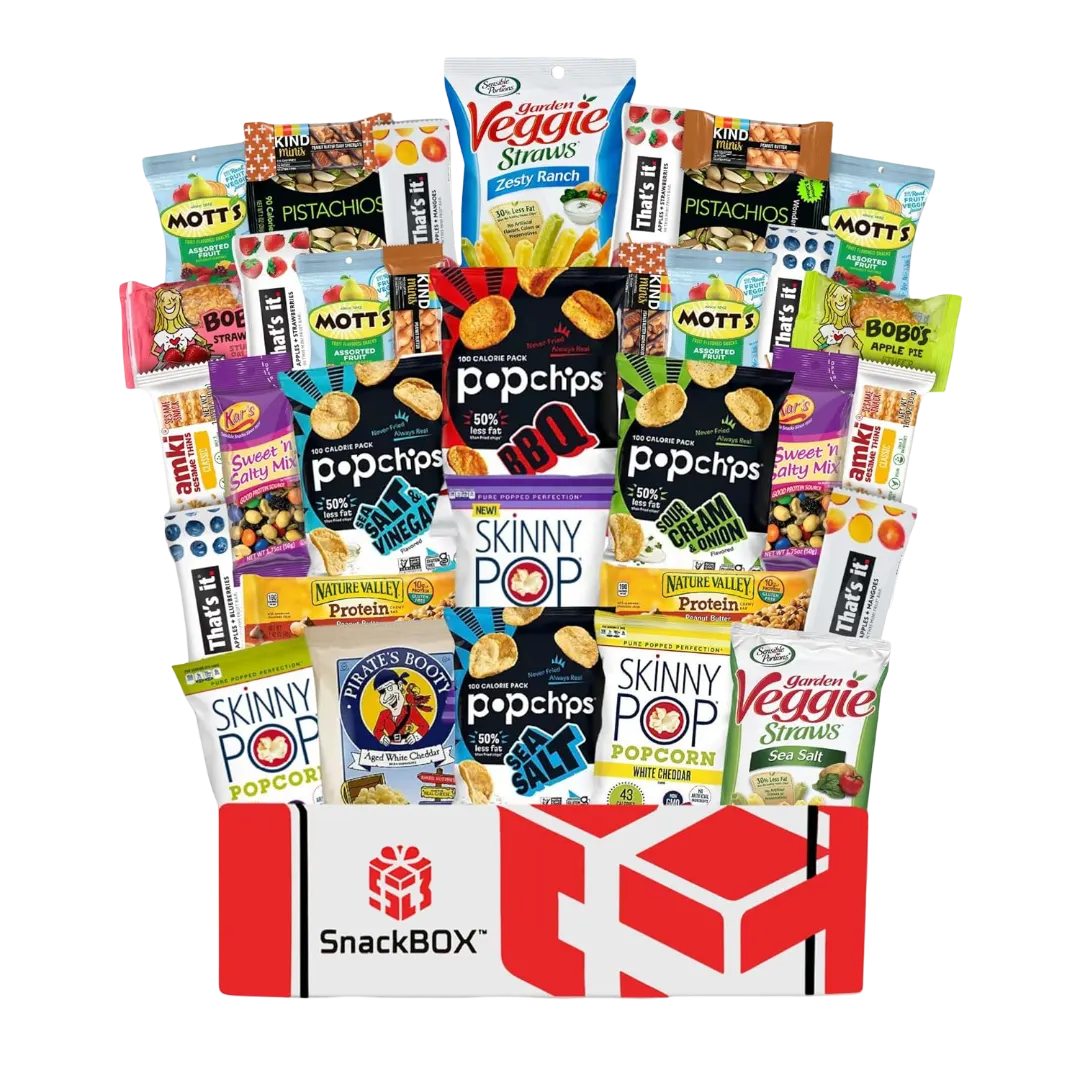
Snack BOX Gluten Free Healthy Care Package
This box is basically “emergency gluten-free social survival” in one package. It’s packed with individually wrapped snacks you can throw into your bag, keep at the office, bring to movie nights, or stash in your car so you don’t end up nibbling sad plain lettuce while everyone else has chips. Great for sharing, hosting, travel, or just living your best snack-gremlin life — gluten free.
3. Building Your Own Gluten-Free Snack Box
Once you’ve seen what a curated snack box looks like, it’s easier to design your own. The goal is not perfection; it’s to have enough safe, appealing options that you don’t end up stuck.
Step 1: Choose your container
Your container doesn’t need to be fancy. Pick something that fits your space and lifestyle:
- For work: a small plastic bin, shoebox-sized organizer, or drawer divider.
- For the car: a lidded container that can handle heat and won’t spill.
- For travel: a zip pouch, reusable food bag, or small lunchbox.
- For home: a dedicated basket so everyone knows “this is the gluten-free zone.”
If cross-contact is an issue in your household, opt for a container with a lid, label it clearly, and store it away from gluten-containing foods.
Step 2: Decide on your “snack categories”
To keep things balanced, build your box around a few simple categories. For example:
- Crunchy carbs: crackers, chips, pretzels, popcorn, rice cakes.
- Protein-focused: nut packs, seed mixes, jerky, shelf-stable cheese snacks (if tolerated).
- Sweeter options: bars, cookies, dried fruit, dark chocolate.
- Real-food basics: apples, clementines, bananas, carrot sticks (for short-term boxes).
You don’t need all of these categories in every box, but aiming for at least three types helps prevent “snack burnout.”
Step 3: Pick individually packaged staples
Individually wrapped snacks are especially helpful for:
- Workplaces where shared food surfaces may not be gluten free.
- Travel, especially if you’re in and out of bags and security checks.
- Social events where gluten-containing foods are on the same table.
Look for certified gluten-free options when possible, and always double-check labels for any gluten-containing grains or “may contain” statements that matter for your level of sensitivity.
Step 4: Add some “mini meals”
A great snack box doesn’t just cover you between meals—it can also rescue you when a full meal falls through. Include a few things that can stand in as a light meal if needed, for example:
- Higher-protein bars that actually keep you full.
- Snack packs with nuts plus dried fruit.
- Shelf-stable items you can pair with something easily found, like plain yogurt or fruit.
This way, if a planned gluten-free option disappears (hello, catered lunch that “forgot” you), you still have enough to get by until you can access a proper meal.
Step 5: Personalize for your needs
Every gluten-free body is different. When selecting items for your box, consider:
- Other dietary needs: dairy-free, nut-free, low-FODMAP, or soy-free, if relevant.
- Energy level: Do you need quick, light snacks or more substantial options?
- Texture preferences: crunchy, chewy, soft—snacks you actually look forward to.
- Kids vs. adults: Slightly different flavors and portion sizes can help everyone feel included.
Start small, with 5–8 different types of snacks. You can always rotate items in and out over time until you find your ideal mix.
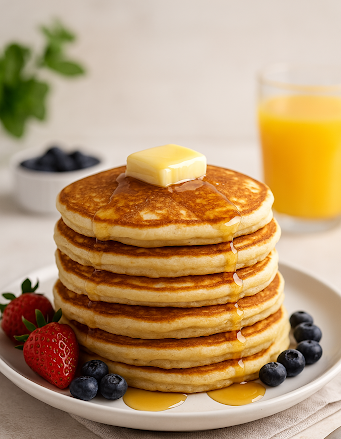
Recipe Inspiration
Try these gluten-free staples loved by thousands:


4. Label-Reading Tips for Safer Snacking
Even with a snack box system in place, label-reading is still non-negotiable. Ingredients and manufacturing practices can change, and different countries follow different labeling rules. A quick check before you restock or open a new package can save a lot of stress later.
Know the obvious gluten sources
When you scan a label, keep an eye out for:
- Wheat
- Barley (often in malt, malt flavoring, malt extract)
- Rye
- Triticale (a wheat–rye hybrid)
In many regions, wheat must be declared clearly in the allergen statement, but barley and rye may not be highlighted in the same way—so it’s worth reading the full ingredient list.
Watch for “mystery” ingredients
Certain ingredients are red flags that require a closer look, such as:
- Malt flavoring or malt vinegar (usually from barley).
- Modified food starch (source matters by country).
- Natural flavors when used in savory items that might contain malt-based seasonings.
If a product doesn’t specify the source and you can’t find clarity from the brand, it may be safer to choose a different option.
Certified vs. labeled gluten-free
Some packages say “gluten free” as a marketing claim, while others carry a certification mark from an independent organization. Depending on your individual needs and sensitivity level, one might feel more comfortable than the other.
No matter how something is labeled, it’s still smart to:
- Read the full ingredient list.
- Note any “may contain” or “processed in a facility with” statements that matter to you.
- Check the brand’s website for updated allergy information if you’re unsure.
Re-check familiar products periodically
Just because an item has been safe for years doesn’t mean it will stay that way forever. Manufacturers can switch suppliers, reformulate recipes, or change facilities.
Make it a habit to glance at the label when you:
- Open a newly purchased box, even if you’ve bought it many times before.
- Notice updated packaging or a “new recipe” note.
- Buy the product in a different country or from a different retailer.
Over time this becomes quick and automatic—a few seconds of checking in exchange for a lot of peace of mind.
5. How to Keep Your Snack Box Stocked & Interesting
The best gluten-free snack box is the one you actually use. That means keeping it both stocked and appealing, not just filled with random leftovers you don’t really enjoy.
Create a simple refill routine
Treat your snack box like a pantry mini-project with its own rhythm. Some ideas:
- Weekly check-in: Pick a day to quickly count what’s left and note what needs refilling.
- Use a running list: Keep a note on your phone for “snack box staples” so you can add items to your grocery list in seconds.
- Buy in small bulk: If you find something you love, grab a multi-pack and store extras in one spot at home for easy restocking.
Rotate flavors and textures
Snack fatigue is real. If your box always holds the exact same things, you’re more likely to wander toward whatever everyone else is having. Try rotating:
- Salty vs. sweet options depending on your current cravings.
- Crunchy vs. soft snacks to give your mouth some variety.
- Seasonal flavors – like cinnamon in winter or citrusy treats in warmer months.
You don’t have to overhaul everything at once; just swap one or two items each time you restock.
Keep a “trial zone” at home
Instead of filling your work or travel snack box with brand-new products, test them at home first. That way, if something doesn’t agree with you or you just don’t enjoy it, it never ends up taking up precious space in your portable stash.
Once a snack earns “repeat buy” status, you can confidently add it to your snack box rotation.
Use your box intentionally
It’s tempting to treat your snack box as a last resort only, but using it regularly helps you remember what’s inside and what needs refilling. You might decide to:
- Grab something from your box whenever there’s a surprise office treat you can’t eat.
- Use it during long afternoons between meals instead of relying on vending machines.
- Bring a few items to social events so you know you’ll have at least one safe option.
Over time, you’ll get better at predicting what you actually reach for, making your snack box more and more tailored to your real life—not an idealized version of it.
Give yourself permission to prioritize ease
Living gluten free already asks a lot from you in terms of vigilance and planning. Your snack box is allowed to be easy. It doesn’t have to be perfect, homemade, or “clean” by anyone else’s standards. It just needs to be safe for you, satisfying, and ready when you need it.
Whether you start with a pre-assembled box, build your own from scratch, or mix both approaches, you’re investing in less stress and more freedom. That’s a win in any gluten-free journey.
Key Takeaways
- A gluten-free snack box is a simple way to stay prepared at work, in the car, while traveling, and during social events.
- Pre-assembled snack boxes can be a helpful starting point, especially when you’re short on time or new to gluten-free living.
- When building your own box, focus on individually wrapped, clearly labeled snacks with a mix of carbs, protein, and fat.
- Consistent label-reading—especially for ingredients like wheat, barley, and malt—helps you keep your snack box as safe as possible.
- Regularly restocking and rotating flavors keeps your snack box interesting, so you actually use and enjoy it.
Take the Next Step in Your Gluten-Free Journey
- Download the Free EGF Starter Guide
- Try our Gluten-Free Planner to simplify your week
- Explore our growing recipe library
You don’t have to navigate the gluten-free lifestyle alone, we are here to make it easier every day.
Category: Gluten-Free Living