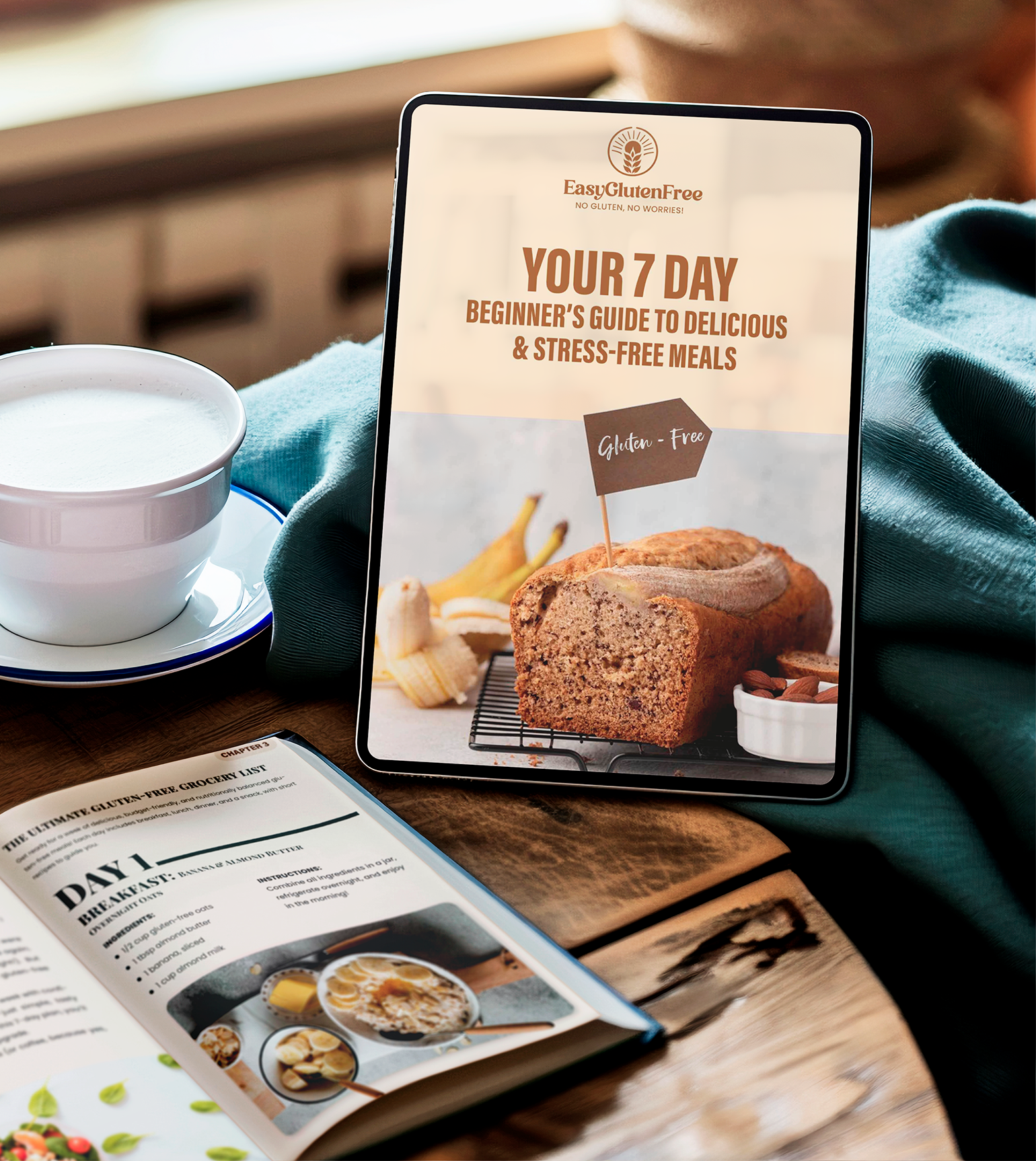
Pack Stress‑Free Gluten-Free Lunches with Our Free Guide

Gluten-Free Lunch Box Ideas: Easy, Safe & Actually Satisfying
Running out of gluten-free lunch box ideas is completely normal—especially when you’re juggling school, work, activities, and trying not to live on rice cakes. This guide walks you through simple, real-life gluten-free lunch ideas, how to build a balanced box without gluten, and smart tools that make packing safer, faster, and more fun.
Download Our Free Gluten-Free Starter Guide
- 7-day meal plan
- shopping list
- Tips & 3 beginner-friendly recipes
Introduction
When you’re gluten-free, the lunch box can quickly feel like enemy territory. Crumbs everywhere, mystery sauces, and “Oh, I didn’t realize that had wheat in it” moments are exhausting. Whether you’re packing for yourself, a child with celiac, or a gluten-free teen who’s constantly on the go, you need options that are safe, filling, and not embarrassingly boring.
The good news: gluten-free lunch box ideas don’t have to be complicated or expensive. With a little structure, a few pantry staples, and smart containers, you can mix and match ingredients into lunches that feel more like tiny picnics than sad desk meals. Think build-your-own snack boxes, DIY “Lunchables,” hearty salads, and leftovers that actually reheat well.
This guide will walk you through how to plan gluten-free lunches, avoid common cross-contact pitfalls, and keep things fresh and organized. You’ll get specific lunch box combinations, make-ahead tips, and practical advice for school, work, and travel days—so packing a gluten-free lunch becomes one of the easiest parts of your day.
1. Gluten-Free Lunch Box Basics: What to Know Before You Pack
Before you start brainstorming cute gluten-free lunch box ideas, it helps to nail the basics: what “gluten-free” really means for your lunch, how to avoid cross-contact, and how to build a meal that actually keeps you full until dinner.
What “gluten-free” means in a lunch box setting
In a perfect world, simply removing the bread would make a lunch gluten-free—but you and I both know it’s not that simple. Gluten can hide in sauces, marinades, processed meats, and those “healthy” snack bars in pretty packaging. When packing lunches:
- Always read labels on deli meats, dressings, crackers, snack packs, and bars. Look for certified gluten-free where possible.
- Watch out for shared equipment in your own kitchen (toasters, wooden boards, colanders for pasta, etc.).
- Be wary of bulk bins—scoops and bins are often shared with gluten-containing items.
Cross-contact: the invisible lunch box problem
Cross-contact happens when gluten-free food touches gluten, or shared surfaces and utensils. In lunch boxes, common culprits include:
- Crumbs from regular bread getting onto fruit, cheese, or gluten-free crackers.
- Shared tubs of hummus, peanut butter, or jam that have been “double-dipped” with gluteny bread.
- Cutting gluten-free sandwiches on the same board used for regular bread.
To lower the risk:
- Keep a dedicated gluten-free cutting board, knife, and toaster if someone else in the house eats gluten.
- Pre-portion dips, spreads, and condiments into small containers instead of using shared jars.
- Wash lunch containers, lids, and utensils thoroughly—especially seals and corners where crumbs can hide.
How to build a balanced gluten-free lunch box
Whether it’s for school or work, the same formula works beautifully for gluten-free lunches:
- Protein: grilled chicken, hard-boiled eggs, tuna or chickpea salad, cheese, Greek yogurt, tofu, beans.
- Gluten-free carbs: rice, quinoa, potatoes, corn tortillas, gluten-free bread or wraps, certified gluten-free crackers.
- Healthy fats: avocado, nuts, seeds, cheese, olive-based dressings, nut or seed butter.
- Colorful produce: cut veggies, salad, fruit slices, berries, or a simple slaw.
Think of your lunch box as a mini tasting board. If you’ve got at least one item from each of these buckets, you’re in great shape—and less likely to end up starving at 3 p.m. and raiding the nearest vending machine.
Stocking a gluten-free lunch “capsule pantry”
Having a small go-to list of staples makes packing much easier. Rotate through:
- Certified gluten-free crackers and rice cakes
- Canned tuna, beans, or chickpeas
- Single-serve hummus or guacamole cups
- Pre-washed salad greens and baby carrots
- Microwaveable rice or quinoa cups (for office or dorm)
- Gluten-free granola or trail mix (check labels for barley malt)
Mix and match these with fresh items and leftovers, and you’ll never start a week staring blankly into the fridge.
2. Smart Gluten-Free Lunch Box Gear & Containers
The right container can turn “random fridge food” into a satisfying gluten-free lunch box that feels intentional and fun. Good gear also helps you avoid cross-contact, keep foods at safe temperatures, and prevent your salad dressing from leaking onto everything you own.
What to look for in gluten-free-friendly lunch gear
You don’t need fancy equipment, but a few thoughtful features make a big difference when you’re gluten-free:
- Separate compartments: ideal for keeping crackers away from moist foods and protecting gluten-free items from any questionable shared snacks at school or work.
- Leak-proof design: especially important if you’re using gluten-free sauces, soups, or dressings.
- Easy to clean: fewer nooks and crannies means fewer places for old crumbs to hide.
- Chilled options: built-in ice packs or insulated walls are great when you pack dairy, meat, or egg-based salads.
Dedicated gluten-free containers
If you live in a mixed gluten/gluten-free household, consider having containers that are used only for gluten-free meals. This is especially helpful for kids with celiac who might share table space with classmates eating regular sandwiches and snacks.
Label them clearly, and try to keep them stored separately from containers used for gluten foods. This small step can significantly reduce stress in busy mornings.
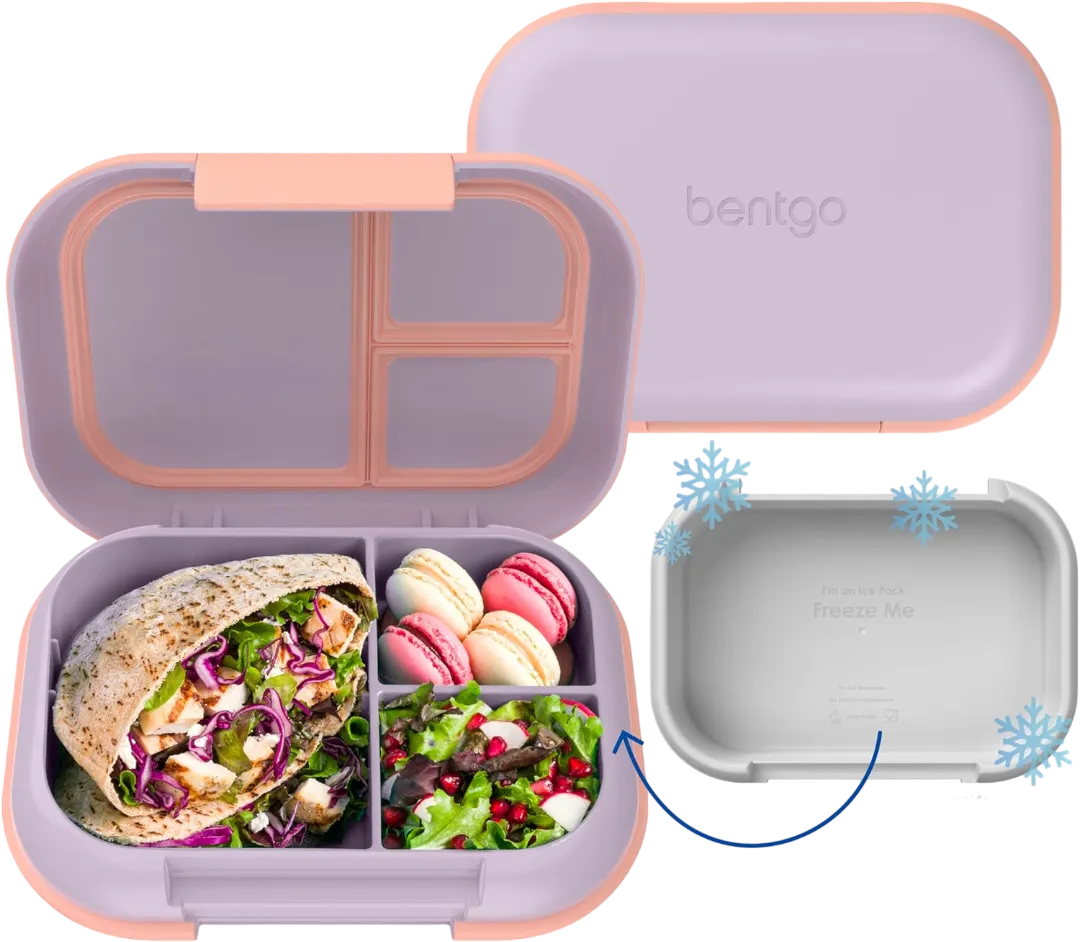
Bentgo Chill Max Lunch Box
it’s perfect for anyone who wants cute, organized, Instagram-able gluten-free lunches. The built-in ice pack keeps things fresh, the compartments are perfect for snacks, dips, and small portions, and it’s leak-proof (so your hummus doesn’t redecorate your tote bag). Ideal for school, work, picnics, travel days, or long study sessions.
3. Easy Gluten-Free Lunch Box Ideas by Type
Once you’ve got safe ingredients and a good container, it’s time for the fun part: building actual gluten-free lunches that people are excited to eat. Use these ideas as mix-and-match templates rather than strict recipes.
Snack-style “adult Lunchables”
Snack boxes are quick to assemble and endlessly customizable. Combine:
- Protein: turkey or chicken slices, hard-boiled eggs, mini cheese rounds, hummus, or roasted chickpeas.
- Gluten-free crunch: certified gluten-free crackers, rice crackers, or seed crackers.
- Veggies: cucumber rounds, cherry tomatoes, baby carrots, bell pepper strips, snap peas.
- Fruit: grapes, apple slices (tossed in lemon to prevent browning), clementines, or berries.
- Extras: a small square of dark chocolate, a handful of nuts, or a dip like tzatziki or guac.
These work well for kids too—just cut foods into smaller pieces and make sure nuts are allowed at school.
Gluten-free wraps & roll-ups
Wraps are a nice change from sandwiches and can be made with:
- Corn tortillas (check label for gluten-free)
- Gluten-free wraps or flatbreads
- Large lettuce leaves for lettuce wraps
Filling ideas:
- Chicken club wrap: sliced chicken, lettuce, tomato, cheese, and a gluten-free ranch or mayo.
- Mediterranean wrap: hummus, cucumber, tomato, olives, and feta (or dairy-free cheese).
- Turkey & apple: turkey slices, thin apple slices, cheese, and a swipe of mustard.
To prevent sogginess, keep wetter fillings (like tomato or salsa) in a separate compartment and add at lunchtime if possible.
Hearty salad bowls
Salads travel well if you keep the dressing separate until you’re ready to eat. Start with a base:
- Mixed greens, spinach, or chopped romaine
- Or a grain base like rice or quinoa (ensure certified gluten-free)
Add toppings:
- Protein: grilled chicken, salmon, tuna, boiled eggs, beans, tofu, or lentils.
- Crunch: seeds, nuts, gluten-free croutons, or roasted chickpeas.
- Flavor boosters: olives, pickled onions, cheese, fresh herbs, or dried cranberries.
Keep a small container of gluten-free dressing on the side. Mason jar salads or compartment-style boxes work beautifully here.
Leftovers reimagined
Leftovers are a gluten-free lunch box hero. When you’re making dinner, simply cook an extra portion and pack it straight into a container for the next day.
Some leftover-friendly ideas:
- Rice bowls with chicken, veggies, and a gluten-free sauce
- Gluten-free pasta salad with veggies and vinaigrette
- Roasted potatoes with sausage and green beans
- Chili, soups, or stews (if you’ll have access to a microwave)
Label containers clearly so you’re not playing “mystery fridge item” at 7 a.m.
Sweet-but-balanced lunch boxes
For days when you’re craving something lighter and a little sweet, try building your box around yogurt or oats:
- Base: Greek yogurt or a dairy-free alternative, or cold overnight oats made with certified gluten-free oats.
- Mix-ins: fresh berries, banana slices, cinnamon, nut or seed butter, or a drizzle of maple syrup.
- Crunch: gluten-free granola, nuts, or seeds packed separately to stay crunchy.
- Sides: veggie sticks with hummus, a boiled egg, or a small cheese portion for added protein.
This style works well when you’re packing something more like a brunch or when appetite is lighter but you still need staying power.
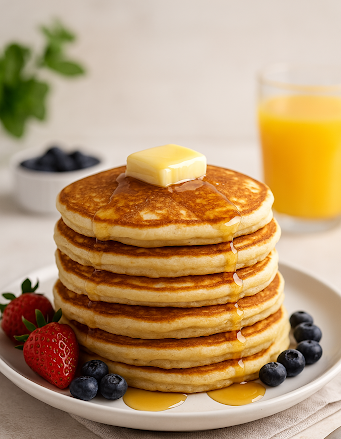
Recipe Inspiration
Try these gluten-free staples loved by thousands:


4. Make-Ahead & Meal Prep Tips for Busy Weeks
Gluten-free lunch box ideas are much easier to execute when you’re not starting from zero every single morning. A little prep—truly, even 30–45 minutes—can set you up for several low-stress days.
Batch-prep your building blocks
Instead of prepping full lunches, focus on components you can reuse:
- Cook a big batch of rice or quinoa to use in bowls and salads.
- Roast a tray of mixed veggies (broccoli, carrots, zucchini, peppers) with olive oil, salt, and pepper.
- Grill, roast, or sauté chicken breasts or thighs, then slice or shred.
- Hard-boil a dozen eggs for easy add-on protein.
- Wash and cut sturdy veggies like carrots, celery, cucumber, and bell pepper.
Store each component in its own container and mix and match through the week.
Pre-portion snacks and sides
Pre-portioning saves time and helps you avoid accidentally grabbing a gluten-containing item when you’re half-awake:
- Fill small containers or bags with gluten-free crackers or trail mix.
- Portion hummus, guacamole, or yogurt into single-serve containers.
- Make fruit cups with washed grapes or cut melon.
Label items “GF” if you share a household with gluten-eaters, so everyone knows what’s safe.
Use a lunch planning template
Instead of reinventing lunches every day, repeat a simple structure. For example:
- Monday: snack box + fruit
- Tuesday: salad bowl + crackers
- Wednesday: wrap + veggie sticks
- Thursday: leftovers + yogurt
- Friday: “fun” box with a mini dessert
Write your plan down once for the week, then pack according to the template. This keeps decision fatigue low and still gives space for variety.
Keep a “back-up lunch” ready
Life happens. A container leaks, someone eats your labeled leftovers, or you just can’t bring yourself to chop one more vegetable. Having a shelf-stable back-up lunch can save you from scrambling for safe food.
Ideas for a quick emergency lunch stashed at work, in a dorm, or at home:
- Microwaveable gluten-free rice cup + canned beans + shelf-stable salsa
- Packets of tuna or chicken + gluten-free crackers + nuts
- Gluten-free instant soup (check carefully for barley or wheat)
It doesn’t have to be gourmet—just safe, filling, and ready when you need it.
5. FAQs: School, Work, and On-the-Go Gluten-Free Lunches
Gluten-free lunch box logistics can look different depending on where you’re eating and who’s in charge of the kitchen. These common questions come up again and again.
How can I keep a gluten-free lunch safe at school?
For kids or teens, communication and routine help a lot:
- Talk with teachers or school staff about the importance of not sharing food.
- Use clearly labeled, easy-to-recognize containers so your child knows which lunch is theirs.
- Pack enough food so they’re not tempted to nibble on a friend’s gluten-containing snacks.
- Include simple, familiar options they actually like—now isn’t the time to experiment with five unfamiliar veggies in one box.
What about shared fridges or break rooms at work?
Shared spaces can be messy, but there are ways to keep things safer:
- Store your lunch in a sealed container and, if possible, inside a lunch bag.
- Keep your own set of utensils at your desk or in your bag.
- Wipe microwave handles and surfaces before use, and cover your food while heating.
- If the office occasionally brings in lunch, ask in advance about gluten-free options or bring your own backup meal.
Can I travel with gluten-free lunches?
Absolutely. In fact, for road trips, flights, or long appointments, packing your own gluten-free lunch box can be the difference between eating well and going hungry.
For travel days, focus on:
- Items that are safe at room temperature for several hours (hard cheeses, nuts, firm fruit, veggie sticks, gluten-free crackers, roasted chickpeas).
- Leak-proof containers, especially if you’re flying or tossing your bag in a car trunk.
- A mix of protein, carbs, and fat so you stay full even if your schedule changes.
How do I add variety without getting overwhelmed?
Instead of changing everything, rotate just one or two elements at a time:
- Keep your favorite protein the same, but change the carbs and veggies.
- Use the same base (rice bowl, salad, snack box) and swap toppings or sauces.
- Have 3–5 “default” lunches you know work, and sprinkle in a new idea every week or two.
Consistency is not boring when the food is tasty and safe—it’s comforting and efficient.
What if I’m still feeling stuck?
If gluten-free lunch box ideas feel overwhelming right now, start as small as possible. Pick one go-to snack box and one go-to leftover-style lunch and repeat them for a week. As that becomes easy, layer in new ingredients, flavors, and containers. Progress is more important than perfection here.
Key Takeaways
- Safe gluten-free lunch boxes start with understanding cross-contact and using clearly dedicated tools and containers.
- Use a simple formula of protein, gluten-free carbs, healthy fats, and produce to build balanced, satisfying lunches.
- Snack boxes, wraps, salads, leftovers, and yogurt or oat-based options offer endless gluten-free lunch box variety.
- Light meal prep—batch-cooking components and pre-portioning snacks—makes weekday packing much faster and less stressful.
- Planning ahead for school, work, and travel with go-to gluten-free options helps you stay safe, confident, and well-fed.
Take the Next Step in Your Gluten-Free Journey
- Download the Free EGF Starter Guide
- Try our Gluten-Free Planner to simplify your week
- Explore our growing recipe library
You don’t have to navigate the gluten-free lifestyle alone, we are here to make it easier every day.
Category: Gluten-Free Lunch Ideas