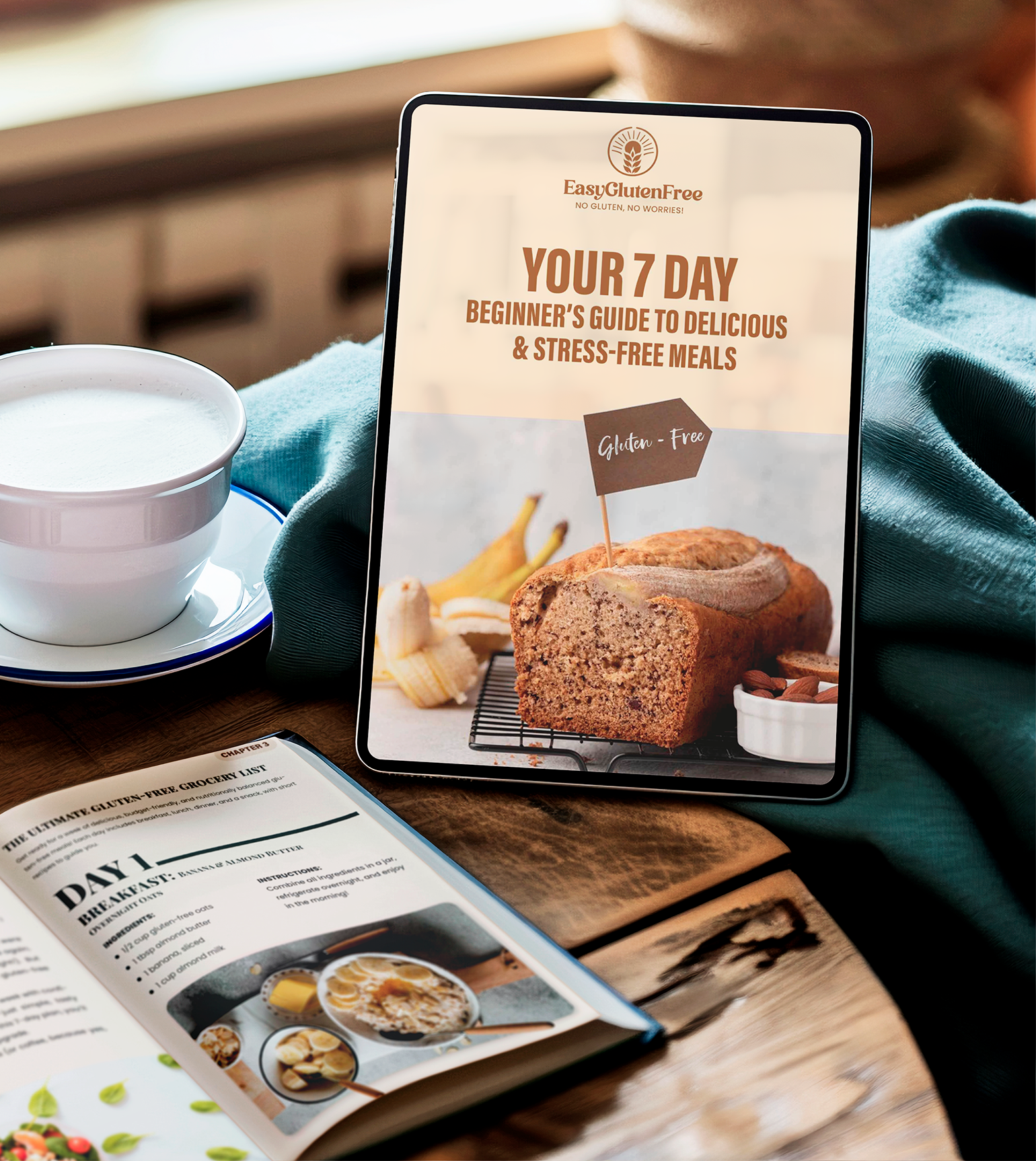
Download the Ultimate Gluten-Free Baking Flour Guide (So Your Bakes Actually Work)

Gluten-Free Flour 101: How to Choose, Store, and Bake With Gluten-Free Flour (Without the Guesswork)
Gluten-free baking stops being a chaotic science experiment the moment you understand your flour. In this guide, you’ll learn how to choose the right gluten-free flour or blend for any recipe, store it so it stays fresh, and use simple techniques to get soft breads, tender muffins, and cookies that don’t crumble into dust.
Download Our Free Gluten-Free Starter Guide
- 7-day meal plan
- shopping list
- Tips & 3 beginner-friendly recipes
Introduction
If you’ve ever pulled a gummy loaf, sandy cookie, or brick-like muffin out of the oven and thought, “But I followed the recipe…,” there’s a good chance the real culprit was your flour. In gluten-free baking, flour choice is everything. It affects texture, structure, browning, and even flavor in a much bigger way than in traditional wheat baking.
The good news: once you understand the different types of gluten-free flours, how blends work, and a few simple rules for swapping and measuring, you can stop guessing and actually enjoy consistent results. Instead of endlessly pinning new recipes, you’ll be able to make your favorites on repeat — and trust they’ll turn out.
This guide walks you through the essentials of gluten-free flour: the main types, how and when to swap them, tips for storage and freshness, and the key techniques that make gluten-free batters and doughs behave. Think of it as your friendly roadmap to using gluten-free flour with confidence, whether you’re baking pancakes on a Sunday morning or tackling a holiday pie.
Table of Contents
▾
1. Understanding Gluten-Free Flour Basics
Before you can choose the best gluten-free flour for baking, it helps to know what’s actually in that bag. In wheat baking, “all-purpose” flour does a lot of jobs at once: it provides structure, stretch, tenderness, and a neutral base. In gluten-free baking, no single flour can do all of that — which is why blends are so important.
Single gluten-free flours vs. blends
Single flours come from just one ingredient: rice flour, sorghum flour, almond flour, coconut flour, and so on. Each has a unique flavor and performance profile. On their own, they rarely behave like wheat flour. For example:
- White rice flour is mild but can be gritty if not finely milled.
- Brown rice flour has more flavor but can taste slightly nutty or earthy.
- Almond flour is rich and tender but heavy; it needs lots of eggs or binders.
- Coconut flour is extremely absorbent and can’t be swapped 1:1 with other flours.
Gluten-free flour blends combine several flours plus starches (like tapioca or potato) and usually a binder such as xanthan gum or guar gum. This combination is what gives you a more “all-purpose” result: better structure, less crumbling, and a more familiar texture in cakes, cookies, and quick breads.
The role of starches and binders
In gluten-free baking, you’re essentially rebuilding what gluten does, using other tools:
- Starches (tapioca, potato, corn, arrowroot) add lightness, chew, and that slightly stretchy, cohesive feel. They also help with browning and crisp edges.
- Binders (xanthan gum, guar gum, psyllium husk) hold everything together so your muffins don’t crumble when you look at them. Many commercial flour blends already contain a binder; if yours doesn’t, recipes will often direct you to add some.
When you use a well-formulated gluten-free flour blend, a lot of that balancing work is already done for you — which is exactly what you want if you’re baking for your family on a busy weeknight and not trying to build a custom flour lab at home.
Why all gluten-free flours are not interchangeable
One of the most common mistakes people make is treating all gluten-free flours as if they’re the same. Swapping coconut flour for a 1:1 blend, or almond flour for rice flour, will almost always lead to disappointing results because their absorption, density, and fat content are completely different.
As a rule of thumb:
- Use a trusted all-purpose gluten-free flour blend for most recipes that call for “wheat all-purpose flour.”
- Save specialty flours (almond, coconut, chickpea, teff, etc.) for recipes specifically written for them.
- When a recipe author specifies a particular brand of gluten-free blend, use it if you can — blends vary more than you’d think.
Once you accept that gluten-free flour isn’t one thing but a category, it becomes much easier to choose the right one for each job and get the results you actually want.
2. Choosing the Right Gluten-Free Flour Blend for Baking Success
When you’re learning gluten-free baking, a reliable 1:1 flour blend is your best friend. It simplifies things dramatically because you can often use it cup-for-cup in recipes that were originally written for wheat flour, especially pancakes, muffins, drop cookies, and quick breads.
Here’s what to look for when you’re choosing a go-to blend for everyday baking:
- Fine texture: A good blend should feel silky, not sandy. Grittiness in the bag usually means grittiness in your baked goods.
- Balanced ingredients: You want a mix of whole-grain flours (like rice or sorghum) and starches (like tapioca or potato) for structure and tenderness.
- Consistent performance: The blend should work well in a wide range of recipes — not just one type of bake.
- Built-in binder (optional but helpful): Many blends include xanthan gum so you don’t need to add your own for most recipes.
Once you choose a blend that performs well in your kitchen, stick with it for a while. This allows you to really get to know how it behaves with your oven, your measuring style, and your favorite recipes. If you switch blends constantly, it becomes harder to troubleshoot when something goes wrong.
For most home bakers, one dependable, well-tested 1:1 blend is enough to cover the majority of everyday baking projects. You can always explore specialty flours later for fun — but having that one “workhorse” flour in your pantry takes a lot of stress out of gluten-free life.
Bob’s Red Mill Gluten Free 1 to 1 Baking Flour
This is the gold-standard gluten-free all-purpose flour. It behaves beautifully in pancakes, muffins, cookies, quick breads — and it’s the ideal flour to recommend in ANY practical baking guide. Reliable, consistent, and approved by thousands of gluten-free home bakers. Perfect for articles about technique, substitutions, and baking success.

3. How to Substitute Gluten-Free Flour in Your Favorite Recipes
One of the biggest wins in a gluten-free kitchen is being able to adapt your family’s favorite recipes instead of starting from scratch every time. While not every recipe converts perfectly, many do — if you follow a few simple guidelines.
Start with the right recipes
Some recipes naturally handle gluten-free flour better than others. These are your “easy wins” for substitution:
- Pancakes and waffles – Batters are loose and don’t rely heavily on gluten structure.
- Muffins and quick breads – Especially those with mix-ins like banana, pumpkin, or zucchini.
- Drop cookies – Chocolate chip, oatmeal-style cookies often adapt very well.
- Brownies and bars – The fudgier the better; they rely more on eggs and fat than gluten.
More delicate recipes like yeasted breads, cinnamon rolls, and laminated pastries are better made from recipes specifically developed to be gluten free.
Use weight when you can (but volume can still work)
For the most consistent results, measure your gluten-free flour by weight rather than cups. A common target is 120–140 g per cup, depending on the blend. If a recipe developer provides a weight for wheat flour, aim to match that with your 1:1 gluten-free blend.
If you’re measuring by volume, use the “spoon and level” method:
- Stir the flour in the bag or canister to loosen it.
- Spoon it lightly into the measuring cup without packing.
- Level off with a straight edge (like a knife).
Overpacking the cup is one of the fastest ways to end up with dry or dense gluten-free baked goods.
Adjust liquid and baking time if needed
Gluten-free flours often absorb a bit more liquid than wheat flour. When you first test a substitution:
- Check the batter consistency. Muffin and cake batters should still be pourable, not like cement.
- If it seems too thick, add 1–2 tablespoons of milk or water at a time until it loosens slightly.
- Watch the baking time. Gluten-free baked goods can brown faster on the outside while still needing a couple more minutes inside.
Use visual cues along with the timer — look for golden edges, a springy top, and a toothpick that comes out with a few moist crumbs rather than wet batter.
Let batters rest
A small but powerful tip: let your gluten-free batter or dough rest for 10–15 minutes before baking (unless the recipe says otherwise). This gives the flour and starches time to hydrate fully, which can:
- Reduce grittiness
- Improve structure
- Help with even rising
This rest is especially helpful for pancake batter, muffin batter, and quick breads. For cookies, even a short chill in the fridge can improve texture and flavor.
Know when you’ll need a gluten-free specific recipe
Some baked goods lean so heavily on gluten’s stretch and elasticity that simple 1:1 substitution usually isn’t enough. For example:
- Sandwich bread with a big, airy crumb
- Soft dinner rolls
- Bagels and pretzels
- Croissants and puff pastry
For these, look for recipes developed from the ground up to be gluten free. They often use different hydration levels, technique, and sometimes a combination of flours that you wouldn’t use in a standard cake or cookie recipe.
Recipe Inspiration
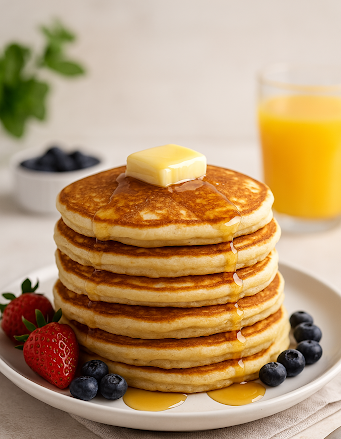
Try these gluten-free staples loved by thousands:


4. Storage, Freshness, and Avoiding Cross-Contact
Gluten-free flour behaves best when it’s fresh, dry, and uncontaminated. Because many gluten-free flours are made from whole grains, nuts, or seeds, they can go stale or rancid more quickly than standard wheat flour if not stored properly.
How to store gluten-free flour
To keep your flour blend at peak performance:
- Use airtight containers. Transfer opened bags to jars or canisters with tight-fitting lids to protect from moisture and pantry odors.
- Keep it cool and dark. A cool pantry or cupboard away from the stove is ideal. For whole-grain or nut-based flours, the fridge or freezer can extend shelf life significantly.
- Label clearly. Note the flour type and the date you opened it so you’re not guessing months later.
If your flour smells “off,” oily, or unusually strong, it may be past its prime. Fresh gluten-free flour should smell mild and pleasant, not sour or bitter.
Freezing gluten-free flour
Freezing is a great option if you buy in bulk or don’t bake very often. To freeze flour:
- Place it in a well-sealed, freezer-safe container or bag.
- Allow it to come to room temperature before baking to avoid condensation in your batter.
- Give it a quick whisk to redistribute any settled components.
Most gluten-free flour blends freeze well and keep their quality for several months, which can also help manage food costs in a gluten-free kitchen.
Avoiding gluten cross-contact in flour
If you’re baking for someone who needs to avoid gluten, it’s important to prevent gluten from sneaking into your gluten-free flour or finished baked goods.
Practical steps include:
- Use separate utensils and tools for gluten-free baking when possible (think: sifter, spatula, wooden spoons).
- Clean shared equipment carefully, especially mixers, bread machines, and measuring cups that may hold onto flour dust.
- Store gluten-free flour on a dedicated shelf away from wheat flour and baking mixes.
- Avoid “dusting” work surfaces with wheat flour if you’re also preparing gluten-free recipes nearby.
Setting up a simple gluten-free system in your kitchen — even if the whole household isn’t gluten free — makes baking safer and less stressful for everyone at the table.
5. Troubleshooting Common Gluten-Free Flour Baking Problems
Even with a great flour blend and a solid recipe, gluten-free baking can have its quirks. The key is learning to “read” your results so you know what to tweak next time, rather than feeling like you have to start all over.
Problem: Dry or crumbly texture
If your cake or muffins are dry, crumbly, or fall apart when sliced, consider:
- Too much flour. Check your measuring method and avoid packing the cup.
- Not enough fat or liquid. Next time, increase the fat (oil or butter) slightly, or add 1–2 tablespoons of milk or water.
- Overbaking. Gluten-free baked goods can go from perfect to dry quickly. Start checking a few minutes earlier than the recipe suggests.
Problem: Gummy or dense center
A gummy center usually means:
- Underbaking. The outside may look done before the inside is fully set. Bake a bit longer and tent with foil if the top is browning too fast.
- Too much moisture. This can come from extra-large eggs, heavy add-ins (like very moist fruit), or too much liquid.
- Pan size issues. If you bake a loaf in a smaller pan than recommended, it may be too thick to cook evenly in the center.
Gluten-free loaves and quick breads benefit from a full cool-down time in the pan before slicing — the structure continues to set as they cool.
Problem: Gritty or sandy mouthfeel
That telltale gritty texture is usually a flour issue:
- Try a finer-milled blend or one specifically noted for a smooth crumb.
- Let batters rest 10–20 minutes before baking to give the flour more time to hydrate.
- Avoid underbaking, which can exaggerate grittiness.
Problem: Bakes don’t rise or spread properly
If your cookies stay in tight little balls or your cakes don’t rise:
- Check your leaveners. Baking powder and baking soda lose strength over time. Test them or replace if they’re older than 6–12 months.
- Don’t overmix once leavener is added. Overmixing can knock out the air you’re trying to trap.
- Make sure your oven is fully preheated. An oven that’s too cool makes it hard for gluten-free batters to get that initial lift.
Problem: Flavor feels “off”
Some gluten-free flours have more noticeable flavors than wheat flour — sometimes nutty and pleasant, sometimes a bit strong. To balance flavor:
- Use a neutral flour blend for everyday baking.
- Add a little extra vanilla, cinnamon, or citrus zest to complement the flour.
- Pair with flavor-forward ingredients like chocolate, brown sugar, spices, or fruit.
Over time, you’ll learn which recipes shine with which flours, and gluten-free baking will start to feel intuitive, not intimidating.
Key Takeaways
- Gluten-free flour isn’t a single ingredient but a category; well-balanced blends make everyday baking much easier.
- Using a reliable 1:1 gluten-free flour blend in place of wheat flour works best in simple recipes like pancakes, muffins, cookies, and quick breads.
- Weighing flour, resting batters, and adjusting liquid slightly are small steps that dramatically improve gluten-free baking results.
- Proper storage, freshness, and avoiding gluten cross-contact are essential for safe, consistently delicious gluten-free bakes.
- Common issues like dryness, gumminess, or grittiness can be fixed with simple tweaks, helping you build confidence with every batch.
Take the Next Step in Your Gluten-Free Journey
- Download the Free EGF Starter Guide
- Try our Gluten-Free Planner to simplify your week
- Explore our growing recipe library
You don’t have to navigate the gluten-free lifestyle alone, we are here to make it easier every day.
Category: Baking Basics