Download the Free Guide to Confident Gluten-Free Eating Out

Gluten-Free Travel & Restaurants: How to Eat Out Without Getting Glutened
Navigating restaurants, cafés, and airport food courts on a gluten-free diet can feel like a strategic mission. This guide walks you through how to order safely, read between the lines of menus, and advocate for yourself—so you can enjoy the social side of food again without constantly worrying about gluten surprises.
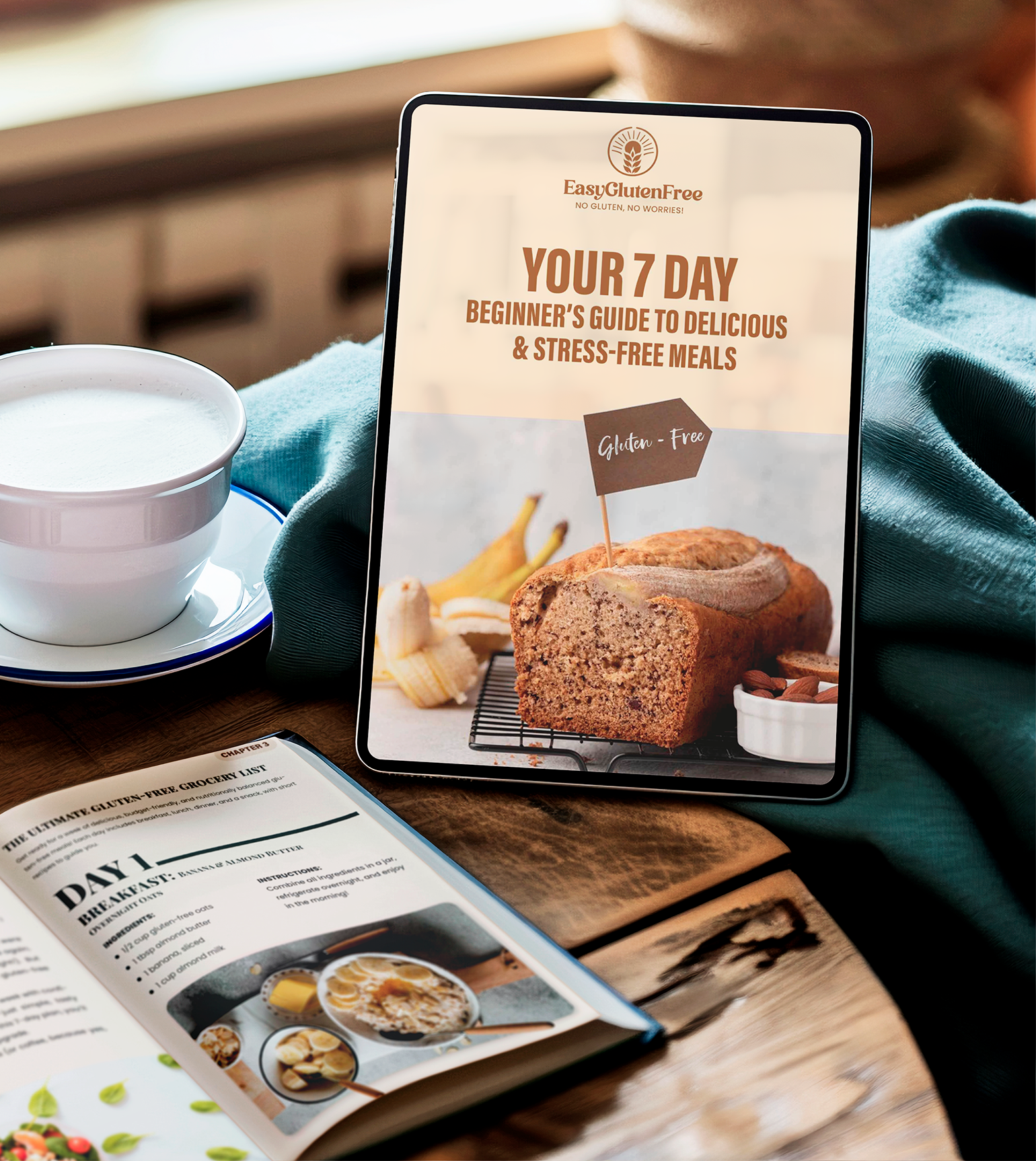
Download Our Free Gluten-Free Starter Guide
- 7-day meal plan
- shopping list
- Tips & 3 beginner-friendly recipes
Introduction
Eating gluten free at home is one thing; trusting a stranger with your food is another. Travel, date nights, work lunches, and family celebrations almost always involve restaurants—and for anyone gluten free, that can mean stress, awkward conversations, and sometimes, getting “glutened” despite your best efforts.
The goal of this guide is to help you move from anxious guessing to calm, repeatable strategies. You’ll learn how to choose restaurants that really understand gluten free, what to say to servers without feeling high-maintenance, and how to spot red flags before they become a ruined evening. Whether you’re medically gluten free or simply feel better avoiding gluten, these steps will help you protect your plate and your peace of mind.
Consider this an evergreen roadmap: you can use the same questions, scripts, and habits in your hometown, on a weekend trip, or in a new country. With a bit of preparation and the right tools, it is absolutely possible to eat out, travel, and still feel like you’re living your life—not orbiting around gluten.
1. Planning Gluten-Free Meals Out: Before You Go
The safest gluten-free restaurant experience actually starts long before you sit down at the table. A bit of prep work can dramatically lower your risk and your stress level.
1.1 Choose restaurants strategically
Not all “gluten-free friendly” places are equal. When possible, look for:
- Dedicated gluten-free menus or clearly labeled GF items
- Cuisines that are easier to adapt (think: fresh Mexican, farm-to-table, steak houses, Mediterranean) rather than heavy breaded or pasta-focused cuisines
- Reviews from gluten-free diners on Google, Yelp, or dedicated GF apps that mention good staff knowledge and safe handling
- Smaller, chef-driven spots that cook from scratch and can explain ingredients clearly
If you’re traveling, do a quick search like “gluten free restaurant near [city]” and then read the actual reviews—look for mentions of cross-contact, staff training, and successful visits from people who also need to avoid gluten.
1.2 Call ahead (yes, it really helps)
A short phone call can tell you more than any website menu. When you call, you might say something like:
“Hi! I need to eat strictly gluten free. Do you have options that can be prepared without gluten, and can your kitchen avoid cross-contact with gluten (like shared fryers, cutting boards, or pasta water)?”
Pay attention to how the person answers:
- Good signs: they know what gluten is, mention separate prep areas or procedures, or offer to check with the chef.
- Red flags: “We have salad, you’ll be fine,” “Just avoid the bread,” or “We’re not really sure.”
If you’re traveling internationally, you can keep translated “gluten free” explanation cards in your phone or wallet to make the conversation easier in another language.
1.3 Check menus with a “gluten radar”
When you browse menus online, practice scanning for both safe bets and likely problems:
- Often easier to make GF: grilled meats or fish, salads without croutons, rice-based dishes, baked potatoes, veggie plates, tacos with corn tortillas (if verified GF).
- Often risky: fried foods (shared oil), anything “crispy” or “battered,” soups and sauces (they’re often thickened with flour), imitation crab, soy sauce-based dishes, and desserts that aren’t clearly labeled GF.
If you can identify a couple of dishes that look easily adjustable (like “hold the bun, no sauce, no croutons”), you’ll feel much more confident when you arrive.
1.4 Always have a backup plan
Even with planning, a restaurant can turn out to be less safe than it looked. That’s why it helps to:
- Save two or three backup restaurants nearby in your map app
- Carry a small GF emergency kit—pack shelf-stable snacks like nuts, GF crackers, bars, or instant oatmeal you can make with hot water
- For travel days, eat a substantial meal before you go so you’re not stuck choosing between “maybe glutened” food and being starving
When you assume you might need a backup, you’re never stuck. And ironically, that mindset usually makes the whole outing feel more relaxed.
2. Ordering Safely: Conversation Scripts & Smart Tools
Once you’re seated, the most important tools you have are your words. Your goal is to clearly communicate your needs without apologizing for them—and to quickly gauge whether the restaurant can genuinely support you.
2.1 How to talk to your server with confidence
Use simple, specific language. Instead of “I’m gluten free,” try something like:
“I need my meal to be completely gluten free, including avoiding cross-contact with gluten. Can you help me choose a safe option, or check with the chef?”
This signals that you’re not just skipping bread for fun; you’re asking for a real process. When discussing menu items, you can ask:
- “Is this grilled on a shared surface with breaded items?”
- “Do you use a shared fryer for fries and breaded foods?”
- “Is there flour or soy sauce in this sauce or marinade?”
- “Can you prepare this in a clean pan with clean utensils?”
Servers who are used to gluten-free diners will recognize these questions and usually have clear answers. If they seem uncertain, ask them (kindly) to double-check with the kitchen.
2.2 Sample order scripts you can borrow
It can be helpful to have a few go-to phrases ready so you’re not scrambling in the moment. Here are a few examples you can adapt:
- “I’m ordering the grilled salmon. Can you please make sure it’s cooked on a clean surface, without any sauce or marinade that contains gluten, and no bread or croutons on the plate?”
- “Does your fryer handle breaded foods? If so, I’ll skip anything fried and go with a baked or grilled option instead.”
- “I have to avoid gluten completely. If there’s any uncertainty about this dish, I’m happy to choose something simpler—whatever is easiest to keep safe in your kitchen.”
Framing it as wanting to make their job easier goes a long way. Most staff truly do want to help—they just need clarity from you.
2.3 Reading the room: signs you can (or can’t) trust the kitchen
As you talk with your server and watch how the staff respond, look for:
- Good signs: the server repeats back your needs, writes them down, mentions an allergy flag in the system, or voluntarily explains what they’ll do to keep your meal safe.
- Question marks: they say “we do this all the time” but can’t describe their process, or they brush off questions as unnecessary.
- Deal breakers: they insist their shared fryer is fine, can’t or won’t check ingredients, or seem annoyed you’re asking at all.
It’s okay to change your mind, leave, or just order a drink and snack on your own food if you don’t feel comfortable. Your health is more important than a potentially risky meal.
2.4 Using tools to double-check gluten exposure
Some gluten-free diners like to use technology to gather extra data about what they’re eating. Portable gluten-testing tools can help you test small samples of food before you commit to a full plate, especially in situations where communication is tricky or you’re trying a new place while traveling.
These tools don’t replace the need for clear conversations with staff or careful restaurant selection, but they can offer added peace of mind when you’re in a higher-risk situation or simply want more information about how your body responds to certain foods.
Nima gluten sensor test
These single-use capsules pair with the Nima Sensor to help users test foods for gluten on the spot. Perfect for travelers, researchers of their own digestive reactions, or anyone who just doesn’t trust that café’s “gluten-free… we think?” answer. A reliable, quick-gluten-detection option that empowers people who want data—not guesswork.

3. Travel-Specific Tips: Airports, Hotels & Road Trips
Travel adds extra layers of complexity when you’re gluten free—unfamiliar cities, long travel days, and limited choices. With a little strategy, though, you can still eat well and feel good on the go.
3.1 Airports and planes
Airport food is legendary for being expensive and underwhelming, and that’s doubly true when you’re gluten free. A few ways to make it easier:
- Pack more food than you think you’ll need. Most security checkpoints allow solid foods, homemade meals, and snacks. Think sandwiches on GF bread, hard-boiled eggs, nuts, fruit, bars, and single-serve nut butters.
- Don’t rely on “GF” labels alone. Many airport spots don’t have the space or training to avoid cross-contact. Simple snacks from sealed packages are usually safer.
- Check your airline’s policies. Some carriers offer gluten-free meals on long-haul flights if you request them in advance, but it’s always smart to have a backup meal in your bag.
3.2 Hotels and vacation rentals
Your accommodation can make or break your gluten-free trip. Where possible:
- Choose a place with a fridge or kitchenette. Even a mini-fridge means you can keep yogurt, cut veggies, or leftovers from a safe restaurant.
- Pack a small “kitchen kit.” Consider bringing a lightweight cutting board, a dedicated knife, a sponge, and a small bottle of dish soap for peace of mind in shared spaces.
- Buffets require extra caution. Shared tongs, crumbs, and guests serving themselves make cross-contact very likely. When in doubt, ask the kitchen if they can prepare a simple plate separately instead.
3.3 Road trips and self-drive adventures
Road trips can actually be more gluten-free friendly because you control more of the food environment.
- Think “car pantry.” Pack a bin with shelf-stable GF staples: crackers, tuna packets, jerky, trail mix, instant soup or oatmeal cups (just add hot water), and fruit cups.
- Use grocery stores as your “restaurants.” Instead of relying on fast food chains off the highway, grab rotisserie chicken (if labeled GF), bagged salads, pre-cut fruit, and GF snacks from supermarkets.
- Map out safe chains in advance. Some restaurant chains have better gluten-free procedures and online allergen guides. Bookmark locations along your route so you have options when hunger hits.
Traveling gluten free definitely takes a little more logistics—but it’s also a great excuse to discover markets, small local cafés, and hidden gems you might otherwise miss.
Recipe Inspiration
Try these gluten-free staples loved by thousands:



4. Hidden Gluten in Restaurant Foods (& How to Spot It)
Even experienced gluten-free eaters are sometimes surprised by where gluten hides in restaurant dishes. Knowing the most common “gotchas” will help you ask better questions and avoid accidental exposure.
4.1 Sauces, marinades, and seasonings
Many sauces and flavor boosters contain gluten, even when the base ingredients seem safe.
- Soy sauce and teriyaki: Regular soy sauce usually contains wheat. Ask specifically if they have gluten-free tamari.
- Gravy and cream sauces: Often thickened with wheat flour.
- House spice blends: Some pre-mixed seasonings contain wheat as an anti-caking agent.
- Salad dressings: Can contain malt vinegar, soy sauce, or wheat-based thickeners.
When in doubt, ask for your dish with simple seasonings (salt, pepper, olive oil, lemon) and skip complex sauces unless they can confirm all ingredients.
4.2 Fryers and crispy foods
Shared fryers are one of the biggest sources of cross-contact in restaurants. Even if fries or corn chips are naturally gluten free, they’re not safe if cooked in the same oil as breaded foods.
Questions to ask:
- “Do you have a dedicated fryer for fries or gluten-free foods only?”
- “What else is cooked in that fryer?”
If the fryer is shared, skip anything fried—fries, chips, wings, tempura, even “gluten-free breaded” items that share oil with regular breaded foods.
4.3 Bread boards, toasters, and grills
Gluten crumbs spread quickly in busy kitchens. Some common risk spots include:
- Cutting boards where sandwiches, pizzas, or pastries are sliced
- Shared toasters that have regular bread residue
- Flat-top grills used for both buns and naturally gluten-free foods
When ordering, you can say:
“Could you prepare this in a clean pan, not on the shared grill or toaster? I need to avoid even small amounts of gluten.”
4.4 Desserts and “surprise gluten” items
Dessert menus are often full of gluten, but there can be hidden issues even in options that look safe:
- Ice cream and sorbet: Some flavors contain cookie pieces, malt, or brownie bits; scoops can be shared between tubs.
- Flourless cakes: Sometimes made in shared pans or dusted with flour to prevent sticking.
- “Naked” burgers or tacos: If buns or tortillas are removed in the kitchen after plating, crumbs can stay behind.
When possible, stick with naturally gluten-free desserts like fresh fruit, simple sorbet (confirmed gluten-free), or clearly labeled GF options prepared separately.
5. Building Confidence Over Time: Systems That Stick
Learning to eat out and travel gluten free is a skill set—and like any skill, it gets easier with practice and systems. Instead of reinventing the wheel every time you go somewhere new, create routines you can repeat.
5.1 Create your personal “eating out checklist”
Save a simple checklist in your notes app or planner that covers:
- Questions to ask on the phone before booking
- Your go-to script for talking with servers
- Common red flags to watch for
- Backup snack ideas and emergency foods
Glance at it before you leave the house or hotel—this keeps you from forgetting key questions when you’re hungry or distracted.
5.2 Keep a “safe places” list
Every time you have a good experience, record it. Add:
- The restaurant name and location
- What you ordered
- Any special instructions that worked well
Over time, you’ll build your own trusted map of gluten-free-friendly spots in your city and in places you visit often. This list is gold on nights when you’re tired and can’t face researching yet another new place.
5.3 Give yourself permission to say no
Sometimes the safest choice is to gently decline a restaurant option or suggest a different plan. It’s okay to say:
“That place looks delicious, but they’re not a great fit for my gluten-free needs. Would you mind if we tried [alternative] instead?”
Most friends and family will appreciate your honesty—and they’ll be much happier with a relaxed, healthy you than a nervous version of you pushing food around your plate.
5.4 Focus on progress, not perfection
No system is perfect, and even seasoned gluten-free travelers sometimes run into confusion or limited choices. When that happens, try to:
- Notice what warning signs you can watch for next time
- Adjust your scripts or questions based on what you learned
- Extend yourself some compassion—you’re doing something genuinely challenging
Over time, what feels overwhelming now will become second nature. You’ll have favorite go-to orders, trusted restaurants, and a well-practiced way of communicating your needs. That’s when the gluten-free lifestyle starts to feel less like a full-time job and more like just…your life.
Key Takeaways
- Safe gluten-free eating out starts before you leave home: research menus, read reviews, and call ahead when you can.
- Clear, confident conversations with servers and staff are essential—use simple scripts and ask direct questions about cross-contact.
- Travel days are easier when you pack plenty of gluten-free snacks, favor grocery stores over fast food, and choose lodging with at least basic kitchen access.
- Hidden gluten often shows up in sauces, shared fryers, and preparation surfaces, so knowing where to look helps you avoid surprise exposure.
- Building repeatable systems—checklists, a list of safe restaurants, and backup plans—turns gluten-free dining out from stressful guessing into a manageable routine.
Take the Next Step in Your Gluten-Free Journey
- Download the Free EGF Starter Guide
- Try our Gluten-Free Planner to simplify your week
- Explore our growing recipe library
You don’t have to navigate the gluten-free lifestyle alone, we are here to make it easier every day.
Category: Lifestyle