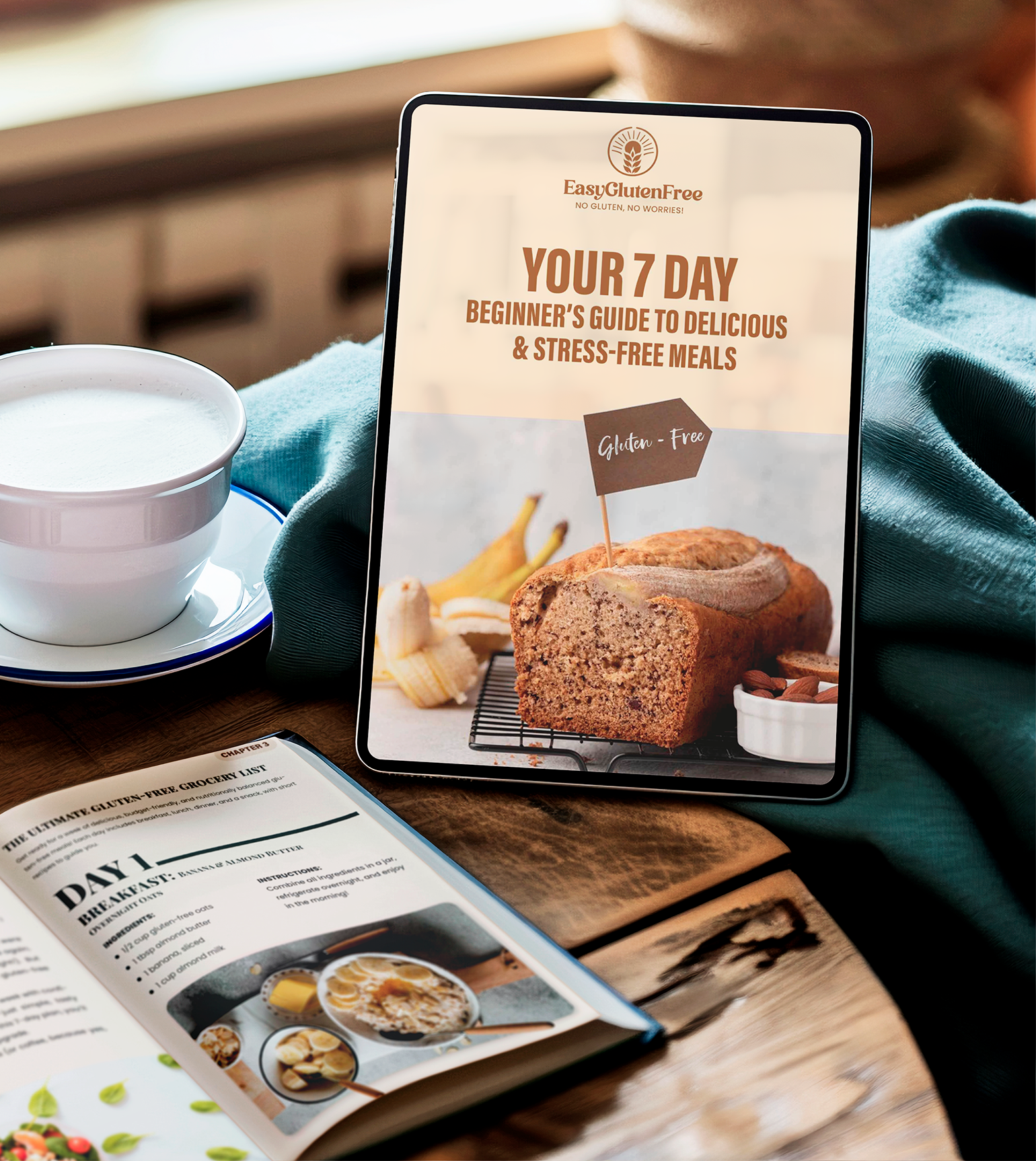
Download the Free Guide to Stress‑Free Gluten-Free Meal Prep

Gluten-Free Meal Prep for Busy Weeks: Simple Systems, Safe Food, Less Stress
If weeknights feel like a game of “what can I eat that’s actually gluten-free?” you’re not alone. This guide walks you through practical gluten-free meal prep strategies so you can stock your fridge, protect yourself from gluten, and still get dinner on the table in under 20 minutes—without feeling like you’ve taken on a second job as a short-order cook.
Download Our Free Gluten-Free Starter Guide
- 7-day meal plan
- shopping list
- Tips & 3 beginner-friendly recipes
Introduction
Finding safe, satisfying food is hard enough when you’re gluten-free—doing it when you’re tired, hungry, and short on time is a whole other level. That’s where smart gluten-free meal prep comes in. With a few repeatable systems, you can turn chaotic weeknights into “heat, eat, and relax” moments, while still protecting yourself from gluten exposure.
In this article, we’ll focus on realistic strategies that actually work in a busy life: batching ingredients instead of full recipes, setting up a gluten-safe kitchen flow, and using storage tools that keep your food fresh and organized. You’ll see how a couple of prep blocks each week can translate into multiple mix-and-match meals, snacks, and lunches—without getting bored or overwhelmed.
Whether you’re newly gluten-free or years into this lifestyle, you’ll find practical tips you can use this week: how to build a gluten-free meal prep routine, what to prep first, easy grab-and-go snack ideas, and ways to stay organized using reusable containers and simple lists. Let’s make “what’s for dinner?” the easiest question of your day.
1. Why Gluten-Free Meal Prep Changes Everything
When you’re gluten-free, “winging it” with food is risky. Last‑minute takeout, mystery sauces, and grabbing whatever’s around can easily lead to cross-contact or hidden gluten. Meal prep flips that script by putting you in control of ingredients, portions, and safety—before the hunger hits.
Instead of prepping full meals that you may or may not feel like eating later, think in terms of components: a cooked protein, a couple of starches, 2–3 veggies, and a sauce or two. From there, you can mix and match all week. For example, prepped quinoa, roasted sweet potatoes, grilled chicken, and a jar of salsa verde can become bowls, salads, tacos (with certified gluten-free tortillas), or quick breakfasts.
Gluten-free meal prep also solves the “I’m hungry, but I can’t just grab anything” problem. When your fridge is stocked with safe, ready-to-eat food, you’re less likely to skip meals, rely on processed snacks, or risk something that might not be gluten-free. That peace of mind alone is worth the upfront effort.
Finally, meal prep helps you stretch your budget. Gluten-free specialty items add up quickly. By planning and prepping, you can lean more on naturally gluten-free whole foods—rice, potatoes, beans, vegetables, meat, eggs—while still using the specialty products you love in targeted, intentional ways.
2. Essential Tools & Storage for Gluten-Free Meal Prep
You don’t need a Pinterest-perfect kitchen to meal prep successfully, but a few thoughtfully chosen tools make gluten-free life smoother and safer. The goal is to protect your food from cross-contact, keep things labeled and organized, and make it easy to see what you have so food doesn’t get forgotten in the back of the fridge.
Start with basics: a dedicated gluten-free cutting board, a sharp knife, a sheet pan or two, and some lidded containers in a few standard sizes. If you share a kitchen with gluten, choose a specific color or style for all your gluten-free tools and storage so everyone in the house knows what’s off-limits for gluten crumbs.
Storage is where many gluten-free preppers see the biggest difference. Clear containers mean you can visually scan your fridge and instantly know what’s ready to grab. Stackable shapes maximize space so you can prep more in a small kitchen. Leak-proof containers make it easier to pack lunches, snacks, and road-trip food you actually trust.
Reusable storage also supports sustainability—something a lot of gluten-free home cooks care about. Instead of single-use bags for every portion of veggies, meats, and snacks, a good set of reusable solutions lets you prep generously without filling your trash can every Sunday night. When your tools feel good to use and look nice in your fridge, you’re naturally more motivated to keep up the habit.
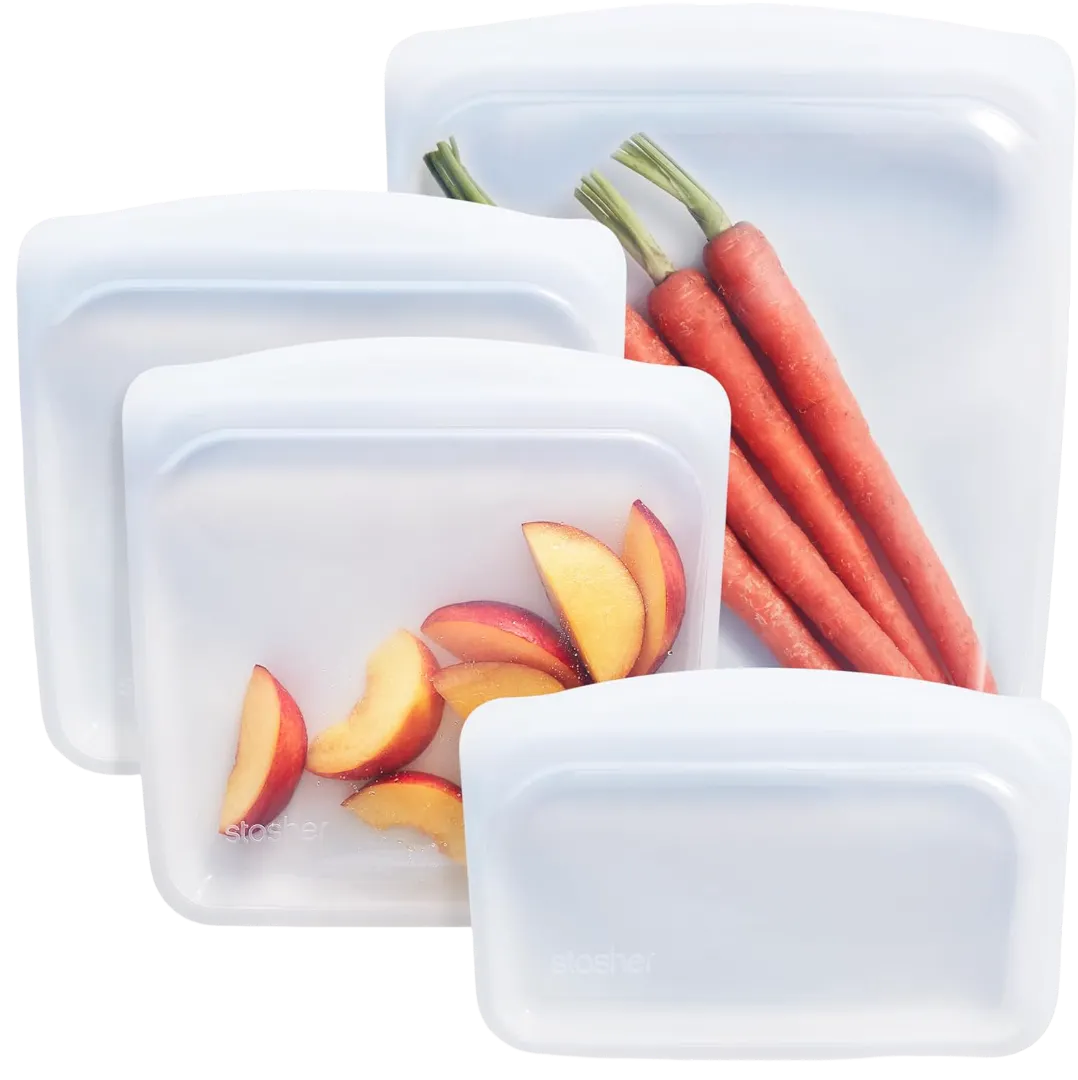
Premium Silicone Reusable Food Storage Bags
These are the “I have my life together” bags. Perfect for packing gluten-free snacks, leftovers from brunch, veggie sticks for road trips, or even freezer prep for busy weeks. They’re reusable, dishwasher-safe, plastic-free, and look aesthetically pleasing in your fridge and your IG stories. Great anchor product for any article about sustainability, meal prep, hosting, or on-the-go GF living.
3. How to Build a Weekly Gluten-Free Meal Prep Routine
A sustainable meal prep routine is about rhythm, not perfection. Think of it as a weekly reset that you can scale up or down depending on your energy and schedule. Here’s a simple framework you can adapt.
Step 1: Choose your “anchor” meals. Pick 2–3 meals you know you’ll eat no matter what—maybe a burrito bowl, a pasta night, and a sheet-pan dinner. Make sure the ingredients overlap a bit so you can prep once and eat in multiple ways. For example, roasted veggies can work in grain bowls, omelets, and tacos.
Step 2: Make a small, focused shopping list. Start with what you already have, then fill gaps. Include naturally gluten-free staples (rice, potatoes, beans, eggs, frozen veggies) and a few favorite gluten-free products (like pasta or wraps) that give you variety without complicating your prep. Always double-check labels—especially on sauces, broths, and marinades.
Step 3: Block 60–90 minutes for prep. During that time, aim to cook one protein, one grain or starch, and roast or chop 2–3 vegetables. While things bake or simmer, wash fruit, portion snacks, and make a simple dressing or sauce. You’re not cooking full meals start to finish—you’re creating building blocks.
Step 4: Store smartly and label. Use clear containers or reusable bags, and label with the name and date. Keep ready-to-eat items (snacks, grab-and-go lunches) at eye level in the fridge so you’re more likely to reach for them when you’re hungry and tired.
Step 5: Plan how you’ll use what you prepped. Jot down a quick list: “Monday: bowls, Tuesday: tacos, Wednesday: pasta + roasted veg,” and keep it on the fridge. This simple visual cue reduces decision fatigue, which is one of the biggest hidden stressors of gluten-free living.
Recipe Inspiration
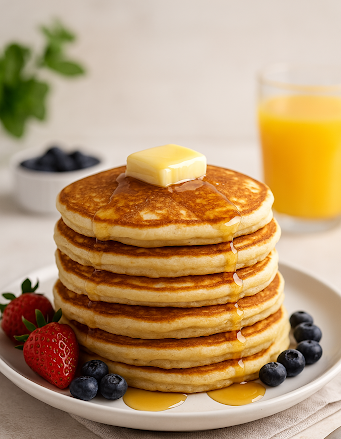
Try these gluten-free staples loved by thousands:


4. Gluten-Free Meal & Snack Ideas That Prep Beautifully
Once you have a basic routine, it helps to keep a running list of gluten-free meals and snacks that hold up well in the fridge or freezer. Rotate through them so meal prep never feels repetitive.
Breakfast ideas: Prep a batch of gluten-free oatmeal made with certified GF oats and portion it into containers; top with fruit and nuts right before eating. Egg muffins baked with veggies and cheese store well in the fridge and reheat quickly. You can also make smoothie “packs” by pre-portioning fruit and greens into reusable bags—just add liquid and blend in the morning.
Lunch and dinner ideas: Grain bowls are a meal prep superstar. Combine cooked rice or quinoa with roasted veggies, beans or grilled chicken, and a simple sauce—like tahini-lemon or salsa. Gluten-free pasta also reheats better than you’d expect if it’s stored with a bit of olive oil and sauce. Sheet-pan dinners (chicken thighs, potatoes, and carrots, for example) can be cooked once and eaten in different ways throughout the week.
Snack ideas: Pre-cut veggies with hummus, portioned nuts, trail mix made with gluten-free ingredients, hard-boiled eggs, and yogurt with fruit all make quick, reliable options. Use separate containers and utensils for gluten-free snacks if you share a kitchen to avoid “mysterious” crumbs from other people’s hands reaching in.
Many of these ideas also freeze well. When you have a little extra time or energy, double a recipe and freeze half in clearly labeled containers or bags. Those future you moments—when you pull a safe meal from the freezer instead of scrambling—are worth every minute.
5. Staying Consistent Without Burning Out
The goal of gluten-free meal prep isn’t to become a full-time meal-prep influencer; it’s to make your life easier. That means building routines you can actually stick with, even during busy or low-energy weeks.
Start small. If a full Sunday meal prep feels overwhelming, begin with one thing: maybe just prepping snacks, or just cooking a big batch of rice and chicken. As that becomes automatic, layer in more pieces. Consistency beats intensity every time.
Give yourself permission to repeat meals. There’s no award for having a completely unique dinner every night. If you love a particular gluten-free bowl or pasta dish, make it weekly and change up just one element—the veggie, the sauce, or the topping.
Build a short list of “backup meals” using pantry and freezer staples: things you can assemble in 10–15 minutes from ingredients that last. Think frozen veggies, canned beans, rice, gluten-free pasta, eggs, and a jar of safe marinara or salsa. Keep that list on your fridge so when prep doesn’t happen, you still have a plan.
Most importantly, remember that meal prep is there to support you, not judge you. Some weeks it will be elaborate; other weeks it might just be washing fruit and boiling a dozen eggs. Both count. Every small step you take to prepare safe gluten-free food ahead of time is a win for your future self.
Key Takeaways
- Gluten-free meal prep reduces stress by giving you safe, ready-to-eat options before you’re tired and hungry.
- Focusing on prep “components” like proteins, grains, and veggies creates flexible mix-and-match meals all week.
- Dedicated tools and smart storage help protect against cross-contact and keep your gluten-free food organized.
- A simple weekly routine—shop, batch prep, store, and loosely plan—makes consistency much easier.
- Start small, repeat favorite meals, and use pantry-friendly backups so meal prep supports you without becoming overwhelming.
Take the Next Step in Your Gluten-Free Journey
- Download the Free EGF Starter Guide
- Try our Gluten-Free Planner to simplify your week
- Explore our growing recipe library
You don’t have to navigate the gluten-free lifestyle alone, we are here to make it easier every day.
Category: Meal Prep & Planning