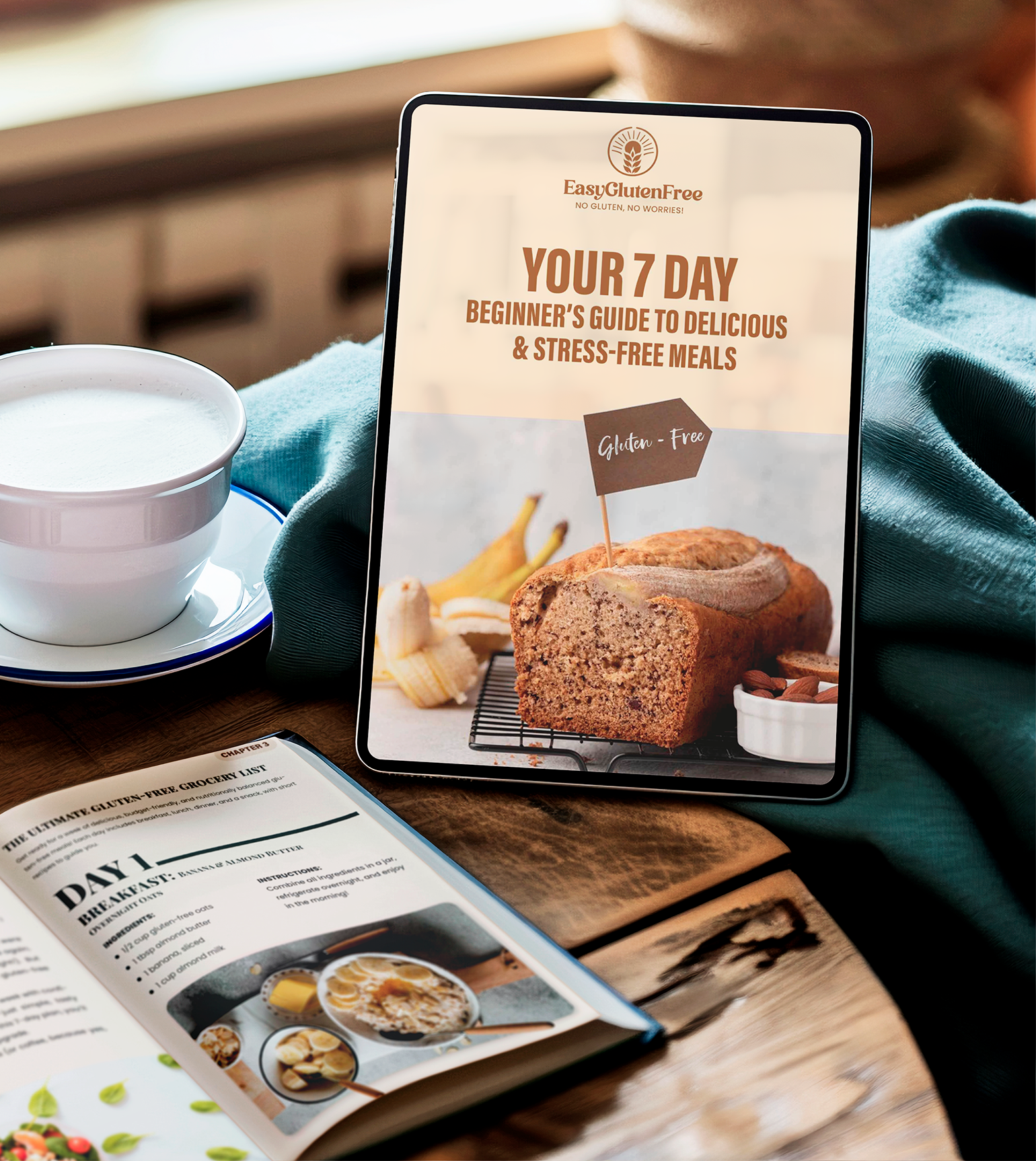
Download the Free Guide to Stress-Free Gluten-Free Lunch Packing

Gluten-Free Lunch Box Ideas: Easy, Kid-Friendly, and Adult-Approved
Need fresh gluten-free lunch box ideas that you can actually pull off on a busy weekday? This guide walks you through simple, realistic ways to pack safe, satisfying gluten-free lunches for school, work, and on-the-go days—without spending your entire evening in the kitchen.
Download Our Free Gluten-Free Starter Guide
- 7-day meal plan
- shopping list
- Tips & 3 beginner-friendly recipes
Introduction
Gluten-free lunch boxes don’t have to be sad, repetitive rice cakes or tiny salads that leave you hungry by 2 p.m. With a bit of planning and the right containers, you can pack colorful, filling lunches that are completely gluten-free and still feel fun and flexible.
Whether you’re packing for a gluten-free kid navigating school cafeterias or you’re the gluten-free one at the office trying to avoid soggy sandwiches and mystery dressings, having a bank of easy ideas makes the process so much simpler. The goal is to build lunches around naturally gluten-free foods, smart swaps, and a few reliable convenience items you trust.
In this guide, we’ll cover how to structure a balanced gluten-free lunch, practical make-ahead options, cross-contact tips for shared kitchens, and plenty of mix-and-match lunch box ideas. You’ll finish with a reusable framework you can lean on every week, not just a one-time list of recipes.
1. Building a Balanced Gluten-Free Lunch Box
Before we get into specific gluten-free lunch box ideas, it helps to have a simple formula. That way, even when your fridge looks “empty,” you can still pull together something balanced and satisfying.
A helpful framework is to build every gluten-free lunch around four components:
- Protein – keeps you full and focused
- Fiber-rich carbs – for energy (gluten-free grains, fruit, starchy veg)
- Healthy fats – for satisfaction and flavor
- Color – fruit and veg for nutrients and crunch
Gluten-Free Protein Ideas
Protein is the anchor of your lunch box. Aim to start with this piece, then build around it. Some naturally gluten-free options include:
- Hard-boiled eggs, frittata slices, or egg muffins
- Leftover grilled chicken, turkey meatballs, or shredded pork
- Tuna, salmon, or chicken salad made with gluten-free mayo and seasonings
- Cheese cubes, cottage cheese, or Greek-style yogurt (if tolerated)
- Hummus, bean dips, or lentil salads
- Tofu, tempeh, or edamame for plant-based lunches
Always check marinades, spice blends, and deli meats for hidden gluten—things like soy sauce, malt vinegar, and “natural flavors” can sneak in. Look for certified gluten-free labels where possible.
Gluten-Free Carbs That Actually Fill You Up
Without gluten, lunches can sometimes lean too heavily on protein and vegetables, leaving you hungry. Add in fiber-rich, naturally gluten-free carbs such as:
- Cooked rice, quinoa, buckwheat, or millet (great for grain bowls)
- Gluten-free pasta or chickpea pasta
- Corn tortillas, gluten-free wraps, or certified gluten-free bread
- Baked potatoes or sweet potatoes (wedges, cubes, or stuffed halves)
- Fresh fruit like berries, apples, grapes, or clementines
Make a big batch of one or two grains on Sunday to use in several lunches throughout the week—it’s one of the easiest ways to save time and avoid “what do I pack?” panic.
Healthy Fats & Flavor Boosters
Fat adds flavor and staying power to gluten-free lunches. Simple options include:
- Avocado slices or guacamole cups
- Nuts and seeds (almonds, walnuts, pumpkin seeds, sunflower seeds)
- Olive oil-based dressings or vinaigrettes (confirm they’re gluten-free)
- Nut butters or sunflower seed butter in packets or small containers
- Olives, pesto, or tapenade for extra flavor
Keep sauces and dressings in a separate compartment or small container to prevent sogginess, especially with salads and grain bowls.
Adding Color and Crunch
A visually appealing lunch is more likely to be eaten—especially for kids. Add at least one or two “color” components:
- Crunchy veg: cucumber, carrots, bell peppers, snap peas, cherry tomatoes
- Leafy greens: baby spinach, mixed greens, shredded lettuce
- Fruit: berries, kiwi slices, oranges, mango, apples, pears
If you or your child are still adjusting to gluten-free eating, prioritize familiar favorites and just add one new food or flavor at a time. A lunch box full of “new” can feel overwhelming.
2. Kid-Friendly Gluten-Free Lunch Box Ideas
Gluten-free school lunches have to work a little harder: they need to be safe, appealing, easy to eat quickly, and sturdy enough to survive a backpack. The key is to think in “mini meals” instead of a single big main dish—kids often eat more when they can pick and choose.
Mix-and-Match Kids’ Lunch Box Formula
Here’s an easy framework you can reuse all year long:
- Main Bite: something protein-focused and familiar
- Dipper or Spread: hummus, guac, yogurt dip, or nut/seed butter (if allowed)
- Crunch: gluten-free crackers, veggie sticks, or popcorn
- Fruit: something easy and low-mess
- Small Treat: a square of chocolate, a homemade cookie, or a few gummies (gluten-free)
Rotate within each category instead of reinventing the whole lunch every week. This keeps variety high but decision fatigue low.
Sample Gluten-Free Kids’ Lunch Box Ideas
Use these as inspiration and adjust for your child’s age, appetite, and school rules:
- DIY Nacho Box: gluten-free tortilla chips, shredded cheese, black beans, salsa, guacamole, and grapes.
- Roll-Up Lunch: turkey and cheese roll-ups with gluten-free crackers, cucumber rounds, baby carrots, and apple slices.
- Bite-Size Brunch: mini egg muffins, gluten-free pancakes cut into strips, a small maple syrup container, berries, and yogurt.
- Pasta Salad Box: gluten-free pasta salad with chicken and veggies, orange segments, and a few gluten-free pretzels.
- Bento Snack Lunch: cheese cubes, ham cubes or chickpeas, cherry tomatoes, snap peas, gluten-free crackers, and a small treat.
Making Gluten-Free Lunches “Fun Enough” Without Extra Work
You don’t have to create elaborate character lunches to make food feel special. A few simple tweaks go a long way:
- Use silicone cups or dividers to separate foods and keep textures distinct.
- Cut fruit or sandwiches into sticks, cubes, or simple shapes.
- Pack at least one item you know is a guaranteed “yes,” even on a picky day.
- Involve kids in choosing one fruit and one snack each night from a small list of gluten-free options.
A sturdy, compartmentalized lunch box makes this much easier because it naturally encourages variety and portion balance without needing a dozen tiny containers.
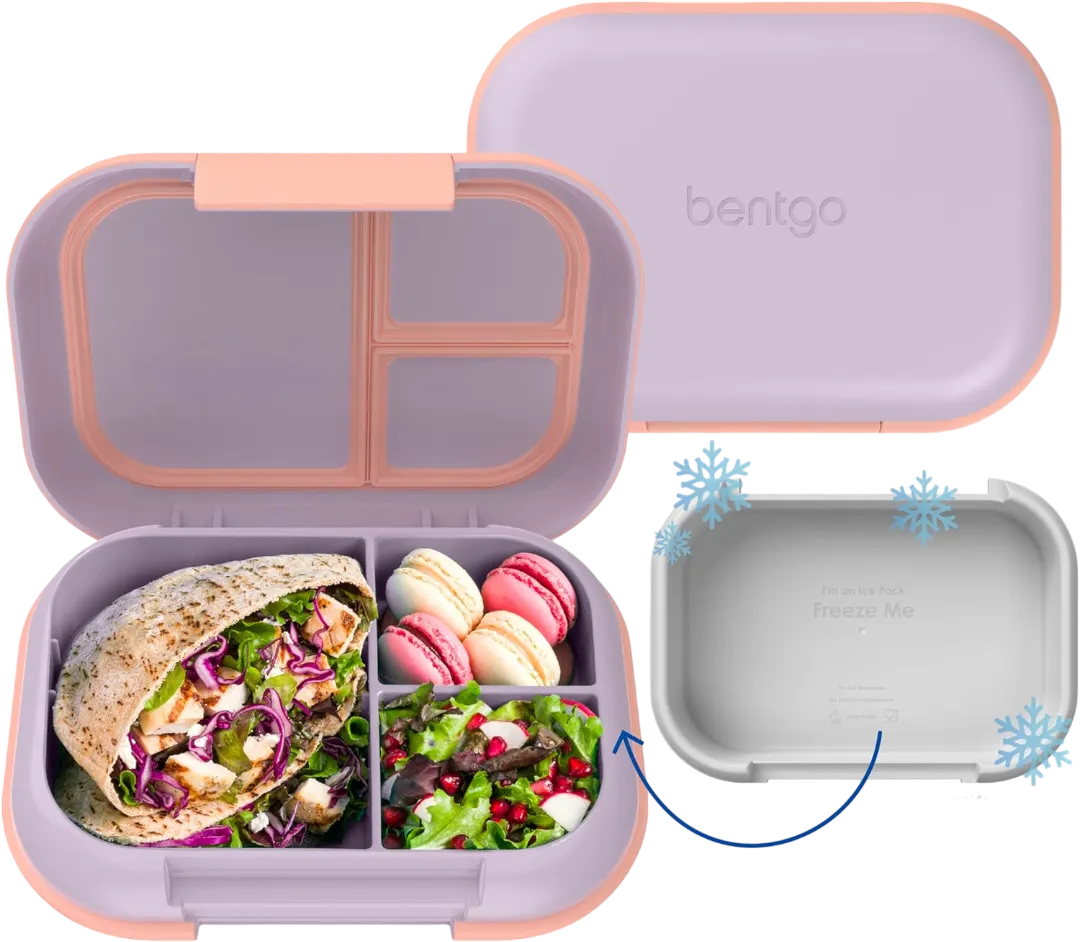
Bentgo Chill Max Lunch Box
it’s perfect for anyone who wants cute, organized, Instagram-able gluten-free lunches. The built-in ice pack keeps things fresh, the compartments are perfect for snacks, dips, and small portions, and it’s leak-proof (so your hummus doesn’t redecorate your tote bag). Ideal for school, work, picnics, travel days, or long study sessions.
3. Gluten-Free Work & Meal-Prep Lunches
For adults, lunch often needs to be packable, reheatable (or delicious cold), and made mostly in advance. The good news: many classic meal-prep ideas adapt beautifully to a gluten-free lifestyle with just a few swaps.
Gluten-Free Lunch Bowls
Bowls are one of the easiest ways to create balanced, filling lunches. Use the same base across several days but change the toppings to keep things interesting.
Try combinations like:
- Mediterranean Bowl: quinoa, grilled chicken or chickpeas, cucumber, tomato, olives, feta, and a lemon-olive oil dressing.
- Tex-Mex Bowl: rice, black beans, roasted peppers and onions, corn, shredded cheese, avocado, and salsa.
- Asian-Inspired Bowl: rice or rice noodles, shredded cabbage, edamame, carrots, tofu or chicken, and a gluten-free tamari dressing.
- Roasted Veg & Pesto Bowl: buckwheat or millet, roasted broccoli, zucchini, and cherry tomatoes with chicken or white beans and a spoon of gluten-free pesto.
Store dressings separately and add right before eating to keep textures fresh. If you’re packing multiple days at once, keep more delicate ingredients like avocado for the last day or add in the morning.
Comforting Gluten-Free “Leftover” Lunches
Some of the best work lunches are simply smartly packaged leftovers. When you cook dinner, think ahead to the next day’s lunch:
- Cook an extra chicken breast or two for next-day salads or wraps.
- Make a larger batch of gluten-free pasta and turn it into pasta salad.
- Roast more vegetables than you need and repurpose them into grain bowls.
- Bake extra potatoes or sweet potatoes to stuff with leftover chili or beans.
Pack leftovers into divided containers so you can separate sauces, sides, and toppings. This prevents texture issues and makes lunches feel like “real meals,” not scraps.
No-Heat Gluten-Free Lunch Ideas
Not every workplace has a reliable microwave. For no-heat situations, focus on foods that taste great cold or at room temperature:
- Adult “snack plates” with cheese, gluten-free crackers, veggies, hummus, nuts, and fruit.
- Cold grain salads (quinoa tabbouleh-style, rice and bean salads, lentil salads).
- Gluten-free wraps with turkey, roasted veggies, or tuna salad and plenty of crunchy veg.
- Greek-style yogurt or cottage cheese bowls with fruit, gluten-free granola, and seeds.
A well-insulated, compartment-style lunch box helps you safely pack more variety and keep perishable foods at safe temperatures until lunchtime.
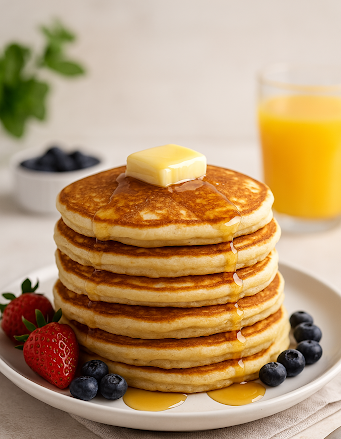
Recipe Inspiration
Try these gluten-free staples loved by thousands:


4. Safe Packing & Cross-Contact Tips
Even the most beautifully planned gluten-free lunch box can cause issues if it’s exposed to gluten along the way. If you share a kitchen with gluten-eaters—or if school or work spaces include gluten—building safe habits is essential.
Kitchen Habits for Safer Gluten-Free Lunch Prep
If someone in your household eats gluten, take a few extra precautions when preparing and packing lunches:
- Use a dedicated gluten-free cutting board and toaster, and keep them clearly labeled.
- Wash hands, knives, and surfaces thoroughly before preparing gluten-free food.
- Keep separate containers for gluten-free spreads like butter, peanut butter, and jam so crumbs don’t sneak in.
- Store gluten-free breads and snacks in their own bin or shelf to avoid mix-ups.
- Prepare gluten-free lunches first, then prep anything containing gluten.
Over time, these steps become quick, automatic habits and make weekday lunch prep much less stressful.
Preventing Cross-Contact in Lunch Boxes
Once food leaves your kitchen, you still want to minimize gluten exposure at school or work. Some simple strategies include:
- Choose lunch boxes with clearly separate compartments or leak-resistant containers.
- Pack utensils in a case or reusable pouch to keep them clean before use.
- For kids, remind them not to share snacks or trade food at the table.
- Include wipes or hand sanitizer so they can clean their hands before eating.
- Talk to teachers or coworkers (when appropriate) so they understand your gluten-free needs.
For potlucks or shared lunches at work, bring a fully complete gluten-free meal for yourself so you don’t have to rely on uncertain shared dishes.
5. Time-Saving Routines & Planning Strategies
The biggest secret to realistic gluten-free lunch packing isn’t a specific recipe—it’s a routine. A loose plan keeps you from standing in front of the fridge at 10 p.m. wondering what on earth to pack tomorrow.
Create a Simple Weekly Lunch Plan
You don’t need a complicated spreadsheet. Start with this:
- Pick 2–3 protein options for the week (for example: chicken, eggs, and hummus).
- Pick 2 grains or starches (such as rice and potatoes, or quinoa and gluten-free pasta).
- Pick 3–4 fruits and 3–4 vegetables your household actually enjoys.
- Choose 2 snack options (like popcorn and gluten-free crackers).
Write these on a notepad or in a planner and build lunches using only those items for the week. This massively reduces decisions and helps you use up what you buy.
Batch-Prep Once, Benefit All Week
Set aside 60–90 minutes once a week—often Sunday or whatever your “reset” day is—and prep a few basics:
- Cook a pot of gluten-free grains and roast a tray or two of vegetables.
- Boil a batch of eggs or bake chicken to slice or shred.
- Wash, dry, and chop sturdy veggies like carrots, celery, and peppers.
- Portion snacks like nuts, popcorn, or gluten-free crackers into grab-and-go containers.
- Pre-pack any sauces or dressings in tiny jars or lidded cups.
After that, nightly lunch packing becomes more like assembling building blocks than cooking from scratch.
Night-Before vs. Morning-Of Packing
There’s no one right time to pack lunches—choose what fits your household rhythm. A few considerations:
- Night-before packing is great if mornings are chaotic; just keep wet ingredients separate until morning if needed.
- Morning packing works if you prefer very fresh components but can be stressful without a plan and prepped ingredients.
- A hybrid approach—prepping components on the weekend, half-assembling at night, and finishing small details in the morning—often strikes the best balance.
Whatever you choose, aim to make lunch packing repeatable. Keep lunch containers, reusable bags, and thermoses in one place so you’re not hunting for lids when you’re already running late.
Building Your Personal “Gluten-Free Lunch Bank”
As you discover lunches that work well for your family, write them down. Keep a running list on your fridge, in a notes app, or inside your planner:
- Highlight 5–10 “emergency” lunches you can always make in a pinch.
- Note which lunches travel best, which reheat well, and which your kids request most.
- Rotate through your list to keep things interesting without reinventing the wheel.
Over time, that list becomes your personal gluten-free lunch playbook, making each week smoother than the last.
Key Takeaways
- Build every gluten-free lunch box around a simple formula of protein, fiber-rich carbs, healthy fats, and colorful fruits and vegetables.
- Use mix-and-match components to create kid-friendly gluten-free lunches that feel fun and varied without requiring brand new recipes every week.
- For adults, grain bowls, leftovers, and no-heat snack-style lunches make gluten-free meal prep easier and more satisfying.
- Safe packing and thoughtful kitchen routines help reduce cross-contact risks when preparing and transporting gluten-free lunches.
- A basic weekly plan, a bit of weekend prep, and a running “lunch idea bank” turn gluten-free lunch packing into a sustainable habit instead of a daily scramble.
Take the Next Step in Your Gluten-Free Journey
- Download the Free EGF Starter Guide
- Try our Gluten-Free Planner to simplify your week
- Explore our growing recipe library
You don’t have to navigate the gluten-free lifestyle alone, we are here to make it easier every day.
Category: Lunch & Meal Prep