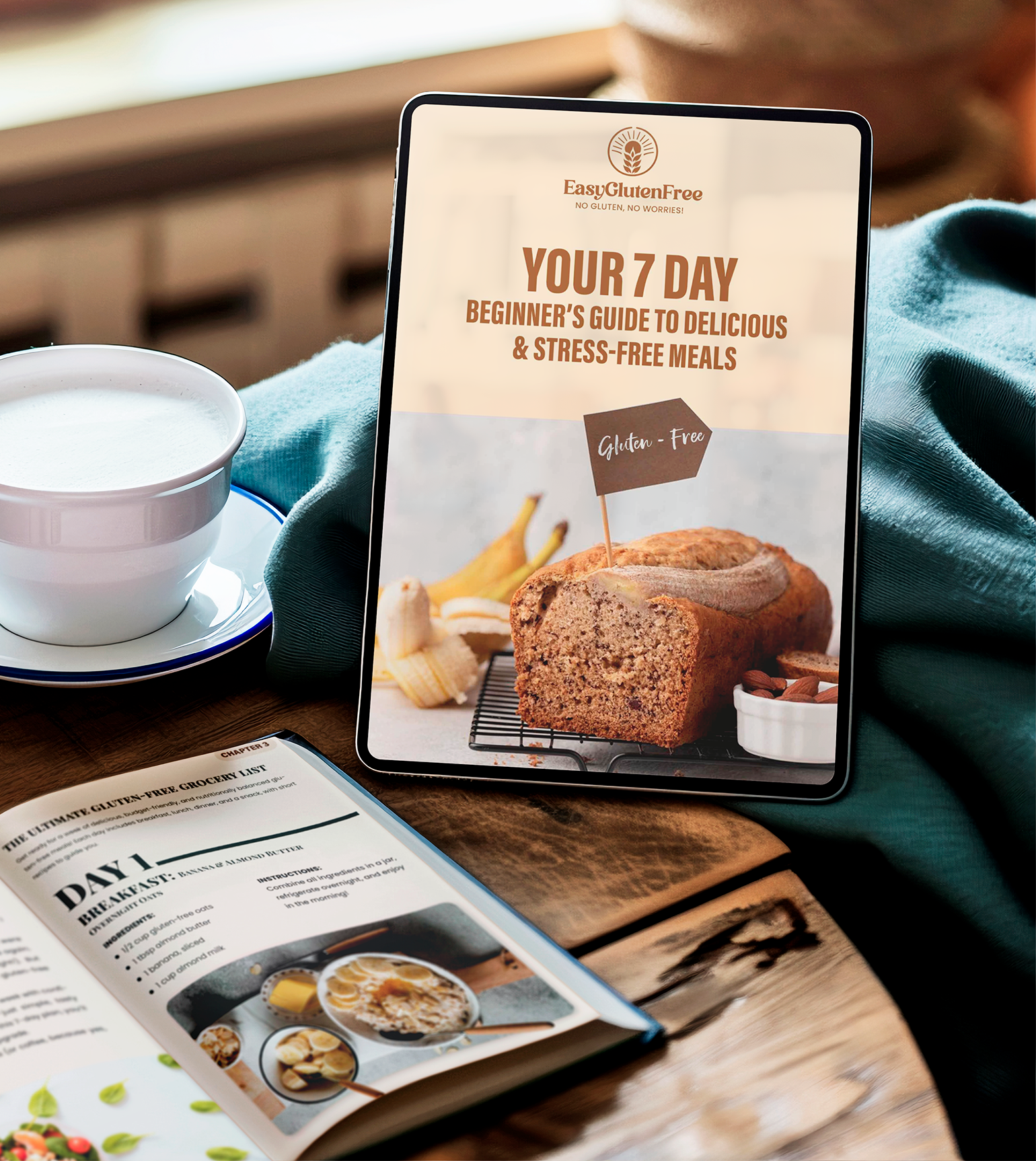
Download the Free Guide to Stress-Free Gluten-Free Meal Prep

Gluten-Free Meal Prep for Busy Weeks: Simple, Safe & Satisfying
Gluten-free meal prep doesn’t have to mean dry chicken, sad salads, and mystery Tupperware. With a little strategy (and the right tools), you can open your fridge on a Tuesday night and actually feel relieved. In this guide, we’ll walk through gluten-safe planning, cross-contact smart storage, and easy systems so you can eat well all week—without living in your kitchen.
Download Our Free Gluten-Free Starter Guide
- 7-day meal plan
- shopping list
- Tips & 3 beginner-friendly recipes
Introduction
If you’re juggling work, family, appointments, and a gluten-free life, “What’s for dinner?” can feel like a trick question. Takeout isn’t always safe, last‑minute cooking is exhausting, and somehow the fridge is full but nothing’s actually ready to eat. That’s where gluten-free meal prep becomes a game‑changer—not just for your schedule, but for your sanity.
Meal prep gets a bad reputation for being rigid or time-consuming, but done right, it’s simply about making future-you’s life easier. You batch a few components, store them safely, and suddenly quick breakfasts, packable lunches, and stress‑free dinners are on autopilot. For those of us who have to think about gluten every single time we eat, that kind of predictability is priceless.
In this article, we’ll break down how to prep gluten-free meals in a way that’s realistic, flexible, and safe—from planning and shopping, to cooking, cooling, and storing. You’ll also see how reusable storage solutions can help keep your food fresh, your kitchen organized, and cross-contact risks lower, all while creating a system you can stick with week after week.
1. Planning a Gluten-Free Meal Prep Week
Before you chop a single carrot, you need a simple plan. Planning doesn’t have to be elaborate—it just needs to answer three questions: What are you eating? When are you eating it? And how will you make it gluten-safe?
Start with your real week, not your fantasy week
Look at your calendar and work backward. Late meetings? Kids’ activities? Travel days? Those nights need the fastest, lowest‑effort meals. Save any new or more involved recipes for quieter evenings or weekends.
- High‑energy nights: Try sheet‑pan dinners, one‑pot soups, or a stir‑fry that comes together in 20 minutes.
- Low‑energy nights: Plan leftovers, freezer meals, or “assembly” dinners like tacos, grain bowls, or salads.
- On‑the‑go days: Think packable, sturdy options like quinoa salads, frittata slices, or overnight oats made with certified gluten-free ingredients.
Build around naturally gluten-free staples
Focusing on whole, naturally gluten-free foods simplifies both shopping and label reading. Use them as your base and layer flavors on top.
- Proteins: eggs, chicken, turkey, tofu, beans, lentils, canned tuna (check labels), shrimp.
- Carbs: rice, quinoa, potatoes, sweet potatoes, certified gluten-free oats, GF pasta.
- Veggies: anything you like roasted, sautéed, or eaten raw—carrots, peppers, broccoli, greens, cucumbers, tomatoes.
- Fats & flavor: olive oil, avocado, nuts and seeds (check for cross-contact), herbs, spices, citrus, gluten-free sauces.
Then, think in “meal formulas” instead of strict recipes. For example:
- Bowl formula: grain + protein + 2 veggies + sauce.
- Tray bake formula: protein + starchy veg + non‑starchy veg + seasoning blend.
- Snack box formula: protein (eggs, hummus, cheese) + crunch (GF crackers, nuts) + fruit or veg.
Create a gluten-aware shopping list
Once you know your meal formulas, turn them into a shopping list with gluten‑free safety in mind.
- Highlight “high-risk” items: sauces, broths, seasonings, marinades, meat substitutes, oats, and anything breaded or processed. These often hide gluten.
- Check certification where needed: especially for oats, grains, and anything at risk of cross-contact during processing.
- Group items by store section: produce, pantry, refrigerated, frozen. This shortens your trip and lowers decision fatigue.
Planning is about intention, not perfection. Expect to adjust; your goal is simply to make it easier to eat safe, satisfying gluten-free food all week long.
2. Safe Storage, Batch Cooking & Cross-Contact
Once your plan is set, the next step is batch cooking and storage. For gluten-free eaters, this isn’t just about staying organized—it’s also about preventing cross-contact and keeping your food safe over several days.
Batch cook with safety in mind
Start by cleaning your workspace, especially if you live in a mixed‑diet household. Wipe down counters, wash cutting boards and knives, and keep gluten-containing breads or snacks far from your prep area.
- Use dedicated gluten-free tools where possible, especially for colanders, wooden spoons, toasters, and cutting boards that can trap crumbs.
- Cook naturally gluten-free items first (like plain proteins and veggies) to minimize risk while your kitchen is at its cleanest.
- Keep sauces and seasonings simple and gluten-free, then vary them through the week so your meals don’t feel repetitive.
A typical batch-cooking session might look like:
- Roasting a tray of mixed vegetables.
- Cooking a pot of rice or quinoa.
- Baking or sautéing chicken, tofu, or another protein.
- Hard‑boiling eggs and washing/chopping fresh veggies for snacks.
Cool and store food the right way
How you cool and store cooked food affects both safety and texture. Spread hot food out in shallower containers so it cools faster before you refrigerate. Avoid leaving food at room temperature for more than about two hours.
Label containers with the day you cooked and a quick description (for example, “Sun – quinoa, taco chicken”). This helps you eat older food first and avoid mystery meals at the back of the fridge.
Separate gluten-free from gluten-containing foods
If other people in your home eat gluten, your storage system matters just as much as your cooking setup.
- Assign a gluten-free shelf or drawer in your fridge and pantry so your food doesn’t sit underneath crumb‑shedding items.
- Use clear labeling (“GF – do not touch with gluteny hands”) to gently train the rest of the household.
- Store GF items in fully sealed containers rather than loosely covered bowls or shared bags.
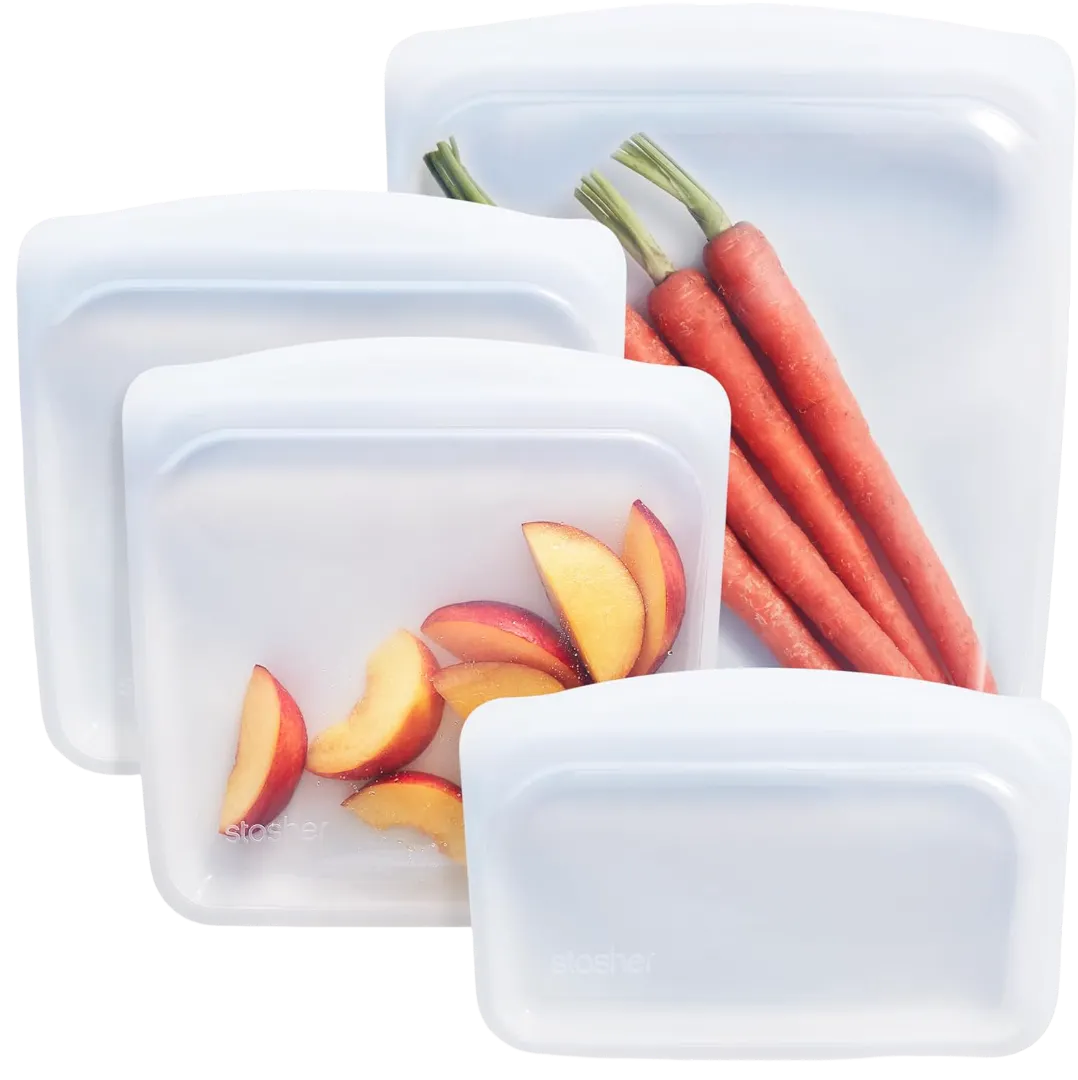
This is where reusable storage solutions shine. Durable, sealable bags and containers help you portion meals, organize snacks, and reduce both waste and guessing.
Premium Silicone Reusable Food Storage Bags
These are the “I have my life together” bags. Perfect for packing gluten-free snacks, leftovers from brunch, veggie sticks for road trips, or even freezer prep for busy weeks. They’re reusable, dishwasher-safe, plastic-free, and look aesthetically pleasing in your fridge and your IG stories. Great anchor product for any article about sustainability, meal prep, hosting, or on-the-go GF living.
3. Time-Saving Gluten-Free Meal Prep Ideas
You don’t need to prep full meals for every day of the week to feel the benefits. In fact, many people find that prepping “building blocks” is more flexible and sustainable. Here are practical ideas you can mix and match.
Breakfast: fast, filling, and gluten-safe
- Overnight oats (certified GF): Prep several jars with oats, chia seeds, milk of choice, and fruit. Add nut butter or seeds in the morning for extra staying power.
- Egg muffins or frittata slices: Whisk eggs with chopped veggies, cheese, and cooked potatoes or hash browns (check labels), then bake and refrigerate portions.
- Yogurt parfait kits: Portion yogurt into containers and store toppings like gluten-free granola, nuts, and fruit separately to keep them crisp.
Lunch: packable and office-friendly
- Grain bowls: Start with rice or quinoa, add roasted veggies and a protein, then change up dressings (like lemon‑herb, tahini, or salsa) through the week.
- Mason jar salads: Layer dressing first, then sturdy veggies, proteins, and greens on top so they don’t wilt.
- Snack‑style lunches: Pack hummus, veggie sticks, cheese, hard‑boiled eggs, gluten-free crackers, and fruit for a no‑reheat meal.
Dinner: low-effort, high-comfort
- Sheet‑pan dinners: Prep a bag with chicken, chopped veggies, oil, and spices. On cooking night, dump on a tray and roast—no extra dishes.
- Soup or chili: Make a big pot with gluten-free broth and spices, then portion into containers for the week or freezer.
- Taco or nacho night: Prep taco‑seasoned meat or beans, shred cheese, and chop toppings. Use clearly gluten-free corn tortillas or chips.
Snacks: your gluten-free safety net
Prepared snacks are your backup plan when hunger hits and options are limited. Having gluten-free choices on hand makes it far easier to say no to unsafe food.
- Pre‑portioned nuts or trail mix (check for “may contain wheat” notes).
- Cut vegetables with hummus or another dip.
- Fruit paired with cheese sticks or nut butter.
- Homemade gluten-free muffins or energy bites.
Whichever ideas you choose, keep prep realistic. Start with one or two categories—maybe just breakfasts and snacks—and let your system grow naturally as it becomes a habit.
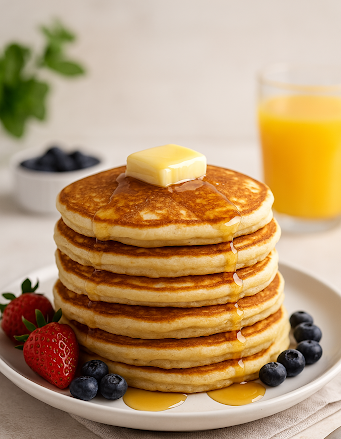
Recipe Inspiration
Try these gluten-free staples loved by thousands:


4. Eating, Reheating & Staying Flexible
Meal prep is only helpful if the food still tastes good a few days later. How you store and reheat makes a big difference to both flavor and gluten-free safety.
Reheat with texture in mind
Different foods reheat best in different ways:
- Proteins and roasted veggies: Reheat gently in a skillet with a splash of water or broth, or in the oven so they don’t dry out.
- Rice, quinoa, and pasta: Add a little water before reheating and keep covered to steam. Gluten-free pasta is especially prone to drying; undercook slightly when you first make it.
- Soups and stews: Reheat on the stove or in the microwave, stirring occasionally for even heating.
If you’re reheating at work or on the go, store components that can get soggy (like dressings, sauces, and toppings) separately and combine just before eating.
Prevent cross-contact at mealtime
Even if your prep is perfect, cross-contact can sneak in during serving and reheating—especially in shared microwaves, offices, or family kitchens.
- Use your own utensils: Keep a small set of dedicated gluten-free utensils at work or in your bag.
- Cover food in shared microwaves: This helps protect against crumbs or splatters left by gluten‑containing meals.
- Keep condiments gluten-safe: Use squeeze bottles when possible or label a gluten-free‑only jar at home.
Stay flexible and adjust as you go
Not every week will go as planned—and that’s normal. Maybe you eat out one extra night or just don’t feel like the meal you prepped for Wednesday. Instead of viewing that as a “failure,” treat it as data.
- Notice what you’re actually eating: If lunches disappear fast but dinners linger, shift your prep focus accordingly.
- Keep backup options: Frozen gluten-free meals, soup, or ingredients for a 10‑minute pasta can rescue a chaotic night.
- Reuse components: If you’re tired of one dish, repurpose the elements into something new—a rice bowl becomes tacos, roasted veggies become frittata, and so on.
The goal isn’t to follow your plan perfectly; it’s to have enough structure that you’re not starting from zero every time you eat.
5. Building a Sustainable Gluten-Free Prep Routine
A successful gluten-free meal prep routine is one that you can keep doing long term. It should make your life easier, not more overwhelming. That means keeping things simple, repeatable, and tailored to your reality.
Find your minimum effective dose
Instead of aiming for a Pinterest‑perfect fridge, identify the smallest amount of prep that meaningfully reduces your stress. For many people, that’s:
- Chopping a few key veggies.
- Cooking one protein and one grain.
- Prepping 2–3 grab‑and‑go breakfasts or snacks.
When that feels easy, add more. When life gets hectic, fall back to this “baseline prep” instead of all‑or‑nothing thinking.
Create a repeatable weekly rhythm
Routines make prep almost automatic. For example:
- Friday: glance at your calendar and rough‑plan meals.
- Saturday: grocery shop with a gluten-aware list.
- Sunday: 60–90 minutes of cooking and portioning.
Use timers, playlists, or even a favorite podcast to make prep time feel less like a chore and more like a ritual. Over time, you’ll learn how much you can realistically prep in the window you have.
Make your kitchen work for you
Small organizational tweaks can dramatically speed up gluten-free meal prep:
- Keep your most-used gluten-free tools (knives, cutting boards, measuring spoons) together in one “prep zone.”
- Store reusable containers and bags near where you usually portion cooked food.
- Use labels or color coding to quickly spot gluten-free items in the fridge and pantry.
The more streamlined your space, the easier it is to say “yes” to a quick prep session while something bakes or simmers.
Give yourself credit for small wins
Transitioning to or maintaining a gluten-free lifestyle is already a lot of work. Every time you stock your fridge with safe, ready‑to‑eat food, you’re making future meals easier and protecting your health and comfort.
Celebrate the weeks where you manage even a little prep, notice what helps you feel most supported, and don’t be afraid to lean on tools—like guides, planners, and reusable storage—to take some of the decision‑making off your plate.
Over time, gluten-free meal prep shifts from “one more thing to manage” into a quiet, reliable system in the background of your life—keeping you fed, safe, and just a little more peaceful all week long.
Key Takeaways
- Start your gluten-free meal prep by planning around your real schedule and using simple meal formulas instead of rigid recipes.
- Focus on naturally gluten-free staples and a gluten-aware shopping list to keep label reading and decision fatigue to a minimum.
- Batch cook safely, cool food properly, and use sealed, clearly labeled storage to reduce cross-contact risks in shared kitchens.
- Prep flexible building blocks—like proteins, grains, veggies, and snacks—so you can mix and match meals throughout the week.
- Keep your routine sustainable by aiming for a small, repeatable amount of prep that genuinely makes your gluten-free life easier.
Take the Next Step in Your Gluten-Free Journey
- Download the Free EGF Starter Guide
- Try our Gluten-Free Planner to simplify your week
- Explore our growing recipe library
You don’t have to navigate the gluten-free lifestyle alone, we are here to make it easier every day.
Category: Meal Prep & Planning