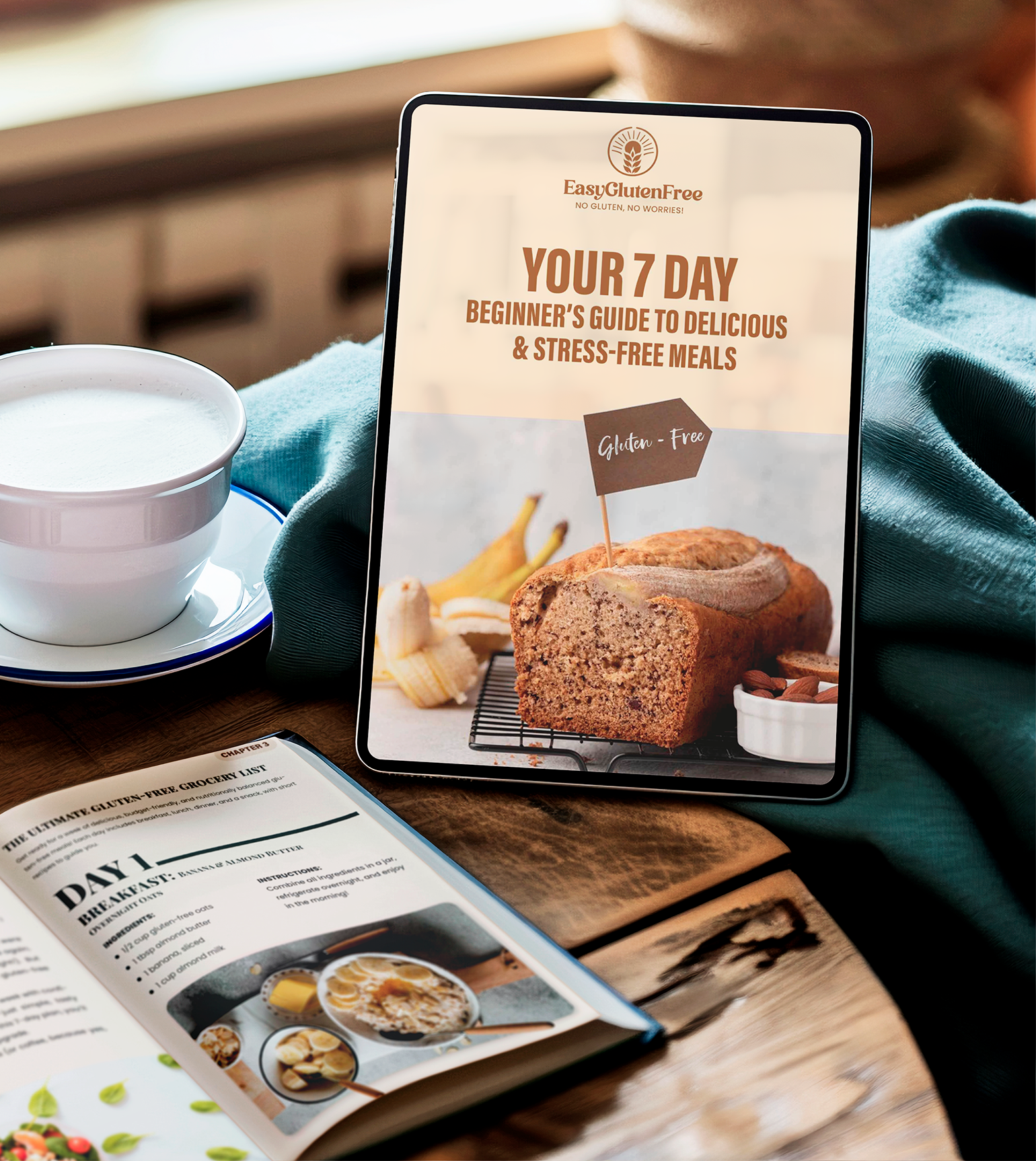
Download Your Free Guide to Stress-Free Gluten-Free Snacking

Gluten-Free Snacks You Can Actually Trust (and Grab on Busy Days)
Gluten-free snacking doesn’t have to mean being hungry, under-prepared, or stuck with the world’s driest rice cakes. With a little planning and a few reliable standbys, you can build a snack routine that’s safe, satisfying, and easy to manage even on your busiest days. This guide walks you through how to stock gluten-free snacks you can truly trust—at home, at work, and on the go—without spending hours reading labels or reinventing your pantry every week.
Download Our Free Gluten-Free Starter Guide
- 7-day meal plan
- shopping list
- Tips & 3 beginner-friendly recipes
Introduction
When you first go gluten free, meals usually get most of your attention—bread, pasta, pizza, the big obvious stuff. But very quickly, it’s the snacks that make or break your day. Work meetings, kids’ activities, road trips, movie nights… those are the moments when a surprise gluten-filled cookie tray or a bowl of mystery chips can leave you hungry, frustrated, and a little left out.
The good news: with the right strategy, gluten-free snacks can be simple, affordable, and genuinely delicious. You don’t need a pantry full of obscure specialty products or a brand-new routine. What you do need is a small set of reliable options, a bit of planning, and a system that fits into your real life—not some perfect Pinterest version of it.
This guide will help you build a gluten-free snack toolkit that works at home, at the office, at school, and on the go. We’ll cover label-reading basics, portable ideas, how to handle social situations, and ways to keep your snacks balanced so you stay full and energized instead of constantly grazing and crashing. Think of this as your blueprint for never being caught snack-less again.
1. Understanding Gluten-Free Snacking Basics
Before you fill your cart with “gluten-free” labels, it helps to zoom out and understand what makes a snack safe, satisfying, and sustainable in everyday life. A little strategy on the front end will save you a lot of stress (and money) later.
What actually makes a snack gluten free?
At its core, a gluten-free snack is one that does not contain wheat, barley, rye, or regular oats, and that hasn’t been contaminated with gluten during processing, handling, or serving. Naturally gluten-free foods—like fresh fruit, vegetables, nuts, seeds, eggs, cheese, and plain yogurt—are usually the safest starting point.
Packaged snacks are where things get trickier. Even if the main ingredients look safe, gluten can sneak in through:
- Flour coatings, seasonings, or crumb toppings
- Thickeners, stabilizers, or “texture enhancers” made from wheat
- Shared equipment used for both gluten and gluten-free products
That’s why it’s important to get comfortable reading labels and, when needed, checking a brand’s website for more details about how they handle cross-contact.
How to read snack labels with confidence
Label reading becomes second nature over time. To make it easier, use this simple three-step scan when you pick up a new snack:
- Check the front. A certified gluten-free seal adds helpful reassurance, but lack of a logo doesn’t always mean the product contains gluten.
- Read the ingredient list slowly. Look specifically for wheat, barley, rye, malt, brewer’s yeast, and regular oats. Be cautious with vague phrases like “natural flavors” if the product seems grainy or breaded.
- Look for “contains” and “may contain” statements. In some regions, wheat must be clearly listed if it’s present. “May contain wheat” or “made in a facility with wheat” can be extra important for those who need to be very strict.
With time, you’ll build a mental list of “safe favorites” and your grocery trip will speed up again.
Balancing your snacks so you actually stay full
Gluten-free or not, snacks that are all sugar or all starch tend to leave you hungry again a short time later. A more satisfying pattern is to mix:
- Protein – nuts, seeds, cheese, Greek-style yogurt, hard-boiled eggs, gluten-free hummus
- Healthy fats – nut butters, avocado, olives
- Fiber-rich carbs – fruit, veggies, gluten-free crackers, or whole-grain gluten-free options like brown rice or quinoa-based snacks
Putting just two of these together—say, apple slices with peanut butter, or gluten-free crackers with cheese—can make the difference between a snack that fuels you and one that leaves you grazing all afternoon.
Common gluten-free snack mistakes to avoid
As you’re getting started, watch out for a few easy traps:
- Relying only on packaged sweets. Cookies and bars are fun, but they’re not your only option.
- Assuming “rice” or “corn” equals gluten free. Many rice or corn snacks still include wheat in seasonings or binders.
- Forgetting about cross-contact at home. Crumbs in the butter, shared cutting boards, and toasters can all affect your snacks.
A little awareness here sets you up for much easier snacking later.
2. Smart Gluten-Free Snack Prep for Busy Weeks
One of the simplest ways to reduce gluten-related stress is to assume that the world will not be ready for your needs—and then prepare for yourself anyway. When your backpack, desk drawer, or car already holds safe snacks, surprise meetings and last-minute plan changes stop being a problem.
Set up a “grab-and-go” snack station at home
Think of your snack zone like a mini convenience store that actually understands gluten free. A simple plastic bin or basket labeled “GF Snacks” can make life easier for you, your family, and anyone else who cooks or shops in your household.
Inside, aim for a mix of:
- Shelf-stable options – nuts, seeds, individual nut butter packs, shelf-stable hummus cups, gluten-free crackers, seaweed snacks
- Quick fridge picks – string cheese, yogurt, cut veggies, hard-boiled eggs, dips clearly labeled gluten free
- Sweet options – dried fruit, dark chocolate, applesauce cups, simple gluten-free cookies or bars
When you come home from grocery shopping, spend five extra minutes portioning some of these into small containers or bags so they’re ready to toss into your bag.
Create a weekly “snack roster”
If you’re already planning dinners or lunches, add a tiny snack column to your list. It doesn’t have to be complicated. Pick three to five snack combos you’ll lean on for the week, such as:
- Carrot sticks + hummus
- Fruit + nuts
- Gluten-free crackers + cheese
- Yogurt + gluten-free granola
- Rice cakes + peanut butter
Having a roster reduces decision fatigue and makes it easier to shop and prep without overthinking every choice.
Why having a backup stash matters
No matter how organized you are, life happens. The meeting runs long, the flight is delayed, the party snacks are all off-limits. This is where a dedicated “emergency stash” can rescue your mood and your energy levels.
Consider keeping sealed, individually wrapped gluten-free snacks in:
- Your work bag or backpack
- Your desk drawer
- The glove compartment or trunk of your car
- A specific shelf or bin at home marked as “Do Not Touch” if you share snacks with others
Those few backups are often the difference between feeling forgotten and feeling prepared.
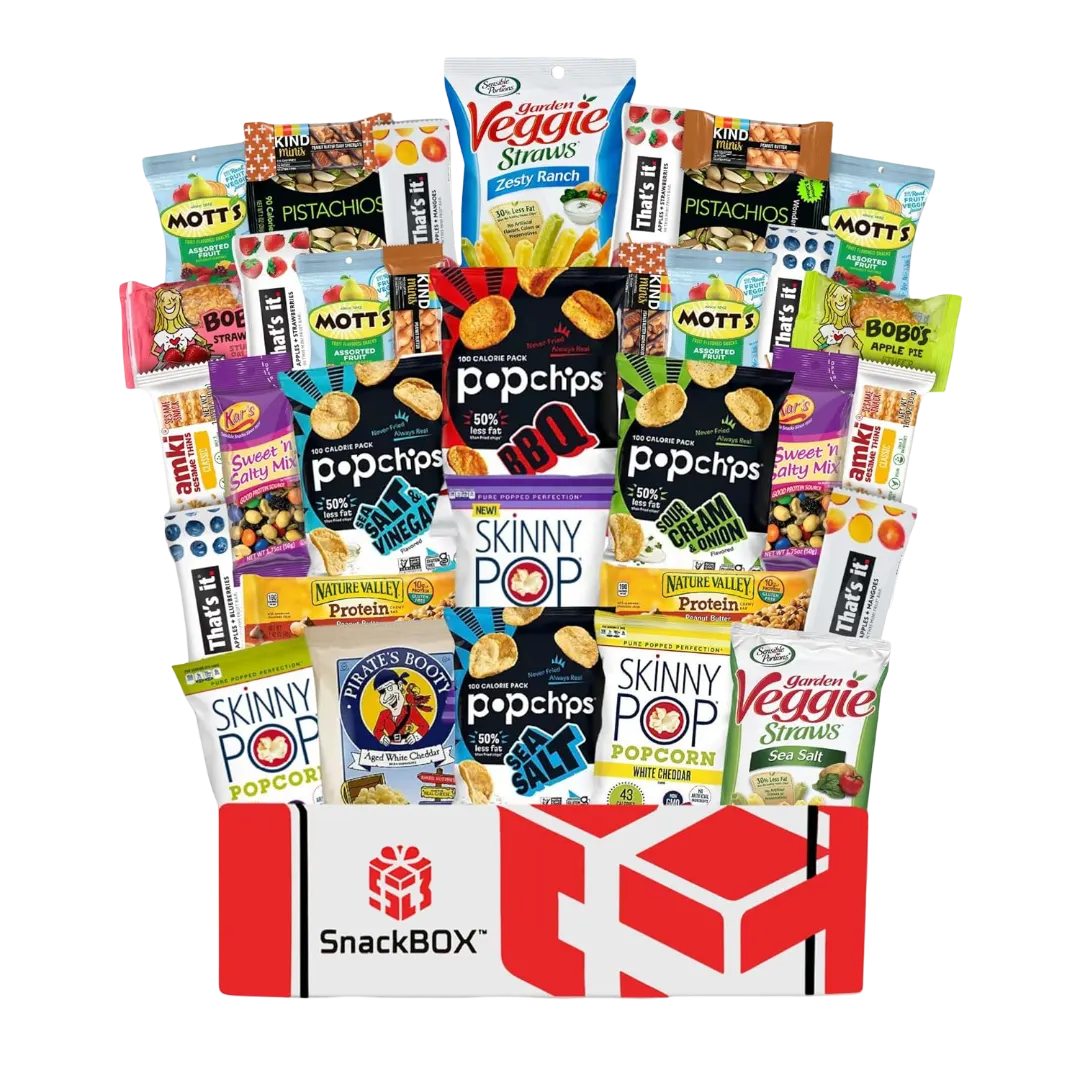
Snack BOX Gluten Free Healthy Care Package
This box is basically “emergency gluten-free social survival” in one package. It’s packed with individually wrapped snacks you can throw into your bag, keep at the office, bring to movie nights, or stash in your car so you don’t end up nibbling sad plain lettuce while everyone else has chips. Great for sharing, hosting, travel, or just living your best snack-gremlin life — gluten free.
3. On-the-Go Snacks: Work, School, and Travel
Out-of-the-house moments are where gluten-free snacking usually feels most stressful. You can’t control what others bring, and hunting for safe options at the last minute is rarely fun. A little advance prep can turn these situations from stressful to simple.
Work and school days
For work and school, aim for snacks that:
- Don’t require refrigeration (or last several hours without it)
- Are not messy and don’t have strong smells
- Are clearly yours (labeling helps in shared spaces)
Keep a small box or drawer at your desk or in your locker with individually packaged gluten-free snacks. Rotate stock occasionally so nothing goes stale, and make it a weekly habit to check what needs topping up.
Travel and flying gluten free
Airports, gas stations, and train kiosks can be challenging when you’re gluten free, especially if you’re hungry and in a rush. Whenever possible, treat travel days like a picnic you’re packing for yourself.
Ideas for travel-friendly gluten-free snacks include:
- Pre-cut veggies in a small container
- Individual nut butter packs with gluten-free crackers or apples
- Trail mix with nuts, seeds, and a few chocolate chips
- Gluten-free granola or snack bars
- Instant gluten-free oatmeal cups if you’ll have access to hot water
For flights, check any rules for liquids and gels, and consider packing foods that don’t rely on refrigeration for long stretches.
Eating out and staying flexible
Even when you’re out for a meal, it’s smart to keep a discreet gluten-free snack on hand. Sometimes menus change, kitchens are busier than expected, or safe options are more limited than you hoped. Keeping a small backup snack in your bag can tide you over until you get home or find something safer.
Over time, you’ll learn which local cafes, coffee shops, or convenience stores regularly offer gluten-free options. Keeping a small running list in your phone can be helpful for last-minute plan changes.
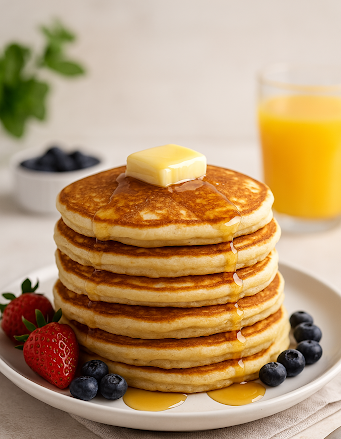
Recipe Inspiration
Try these gluten-free staples loved by thousands:


4. Social Situations: Parties, Events, and Sharing Snacks
Social gatherings are where gluten-free folks often feel the most awkward. You don’t want to draw attention to yourself, but you also don’t want to be stuck nibbling on plain salad while everyone else enjoys the snack spread.
Always bring a shareable option
One of the easiest ways to reduce stress is to always bring at least one gluten-free snack to share. That way, you know there will be at least one safe, tasty thing you can enjoy freely—and no one has to know it was your backup plan.
Choose something that:
- Travels well and doesn’t need complicated heating or assembly
- Is naturally gluten free or clearly labeled
- Tastes good to everyone, not just gluten-free eaters
If you’re worried about cross-contact on a shared snack table, set aside a small plate or portion for yourself before everything gets mixed together.
How to explain your needs without over-explaining
When hosts ask what you can eat, keep your answer simple. You don’t have to give your full medical history or justify your choices. A calm, clear response like, “I need to avoid gluten, which means no wheat, barley, or rye. I’m happy to bring a snack to share,” is often enough.
Some people will want more information because they genuinely care. Others may not fully understand, and that’s okay. Your primary job is to take care of yourself, not to convince anyone else.
Cross-contact at buffets and potlucks
Shared serving spoons, double-dipping, and crumbs can all introduce gluten into otherwise safe foods. At potlucks, consider:
- Serving yourself first from a fresh platter if possible
- Taking a plate of food and then skipping second trips to crowded buffet tables
- Bringing items that are individually wrapped or portioned
It’s not about being picky—it’s about protecting your health in a way that feels as relaxed and normal as possible.
5. Building a Long-Term Gluten-Free Snack Routine
A sustainable gluten-free lifestyle isn’t about perfection; it’s about systems. When you set up small routines and repeatable habits, snacking safely becomes something you do on autopilot instead of something that drains your mental energy.
Create a simple weekly rhythm
Try weaving these small habits into your week:
- Once a week: restock your home snack basket and check dates.
- Before busy days: pack at least one extra snack beyond what you think you’ll need.
- Once a month: review your favorite products and add one new option to try, so you don’t get bored.
Over time, these tiny checkpoints become part of your normal routine, just like grabbing your keys or checking your email.
Rotate your favorites to avoid burnout
Even the best snack gets boring if you eat it every day. Keep a short, rotating “favorites list” on your phone or in your planner with:
- 3 quick snacks for home
- 3 work/school snacks
- 3 travel or “emergency” options
Swap items in and out as seasons change and as you discover new gluten-free products you enjoy.
Make snacks part of your self-care
Gluten-free living can feel restrictive sometimes, especially if you’re surrounded by foods you can’t safely eat. Building a snack routine that actually feels cozy and satisfying can be a quiet way to add some joy back into daily life.
Light a candle and plate your evening snack nicely. Keep a favorite chocolate or fruit on hand for rough days. Give yourself permission to have snacks that are fun—not just purely “functional”—as long as they work for your body and lifestyle.
With a little planning and a few tools, gluten-free snacking can move from “constant problem” to “easy background habit”—freeing up your time and brain space for more important things.
Key Takeaways
- Gluten-free snacks are easiest to manage when you understand label basics and lean on naturally gluten-free whole foods whenever possible.
- Setting up a home snack station and a small weekly “snack roster” keeps your options organized and reduces last-minute stress.
- On-the-go days are smoother when you keep a dedicated stash of portable gluten-free snacks in your bag, desk, or car.
- Bringing a shareable gluten-free option to social events helps you feel included while making sure you have something safe to enjoy.
- Simple routines—like regular restocking, rotating favorites, and planning backups—turn gluten-free snacking into a low-stress, sustainable habit.
Take the Next Step in Your Gluten-Free Journey
- Download the Free EGF Starter Guide
- Try our Gluten-Free Planner to simplify your week
- Explore our growing recipe library
You don’t have to navigate the gluten-free lifestyle alone, we are here to make it easier every day.
Category: Lifestyle