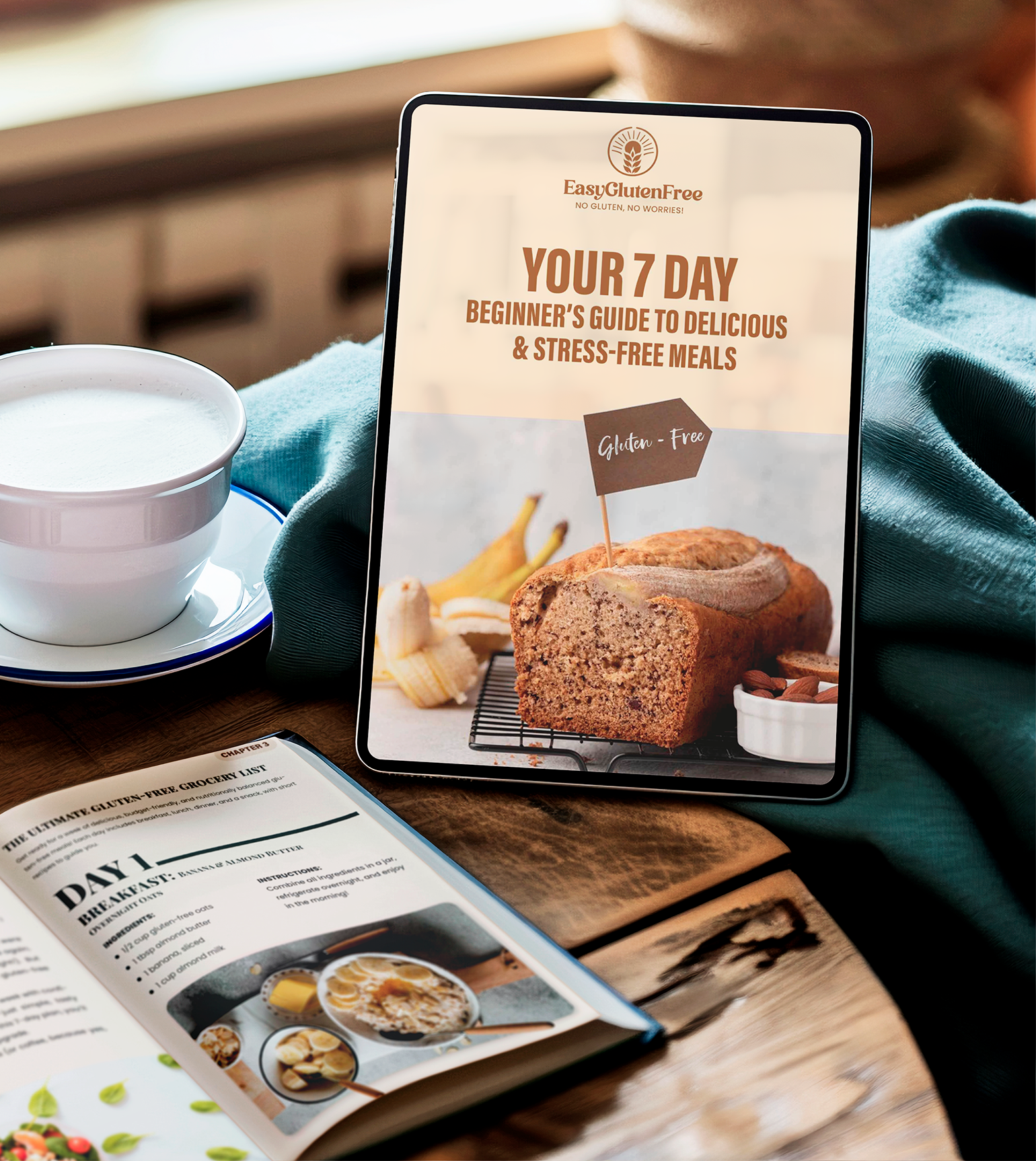
Pack Stress-Free Gluten-Free Lunches with Our Free eBook

Gluten-Free Lunch Box Ideas for Work and School (That Actually Fill You Up)
Running out of gluten-free lunch ideas is almost a rite of passage when you’re newly gluten-free. You start out strong with salads and rice bowls… and then suddenly it’s 10 p.m., you’re staring at an empty lunch box, and wondering if rice cakes count as a meal. This guide is here to change that—with practical, filling, and totally packable gluten-free lunch box ideas for work, school, and busy days on the go.
Download Our Free Gluten-Free Starter Guide
- 7-day meal plan
- shopping list
- Tips & 3 beginner-friendly recipes
Introduction
Gluten-free lunches don’t have to be sad, complicated, or built entirely from snack bars and emergency nuts. With a bit of planning—and the right containers—you can pack lunches that are colorful, satisfying, and safe from gluten cross-contact, whether you’re packing for work, school, or a full day of errands.
In this guide, we’ll walk through how to design a balanced gluten-free lunch box, smart ideas for batch-prepping ingredients, and specific mix-and-match lunch combinations you can start using this week. You’ll also find tips for keeping food fresh, preventing cross-contamination, and making sure your lunch actually keeps you full until dinner.
Think of this as your go-to resource for gluten-free lunch box ideas: evergreen basics, not trendy fads. Whether you’re packing lunches for yourself, a partner, or a gluten-free kiddo, you’ll come away with real-life strategies and plug-and-play ideas that make mornings easier—and your lunch break a lot more enjoyable.
1. Building a Balanced Gluten-Free Lunch Box
Before you think about recipes, it helps to have a simple formula for building any gluten-free lunch. This keeps you from ending up with three snacks and calling it a meal, and it makes it easier to swap ingredients based on what you have on hand.
A Simple Gluten-Free Lunch Formula
Use this as your base for every lunch you pack:
- Protein: chicken, turkey, tuna, beans, lentils, boiled eggs, tofu, Greek yogurt, cheese, or leftovers from dinner.
- Smart carbs (gluten-free): rice, quinoa, potatoes, gluten-free pasta, certified gluten-free bread or wraps, corn tortillas, or gluten-free crackers.
- Colorful produce: at least 1–2 servings of fruit or veggies—raw, roasted, or in a salad.
- Healthy fats: avocado, nuts, seeds, hummus, cheese, olive-oil-based dressings, or nut butter.
- Something fun: a small treat, dip, or crunchy snack so your lunch feels satisfying, not restrictive.
Gluten-Free Staples to Keep on Hand
Stocking a few reliable basics makes gluten-free lunch packing much easier. Consider keeping these in your pantry or freezer:
- Microwaveable rice cups or frozen rice
- Canned beans (black beans, chickpeas, lentils)
- Certified gluten-free oats, crackers, and bread
- Frozen veggies for quick roasting or steaming
- Pre-washed salad greens
- Rotisserie chicken (check it’s gluten-free) or pre-cooked chicken strips
- Gluten-free deli meats (avoid ones with questionable flavorings—check labels carefully)
How Much Food Do You Actually Need?
Everyone’s appetite is different, but a good rule of thumb is to make your lunch substantial enough that you’re not counting down the minutes to your next snack. Mentally divide your lunch box into:
- Half: veggies and/or fruit
- One quarter: protein
- One quarter: gluten-free carbs + healthy fats
If you tend to get hungry mid-afternoon, pack an intentional snack rather than hoping office candy or a random granola bar will do the job. When you’re gluten-free, “I’ll just grab something later” is rarely a safe strategy.
2. Gluten-Free Main Lunch Ideas (Work, School & On-the-Go)
Once you have your formula, it’s time to turn it into real lunches that travel well. Here are mix-and-match gluten-free lunch box ideas for workdays, school, and busy on-the-go schedules. Most of these can be prepped the night before and customized based on what you like.
Protein-Packed Bowl Ideas
1. Burrito Rice Bowl (Gluten-Free)
- Base: white or brown rice, or quinoa
- Protein: seasoned ground beef, chicken, or black beans
- Add-ins: corn, salsa, shredded lettuce, cheese, and diced tomatoes
- Extras: guacamole or avocado slices packed in a separate compartment
Pack salsa and any creamy sauces in a small lidded container so your bowl doesn’t get soggy.
2. Mediterranean Chickpea Power Bowl
- Base: mixed greens or cooked quinoa
- Protein: chickpeas (canned, rinsed) and/or grilled chicken
- Add-ins: cucumber, cherry tomatoes, olives, red onion, and feta (if tolerated)
- Dressing: lemon juice, olive oil, salt, pepper, and dried oregano
Layer heartier ingredients like quinoa and chickpeas on the bottom if you’re pre-dressing your bowl to keep salad greens fresh.
Gluten-Free Sandwich & Wrap Alternatives
3. Lettuce-Wrap Turkey “Sandwiches”
- Use sturdy lettuce leaves (like romaine) instead of bread.
- Fill with gluten-free deli turkey, cheese, tomato slices, and mustard or mayo.
- Wrap tightly and secure with parchment and a rubber band.
4. Gluten-Free Hummus & Veggie Wrap
- Use a certified gluten-free tortilla or wrap.
- Spread with hummus, then add shredded carrots, cucumber strips, greens, and bell pepper.
- Roll tightly and slice into pinwheels for kids or bento-style lunches.
Hot Lunches That Reheat Well
5. Leftover Dinner Remix
Some of the easiest gluten-free lunches are simply smartly packed leftovers:
- Gluten-free pasta with meat sauce + side salad
- Roast chicken + roasted potatoes + green beans
- Stir-fried veggies with tofu or chicken over rice (ensure sauces are gluten-free)
Pack reheatable items in a microwave-safe container and keep cold foods (like fruit and yogurt) in a separate compartment.
6. Baked Potato Lunch Box
- Base: baked potato (white or sweet), pre-cooked and cooled
- Pack separately: shredded cheese, bacon bits (check they’re gluten-free), Greek yogurt or sour cream, steamed broccoli
- Reheat the potato at work/school if possible, then top with your mix-ins.
Kid-Friendly Gluten-Free Lunch Mains
7. DIY “Lunchable” Box (Gluten-Free Version)
- Gluten-free crackers
- Cheese cubes or slices
- Gluten-free deli meat cut into squares or rolled
- Veggie sticks + fruit (grapes, berries, apple slices)
This format works for adults too—just boost the portions and add a more substantial side like a hard-boiled egg or a small quinoa salad.
8. Pasta Salad Box
- Base: gluten-free pasta (spirals hold up well)
- Add: chopped veggies (cucumber, cherry tomatoes, bell pepper), olives, and cheese cubes
- Dressing: simple olive oil + vinegar, or your favorite gluten-free Italian dressing
Gluten-free pasta can get a bit firm in the fridge, so cook it just to al dente and toss with dressing to keep it from clumping.
On-the-Go, No-Reheat Ideas
If you won’t have access to a fridge or microwave, lean on lunches that are delicious cold and safe in an insulated bag.
- Chicken salad or tuna salad with gluten-free crackers and veggie sticks
- Cold rice salad with edamame, shredded carrots, and sesame-ginger dressing (gluten-free)
- Greek yogurt parfait with certified gluten-free granola, fruit, and a side of nuts
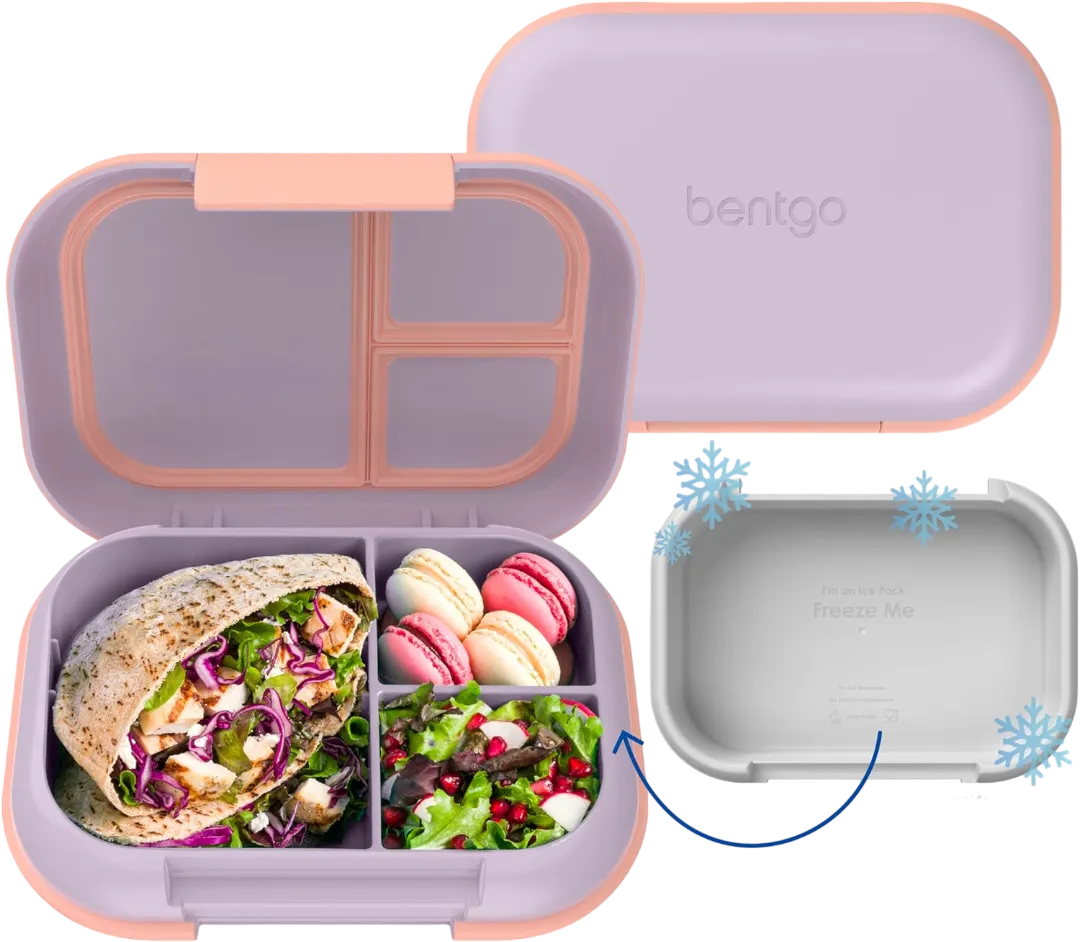
Bentgo Chill Max Lunch Box
it’s perfect for anyone who wants cute, organized, Instagram-able gluten-free lunches. The built-in ice pack keeps things fresh, the compartments are perfect for snacks, dips, and small portions, and it’s leak-proof (so your hummus doesn’t redecorate your tote bag). Ideal for school, work, picnics, travel days, or long study sessions.
3. Easy Gluten-Free Sides, Snacks & Sweet Bites
The right sides can turn a simple main into a satisfying, well-rounded gluten-free lunch box. Aim for a mix of fresh produce, something crunchy, something creamy, and occasionally something sweet.
Fresh & Crunchy Veggie Ideas
Prep a few vegetables once or twice a week so you can grab them quickly for lunches:
- Carrot sticks or baby carrots
- Cucumber rounds or sticks
- Bell pepper strips (any color)
- Sugar snap peas
- Cherry tomatoes
- Broccoli florets (blanch lightly if you prefer them softer)
Pair veggies with gluten-free dips like hummus, guacamole, bean dip, or a yogurt-based ranch-style dip (check that seasoning packets and sauces are gluten-free).
Fruit That Travels Well
Rotate through these to keep things interesting:
- Apples or pears (cut and toss with lemon juice to slow browning)
- Grapes or berries packed in a small container
- Mandarins or clementines
- Bananas (better left unpeeled until lunch)
- Melon cubes in a leak-proof container
Filling Snack Add-Ons
To avoid afternoon energy crashes, add one or two of these more substantial snacks:
- Hard-boiled eggs with salt and pepper
- Nut butter packets with apple slices or gluten-free rice cakes
- Small portion of nuts and seeds (almonds, walnuts, pumpkin seeds)
- Greek yogurt with fruit and certified gluten-free granola
- Gluten-free trail mix (watch out for pretzels or other gluten ingredients)
Sweet Treat Ideas (Gluten-Free)
Having a small sweet component can make your lunch feel more complete and reduce the temptation to grab something uncertain later.
- A couple of pieces of dark chocolate (check for gluten-containing add-ins)
- A small homemade gluten-free muffin or oat bar (using certified gluten-free oats)
- Energy bites made from dates, nuts, cocoa, and coconut
- Fruit salad with a squeeze of lime and a sprinkle of shredded coconut
Think of these as intentional, planned treats rather than afterthoughts—it helps you feel more satisfied with your meal overall.
Recipe Inspiration
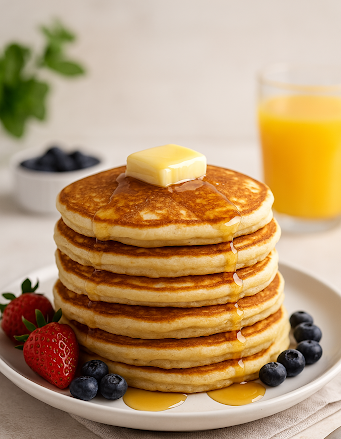
Try these gluten-free staples loved by thousands:


4. Meal Prep Tips for Fast Gluten-Free Lunch Packing
Even the best lunch ideas won’t happen consistently if they take 45 minutes every night. The key to sustainable gluten-free lunches is simple prep, smart batching, and a few repeatable routines.
Pick Your “Lunch Building Blocks” for the Week
Instead of planning 5 completely different lunches, choose 2–3 building blocks you can repurpose. For example:
- Protein: grilled chicken, a pot of beans or lentils, hard-boiled eggs
- Carb: a big batch of rice or quinoa, roasted potatoes, or gluten-free pasta
- Veggies: a tray of roasted vegetables + a container of chopped raw veggies
Then mix and match through the week: chicken with rice and veggies one day, bean and veggie bowl the next, and a pasta salad toward the end of the week.
Prep Once, Use Many Times
Here are small tasks that pay off all week:
- Boil a dozen eggs—peel a few, leave the rest in the shell.
- Wash and chop veggies into grab-and-go containers.
- Cook a large batch of a gluten-free grain (rice, quinoa, millet) and store it plain; flavor it differently for each meal.
- Portion out gluten-free snacks (nuts, crackers, granola) into small containers so they’re easy to toss in a bag.
Night-Before vs. Morning-of Packing
Most gluten-free lunches can be packed the night before. To prevent sogginess:
- Keep dressings and sauces separate until just before eating.
- Layer salads with dressing at the bottom and greens on top if you must pre-dress.
- Keep crackers and crunchy toppings in a separate compartment or bag.
If mornings are hectic, aim to have at least 80–90% of lunch ready the night before—maybe you just add fresh fruit or assemble a wrap in the morning.
Label & Rotate
If your household has both gluten-free and gluten-containing foods, label your gluten-free lunch components clearly. Store gluten-free items on a dedicated shelf or bin in the fridge to prevent mix-ups and accidental gluten contamination.
5. Gluten-Free Safety: Cross-Contact & Label-Reading at Lunch
Lunch time can be one of the riskiest meals of the day if you’re surrounded by shared kitchens, cafeterias, or co-workers who love to share snacks. A few simple habits can help you protect yourself while still enjoying your meal.
Preventing Cross-Contact in Shared Spaces
Cross-contact happens when gluten-free food touches gluten-containing crumbs, utensils, or surfaces. To reduce risk in lunchrooms or shared kitchens:
- Use your own dedicated utensils and containers, and keep them in your bag or desk.
- Wipe down tables or counters before you set out your lunch.
- Avoid toasters, shared condiments, and bulk snack containers that may be contaminated with crumbs.
- Keep gluten-free bread or wraps in sealed bags or containers until you’re ready to eat.
Packing Lunch for a Gluten-Free Child
If you’re packing a lunch for a gluten-free child at school:
- Communicate clearly with teachers or school staff about your child’s gluten-free needs.
- Pack complete, filling lunches so they’re less tempted to trade or share food.
- Include a few “fun” items (like a small dessert or special snack) so their lunch feels exciting, not limiting.
- Consider adding a small note or label that says “Gluten-Free – Please Don’t Share Food” if appropriate for your child’s age and environment.
Label-Reading for Lunch Foods
Many packaged lunch items may contain hidden gluten or be made in facilities where cross-contact is possible. Get in the habit of checking:
- Soups, sauces, and dressings—look for wheat, barley, or malt ingredients.
- Deli meats and flavored yogurts—sometimes contain gluten in seasonings or thickeners.
- Granola bars, snack mixes, and “healthy” bars—oats must be certified gluten-free if needed.
- Frozen meals or pre-made salads—look for a clear gluten-free label where possible.
When you find brands and products that work well for your lunches, keep a running list in your phone or planner. That way, refilling your pantry takes less energy, and safe lunch packing becomes more automatic over time.
Key Takeaways
- Build gluten-free lunches around a simple formula: protein, smart carbs, colorful produce, healthy fats, and something fun.
- Mix and match a few core ingredients each week to create multiple lunch box combinations without extra effort.
- Pack balanced sides and snacks—veggies, fruit, and protein-rich extras—to stay full through your afternoon.
- Use meal prep strategies and the right containers to save time, prevent sogginess, and keep food safe.
- Protect yourself from gluten exposure by managing cross-contact, reading labels carefully, and planning safe options ahead of time.
Take the Next Step in Your Gluten-Free Journey
- Download the Free EGF Starter Guide
- Try our Gluten-Free Planner to simplify your week
- Explore our growing recipe library
You don’t have to navigate the gluten-free lifestyle alone, we are here to make it easier every day.
Category: gluten-free meal prep