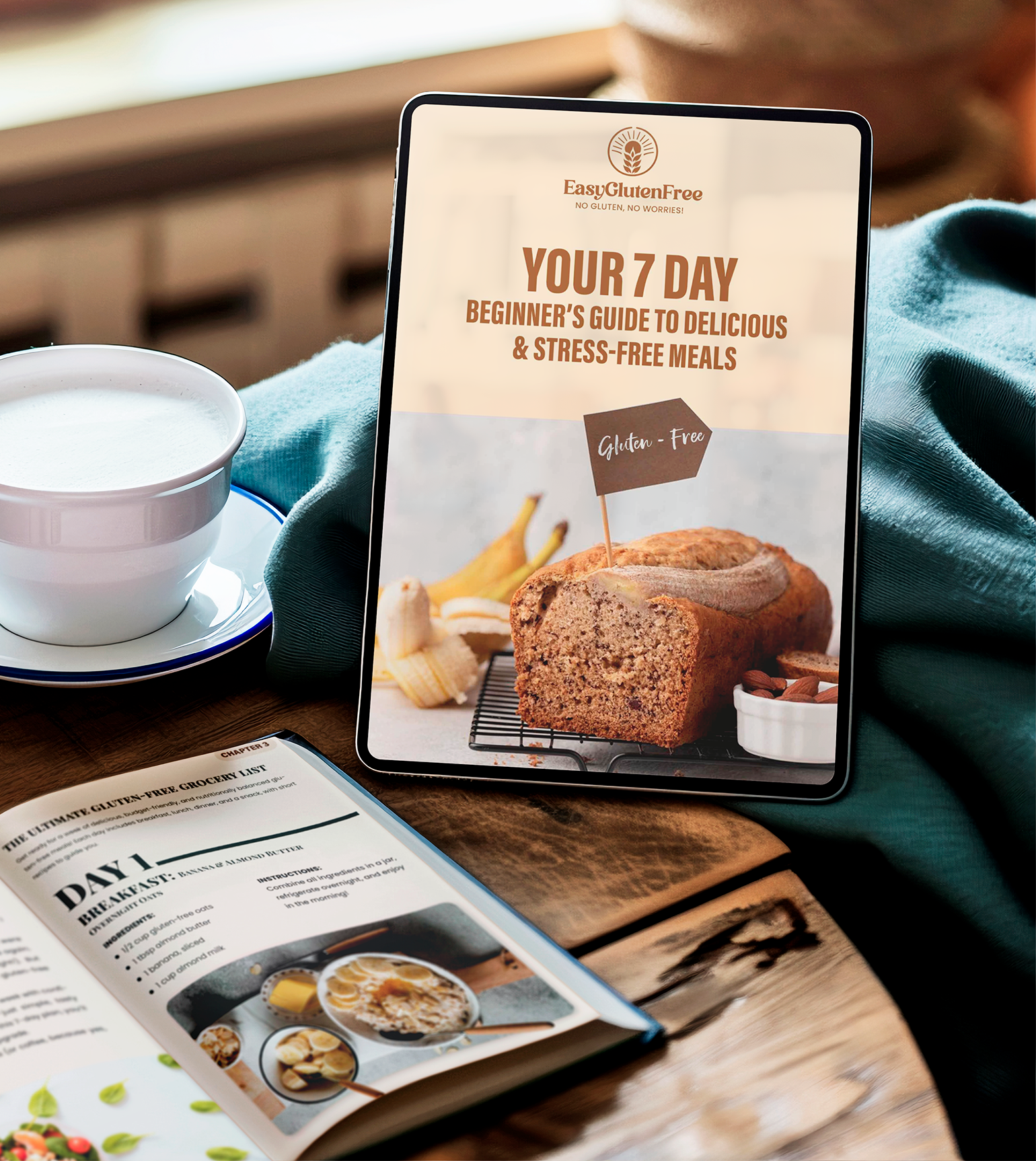
Download Your Stress-Free Gluten-Free Snacking Survival Guide

Gluten-Free Snack Box Essentials: How to Build a Safe, Satisfying Snack Stash
If you’ve ever been stuck at a party with nothing but carrot sticks and questionable dip, you already know why a gluten-free snack box is life-changing. In this guide, we’ll walk through how to build a reliable gluten-free snack stash that travels with you — so you always have something safe, tasty, and satisfying on hand, no matter where you are.
Download Our Free Gluten-Free Starter Guide
- 7-day meal plan
- shopping list
- Tips & 3 beginner-friendly recipes
Introduction
Gluten-free meals are one thing. Gluten-free snacks? That’s where real life happens — at work, in the car, at kids’ activities, on flights, and at social events where “there should be something you can eat” usually turns into…nothing you can eat. Having a dedicated gluten-free snack box is one of the simplest ways to protect yourself from getting “hangry” and relying on maybes or mystery labels.
Whether you’re navigating celiac disease, non-celiac gluten sensitivity, or you’re simply avoiding gluten for your own reasons, a snack box acts like your portable safety net. It means fewer last‑minute scrambles, less label anxiety, and far more confidence saying yes to invitations, travel, and long days out of the house. Instead of wondering, “Will there be food for me?” you already know you’re covered.
In this article, we’ll break down exactly how to build a gluten-free snack box that fits your life: what to include, how to check labels, how to prep for road trips and flights, and how to keep everything organized and fresh. We’ll also look at ready-made options, like curated gluten-free snack boxes, that can save you time and give you new ideas for your own stash.
1. Why a Gluten-Free Snack Box Is a Lifesaver
Most gluten-free stress comes from the unexpected moments: a work meeting that runs long, a delayed flight, a last-minute birthday party, or a road trip with limited food options. A gluten-free snack box is your answer to all of those scenarios. It’s a small, portable collection of safe snacks that you pre‑approve, so you’re never fully at the mercy of whatever’s available.
Instead of hoping there’s something you can eat, you’re prepared. That preparation does more than just protect your stomach — it protects your energy, your focus, and your ability to fully participate in life without constantly scanning the room for food you can safely have.
Key benefits of having a dedicated gluten-free snack box
First, it dramatically reduces decision fatigue. When hunger hits, you don’t want to read fine print or Google obscure ingredients on your phone. With a curated snack box, the deciding work is already done. You’ve checked the labels, vetted the brands, and stocked what actually works for you.
Second, it supports your social life. Impromptu hangouts, movie nights, and game nights become much easier when you can toss a couple of individually wrapped snacks into your bag. You show up with something you know you can eat — and often something others will want to share too.
Third, it’s a quiet form of self-advocacy. You’re not relying on hosts, schools, offices, or airlines to accommodate your needs. You’re still grateful when they do, but your wellbeing doesn’t depend on it. That sense of security can make a huge difference in how relaxed you feel living gluten free day to day.
Different “zones” of gluten-free snacking in your life
It’s helpful to think about your gluten-free snack strategy in zones rather than as a single box. For example, you might keep:
• An “office stash” in your desk drawer for long days or surprise meetings.
• A “car kit” with heat-stable items for errands, kids’ activities, and commutes.
• A “travel pack” that goes into your carry-on or backpack for flights and road trips.
• A “social kit” — basically your purse, backpack, or diaper bag snacks for parties and events.
All of these zones can be versions of your gluten-free snack box, tailored slightly to where they live and what conditions they’ll be stored in (temperature, space, and how often you access them). But the goal stays the same: you always have something safe within reach.
Why individual packaging can be especially helpful
For gluten-free eating outside your own kitchen, individually wrapped snacks can be a game changer. They help minimize cross-contact risk because they aren’t sitting open on a shared table, and they’re easier to toss into bags or share safely. They’re also simpler to hand to kids or friends without worrying about whether someone has dipped a gluten-y cracker into the bag.
Bulk snacks do have their place — especially at home — but for your on‑the‑go snack box, portioned packs give you more control, more portability, and less exposure to gluten crumbs from other people’s food.
2. What to Look for in a Gluten-Free Snack Box
When you’re choosing or building a gluten-free snack box, the first priority is safety — but satisfaction needs to be a close second. A box full of dry, bland snacks that no one actually wants to eat isn’t going to help you much when cravings hit.
Start by deciding where and how you’ll use your snack box most. Is it mainly for travel? For school or the office? For parties and social situations where gluten-filled snacks usually take over? Your primary use will shape what matters most, whether that’s compact size, variety, kid-friendliness, or shareable options.
It can also be helpful to look at curated gluten-free snack assortments. These can give you new ideas, introduce you to brands you haven’t tried yet, and act as a ready-made “emergency kit” when you don’t have time to piece one together yourself.
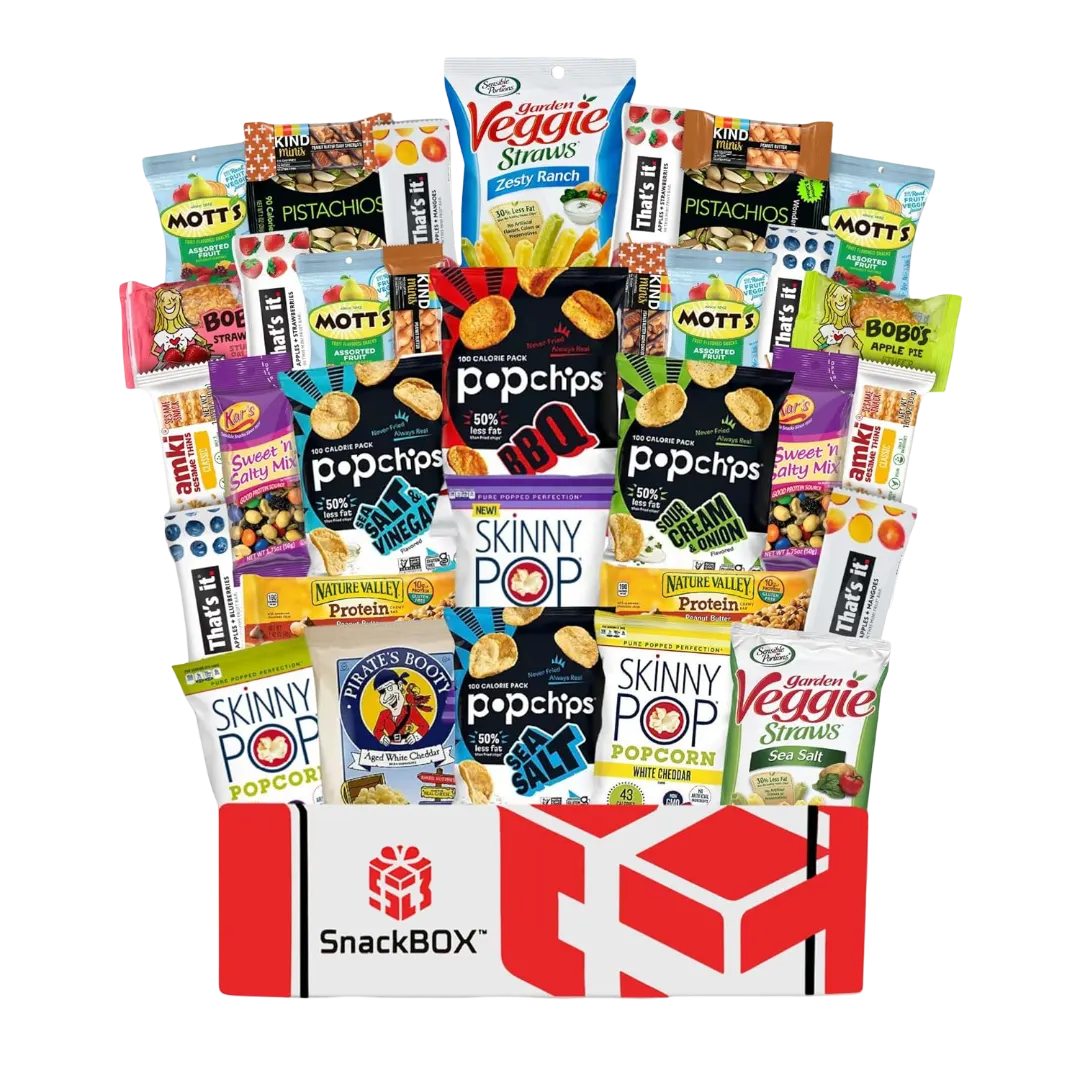
Snack BOX Gluten Free Healthy Care Package
This box is basically “emergency gluten-free social survival” in one package. It’s packed with individually wrapped snacks you can throw into your bag, keep at the office, bring to movie nights, or stash in your car so you don’t end up nibbling sad plain lettuce while everyone else has chips. Great for sharing, hosting, travel, or just living your best snack-gremlin life — gluten free.
3. Easy Ideas to Stock Your DIY Gluten-Free Snack Box
Creating your own gluten-free snack box doesn’t have to be complicated or expensive. Think in simple categories — salty, sweet, protein, and “emergency meal-ish” — and aim to add at least one or two options from each. Over time, you’ll learn what you actually reach for and can fine-tune your selection.
Salty & crunchy gluten-free snacks
Salty snacks are often the hardest to find gluten free in shared spaces, because so many crackers, pretzels, and snack mixes use wheat. Stocking your own means you won’t be stuck watching everyone else crunch away while you nibble on plain veggies.
Look for clearly labeled gluten-free options like rice crackers, corn tortilla chips in single-serve bags, popcorn, or gluten-free pretzels. Individually wrapped nuts or seeds (like almonds, pistachios, pumpkin seeds, or sunflower seeds) can also scratch that crunchy, salty itch. Just be sure to check labels if they’re processed in facilities that also handle wheat, and choose what fits your comfort level.
Sweet treats and energy boosters
Sometimes you need a quick pick-me-up — especially during a long day or an afternoon slump at the office. Including a couple of sweet, shelf-stable items in your snack box can help you avoid grabbing something questionable from a vending machine or café.
Good options include gluten-free granola bars, fruit-and-nut bars, dark chocolate squares, or small packets of dried fruit. You can also portion out homemade gluten-free treats — like cookies or energy bites — into individual bags and freeze them, then restock your snack box as needed. Just remember that anything homemade won’t have a label, so only share with people who understand and trust your kitchen setup.
Protein-forward gluten-free snacks
To actually stay full and keep your blood sugar steadier between meals, you’ll want a few snacks with some protein and fat. These are especially helpful for travel days, long meetings, and kids’ activities that cross over mealtimes.
Consider including:
• Shelf-stable meat sticks or jerky that are clearly marked gluten free.
• Single-serve nut butter packs to squeeze onto rice cakes, apple slices, or just enjoy on their own.
• Roasted chickpeas or other gluten-free roasted legumes.
• Small bags of trail mix that you assemble yourself with gluten-free-safe ingredients.
These options pair well with simple carbs (like fruit, popcorn, or crackers) and help your snacks feel more like a mini-meal when you need them to carry you a bit longer.
“Emergency meal” backups
It’s also smart to have one or two items in your snack box that can stand in for a light meal if plans fall through. This is especially valuable when traveling or when you’re heading somewhere new and aren’t sure what the gluten-free options will be like.
Ideas might include:
• A hearty, gluten-free protein bar that you actually enjoy eating.
• Vacuum-packed tuna or chicken salad with gluten-free crackers (if you’re comfortable with the storage conditions).
• Microwave-safe, gluten-free instant oatmeal packets for hotel rooms or office kitchens.
These may not be glamorous, but having them on hand can turn a potentially stressful situation into something manageable — and they’ll likely be far more satisfying than piecing together a meal from side salads and plain chips.
Don’t forget hydration and extras
While your “snack box” is mostly about food, you may also want a few non-food extras near it: things like tea bags you know are gluten free, electrolyte packets, or drink mixes you like. Travel-size hand wipes or hand sanitizer can also be helpful if you’re snacking in places where you can’t easily wash your hands before eating.
The goal is to create a small ecosystem of comfort: snacks you trust, flavors you enjoy, and tools that make it easy to take care of yourself even when you’re far from your own kitchen.
Recipe Inspiration
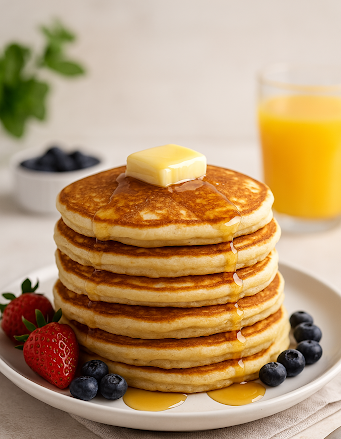
Try these gluten-free staples loved by thousands:


4. How to Store, Rotate, and Travel With Your Snack Box
Once you’ve gathered your gluten-free snacks, a little bit of organization will help them last longer and actually get used. The best snack box is the one you remember to grab, can easily restock, and don’t discover six months later with everything expired.
Choosing containers for your gluten-free snack box
You don’t need anything fancy to get started. A simple stash could live in:
• A small plastic bin or basket in your pantry labeled “GF Snacks Only.”
• A lidded container or pouch in your car or backpack.
• A drawer or organizer in your desk at work.
• A clear, hard-sided case in your suitcase for travel, so snacks don’t get crushed.
Try to keep gluten-free snacks in dedicated containers that aren’t shared with gluten-containing items. This won’t eliminate all risk, but it does help minimize crumbs and cross-contact from other foods in your home or office.
Labeling and dating your snacks
It’s easy to forget how long something has been sitting in your bag or car. A simple system — like writing the purchase or “use by” date on the package with a marker — can help you rotate items before they go stale.
Every few weeks, do a quick check of your snack boxes:
• Toss anything that’s clearly past its prime or has packaging damage.
• Move older items forward so you’ll use them first.
• Restock categories where you’re running low (for example, you may notice you always run out of salty snacks first).
This three-minute check-in keeps your stash fresh and prevents that sinking feeling when you finally reach for a snack and it’s no longer good.
Tips for travel with gluten-free snacks
Travel days are when your gluten-free snack box shines the most. For road trips, aim for a mix of:
• Easy-to-eat car snacks with minimal crumbs (or at least easy-to-clean crumbs).
• A few higher-protein options so you’re not stopping constantly because everyone is hungry again.
• Treats that make the journey feel a bit more special — especially for kids.
For air travel, check regulations for liquids and gels, but most solid snacks are fine in carry-on luggage. Keep anything you’ll want on the plane in a smaller pouch at the top of your bag so you don’t have to unpack everything mid-flight. If you’re checking luggage, store extra snacks there too, in case options at your destination are limited.
Handling heat, cold, and storage conditions
If you’re keeping snacks in the car or in a hot climate, prioritize items that hold up well: plain nuts, seeds, certain bars, popcorn, and shelf-stable items that aren’t coated in chocolate or frosting. In very warm weather, you may want a “home base” snack box and a smaller “grab-and-go” pouch that you restock each day, rather than leaving everything in the car.
For colder weather, most shelf-stable snacks will be fine, but anything with chocolate can get brittle or form a white coating if it melts and rehardens repeatedly. This doesn’t necessarily make it unsafe, but can affect quality. Check packaging for any storage guidance from the manufacturer and honor that where you can.
Making your snack box visible and easy to grab
The most practical system is the one you’ll actually use. Keep your main snack box somewhere visible and easy to reach when you’re leaving the house — near your keys, by your backpack, or close to your kids’ school bags. You might even build a quick routine: every night or every Sunday, top off the snack pouches that live in your car, bags, or kids’ backpacks.
When everyone in your household knows where the gluten-free snacks live and how they’re organized, it’s easier to avoid mix-ups and harder for your carefully chosen stash to mysteriously disappear overnight.
5. Simple Planning Tips to Make Snacking Stress-Free
A thoughtful gluten-free snack box can remove a surprising amount of daily stress, but it works best when it’s part of a bigger, gentle routine. You don’t need to overhaul your whole life — a few tiny habits go a long way.
Build a basic “snack formula” that fits your life
Instead of reinventing the wheel each week, create a simple formula like:
• 2 salty snacks
• 2 sweet snacks
• 2 protein-forward options
• 1 “emergency meal-ish” backup
Then, all you have to do when restocking is plug in what you have on hand that fits each category. This keeps your snack box balanced without requiring you to think too hard about every choice.
Use your shopping list to protect your future self
When you’re planning groceries, add a small “GF snack” section to your list. If you notice your work drawer or car kit is running low, jot down specific items to replace them. Over time, you’ll learn which snacks are staples versus “fun extras,” and you can keep a short master list of favorites in your phone.
You might also find it helpful to buy a few snacks just for your box and store them separately from the family snack bin at home. That way, you’re not constantly raiding your own emergency stash for everyday snacking.
Involve kids and family members
If your child is gluten free, let them help choose some of the snacks for their box. This gives them ownership and makes it more likely they’ll actually eat what you pack. You can create a small “snack station” where kids pick one or two safe items for school or activities from clearly labeled containers.
For partners, roommates, or caregivers, explain where the gluten-free snack box lives and which items are reserved for specific purposes (for example, “These are for travel and emergencies — please don’t use them as late-night munchies without checking first!”).
Give yourself permission to keep it imperfect
Your gluten-free snack system doesn’t have to be Pinterest-perfect to be helpful. Some weeks you might have a beautifully stocked, varied snack box. Other weeks, it might be a couple of bars and a bag of nuts. Both versions are still better than having nothing safe to fall back on.
Think of your snack box as a living system that will evolve with you. As you discover new brands, as your schedule changes, or as your preferences shift, your stash can adapt. What matters most is that you’re moving steadily toward more ease, more safety, and more confidence living gluten free.
Connecting snacks with your bigger gluten-free routine
Snacks are just one piece of the gluten-free puzzle, but they touch nearly every part of your day. When you pair a solid snack strategy with simple meal planning, an organized shopping list, and a few go-to recipes you trust, the whole lifestyle starts to feel less overwhelming.
Over time, that’s the real win: not just having crackers when you need them, but feeling calm, prepared, and able to say yes to more of the things you love — travel, social events, kids’ activities, and spontaneous plans — without constantly worrying about where your next safe bite will come from.
Key Takeaways
- A dedicated gluten-free snack box acts as your portable safety net for work, travel, social events, and busy days.
- Prioritize clearly labeled gluten-free snacks, individual packaging for on-the-go use, and a balance of salty, sweet, and protein options.
- Curated gluten-free snack assortments can save time, offer variety, and give you ideas to recreate in your own DIY box.
- Simple systems — like labeled containers, quick rotation checks, and a basic “snack formula” — keep your stash fresh and reliable.
- Your snack box doesn’t have to be perfect; it just needs to consistently make your gluten-free life feel easier, safer, and more flexible.
Take the Next Step in Your Gluten-Free Journey
- Download the Free EGF Starter Guide
- Try our Gluten-Free Planner to simplify your week
- Explore our growing recipe library
You don’t have to navigate the gluten-free lifestyle alone, we are here to make it easier every day.
Category: Gluten-Free Lifestyle