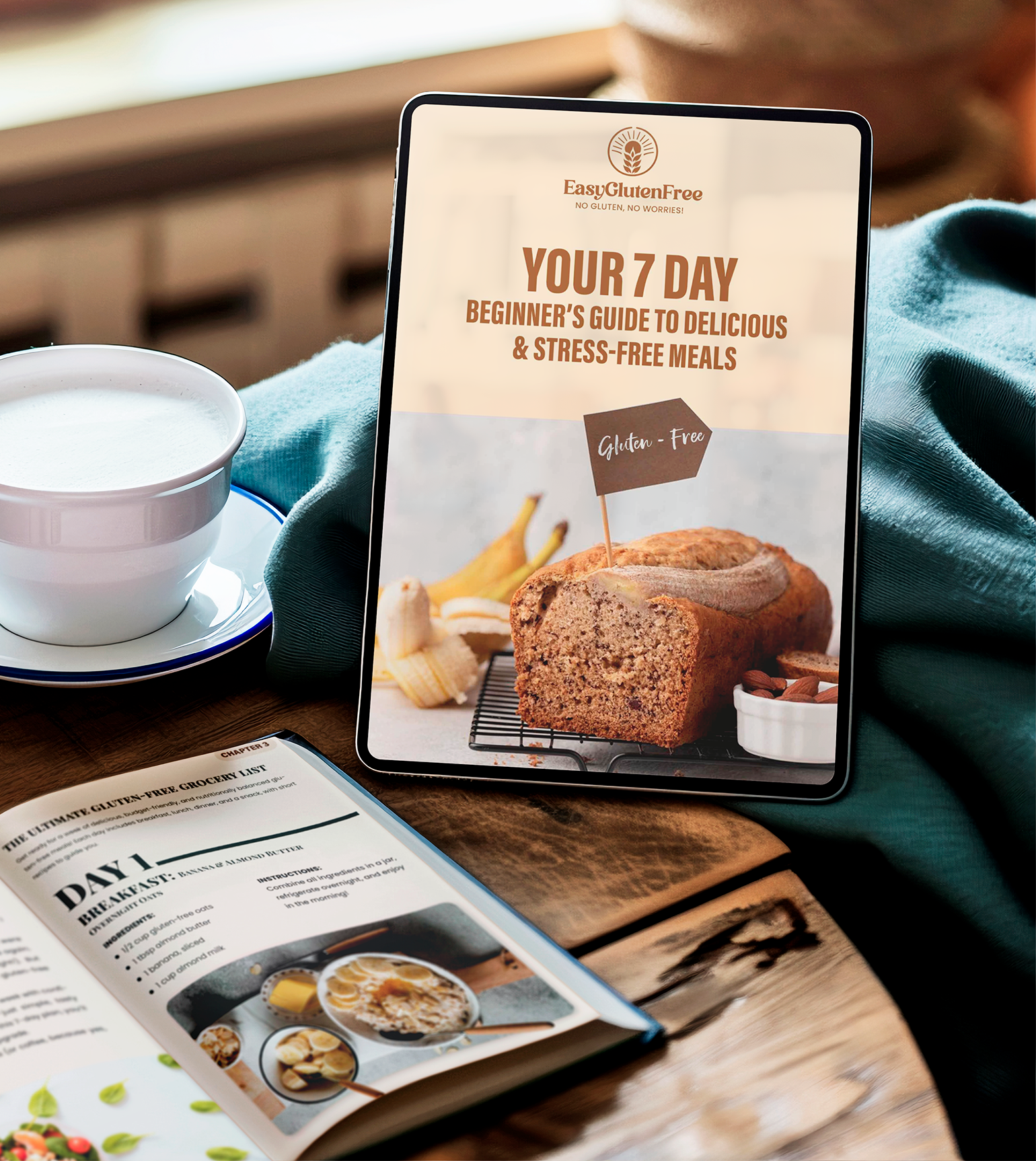
Download the Free Guide to Stress-Free Gluten-Free Meal Prep

Gluten-Free Meal Prep for Busy Weeknights: Simple, Practical Strategies That Actually Work
If weeknight dinners feel like a constant scramble, gluten-free or not, you’re not alone. In this guide, we’ll walk through realistic gluten-free meal prep ideas, storage strategies, and time-saving tips so you can open your fridge at 6 p.m. and feel calm, not panicked.
Download Our Free Gluten-Free Starter Guide
- 7-day meal plan
- shopping list
- Tips & 3 beginner-friendly recipes
Introduction
Busy weeknights and gluten-free eating can feel like a tricky combo: you’re hungry, short on time, and still need to make sure everything is safely gluten-free. That’s where smart, realistic meal prep becomes your best friend. You don’t need to spend your entire Sunday batch cooking or live on bland chicken and rice. With a few strategic habits, you can simplify your routine and still eat food you’re excited about.
In this article, we’ll focus on gluten-free meal prep that works in real life—whether you’re cooking for one, feeding a family, or balancing multiple dietary needs in the same kitchen. We’ll cover how to plan, shop, prep, and store your food so that dinner becomes more “heat and eat” and less “stare into the fridge and hope for inspiration.” Along the way, you’ll find ideas for mix-and-match components, naturally gluten-free staples, and stress-reducing systems you can reuse every week.
You’ll also see how a few simple tools—like reusable storage bags, clear labeling, and a basic prep schedule—can turn your fridge into a calm, organized space instead of a graveyard of half-used ingredients. Use this guide as a framework, then customize it to your taste, budget, and energy level. Your gluten-free weeknights are about to get a whole lot easier.
Table of Contents
▾
1. Planning a Realistic Gluten-Free Meal Prep Routine
The most important word in “gluten-free meal prep for busy weeknights” is realistic. If your plan requires three hours of chopping or eight different recipes, it’s probably not going to last past week one. Instead, think in terms of systems and components, not elaborate menus.
Start by looking at your actual week. Which nights are truly hectic? Which nights could handle a 20–30 minute meal? Mark your most stressful evenings as “grab-and-heat” nights and aim to prep almost everything for those dinners in advance. Less hectic nights can be reserved for simple, quick recipes that use prepped ingredients.
Next, choose a small set of recipes that share ingredients. For example, roasting a big tray of vegetables and cooking a pot of quinoa can fuel grain bowls, lunch salads, and quick sides all week. This reduces shopping stress and helps you avoid half-used produce that gets forgotten at the back of the fridge.
Another helpful mindset shift: you’re not trying to prep full, perfectly plated meals. You’re prepping building blocks. Think “cooked protein,” “roasted veg,” “ready-to-eat salad base,” and “gluten-free grain.” When these are done, assembling dinner becomes as simple as reaching into the fridge and mixing and matching.
Finally, aim for consistency over intensity. It’s better to prep for 60–90 minutes every Sunday than to burn out after a marathon meal prep session. Pick a window in your week—Sunday afternoon, weeknight evenings, even early mornings—and protect it like an appointment with your future, less-stressed self.
2. Gluten-Free Batch Cooking & Smart Storage for Busy Nights
Once you’ve sketched out a simple plan, it’s time to think about batch cooking and storage. For gluten-free eaters, this isn’t just about convenience—it also helps you control your environment and reduce the risk of accidental gluten sneaking in.
Batch cooking doesn’t have to mean cooking everything at once. Instead, focus on high-impact items: proteins, grains, veggies, and sauces. For example, you might grill or bake a tray of chicken thighs, cook a large batch of rice or quinoa, roast two sheet pans of vegetables, and stir together one or two versatile sauces or dressings. These elements can become burrito bowls, salads, quick stir-fries, or pasta-style dishes made with gluten-free noodles.
Storage is where things often fall apart. If your fridge is full of mystery containers, you’re far less likely to use what you’ve prepped. Clear containers and reusable bags make a huge difference because you can actually see what you have at a glance. Label each item with the name and the prep date, and if you’re very busy, add a quick note like “for tacos” or “great with pasta” so you remember what you had in mind.
For very hectic nights, consider portioning some meals into single-serve containers. That way, someone can grab a full, balanced gluten-free meal, reheat it, and eat without any additional dishes or decisions. This is especially helpful if different members of your household eat at different times.
Freezer space is another powerful tool. Double a batch of soup, chili, or sauce and freeze half in flat portions so it thaws quickly. Over time, you’ll build a little “gluten-free safety net” in your freezer—perfect for the nights when even chopping an onion feels like too much.
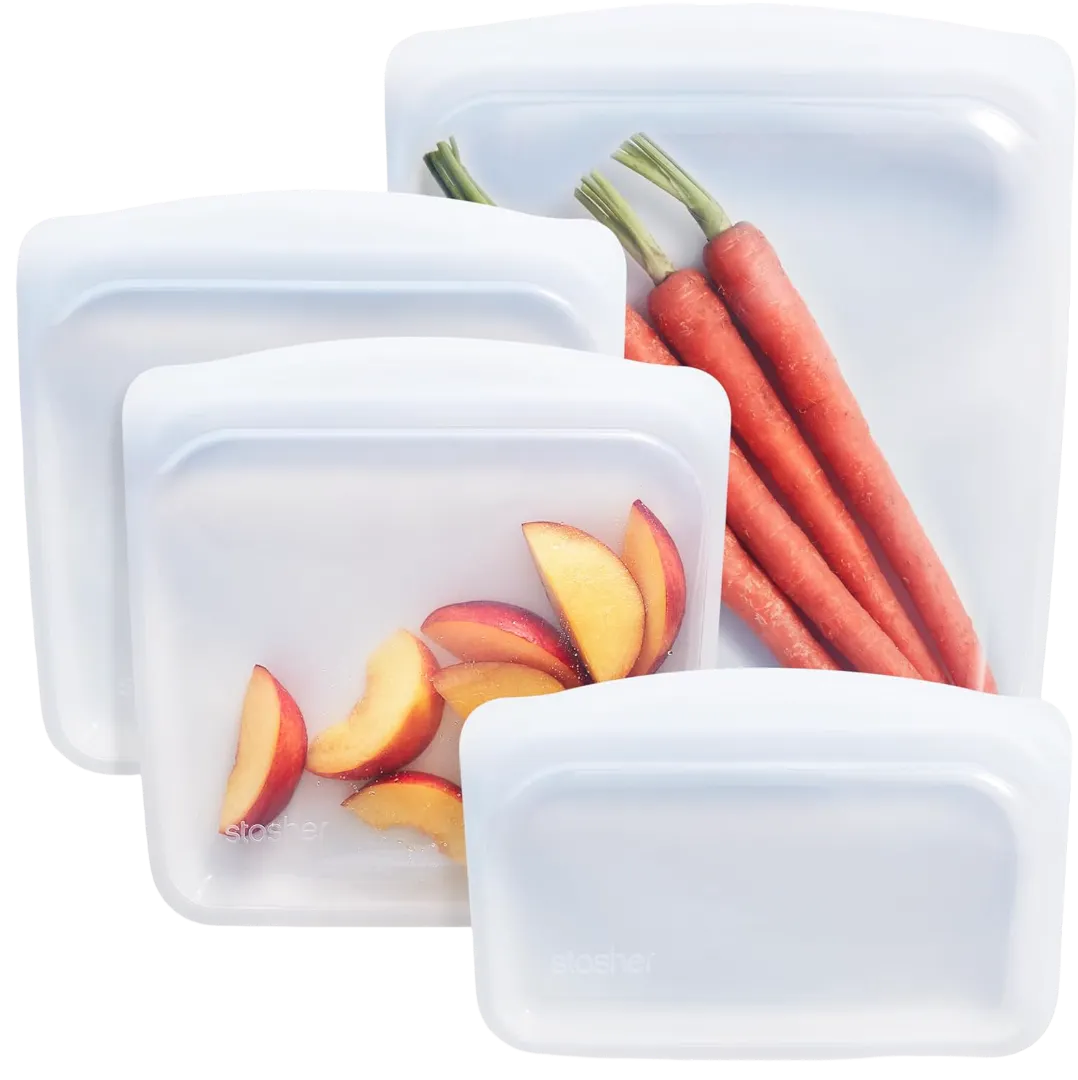
Premium Silicone Reusable Food Storage Bags
These are the “I have my life together” bags. Perfect for packing gluten-free snacks, leftovers from brunch, veggie sticks for road trips, or even freezer prep for busy weeks. They’re reusable, dishwasher-safe, plastic-free, and look aesthetically pleasing in your fridge and your IG stories. Great anchor product for any article about sustainability, meal prep, hosting, or on-the-go GF living.
3. Easy Gluten-Free Meal Prep Ideas for Breakfast, Lunch & Dinner
To make gluten-free meal prep feel approachable, it helps to have a list of simple, repeatable ideas ready to go. You can rotate these by week, swap ingredients based on what’s in season, and adapt them to your family’s preferences.
Gluten-free breakfast prep ideas
- Overnight oats with certified gluten-free oats – Prep a few jars with oats, chia seeds, your milk of choice, and toppings like berries or nut butter. Label clearly so no one confuses them with non-GF versions if you share a kitchen.
- Egg muffins or frittata squares – Whisk eggs with veggies, cheese, and pre-cooked meat (if you like), bake in a pan or muffin tin, and store in the fridge for quick grab-and-heat breakfasts.
- Yogurt parfait station – Keep individual jars of plain yogurt, cut fruit, and a clearly labeled gluten-free granola so everyone can assemble their own in minutes.
Gluten-free lunch prep ideas
- Mason jar salads – Layer dressing at the bottom, then sturdy veggies, protein, and greens last so they stay crisp. Use gluten-free grains like quinoa or brown rice to make them more filling.
- Leftover makeovers – Turn roasted chicken into lettuce wraps, rice bowls, or gluten-free quesadillas using prepped components.
- Snack-style lunch boxes – Combine hard-boiled eggs, cheese, cut veggies, hummus, fruit, and gluten-free crackers in individual containers. These are perfect when you’re short on time or appetite.
Gluten-free dinner prep ideas
- Sheet pan dinners – Prep freezer packs with protein, veggies, oil, and seasoning. On a busy night, dump onto a sheet pan, roast, and dinner is done with minimal effort.
- Mix-and-match bowl nights – Keep a cooked grain, a protein, roasted or fresh veggies, and a sauce ready. Everyone builds their own bowl with the flavors they like.
- Slow cooker or pressure cooker mains – Chili, stew, or shredded chicken can be prepped as ingredient kits in advance and cooked hands-off on busy days.
Keep a running list of your household’s favorite prepped meals somewhere visible—inside a cabinet door or in a digital note. When life gets hectic, this list keeps you from having to “rethink” meal prep every single week.
Recipe Inspiration
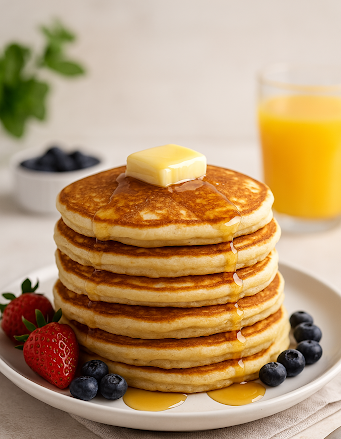
Try these gluten-free staples loved by thousands:


4. Shopping, Labeling & Avoiding Cross-Contact During Prep
Even on the busiest nights, gluten-free safety still matters. A bit of planning around shopping and kitchen setup can give you peace of mind while keeping the focus on convenience.
Smarter gluten-free shopping for meal prep
Create a master shopping list for your go-to meal prep ingredients, then duplicate it each week and adjust based on what you already have. Include pantry staples (oils, broths, spices), naturally gluten-free basics (rice, potatoes, beans), and your preferred gluten-free grains, bread, or pasta.
When buying packaged items like broth, sauces, spice blends, or grains, check labels every time, even on products you’ve bought before. Formulas can change, and having a few “safe brands” you trust for meal prep can simplify your decisions.
Kitchen setup & cross-contact awareness
If you share a kitchen with gluten eaters, designate certain tools and areas for gluten-free use only when you prep. Think separate cutting boards, colanders, and wooden utensils if possible, plus a clearly cleaned workspace before you start cooking. Do a quick wipe-down and wash your hands before handling gluten-free ingredients.
For meal prep, store gluten-free items on upper shelves in the fridge and pantry when you can, so crumbs or spills from gluten-containing foods don’t land on them. Use labels like “GF” on containers, especially if others in your home might not remember what’s safe.
Labeling for sanity and safety
A simple labeling system can save you from guessing games. On each container or bag, write:
- The contents (e.g., “Lemon herb chicken”)
- The date you cooked it
- Any important notes (e.g., “Dairy-free,” “Spicy,” “For tacos”)
This makes it easier to grab what you need quickly—and follow your own food safety comfort zone around how long items stay in the fridge or freezer.
5. Sample Gluten-Free Meal Prep Schedule for a Busy Week
To bring everything together, here’s a simple, flexible schedule you can adapt. Use it as a starting point, not a rule book.
Step 1: Choose your base meals (10–15 minutes)
- Pick 2–3 dinners you’ll repeat in different ways (for example: burrito bowls, sheet pan chicken + veggies, and a soup or chili).
- Decide on 1–2 breakfast options and 1 lunch idea that works for most days.
- Make a quick list of components you’ll need: proteins, grains, veggies, sauces, snacks.
Step 2: Shop with prep in mind (30–45 minutes, plus travel)
- Use your list to stay focused and avoid midweek “emergency” store trips.
- When possible, buy pre-cut veggies or frozen options to save time without sacrificing nutrition.
- Check labels and keep your cart mostly full of naturally gluten-free items plus a few convenient specialty products.
Step 3: Prep block (60–90 minutes)
In one focused block, work through tasks in this order:
- Start grains: Get your rice, quinoa, or other gluten-free grain on the stove or in a rice cooker.
- Prep proteins: Marinate and cook chicken, tofu, beans, or other proteins you like in big batches.
- Roast vegetables: Toss chopped veggies with oil and seasoning and roast on sheet pans.
- Prep breakfasts: Assemble overnight oats, bake an egg dish, or portion yogurt and fruit.
- Mix sauces or dressings: Make a simple vinaigrette, tahini sauce, salsa, or pesto to bring meals together.
As items are done, cool them slightly, then portion into labeled containers or reusable bags so they’re ready to grab.
Step 4: Plan your weeknight flow (10 minutes)
- Look at your calendar and assign your easiest, most prepped meals to your most stressful evenings.
- Note any nights where you can repurpose leftovers—like turning roasted chicken and veggies into a quick soup.
- Keep this plan somewhere visible so you don’t have to rethink what’s for dinner every day.
Step 5: Adjust and refine each week
After a week or two, check in with yourself: Which meals did you actually eat? Which prep tasks felt worth it—and which felt like too much? Gradually, you’ll build a rotation of gluten-free meal prep patterns that fit your energy, schedule, and tastes. The goal is a sustainable rhythm, not perfection.
Key Takeaways
- Gluten-free meal prep for busy weeknights works best when you keep it realistic, focusing on a few repeatable meals instead of a complicated, rigid plan.
- Batch cooking core components—proteins, grains, veggies, and sauces—turns dinner into a quick assembly job instead of a nightly cooking project.
- Clear, organized storage and labeling save time, reduce waste, and make it easier to keep gluten-free food safely separated in shared kitchens.
- Simple breakfast, lunch, and dinner prep ideas you genuinely enjoy are the foundation of a sustainable gluten-free routine.
- A short weekly planning and prep session can transform stressful weeknights into calmer, more predictable moments—with safe, gluten-free food ready to go.
Take the Next Step in Your Gluten-Free Journey
- Download the Free EGF Starter Guide
- Try our Gluten-Free Planner to simplify your week
- Explore our growing recipe library
You don’t have to navigate the gluten-free lifestyle alone, we are here to make it easier every day.
Category: Meal Prep & Weeknight Dinners