Download the Free Guide to Confident Gluten-Free Travel

How to Use a Nima Gluten Sensor Test Safely and Confidently (2026 Guide)
Curious about using a Nima gluten sensor test to add another layer of confidence to your gluten-free life? This guide walks you through how it works, how to use it safely and realistically, and how to fit it into an overall gluten-free strategy—without depending on gadgets alone.
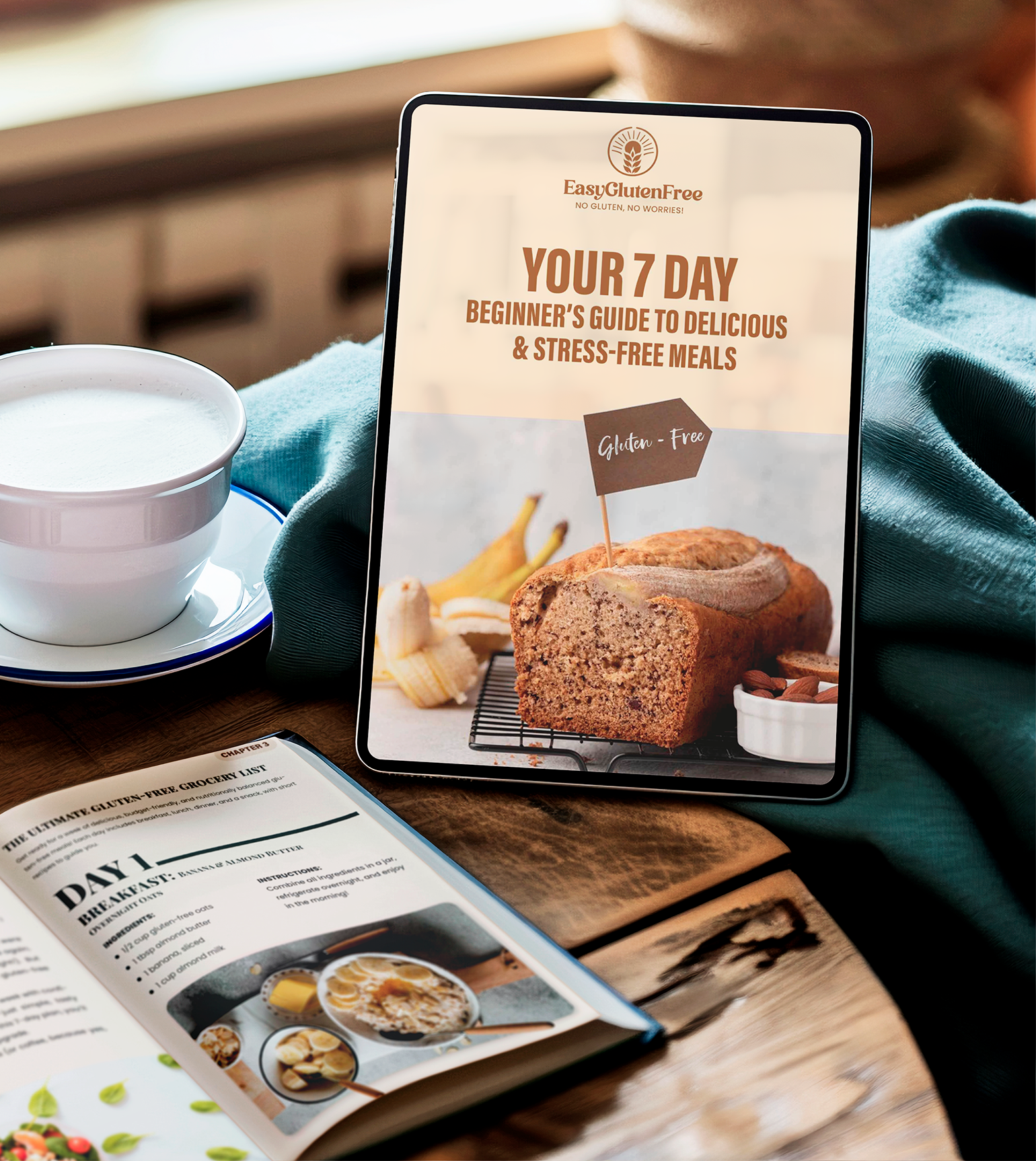
Download Our Free Gluten-Free Starter Guide
- 7-day meal plan
- shopping list
- Tips & 3 beginner-friendly recipes
Introduction
Gluten-free living today is a mix of label reading, asking questions, and sometimes…a little detective work. Tools like the Nima gluten sensor test can feel like a superhero gadget in your pocket, especially when you’re eating out or traveling. But like any tool, it works best when you understand its strengths, its limits, and how it fits into your overall gluten-free routine.
This article is your practical, no-drama walkthrough of using a Nima gluten sensor test with confidence. We’ll talk about when it can be helpful, how to get more reliable results, and how to combine it with your existing gluten-free skills—like checking labels, talking to restaurants, and listening to your own body. The goal isn’t to replace your judgment, but to give you one more option when you want extra information.
Whether you’re managing celiac disease, non-celiac gluten sensitivity, or simply exploring gluten-free eating, think of this guide as a calm, realistic companion. No scare tactics, no magic promises—just grounded, experience-based tips to help you decide if and how a Nima gluten sensor test fits into your life.
Table of Contents
▾
1. Understanding What the Nima Gluten Sensor Test Can (and Can’t) Do
Before you rely on any testing tool, it helps to be crystal clear on what it’s designed to do—and what’s outside its job description. That way you use it wisely, not blindly.
What a Nima gluten sensor test is designed for
A Nima gluten sensor test is generally used to check small samples of food for the presence of gluten. You place a pea-sized bite into a single-use capsule, the sensor runs a test, and then it gives you a simple readout indicating whether gluten was detected in that sample.
This can be especially attractive if you:
- Eat at restaurants where cross-contact is possible
- Travel frequently and try new foods or cuisines
- Feel anxious about “hidden gluten” in sauces, marinades, or shared fryers
- Want another data point when you’re unsure about a particular dish
Important limitations to keep in mind
Even the best tools have limits. Keeping those in mind can save you stress and help you interpret results more realistically.
- It only tests the bite you put in the capsule. If one part of a dish is contaminated and the bit you tested isn’t, the sensor can’t see that.
- It doesn’t replace safe kitchen practices. Careful food handling, clear communication, and choosing knowledgeable restaurants are still essential.
- It’s not a medical device. It doesn’t diagnose anything and it doesn’t predict how your body will react—only whether gluten was detected in that small sample.
- There’s always a margin of error. No tool is perfect. Results should be one input in your decision-making, not the entire story.
How it fits into a bigger gluten-free strategy
Think of a Nima gluten sensor test as one layer in your “gluten safety stack,” alongside:
- Learning how to read ingredient labels confidently
- Understanding certification symbols and what they mean
- Having a go-to script for asking questions at restaurants
- Keeping some trusted, safe snacks on hand when you’re unsure
When you approach the tool this way—useful, but not magical—you get the best of both worlds: more information, with less pressure on a single test to protect you from everything.
2. When to Reach for Your Nima Gluten Sensor Test
Because capsules are single-use, most people don’t test every meal. Instead, they use a Nima gluten sensor test for “high-anxiety” situations—times when information would really change their decision.
Helpful scenarios for using a test
- Eating at a new restaurant. Especially if you’re not familiar with how they handle cross-contact or shared equipment.
- Traveling internationally. Language barriers and unfamiliar cuisines can make it harder to judge what’s likely to be safe.
- Trying something highly mixed. Dishes like sauces, soups, marinades, or battered foods can hide gluten in tiny amounts.
- Family gatherings or potlucks. Well-meaning friends and relatives don’t always understand gluten the way you do.
Situations where you may not need to test
You don’t have to test everything to be careful. Many people skip testing when:
- They’re eating foods from trusted gluten-free brands at home
- They’re at restaurants they know well and have safely eaten at before
- They’re using single-ingredient basics: plain rice, fresh fruit, steamed veggies, etc.
Using your Nima selectively can help balance peace of mind with practicality, cost, and time.
Nima gluten sensor test
These single-use capsules pair with the Nima Sensor to help users test foods for gluten on the spot. Perfect for travelers, researchers of their own digestive reactions, or anyone who just doesn’t trust that café’s “gluten-free… we think?” answer. A reliable, quick-gluten-detection option that empowers people who want data—not guesswork.

3. Step-by-Step: How to Use a Nima Gluten Sensor Test
The exact procedure will depend on the device’s official instructions, but the overall flow is similar across tests that use single-use capsules. Always follow the directions that come with your product; use the steps below as a general framework to stay organized and calm.
1. Prepare your testing spot
- Choose a clean, stable surface away from spills and crumbs.
- Make sure your hands are clean and dry.
- Have your device, capsule, and food sample ready before you start.
Keeping your setup simple and uncluttered helps reduce the risk of accidental contamination during the test itself.
2. Choose the right part of the food to test
Because you’re only testing a tiny piece, be intentional about where it comes from:
- For mixed dishes (like pasta with sauce), include a little bit of everything: pasta, sauce, toppings.
- For layered foods (like lasagna or casseroles), grab a bit from the middle, not only the top.
- For salads, scoop some dressing, protein, and greens together if possible.
This doesn’t guarantee you’ll catch every possible trace of gluten, but it gives the test a better chance of seeing representative ingredients.
3. Load the capsule
Again, follow your specific instructions, but in general:
- Place a small, pea-sized portion of food into the capsule.
- Avoid huge chunks or tough pieces that might interfere with the mechanism.
- Close or twist the capsule as directed until it’s fully sealed.
Resist the urge to “stuff it full.” More food doesn’t mean better data; it can actually cause errors.
4. Run the test
- Insert the capsule into your device exactly as shown in the instructions.
- Start the test and set the device on a flat surface.
- Give it the full amount of time it needs to run—no peeking or moving it around.
Use the wait time to keep scanning your environment: How does the kitchen look? Are staff changing gloves? Are they using shared fryers? Testing is helpful, but your eyes and questions are still powerful tools.
5. Read and record the result
Once your device shows a result:
- Note what you tested (dish, restaurant, date).
- Jot down the result somewhere—phone notes work great.
- Consider taking a quick photo of the dish and result if that helps you remember later.
Over time, this mini “gluten diary” can help you learn what patterns work for you when eating out or traveling.
Recipe Inspiration
Try these gluten-free staples loved by thousands:



4. Making Sense of Results & Avoiding Common Mistakes
The moment of truth: your test is done and you have a result. Now what? How you interpret and respond matters just as much as running the test correctly.
When gluten is detected in your sample
If your test indicates that gluten was detected in the bite you tested, many people choose to skip that dish altogether. Some will also:
- Let the restaurant know politely, so they’re aware and can improve processes.
- Switch to something naturally simpler and less risky (plain grilled meat, undressed salad, steamed veggies, fruit).
- Grab a backup snack they brought from home, especially while traveling.
It can be frustrating or disappointing in the moment, but think of it as information that helped you avoid something that didn’t align with your gluten-free needs.
When gluten is not detected
A “no gluten detected” result can feel like a green light, but it still helps to stay grounded:
- Remember that only a small sample was tested, not the entire plate.
- Check in with your comfort level—if something still seems off (crumbs on the plate, conflicting answers from staff), it’s okay to trust your instincts.
- Use the result as one helpful data point alongside everything else you’re observing.
Common mistakes to avoid
- Relying on tests instead of communication. It’s still important to ask about ingredients, cross-contact, and preparation methods.
- Testing only the “safest-looking” part of the dish. If you avoid the breaded bits or sauce when sampling, your result might not reflect the actual risk.
- Assuming one good test means the restaurant is always safe. Staff, ingredients, and procedures can change from visit to visit.
- Skipping your usual safety routines. Even with a device, basics like checking labels, certifications, and preparation methods are still essential.
Listening to your body
Above all, your personal experience matters. If a particular type of food or restaurant style consistently leaves you feeling off—even when tests or staff say it’s gluten-free—it’s okay to adjust your habits to what feels best for you. Tools and labels are helpful, but you are the expert on how you feel.
5. Building a Confident, Low-Stress Gluten-Free Routine
Using a Nima gluten sensor test can absolutely reduce anxiety for some people, especially around eating out and traveling. But the real magic happens when you pair it with solid gluten-free habits that make your daily life feel calmer and more predictable.
Create your personal “safety hierarchy”
It can help to mentally rank your meal situations from “low risk” to “needs extra caution.” For example:
- Low stress: Home-cooked meals using trusted ingredients and clearly labeled gluten-free products.
- Medium stress: Your favorite gluten-aware restaurants that answer questions well and have a good track record for you.
- Higher stress: New restaurants, shared kitchens, buffets, catered events, and travel meals.
You might decide to save your Nima gluten sensor tests for the higher-stress situations and rely on your usual skills for the rest.
Always have a backup plan
No matter how prepared you are, there will be meals where your test shows gluten detected or you simply don’t feel comfortable eating what’s in front of you. Having a backup plan turns those moments from “disaster” into mild inconvenience.
- Keep a small stash of gluten-free snacks in your bag, car, or suitcase.
- Research grocery stores near your hotel or work ahead of time.
- Save a list of simple, reliably gluten-free meal ideas in your phone.
The more options you have, the less pressure you place on any single meal or test result.
Use routines to reduce decision fatigue
Decision fatigue is real—especially when you’re constantly evaluating risk around food. A few simple routines can help:
- Rotate a handful of “safe, no-brainer” dinners at home.
- Keep a short list of go-to restaurants that consistently work for you.
- Batch-prep gluten-free breakfasts and snacks for the week.
- Use a planner to map out meals and shopping so you’re not scrambling.
When 80–90% of your meals feel calm and predictable, the occasional trickier meal (where you might use a Nima gluten sensor test) feels far more manageable.
Give yourself permission to learn as you go
Gluten-free living is a skill set, and like any skill, it gets easier with practice. You’ll fine-tune how often you test, which places you trust, and what balance of caution and flexibility feels right for you. There’s no one “perfect” way to do it—only the way that lets you feel informed, respected, and able to enjoy your food.
Key Takeaways
- A Nima gluten sensor test can be a helpful extra layer of information, especially in higher-risk or higher-anxiety eating situations.
- It only tests the specific bite you sample, so it should be used alongside strong gluten-free habits, not in place of them.
- Choosing a representative sample, following instructions carefully, and keeping notes can improve how useful your results are.
- Interpreting results realistically—alongside what you see, hear, and feel—helps you make calmer, more confident decisions.
- Building simple routines, backup plans, and trusted meal options keeps gluten-free living sustainable, whether or not you use a sensor regularly.
Take the Next Step in Your Gluten-Free Journey
- Download the Free EGF Starter Guide
- Try our Gluten-Free Planner to simplify your week
- Explore our growing recipe library
You don’t have to navigate the gluten-free lifestyle alone, we are here to make it easier every day.
Category: Gluten-Free Tools & Testing