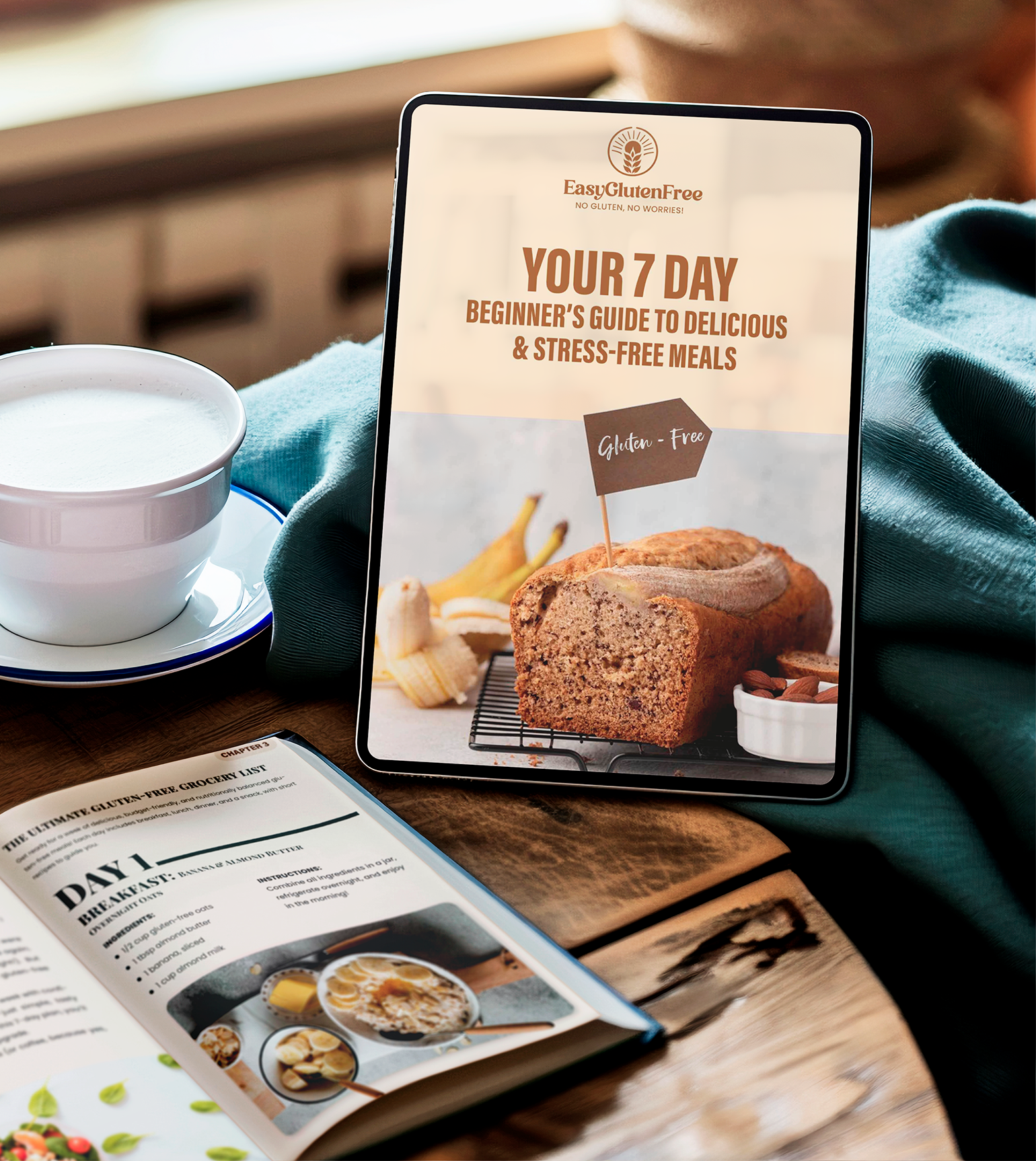
Download the Free Guide to Stress-Free Gluten-Free Snacking Anywhere

Gluten-Free Snack Box Ideas for Work, Travel, and Social Events
Gluten-free life gets a lot easier when you’re never caught hungry and unprepared. A well-planned gluten-free snack box can save you at the office, in the car, on flights, and at every “we only have chips and cookies” kind of gathering. In this guide, you’ll learn how to build practical, budget-friendly snack boxes that keep you safe from gluten and actually excited to eat.
Download Our Free Gluten-Free Starter Guide
- 7-day meal plan
- shopping list
- Tips & 3 beginner-friendly recipes
Introduction
If you’re gluten free, you already know the hardest moments usually aren’t the big meals you can plan ahead for. It’s the in‑between hunger — the meeting that runs long, the delayed flight, the last‑minute movie night — when everyone else is happily snacking and you’re quietly wondering if black coffee counts as dinner. That’s exactly where a gluten-free snack box becomes your secret weapon.
Think of a snack box as your portable “just in case” kit: a small stash of safe, satisfying food you can keep at work, in your bag, the car, or your carry‑on. When it’s stocked thoughtfully, it does more than just prevent hanger. It reduces stress, lowers the risk of accidental gluten exposure, and gives you back a sense of control in social situations that can otherwise feel awkward or isolating.
This guide walks you through how to build gluten-free snack boxes for real life — workdays, road trips, kids’ activities, social events, and everything in between. You’ll learn what to pack, how to keep it budget-friendly, how to read labels smarter, and how to stay prepared without feeling like you’re lugging a suitcase of food everywhere you go.
1. Why Gluten-Free Snack Boxes Are a Lifesaver
Gluten-free snack boxes are about much more than convenience; they’re about peace of mind. When you live gluten free — whether by medical necessity or choice — food is rarely as simple as “just grab something later.” Last‑minute options are usually the least safe ones, and hunger can pressure you into risky decisions.
Having a dedicated snack box changes that dynamic completely. Instead of scrambling, you know you have something safe and satisfying available. That sense of backup helps you:
- Avoid risky food decisions when you’re tired, stressed, or stuck somewhere with poor options.
- Say yes to more social plans because you’re not worried about what you’ll eat when you get there.
- Stay energized and focused at work, school, or on the road without relying on vending machines or convenience stores.
- Reduce food anxiety in situations where everyone else is snacking and you’re used to going without.
Snack boxes are especially helpful in three scenarios:
- Work and school: Meetings run over, lunch breaks disappear, and catered food often isn’t safe. A drawer, locker, or desk snack box means you’re covered no matter what the day throws at you.
- Travel and commuting: Delays, detours, and long stretches without gluten-free options are common. A travel snack box can turn a stressful trip into a manageable one.
- Social events: From backyard parties to game nights, snacks are usually gluten-heavy. Coming prepared with your own options lets you participate instead of just watching.
The good news? Creating these boxes doesn’t require specialty products only found in fancy health food stores. With a bit of planning, you can build a system that fits your routine, tastes, and budget — and once it’s in place, maintenance becomes simple.
2. Building a Reliable Gluten-Free Snack Box
A reliable gluten-free snack box has one job: be ready before you’re hungry. That means shelf-stable items, simple organization, and a mix of nutrients so you’re not surviving on sugar alone. You can build your own from scratch, or keep a pre-curated snack box on hand and then personalize it with a few extras you love.
When you’re putting together your snack box, aim for three kinds of foods:
- Protein and healthy fats – These keep you full and help stabilize energy. Think nuts, seeds, nut butters, gluten-free jerky, roasted chickpeas, or single-serve hummus (if you have fridge access).
- Carb-based snacks – Great for quick energy and pairing with protein. Options include gluten-free crackers, rice cakes, popcorn, granola bars labeled gluten free, or corn chips from trusted brands.
- Something fun – Because food is supposed to be enjoyable. This might be a favorite gluten-free cookie, chocolate, gummy candy, or a snack-size treat you genuinely look forward to.
Next, think about where your snack box will live. The best box is the one you actually remember and use, so design it for specific locations:
- Desk or locker box: Use a small bin, shoebox, or reusable container. Choose shelf-stable items that can handle room temperature for weeks.
- Car kit: Focus on heat-resistant snacks if you live in a warm climate — nuts, seeds, some bars, and sturdy packaged snacks often do better than chocolate or frosted items.
- Grab-and-go pouch: A small zip bag or organizer in your work bag or backpack. Include portioned snacks in small containers or individual packs to cut down on crumbs and mess.
Finally, plan a simple rotation system. Once a month, or whenever you do a bigger grocery shop, quickly check your boxes:
- Move any items approaching their best-by date into your “eat this week” pile.
- Top up anything low so the box is always “grab and go” ready.
- Take note of what you didn’t love so you’re not rebuying snacks that just sit there.
You don’t need a Pinterest-perfect system; you just need snacks you like, that you trust, and that are there when you need them most.
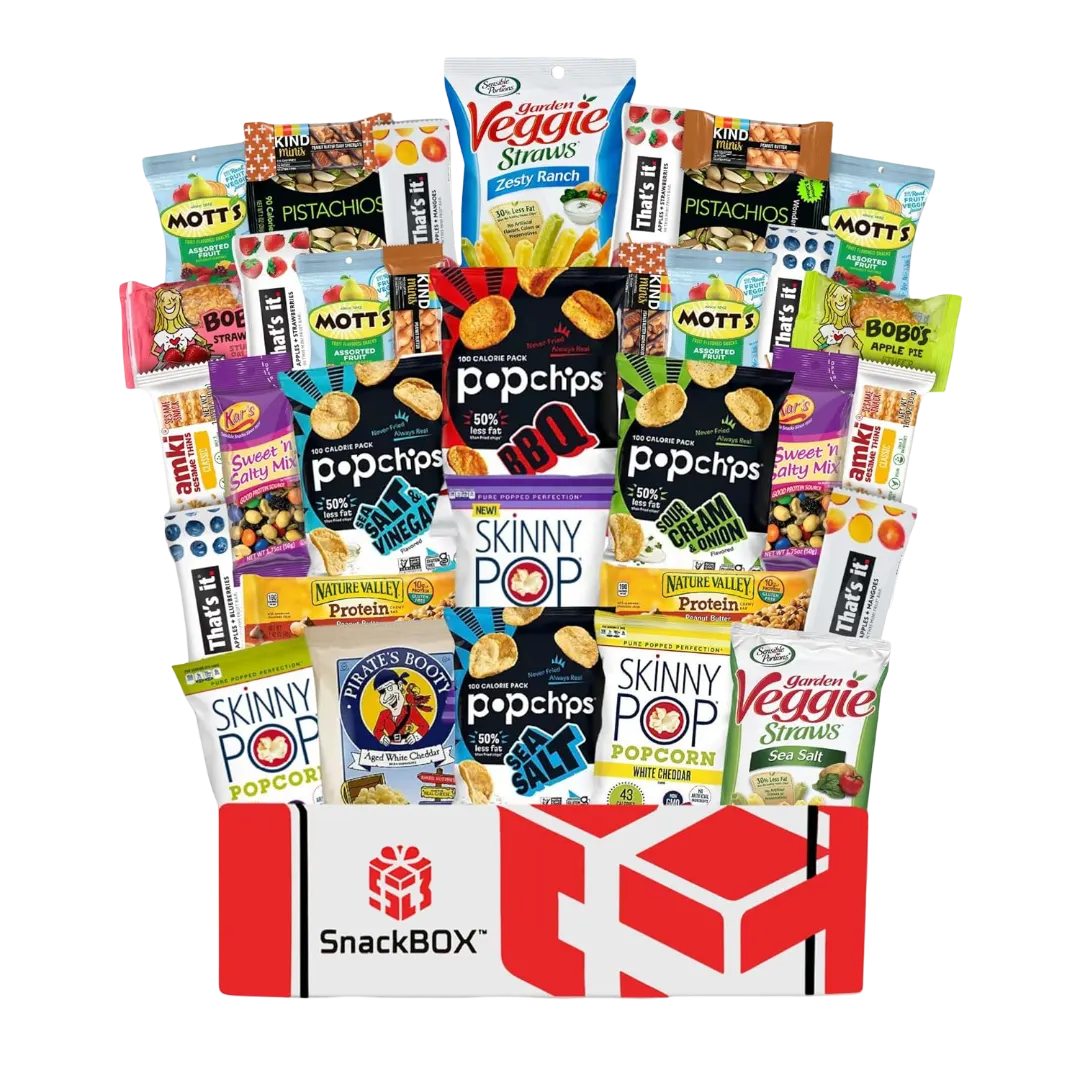
Snack BOX Gluten Free Healthy Care Package
This box is basically “emergency gluten-free social survival” in one package. It’s packed with individually wrapped snacks you can throw into your bag, keep at the office, bring to movie nights, or stash in your car so you don’t end up nibbling sad plain lettuce while everyone else has chips. Great for sharing, hosting, travel, or just living your best snack-gremlin life — gluten free.
3. Snack Box Ideas for Work, Travel, and Social Events
Once you understand the basics, it’s easier to tailor gluten-free snack boxes to different parts of your life. The goal is always the same — safe, satisfying snacks — but the actual contents will shift depending on where you’re going and what you’ll have access to.
Workday Gluten-Free Snack Box
For the office or school, think about energy, focus, and practicality. You want snacks that won’t be distracting to eat at your desk and won’t crumble all over your keyboard.
Ideas to include in a work snack box:
- Individually wrapped gluten-free granola or snack bars from brands you trust.
- Single-serve nut or seed packets for an easy protein boost.
- Gluten-free crackers or rice cakes to pair with cheese sticks or nut butter.
- Roasted chickpeas, edamame, or trail mix (gluten free and nut-safe as needed).
- Small dark chocolate squares or other labeled gluten-free treats for an afternoon pick‑me‑up.
If you have access to a fridge, you can rotate in yogurt cups, cut fruit, cheese, or dips. Just keep your room‑temperature box stocked so you still have options on days when you don’t get to the kitchen.
Gluten-Free Travel Snack Box
Travel is where a snack box really shines. Airports, train stations, and gas stations are improving, but gluten-free options are still inconsistent and sometimes risky. Having your own stash means you’re not dependent on mystery ingredients when you’re already far from home.
For travel, focus on shelf-stable, compact, and mess-minimizing items. Think:
- Portion-packed nuts, seeds, or trail mix.
- Gluten-free protein bars or meal bars that can stand in for a light meal.
- Instant gluten-free oatmeal cups or noodles if you’ll have access to hot water.
- Dry fruit, applesauce pouches, or fruit leather labeled gluten free.
- Rice cakes, gluten-free crackers, or sturdy chips in smaller bags to prevent crushing.
For flights, check the rules for liquids and spreads. Small shelf-stable nut butter packs often make it through security (check the current guidelines) and pair well with rice cakes or fruit. For road trips, you have more flexibility, so you can add a small cooler with cheese, dips, or pre-cut veggies.
Social Event and Party Snack Box
Social gatherings can be the trickiest for gluten-free eaters because food is usually a big part of the experience — and it’s often served buffet‑style with a lot of shared utensils and cross-contact. A discreet snack box gives you a safety net so you can focus on the people, not the food stress.
For parties, potlucks, or game nights, consider:
- A few individually wrapped gluten-free snacks you can eat if nothing else is safe.
- A larger “shareable” item you’re comfortable offering others, like chips, crackers, or cookies that are clearly labeled gluten free.
- A small backup meal option, like a heartier bar or single-serve cup meal, just in case.
If you’re close with the host, you can also offer to bring a gluten-free dish to share. Your snack box then becomes your backup plan rather than your only option. The key is to arrive knowing you’ll be able to eat something safe, whether or not the main spread works for you.
Snack Boxes for Kids and Teens
For kids and teens who are gluten free, snack boxes can make school, sports, and playdates much less stressful. Involve them in choosing snacks so they’re excited, not embarrassed, to pull out their box around friends.
Think about:
- Snacks that look similar to what other kids are eating (chips, bars, cookies) but are safe.
- Clearly labeled, easy‑to‑open packaging they can manage on their own.
- A small backup stash for teachers, coaches, or caregivers to keep on hand for birthday treats or surprise snacks.
Clear communication helps. Let trusted adults know that your child’s snack box is their safe option and that it’s better for them to eat from it than something with uncertain ingredients. For older kids and teens, share why the snack box matters so they feel empowered, not singled out.
Recipe Inspiration
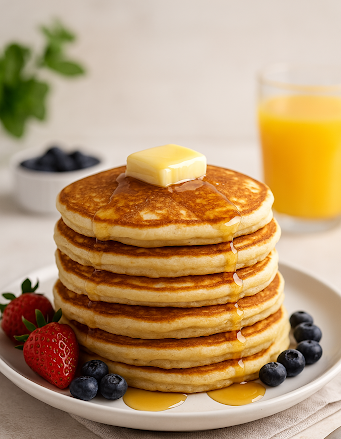
Try these gluten-free staples loved by thousands:


4. Label Reading, Cross-Contact, and Safety Tips
Even the best snack box only works if what’s inside is truly gluten free for your needs. That’s where label-reading skills and basic safety habits come in. It doesn’t have to be overwhelming — once you build a routine, it becomes second nature.
Smart Label Reading for Gluten-Free Snacks
Whenever you add a new product to your snack box, take a moment to read the entire package, not just the front. Marketing language can be confusing; the real story is in the ingredients list and any allergen statements.
As a general practice:
- Look for clear gluten-free labeling when possible, especially for processed snacks.
- Scan the ingredients for obvious gluten sources such as wheat, barley, rye, or malt ingredients.
- Notice any “may contain” or “processed in a facility” statements if these are relevant to your level of sensitivity and the guidance you follow.
- Recheck labels periodically — manufacturers can change recipes without a lot of fanfare.
It’s also helpful to keep a mental (or written) “safe list” of brands and specific products you’ve researched and feel comfortable including in your regular rotation. That makes restocking your snack boxes much faster.
Reducing Cross-Contact Risks
Cross-contact happens when gluten-free food comes into contact with gluten-containing food or surfaces. In the context of snack boxes, the biggest risks are shared spaces and shared foods.
A few simple habits can help minimize that risk:
- Choose individually wrapped or clearly portioned snacks when you’ll be sharing space with others.
- Avoid dipping gluten-free crackers into shared hummus, salsa, or cheese dips if gluten-containing crackers are also being used.
- Use your own utensils when possible, and avoid double-dipping in shared containers.
- Store your snack box in a clean, closed container or bag, especially in shared kitchens or break rooms.
In your car or travel bag, try to keep gluten-free snacks in a separate pouch away from any gluten-containing items your family might be carrying. This keeps crumbs and dust from getting into packages or containers when things shift around.
Planning for Your Own Comfort Level
Everyone’s comfort level and medical guidance are different. Some people may only buy products certified gluten free; others may use gluten-free labeling and careful ingredient reading. The important thing is to follow the approach that aligns with your needs and the recommendations you’ve received.
When in doubt about a product, you can:
- Check the company’s website for more detailed allergen and gluten information.
- Contact customer service and ask about their gluten practices.
- Skip adding that item to your snack box until you feel confident using it.
Remember, the whole purpose of a snack box is to give you peace of mind. If a particular product makes you feel uneasy, it’s absolutely okay to pass and choose something you feel fully comfortable enjoying.
5. How to Keep Your Snack System Simple and Sustainable
The most effective gluten-free snack box isn’t the fanciest one — it’s the one you actually maintain. A huge “perfect” box that you build once and never restock won’t help you as much as a smaller, realistic system that fits into your regular grocery and meal planning routine.
Start Small and Build Over Time
If this is new to you, begin with just one location: your desk, your car, or your everyday bag. Add a handful of snacks you already know and love. Use them for a week or two, then adjust based on what you actually reached for and what just sat there.
Once that feels easy, you can expand — maybe a travel-specific pouch that lives in your suitcase, or a kid’s snack box for sports practice and activities. Growing slowly prevents overwhelm and helps you learn what truly works for your life.
Make Restocking Part of Your Routine
To keep your snack boxes from going stale or empty, tie restocking to something you already do regularly. For example:
- Glance through your snack boxes every weekend when you plan meals.
- Add a “snack box” category to your grocery list so you’re always topping up a few items.
- Do a quick monthly clean-out to rotate older items forward and remove anything you didn’t enjoy.
Some people like to keep a small backstock bin in their pantry labeled “snack box refills” so replenishing is as easy as grabbing a few items and tossing them into your box or bag.
Balance Health, Satisfaction, and Ease
Gluten-free snack boxes don’t have to be perfect to be helpful. It’s okay if yours includes a mix of more nourishing options and just-for-fun snacks. What matters is that you feel satisfied and supported when the hunger hits — not deprived or frustrated.
Over time, notice which snacks keep you full longer, which ones are most convenient on busy days, and which ones genuinely make you happy. Use that information to refine your go‑to list. The more dialed‑in your favorites become, the less mental energy you’ll spend each week thinking about what to buy.
Let Your Snack Box Support Your Life, Not Run It
At its core, a gluten-free snack box is just a tool — a simple, practical system that makes living gluten free in a gluten-filled world less stressful. It won’t solve everything, but it will:
- Give you a reliable backup plan when options are limited.
- Help you stay prepared for long days, travel, and last‑minute plans.
- Make it easier to say yes to experiences without worrying as much about the food situation.
Start with what you can manage today, keep it flexible, and let your snack boxes evolve as your tastes, schedule, and comfort level change. The goal isn’t perfection — it’s feeling supported, prepared, and just a little more relaxed around food.
Key Takeaways
- Gluten-free snack boxes give you a reliable backup plan for work, travel, and social events so you’re not stuck hungry or relying on risky last-minute options.
- A balanced snack box includes protein, carbs, and a few fun treats, all chosen from products you trust and enjoy.
- Different situations call for slightly different snack boxes, from desk drawers and car kits to travel pouches and kid-friendly options.
- Reading labels carefully and minimizing cross-contact helps keep your snack box aligned with your personal gluten-free safety needs.
- Start small, connect restocking to your existing routines, and let your snack system evolve over time into something simple, sustainable, and genuinely helpful.
Take the Next Step in Your Gluten-Free Journey
- Download the Free EGF Starter Guide
- Try our Gluten-Free Planner to simplify your week
- Explore our growing recipe library
You don’t have to navigate the gluten-free lifestyle alone, we are here to make it easier every day.
Category: Gluten-Free Lifestyle