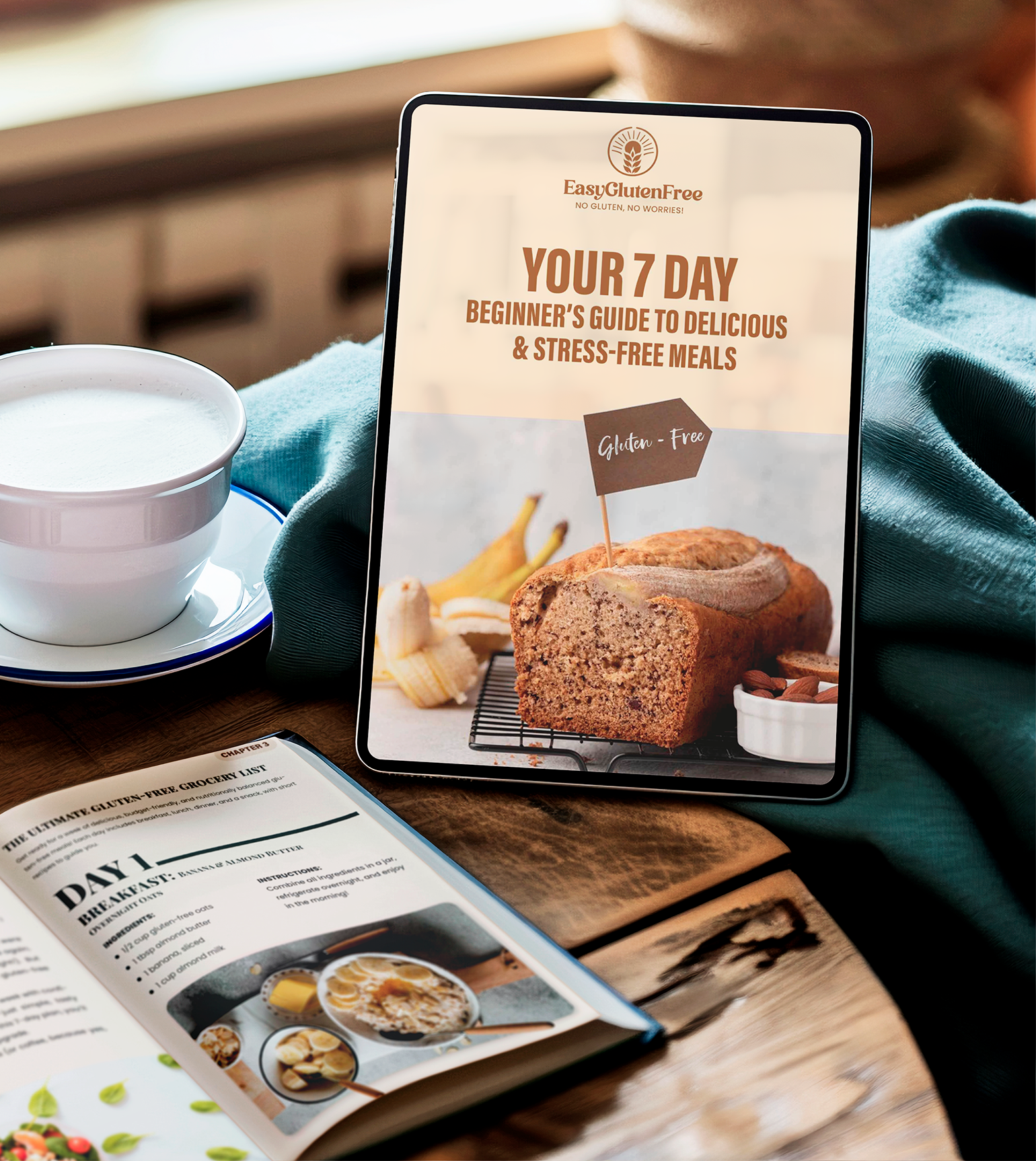
Download the Free Guide to Stress-Free Gluten-Free Lunch Packing

Gluten-Free Lunch Box Ideas for School, Work & Busy Days
Running out of gluten-free lunch box ideas is exhausting, especially when you’re juggling school drop-offs, work meetings, or long study days. This guide walks you through simple, realistic gluten-free lunch strategies, plus easy mix-and-match ideas so you can pack safe, satisfying meals without spending your entire morning in the kitchen.
Download Our Free Gluten-Free Starter Guide
- 7-day meal plan
- shopping list
- Tips & 3 beginner-friendly recipes
Introduction
Gluten-free lunches don’t have to be complicated, bland, or repetitive. With the right structure and a few go-to ideas, you can pack boxes that feel fresh and fun while still being safe for celiac disease or gluten sensitivity. The goal of this guide is to help you think in “building blocks” instead of individual recipes so you can create endless combinations from a small list of staples.
We’ll cover how to plan ahead without meal-prepping your entire weekend away, smart ways to balance protein, fiber, and fats so lunches actually keep you full, and how to handle cross-contact risks when you’re sharing a kitchen, office fridge, or school table with gluten eaters. You’ll also find real-life ideas for busy mornings, picky eaters, and long days away from a microwave.
Whether you’re packing for yourself, a gluten-free kid, or the whole household, these strategies, checklists, and lunch box ideas will help you feel prepared instead of panicked at 7:45 a.m. Let’s turn “What on earth do I pack?” into “I’ve got at least three options ready to go.”
1. Building a Balanced Gluten-Free Lunch Box
A satisfying gluten-free lunch box starts with balance. Instead of centering everything around bread or wraps, think in simple categories: protein, complex carbs, colorful produce, and healthy fats. When you include something from each group, you’re much more likely to stay full, energized, and focused through the afternoon.
Use this basic gluten-free lunch box formula:
- 1–2 proteins: grilled chicken, hard-boiled eggs, tuna salad (on gluten-free crackers), hummus, beans, edamame, cheese, Greek-style yogurt, nut or seed butter.
- 1 complex carb: gluten-free whole-grain crackers, quinoa, brown rice, gluten-free pasta salad, roasted potatoes, or certified gluten-free oats in an overnight oats jar.
- 2+ fruits or veggies: sliced cucumbers, cherry tomatoes, bell peppers, snap peas, carrot sticks, berries, apple slices, grapes, clementines.
- 1 healthy fat or “fun” add-on: olives, avocado, guacamole, nuts or seeds, dark chocolate square, trail mix (gluten-free), or a small dip.
Once you start thinking this way, it’s easier to mix and match from what you already have in the fridge and pantry. You’re not trying to reinvent the wheel every morning—you’re just plugging different pieces into the same reliable framework.
Gluten-Free Staples That Work Well in Lunch Boxes
Keeping a few dedicated gluten-free staples on hand makes building lunch boxes much faster. If you can, store gluten-free foods in a separate bin or shelf to avoid accidental crumbs and cross-contact from gluten-containing items.
- Proteins: rotisserie-style chicken (check labels), frozen gluten-free turkey burgers (cooked and sliced), canned beans, canned tuna or salmon, pre-cooked chicken sausages, tofu cubes or baked tempeh.
- Carbs: certified gluten-free crackers, rice cakes, gluten-free tortillas, frozen cooked rice, quinoa packs, gluten-free pasta, gluten-free granola.
- Fruits & veggies: mini cucumbers, baby carrots, pre-washed salad greens, frozen edamame (thawed in the lunch box), apples, clementines, berries, grapes.
- Extras: individual hummus cups, guacamole cups, shelf-stable nut butters, single-serve olives, gluten-free snack bars (read labels carefully).
Sample Balanced Gluten-Free Lunch Box Combos
Here are a few mix-and-match ideas using that formula. These work for kids, teens, and adults; just adjust portions and seasonings.
- Mediterranean snack box: hummus, gluten-free crackers, cucumber & bell pepper sticks, olives, feta cheese cubes, grapes.
- Deconstructed taco bowl: seasoned ground turkey or black beans, rice or quinoa, shredded lettuce, corn, salsa, shredded cheese, a side of tortilla chips (gluten-free).
- Protein-packed breakfast-for-lunch: hard-boiled eggs, gluten-free mini pancake or waffle wedges, Greek-style yogurt, berries, and a sprinkle of gluten-free granola.
- Classic “sandwich” alternative: turkey and cheese roll-ups, rice cakes or crackers, apple slices with peanut or sunflower seed butter, carrot sticks.
Use these as a jumping-off point and swap in what your household actually enjoys. The more repeatable your lunch structure is, the less decision fatigue you’ll feel on busy mornings.
2. Essential Gluten-Free Lunch Gear & Containers
The right containers make gluten-free lunches easier, safer, and much more appealing—especially if you’re trying to avoid crumbs from other people’s food. A dedicated lunch box system also helps prevent cross-contact in shared fridges and lunchrooms because your food stays sealed and separate.
What to look for in gluten-free lunch gear:
- Leak-proof compartments: helpful when you’re packing dips, dressings, or juicy fruits and don’t want everything to mingle.
- Easy-to-clean design: fewer crevices mean fewer hiding spots for crumbs and easier washing for those with celiac disease who are protecting against trace gluten.
- Built-in cooling: if you’re packing dairy, meat, eggs, or gluten-free leftovers and don’t have reliable fridge access, an insulated container or built-in ice element keeps things safer.
- Portion-friendly sections: multiple compartments make it easier to pack balanced meals (and visually appealing ones!) without everything touching.
Whether you’re packing lunches for kids or adults, a sturdy, compartmentalized lunch box can turn simple ingredients into something that feels more like a café-style snack board. It’s also easier to see at a glance that you’ve got protein, produce, and carbs covered before you snap the lid on and run out the door.
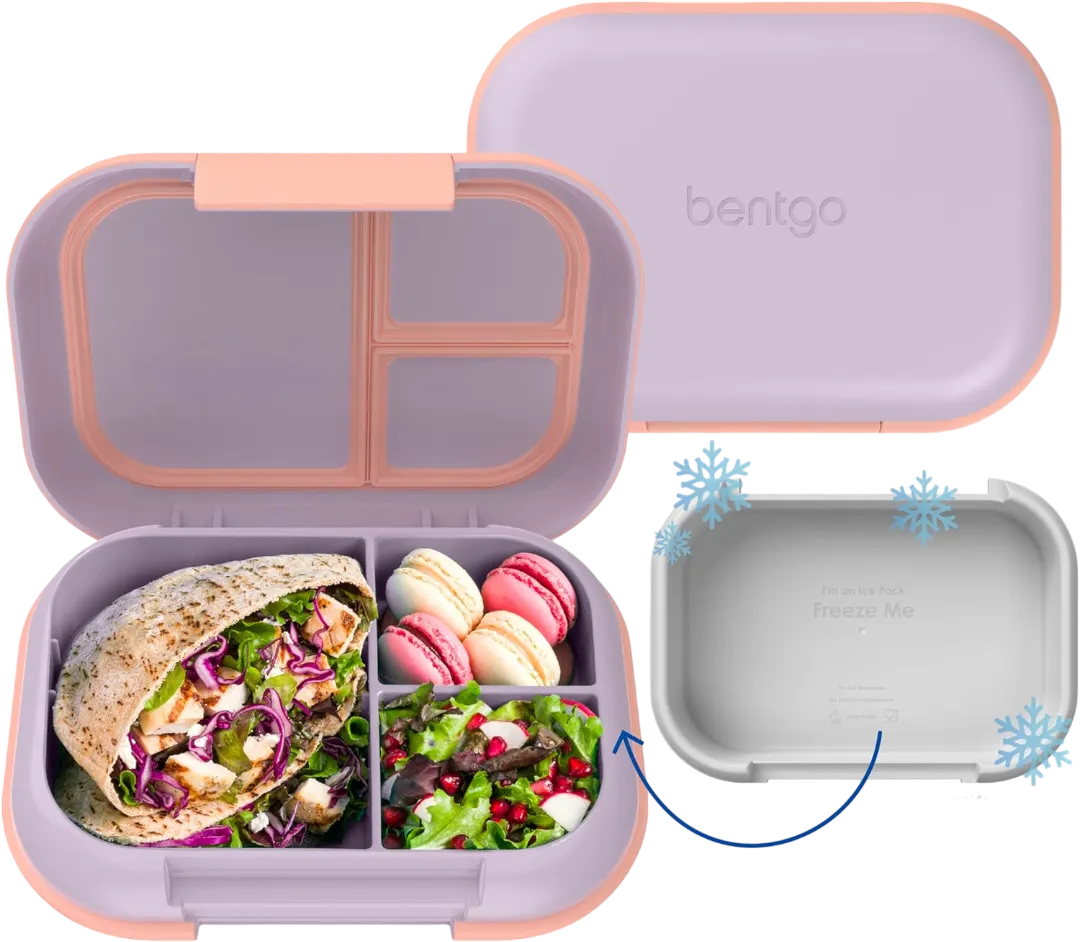
Bentgo Chill Max Lunch Box
it’s perfect for anyone who wants cute, organized, Instagram-able gluten-free lunches. The built-in ice pack keeps things fresh, the compartments are perfect for snacks, dips, and small portions, and it’s leak-proof (so your hummus doesn’t redecorate your tote bag). Ideal for school, work, picnics, travel days, or long study sessions.
3. Easy Gluten-Free Lunch Box Ideas (No Reheating Needed)
Not every school or workplace has a microwave, and even when it does, the line at 12:05 can be brutal. These no-heat gluten-free lunch box ideas are designed to be eaten cold or at room temperature, making them perfect for classrooms, office desks, airports, and long commutes.
Kid-Friendly Gluten-Free Lunch Box Ideas
- Dipper box: gluten-free breadsticks or crackers, hummus, sliced turkey, cheese cubes, cucumber rounds, and strawberries. Kids love turning everything into a “snack plate.”
- DIY pizza bites: gluten-free mini pitas or crackers, a small container of pizza sauce, shredded mozzarella, and turkey pepperoni or sliced olives for topping.
- Roll-up skewers: turkey and cheese roll-ups sliced into “pinwheels,” skewered on toothpicks (if allowed), with baby carrots, grapes, and a small gluten-free cookie.
- Pasta salad box: gluten-free pasta tossed with olive oil, peas, shredded chicken, and a sprinkle of parmesan, with a side of berries and cucumber sticks.
Gluten-Free Lunches for Work or Campus
- Mason jar salad: dressing at the bottom, then firm veggies, protein (like chickpeas or grilled chicken), and greens at the top. Dump into a bowl when ready to eat.
- Adult snack board: gluten-free crackers, prosciutto or turkey slices, cheese wedges, nuts, grapes, and a small piece of dark chocolate.
- Rice & bean bowl (served cold): cooled rice, black beans, corn, shredded lettuce, salsa, and a dollop of guacamole packed separately.
- Chickpea salad “sandwich” plate: chickpea salad (like tuna salad, but made with chickpeas) with gluten-free crackers or rice cakes, plus sliced veggies and fruit.
Gluten-Free Lunch Box Ideas for Long Travel Days
Travel days are notorious for limited safe options. Packing a sturdy, well-insulated lunch box can save you from relying on expensive, questionably labeled snacks.
- Protein-focused box: hard-boiled eggs (already peeled), cheese sticks, gluten-free jerky, nuts or seeds, grapes, and snap peas.
- Hearty salad: quinoa salad with roasted veggies, chickpeas, and a lemon-olive oil dressing, plus an orange or apple that won’t bruise easily.
- Overnight oats jar: certified gluten-free oats soaked in milk or a dairy-free alternative, topped with chia seeds, berries, and nut butter.
For flights and security checkpoints, check local regulations, especially for liquids and gels like yogurt and dips. When in doubt, portion dips into small containers and be prepared to discard if needed—but the rest of your lunch will still be safe and gluten-free.
Recipe Inspiration
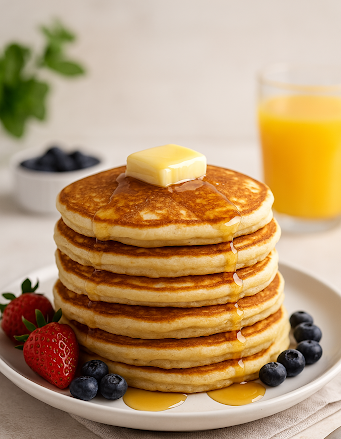
Try these gluten-free staples loved by thousands:


4. Time-Saving Prep Tips for Busy Weeks
Gluten-free lunch packing gets dramatically easier when you stop building every box from scratch. A little bit of batch prep—done once or twice a week—gives you ready-made building blocks you can grab and assemble in minutes.
Create a Simple Weekly Lunch Plan
You don’t need a color-coded system to stay on top of lunches. A simple outline is enough:
- Pick 2 proteins per week (for example, grilled chicken and hummus).
- Pick 2 starches (like quinoa and gluten-free crackers).
- Pick 3–4 fruits and veggies that hold up well in lunch boxes.
Jot down 3–4 lunch combinations using those ingredients. Repeat them as needed, then change the “set” the following week for variety without extra brainpower.
What to Prep in Advance
Focus on tasks that give you the biggest payoff on weekday mornings:
- Cook a batch of protein: grill or bake chicken, hard-boil eggs, roast chickpeas, or cook a pan of turkey mince for taco-style bowls.
- Make one grain: quinoa, brown rice, or gluten-free pasta. Store plain, and season when packing.
- Wash and chop sturdy produce: carrots, cucumbers, peppers, celery, and grapes keep well for several days when dried thoroughly and stored in airtight containers.
- Portion snacks: divide gluten-free crackers, nuts, or trail mix into small containers or bags so you can grab and go.
Morning Assembly Routine
If you’ve done even a small amount of prep, packing lunches in the morning can be a 5–10 minute task. Try this rhythm:
- Start with your lunch box or container and mentally run through the formula: protein, carb, fruits/veggies, extras.
- Add pre-cooked proteins and grains from the fridge, then top with fresh items (like lettuce, tomatoes, or avocado) that you prefer to slice the same day.
- Finish with a quick “safety check”—everything labeled gluten-free, no crumbs from gluten items, and containers properly sealed.
It can also help to dedicate one fridge shelf or bin for “lunch stuff” only. When everything you need is in one spot, you’re far less likely to reach for last-minute gluten-containing convenience foods out of frustration.
5. Label Reading, Safety & Eating Away from Home
Packed lunches are one of the best tools for staying safely gluten-free—but only if the ingredients inside are truly gluten-free and handled with care. A few consistent habits go a long way toward protecting yourself or your child from accidental exposure.
Smart Label Reading for Lunch Box Foods
Processed lunch box items—crackers, bars, deli meats, dips—are common sources of sneaky gluten. Make it a routine to:
- Scan the ingredients list for wheat, barley, rye, malt, barley malt, brewer’s yeast, and anything “wheat-based.”
- Look for a gluten-free claim if you’re buying crackers, oats, granola, or snack bars, which are high-risk for cross-contact during manufacturing.
- Check allergen statements for “contains wheat” or “may contain wheat” if you’re highly sensitive or have celiac disease.
- Re-check periodically, because brands can change recipes or manufacturing locations without much notice.
Preventing Cross-Contact in a Shared Kitchen
In homes, offices, or dorms where gluten is still around, cross-contact is often a bigger risk than the ingredients themselves.
- Use separate tools: dedicate a gluten-free cutting board, toaster, and butter/condiment knife wherever possible.
- Keep gluten-free bread and crackers in their own sealed container away from regular bread to avoid floating crumbs.
- Label lunch items with your name and “GF” before storing them in a shared fridge to reduce the chance of someone “borrowing” part of your lunch or adding gluten-containing sauces.
- Wipe surfaces before preparing food, especially if someone just made regular sandwiches or baked goods.
Staying Safe When Eating with Others
Lunch time is also social time, which can be tricky when everyone around you has gluten on their hands or in their snacks.
- For kids: teach simple phrases like “I have to eat my own food because it needs to be gluten-free.” A quick hand wipe before eating can also help with general cleanliness.
- For adults: don’t be afraid to bring your own salad dressing, sauce, or snacks to meetings or potlucks so you always have a safe option.
- Field trips and travel days: pack more snacks than you think you’ll need. The longer the day, the more grateful you’ll be for that extra gluten-free bar or portion of nuts.
Over time, these routines become second nature. The more prepared you are with safe packed lunches, the less you’ll have to rely on questionable options or last-minute decisions when hunger hits.
Key Takeaways
- Think in simple building blocks—protein, complex carbs, produce, and healthy fats—to create balanced gluten-free lunch boxes without overcomplicating things.
- Stock a small set of reliable gluten-free staples and use a weekly “mix and match” plan to cut down on decision fatigue and last-minute scrambling.
- Dedicated, compartmentalized lunch gear helps protect against cross-contact and keeps your gluten-free meals fresh and visually appealing.
- A bit of batch prep—like cooking one protein and one grain, plus washing sturdy produce—can turn weekday lunch packing into a 5–10 minute task.
- Consistent label reading and simple safety habits in shared spaces make it much easier to stay confidently gluten-free at school, work, and on the go.
Take the Next Step in Your Gluten-Free Journey
- Download the Free EGF Starter Guide
- Try our Gluten-Free Planner to simplify your week
- Explore our growing recipe library
You don’t have to navigate the gluten-free lifestyle alone, we are here to make it easier every day.
Category: Gluten-Free Meal Planning