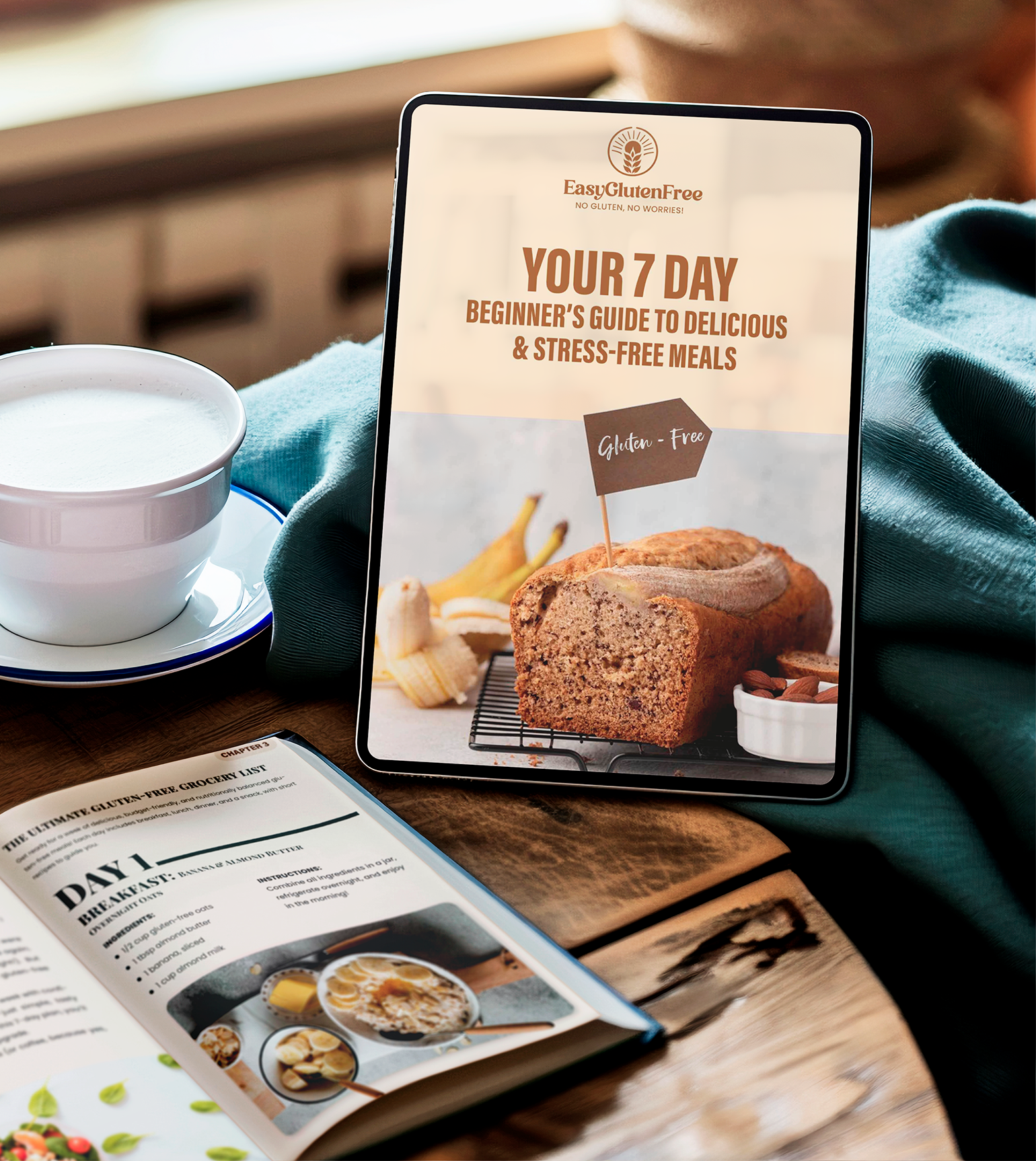
Download the Free Guide to Perfect Gluten-Free Baking Every Time

Gluten-Free All-Purpose Flour: How to Use It for Foolproof Baking
Gluten-free baking doesn’t have to be a science experiment. With the right all-purpose flour blend, you can make cookies, muffins, pancakes, and quick breads that taste like the “real” thing—without complicated substitutions every time you bake. This guide walks you through exactly how to use gluten-free all-purpose flour so your recipes come out tender, fluffy, and consistently delicious.
Download Our Free Gluten-Free Starter Guide
- 7-day meal plan
- shopping list
- Tips & 3 beginner-friendly recipes
Introduction
Switching to gluten-free baking can feel overwhelming at first. You go from casually scooping “regular” flour into a bowl to suddenly wondering which blend to buy, how much liquid to add, and why your favorite muffins are now dense and dry. The good news: once you understand how gluten-free all-purpose flour works, everything gets much simpler—and a lot more delicious.
Modern gluten-free all-purpose flour blends are designed to function much like wheat flour in everyday recipes. You can often swap them 1:1, especially in pancakes, cookies, and quick breads. But a few key tweaks—like how you measure, mix, and bake—make the difference between “good for gluten-free” and “wow, can I have the recipe?”
In this guide, you’ll learn exactly how to choose a reliable gluten-free all-purpose flour, how to use it successfully in your favorite recipes, and how to troubleshoot common baking problems like gumminess, crumbling, or that infamous sandy texture. Think of this as your go-to reference for stress-free, repeatable gluten-free baking wins.
1. What Is Gluten-Free All-Purpose Flour?
Gluten-free all-purpose flour is a ready-made blend of naturally gluten-free grains and starches designed to mimic the structure and performance of wheat flour. Instead of relying on gluten for stretch and structure, these blends use a team of ingredients—usually rice flour, starches like tapioca or potato, and sometimes binders like xanthan gum—to create a similar result.
Unlike single-ingredient flours (such as almond flour, coconut flour, or plain rice flour), gluten-free all-purpose blends are formulated so you can grab one bag and use it in a wide range of recipes. That’s what makes them so helpful for busy gluten-free home bakers: no need to keep five different flours on hand for one batch of muffins.
Common ingredients in gluten-free all-purpose flour
While every brand has its own formula, most all-purpose blends include some combination of:
- Rice flour (white or brown) for a neutral base
- Tapioca starch for chew and tenderness
- Potato starch or cornstarch for lightness
- Sorghum or millet flour for flavor and whole-grain balance
- Xanthan gum or guar gum to help hold everything together
This mix gives you structure, moisture retention, and a texture that’s close to what you’d expect from wheat-based baking. The exact balance matters a lot—which is why some blends give soft, bakery-style results, and others can taste gritty or fall apart easily.
Why blends work better than single flours
If you’ve ever tried making cookies with just almond flour or just oat flour, you’ve seen how unpredictable the results can be. Single flours behave very differently from wheat flour and from each other. Blends are designed to smooth out those differences so home bakers can follow simpler instructions like “use 1 cup gluten-free flour” instead of juggling multiple bags and ratios.
For everyday recipes—pancakes, muffins, quick breads, brownies, and many cookies—a reliable all-purpose blend is the easiest and most forgiving option. You can always explore specialty flours later, but mastering one good blend first will save you time, money, and a lot of disappointing bakes.
2. Choosing the Best Gluten-Free Flour for Everyday Baking
Because not all gluten-free flour blends perform the same way, choosing a consistent, well-tested option is one of the most important decisions you’ll make as a gluten-free baker. A high-quality blend gives you reliable structure, neutral flavor, and that soft, tender crumb you’re craving in everything from pancakes to banana bread.
When you’re evaluating gluten-free all-purpose flours, here are a few things to look for on the label and in reviews:
- Clearly labeled gluten-free and made in a facility that avoids cross-contact (important for anyone who must avoid gluten strictly).
- Designed as a “1-to-1” or “measure-for-measure” replacement for wheat flour in home baking recipes.
- Balanced ingredient list with both whole-grain flours and starches, not just one type of flour.
- Positive feedback from other gluten-free bakers, especially for recipes similar to what you plan to make (cookies, cakes, etc.).
Once you find a blend you like, stick with it for a while. You’ll quickly get a feel for how it behaves, how much liquid it needs, and which recipes it shines in. That familiarity is what turns gluten-free baking from “hit or miss” into “I know exactly how this will turn out.”
Below is a widely trusted option that many gluten-free home bakers rely on for everyday recipes.
Bob’s Red Mill Gluten Free 1 to 1 Baking Flour
This is the gold-standard gluten-free all-purpose flour. It behaves beautifully in pancakes, muffins, cookies, quick breads — and it’s the ideal flour to recommend in ANY practical baking guide. Reliable, consistent, and approved by thousands of gluten-free home bakers. Perfect for articles about technique, substitutions, and baking success.

3. How to Substitute Gluten-Free All-Purpose Flour in Recipes
One of the biggest perks of a good gluten-free all-purpose blend is that you can often substitute it directly for wheat flour in your favorite recipes. That said, a few small adjustments go a long way toward getting great texture and flavor.
When a 1:1 swap usually works
Gluten-free all-purpose flour tends to work best as a straight replacement in “lower-risk” recipes that don’t rely heavily on gluten for structure. For example:
- Pancakes and waffles
- Muffins and quick breads (like banana or pumpkin bread)
- Drop cookies (chocolate chip, oatmeal-style with gluten-free oats)
- Brownies and bar cookies
- Simple snack cakes
In these recipes, you can usually replace wheat flour with the same weight or volume of gluten-free flour. If the original recipe is well balanced, you may not need to change anything else.
When you may need minor adjustments
Because gluten-free flours absorb liquid differently than wheat flour, a batter or dough may look slightly thicker or thinner than you’re used to. Use visual cues as much as measurements:
- If the batter seems too thick (scooping instead of pouring), add milk or another liquid 1 tablespoon at a time until it loosens to the expected consistency.
- If the batter seems too thin and refuses to mound on the spoon, add 1 to 2 tablespoons of gluten-free flour to thicken slightly.
- If baked goods seem too dry or crumbly, try adding an extra tablespoon of oil, melted butter, or one more egg next time.
Gluten-free doughs also benefit from a brief rest. Let your batter sit for 10 to 15 minutes before baking to allow the flour to hydrate fully. You’ll often see a smoother texture and more even rise.
Recipes that need more tweaking
Some recipes rely heavily on gluten for stretch, elasticity, and structure. These are trickier to convert directly and usually need a tested gluten-free version rather than a simple flour swap. Examples include:
- Yeast breads and sandwich loaves
- Artisan-style crusty bread
- Traditional cinnamon rolls
- Hand-rolled pasta
- Very delicate pastries and laminated doughs
For those bakes, look for recipes developed specifically for gluten-free flour, ideally using the same brand you keep in your pantry. You’ll get better results and waste fewer ingredients.
Weighing vs. measuring by cups
If you have a kitchen scale, weighing gluten-free flour is one of the simplest ways to improve consistency. Different blends pack differently into a measuring cup, but weight stays the same. As a guideline, many gluten-free all-purpose blends measure around 135–145 grams per cup (check your bag or the brand’s website for specifics).
If you’re using cups, be sure to stir, spoon, and level:
- Stir the flour in the bag or container to loosen it.
- Spoon flour lightly into the measuring cup (don’t scoop directly).
- Level off the top with a straight edge without packing it down.
This helps you avoid dense, dry baked goods caused by accidentally adding too much flour.
Recipe Inspiration
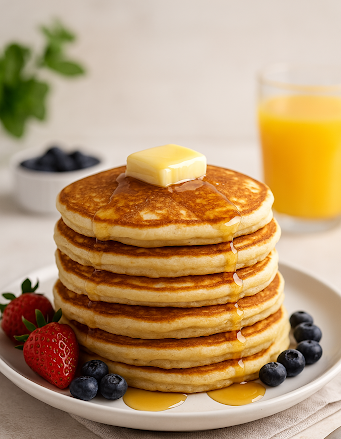
Try these gluten-free staples loved by thousands:


4. Common Gluten-Free Baking Mistakes (and Easy Fixes)
Even with the best gluten-free all-purpose flour, a few common missteps can sabotage your results. The good news: once you know what to watch for, they’re easy to avoid.
Mistake 1: Treating gluten-free batter like wheat batter
Gluten-free batter often looks a bit different—slightly thicker or looser—and that’s okay. Many bakers panic and keep adding flour until it “looks right,” which tends to create dry, dense textures.
Fix: Start by trusting the recipe. If you need to adjust, do it gradually and rely on visual cues. Remember that a short rest allows the blend to absorb liquid and thicken slightly.
Mistake 2: Skipping the rest time
Because gluten-free blends are more absorbent, the batter can change texture dramatically in the first 10–15 minutes. If you bake immediately, you might get gritty or uneven crumbs.
Fix: After mixing, let your batter or dough rest on the counter for about 10 minutes before it goes into the oven. This small step can noticeably improve texture.
Mistake 3: Overbaking “until it looks done”
Gluten-free baked goods don’t always brown in the same way as wheat-based versions, especially if the blend is heavy on starches. Waiting for a deep golden color often means you’ve already overbaked.
Fix: Use time and touch instead of just color. Check a few minutes earlier than you would with wheat flour. Look for set edges and a center that springs back lightly when touched.
Mistake 4: Cutting back on fat or sugar too aggressively
Fat and sugar don’t just affect flavor; they also help with moisture, tenderness, and structure—especially important in gluten-free baking.
Fix: If you’d like to lighten up a recipe, change one thing at a time and only slightly (for example, reduce sugar by 10–15%). Test and adjust, instead of making big cuts all at once.
Mistake 5: Expecting every recipe to convert perfectly
Some family favorites will convert beautifully with a 1:1 swap; others will be “just okay.” That’s normal. Certain recipes lean hard on gluten’s elasticity, and recreating them perfectly may require a gluten-free version built from the ground up.
Fix: Give yourself permission to let some recipes go and embrace new gluten-free favorites. Start with naturally easier wins—pancakes, brownies, muffins—before tackling more advanced bakes.
5. Practical Tips for Storing, Measuring, and Planning Ahead
Once you’ve chosen a gluten-free all-purpose flour you love, a few simple habits will keep your baking hassle-free and your results consistent week after week.
How to store gluten-free all-purpose flour
Gluten-free blends can be a bit more sensitive to humidity and time than traditional flour, especially if they contain whole-grain flours.
- Transfer flour to an airtight container after opening to protect it from moisture and pantry odors.
- Store in a cool, dark place. For long-term storage, many bakers like to keep large bags in the freezer and refill a smaller jar for everyday use.
- Check the “best by” date. Over time, whole-grain components can lose freshness and impact flavor.
Batch-prep your favorite mixes
To make gluten-free baking as easy as “just add wet ingredients,” consider creating your own ready-to-go mixes using your chosen flour blend. For example:
- Measure the dry ingredients for your favorite pancake recipe into jars or bags.
- Label each with simple instructions like “add 1 egg, 1 cup milk, 2 tbsp oil.”
- Store them in the pantry so busy mornings require almost no thought.
Doing this once a month can turn gluten-free baking from a project into a normal, weeknight-friendly routine.
Keep simple “baseline” recipes
Choose one or two “base” recipes that work reliably with your gluten-free all-purpose flour—like a plain muffin, basic pancake, or simple snack cake. Then, customize them endlessly:
- Add blueberries, chocolate chips, or spices to your muffin base.
- Use citrus zest, cocoa powder, or a swirl of jam in your snack cake.
- Change up toppings and mix-ins without reinventing the entire recipe.
This approach saves you from starting from scratch every time and helps you confidently bake from what you already have in the pantry.
Track what works (and what doesn’t)
Because gluten-free baking relies so much on balance and small tweaks, keeping simple notes can really speed up your learning curve.
- Jot down which flour blend you used and any changes you made to liquid, eggs, or fat.
- Note bake times, pan sizes, and whether your family liked the result.
- Highlight true “wins” so you can repeat them exactly.
Within a few weeks, you’ll have your own mini playbook of reliable gluten-free recipes built around your favorite all-purpose flour—no guesswork required.
Key Takeaways
- Gluten-free all-purpose flour is a balanced blend designed to mimic wheat flour in everyday baking, making it far easier to use than single-ingredient flours.
- Choosing a consistent, well-reviewed 1-to-1 gluten-free flour and sticking with it helps you learn how it behaves and dramatically improves your results.
- Many recipes—especially pancakes, muffins, brownies, and simple cakes—work well with a 1:1 swap, plus small tweaks to liquid and rest time.
- Avoid common mistakes like overbaking, over-flouring, and skipping rest time to prevent dry, crumbly, or gummy textures.
- Storing your flour properly, batching dry mixes, and tracking your tweaks turn gluten-free baking from frustrating to predictable and enjoyable.
Take the Next Step in Your Gluten-Free Journey
- Download the Free EGF Starter Guide
- Try our Gluten-Free Planner to simplify your week
- Explore our growing recipe library
You don’t have to navigate the gluten-free lifestyle alone, we are here to make it easier every day.
Category: Baking Tips