Download the Free Guide to Confident Gluten-Free Label Reading

How to Read Food Labels for Hidden Gluten (2026 Guide)
Learning to read food labels for hidden gluten is one of the most powerful skills you can build on a gluten-free journey. Once you understand where gluten likes to “hide,” you’ll shop faster, avoid unpleasant surprises, and feel more confident every time you grab something off the shelf.
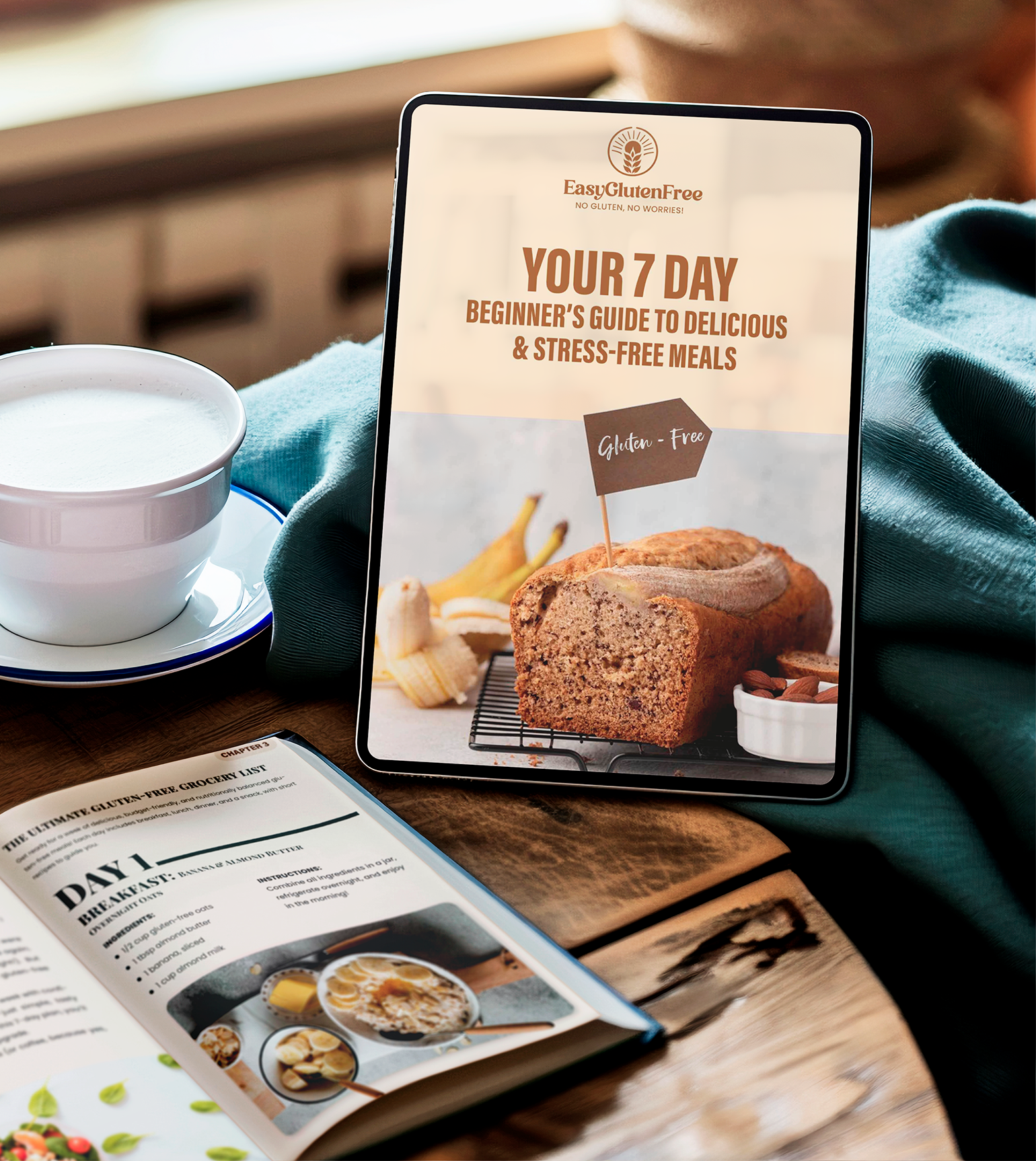
Download Our Free Gluten-Free Starter Guide
- 7-day meal plan
- shopping list
- Tips & 3 beginner-friendly recipes
Introduction
If you’ve ever stood in the grocery aisle, phone in one hand and a box in the other, trying to decode an ingredients list that looks like a chemistry experiment, you’re in the right place. Reading food labels for hidden gluten is overwhelming at first, but with a clear system, it becomes second nature.
This guide walks you through exactly how to spot gluten, even when it’s disguised behind scientific names or vague phrases like “natural flavors.” You’ll learn what’s legally required on labels, what isn’t, and how to build a quick mental checklist so you can shop without second-guessing every item in your cart.
Whether you’re living with celiac disease, gluten sensitivity, or you’re cooking for someone who is gluten-free, consider this your evergreen reference. Bookmark it, share it, and pair it with our free starter guide to make your gluten-free lifestyle feel practical, sustainable, and—yes—enjoyable.
Table of Contents
▾
1. Why Label Reading Matters on a Gluten-Free Diet
Gluten isn’t just in bread and pasta—it can show up in sauces, seasonings, candies, processed meats, and even “health” foods. That’s why being able to read and interpret food labels is essential if you’re gluten-free.
Most countries require wheat to be clearly listed on ingredient labels, but that doesn’t always cover barley, rye, or cross-contact during manufacturing. On top of that, marketing phrases like “made with ancient grains” or “stone-ground” sound wholesome but can still include gluten-containing ingredients.
What gluten-free labeling actually means
When you see “gluten-free” on a package, that claim is usually regulated. In many regions, it means the product must contain less than a specific threshold of gluten (often 20 parts per million) and should not intentionally include gluten-containing grains like wheat, barley, or rye.
However, not all companies choose to use a gluten-free label, even if a product is technically gluten-free. Others might use phrases such as “no gluten ingredients” or “made without gluten,” which don’t always follow strict standards. That’s where your label-reading skills become your safety net.
The two-part label-reading system
A simple, repeatable system keeps you from feeling overwhelmed:
- Check the allergen statement. Look for any mention of wheat and, when relevant, barley or rye, in “Contains” or “May contain” sections.
- Scan the full ingredient list. Hunt for obvious gluten sources (wheat, barley, rye, malt) and “maybe” ingredients that can sometimes include gluten, such as soy sauce or modified food starch (depending on region and regulations).
With practice, this two-step scan takes just a few seconds per product. At first, it might feel like studying for an exam, but soon you’ll recognize patterns and brands you trust.
Why this matters for your everyday life
Confident label reading gives you:
- More food freedom — You can safely expand beyond the tiny “gluten-free” section of the store.
- Less anxiety — You rely on a clear process instead of guesswork.
- Better communication — You can explain what you need to friends, family, and restaurants without feeling awkward or “picky.”
Think of label reading as your essential gluten-free life skill—once you master it, everything else (meal planning, travel, eating out) gets easier.
2. How to Quickly Scan a Food Label for Hidden Gluten
Once you understand the structure of a food label, spotting hidden gluten becomes much easier. Instead of reading every word from top to bottom, you can follow a quick, reliable checklist.
Step 1: Look for a gluten-free claim
Start with the front of the package but don’t stop there. If you see “gluten-free,” “certified gluten-free,” or an official logo from a gluten-free certification program, that’s a helpful signal. Still, it’s smart to at least glance at the ingredients, especially if you have celiac disease or are highly sensitive.
Step 2: Check the allergen statement
Most packaged foods include a “Contains” or “Allergy information” line near the ingredient list. This is where you’ll see major allergens like wheat clearly listed. If you see “Contains: Wheat,” the product is not safe for a gluten-free diet.
You may also see phrases such as “May contain wheat” or “Produced in a facility that also processes wheat.” These statements usually relate to shared equipment or facilities. Different people choose different comfort levels here—some avoid these entirely, others are okay with them. The key is to make a decision that fits your situation and stay consistent.
Step 3: Scan the ingredient list for gluten sources
Next, move to the full ingredient list. Here are the main gluten-containing ingredients to look for:
- Wheat (including varieties like durum, spelt, kamut, farro)
- Barley (including barley malt, malt extract, malt syrup)
- Rye
- Triticale (a wheat–rye hybrid)
- Bulgur, couscous, semolina, graham flour
If any of these appear, the product contains gluten. Put it back on the shelf and move on.
Step 4: Flag the “maybe” ingredients
Some ingredients can be gluten-free or gluten-containing, depending on how they’re made. These are the ones that call for extra attention:
- “Malt flavoring” or just “malt” (often from barley)
- Modified food starch (source can vary by country and manufacturer)
- Vegetable protein or hydrolyzed vegetable protein (HVP)
- Natural flavors (rarely a gluten issue, but occasionally a concern in certain products like soups or sauces)
- Seasonings or spice blends (more often an issue with cross-contact, coatings, or fillers)
When you run into a “maybe” ingredient, you have a few options: choose a clearly labeled gluten-free alternative, look for a certified gluten-free symbol, or contact the manufacturer for clarification.
Step 5: Decide based on your comfort level
At the end of the day, your goal isn’t perfection—it’s consistent, informed choices. Some people are comfortable eating foods with “may contain” statements or ambiguous ingredients once they’ve researched the brand. Others prefer only clearly labeled gluten-free items. Your needs, health history, and sensitivity all matter here.
Over time, you’ll build a mental list of “safe brands” and “don’t bother reading, just walk away” brands, which makes every shopping trip faster and less stressful.
Nima gluten sensor test
These single-use capsules pair with the Nima Sensor to help users test foods for gluten on the spot. Perfect for travelers, researchers of their own digestive reactions, or anyone who just doesn’t trust that café’s “gluten-free… we think?” answer. A reliable, quick-gluten-detection option that empowers people who want data—not guesswork.

3. Common Ingredients That May Contain Hidden Gluten
Some ingredients scream “gluten” on sight (hello, wheat flour). Others are sneakier and show up in products you’d never expect, from ice cream to flavored nuts. Here’s a helpful breakdown to keep handy.
Obvious gluten ingredients (always avoid)
These are your automatic “nope” ingredients on a gluten-free diet:
- Wheat, wheat flour, whole wheat, enriched wheat
- Barley, barley malt, malt extract, malt syrup, malt vinegar
- Rye
- Triticale
- Graham flour
- Semolina, farina, couscous, bulgur
If any of these appear on the label, the product is not gluten-free.
Ingredients that sometimes contain gluten
These ingredients can be gluten-free but aren’t guaranteed. When you see them, slow down and assess:
- Soy sauce – Traditionally brewed with wheat. Look specifically for gluten-free tamari or gluten-free soy sauce.
- Maltodextrin – Often gluten-free depending on the country and source, but it’s worth double-checking with the manufacturer if you’re unsure.
- Modified food starch – The source (corn, wheat, potato, etc.) may be disclosed or not, depending on regulations in your region.
- Natural flavors – Often safe, but they can rarely contain gluten-derived ingredients, especially in savory items.
- Seasonings / spice mixes – Single spices are usually fine; blends can include flour or malt-based flavorings.
- Vegetable protein or texturized vegetable protein (TVP) – May be derived from wheat or soy.
Over time, you’ll identify which product categories are most likely to hide gluten: packaged gravies, bouillon cubes, meat substitutes, veggie burgers, and snack mixes are frequent offenders.
Safe gluten-free grains and starches
Balance is important—if you only focus on what you can’t have, food shopping gets discouraging. Here are naturally gluten-free grains and starches you’ll see often on labels:
- Rice (white, brown, wild)
- Quinoa
- Buckwheat (despite the name, it’s naturally gluten-free)
- Millet, sorghum, teff
- Corn, cornstarch, cornmeal, polenta
- Potato starch, tapioca starch, arrowroot
- Certified gluten-free oats and oat flour
These ingredients are your gluten-free building blocks. When you see them featured—especially on products with a clear gluten-free claim—that’s usually a good sign.
A quick note on oats
Oats themselves don’t contain gluten, but they’re often grown or processed near wheat, barley, or rye. If oats are part of your diet, look for “certified gluten-free oats” on both whole oats and oat-based products like granola or snack bars. This helps reduce the risk of cross-contact.
Keeping a running list of “safe” and “questionable” ingredients in your notes app—or inside a printed gluten-free starter guide—can make your first few months of label reading much smoother.
Recipe Inspiration
Try these gluten-free staples loved by thousands:



4. Shopping Strategies for Safer, Faster Gluten-Free Trips
Knowing how to read labels is one thing; applying that knowledge in a busy grocery store when you’re tired and hungry is another. A few practical strategies can make your gluten-free shopping trips calmer and more efficient.
Start with naturally gluten-free foods
Build most of your cart from foods that are naturally gluten-free and rarely need detective work:
- Fresh fruits and vegetables
- Fresh, unseasoned meat, poultry, and fish
- Eggs and most plain dairy products
- Plain nuts, seeds, and legumes
- Single-ingredient grains like rice and quinoa (always double-check mixes)
This keeps label reading mostly reserved for packaged extras: sauces, condiments, snacks, and convenience meals.
Shop the same brands regularly
Once you find brands that:
- Use clear gluten-free labeling, and
- Provide helpful allergen information on their websites,
stick with them. This reduces decision fatigue and means fewer new labels to analyze each week.
Use a simple “yes/maybe/no” system
When you’re unsure about a product, mentally (or in your notes app) sort items into three buckets:
- Yes: Clearly labeled gluten-free or made from simple, naturally gluten-free ingredients.
- Maybe: Contains one or two questionable ingredients; you may want to research further or contact the brand.
- No: Contains wheat, barley, rye, or other obvious gluten ingredients.
This structure keeps you from agonizing over every item. If it falls into the “maybe” category and you’re exhausted, it’s okay to step away and choose a safer alternative.
Check online product info before you go
If you’re planning to try new products, a little pre-shopping research goes a long way. Many brands list allergen and gluten information on their websites or FAQs. Some even share dedicated gluten-free product lists you can download or print.
This is especially helpful when you’re planning for a holiday, party, or trip and want to avoid last-minute stress in the aisle.
Re-check labels regularly
Ingredients and manufacturing processes can change. Even if you’ve bought a product safely for years, it’s smart to scan the label occasionally—especially if you notice:
- A new “New look, same great taste!” design
- A different texture or flavor
- A price change or new size
Any of these can mean a recipe or supplier has changed, and gluten may have been introduced or removed. A quick check keeps you in control.
5. Eating Beyond the Label: Restaurants, Apps, and Real-Life Tips
Food labels are only part of the gluten-free puzzle. Once you start eating outside your home—restaurants, friends’ houses, road trips—you’ll rely even more on questions, tools, and your own comfort level.
Asking better questions at restaurants
Menus don’t always tell the whole truth about gluten. Instead of only asking, “Is this gluten-free?” try these more specific questions:
- “What ingredients are in this sauce/marinade/dressing?”
- “Is this cooked on a shared grill or fryer with breaded items?”
- “Do you have a separate prep area or procedures for gluten-free orders?”
You’re not being difficult—you’re gathering the same kind of information you’d get from a label at the store, just in conversation form.
Using tools and apps wisely
There are many apps that help you check barcodes, research restaurants, or store safe product lists. These can be helpful starting points, but they’re not perfect. Ingredients change; databases lag behind.
Treat apps and online lists as guides, not guarantees. When in doubt, fall back on your label-reading skills and direct communication with brands or restaurants.
Travel and social events
When you’re away from your usual safe options, a bit of planning makes a big difference:
- Pack a few reliable gluten-free snacks you’ve already vetted by reading labels.
- Look up a local grocery store near your destination to restock if needed.
- Offer to bring a gluten-free dish to gatherings so you know there’s at least one safe option.
If you’re staying with friends or family, sharing a quick “what gluten-free means for me” note in advance can smooth over any awkwardness and help them shop wisely.
Building confidence over time
In the beginning, it’s normal to feel nervous every time you try a new product or eat outside your home. Over time, though, you’ll collect experiences: brands you trust, restaurants that “get it,” and go-to meals that feel both safe and satisfying.
Label reading is the foundation of that confidence. Once you’re comfortable spotting hidden gluten on a package, you can carry that same clarity into conversations, travel, and everyday life.
If you’d like a printable checklist of label terms, safe grains, and shopping tips, download our free Gluten-Free Starter Guide—it’s designed to sit right next to you on the counter while you learn.
Key Takeaways
- Reading labels for hidden gluten is a core gluten-free skill and becomes quick and intuitive with practice.
- Use a simple two-step system: check the allergen statement first, then scan the ingredient list for obvious and “maybe” gluten sources.
- Focus your cart on naturally gluten-free foods and a small set of trusted brands to reduce label-reading overload.
- Remember that ingredients and processes can change, so re-check labels periodically—even on long-time favorites.
- Take your label-reading confidence into real life by asking clear questions at restaurants, planning ahead, and using tools as helpful guides, not guarantees.
Take the Next Step in Your Gluten-Free Journey
- Download the Free EGF Starter Guide
- Try our Gluten-Free Planner to simplify your week
- Explore our growing recipe library
You don’t have to navigate the gluten-free lifestyle alone, we are here to make it easier every day.
Category: Gluten-Free Basics