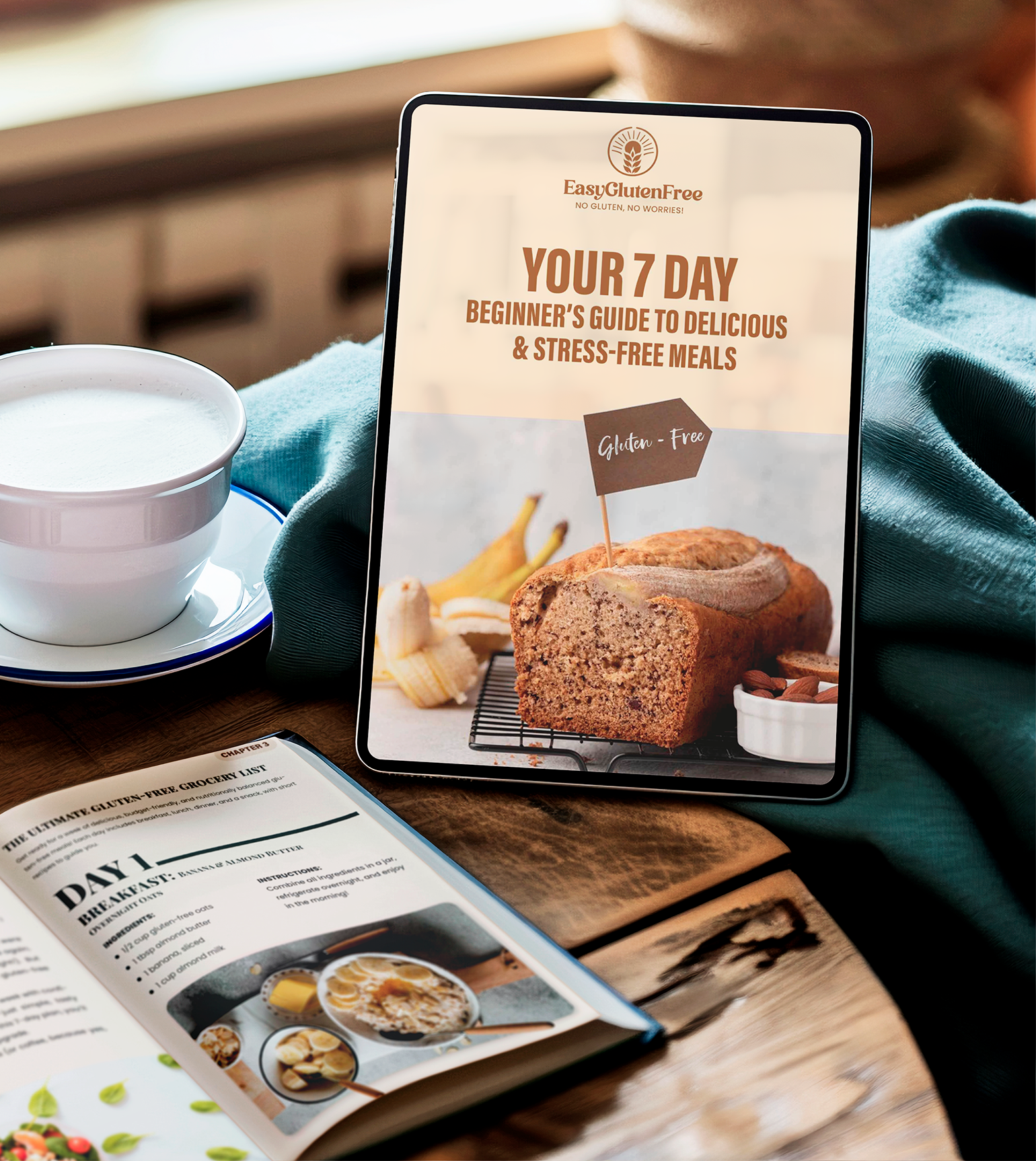
Download the Cheat Sheet to Stress-Free Gluten-Free Hosting

Gluten-Free Meal Prep for Busy Weeks: Simple Systems, Real-Life Tips & Zero Food Waste
If your weekdays feel like a sprint between work, activities, and figuring out what on earth is safe to eat, gluten-free meal prep can be the calm in the chaos. In this guide, you’ll learn how to batch, store, and reheat gluten-free meals without soggy pasta, mystery crumbs, or last-minute drive-thru panic.
Download Our Free Gluten-Free Starter Guide
- 7-day meal plan
- shopping list
- Tips & 3 beginner-friendly recipes
Introduction
Meal prep can feel intimidating even before gluten is part of the equation. Add in cross-contact worries, confusing labels, and the fear that Sunday’s carefully prepped food will taste like cardboard by Wednesday, and it’s easy to give up before you begin. But with a few gluten-free specific habits, meal prep becomes less of a chore and more of a weekly reset that actually supports you.
For gluten-free eaters, the real magic of meal prep is peace of mind. When your fridge is stocked with safe, already-tested meals and snacks, you spend less time reading labels when you’re starving and more time actually enjoying your food. You’re also less likely to “just wing it” with options that might not be fully gluten-free.
This guide walks you through how to design a simple, repeatable gluten-free meal prep routine for busy weeks. We’ll cover how to plan, shop, batch cook, and store food in ways that protect against cross-contact, reduce food waste, and keep your meals tasting fresh—not like they’ve lived three lives in your fridge.
1. Why Gluten-Free Meal Prep Is Different (and Totally Worth It)
Gluten-free meal prep isn’t just about saving time—it’s about building a safety net. When you rely on last-minute meals, you tend to lean hard on convenience foods, takeout, or “I’ll just pick something up.” That’s where hidden gluten and cross-contact risks multiply.
When you intentionally prep gluten-free meals, you’re not only giving Future You something easy to grab—you’re controlling the entire chain: ingredients, cookware, surfaces, and storage. That dramatically lowers the risk of accidental gluten exposure during your busiest moments.
How gluten-free meal prep actually helps your week
- Fewer last-minute decisions: Decision fatigue is real. Prepped meals and snacks mean you’re not constantly asking, “What can I eat that’s safe?”
- Less reliance on processed GF food: When you’ve already cooked real food, those emergency gluten-free freezer dinners can stay emergency-only.
- Built-in safety: You’ve already read labels, washed equipment, and checked for cross-contact. You can just eat—no detective work mid-meal.
- Budget-friendly: Gluten-free products can be pricey. Meal prep helps you actually use your fresh produce and proteins instead of tossing them at the end of the week.
Key gluten-free meal prep challenges
There are a few gluten-specific frustrations that can make meal prep tricky if you don’t plan for them:
- Texture changes: Some gluten-free grains and pastas can go mushy quickly if stored with sauces or dressings.
- Cross-contact at home: Shared kitchens, toasters, cutting boards, and wooden utensils can undo your hard work if you’re not careful.
- Safe grab-and-go options: If you’re out all day, it’s easy to get stuck somewhere with nothing truly safe to eat.
The good news: every one of these has a simple workaround. With a few smart systems, gluten-free meal prep can feel just as easy—and often tastier—than a standard prep routine.
2. Smart Gluten-Free Meal Prep Systems & Storage Tips
The secret to sustainable gluten-free meal prep isn’t cooking more—it’s setting up simple systems you can repeat every week. That means planning how food moves from store, to cutting board, to stove, to fridge, to lunchbox without picking up gluten or turning into a soggy science experiment.
Set up a safe, prep-friendly kitchen zone
If you share a kitchen with gluten-eaters, start by defining a clearly gluten-free prep zone:
- Reserve a specific cutting board, knife, and set of utensils for gluten-free only.
- Use color-coding (like bright silicone spatulas or containers) so everyone knows what’s GF only.
- Wipe counters thoroughly before you start—especially around bread areas and crumbs.
- Keep gluten-free dry goods (like oats, pasta, and flour) on upper shelves to avoid “crumb fall” from gluten items above.
Prep components, not just full meals
Instead of prepping 5 identical lunches, think in “building blocks.” Gluten-free components keep better and give you more flexibility:
- Cooked grains: rice, quinoa, millet, certified GF oats.
- Proteins: roasted chicken thighs, baked tofu, hard-boiled eggs, seasoned ground meat or lentils.
- Vegetables: roasted sheet pan veggies, washed salad greens, sliced cucumbers and peppers.
- Flavor boosters: vinaigrettes, salsa, hummus, pesto (check or make gluten-free), pickled onions.
With these components you can create grain bowls, salads, wraps using gluten-free tortillas, or quick “snack plates” without feeling like you’re eating the same thing on repeat.
Storage habits that protect texture and flavor
- Keep sauces and dressings separate until serving for salads and grain bowls to avoid soggy greens and grains.
- Store gluten-free pasta and noodles dry (just tossed in a bit of oil) and add sauce when reheating for better texture.
- Cool food fully before sealing containers and refrigerating to reduce condensation and mushy textures.
- Label with name + date so you know what needs to be eaten first and can avoid “mystery leftovers.”
Good storage is especially helpful in gluten-free kitchens because specialty ingredients can be more expensive—you’ll want every bite to count.
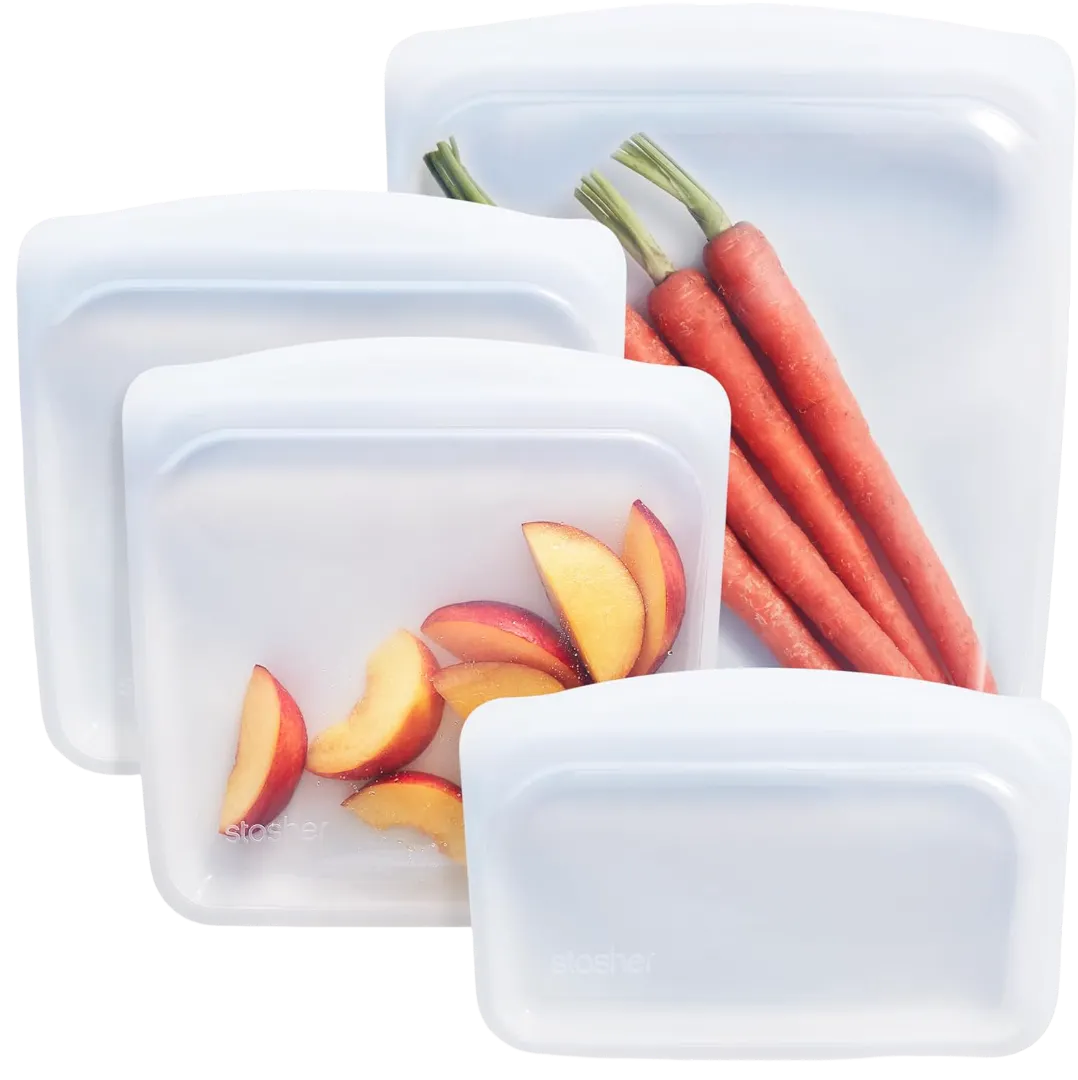
Premium Silicone Reusable Food Storage Bags
These are the “I have my life together” bags. Perfect for packing gluten-free snacks, leftovers from brunch, veggie sticks for road trips, or even freezer prep for busy weeks. They’re reusable, dishwasher-safe, plastic-free, and look aesthetically pleasing in your fridge and your IG stories. Great anchor product for any article about sustainability, meal prep, hosting, or on-the-go GF living.
3. Easy Gluten-Free Meal Prep Ideas for Busy Weeks
You don’t need elaborate recipes to make gluten-free meal prep work. Focus on meals that use similar ingredients in slightly different ways so you can batch-cook once and eat multiple satisfying combinations.
Breakfast ideas that actually keep you full
- Overnight oats with certified GF oats: Prep 3–4 jars with oats, milk of choice, chia seeds, and fruit. Keep toppings like nuts or seeds separate for crunch.
- Egg muffin cups: Whisk eggs with chopped veggies, cheese, and cooked sausage or beans. Pour into a greased muffin tin (dedicated gluten-free) and bake. Store in the fridge and reheat in seconds.
- Yogurt parfait kits: Portion yogurt into containers and store granola (certified GF) and fruit in separate containers or snack bags to mix in just before eating.
Packable gluten-free lunches
- Mix-and-match grain bowls: Start with rice or quinoa, add roasted veggies, a protein, and a sauce. Keep sauce in a small separate container until you reheat and eat.
- Loaded salad jars: Layer heartier items (beans, grains, veggies) at the bottom, greens at the top, and keep dressing separate. When ready, add dressing and shake.
- Snack box lunches: Combine sliced veggies, hummus, cheese, nuts, gluten-free crackers, and fruit. These are especially handy on meeting-heavy or travel days.
Stress-free weeknight dinners
Dinner is where meal prep really pays off, especially on days when cooking feels like too much.
- Sheet pan suppers: Roast a big tray of chicken thighs or tofu with potatoes and veggies. Reheat portions as needed during the week.
- “Cook once, eat twice” mains: Make a double batch of chili, stew, or curry (with gluten-free broth and seasonings) and freeze half for a future hectic week.
- Taco or burrito bowl night: Prep seasoned ground meat or beans, rice, salsa, and toppings. Each person builds their own with gluten-free tortillas, lettuce wraps, or rice bowls.
Grab-and-go gluten-free snacks
If you’re out of the house a lot, treat snacks like mini insurance policies—always have a few on hand that you know are safe.
- Pre-portioned nuts or trail mix (using gluten-free ingredients).
- Cut-up veggies with hummus in small containers.
- Individually wrapped gluten-free bars you trust.
- Single-serve nut butter packs and rice cakes (check labels) or apple slices.
Keep a small “emergency snack kit” in your bag or car so you’re not stuck when plans change or meetings run long.
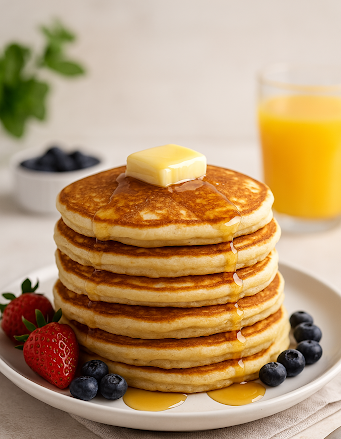
Recipe Inspiration
Try these gluten-free staples loved by thousands:


4. Shopping & Label Reading Tips for Stress-Free Prep
Smart gluten-free meal prep actually starts at the store. When your ingredients are safe and reliable, the rest of the week gets a lot easier. A little strategy up front means less second-guessing when you’re cooking or packing lunches.
Build a core “always safe” list
Keep a running list of staple brands and products you’ve already vetted. This might include:
- Gluten-free pasta, bread, and wraps that you know your household likes.
- Trusted brands for broth, stock cubes, soy sauce or tamari, and condiments.
- Favorite gluten-free snacks, crackers, and bars for quick grab-and-go options.
Store this list in your phone or planner so you can shop faster and avoid “is this one okay?” spirals every single week.
Label reading habits that save time
- Scan for obvious gluten words first: wheat, barley, rye, malt, brewer’s yeast.
- Check for “may contain” or “processed in a facility” notes if you’re sensitive to cross-contact and choose what works for your comfort level.
- Review sauces, spice blends, and marinades carefully: gluten often hides here more than in whole foods.
- Buy certified gluten-free for higher-risk items like oats, cereals, and some grains.
Batch shopping for meal prep
To make meal prep smoother, group your shopping around your plan:
- Choose 2–3 proteins, 2–3 grains, and 3–5 veggies that overlap across meals.
- Buy larger packs of items you can cook in bulk (like chicken, rice, and carrots).
- Grab a mix of fresh and frozen vegetables so you’re not scrambling if you can’t prep right away.
When you get home, do a quick 10–15 minute “unpack prep”: wash greens, chop a few veggies, or start a pot of rice. This small habit makes full meal prep later in the day or week much less overwhelming.
5. Sample Gluten-Free Meal Prep Rhythm You Can Steal
If you’ve never had a consistent prep routine, it helps to see what this looks like in real life. Use this as a template and adjust for your own schedule, family size, and dietary needs.
The night before shopping
- Check your calendar for the week: late nights, travel days, or events get the easiest meals.
- Take a quick inventory of your fridge, freezer, and pantry.
- Choose 2 breakfasts, 2–3 lunch options, and 3–4 dinners that share ingredients.
- Make a shopping list grouped by store section so you can get in and out faster.
Meal prep day (about 1.5–2 hours)
- Start with what takes the longest: get grains cooking in a pot or rice cooker and protein in the oven or slow cooker.
- Prep veggies while those cook: chop onions, carrots, peppers, and anything you’ll roast or eat raw.
- As items finish, cool and portion: transfer to clearly labeled containers; keep sauces and toppings separate.
- Assemble 1–2 full “ready-to-eat” meals: for your busiest days, pre-build a couple of complete lunches or dinners.
During the week
- Rotate components: use your grains, proteins, and veggies in slightly different combinations so meals feel fresh.
- Use the “eat first” shelf: put prepped food in a visible spot in the fridge so it doesn’t get forgotten.
- Freeze extras early: if you won’t get to something in time, freeze it while it’s still at peak quality.
After a couple of weeks, you’ll start to see which meals and systems your household loves—and which you can happily retire. The goal isn’t perfection; it’s a repeatable rhythm that keeps you safely and reliably fed, even on the busiest days.
Key Takeaways
- Gluten-free meal prep is less about perfection and more about building a safe, repeatable system that supports your busiest weeks.
- Prepping components—like grains, proteins, veggies, and sauces—gives you flexibility while still saving time and energy.
- Safe storage habits and tools help protect against cross-contact, reduce food waste, and keep textures and flavors at their best.
- Thoughtful shopping and label reading up front make cooking and packing gluten-free meals much easier and more relaxed.
- A simple weekly rhythm you can actually stick with will do more for you than any complicated meal prep marathon.
Take the Next Step in Your Gluten-Free Journey
- Download the Free EGF Starter Guide
- Try our Gluten-Free Planner to simplify your week
- Explore our growing recipe library
You don’t have to navigate the gluten-free lifestyle alone, we are here to make it easier every day.
Category: Meal Prep & Planning