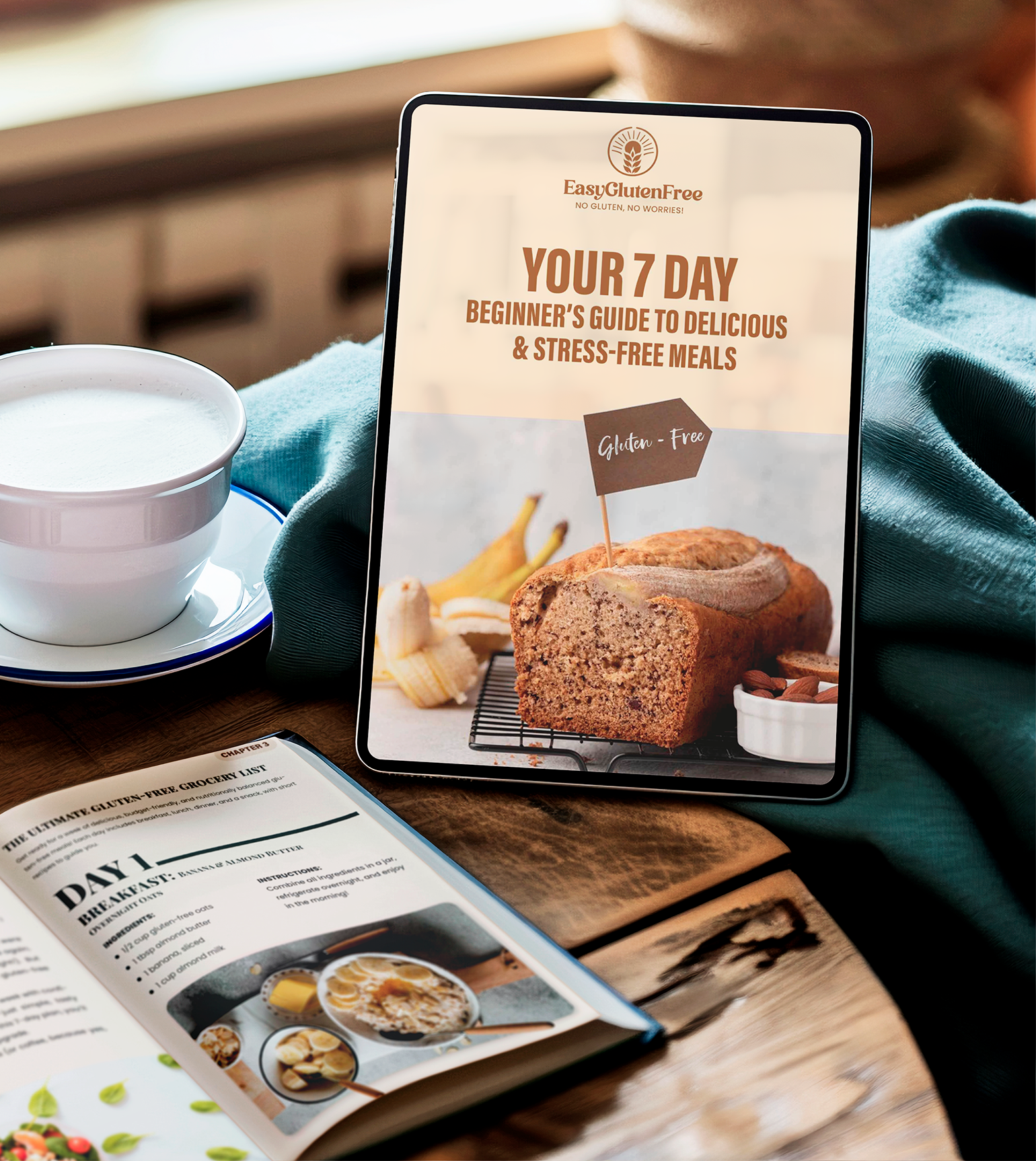
Grab Your Free Guide to Stress‑Free Gluten-Free Snacking

Gluten-Free Snacks for Social Events: How to Never Feel Left Out Again
Showing up to parties, game nights, or road trips when you’re gluten free can feel like a gamble: will there be anything you can actually eat, or will you be quietly sipping water while everyone else demolishes the snack table? This guide walks you through practical, real-world ways to plan, pack, and enjoy gluten-free snacks at any social event—without feeling awkward, high maintenance, or left out.
Download Our Free Gluten-Free Starter Guide
- 7-day meal plan
- shopping list
- Tips & 3 beginner-friendly recipes
Introduction
If you’ve ever arrived at a birthday party, office gathering, or movie night and realized the only gluten-free option was…ice cubes, you’re not alone. Social events can be one of the hardest parts of living gluten free. You want to relax and enjoy the people, not spend the whole night wondering if the chips were “maybe made on shared equipment.”
The good news: with a little strategy, you can make social snacking almost effortless. That means fewer awkward food conversations, fewer “I’m fine, really” moments, and way more time actually enjoying yourself with safe, delicious food in hand. This article is your blueprint for gluten-free snacks for social events—what to bring, how to plan, what questions to ask, and how to navigate those grey areas confidently.
We’ll cover easy grab-and-go options, host-friendly snacks to share, travel and road-trip ideas, and practical scripts you can use when you need more info about ingredients or cross-contact. Think of this as your social survival manual, but make it gluten free, satisfying, and low drama.
Table of Contents
▾
1. Understanding Gluten-Free Snacking at Social Events
Social events add extra layers of complexity to gluten-free eating: you didn’t plan the menu, people are snacking casually with the same hands touching shared bowls, and ingredients are often a mystery. That doesn’t mean you can’t participate; it just means you need a strategy.
Why social snacking feels tricky (and how to simplify it)
Most of the stress comes from three things: unknown ingredients, cross-contact, and social pressure. You might look at a bowl of chips and think, “That looks safe,” but what oil were they fried in? Did someone dip a gluten-y cracker right into the same salsa? Meanwhile, you’re trying not to be “the difficult one” when everyone else is grazing without thinking twice.
The mindset shift that helps most people is this: your job isn’t to make the event gluten free, it’s to make sure you are gluten free and comfortable. That usually means arriving with at least one snack you love and trust, and then treating anything safe at the event as a bonus—not the baseline.
Know your non-negotiables
Before you’re standing in front of a snack table, it helps to know your “always” and “never” rules. For many people who are medically gluten free, that looks like:
- Always: Read labels on packaged snacks if you haven’t eaten them before.
- Always: Ask about ingredients when something is homemade, or skip it if you’re unsure.
- Never: Eat from shared bowls where people are mixing crackers, pretzels, and chips with the same hands or utensils.
- Never: Assume fries, wings, or anything fried are safe without checking about shared fryers.
Defining your own boundaries ahead of time lets you respond quickly and calmly in social settings—without second-guessing yourself all night.
Simple scripts for asking about snacks
If you feel awkward chatting about ingredients, having a few short phrases ready can help. You can keep it low drama and straightforward, for example:
- “These look great—do you happen to know if they’re gluten free?”
- “I have to be strictly gluten free. Were these made with regular flour or any bread crumbs?”
- “Do you know if these were fried in the same oil as things like breaded chicken or onion rings?”
Most hosts appreciate the clarity, and you get the info you need without turning the snack table into a group debate about celiac disease vs. gluten intolerance.
2. Smart Store‑Bought Gluten‑Free Snacks to Bring and Share
Store‑bought snacks are the easiest way to show up prepared without adding more cooking to your to‑do list. The key is choosing options that are:
- Individually wrapped or easy to keep separate from gluten-y items.
- Clearly labeled so you can check ingredients once and relax.
- Appealing to everyone, not just people who are gluten free.
Instead of bringing something that screams “special diet,” think about crowd‑pleasers: popcorn, nut mixes (if safe for the group), chocolate, protein or snack bars, rice or corn-based chips, veggie chips, or fruit leathers. Packaged dips labeled gluten free can also be a win—pair them with your own crackers or chips and keep the container separate from the main snack table.
Snack strategies that reduce cross‑contact
How you serve snacks matters just as much as what you bring. A few simple habits go a long way:
- Keep your gluten-free snacks in their original package when possible, and serve yourself first before leaving them out.
- If you’re sharing, provide a dedicated spoon or tongs and gently mention they’re gluten free so people avoid double‑dipping crackers.
- Place gluten-free items away from obvious gluten traps, like bread baskets or cookie platters, to reduce crumbs and mix-ups.
You don’t have to make an announcement—simple placement and a quiet note to the host is usually enough.
Why “emergency snacks” are your best social safety net
Even with the best intentions, some events just won’t have safe options. That’s where an “emergency snack stash” saves the day. A few individually wrapped snacks in your bag, car, or desk drawer mean you can always participate in the social side of eating, even if you’re not eating the same thing as everyone else.
This approach also takes the pressure off hosts. Instead of relying on them to fully understand gluten free, you arrive knowing you’ll be okay no matter what’s on the table—then enjoy any safe options as a bonus.
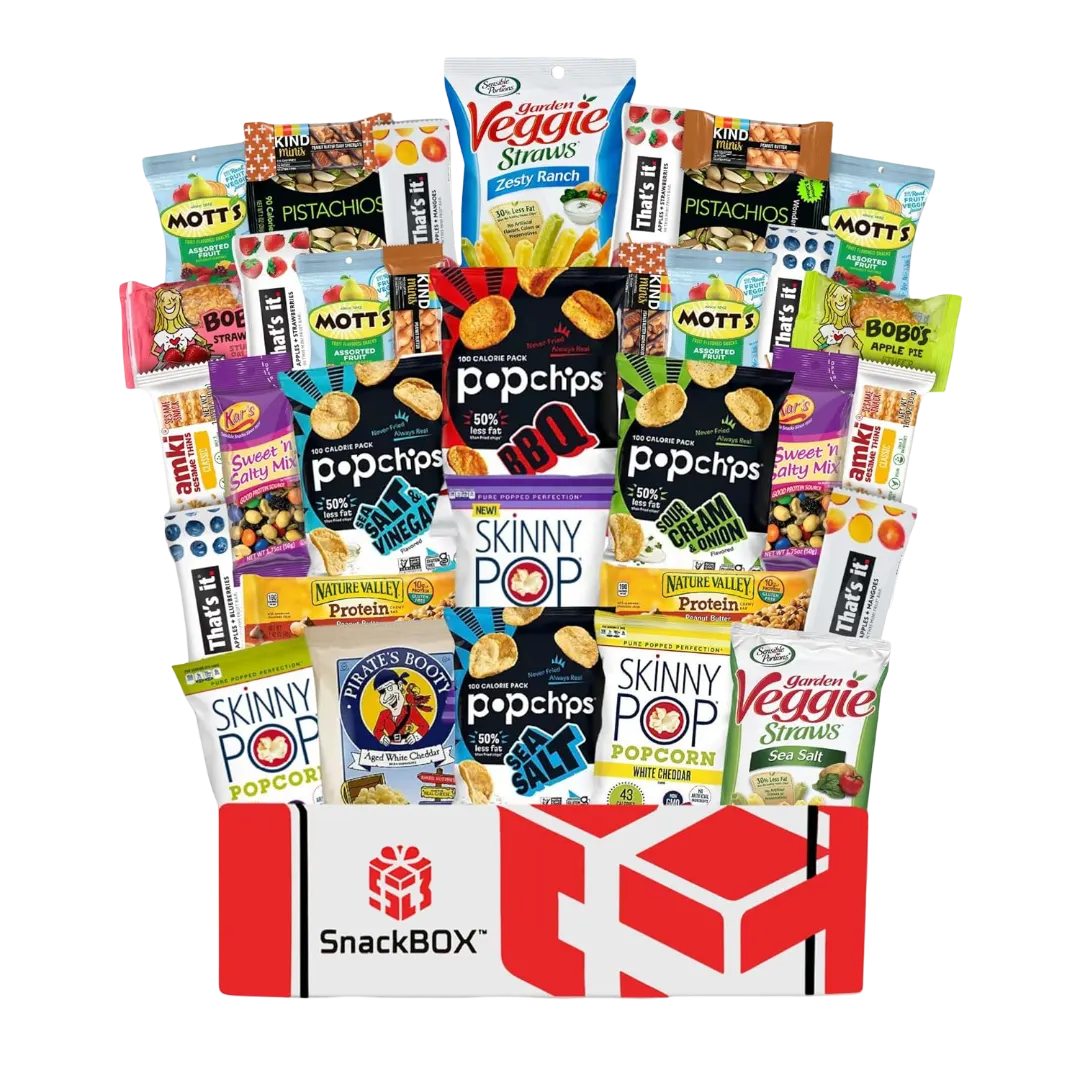
Snack BOX Gluten Free Healthy Care Package
This box is basically “emergency gluten-free social survival” in one package. It’s packed with individually wrapped snacks you can throw into your bag, keep at the office, bring to movie nights, or stash in your car so you don’t end up nibbling sad plain lettuce while everyone else has chips. Great for sharing, hosting, travel, or just living your best snack-gremlin life — gluten free.
3. Easy Homemade Gluten-Free Snacks That Travel Well
If you enjoy a bit of prep, homemade snacks can be more affordable, customizable, and often more nourishing than store‑bought options. The trick is choosing recipes that are sturdy, snackable at room temperature, and don’t rely on last‑minute assembly.
Portable savory snack ideas
For savory lovers, think “finger food” that doesn’t crumble into dust on the way to the party. For example:
- Gluten-free crackers or seed crisps packed in a sturdy container, paired with your own cheese cubes or dip.
- Mini frittata bites or egg muffins made with veggies and cheese, baked in a silicone or metal muffin tray.
- Seasoned roasted chickpeas or nuts (if nuts are safe for the group) for a crunchy, protein-rich option.
- Veggie sticks packed in small jars with hummus or another gluten‑free dip at the bottom for grab‑and‑go snacking.
Label your dish “gluten free” if you’re contributing to a potluck, and if you need to avoid cross‑contact, dish out your own serving before your plate hits the buffet table.
Sweet treats everyone can enjoy
Gluten-free sweets tend to disappear quickly at gatherings because—when done well—they taste like “normal” dessert. Some sturdy, travel‑friendly favorites include:
- Oat‑based bites or energy balls made with certified gluten‑free oats, nut or seed butter, and chocolate chips.
- Brownies or bar cookies baked in a gluten‑free flour blend, then sliced and stored in a lidded container.
- Simple flourless peanut butter or almond butter cookies, which hold up well in transport.
- Fruit skewers or fruit salad with a squeeze of citrus to keep it bright and fresh.
When you bring something sweet, you instantly create at least one dessert you know you can have—no staring longingly at the cake while pretending you’re “not really into sugar.”
Prep and packing tips so your snacks arrive in one piece
A few small details make a big difference in how your snacks hold up:
- Use rigid containers rather than bags for anything crumbly or delicate.
- Pack dips in small jars with tight lids, then transfer some to a serving bowl once you arrive.
- Bring your own serving utensils if you’re concerned about cross-contact from shared spoons or tongs.
- If the event is outdoors or in warm weather, choose non‑melty snacks or pack them in a small insulated bag.
The goal is low‑stress: snacks that can handle a car ride, a backpack, or sitting on a table for a while without turning sad or suspicious‑looking.
Recipe Inspiration
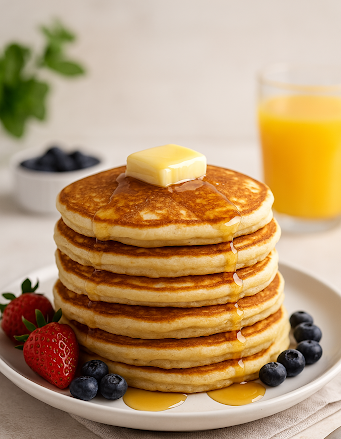
Try these gluten-free staples loved by thousands:


4. Navigating Parties, Potlucks, and Buffets Without Stress
Different types of events come with different gluten‑free challenges. The more you recognize the patterns, the easier it becomes to build a routine that works for you.
House parties and casual hangouts
For small gatherings at a friend’s place, communication is your superpower. If you’re comfortable, send a quick note ahead of time:
“I’m strictly gluten free, so I usually bring a snack or two I know I can have—would you like me to bring something to share?”
This does three things at once: it takes pressure off your host, opens the door to a quick ingredient chat if they want to accommodate, and guarantees you have something you can eat no matter what.
Once you arrive, you can quietly scope the snack table. If there’s something that might be safe, ask the host one‑on‑one rather than starting a group conversation. If it’s not safe, no need to apologize or explain in detail—you’ve got your own snacks ready.
Potlucks and shared tables
Potlucks are where cross‑contact can really run wild. Serving spoons jump from dish to dish, crumbs go everywhere, and labels are rare. A few ways to protect yourself:
- Bring at least one substantial dish you’re happy to eat as your main option if nothing else works.
- Serve yourself first from your dish before it joins the main table, using your own clean utensils.
- If you’re unsure about a dish, it’s completely fine to skip it rather than play “guess the flour.”
If someone asks why you’re not trying their food, a simple, calm response is usually best: “I have to be very careful with gluten, but it looks amazing!” You don’t owe a full medical history at the buffet line.
Buffets, weddings, and catered events
Larger events often have professional catering, which can be a blessing and a challenge. On the plus side, there may be labeled gluten‑free options. On the other hand, guests don’t always respect the labels when serving themselves.
When you can, look for a staff member and ask directly about gluten-free options and how they’re handled. Questions like:
- “Which items are prepared gluten free?”
- “Are those kept separate from breaded or wheat‑based dishes?”
- “Is there a way I could be served from the back before guests mix things together?”
Sometimes the answer will be, “We can’t guarantee anything,” and that’s your cue to rely on what you’ve brought or eaten beforehand. That’s not a failure—that’s you taking care of yourself in a less‑than‑ideal setup.
Handling the social side gracefully
Comments about food are nearly inevitable when you’re eating differently from the group. A few low‑key phrases can keep things light and move the conversation along:
- “I’m good with what I brought, but thank you!”
- “I have to be strict about gluten, so I always pack my own just in case.”
- “I’m all set—how’s your week been?” (and change the subject)
Your job is not to educate every person at every party about gluten. Protect your energy and enjoy the people and moment as much as you can.
5. Planning Ahead: Social Snack Kits, Travel Days, and Emergencies
The easiest way to stop worrying about snacks at social events is to build systems that run on autopilot. Instead of starting from zero before every gathering, you create a few go‑to routines that always have your back.
Build a “social snack kit” you can grab and go
Think of this like your personal snack insurance policy. Keep a small pouch, box, or reusable bag stocked with:
- A few individually wrapped snacks (bars, popcorn, nut packs, crackers, fruit leathers).
- A small folding fork or spoon if you like dips or portable meals.
- A resealable container or silicone bag for leftovers from your own safe dish.
- Any digestive supports or comfort items you personally rely on if you accidentally eat something that doesn’t agree with you (even if it’s not gluten related).
Refresh this kit every few weeks so you’re not surprised by expired bars at the worst moment.
Travel and road‑trip snack planning
Road trips, flights, and long travel days are essentially extended social events—you’re surrounded by people eating whatever’s available, while you’re limited by what you can safely find or bring.
Consider packing:
- Shelf‑stable protein like tuna packets, nut or seed butters, jerky that’s clearly labeled gluten free, or roasted chickpeas.
- Carb options like gluten-free crackers, rice cakes, popcorn, or instant oat packets made with certified gluten‑free oats (great if you’ll have access to hot water).
- Fresh items for the first day, like fruit, cut veggies, or cheese sticks, in a small cooler or insulated bag.
Even if you plan to buy food on the road, having your own stash prevents “hangry and stuck” moments at rest stops or airports with nothing safe in sight.
What to do when you get caught without snacks
It will still happen sometimes: you’ll be at a work event, or a last‑minute gathering, and you didn’t have time to plan. When that happens:
- Scan the options for inherently simple foods: fruit, veggie trays, plain nuts with clear labeling, individually packaged items you can read.
- If there’s truly nothing safe, focus on the social side and eat before or after the event instead of pushing your luck.
- Use it as a gentle nudge to restock your emergency stash so next time you’re better prepared.
One off night doesn’t mean you’ve “failed” at being gluten free—it just adds more data for how you want to prepare in the future.
Making gluten‑free snacking feel normal (because it is)
Over time, your systems will start to feel routine: you keep snacks in your bag, you default to bringing something shareable to gatherings, you know exactly which questions to ask about ingredients, and you can spot high‑risk food setups at a glance.
The more practiced you get, the more brain space you free up for what you’re actually there for—celebrating, connecting, traveling, laughing, and living your life. Gluten-free snacks for social events aren’t about perfection; they’re about feeling included, comfortable, and confident in your choices.
Key Takeaways
- Gluten-free social snacking gets much easier when you arrive with at least one safe snack you genuinely enjoy and treat anything else as a bonus.
- Individually wrapped and clearly labeled snacks help reduce cross-contact at parties, potlucks, and events with shared tables.
- Simple scripts and clear personal boundaries let you ask about ingredients without turning every snack decision into a big conversation.
- Homemade and store-bought gluten-free snacks can both work well for social events when they’re portable, sturdy, and easy to serve safely.
- Creating a small “social snack kit” and keeping emergency gluten-free snacks on hand turns last-minute plans and travel days into something you can say yes to with confidence.
Take the Next Step in Your Gluten-Free Journey
- Download the Free EGF Starter Guide
- Try our Gluten-Free Planner to simplify your week
- Explore our growing recipe library
You don’t have to navigate the gluten-free lifestyle alone, we are here to make it easier every day.
Category: Lifestyle