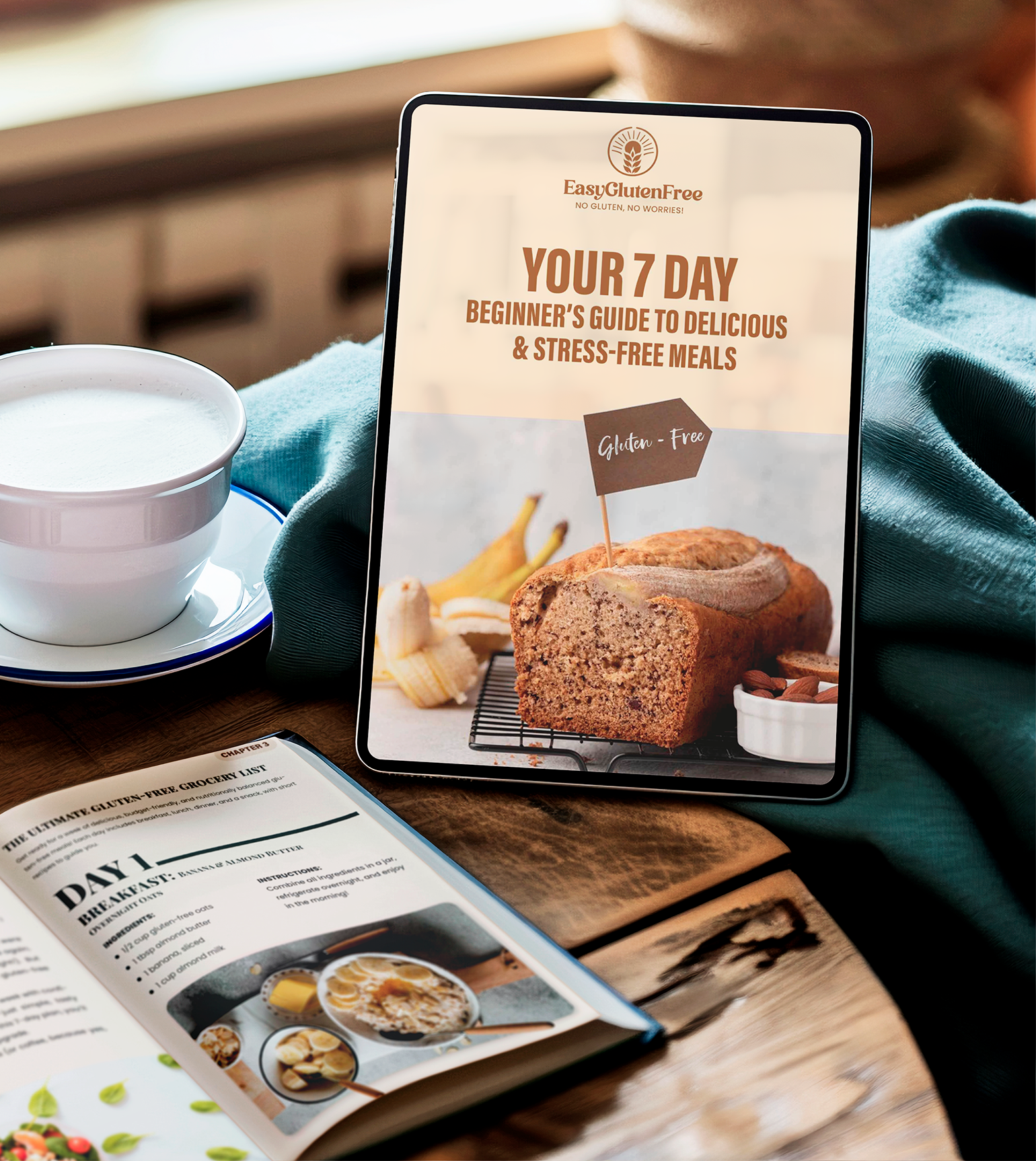
Unlock Your Gluten-Free Journey with Our 7-Day Beginner’s Guide to Delicious & Stress-Free Meals!

Can Scanner Apps Really Detect Gluten? Let’s Find Out
Gluten detection in your pocket? Let’s talk about the latest apps that promise to be your gluten bodyguards — or are they just digital mirages?
Download Our Free Gluten-Free Starter Guide
- 7-day meal plan
- shopping list
- Tips & 3 beginner-friendly recipes
Introduction
Let’s set the scene: You’re doing your weekly grocery shopping, minding your own gluten-free business, when you stumble on a shiny new app that claims to detect gluten in food items. It sounds like a miracle straight out of a techie fairy tale, right? But before you start believing every app can save you from the perils of gluten, it’s time to get real about what technology can — and can’t — do when it comes to keeping gluten at bay. Spoiler alert: there’s a lot of buzz, but maybe not a lot of bite.
With a gluten-free lifestyle, deciphering labels feels like reading hieroglyphics sometimes. And as you scroll through app store reviews, you see a mix of glowing testimonials and flat-out horror stories. It’s like deciding whether to trust a new diet fad or stick with that slice of gluten-free pizza that, let’s be honest, is always a safe bet. So, can scanner apps really live up to the hype, or are they just a digital mirage? Let’s sift through the tech and find out.
Get ready to fire up your smartphone! We’re diving into the vagaries of gluten detection technology and why it might not be the knight in shining armor you hoped. And hey, if you think a scanner app is your best ally, we’ll equip you with some handy tips on how to make informed choices about your gluten-free journey.
1. The Gluten Detection Dilemma: Are Apps Worth It?
The debate around gluten detection apps is as spicy as a gluten-free hot sauce. Users hail them as lifesavers, while others wave the red flag. It’s essential to understand what these apps can do before you download the next best thing. The core issue lies in accuracy. Some claims suggest that scanning barcodes can help you avoid gluten-containing products, but does it actually work? Technology isn’t perfect — just like that time your friend tried to fix your Wi-Fi while still asking if you had Taco Bell for dinner. Skepticism is healthy! High accuracy rates depend on app databases and user feedback. Some products aren’t always updated promptly, leading to false security. And because these apps rely on user-generated data, what works for one person might lead another right into gluten territory. So the question remains: can you genuinely rely on them for your gluten-free diet, or is it best to stick with reading that shiny label yourself?
Make Gluten-Free Weeks Feel Less Chaotic
Use the Easy Gluten-Free Planner to map meals, shopping lists, pantry backups, snacks, and freezer saves before the week starts bossing you around.
- Plan meals, groceries, and safe backup options in one place
- Keep track of family favorites, pantry gaps, and repeat buys
- Reduce last-minute “what can I actually eat?” decisions
2. Do Scanner Apps Make Sense for Your Kitchen?
Even if you’re not fully convinced by scanner apps, there’s still room for them in your gluten-free arsenal. Just think about it: you’ve scanned the ingredients with your new app, and suddenly, it’s telling you the item is safe. That’s great! But what happens when you’re itching to bake your favorite batch of gluten-free cookies for a weekend gathering? You can never go wrong with a trusty flour substitute in your pantry, like Bob’s Red Mill Gluten Free 1 to 1 Baking Flour. This product has been the gold standard for many gluten-free bakers. It’s reliable, handles everything from pancakes to muffins like a pro, and won’t let you down during your gluten-free adventures. So, while you’re decoding those app reads, stock up on some of this magic flour for those moments when you need a solid go-to ingredient without all the guesswork.
Bob’s Red Mill Gluten Free 1 to 1 Baking Flour
This is the gold-standard gluten-free all-purpose flour. It behaves beautifully in pancakes, muffins, cookies, quick breads — and it’s the ideal flour to recommend in ANY practical baking guide. Reliable, consistent, and approved by thousands of gluten-free home bakers. Perfect for articles about technique, substitutions, and baking success.
As an Amazon Associate, Easy Gluten-Free may earn from qualifying purchases. We only feature products that fit the article topic.

3. Using Scanner Apps Smartly: Tips and Tricks
So, you’ve downloaded a gluten detection app, but how do you actually use it effectively? First, don’t rely solely on it to be your gluten guru. Always check labels and double-check unfamiliar items. Keep your apps updated so you have the latest product information; a stale database is like a movie that’s been out for a decade — unnecessary and likely outdated. Dive into your app settings and customize it for your dietary needs; add personal triggers, for example, if you have a severe gluten intolerance that demands stricter checks. Compare several apps before putting your trust in one, and read reviews about user experiences for a more rounded view. You can even check Reddit threads for real feedback from others who’ve traveled this gluten jungle before you. Just remember: an app can support your journey, but it should never replace your basic awareness of what you’re putting on your plate.
Recipe Inspiration
Try these gluten-free staples loved by thousands:



4. My Two Cents on the App Craze
While I appreciate the innovation behind gluten detection apps—I mean, who doesn’t love a good tech advancement?—I maintain a healthy skepticism. I think of them as a supplementary tool rather than a one-stop solution. Sure, they may help sometimes — like that friendly neighbor who offers to watch your dog but doesn’t always come through when it really counts. You need to adopt a balanced approach, combining tech assistance with your savvy shopping skills. And let’s face it, the gluten gods likely don’t want us to depend solely on our smartphones; they want us to be vigilant grocery warriors. Plus, it doesn’t hurt to have a stash of gluten-free flour options on hand — that will always trump a semi-reliable app in an emergency baking situation.
5. What to Do Next: Get Informed and Prepared
Feeling a little more empowered to tackle gluten detection? Good! Start by picking an app or two and give them a whirl, but don’t throw caution to the wind just because they seem promising. Use them to enhance your gluten-free navigations, but rely on that good old-fashioned label-reading skill as your foundation. And for those baking emergencies, don’t forget to grab Bob’s Red Mill Gluten Free 1 to 1 Baking Flour — it’s your secret weapon for successful gluten-free treats every time. By committing to ongoing education, reading user feedback, and sharing your findings, you can be your own gluten free advocate in a world filled with questionably labeled products. Now go forth and conquer that grocery store with confidence!
Key Takeaways
- Scanner apps can help, but they’re not foolproof — don’t rely on them completely.
- Keep a stash of Bob’s Red Mill Gluten Free 1 to 1 Baking Flour for baking emergencies.
- Always check labels and app databases for accuracy before you buy.
- Customize app settings to better reflect your specific dietary needs.
- Stay informed and engage with the gluten-free community for real-world experiences.
Take the Next Step in Your Gluten-Free Journey
- Download the Free EGF Starter Guide
- Try our Gluten-Free Planner to simplify your week
- Explore our growing recipe library
You don’t have to navigate the gluten-free lifestyle alone, we are here to make it easier every day.
Category: Tips & Tools