Author name: thinkgroupemedia

Blog

Home-Grown Gluten-Free Grains: Your Balcony Garden Adventure

Welcome to another exciting page in your gluten-free journey! Isn’t it wonderful how we’ve together navigated through different aspects of our gluten-free lifestyle – from mastering the science behind gluten-free baking to managing your budget while embracing new dietary needs? We’ve made some amazing gluten-free discoveries together, and today, we’re opening up a new chapter. Given that a significant portion of our readers live in compact city apartments, today we’ll branch out to the topic of gardening and discuss the fun and economic benefits of growing your own gluten-free grains at home. Yep, you heard that right, my readers with a green thumb! You don’t need sprawling acres of land; even your tiny apartment balcony space or your sunny windowsill can be your personal farm. Growing your own food can be incredibly rewarding. Not only do you get to flex your green thumb, but there’s also something truly special about creating a meal from ingredients grown with your own love and dedication. Best of all? You always know exactly what’s going into these grains – ensuring they’re free from gluten cross-contamination. When we think about gluten-free grains, our minds may instantly wander to market-purchased packets of quinoa, rice, or cornflour. While the gluten-free aisle at the supermarket has been our trusted companion so far, have you ever thought about the journey these grains take from field to store? Together, let’s explore how embracing home-growing can benefit your health, wallet, and overall lifestyle. Foremost is the advantage of ensuring your grains are truly gluten-free. Commercial agriculture often involves crop rotation and co-mingling, where the same fields and equipment may be used for different crops, including those containing gluten. Despite careful manufacturing processes, traces of gluten may persist, posing a risk for those strictly living gluten-free. Growing your own gluten-free grains reassures that these are produced in a completely controlled environment away from any such contamination risks. Let me ensure from the outset that starting a home garden is not as daunting as it may sound. We’ve worked through tougher kitchens grids, haven’t we? Start small with one or two varieties and slowly expand your green inventory based on what you learn along the way. Although we can’t grow every type of grain in our home gardens, there are a few great options. Buckwheat, amaranth, and millet are wonderful choices as these are relatively easy to grow and packed with nutrition. Buckwheat is often mistaken for a grain, but it is technically a seed from a flowering plant. This fast-growing plant is perfect for beginners. Just sow the seeds in the spring, and in a few short months, you can reap a healthy, gluten-free harvest! You’ll also experience the joy of witnessing the beautiful white flowers it produces – an excellent sight for your balcony garden. Amaranth, an ancient grain, is another easy-to-grow plant, thriving in most soil types. These gorgeous plants can also bring a pop of color to your balcony or windowsill, as they have stunning purple, red, or gold flowers. Not to forget, amaranth leaves make for a nutritious and quick addition to your salads, sandwiches, or sautés. Finally, millet, which although slightly more demanding, is another excellent small-scale crop. Characterized by tiny, bead-like grains, millet is heat and drought-resistant, making it a good option for those living in warmer climates. Remember when we talked about decoding gluten-free flours and how each has its unique nutrient profile? Similarly, each of these home-grown grains come with the bonus of added nutrients, particularly fiber, B vitamins, and iron – an excellent addition to our gluten-free diet! Occasionally, we’ve all been met with skeptics who press the misconception that gluten-free is synonymous with nutrition-deficient. As champions of the gluten-free lifestyle, we’ve seamlessly debunked this notion through healthy, wholesome recipes and a well-balanced gluten-free meal planning guide. Now, with your home-grown, nutrient-packed grains, you can confidently continue to affirm the nutritious richness of a gluten-free diet. Another perk from home-growing is the cost-savings that come with it. Seeds and seedlings are incredibly reasonably priced, especially when you consider the amount of grain they can produce. Considering gluten-free products often come with a higher price tag, growing some of your staples can give your budget a well-deserved break. As your garden flourishes, consider branching off to companion planting – growing different plants close together for mutual benefit. For instance, pair your buckwheat with strawberries. While buckwheat attracts pollinators, strawberries repel harmful insects, creating a symbiotic relationship between the two. What a fun way to sneak in some fresh fruits or even herbs and spices into your home garden! Now, if you’re slightly apprehensive thinking about the technicalities of harvesting and processing these grains, we’re here to assure you that with a few simple steps and tools, you can easily convert your balcony-grown grains into ready-to-cook ingredients. There are ample resources and instructions available online, and you can always reach out to your gluten-free community – who knows, your balcony garden might ignite a trend, and we’ll have our flurry of home-grown, gluten-free grain recipes! Now you’re all set to start your gluten-free grain garden adventure! Imagine the delight of cooking your first meal using buckwheat or amaranth from your balcony garden. The taste of home-grown grains is a tantalizing promise of the freshness and richness that only something nurtured with your care can have. Of course, we’re not suggesting that you replace all your store-bought grains with home-grown ones but think of this as an expansion to your gluten-free lifestyle, enhancing your connection with nature, giving you control over contamination, and giving an exciting twist to your kitchen adventures. Plus, who would want to miss out on the joy and pride of saying, “I grew this myself!” **Category: Lifestyle & Social**
Blog

“Gluten-Free Snack Adventures: From Savory to Sweet, Let’s Explore Together!”

Ah, my gluten-free friends, how good it is to catch up again. Today, I’ve been reminiscing about my early days of gluten-free living where every grocery trip felt like an expedition (cue Indiana Jones music). One of my biggest challenges used to be finding a snack that was NOT a piece of fruit, a handful of nuts or some vegetables. A girl needs some variety right? The good news is, it doesn’t have to be that way. You can have your snack and eat it too, even without the gluten! I am, after all, here to pass on the gluten-free baton of wisdom. Have you found yourself feeling trapped in the cycle of eating the same “safe” snacks like me? Are you tired of the monotony but just too overwhelmed by labels and ingredient lists to explore new territories? Or maybe you’re an adventurous soul, constantly on the prowl for new, exciting snacks to jazz up your gluten-free existence. Either way, this blog post is your passport to a snack-filled haven. Drag out your picnic blankets and park yourselves comfortably, my friend. This is not just about any snacks but about the easy-to-find, easy-to-prep and darn delicious varieties. And Yes, they are all gluten-free. In fact, let’s think of these not as mere snacks, but as mini gastronomical journeys capable of transporting you to diverse food cultures, while keeping your gluten-free lifestyle intact. First, let me share something that lands right at the intersection of health and comfort – a Warm Quinoa Salad. If you’ve been a part of our tribe for a while, you’d remember our [How To: Quinoa for Beginners](URL) where we introduced quinoa – the versatile, protein-packed, gluten-free superfood. One brilliant way to stack this wonderful grain into your snacks is by having it as a salad. Toss those lovely quinoa pearls with vibrant veggies like bell peppers and cherry tomatoes, mix in a dash of olive oil and maybe some crumbled feta, and you’ve turned health into happiness! Another game-changer for me, has been to find solace in the Asian art of simplicity. Rice Paper Rolls, my dear friends, are the Asian answer to your snack prayers. These gluten-free treats can be both fun and artistically satisfying to prepare. Check out a detailed how-to in our blog: [The Art of Rice Paper Rolls](URL). They’re like blank canvasses, you can fill them up with a rainbow of veggies, some shrimps or grilled chicken if you like. Whatever tickles your fancy, really. Do you sometimes miss the comfort of a granola bar? A pick-me-up when 3 pm workplace blues hit? Well, your gluten-free stars are going to align for this one – Homemade Granola Bars! Oats are a personal favorite and a great gluten-free staple as we discussed in [The Golden Child: Oats](URL). Make your own gluten-free oats granola bar at home. Just remember to source oats that are processed separately from wheat to ensure they are truly gluten-free. Mix in some dark chocolate chips, dried fruit, maybe some seeds, the result is a power-packed, gluten-free, on-the-go snack. I have something for all you cheese (let’s be honest, who isn’t?) and potato lovers out there too. Imagine a snack that combines these two amazing comfort foods and still manages to be gluten-free. Well, dear comrade, enter – Baked Cheese Stuffed Potatoes! Parboil some baby potatoes, scoop some space in the middle, and stuff that with your favorite gluten-free cheese. Bake them until the cheese is bubbly and golden, and voila! I assure you, there is no better love story than that between cheese and potatoes. Ah, now I’ve made myself hungry. But just one last recommendation before I skip off to my kitchen. If you’re craving something sweet, why not make yourself some gluten-free Chia Pudding? This magic little seed has been shining in gluten-free kitchens all over. Soak some chia seeds in your choice of dairy-free milk, let it pupate into a delightful pudding and top with your favorite fruits. It’s that simple! Plus, it’s an excellent source of Omega-3 fatty acids, which is always a great push towards a healthy snack choice. Remember, my gluten-free family, snacks are not just pit-stops in your food journey, but can be delightful experiences in themselves. From savory to sweet, from packed protein to lovely greens – there’s a world of gluten-free snacking out there waiting to be explored. Let’s get cracking, shall we? Roll up those sleeves, dust off that picnic blanket and let’s get on this adventure. Happy snacking to one and all! I can’t wait to hear about your explorations. Who knows, you might just stumble upon a snack idea that will have us all drooling. And remember, you’re in the driving seat of your health, so always read labels or ask your server when dining out to ensure your meals are entirely gluten-free. Until our next heart-to-heart, stay happy, healthy and gluten free! **Category: Health & Wellness**

Blog

Gluten-Free Bread Baking: A Delicious Adventure

Can you remember the first time you bit into a fresh, perfectly baked loaf of bread? The soft, fluffy interior, the slightly hard crust, the aroma wafting up into your nose — doesn’t it make you smile? Trust me, I understand there’s nothing quite like it, especially when living a gluten-free life. And while there’s a plethora of gluten-free versions available, I noticed there isn’t much ‘knead-to-know’ out there about how to make your own gluten-free bread at home. So, today, let’s change that by diving into the wonderful world of baking your very own gluten-free bread! Starting a gluten-free diet can make you feel a bit like a baker in a candy store… suddenly, you’re surrounded by delicious things you’d love to eat, but they’re probably not suitable for your diet. But with a bit of knowledge and a dash of creativity, you can bake your own gluten-free bread that tastes just as tasty as any loaf at the store, if not better, and there’s no magic or mysterious incantations involved! Before we start, you’ll need a good gluten-free flour blend. Once upon a time, in most standard baking recipes, gluten was an essential ingredient. Gluten is the protein that gives bread its structure, its chewiness, and its rise. But since we’re going gluten-free today, we’ll need an alternative. Don’t worry if you’re not sure how to choose the best flour – I’ve got you covered! In our [“Choose the Right Gluten-Free Flour”](https://easyglutenfree.com/flour-guide) guide, you can learn all about different gluten-free flours, what they’re made of, and how to use them. You might have to try a few blends before you find “the one,” but that’s part of the fun! One thing to keep in mind when baking gluten-free bread at home is that the dough will be much stickier than traditional bread dough. Now, you might be asking, “Claire, should it feel like that?” Don’t worry; you’re doing it right! Because gluten-free dough lacks the elasticity of wheat flour dough, the extra stickiness helps to create the right texture. Trying baking gluten-free bread at home can also give you some unique options to flavor up your loaf. Add herbs like rosemary or thyme, sprinkle in some flax seeds for that extra crunch, or heck, even add some dried cranberries for a little tartness! The possibility are endless and it wouldn’t hurt to experiment every once in a while. Another tip for a successful homemade gluten-free bread is allowing it to rise in a warm place. Gluten-free bread dough can be a bit more finicky than regular bread dough when it comes to rising. Because gluten proteins aren’t present to trap and hold in gas bubbles from the yeast, the rising process can sometimes be a challenge. But fear not! With a little patience and the right temperature, your dough will happily rise to the occasion. Now, let’s talk a bit about the baking process. Because gluten-free baked goods can sometimes be denser than their gluten-filled counterparts, they might require longer baking times. A good practice is to start checking the bread around the expected baking time, then leave it in a little longer if it needs more time to bake through. Our [“Top 10 Gluten-Free Baking Tips”](https://easyglutenfree.com/baking-tips) post has pointers on what to look for when determining whether your gluten-free bread is fully baked. We’ve talked about how to get started, some of the unique characteristics of gluten-free dough, the wonders of experimenting with flavors, the importance of a warm rise, and baking dynamics. With all these tips in your apron pocket, you’re ready to embark on your home baking adventure journey. And remember, whether you’re an experienced gluten-free baker or starting fresh, it’s essential to embrace the process and keep it fun! Living gluten-free doesn’t have to mean giving up the foods you love — it’s all about finding a new, innovative way to enjoy them. Baking gluten-free bread at home might seem daunting at first, but with a little patience and perseverance, you’ll be well on your way to pulling your very own warm, flavorful loaves out of the oven. And trust me when I say… there’s nothing quite as satisfying. Happy Baking! **Category: Baking & Cooking Science**

Blog

Indulging in Gluten-Free Delights: The Joyful Journey of Alternatives

It’s Saturday morning. The sun is gently peeking through your curtains, there’s a slight chill in the air, and you’re wrapped up in your softest blanket on the couch. With a warm cup of tea in hand, you catch yourself daydreaming about delightful croissants, creamy pasta, and fluffy pancakes and sigh. The first question that pops into your head is, ‘Why does all the yummy food contain gluten?’ Well, and why not? Gluten is a natural protein found in wheat, barley, and rye. It gives our breads that fluff, cakes their structure, and thickens our sauces. But what can you do about it if your body just…doesn’t agree with gluten? Other than browsing through countless [gluten-free recipes](blog-list:::gluten-free recipes), couldn’t it be nice to find ways to enjoy these foods, minus the discomfort and allergic reactions? And that’s exactly what we’re discussing today! ‘Gluten-free alternatives’ and ‘how to make your favorite foods gluten-free’. So buckle up, keep that hot beverage close, and let’s dive into the fascinating world of gluten-free alternatives. The first thing to know is that almost every dish that uses traditional flour can be made gluten-free – and honestly, still taste amazing. It’s all in the magic of alternatives. When we think gluten-free, ground almonds, brown rice flour, or chickpea flour often come to mind. But there’s more to it than just these standbys. They aren’t the only gluten-free alternatives, oh no. We’ve got a lot more playing cards in our glutenless deck. The first step to choose is to understand the role gluten usually plays in the recipe. For instance, in a pie crust or shortbread, gluten provides structure. Here, you would choose a high-protein flour like almond or chickpea. In contrast, if you’re trying to achieve a light, fluffy texture in bread or cakes, you’d opt for a lower protein, like rice or oat flour. One of my personal favorites is buckwheat flour. Contrary to its deceptive name, it’s entirely gluten-free — and the nutty flavors make for a delightful pancake experience. Or go ‘international’ with the South American staple, cassava flour. It has a mild flavor, making it versatile for all kinds of baking needs. One of the great allies in the gluten-free kitchen is [xanthan gum](blog-list:::xanthan gum). It’s a binder and a thickener, mimicking gluten’s role in recipes. But be careful! Too much of it can give your baked goods a gummy texture — you usually only need about a handful for an entire recipe. But what about those creamy pastas you’ve been missing? While gluten renders most wheat-based pasta off-limits, there’s a wide variety of alternatives out there – rice pasta, quinoa pasta, lentil pasta, and even miracle noodles (shirataki). They cook up just like regular pasta, maybe needing a little more careful eye on them to prevent overcooking, but are just as satisfying when tossed in your favorite sauce. Speaking of which, don’t forget to check your sauces and condiments — many of them, like soy sauce or thickeners used in gravy, may contain wheat. But don’t fret; gluten-free soy sauces and tamari are widely available. There are also amazing alternatives when it comes to seasoning. Take, for example, nutritional yeast. It’s dairy and gluten-free, and adds a cheesy essence without the heaviness. It’s a wonderful way to level up sauces, popcorn, or vegan dishes. And if you’ve been dissatisfied with the texture of some gluten-free bread, rejoice. Psyllium husk powder holds the potential to bring all the elements together. It gives that fluffy texture to the bread, something gluten-free recipes often struggle with. Remember, the goal isn’t to ‘compare and see what’s missing’, but rather to embrace the alternatives and see what new doors they open in your culinary journey. It’s not about replacing food; it’s about finding newly delicious ways to enjoy it. As we become more aware and start exploring these gluten-free avenues in cooking and baking, it’s a delightful journey, full of surprising flavors and satisfying experiences. Plus, the best part is, it leads to a happy, healthy gut and a content heart. So, the next time you find yourself sighing over a flaky croissant, remember, there’s a world full of delicious alternatives waiting for you. All you need is to dig in, explore, and enjoy the ride. **Category: Health & Wellness**

Blog

Spice Up Your Gluten-Free Kitchen: Nutritious Hacks for a Vibrant Plate

There’s something incredibly empowering about taking control of our own health, isn’t there? As we delve deeper into our journey to better health with a gluten-free lifestyle, we start realizing that our food should be our medicine, lest it becomes our poison. Yes, my dear reader, I’m going to talk about a topic closer to our hearts (or should I say stomachs?): kitchen hacks to make your gluten-free meal planning more nutritious and less boring. We’ve been exploring [different gluten-free grains](https://www.easyglutenfree.com/blog/different-gluten-free-grains) and learned how to dutifully read [food labels for hidden gluten](https://www.easyglutenfree.com/blog/food-labels-hidden-gluten). Now let’s pick up those knives and cutting boards for a fun kitchen session! Let’s face it, for those of us with celiac disease, a gluten sensitivity, or simply following a gluten-free lifestyle by choice, meal planning can sometimes feel repetitive. It can drive us to a point where we end up creating the same rotation of dishes—safe, unexciting, and, you guessed it, blatantly boring. So, How do we sprinkle some sparkle on our gluten-free plates without compromising our health? Here are a few kitchen hacks. Eat the Rainbow: Upping your nutrient game doesn’t get easier (and more colorful) than this. Incorporate fruits and veggies of different colors in your diet. This ensures that you’re benefitting from a wide range of nutrients, each carrying its own health benefits. Red peppers, oranges, yellow squashes, greens like spinach and kale, blueberries, and purple eggplant—aim to include at least three different colors in each meal. Infuse more Herbs and Spices: These magical gifts of nature not only add a burst of flavor to your dishes but also bring along beneficial compounds that aid digestion, fight inflammation, boost immunity, and more. Remember our friendly yellow-turmeric that aids digestion, or green-basil that combats stress? Yes, scene-stealers they are! Roasting over Boiling: Roasting vegetables helps maintain their nutritional content and also enhances their flavor by caramelizing their sugars. So, swap your boiled sides for roasted ones whenever you can. Now, let’s talk grains. Those of us living gluten-free swear by our rice, cornflakes, and the trusty quinoa, but have you considered millet or sorghum? These gluten-free grains are not only great for rotation but also pack a nutritious punch. Let’s dare to venture out of our comfort zones and make new discoveries. Opt for Natural Sweeteners: Refined sugar has never been our friend, but that doesn’t mean you must deprive your taste buds of the sweet side of life. Natural sweeteners like honey, maple syrup, or coconut sugar prove to be much better alternatives. They are rich in antioxidants and minerals, making your sweet treats guilt-free (almost, I promise!). Next, adopt the ‘batch cooking and freezing’ philosophy. Prepare multiple servings of gluten-free meals and freeze them in individual containers. This can be a blessing for those busy or low-energy days and ensure that you don’t have to resort to less nutritious options. Oh, don’t forget the power of seeds: chia, flax, sesame, pumpkin—the list is endless. These tiny superheroes of the gluten-free world are rich in nutrients and can easily be sprinkled on salads, smoothie bowls, or used in baking. Lastly, and most importantly, listen to your body. Each of us responds to food differently. What might be nutritious and beneficial for some may not suit others. Always pay attention to how your body responds to different food and adjust accordingly. Remember, adopting a gluten-free lifestyle is not about depriving yourself; it’s about finding healthier alternatives. Embrace experimentation — play with flavors, textures, and colors in your dishes. Surprise yourself! Nutritious does not mean complicated. Simplicity is your best friend in the kitchen. Your gluten-free diet, when skillfully planned and creatively executed, will not only fulfill all your nutritional requirements but also bring joy to your meals. Until next time, happy cooking! **Category: Health & Wellness**

Blog

“Navigating the Gluten-Free Culinary World: Tips for Eating Out with Ease”

Ever since we embarked on our gluten-free journey, eating out has always been a teensy bit tricky — but who doesn’t love a good challenge? After all, being gluten-free or, “GF” as our cool, in-the-know friends say, isn’t an aspect where we want to compromise, especially when studies indicate the host of benefits a gluten-free diet can bring. And let’s not forget about our darling friends suffering from celiac disease. Their bodies evoke a harsh truth – in their case, gluten is a deal breaker, not the much-flaunted magic ingredient. For those lovely people reading right now, and anyone else who’s committed to the cause, buckle up because today I’m drawing the curtains back on a question that’s hung in the air like that tantalizing aroma from a bustling gluten-free bakery you pass on your way home (it’s time for round three of ‘Again, no gluten?’ you say. Yes, my dear. Again, no gluten). Today, I’ll teach you how to stay true to your gluten-free lifestyle, even when eating out. Eating out as a gluten-free diner can seem like navigating a culinary minefield, but I promise you, it doesn’t have to be that way. All it takes is a bit of preparation, assertiveness, and your trusted virtual gluten-free guide (that’s me, wink wink). Armed with these three secret ingredients, you too can enjoy a night out without compromising on your commitment to being gluten-free. So, what are we waiting for? Let’s dig in! First and foremost, preparation is key. That’s right – be the Scout you know you are. Look up the restaurant’s menu online before you get there. A lot of restaurants now offer gluten-free options or have separate menus for those with dietary restrictions. Make sure to check their names in a Gluten-Free Restaurant Finder app. Simply type the name and location, and voila, you know if it’s GF friendly or not! But what if you’re going to a friend’s dinner party, you may ask? Well, carry your gluten-free mindset to that party! Reach out to your host and gently explain your dietary restrictions. Most folks would be happy to accommodate you. After all, food is about bringing people together, not keeping anyone out. And who knows – you might just be the catalyst for a new gluten-free convert! Now let’s move on to our second point – assertiveness. Listen, we get it. Nobody wants to be the ‘fussy one’ in a crowd. But when it comes to your health, it’s okay to put your foot down. There’s no room for guilt in the gluten-free world. You have every right to ask the right questions and ensure that your food is prepared as per your dietary requirements. Never assume things are gluten-free; always check. For example, did you know there are instances when even a simple salad might turn into a gluten disaster (if you’ve read my post on ‘Hidden Gluten In Your Kitchen’, as you can imagine, the dressing might be the culprit)? Yet another reason to ask, ask, ask! “But, Claire,” you say, “Asking can be so awkward!” Well, let me tell you a secret. People working in the culinary industry are usually passionate about food, and passionate food-people love catering to enthusiastic foodies. Your quest to eat gluten-free might be a refreshing change for them. Lastly but not least, trust your gluten-free guide – yours truly! Here on Easy Gluten Free, we organize and curate the best, scientifically-backed information and advice to help you maintain your gluten-free lifestyle. Remember that blog post on ‘Gluten-Free Grocery-Store Hacks’? A quick skim before you head out can be a real lifesaver when navigating the menu and the ingredients. Eating out as a gluten-free individual is a task, but it’s not impossible. It’s another one of those tightropes we’re learning to balance on. We’re expanding the limits, opening new frontiers, welcoming new adherents every single day. Even as I write this, I’m inspired by the strength and willpower of the gluten-free community. So the next time you’re heading out for a meal, tap into this strength. Show the world that being gluten-free isn’t a constraint. It’s a lifestyle choice that brings joy and health in equal measures. Stay strong. Stay fluffy. Stay gluten-free! Till our next adventurous tussle, gluten-free warriors, it’s Claire, signing off! Stay glued (minus the ‘gluten’, ofcourse)! **Category: Lifestyle & Social**
Blog

Navigating the World of Gluten-Free Grains: A Beginner’s Guide

Grains, glorious grains! From the earliest days of human civilization, grains have been part of our diet. However, for people with gluten intolerance, grains can be tricky to navigate. But don’t worry, here at Easy Gluten Free, we’re going to sing a different tune. I call this the high note of the gluten-free ‘opera’. Today, we’re going to explore a beautiful wide world of gluten-free grains. Buckle up, because you’re about to embark on an astonishing journey through the uncharted territories of millet, quinoa, and teff. These are the unsung heroes of the gluten-free world that will keep your taste buds dancing and your body nourished without that dreaded gluten—be it you have celiac disease, gluten sensitivity, or simply are on a lifelong pursuit of healthier living. Kicking off our journey, let’s begin with a toast to the quirkiest of all the grains: Quinoa. Yes, we have an entire piece dedicated to the magic of quinoa [hyperlink 1: Gluten-free Grains: An Ode to Quinoa], but its versatility and nutritional value makes it worth mentioning again. This ancient grain, touted as a superfood, is a complete protein that adds a wonderful crunch to your salads and a comforting warmth to stews. Worried about balancing your blood sugars? No need! Quinoa has a low glycemic index that ensures a slow release of energy, essential for maintaining blood sugar levels. Next, we meander down the less-trodden path leading us to ‘Millet’. Perhaps when you hear millet, you conjure images of cute little finches pecking away at a hanging bird feeder sprinkled with these tiny yellow pearls. And you wouldn’t be wrong; millet indeed is a popular bird seed. But my friend, it’s far more than that. Millet is protein-rich, full of antioxidants, and packed with dietary fiber. Best of all, a spoonful of millet can turn any gluten-free porridge magic. You can find some millet inspired recipe ideas in [hyperlink 2: Delicious & Easy Gluten-Free Recipes that Everyone Will Love]. Be creative and add it to your daily life. Now, let’s talk about Teff. This teeny-tiny grain hailing from Ethiopia is a powerhouse of nutrition. Loaded with an impressive range of essential minerals like iron, calcium, and manganese, it’s also high in protein. Plus, its sweet, nutty flavor wins over even the most skeptical taste buds. Start your day with a comforting bowl of teff porridge sweetened with honey, or top it off on your salads for an added crunch. No matter how you choose to incorporate teff into your diet, I promise you won’t regret it. Okay, let me catch my breath here. We’ve covered a lot, but don’t go sprinting off just yet. Remember, introducing new grains into your diet should be as smooth and natural as humming your favorite song. Keep it fun and pace yourself. Make it a mission to try a new gluten-free grain every month. Pay attention to how your body responds to each grain before moving to the next. And keep in mind, while these grains are naturally gluten-free, cross-contamination can occur during processing. Be sure to look out for the ‘certified gluten-free’ label on your product. And if cooking feels daunting, I encourage you to be experimental. Remember the first time you baked gluten-free bread? You had to unlearn and relearn, accept a certain loaf’s unexpected crunch, and train your palate to enjoy a different, but delightful, kind of pleasure. Cooking with these new gluten-free grains will require the same openness from you. Lastly, I’d like to acknowledge that despite being on a gluten-free journey, we still have our unique tastes and preferences. So, let’s make room for joy in our culinary experiments. Find your signature grain, the one that feels like home every time you have it. Whether it’s the rich density of quinoa, the delicate tenderness of millet, or the sweet earthiness of teff, make sure your chosen grain brings you warmth, comfort, and a big, joyful grin on your face. In my next post, I’ll share a few exciting recipes to inspire your gluten-free tour. Until then, may the grain be with you! **Category: Educational Guides**

Blog

Reinventing Sunday Dinners: Gluten-Free Style

The first thing I want to let you know is that you’re not alone. Living a gluten-free lifestyle can feel isolating, overwhelming, and sometimes, downright frustrating; especially during holidays or times of celebration when it seems like every delicious dish is out of bounds. It may feel like you’re wandering through a dessert with no oasis in sight, but don’t worry – I’m your friendly gluten-free guide, and we’re in this together. Right, let’s flatten the learning curve and open up a whole new world of gluten-free friendly feasts! One of the most challenging aspects of living gluten-free can be the struggle of missing out on traditional dishes, particularly when dining out. So today, let’s talk about a little culinary adventure you can embark on from the comfort of your kitchen. We’re redoing Sunday dinners – gluten-free style! What we’re doing here really is a two-step process. We need to identify what elements of a traditional Sunday roast are not gluten-free and ensure we replace them with delicious alternatives that won’t make us feel like we’re missing out. Let’s start with the centerpiece of any good Sunday roast – the meat. Most meats are naturally gluten-free, but things can get tricky when you start adding in those delicious rubs, glazes, and sauces. Worcestershire sauce, a common ingredient in many meat marinades, often contains malt vinegar which is a definite no-no for those leading a gluten-free lifestyle. To avoid this, why not try whipping up your gluten-free marinade? This ‘Foolproof Gluten-Free BBQ Sauce’ does the trick every time, and I bet you’ll keep coming back to it! For the vegetarians among us, a plant-based alternative can be a quinoa or mushroom-stuffed bell pepper. Quinoa, a fantastic gluten-free source of protein is not only nutritious but also downright delicious – especially when jazzed up with some herbs and spices. Try this ‘Herbed Quinoa Stuffing Recipe’ and marvel at the flavors that explode on your plate! Next, we come to the all-important question: To bread or not to bread? What’s a Sunday dinner without warm, comforting bread rolls? Luckily, gluten-free doesn’t mean bid goodbye to freshly baked bread! You can easily substitute regular flour with a gluten-free blend. I’m a big fan of this ‘Ultimate Gluten-Free Bread Recipe’, which uses both tapioca and brown rice flour to really get that beautiful, fluffy texture, we all dream about! Of course, no Sunday feast is complete without a delicious dessert. ‘Can I eat that scrumptious-looking piece of pie?’ is a question that strikes terror into all gluten-free hearts. The answer is an emphatic YES! You just need to know the right recipes. Let’s replace the flour in a traditional pie crust with gluten-free oat flour for an equally delectable treat. Top it off with fresh fruits or a homemade gluten-free custard, and you’ll have your guests requesting seconds, and thirds! Finally, let’s talk about drinks. Did you know that some alcoholic beverages may not be gluten-free? Beer, for instance, unless explicitly labelled as gluten-free, is brewed from barley, and is a big no-no for us gluten-free folks. If you have been missing your Sunday ales, choosing a gluten-free beer or perhaps a glass of wine or cider can be a tasty compromise. Gluten-free doesn’t mean flavorless, or fun-less! Replicating, and sometimes even surpassing your favorite meals is absolutely doable, armed with the right recipes, ingredients, and a sprinkle of creativity. Take this as a fun culinary challenge to recreate a delicious, gluten-free Sunday dinner that you and your loved ones can enjoy. Remember, with every gluten-free feast you prepare, you’re showcasing to the world that this journey is not about restriction; it’s about revolutionizing the way we cook, eat, and live, ensuring we are nourished, satisfied, and unconditionally joyous, even with a gluten-free lifestyle. So go on, take these tips and become the superstar chef of your gluten-free kitchen. Now that you are equipped with the right knowledge, all you need is a little practice (and a lot of tasting!), and you’ll be well on your way to cooking up a storm. Remember, my gluten-free friends, we are not sacrificing taste on this journey. We are simply discovering a new way to deliciousness, one meal at a time. **Category: Baking & Cooking Science**

Blog

Exploring Gluten-Free Breakfast Delights from Around the World

Welcome back, my dear gluten-free friends! Today, I want to talk to you about something often overlooked when it comes to maintaining a gluten-free lifestyle- the humble breakfast. It’s an exciting topic for me, thanks to my deep-set love for everything “breakfasty”. Not just in the sense of what we consume, but also how we do it. Don’t you agree that there’s something magical about starting your day with a meal that fuels your body for the adventures that lay ahead, particularly when it tailors to your gluten-free needs? Unfortunately, though, many people who live gluten-free struggle with breakfast options, particularly when we’re constantly on the go. Traditional breakfasts like toast and cereal are typically packed full of gluten, and gluten-free alternatives can sometimes feel uninspiring. Hey, we’ve all been there, right? One too many smoothies or fruit bowls can leave anyone pining for variety. With this in mind, here’s the ultimate trick: Look beyond the traditional breakfast. The beauty of the gluten-free lifestyle is that it paves the way for endless creativity. Today, let’s dig into the world of international breakfast foods and discover their gluten-free possibilities together. First off, we jet to my absolute favorite – Japan. Many traditional Japanese breakfast foods are surprisingly gluten-free. The staples, like rice and fish, form a perfectly satisfying meal. But it’s the condiment that steals the show – Tamari. It’s a gluten-free alternative to soy sauce, and let me tell you, its rich flavor enhances any dish you whip up. I’ve talked extensively about using Tamari in my previous post, [Why Tamari is a Gluten-Free Game Changer](hyperlink). Now that’s a culinary holiday at home I’m signing up for. Next, we fly over to France, where you might imagine encountering gluten at every corner. Not so fast! There’s a delightful little item that regularly graces French cafe menus called le galette. Originating from the Brittany region, this savory pancake is made from buckwheat flour, which happens to be gluten-free. Top it off with scrambled eggs, thinly sliced ham, and a sprinkle of cheese for a moreish matin. Heading over to Mexico next. Many of their traditional breakfasts, like Huevos Rancheros, are naturally gluten-free, featuring eggs, avocados, salsa, and, of course, corn tortillas. I have to make a confession here – I cannot get enough of corn tortillas! They are versatile, quick, and easy breakfast savers for any gluten-sensitive person. I’ve shared my personal favorite tortillas in [The Best Gluten Free Products in Your Local Grocery Store](hyperlink). Now that we’ve sampled some international breakfast ideas, why not take them and add your personal twist? Turn the Japanese breakfast into a fusion dish by pairing it with your favorite local fresh veggies or transform your Mexican Huevos Rancheros into an irresistible breakfast burrito. After all, the joy of food comes not just from consuming it but creating it too! By incorporating a sprinkling of international inspiration into your breakfast routine, I promise you’ll never feel monotonous or limited by gluten-free options. And remember, you’re not just casually dabbling in cooking here. Each time you choose to step out of the ‘standard breakfast box’, you’re respecting your body, its needs, and the promise you’ve made to live gluten-free. Now, obviously, experimenting in the kitchen in the early morning might not be everyone’s cup of tea (pun intended). If your time-bounded schedule is eyeing me suspiciously from the corner, don’t worry, I’ve got you covered too. Meal planning and prepping ahead are your best pals here. You could prepare the galette batter the night before, whip up a large batch of corn tortillas over the weekend, or marinate your fish ahead of time. There are always options to make your gluten-free breakfast journey easier and more enjoyable. Trying new recipes and repurposing them to fit your dietary needs makes for a truly rewarding experience. It’s like being a culinary traveler, exploring the tastes and traditions of various cultures, right from your kitchen! Don’t get discouraged if the first attempt doesn’t turn out exactly as you imaged (remember my initial buckwheat pancake flop?). Practice, after all, makes perfect. The point is to have fun and give your breakfast routine a fresh, delectable revamp that caters to your gluten-free lifestyle, all while fitting into your busy schedule without causing extra stress. To wrap this tasty post up, I’d like to remind you that knowing your gluten-free status doesn’t have to feel restrictive. It’s rather an opportunity to go out (or should I say, stay in) and explore the world of limitless, delicious, and fun dining possibilities. What matters most is finding sustainable practices and food choices that suit you and your lifestyle, making your gluten-free journey a joyful and savoury ride. I cannot wait to hear about your exotic gluten-free breakfast exploits. Bon appétit! **Category: Health & Wellness**

Blog

“Easy Gluten-Free: Panic-Proof Potluck Solutions”

Sometimes, living the gluten-free life can be tricky. Consider this: You just got a last-minute invite to a game-night potluck at a neighbor’s house, and you’re frantic. The clock is ticking, your mind is racing, and you’ve got to throw together a quick gluten-free dish that’s delicious, crowd-pleasing, and—most importantly—100% safe for you to eat too. Sweat beading on your brow, you consider the scant contents of your fridge and pantry. Apples? Broccoli? Half a bag of gluten-free pasta? What can you concoct with these seemingly random ingredients? Deep breaths, my friends. There’s no need for panic or for a crisis-induced unhealthy stop at a grocery store. This is Claire Bennet by your side, your trusty guide at Easy Gluten-Free. I’m here to reassure you that gluten-free living, even in surprise situations, doesn’t have to mean stress. You can pull together a fantastic meal, at short notice, from ingredients you have on hand. And, surprisingly, your little recipe might become the talk of the party! One of my favorite go-to’s is my lifesaver gluten-free pasta salad, often referred to by my friends as “Claire’s everything but the kitchen sink salad” – which simply translates to ‘use whatever you’ve got on hand’! Let’s start with a base of gluten-free pasta. Stick to your regular choice, whether that’s a blend, corn, or rice pasta. Cook it al dente so it holds its shape well in the salad. If you’re new to cooking gluten-free pasta or just looking for ways to perfect your technique, head over here to [7 Tips to Perfect Gluten-free Pasta](https://easyglutenfree.blog/7-tips-to-perfect-gluten-free-pasta) for a quick revamp. While the pasta is boiling away, let’s turn our attention to veggies. My personal favorite add-ins are chopped bell peppers for their sweet crunch, cherry tomatoes (halved, of course) for their vibrant burst of flavor, and black olives for their briny depth. But remember, this is your salad and you can toss in whatever you’ve got – carrots, cucumbers, cooked broccoli, or even some zucchini. Let’s get to the fun part – proteins! Leftover chicken, tuna, or hard-boiled eggs? They’re all fair game. If you’re vegetarian or vegan, garbanzo beans or firm tofu are a fantastic swap. Even a humble can of kidney beans stashed at the back of your pantry can bring a lot of nutritional heft and satiety to your dish. Playing around with flavors is also a liberating exercise. Would you like a tangy Mediterranean flavor? Add in some feta cheese, mozzarella balls, or even grated Parmesan. Don’t shy away from sprinkling some dried herbs – oregano, basil, or chili flakes, going by the flavors you enjoy. Now to marry these wonderful flavors together, your salad will need a dressing. I often whip up a quick vinaigrette. All you need is olive oil, apple cider vinegar (or lemon juice), salt, pepper, and (if you like) a bit of honey or mustard for that extra flavor dimension. This homemade dressing ties all the magic together without the hazard of hidden gluten that store-bought dressings sometimes carry. If you’re not sure about which condiments are safe, check our earlier post on [Gluten-Free Pantry Essentials](https://easyglutenfree.blog/gluten-free-pantry-essentials) to steer clear of unintended gluten culprits! Once your pasta is cooked and cooled, it’s simply a matter of tossing everything together. Remember to underdress, you can always add more, but it’s hard to take back. Mix it up, take a bite, and voila! You’ve made a quick, delicious, and nutritionally balanced gluten-free dish. However, the real beauty of this “everything but the kitchen sink” approach isn’t just in how easy it is to toss together a meal—it’s in how easily it adapts to any dietary preferences. Vegetarian? Skip the meat. Dairy-free? Hold the cheese. Each serving is customizable and suitable for all kinds of eaters, making this fun dish a true crowd-pleaser. Don’t worry, our gluten-free adventure doesn’t stop at pasta salad. This fun, mix-and-match strategy can be tweaked for a gluten-free fried rice, quinoa salad, or even a pot of soup—it’s all about understanding the framework and then using what you have on hand to fill it in. Practice this, and you’ll find that the gluten-free potluck panic becomes a thing of your past. Isn’t it incredible? With just a little creativity, you’ve taken a potential crisis and turned it into an opportunity to whip up a last-minute, crowd-pleasing, gluten-free meal that shines. So the next time you’re staring at the contents of your pantry feeling a little lost, just remember: The only limit to what you can create is your own imagination. Here’s to stress-free, spontaneous eating, the gluten-free way! **Category: Budget & Meal Planning**

Scroll to Top

We See You Googling
‘Easy Gluten-Free Dinner’ Again​

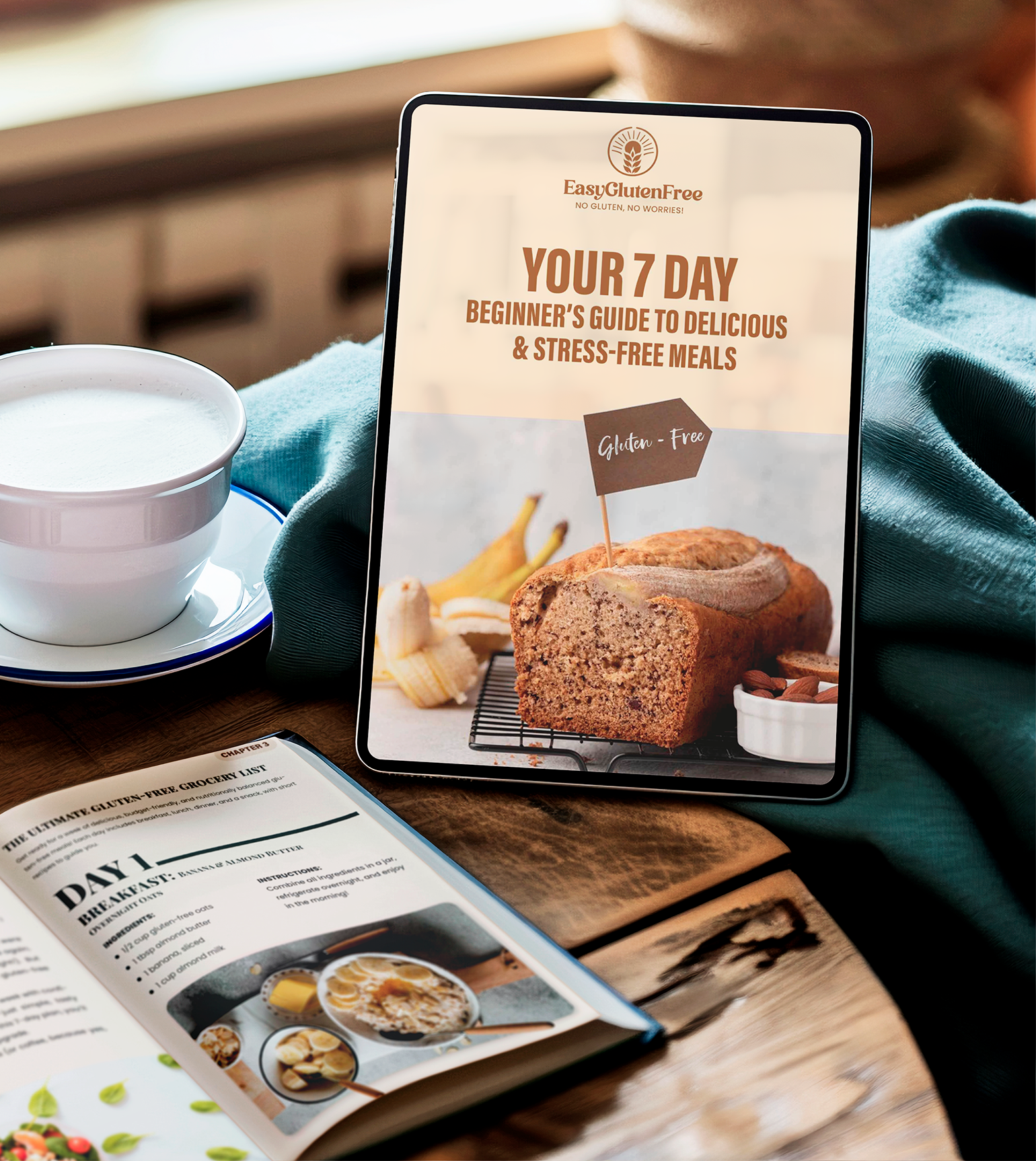
Save your search history some stress. Grab our FREE 7-Day Beginner's Guide and finally have a plan you can actually cook