Author name: thinkgroupemedia

Blog

Savouring the Comfort of Gluten-Free Cooking: A Journey of Creative Culinary Delights

There’s something divinely comforting about the familiar scent of a home-cooked meal wafting through every space in your home. It’s more than just a cue for hunger—it’s a reminder of tradition, of family, and of the pleasure of savouring food crafted with love. While some folks associate gluten-free cooking with compromise and loss, I can assure you that there’s no loss here! With a little creativity and a handful of handy substitutions, you’ll soon be stirring up dishes that not only taste delectably divine, but also nurture your health and keep those pesky gluten-intolerant symptoms at bay. One of the greatest comfort foods, in my opinion, is a steaming bowl of soup. It’s perfect for those colder evenings when you wrap yourself in a cozy blanket, curl up on the couch, and let the magical blend of flavours dance on your taste buds. And guess what? Traditional soup recipes can easily be made gluten-free! There’s no need to say goodbye to chicken noodle soup, clam chowder, or your grandma’s famous minestrone. Just take your much-loved recipes and swap out a few ingredients. For instance, instead of regular pasta in your chicken noodle soup, consider making it with gluten-free noodles. There are plenty of options from rice noodles to quinoa noodles and more. Check out our [guide on choosing the best gluten-free pasta](http://www.easyglutenfree.com/blog/best-gluten-free-pasta) for more advice on this matter. Same goes for clam chowder. Instead of using all-purpose flour to thicken the soup, you can use gluten-free flour. If you’re worried about it changing the taste or texture of your beloved chowder, don’t be. There are many gluten-free flours that maintain the taste and texture of regular flour including almond, coconut, and rice flour. Still not sure which one to use? Let me help you with that. Visit [how to choose the right gluten-free flour](http://www.easyglutenfree.com/blog/choose-right-gluten-free-flour) to know more. Now, let’s talk bread. It’s hard to imagine a bowl of soup without a hearty slice of bread to sop up all that delicious broth, isn’t it? Going gluten-free doesn’t have to mean saying goodbye to this comfort food staple. There are so many wonderful, gluten-free bread options available these days that it would make your head spin. Even better, they taste just as good — if not better — than traditional bread! Learning to navigate the world of gluten-free cooking may seem daunting, but it really doesn’t have to be. Treat it not as a sacrifice but as an opportunity to explore a whole new world of flavours and textures. You’ll find that there’s plenty of room for creativity and innovation and a whole lot of fun waiting to be had. Not every comfort food recipe can be easily converted to be gluten-free. Some dishes require a bit more creativity and guesswork. Take creamy macaroni and cheese for example, it definitely takes some extra strength gluten-free magic to ensure its gluten-free version tastes just as cheesy and creamy as the original! Trust me though, the food experimenting process is fun and the results can be delicious. Enjoying a gluten-free lifestyle does not mean you have to give up comfort food. It’s just a matter of being a little creative and making smart food swaps. Remember, the goal isn’t to completely replicate your old favorites. Rather, it’s to make a delicious meal that nourishes your body and keeps your gut happy. As an added bonus, going gluten-free could result in a broader range of foods added to your diet. Because you’ll have to think a bit more about what you’re eating, there is a good chance you’ll start incorporating more fruits, vegetables, and whole grains into your meals. Those foods are packed with important vitamins and nutrients, which is excellent for overall health and well-being. In fact, adopting a gluten-free lifestyle can be incredibly rewarding. You’ll likely notice beneficial changes to your health, like better digestion and more energy, to name a few. Plus, you’ll have the pleasure of discovering new recipes, ingredients, and techniques that elevate your meals to a higher plane of culinary delight. Navigating a gluten-free lifestyle is challenging at first, no one can deny that. But alas, it’s a well-worn path and you’re not alone on the journey. Join a gluten-free community, be it online or offline, share experiences and recipes, support and encourage each other. It’s an amazing journey of learning, adapting, and finding new culinary delights that not only satisfies cravings but also takes care of your health. Remember, comfort food is all about familiarity, sweetness, and warmth. It’s about bringing back fond memories and making new ones— and gluten or no gluten, that can still be achieved. Happy cooking! **Category: Health & Wellness**
Blog

“Easy Gluten-Free Meal Planning: Delicious Dishes with a Dash of Fun”

There’s an old saying – “The way to a person’s heart is through their stomach”. In my case, that person happens to be, well, me. Food is not just about nourishment for our bodies, it’s about celebrating life and creating memories. Nothing warms my heart more than preparing a healthy, delicious meal and sharing it with my loved ones. But, as many of us know, when you’re living a gluten-free lifestyle, this can sometimes seem like a daunting task. Especially when it comes to prepping meals for the entire week ahead. Let’s face it, we’ve all been there — staring at our fridge, scratching our heads, rummaging through recipe books, and pondering the eternal question: “What on earth am I going to cook this week?” Fear not, my gluten-free comrades, because I have some really fascinating ways to keep things fresh, interesting, and oh-so-delightful. **1. Theme Nights** Do you remember those cute, quirky themed parties we used to throw back in college? Why not bring some of that fun into your day-to-day meals? Start with something simple like “Meatless Monday,” or “Taco Tuesday” for a bit of Mexican flair. You can then take it up a notch with “Wok Wednesday” for some Asian-inspired dishes. How about “Thifty Thursday,” where we can revisit our previous post on [how to stay gluten-free on a budget](https://easyglutenfree.com/blog/budget-meal-planning)? The possibilities are endless and so are the fun and creativity! **2. Love your Leftovers** Don’t view leftovers as sad, lonely morsels from yesterday’s dinner. Instead, see them as the rescue heroes of your breakfast or lunch, saving you time and effort. You can get super creative with leftovers. For example, that grilled chicken from dinner can transform into a hearty salad for lunch. Or those roasted veggies? Perfect for a cozy, warming soup or casserole. Also, since we’re talking about savings, remember to check our post on [how to reduce food waste and embrace leftovers](https://easyglutenfree.com/blog/lifestyle-and-social). **3. Batch Cooking and Freezing** Now, I don’t mean you have to spend your entire Sunday cooking (unless you want to – no judgment here!). However, some dishes lend themselves beautifully to being made in large quantities and frozen for future use. Soups, homemade sauces, slow cooker meals, casseroles, and even some types of baked goods can be made in large batches and saved for those days when you just don’t feel like cooking. **4. Plan for Snacks** Healthy snacks are just as crucial for a well-rounded meal plan as the main courses. Gluten-free hummus with sliced veggies, almonds, berries, or yogurt can work wonders when hunger strikes. If you have a sweet tooth, we’ve got a whole post on [delicious gluten-free desserts that are also packed with nutrients](https://easyglutenfree.com/blog/baking-and-cooking) to satisfy your cravings without any guilt. So, plan for these little treats and keep them handy to prevent unwelcome hunger pangs. **5. Make Use of Gluten Free Meal Prep Services** Now, I fully appreciate the joy of cooking (and eating) your own meals. But sometimes, life just gets too hectic. And that’s okay! Thankfully, we live in an age where healthy, delicious gluten-free meals can be delivered straight to your door. These services can save you time, reduce stress, and offer an excellent opportunity to try dishes you might not usually cook at home. **6. Be open to new experiences** New ingredients, new recipes, new cuisines… exploring the culinary world can be a thrilling voyage. Gluten-free living shouldn’t be about depriving yourself. On the contrary, it can be an enjoyable journey of discovering all the delectably diverse alternatives out there. So why not try that quinoa flour or make your own teff bread? Don’t shy away from experimenting and who knows, you may discover your new favorite dish! In the end, meal planning is all about balance. Balancing health and pleasure. Balancing planning and spontaneity. Balancing new experiences with familiar comfort. Whether you’re new to a gluten-free lifestyle or a seasoned pro looking for fresh ideas, it’s my sincere hope these tips will help you craft a meal plan that delights your taste buds and nourishes your body. Until next time, stay easy, stay gluten-free, and above all, stay happy! **Category: Budget & Meal Planning**

Blog

Urban Gardening: Cultivating Gluten-Free Goodness

Gardening in the sunshine, hearing the chirping of the birds, and feeling the cool breeze on your face—such a treat to the senses, isn’t it? Now, imagine harvesting your own healthy, gluten-free produce from this same patch of nature. It may seem a bit far-fetched, especially for those of you living in apartments or homes without a backyard. But today, we’re going to explore the fabulous world of urban gardening and how it can help your gluten-free lifestyle bloom. I’ve often heard from our amazing community about the struggle to find fresh, gluten-free produce, especially in urban environments. Yes, there are farmers markets and specialty stores, but sometimes, they can be quite heavy on the budget and time. Or perhaps you’ve thought of trying your hand at gardening, but the word ‘urban’ in front of ‘gardening’ is a deterrent. After all, where will you find space in the city? Fear not, because urban gardening is not only possible, it can be extremely rewarding—and not just for the vegetables. Gardening has been shown to soothe the mind, reduce stress, and increase a sense of well-being. Plus, it complements our gluten-free lifestyle so well. Remember our past blogs on the powerful mind-body connection in health & wellness and how eating gluten-free affects the entire body? Essentially, urban gardening is about using the space you have. No yard? No problem. You can use pots, hanging baskets, trellises, or even vertical wall gardens. Heck, you can even use an old shoe, if that tickles your fancy! Let’s dive into some of the basics of kickstarting your urban garden. First things first, start small. If you’re new to gardening, the prospect might feel daunting. But remember, we’re growing a garden, not reinventing the wheel. Test the waters with a few plants like lettuce, spinach, or herbs like basil, oregano, and cilantro. They’re pretty forgiving and don’t need a lot of space to grow. Next, a bit about ‘location, location, location’. Mostly, your plants need ample light. Some need more than others, but as a guideline, choose a spot with at least 6 hours of sunlight. Can’t find a suitable spot? Don’t worry, there are plenty of shade-loving vegetables and herbs out there like chard, kale, and mint. Now, let’s talk about your gardening medium. If you’re working with small spaces, containers are your best friends. And for containers, choose a high-quality potting mix that’s light, well-draining, and enriched with compost or other organic matter. This creates the perfect little home for your plants to draw nutrients from, while also providing them with enough space to stretch their roots. Alright, you’ve got your plants, you’ve got your space, and you’ve got your potting mix. What’s next? Watering! Overwatering and underwatering are the two most common pitfalls for beginner gardeners. Most plants prefer a moist, but not soggy, environment. Try to mimic nature – in nature, there’s often a heavy dew in the morning, so try watering your plants early in the day. Lastly, patience is key. Watching your first seedlings sprout is exhilarating, but remember, plants grow at their own pace and in their own time. The joy derived from seeing your plants come to life makes the entire process absolutely worth it, and it’s a great lesson in patience! Once you get the hang of things, you can start exploring the world of gluten-free crops. Quinoa and buckwheat, for instance, are two excellent crops for those living a gluten-free lifestyle. Interestingly, buckwheat isn’t even a grain but a pseudocereal, something we discussed in our grain versus pseudocereal blog. Then, there are amaranth and millets, both of which can be grown in containers. If you have more space, consider planting chickpeas or lentils, other gluten-free favorites. Combining urban gardening with your gluten-free journey is a fantastic way to reconnect with nature, enjoy the rewards of homegrown food, manage your budget, and maintain your health. Look, going green couldn’t be more fun (or more delicious!). Remember, everyone’s garden will be different. And each journey, just like each garden, will have its high and low seasons. But as you continue, not only will your garden flourish, your confidence as an urban gardener will grow. Here’s wishing all the budding urban gardeners out there good luck with their green thumb endeavors! **Category: Lifestyle & Social**

Blog

Unleashing the Magic of Gluten-Free Fermenting: A Culinary Journey

Isn’t the world of gluten-free fascinating? It all started with simply replacing your regular bread with gluten-free bread, and now it seems we’ve grown into an entire universe of gluten-free culinary delights. And let me tell you — we’re shining brighter than ever. One trend that has caught my fancy lately is gluten-free fermenting. Don’t worry, I’m not going buggy on you, it’s all about fermentation. Bugs have always played an essential role in many food processes, and fermentation is no exception. This age-old technique involves bacteria and yeasts converting food compounds into other substances. Sounds a bit intimidating? It isn’t, promise. Plus, depending on the kind of fermentation process, the resulting products can range from tangy fermented veggies to mouthwatering dairy-free sour cream. And the best part? Many of these products are naturally gluten-free. But it’s not just about great tastes and new flavors. Fermented foods offer numerous health benefits too. They’re rich in probiotics and known to boost gut health, support digestion, and even aid in weight loss. And for us, part of the gluten-free fraternity, these benefits are especially vital. Have I peaked your interest? Then toss on those aprons and dive deeper into the world of gluten-free fermenting with me. On your journey towards mastering gluten-free fermentation, the first step you’ll take is understanding the difference between fermenting and pickling. While both processes aim to preserve food and enhance flavors, pickling involves using vinegar (an acid), while fermenting creates lactic acid. In fact, [fermentation significantly differs from pickling](hyperlink), and I explored the details in one of my previous posts. But today, we’re focusing on the gluten-free aspect of fermentation. Thankfully, many popular fermentation ingredients, like vegetables, dairy, and certain grains like buckwheat, are naturally gluten-free. But here’s a pro-tip, when it comes to starters or cultures, always double-check the labeling for any gluten content. My first adventure into gluten-free fermenting started with a simple yet delicious classic — homemade sauerkraut. Cabbage, salt, mason jar, and a bit of patience is all it takes. The tangy, umami kick of the sauerkraut elevated my gluten-free burgers and salads to a whole new level. Trust me, once you’ve had homemade, store-bought just won’t do. My next venture was to conquer dairy-free, gluten-free sour cream. Store-bought versions often have gums or stabilizers that might upset your tummy. My version was creamy and rich, and it paired perfectly with homemade gluten-free tacos. You can [find the recipe for this](hyperlink) in another one of my posts, perfect for Taco Tuesday! Fermenting doesn’t stop with veggies and dairy alternatives. Have you ever tried fermented oats? It may sound a little odd, but the result is a delightful tangy porridge, full of gut-friendly bacteria. To prepare gluten-free fermented oats, always choose certified gluten-free oats to ensure it’s free from any cross-contamination. To the uninitiated, the idea of fermenting your food might sound intimidating, or even a bit strange. But if there’s one thing I’ve encountered on my gluten-free journey, it’s that the strange often leads to fantastic flavors and even better health benefits. And hey, isn’t that what we’re all about here? Speaking of health benefits, fermented foods are known to benefit gut health, which is a critical concern for many of us living a gluten-free lifestyle. Although the [benefits of gluten elimination for gut health](hyperlink) are well established, adding fermented foods to your diet can take those benefits up a notch. In conclusion, gluten-free fermenting is a culinary trend that’s both scrumptious and incredibly easy to incorporate into our lifestyles. It offers an ability to experiment with fascinating new flavors and innovate our gluten-free cooking, all the while nourishing our health. Embarking on this fermenting journey may seem like stepping into unknown territory, but believe me; it’s a worthwhile adventure. So, let’s grab our mason jars, gather our fruits and veggies, and unlock the magic of gluten-free fermenting together. **Category: Baking & Cooking Science**

Blog

Unveiling the Gluten-Free Universe: Mastering the Art of Decoding Labels

Hello, dear reader! I hope you’re feeling inspired and ready to dive into the gluten-free universe today. Perhaps you’re sipping on a steaming mug of herbal tea or snacking on a delightful gluten-free treat, because today, we’ll put on our detective hats and embark on a ‘Labels Expedition’. You see, one of the most critical skills in leading a successful gluten-free life isn’t about cooking or baking—it’s about learning how to carefully read and interpret food labels. While it may sound mundane, it’s actually an exciting journey, full of surprises and ah-ha moments. And by the end of this post, you’ll be an expert at decoding gluten-free labels, guaranteed! So, let’s get started. Picture this: it’s a typical weekday evening, a blend of the day’s activities and the calm before tomorrow’s hustle. You’re at your favorite grocery store, roaming down the aisles, filtering through hundreds of items—occasionally admiring a new product or laughing at an absurd one. You’re hunting down ingredients for an exquisite gluten-free lasagna (a classic, right?), but suddenly, you’re stumped. You pick up a bottle of tomato sauce, squint at the fine print on the label, and a myriad of questions come to mind: “Is this gluten-free?”, “What does it mean if it doesn’t have a gluten-free label?”, “What if it’s manufactured in a facility that also processes wheat?” It can be utterly frustrating and daunting, even for us experienced gluten-free troops, let alone if you’re just starting on your gluten-free journey. But don’t fret – you’re not alone. I’ve been down that road and I’m here to guide you with some practical tips on becoming a gluten-free label decoding pro! The first question you may ask is, “Claire, why should I care about food labels? I mean, it’s just tomato sauce!” Well, dear reader, the tricky part about maintaining a gluten-free lifestyle is the hidden gluten, the wolf in sheep’s clothing. Hidden gluten can sneak into all sorts of products, from obvious ones like bread, beer, and cookies, to odd ones like soups, sauces, and even lipsticks! How, you wonder? That brings us to a topic we’ve discussed earlier: sneaky sources of gluten. Take a few moments to revisit that post—it’ll give you a better perspective of why we need to be gluten detectives. Now, not all food labels are created equal. Though a majority of food manufacturers are considerate and label their products appropriately, others might not. So, how can you be sure? The answer is simple and twofold: ingredient list scrutiny and lookout for certification labels. To begin with, always, and I mean always, check the ingredient list. This is your primary source of information. Gluten can wear many disguises such as malt, brewer’s yeast, or dextrin (read more about these hidden gluten sources here). If you notice anything suspicious or unclear, it’s better to put that item back on the shelf and choose a safer, clearly labeled option. Additionally, the ‘Contains’ statement found on many food labels can be a helpful ally. You know, the part where they usually list milk, nuts, and yes, wheat! But do remember, the absence of wheat in this section doesn’t guarantee the product is gluten-free. Other grains like barley or rye, which are not required by FDA law to be called out, can still contain gluten. Then, there’s the assurance of certification labels. Seeing a label that reads ‘Certified gluten-free’ is like a beacon of light in the gluten-free living journey. However, not every gluten-free product can afford this certification, and just because a product doesn’t have the certified label doesn’t mean it’s not safe. When you’re starting off, stick with certified products for peace of mind, and as you become more competent in your detective skills, you could branch out to other products as well. In a world where gluten seems to lurk around in every corner, reading, understanding, and interpreting food labels is an invaluable skill. Being able to sift through countless products and select safe, gluten-free options will empower you and give you confidence in maintaining your gluten-free lifestyle. Moreover, it’s a sure-shot way to stay healthy and symptom-free. Being on a gluten-free diet is more than just a lifestyle choice. It’s a commitment to your health, to maintaining a balance, and to fostering peace between you and your body. Our voyage through gluten-free living may be challenging at times, but trust me, it doesn’t have to feel like decoding the enigma code. With a little practice, you’ll be mastering the art of label reading in no time. And remember, as your trusted guide, I’m always here to help you navigate these gluten-free seas. So, until next time, happy grocery shopping and happy label decoding, dear reader! **Category: Educational Guides**

Blog

Navigating Gluten-Free Brunches: Tips for Success

Navigating the world with a gluten intolerance or celiac disease can sometimes feel like a never-ending obstacle course, can’t it? And let me tell you, adding social situations to the mix, like those ever-popular brunch dates with friends, only adds another layer to the challenge. But I am here to tell you that, with some perseverance and a good amount of humor, you can survive brunching while gluten-free. Think back to your pre-gluten-free days. The delicious cakes and pastries. The artisanal bread baskets. Pancakes drizzled with syrup. Ah, how we reveled in the joy of wheat without a second thought! But times have changed, and you’ve squared up to the fact that you need to bid adieu to gluten for good. So how does one prioritize their health while still indulging in convivial weekend brunches? The first step is education. Before you head out, gather a solid understanding of what contains gluten and what doesn’t. Take an hour or two, cozy up on the couch, and read up on our past blog posts such as “Gluten-Free for Beginners: A Comprehensive Guide” for a full rundown. Having a strong grasp of gluten’s hidden lurks and potential cross-contamination issues will help you make informed decisions when you’re out and about. Communication is key, whether it’s with the waitstaff at your chosen brunch spot or with your brunch buddies. Don’t shy away from asking questions about the food’s preparation. Most eateries nowadays are well-versed in catering to dietary requirements and allergies. Remember, it’s not about being a bother; rather, it’s about safeguarding your health. Also, let’s make sure your friends understand your gluten-free lifestyle. They need to understand why you can’t partake in the communal plate of French toast or why you’re asking the waiter a million questions. Trust me, supportive friends make a world of difference. Then comes the menu recon. Once you’ve chosen your brunch location (ideally someplace with clear allergen information or a dedicated gluten-free menu), jump online and scrutinize the menu. Look for naturally gluten-free options like eggs, bacon, or yogurt parfait. Beware of hidden sources of gluten like sauces, spice mixes, or even the toaster they use for your ‘gluten-free’ bread. If you’re finding the task daunting, refer to our “Unveiling Hidden Gluten: A Deep Dive into Surprising Sources” blog post to help uncover potential diet landmines. And now for the actual meal! Ordering your gluten-free brunch can still be a satisfying experience. Start with something straightforward, like an omelet. Plain scramble? Perfectly fine. Gluten-free toast? Great — just make sure it’s toasted separately from regular bread. Steer clear from anything fried unless they have a separate gluten-free fryer. Common fried brunch goodies like hash browns often share fryer space with gluten-containing items, which can lead to cross-contamination. If you’re left in doubt, remember it’s perfectly okay to pass on something you’re unsure about. Drinks need a mention too. Alas, that cute mimosa or Bloody Mary may seem harmless, but unless it’s a naturally gluten-free alcoholic drink or explicitly stated as gluten-free, it’s better to stick with coffee, tea, or fresh juice. If brunching out still feels overwhelming, why not host a gluten-free brunch at home? This gives you control over the meal prep, and it’s a wonderful way to introduce your friends to the variety and yumminess of gluten-free food. Our “Gluten-Free Brunch Extravaganza: A Recipe Roundup” is a fantastic starting point for menu ideas. Brunching whilst being gluten-free is not the minefield it appears to be. With preparation and knowledge, there’s no reason why you cannot maintain your vibrant social life and still live gluten-free. Remember, you’re not alone in this journey — countless others are navigating the same course. The more we educate ourselves and demand accountability from food establishments, the easier it will be for everyone living a gluten-free lifestyle. Embrace your gluten-free life with zest and good humor. Don’t let it overshadow your love for food and camaraderie. And the next time you’re off to brunch, grab your fork (or knife or spoon, depending on the dish) and meet that gluten-free challenge head-on! **Category: Lifestyle & Social**

Blog

“Gluten-Free Autumn Delights: Navigating the Fall Season with Ease”

As the calendar ponged into fall, I couldn’t help but feel a murmur of joy. After all, who among us gluten-free folks doesn’t delight in the thought of cozying up with a comforting, hearty stew, or savoring a pumpkin-spiced something-or-other? Yet, as you and I know, this time of year can also offer challenges. Those gorgeous, gluten-packed pies and spooky, candy-laden treats can make the autumn season a slight tightrope walk for the gluten-avoidant among us. But here at Easy Gluten Free, we’re stepping off the tightrope and into the crisp, apple-scented breeze of gluten-free autumn glory. Because, my marvelous co-munchers, there are plenty of gluten-free treasures to be unearthed this fall. We just need to know where to look. Inspired by colorful pumpkin patches, the incredible variety of natural fall flavors, and my cozy woolen cardigan, I’ve been busy cooking up a storm in my own kitchen to bring you a gluten-free guide to the fall season. So, grab your favorite fall-beverage (mine is a steaming mug of cinnamon-infused apple tea), sit back, and let’s explore the magnificent world of gluten-free munching, autumn style! Let’s start with Halloween – a day of costumes, parties, and above all… candy. You could say it’s a bit of a trick-or-treating minefield for the gluten-intolerant. But, don’t hang up your costume just yet. If you’ll recall, we have our beloved [Guide to Gluten-Free Candy](#) that will set you up for a successful and gluten-free Halloween night. And if you’re throwing a party this year, you might want to check out our selection of [Gluten-Free Party Snack Ideas](#). Swinging into November, the scene shifts to warm kitchens and family gatherings. Yes, Thanksgiving can be a daunting holiday for those of us living a gluten-free lifestyle, but it doesn’t have to be. Let’s see this occasion for what it truly is – a golden opportunity to introduce our loved ones to the magical world of gluten-free cooking. Perhaps this Thanksgiving, you could shift the focus from what’s missing (the gluten), to what’s added – a chance to experiment with new grains, such as quinoa or amaranth, that are not only gluten-free but also packed with nutrient goodness. Adapting traditional recipes may at first seem like a Columbus navigating uncharted waters, but I promise you, it’s worth it. Not only will you be creating a food-safe environment for your guests with gluten intolerance, you’ll also introduce everyone to exciting, new taste experiences. And let’s not forget about pumpkin – the darling of fall. Whether you love them in a latte or as a spooky Jack-o’-lantern, pumpkins are the stars of the season. Versatile and rich in vitamins, pumpkins lend themselves so easily to gluten-free cooking and baking. From an aromatic pumpkin soup appetizer to an irresistible pumpkin pie dessert, this diligent gourd can take you through an entirely gluten-free Thanksgiving feast. Now, I hear you. “What about the pie crust?” you’re likely wondering. “Can we even hope to replicate that golden, flaky goodness sans gluten?” Oh, believe it, my friends. I’ve tested it and it’s possible. Making a gluten-free pie crust might feel like defying gravity at first, but it’s really all about understanding your ingredients. In our previous blog, [Understanding Gluten-Free Flours](#), we discussed different types of gluten-free flours and how they work. Armed with that knowledge, you can tackle gluten-free baking with ease and confidence. Don’t be afraid to experiment with different flour combinations until you achieve that perfect crumble that makes your taste buds sing. As we move into the festive season, there’s no need for our gluten-free needs to dampen the holiday spirit. Many traditional holiday foods are naturally gluten-free (think roast turkey, mashed potatoes, and green beans). And your trusted gingerbread recipes can work just as well with gluten-free flours. Just remember to check labels on spices and other pantry staples to ensure they don’t carry traces of gluten. So there you have it – a roadmap for embracing fall with open arms, even (or maybe especially) if you’re living a gluten-free life. Remember, as long as we’re equipped with the right knowledge, a dose of courage, and a pinch of creativity, there is no season too challenging, no festivity too grand for us to enjoy gluten-free. **Category: Lifestyle & Social**

Blog

“Mindful Gluten-Free Living: A Journey of Intuitive Eating”

Hello, my dear friends! Welcome back to our cozy little corner where we celebrate the joy and beauty of gluten-free living. I am your guide, Claire Bennet, eager as always to share delectable recipes, precious nuggets of wisdom, and of course, our assorted gluten-free antics. Today, we traverse down a less-trodden path — the intersection of gluten-free living and mindful eating. It sounds grand, doesn’t it? Many would assume that they are the same thing, and I can’t blame them, as they are quite intertwined concepts. However, while all mindful eaters might be gluten-free, not all gluten-free eaters are necessarily mindful. But don’t worry! I’m here to help you understand the difference and, more importantly, help you combine these two beautiful life philosophies for a truly enriching gastronomical experience. Remember our previous discussion on [how to transition to a gluten-free lifestyle](http://example.com/transition-gluten-free)? We had a fun romp through the basics, right? Today, let’s further expand our horizons by introducing the concept of mindful eating to our gluten-free journey. Now, some of you might be wondering, “What is mindful eating, Claire?” It’s a practised art of being more present with the food you eat. This means appreciating the processes that went into making your food, savoring every bite, and listening to your body’s hunger and satiation signals. It’s not a diet or a quick fix. It’s a lifestyle. A very rewarding one, I must assure you. Being gluten-free is often associated with labels and ingredients scrutiny. It is indeed an essential part of the process. But imagine this – you’ve spent time at the grocery store, carefully reading the labels, ensuring there’s not a single trace of gluten in your cart. Now you’re home, you’re cooking these beautiful, wholesome ingredients. You plate them nicely, and then… you gulp it down while watching a show on your smartphone. Does the scenario feel all too familiar? As gluten-free eaters, we often become so focused on the what that we forget about the how. This is where mindful eating comes in. By being mindful, you begin to enjoy your meals better; the textures, the tastes, the colors, they all become more vibrant. It’s as if you’re rediscovering food. This practice also encourages taking the time to eat, which has been linked to better digestion, increased satiety, and overall improved health outcomes. With mindful eating, gluten-free isn’t just about excluding certain foods, but rather, it’s the inclusion of intentional and mindful habits around what you’re eating – in essence, becoming more in tune with your body and mind. There are simple ways to begin incorporating mindfulness into meal times. Try to sit down at a table for your meal, free from distractions. Reflect on the journey your food took to get onto your plate. Take the time to taste every bite, and chew slowly. These practices will help you become more intuitive and will aid in body positivity and natural weight regulation. Trust me, these small actions can make an enormous difference. As you begin to adapt to this new approach to eating, you may find yourself naturally gravitating towards wholesome and nutritious meals that help reinforce your gluten-free lifestyle. For instance, remember the [terrific tabbouleh recipe](http://example.com/tabouleh-recipe) we shared earlier? Such meals become more inviting when you adopt a mindful eating lifestyle because you appreciate the nourishment and wholesome flavors they deliver. From an empowerment standpoint, mindful eating can also help you take more control of your gluten-free journey. Do you recall that guilt we discussed during the [common emotional challenges of eating gluten-free](http://example.com/emotional-challenges)? By adding mindfulness into the mix, you give yourself permission to enjoy the art of eating without guilt or restrictions, while still being considerate of your personal dietary needs. So there you have it, my dear friends! A new companion for our gluten-free adventure—Mindful Eating. Isn’t it exciting? I assure you, once you get a taste of this mindful gluten-free synergy, you wouldn’t trade it for the world. But remember, dear one, the journey of mindful eating doesn’t require perfection. There will be days when you might be rushed, or you might give in to distraction. It’s all part of the learning curve. Don’t be too hard on yourself. Rather, continue to strive for progress and applaud yourself for taking this significant step towards a more connected, joyful, and mindful gluten-free journey. Until next time, continue your great endeavor of intuitive, gluten-free living. **Category: Health & Wellness**

Blog

“Gluten-Free Breakfast Delights: How to Start Your Day Right”

In the crisp morning hours, with a warm cup of coffee cradled in my hands, few things bring me as much joy as an inviting plate of creamy scrambled eggs. Is there anything more comforting than a breakfast plate, brimming with steaming hot and scrumptious bounty, ready to jump-start your day? But if you’re like me, living a gluten-free lifestyle, that typical diner breakfast with fluffy pancakes, a side of buttery toast, and maybe even a pastry can become a bit of a minefield. Wheat, barley, and rye are the ubiquitous trio responsible for the protein gluten, which can cause health issues for those with Celiac disease, non-celiac gluten sensitivity, and other conditions. But fear not, dear reader, because today we’re venturing into the realm of the very first meal of the day. We’re going to dive into all things gluten-free breakfast, showing you how the first meal of the day can still be the best, even if you’re steering clear of gluten. One of the biggest challenges when it comes to crafting a fulfilling gluten-free breakfast is just how pervasive gluten is in conventional breakfast foods. From the obvious—like toast, pancakes, and pastries—to the less obvious, such as oatmeal (courtesy of potential cross-contamination during processing), maneuvering the gluten-free breakfast scene can feel like you’re an adventurer lost in an uncharted territory. Fortunately, many of our breakfast favorites are naturally free from gluten or have accessible gluten-free alternatives. Don’t believe me? Let’s make a swift detour to [The Gluten-Free Pantry](https://easyglutenfree.ai/the-gluten-free-pantry). We’ve already discussed at length the staples you should stock in your pantry to live a gluten-free lifestyle, but let’s touch on some breakfast-specific foods. Take eggs—the humble, but a powerhouse ingredient. They’re naturally gluten-free and can be whisked into omelets, scrambled to creamy perfection, boiled for a snack, or even baked with veggies for a satisfying breakfast bake. And, if you’re in the mood for something sweeter, fresh fruits and all-natural yogurt (watch out for those artificial thickeners that can sometimes contain gluten) are perfect companions. For those of us who crave the comfort of donning a baking apron in the early morning light, fret not. Baking mixes, gluten-free flours like almond, sorghum, and coconut flour, and even gluten-free oats provide the tools needed to prepare homemade pancakes, muffins, breakfast bars, and even fancy French toast. And, don’t forget a sprinkle of xanthan gum for that perfect texture. You can get the complete rundown on how to use these flours in our [The Art of Gluten-free Baking](https://easyglutenfree.ai/the-art-of-gluten-free-baking) post. But let’s get back to breakfast. For those action-packed mornings when time is a luxury, pre-packaged gluten-free breakfast items can be a godsend. More than ever before, consumer demand for gluten-free options has resulted in an eruption of easy, on-the-go breakfast choices. Gluten-free energy bars, pre-made muffins, and even frozen waffles are now readily available to get you out the door in a hurry. Just remember to always read labels: gluten-free doesn’t necessarily mean healthy, and we’re all about balance here at Easy Gluten Free. On those glorious, languid weekend mornings, don’t hold yourself back. Indulge in homemade gluten-free pancakes dusted with powdered sugar, or a decadent eggs benedict served on a crispy, gluten-free English muffin. Round it all off with a luscious fresh fruit salad, maybe even splurge on a mimosa—you’ve got this, and your gluten-free lifestyle can be as luxuriously delicious as you choose to make it. As you forge ahead on your gluten-free journey, be aware of hidden sources of gluten. Many processed meats, like sausages and bacon, can contain gluten, as can some brands of coffee and non-dairy creamers. Beware of restaurant breakfasts, as cross-contamination can be an issue. Always be sure to ask your server to check with the chef. Never underestimate the power of spices and herbs to take your breakfast to new heights. A pinch of cinnamon in your gluten-free oatmeal, a scattering of fresh dill on your scrambled eggs, or a dash of nutmeg in your smoothie can make a world of difference. Embrace the positive side of your gluten-free lifestyle. Healthy choices can happen at breakfast, and what you choose to consume in the morning can truly set the tone for your entire day. From eggs and avocados to fruits and yogurt, to the smoothie piled high with your favorite greens, your gluten-free breakfast can be a vibrant, nourishing, and joyful way to begin your day. So, here’s to breakfast, and here’s to you, living your best gluten-free life! **Category: Health & Wellness**
Blog

“Gluten-Free Kitchen Gadgets: Making Cooking Fun and Easy”

Ever since moving into my very first apartment, fresh out of college, I’ve had a love affair with kitchen gadgets. There’s something incredibly satisfying about having just the right tool for the job, be it a ball whisk that gets really into the corners of my sauce pan, silicone baking mats that prevent cookies from sticking, or a spiralizer turning veggies into fun, twirlable noodles. Having lived gluten free for many years now, this love of kitchen gadgets has evolved. There is a handful of items that I find absolutely indispensable for making gluten free living easy and delicious, and might I add, a bit more fun. If you’re new to the gluten-free journey or you’re looking at elevating your gluten-free kitchen game, keep reading because I’ll be sharing my most revered gluten-free kitchen gadgets and why I think they are a godsend. First up, my all-time favorite: a bread maker. Now, we’ve previously talked about finding or making the perfect gluten free bread in our post [“Gluten Free Bread: Finding the Perfect Loaf”](www.easyglutenfree/bread-loaf). We all know gluten-free bread can be hit or miss and buying it at the store can get a bit pricey. Cue the bread maker. With this amazing gadget, I’ve been able to experiment to perfect my own gluten-free bread recipe. Some machines even have a “gluten free” setting, making it even easier to avoid a dense, crumbly disaster. Next up, a gadget that truly changed my pasta game – the pasta maker! There’s nothing quite like fresh, homemade pasta, and for gluten intolerant folks like us, this kitchen gadget opens the door to delicious, gluten-free pasta availability right at home. Remember how we deep-dived into cooking the perfect gluten-free pasta in our [“Gluten Free Pasta 101”](www.easyglutenfree/pasta-101) post? That information coupled with your own pasta maker are a winning combo, promising al-dente pastas even when gluten free. A digital scale is another unsung hero of the gluten-free kitchen. Precision is key when it comes to gluten-free baking, and a good scale can make all the difference. Mine lives perpetually on the counter, and I use it for everything from weighing flours for bread to portioning out burger patties. And guess what? Since using a scale, not only is my cooking more precise, but also my kitchen is cleaner – I no longer need to use – and wash – multiple measuring cups! You remember zoodles, right? Those adorable zucchini noodles that started popping up everywhere a few years ago. I fell in love with these and other veggie-based noodles, and so the spiralizer entered my life. I pull this handy gadget out for everything from turning carrots into ribbons for salads to spiralizing potatoes for a fun take on hash. If you’ve been on the fence about buying one, trust me: This is a must-have tool if you’re aiming to avoid gluten without sacrificing your love for noodles. Lastly in my list of indispensable gluten-free kitchen gadgets is a pressure cooker. From grains and beans to gluten-free pasta, a pressure cooker offers faster cooking times and higher nutrient retention when compared to boiling or baking. For an individual or family on a gluten-free diet, this tool is simply too practical to ignore. I love using my pressure cooker to cook gluten-free grains like quinoa and brown rice – they come out fluffy and tasty every time! The best part is, most of these items don’t have to break the bank. There are budget-friendly options for each of these gadgets, so you can start having fun in the kitchen without emptying your wallet. While gadgets can go a long way in making gluten-free cooking easier and more fun, remember that it’s ultimately your commitment to leading a healthier, gluten-free life that matters most. The foodstuffs you bring into your kitchen – fresh veggies, fruits, lean meats, and of course, gluten-free grains – these are the stars of any gluten-free diet worth sticking to. In the end, whether you choose to invest in every gadget listed here or just pick one or two favorites, remember: these are tools to help you enjoy the journey. Gluten-free living isn’t about deprivation, it’s about finding new ways to love the food you eat – and maybe having a few amazing gadgets in your corner along the way. **Category: Product Tips**

Scroll to Top

We See You Googling
‘Easy Gluten-Free Dinner’ Again​

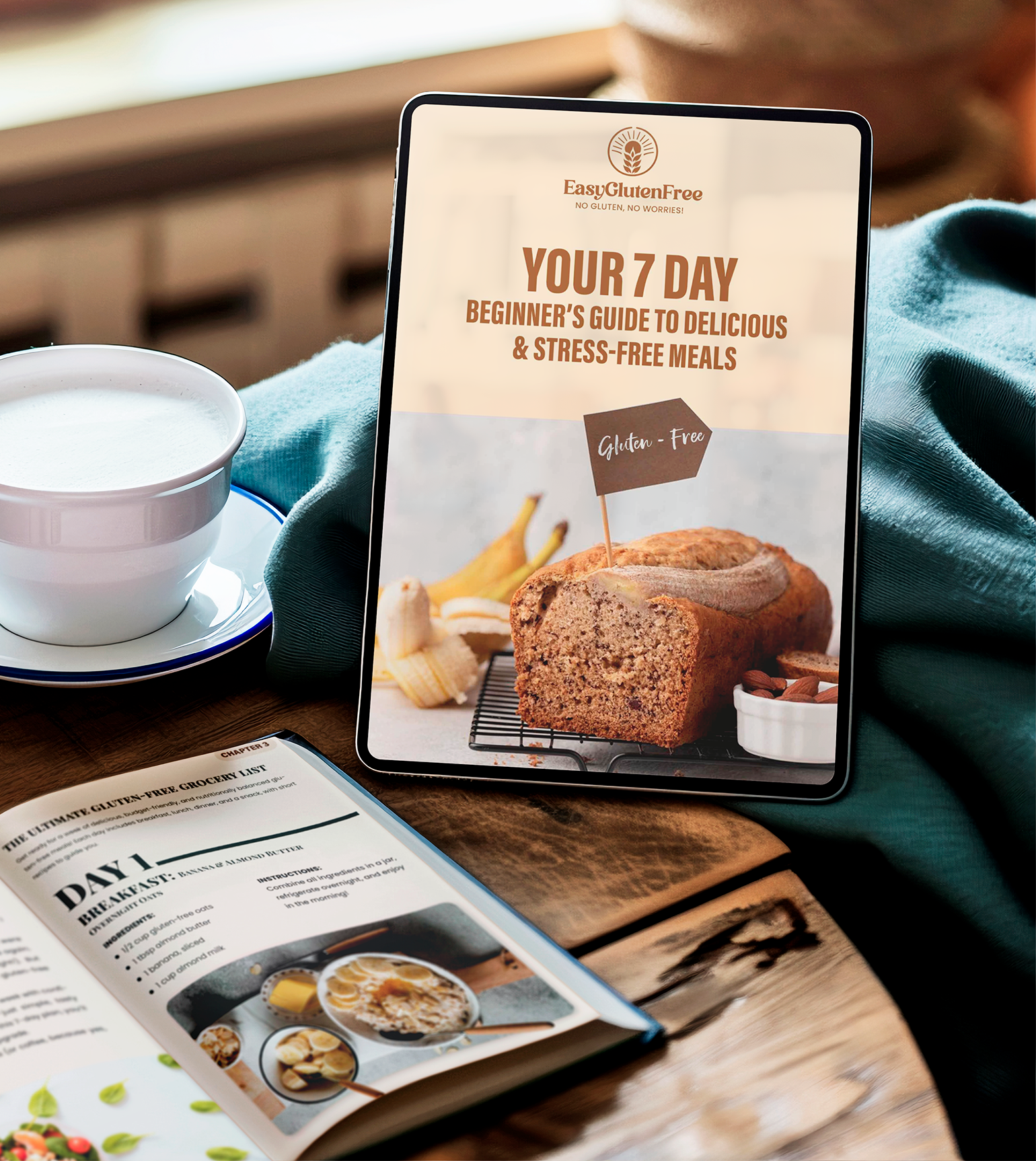
Save your search history some stress. Grab our FREE 7-Day Beginner's Guide and finally have a plan you can actually cook