Author name: thinkgroupemedia

Blog

Navigating Gluten-Free Social Events: A Guide to Stress-Free Snacking

2025 Guide Download Your Free Gluten-Free Social Survival Guide Gluten-Free Snacks for Social Events: How to Never Feel Left Out Again Going gluten free can turn simple social events into low-key strategy missions: what can you eat, what can you bring, and how do you avoid going home hangry? This guide walks you through practical, zero-drama ways to handle parties, movie nights, office gatherings, and travel so you always have something safe and satisfying to snack on—without making food the whole story. Download Our Free Gluten-Free Starter Guide 7-day meal plan shopping list Tips & 3 beginner-friendly recipes download now Introduction If you’re gluten free, you already know the scene: everyone’s diving into the snack table while you’re quietly scanning labels, trying to decode mystery dips, and doing mental math about how long you can last on sparkling water alone. Social events that used to be fun can suddenly feel stressful, isolating, or just plain inconvenient. The good news? With a bit of planning, you can turn “Ugh, what am I going to eat?” into “I’m totally covered.” This article is your step-by-step guide to gluten-free snacks for social events—whether you’re heading to a birthday party, office meeting, picnic, or movie night. You’ll learn how to pack smart, what to look for on labels, and how to navigate awkward food conversations with confidence. The goal isn’t perfection or Pinterest-level snack boards. It’s feeling relaxed, included, and well-fed while you live your actual life. Let’s make social events about the people again—not the panic over what’s in the breading. Table of Contents ▾ 1. Understanding Gluten-Free Snacks at Social Events 2. Smart Grab-and-Go Gluten-Free Snack Options 3. Hosting and Sharing: Gluten-Free Snacks Everyone Will Love 4. Reading Labels & Avoiding Cross-Contact in Social Settings 5. Planning Ahead: Your Gluten-Free Social Snack Strategy 1. Understanding Gluten-Free Snacks at Social Events Before you can confidently show up at social events, it helps to understand why snacks are one of the trickiest parts of being gluten free—especially outside your own kitchen. Why snack tables are a gluten minefield Most casual snacks are built around wheat: crackers, pretzels, cookies, pastries, breaded appetizers, and mystery party mixes. Even when something looks “safe,” it may not be: Hidden gluten in ingredients like soy sauce, malt flavoring, seasonings, and thickeners Shared bowls and tongs where people move from regular crackers to veggie sticks and back “Dusting” from crumbs on cutting boards, charcuterie boards, or buffet tables That’s why relying on “I’ll probably find something there” often leads to you nibbling carrot sticks and olives while everyone else is on round three of the snack table. Defining safe gluten-free snacks When we talk about gluten-free snacks for social events, we’re not just talking about foods that don’t contain wheat, barley, or rye on paper. We’re aiming for snacks that are: Labeled gluten free where possible Packaged individually or kept separate to reduce cross-contact Easy to transport and won’t fall apart in a bag or car Normal-looking so you don’t feel like the odd one out at the table Think of them as your “social armor” — not dramatic, just quietly protective. The mindset shift: from apologetic to prepared One of the hardest parts of being gluten free at social events isn’t the food itself. It’s the feeling that you’re being difficult, picky, or “extra.” Being prepared with your own snacks changes that dynamic completely: You’re no longer stuck depending on what others provide. You can say “I’m all set, thanks!” instead of “Actually… I can’t eat that.” You reduce the pressure on hosts who may want to help but don’t know how. Preparation isn’t overkill—it’s self-care. Once you get into the habit, it becomes second nature, like grabbing your keys and phone on the way out the door. Need Help Staying Organized? Plan meals & shopping Stay on track with ease See Planner 2. Smart Grab-and-Go Gluten-Free Snack Options When it comes to gluten-free snacks for parties, road trips, and movie nights, grab-and-go options are your best friend. You want snacks that you can toss into a bag, keep at work, or store in your car so that last-minute plans don’t automatically mean last-minute stress. Why individually wrapped snacks are a social lifesaver Individually packaged snacks shine in social settings for a few reasons: Built-in portioning: You can eat as much or as little as you want without feeling like you’re “hogging” the safe snack. Less awkward sharing: You can easily offer someone a sealed snack instead of policing crumb-covered chips. Cross-contact protection: Your snack stays safe even if the table around it is a gluten-y crumb festival. These are perfect for offices, school events, sports sidelines, and anywhere community snacks appear without notice. Types of gluten-free grab-and-go snacks to look for When you’re stocking up, aim for a mix of: Crunchy snacks: gluten-free chips, rice or corn crackers, popcorn, nut mixes Sweet options: gluten-free cookies, bars, chocolate, or dried fruit Protein-based snacks: nut and seed packs, some jerky or meat sticks (always check labels), nut-butter squeeze packs Having variety matters because there will be days when you absolutely need something salty and others when only chocolate will do. Building your “social emergency kit” Think of this as your mini pantry-on-the-go. Here’s a simple framework: In your bag: 2–3 individually wrapped snacks that won’t melt or crumble easily At work or school: a small stash in a drawer or locker In your car: heat-stable items like nut mixes, some bars, or popcorn packs At home: one dedicated bin that you can quickly pull from before heading out Once your “emergency snacks” are set up, you’ll spend much less time wondering whether you should eat before you go, and more time actually enjoying the event. Snack BOX Gluten Free Healthy Care Package  This box is basically “emergency gluten-free social survival” in one package. It’s packed with individually wrapped snacks you can throw into your bag, keep at the office, bring to movie nights, or stash in your car so

Blog

“A Guide to Confident Gluten-Free Eating Out in 2025”

2025 Guide Download Your Free Guide to Confident Gluten-Free Eating Out Is Restaurant Food Gluten-Free? How to Check, Ask, and Stay Safe When You Don’t Control the Kitchen Navigating restaurants, takeout, and social events can be the hardest part of eating gluten free. Labels disappear, cross-contact risks go up, and you’re suddenly relying on a stranger’s idea of “gluten-free enough.” This guide walks you through practical ways to check whether food is truly gluten free, how to ask the right questions without feeling awkward, and what tools can help when you’re not the one cooking. Download Our Free Gluten-Free Starter Guide 7-day meal plan shopping list Tips & 3 beginner-friendly recipes download now Introduction At home, staying gluten free can feel almost easy once you’ve rebuilt your pantry and favorite recipes. Out in the real world, it’s a different story. Menus are vague, servers are rushed, and friends say, “It’s just a little soy sauce, you’ll be fine, right?” Suddenly, every bite feels like a gamble. Whether you have celiac disease, non-celiac gluten sensitivity, or you simply feel better gluten free, you deserve to eat with confidence instead of anxiety. That doesn’t mean you need to give up dinners out, brunch with friends, or long-awaited vacations. It does mean you’ll need a game plan: how to check if food is actually gluten free, how to spot red flags quickly, and how to politely advocate for yourself. This article is your step-by-step playbook for doing just that. We’ll cover smart ways to research before you go, what to ask at restaurants, practical strategies for social events, and how tools like portable gluten tests can fit into your overall approach. No scare tactics, no perfectionism—just realistic, sustainable habits to help you enjoy food again while protecting your gluten-free lifestyle. Table of Contents ▾ 1. Understanding What “Gluten-Free” Really Means Outside Your Kitchen 2. How to Check If Food Is Gluten-Free When You’re Eating Out 3. Using Portable Gluten Tests as One More Layer of Protection 4. Handling Social Events, Travel, and Takeout Without Panic 5. Building Long-Term Confidence in Your Gluten-Free Choices 1. Understanding What “Gluten-Free” Really Means Outside Your Kitchen When you’re at home, “gluten-free” usually means you’ve checked every ingredient, cleaned your surfaces, and cooked with care. Out in the world, that same phrase can mean very different things depending on who you’re talking to: To a restaurant server: it might mean “no bread on the plate.” To a chef: it might mean “I’ll avoid obvious gluten, but we use the same fryer and grill.” To a friend or family member: it might mean “I bought gluten-free pasta, so the rest doesn’t matter, right?” Understanding this gap is the first step to protecting yourself. Most people are willing to help, but they don’t live in a gluten-free world like you do. Your job is to translate your needs into clear, simple requests they can act on. Know the difference: ingredients vs. cross-contact When checking if food is gluten free outside your home, you’re really looking at two layers: Ingredients: Does the dish contain gluten on purpose? (Think wheat flour, regular soy sauce, croutons, malt vinegar.) Cross-contact: Could gluten accidentally get into your food? (Shared fryers, cutting boards, pasta water, or tongs.) Most restaurants are getting better at spotting gluten ingredients, especially in obvious items like bread and pasta. Cross-contact is where things get tricky. A gluten-free bun served with a burger cooked on a grill covered in regular bun crumbs might still be a problem for people who need to be strictly gluten free. Common myths about “gluten-free” eating out Here are a few assumptions that can get gluten-free diners into trouble: “Salads are always safe.” Croutons, crispy toppings dusted with flour, marinades, and dressings can easily contain gluten. “Grilled meats are fine.” Many grills are used for marinated meats, buns, and pancakes, and can be brushed with sauces containing gluten. “The menu has a little ‘GF’ icon, so I’m all set.” That usually means the recipe doesn’t include gluten ingredients. It doesn’t guarantee separate prep or dedicated equipment. “The server said it’s fine.” Servers often rely on memory or guesswork. The safest answers come when the server checks with the kitchen or uses an allergy protocol. Set your own comfort level Different people have different sensitivity levels and health needs. Before you walk into any restaurant, it helps to decide what you are and aren’t comfortable with. For example: Are you okay with food cooked on a shared grill, if it’s scraped and wiped first? Do you avoid all shared fryers, no matter what? Are you comfortable with “no obvious gluten ingredients” but less worried about minor cross-contact? There’s no one right answer for everyone. Having your own clear line makes decisions less stressful and helps you ask for exactly what you need instead of trying to figure it out when you’re already hungry and overwhelmed. Need Help Staying Organized? Plan meals & shopping Stay on track with ease See Planner 2. How to Check If Food Is Gluten-Free When You’re Eating Out Checking whether food is gluten free outside your home is less about perfection and more about stacking smart habits. Think of it as building layers of protection: research before you go, ask good questions when you arrive, and use tools wisely when you need them. Before you go: research and prep A few minutes of planning can save you from stressful, hangry decision-making later. When possible: Look up the menu online. Search for a gluten-free section, symbols (GF, GFO, “Gluten-Friendly”), or an allergy statement. Check reviews from gluten-free diners. Dedicated gluten-free apps, local Facebook groups, or reviews that mention “celiac” or “cross-contamination” can be especially helpful. Call ahead during off-peak hours. Ask if they can accommodate gluten free, whether they have dedicated prep areas or fryers, and which dishes are easiest to keep safe. Choose restaurants used to special diets. Places that regularly handle dairy-free, nut-free, or vegan orders are often more accustomed to following

Blog

Gluten-Free Flour Substitution Guide for Baking Success

2025 Guide Steal My Gluten-Free Flour Playbook & Bake with Confidence The Complete Guide to Gluten-Free Flour Substitutions (So Your Baking Actually Works) Gluten-free flour substitutions don’t have to feel like chemistry class. With a few simple rules, the right flour blend, and a bit of practice, you can confidently swap flours in your favorite recipes without ending up with gummy muffins or crumbly cookies. This guide walks you step-by-step through how to substitute gluten-free flours in everyday baking, which swaps are worth trying, and which ones to avoid if you value your sanity (and your chocolate chips). Download Our Free Gluten-Free Starter Guide 7-day meal plan shopping list Tips & 3 beginner-friendly recipes download now Introduction If you’ve ever swapped wheat flour for “whatever gluten-free flour was on sale” and pulled a pan of dry, sandy muffins out of the oven…welcome, you are absolutely in the right place. Gluten-free baking isn’t just about removing gluten; it’s about learning how different flours behave so you can choose the right one for the job and substitute with confidence. Traditional recipes rely on gluten for structure, elasticity, and chew. When we take gluten out, we have to replace its job with a smart combination of gluten-free flours and sometimes binders like starches or gums. That’s why one gluten-free flour can’t magically do everything that wheat flour does in every recipe, at least not without a plan. In this guide, we’ll break down the most common gluten-free flours, how to substitute them in everyday baking, and how to avoid common pitfalls like grittiness, gumminess, or cakes that sink dramatically in the center. Think of this as your practical, no-drama roadmap to gluten-free flour substitutions you can actually use on a Tuesday night. Table of Contents ▾ 1. Understanding Gluten-Free Flours & Blends 2. How to Substitute Gluten-Free Flour in Everyday Recipes 3. Best Gluten-Free Flour Substitutions by Recipe Type 4. Common Mistakes (and How to Fix Them) 5. Practical Tips for Consistent Gluten-Free Baking 1. Understanding Gluten-Free Flours & Blends Before you start swapping flours, it helps to understand what’s actually in that bag of gluten-free flour on your counter. Unlike wheat flour, which is just ground grain, most gluten-free “all-purpose” flours are blends of several ingredients designed to mimic the performance of wheat. Single gluten-free flours vs. blends Single flours are made from just one ingredient. Common examples include: Rice flour (white or brown) Almond flour Coconut flour Sorghum flour Oat flour (certified gluten free) Buckwheat flour Teff or millet flour These flours each have strong personalities: some are high in protein, some are very absorbent, some are soft and starchy. They are rarely swapped one-for-one with wheat flour on their own. Instead, they’re usually part of a blend. Gluten-free all-purpose blends combine a base flour (like rice or sorghum) with starches (like tapioca, potato, or corn starch) and sometimes xanthan gum or guar gum for structure. The best blends are purpose-built to replace wheat flour cup for cup in many recipes, especially cookies, muffins, quick breads, and pancakes. Why “1:1” or “cup-for-cup” matters When a flour is labeled “1:1,” “cup-for-cup,” or “measure for measure,” it’s been formulated so you can swap it directly for regular all-purpose wheat flour by volume (or weight) in most traditional recipes. That means: 1 cup wheat flour → 1 cup 1:1 gluten-free flour blend No extra math, no extra ingredients needed in many simple recipes Is it perfect 100% of the time? No. Yeast breads, very delicate cakes, and pastries still sometimes need extra tweaks. But for everyday home baking, a good 1:1 blend massively simplifies substitutions and dramatically increases your success rate. The role of starches and gums In wheat flour, gluten provides stretch and structure. In gluten-free baking, we recreate those qualities with a combination of: Starches (tapioca, potato, corn) – for lightness, tenderness, and that slightly chewy bite Gums (xanthan or guar) – to help trap air bubbles and give structure so baked goods don’t crumble Many all-purpose blends already contain xanthan gum. In that case, you usually do not need to add more gum to recipes that call for it. Too much gum leads to gummy, rubbery textures. When single flours still shine Even if you stick to a reliable 1:1 blend for daily baking, single flours still have their place: Almond flour for rich, moist cakes and cookies Coconut flour when you need high fiber and are prepared for high absorbency Oat flour for homey muffins, snack bars, and pancakes Sorghum or buckwheat to add whole-grain flavor and nutrition The key is knowing when to use them on their own (in recipes specifically written for them) and when to keep them as bit players in a larger blend. Need Help Staying Organized? Plan meals & shopping Stay on track with ease See Planner 2. How to Substitute Gluten-Free Flour in Everyday Recipes Now let’s get practical: how do you actually take your favorite chocolate chip cookie or banana bread recipe and make it gluten free without reinventing the wheel? Step 1: Start with the right kind of recipe The easiest recipes to convert with a 1:1 gluten-free flour blend are: Cookies (drop cookies, bars, shortbread) Muffins and quick breads Pancakes and waffles Cake recipes that are fairly moist and forgiving (think snack cakes, not wedding cakes) Recipes that are trickier and may need extra tweaks: Yeast breads and pizza dough Angel food cake and chiffon cakes Pastries, croissants, laminated doughs Very thin crepes without eggs or extra binders Step 2: Swap the flour 1:1 by volume or weight If your blend is designed for 1:1 substitution, follow this basic rule: Use the same cup measurement the recipe calls for, or Use the same weight in grams if the recipe lists it (this is even more accurate) Example: your recipe calls for 2 cups of all-purpose wheat flour. Use 2 cups of your gluten-free 1:1 flour instead. That’s it for the flour portion—no extra flours or starches needed unless you’re working

Blog

Navigating Gluten-Free Dining: Expert Tips for Eating Out Safely

2025 Guide Download Our Free Gluten-Free Eating Out Survival Guide Gluten-Free Eating Out: How to Avoid Cross-Contact and Stay Safe Navigating restaurants when you’re gluten-free can feel like a trust exercise with strangers handling your food. This guide walks you through practical, repeatable steps to reduce cross-contact risk, communicate clearly with staff, and enjoy eating out with more confidence instead of constant guesswork. Download Our Free Gluten-Free Starter Guide 7-day meal plan shopping list Tips & 3 beginner-friendly recipes download now Introduction Eating out gluten-free is a completely different game than cooking gluten-free at home. At home you control the ingredients, tools, and surfaces. In a restaurant, you’re relying on busy people, a shared kitchen, and systems that may or may not fully understand gluten-free needs. That’s where cross-contact comes in—and why learning how to avoid it matters so much. Cross-contact happens when gluten-free food touches gluten-containing ingredients, crumbs, oils, or equipment. The meal might look “safe” on the plate, but tiny amounts of gluten can still get in during prep. For people with celiac disease and those who are highly sensitive, that’s enough to trigger symptoms and inflammation, even if the menu proudly says “gluten-free.” This article will help you build a step-by-step strategy for eating out more safely. You’ll learn how to assess a restaurant before you go, what questions to ask, how to spot red flags, when to bring tools like portable gluten testers, and how to create your own non-negotiables so you can enjoy meals without constantly wondering, “Is this going to make me sick later?” Table of Contents ▾ 1. Understanding Cross-Contact When Eating Out 2. How to Vet Restaurants and Use Gluten Testing Tools 3. Questions to Ask at Restaurants (Without Feeling Awkward) 4. Safer Ordering Strategies for Different Cuisines 5. Building Your Personal Restaurant Game Plan 1. Understanding Cross-Contact When Eating Out To avoid cross-contact in restaurants, it helps to understand exactly how and where it happens. Gluten doesn’t just live in obvious items like bread or pasta—it can show up in sauces, shared fryers, and even on the grill where your “plain” chicken was cooked right next to a flour-dusted bun. What cross-contact actually is (and isn’t) Cross-contact is when gluten-free food comes into contact with gluten-containing food, surfaces, or utensils so that trace gluten is transferred. This is different from cross-contamination, which is often used for bacteria. In the gluten-free world, “cross-contact” is the more accurate term, and many celiac organizations now prefer it. In practical terms, it means your gluten-free food is no longer reliably gluten-free, even if none of the visible ingredients contain gluten. Common cross-contact hotspots in restaurants Shared fryers – Fries, tortilla chips, or wings cooked in the same oil as breaded items. Griddles and grills – Pancakes, buns, and sandwiches cooked beside “gluten-free” items with no grill cleaning in between. Cutting boards and knives – Bread sliced on a board and then used for your salad or steak. Salad stations and prep lines – Croutons, pasta, or bread crumbs sprinkled nearby or tossed in the same bowl. Pizza ovens – Gluten-free crusts baked directly on oven decks dusted with wheat flour. Tongs, spatulas, and gloves – Staff handling gluten items and then your “gluten-free” order without changing tools or gloves. Hidden gluten vs. cross-contact It’s helpful to separate two different risks: Hidden gluten in ingredients: soy sauce, seasoning mixes, marinades, imitation crab, dessert toppings, etc. Cross-contact in the kitchen: shared equipment, surfaces, tools, and fryers. Most restaurants now know the basics about bread and pasta, but far fewer have strong systems to prevent cross-contact. That’s why asking about both ingredients and prep methods is essential. Why some people still react to “gluten-free” menu items Many menus label dishes “gluten-free” based on ingredients only. They may not factor in the kitchen setup or how hectic service gets at peak times. A dish might be prepared gluten-free when the restaurant is quiet, but not when they’re slammed and shortcuts happen. That’s where your own questions, boundaries, and tools come in. Instead of assuming a gluten-free label equals safety, use it as a starting point for a conversation. Need Help Staying Organized? Plan meals & shopping Stay on track with ease See Planner 2. How to Vet Restaurants and Use Gluten Testing Tools Before you walk through the door, you can do a lot to stack the odds in your favor. Think of it as pre-screening: you want to find places that understand gluten-free, have at least some awareness of cross-contact, and are willing to work with you. Step 1: Research before you go Start with a quick online check: Look for dedicated gluten-free menus or clear allergen charts on the website. Search reviews specifically using terms like “celiac,” “gluten-free safety,” or “cross contamination/contact.” Check social media – sometimes people post stories or photos about how seriously (or not) a restaurant takes gluten-free orders. Remember: reviews are helpful, but everyone’s sensitivity and expectations are different. Use them as clues, not guarantees. Step 2: Call ahead during off-peak hours A quick phone call can tell you a lot. Ask to speak with a manager or someone who understands how gluten-free meals are prepared. You might say something like: “Hi, I eat strictly gluten-free for medical reasons and need to avoid cross-contact, not just obvious gluten. Do you have processes in place to prepare meals separately or safely for people with celiac or similar needs?” Listen not just to the words, but to the confidence and clarity in the response. Vague answers like “Yeah, we have salads so you’ll be fine” are a red flag. You’re looking for specifics: separate pans, clean utensils, dedicated fryer, staff training, or notes in their POS system. Step 3: Consider using portable gluten testing tools mindfully Some people like an extra layer of data when eating out, especially if they have a history of unexplained reactions. Portable gluten testing tools can sometimes help you decide whether to eat a particular dish, but they have

Blog

Mastering Gluten-Free Cookie Flour: A Comprehensive Guide

2025 Guide Grab the Free Guide and Never Ruin Gluten-Free Cookies Again The Ultimate Guide to Gluten-Free Cookie Flour: How to Get Perfect Texture Every Time Gluten-free cookies do not have to be sandy, crumbly, or mysteriously “off.” With the right flour and a few simple techniques, you can bake cookies that are crisp on the edges, soft in the middle, and completely satisfying—without a speck of wheat. This guide walks you through the best flours, blends, and methods for gluten-free cookie success, so your next batch actually disappears on purpose. Download Our Free Gluten-Free Starter Guide 7-day meal plan shopping list Tips & 3 beginner-friendly recipes download now Introduction If you’ve ever pulled a tray of gluten-free cookies out of the oven only to find they spread into one giant pancake, crumble when you pick them up, or taste a bit like dry sand, you’re not alone. Cookies are one of the trickiest gluten-free bakes because so much of their beloved texture usually comes from gluten. The good news? You absolutely can make cookies that taste just as good as your pre-gluten-free favorites—you simply need the right flour and a reliable method. Think of gluten-free cookie flour as your foundation. The type of flour or blend you choose affects everything: how much your cookies spread, how chewy they are, how well they hold together, and even how long they stay fresh. Once you understand what’s happening in the bowl, it becomes much easier to swap flours, troubleshoot recipes, and adapt old family favorites to be safely gluten-free. In this guide, we’ll walk through how gluten-free flours behave in cookies, the difference between single-ingredient flours and blends, how to choose the best flour for your cookie style, and the simple tweaks that turn “pretty good for gluten-free” into “wait, these are gluten-free?” cookies. Whether you’re baking for celiac disease, gluten sensitivity, or just experimenting, you’ll have a step-by-step path to better gluten-free cookies every single time. Table of Contents ▾ 1. Understanding Gluten-Free Cookie Flour Basics 2. Best Gluten-Free Flour Blend for Cookies 3. How to Substitute Gluten-Free Flour in Cookie Recipes 4. Troubleshooting Common Gluten-Free Cookie Problems 5. Tips for Storing and Freezing Gluten-Free Cookie Dough 1. Understanding Gluten-Free Cookie Flour Basics When you remove wheat flour from a cookie recipe, you lose gluten—the protein network that gives structure, chew, and elasticity. Gluten-free cookie success comes from recreating that structure with a smart mix of starches, whole-grain flours, and sometimes binders like xanthan gum or psyllium husk. Instead of thinking about “a gluten-free flour,” it helps to think in terms of three jobs your flour needs to do in cookies: Structure: This keeps the cookie from spreading into a puddle. Rice flour, sorghum flour, and oat flour often play this role. Tenderness: Starches like tapioca and potato starch help create a soft, delicate crumb and that classic cookie bite. Moisture balance: Gluten-free flours tend to be a bit thirstier than wheat, so they soak up more liquid and fat. This affects how dough chills, spreads, and bakes. For most home bakers, the easiest path is to use a high-quality gluten-free all-purpose flour blend that’s designed to be a 1:1 replacement in baking. These blends already combine several flours and starches in a tested ratio, so you’re not juggling four bags every time you want cookies. You’ll also see xanthan gum mentioned in cookie recipes. Gum isn’t always essential in cookies because sugar, fat, and eggs all help with structure, but a small amount can improve chew and reduce crumbling—especially in cut-out or rolled cookies that need to hold their shape. One of the biggest mistakes people make with gluten-free cookie flour is assuming all blends are interchangeable. Some are starch-heavy and work best for cakes, while others have more whole grains and do better in cookies and bars. Once you find one that gives you consistent, reliable results, stick with it for your “house cookie recipes” and you’ll save yourself a lot of guesswork. Need Help Staying Organized? Plan meals & shopping Stay on track with ease See Planner 2. Best Gluten-Free Flour Blend for Cookies For everyday gluten-free cookies—chocolate chip, snickerdoodles, sugar cookies, peanut butter cookies—a dependable 1:1 flour blend takes most of the stress out of baking. Look for a blend that’s labeled “cup for cup” or “1-to-1 baking flour” and specifically says it’s suitable for cookies, muffins, cakes, and quick breads. What makes a flour blend great for cookies? A few things: Balanced ingredients: A mix of rice flour or sorghum flour with tapioca and/or potato starch tends to mimic the tenderness of all-purpose wheat flour. Consistent grind: Finely milled flours blend more smoothly into dough, so you’re less likely to get gritty cookies. Reliable performance: A good blend behaves the same from bag to bag, so once you learn how your dough should look and feel, you can repeat your success. When you’re evaluating flour for cookies, start with a simple recipe—like classic chocolate chip—and pay attention to the details: how easily the dough comes together, whether it needs a chill, how much it spreads, and how the texture holds up the next day. A strong all-purpose blend will give you good results without complicated tweaks. If you’re baking for someone newly gluten-free, using a flour that was developed specifically with home bakers in mind can be a sanity-saver. It helps you focus on learning cookie techniques—like chilling dough, portioning, and bake time—without worrying that your flour is working against you. Bob’s Red Mill Gluten Free 1 to 1 Baking Flour This is the gold-standard gluten-free all-purpose flour. It behaves beautifully in pancakes, muffins, cookies, quick breads — and it’s the ideal flour to recommend in ANY practical baking guide. Reliable, consistent, and approved by thousands of gluten-free home bakers. Perfect for articles about technique, substitutions, and baking success. → View on Amazon 3. How to Substitute Gluten-Free Flour in Cookie Recipes Once you’ve chosen a reliable gluten-free flour blend, the next step is

Blog

“Stress-Free Gluten-Free Lunches: Your Guide to Easy and Delicious Meals”

2025 Guide Grab Your Free Guide to Stress-Free Gluten-Free Lunches Easy Gluten-Free Lunch Ideas for School, Work & Busy Days Gluten-free lunches don’t have to be sad desk salads or another plain rice cake situation. With a bit of planning and the right tools, you can pack colorful, satisfying, and safe gluten-free meals that actually survive the commute, school day, or long meetings. This guide walks you through simple, realistic gluten-free lunch ideas, what to pack them in, and how to keep your routine sustainable week after week. Download Our Free Gluten-Free Starter Guide 7-day meal plan shopping list Tips & 3 beginner-friendly recipes download now Introduction Standing in front of the fridge at 7 a.m. and realizing you have “nothing” for a gluten-free lunch is a universal experience. Most of the grab-and-go options at school, work, airports, and coffee shops are either off-limits or risky because of cross-contact. That’s why having a simple lunch system you can rely on makes such a difference—especially on busy weekdays. This article is your practical roadmap to easy gluten-free lunch ideas that work in the real world. You’ll find packable meal combinations, snack ideas, and time-saving strategies that don’t require you to spend your entire Sunday meal-prepping. We’ll also cover how to keep food fresh, how to avoid cross-contact when you’re eating away from home, and ways to build more variety into your routine. Whether you’re packing lunches for yourself, a gluten-free kid, or your whole household, the goal here is the same: simple, balanced, delicious meals that just happen to be gluten-free. Use this as a menu of ideas you can mix and match, and adapt everything to your favorite ingredients and dietary needs. Table of Contents ▾ 1. Building a Balanced Gluten-Free Lunch 2. Packable Gluten-Free Lunchbox Ideas 3. Gluten-Free Lunches for Work & On-the-Go 4. Time-Saving Prep Tips & Batch Cooking 5. Label Reading, Cross-Contact & Safety Basics 1. Building a Balanced Gluten-Free Lunch Before you think about recipes, think about structure. A balanced gluten-free lunch usually feels more satisfying and keeps you full longer, which means fewer “I’m starving” emergencies and less temptation to grab something questionable. A simple framework you can follow for almost any lunch is: Protein – helps keep you full and supports steady energy. Fiber-rich carbs – naturally gluten-free whole grains, starchy veggies, or fruit. Healthy fats – for satisfaction and flavor. Color – vegetables and/or fruit for micronutrients and crunch. When you use this framework, you can quickly turn what’s in your fridge into a real meal instead of a random snack plate. Here’s how it can look in practice with naturally gluten-free ingredients: Protein: grilled chicken, hard-boiled eggs, tuna packed in water or olive oil, canned beans, chickpeas, lentils, tofu, tempeh, edamame, cheese, or gluten-free deli meat (labeled gluten-free). Fiber-rich carbs: quinoa, rice, certified gluten-free oats, potatoes, sweet potatoes, corn, gluten-free tortillas, buckwheat, millet, or fruit like apples, berries, or oranges. Healthy fats: avocado, nuts, seeds, nut/seed butters, olives, hummus, or dressings made with olive oil. Color: bell peppers, cucumbers, cherry tomatoes, carrots, leafy greens, cabbage, snap peas, baby corn, or whatever produce you enjoy. To keep lunches interesting, rotate the “building blocks” each week. One week your base carb might be quinoa; the next week, roasted potatoes or gluten-free wraps. You don’t have to reinvent your entire menu—just change one or two components and you’ll feel like you’re eating something new. Finally, think about texture and temperature. Many gluten-free eaters rely heavily on soft foods—pasta, rice, bread. Adding crunchy veggies, crisp apple slices, roasted chickpeas, or toasted nuts can make the same ingredients feel much more satisfying. Need Help Staying Organized? Plan meals & shopping Stay on track with ease See Planner 2. Packable Gluten-Free Lunchbox Ideas Let’s turn that basic framework into real lunchbox combinations you can pack for school, university, or everyday life. All of these are naturally gluten-free as long as you choose certified gluten-free grains and check labels on any packaged ingredients. Simple mix-and-match lunchbox combos Mediterranean snack box: hummus, cucumber rounds, bell pepper strips, olives, cherry tomatoes, feta, and gluten-free crackers or sliced carrots instead of pita. DIY taco bowl: rice or quinoa, black beans, corn, shredded cheese, lettuce, salsa, and a scoop of guacamole. Pack chips or certified gluten-free tortillas on the side. Roll-up box: gluten-free turkey or chicken slices rolled around cheese sticks or veggies, grapes or berries, carrot sticks, and a small container of nuts or seeds (if allowed). Bento-style rice box: rice or sushi rice, edamame, sliced cucumber, carrot ribbons, avocado, and gluten-free tamari in a leak-proof container. Loaded potato box: baked or roasted potato chunks, shredded chicken or beans, cheese, steamed broccoli, and a small container of sour cream or plain Greek yogurt. If you’re packing lunches for kids, think in terms of small portions and lots of variety. A few bites of several foods is often more appealing than one big serving of anything. For picky eaters, include one “safe” familiar food in every box (like fruit or a favorite cheese) alongside newer or rotating options. Cold lunch ideas that travel well Not everyone has access to a microwave, and not every lunch needs reheating. These ideas are designed to be eaten cold or at room temperature: Quinoa salad jars: quinoa, chickpeas, cucumbers, tomatoes, herbs, and a simple olive oil–lemon dressing packed at the bottom of a jar. Pasta-style salads: use your favorite gluten-free pasta with veggies, cheese, and a vinaigrette. Rinse the pasta well after cooking to help with texture. Chicken & veggie skewers: chilled skewers with cooked chicken, peppers, and zucchini served with a dipping sauce and a side of fruit. Bean & corn salad: black beans, corn, red onion, cilantro, lime juice, and a bit of olive oil. Pair with chips or spoon over lettuce. Yogurt “parfait box”: thick yogurt in one compartment, gluten-free granola in another, and fresh fruit in a third so it all stays crisp. To keep cold lunches safe and appetizing, an insulated

Blog

“Gluten-Free Social Survival: Snack Strategies for Every Occasion”

2025 Guide Download Your Free Gluten-Free Social Survival eBook Gluten-Free Snacks for Social Events: Stress-Free Ideas for Parties, Road Trips & Busy Days Navigating parties, road trips, office gatherings, and late-night movie marathons can be nerve‑racking when you’re gluten free. This guide walks you through practical, realistic gluten-free snack ideas for social events—so you can show up prepared, eat well, and actually enjoy yourself instead of scanning every table for “safe” food. Download Our Free Gluten-Free Starter Guide 7-day meal plan shopping list Tips & 3 beginner-friendly recipes download now Introduction Social events are where gluten-free living often feels the hardest. At home, you’re in control: you know your brands, your kitchen is safe, and you’ve got go‑to snacks on hand. But add in a birthday party, a road trip with friends, or an office potluck, and suddenly you’re wondering whether you’ll be left with nothing but carrot sticks and awkward small talk. The good news: with a little planning and a few smart snack strategies, you can make social situations dramatically less stressful. Instead of worrying whether there will be anything you can eat, you’ll know you’ve got tasty gluten-free backups ready to go—quietly tucked into your bag, car, or host gift. That kind of preparation doesn’t just protect your stomach; it gives you back your mental energy so you can focus on fun instead of ingredients lists. This guide will walk you through gluten-free snack ideas for different types of social events—house parties, road trips, picnics, kids’ activities, work events, and more. You’ll learn what travels well, what’s great for sharing, how to discreetly keep yourself covered, and how to build a flexible “snack system” that fits your real life. Think of it as your gluten-free social safety net, one delicious bite at a time. Table of Contents ▾ 1. Smart Gluten-Free Snack Planning for Social Events 2. Gluten-Free Snacks That Travel Well (and Save Social Situations) 3. Party, Picnic & Potluck: Gluten-Free Snacks for Sharing 4. Road Trips, Flights & On-the-Go Days: Packable Gluten-Free Snacks 5. Simple Snack Systems to Make Social Life Easier 1. Smart Gluten-Free Snack Planning for Social Events Being gluten free doesn’t mean you have to skip every shared snack table—it just means you have to think a step ahead. Instead of asking, “Will there be anything I can eat?” start asking, “What’s my backup plan if there isn’t?” That one mindset shift takes so much pressure off. Here are a few foundations to keep in mind before we dive into specific snack ideas. Know your event type Different events call for different snack strategies. Ask yourself: Is this a sit-down meal or just snacks? If snacks are the main event (like game night), you’ll want more substantial, protein‑rich options. Will there be refrigeration? This decides whether you bring cheese, dips, or stick to shelf‑stable items. Is this casual or formal? For casual hangouts, pull‑out‑of-your-bag snacks are fine. For more formal events, bringing a pretty platter or labeled dish works better. Decide your “coverage level” Not every event needs the same level of prep. Think in tiers: Light coverage: You expect there’ll be something you can eat, but you tuck a bar or nut mix in your bag just in case. Medium coverage: You’re not sure what will be served, so you bring a shareable gluten-free snack plus one or two personal backups. Full coverage: You assume there may be nothing safe, so you bring enough to function as a mini meal—snacks with some protein, carbs, and fat. Think in categories, not exact foods Instead of trying to memorize dozens of specific snacks, think in flexible categories you can mix and match based on what’s available: Crunchy: chips, crackers, popcorn, rice cakes, veggie sticks Protein: nuts, seeds, nut butter packs, cheese, jerky (check ingredients) Fresh: fruit, cut veggies, grape tomatoes, clementines Sweets: dark chocolate, gluten-free cookies, energy bites If you have one item from each category, you’ll feel like you’re snacking, not “just making do.” Set expectations with yourself Social events are unpredictable, and that’s okay. Some days you’ll have a beautiful spread you can enjoy, and other days you’ll rely on the snacks you brought. The goal isn’t perfection—it’s feeling prepared enough that food isn’t the main thing on your mind. That’s what these snack ideas are designed to help with. Need Help Staying Organized? Plan meals & shopping Stay on track with ease See Planner 2. Gluten-Free Snacks That Travel Well (and Save Social Situations) When you’re heading into a social situation—especially one where you don’t know the menu—having a few tried‑and‑true travel‑friendly snacks can completely change your experience. These are the things you can toss into your bag or car and forget about until you suddenly need them. Bag‑friendly gluten-free snacks These options are compact, fairly sturdy, and don’t require a cooler: Single‑serve nut or seed packs – Great for quick protein that doesn’t take up space. Portable gluten-free crackers or mini rice cakes – Pair with cheese at a party, or eat solo when there are only gluten-filled options around. Gluten-free granola or snack bars – Perfect for longer events where you might need something more substantial. Dark chocolate squares – A small treat that can turn “I have nothing” into “I’m actually okay.” Office drawer & car stash ideas Social food isn’t just about parties. It’s also the surprise birthday cake at work, the “let’s grab snacks on the way” road trip, or the kid’s sports game that runs long. Keeping a small gluten-free stash in your car, desk, or bag can help you handle these “I didn’t plan for this” moments. Some ideas: Individual popcorn bags – Light, satisfying, and easy to share. Pouches of trail mix – Look for simple, clearly labeled gluten-free options. Individual applesauce or fruit squeeze pouches – Great if you prefer something not super salty or sweet. Gluten-free snack mixes – Variety is your friend when you get snack fatigue. If you don’t have time (or energy) to assemble all of

Blog

“Mastering Gluten-Free Dining: Your Guide to Eating Out Safely”

2025 Guide Download the Free Guide to Safe Gluten-Free Eating Out Gluten-Free Dining Out: How to Eat at Restaurants Without Panic Eating out while gluten-free can feel like a mix of detective work and blind trust. This guide walks you through how to choose safer restaurants, what to ask, and how to enjoy a meal out without spending the whole evening worrying about “what if.” Download Our Free Gluten-Free Starter Guide 7-day meal plan shopping list Tips & 3 beginner-friendly recipes download now Introduction Going gluten-free at home is one thing: you control the ingredients, the cookware, and the crumbs. Eating out? That’s where most people start to feel nervous. Menus aren’t always clear, staff training varies wildly, and “gluten-friendly” can mean anything from carefully prepared to “we removed the croutons.” Still, restaurant meals are part of real life—birthdays, work lunches, date nights, or just the “I’m not cooking tonight” moments. The goal isn’t to avoid restaurants forever, but to learn how to navigate them with confidence, realistic expectations, and a solid game plan. In this guide, we’ll walk through how to choose better options, the questions that actually matter, how to lower your risk of cross-contact, and what to do if you’re still feeling unsure. This is not about perfection; it’s about stacking the odds in your favor so you can enjoy your food and your company. Table of Contents ▾ 1. Choosing Safer Gluten-Free Restaurants 2. Smart Questions to Ask Before You Order 3. Managing Cross-Contact in Real Restaurant Kitchens 4. Building a Go-To List of Gluten-Free-Friendly Spots 5. How to Stay Confident, Prepared, and Low-Stress 1. Choosing Safer Gluten-Free Restaurants Not all restaurants are created equal when you’re gluten-free. Some kitchens are set up to minimize cross-contact and take special diets seriously; others are chaotic, rushed, and covered in flour dust by 9 a.m. The trick is learning to spot the difference before you sit down and commit. Start your search online (before you get hangry) A little pre-planning saves a lot of stress. Before you go out, look up a few options and evaluate them with a gluten-free lens: Check the menu online. Look for a clearly marked gluten-free menu or symbols. Even better if they explain what those symbols mean and whether they address cross-contact. Scan for naturally gluten-free–leaning cuisines. Places that focus on grilled meats, rice, vegetables, salads, and simple preparations are usually easier to navigate than, say, bakeries or pizza spots that are covered in wheat flour. Read recent reviews. Search within reviews for “gluten free,” “celiac,” or “allergy” to see what other gluten-free diners experienced in the last few months. Check the restaurant’s own language. Phrases like “we take food allergies seriously” are more reassuring than “gluten friendly” with no explanation. Rating your options: low-, medium-, and higher-risk spots Think of restaurants in loose “risk tiers.” This isn’t about fear—it’s about knowing where to be extra cautious. Lower-risk styles of restaurants often include: Dedicated gluten-free restaurants or bakeries. These are rare but wonderful when you find them. Places that use naturally gluten-free bases. For example, bowls built on rice, salads with simple proteins, or grilled meats with veggies. Restaurants with clear allergen training. If they talk openly about procedures for handling allergies, that’s a good sign. Medium-risk spots that can still work with care: Regular restaurants with a gluten-free menu. A dedicated “GF” section is helpful, but you’ll still need to ask how things are prepared. Fast-casual chains with build-your-own bowls or salads. These can be okay if staff change gloves, use clean utensils, and avoid shared toppings that are contaminated. Higher-risk environments to approach carefully: Shared bakeries and pizza places. Airborne flour and heavily shared surfaces can make these tough to navigate. Buffets. Utensils wander, crumbs fall, and labels can be vague. Very busy bars or late-night spots. Noise and rush can make clear communication about gluten-free needs more difficult. Red flags to watch for early If you see several of these at once, it may be worth choosing a different spot: The staff look confused when you mention gluten-free, or say “we don’t really do that.” The menu says “we cannot accommodate allergies.” Everything breaded, fried, or pasta-based is marked “gluten-free” without any clarification. They brush off your questions with “you’ll be fine” instead of explaining how they handle your request. Once you’ve narrowed down some better options, the next step is learning how to talk to the restaurant so they understand what you actually need. Need Help Staying Organized? Plan meals & shopping Stay on track with ease See Planner 2. Smart Questions to Ask Before You Order Once you sit down (or pull up the ordering app), your words matter. You don’t need to give your full health history, but you do want to be clear, calm, and specific so the kitchen understands that gluten isn’t just a “preference.” How to introduce your gluten-free needs When your server arrives, a simple script helps set the tone: “Hi, I have to eat gluten-free and need to avoid wheat, barley, and rye. Can you help me choose something that can be prepared safely?” This does a few things at once: Signals this is important, not a casual choice. Names the grains so they’re less likely to think it’s just about bread. Invites them to work with you, not against you. Key questions that actually help Instead of asking, “Is this gluten-free?” (which can get you a quick but incomplete “yes”), try more detailed questions like: “Do you have a dedicated gluten-free menu or allergen guide?” “Are any of your fries or fried foods cooked in a shared fryer with breaded items?” “Is there flour used in the kitchen, like for breading or dusting?” “Can the kitchen cook my food in a clean pan with clean utensils, away from bread or pasta?” “Do any sauces or marinades contain wheat, soy sauce, or malt vinegar?” These questions give you real information instead of just a yes/no answer and help reveal how

Blog

“Gluten-Free Travel Guide for Safe and Stress-Free Eating Away from Home”

2025 Guide Download the Free Gluten-Free Travel Toolkit (So You Can Eat Without Panic) Gluten-Free Travel: How to Eat Safely Away from Home Without Stress Traveling while gluten-free can absolutely be fun, delicious, and low-stress—you just need a plan and a few smart tools. In this guide, we’ll walk through how to eat safely away from home, what to pack, how to talk to restaurants, and when a gluten sensor test can give you extra peace of mind. Download Our Free Gluten-Free Starter Guide 7-day meal plan shopping list Tips & 3 beginner-friendly recipes download now Introduction Eating gluten-free at home is one thing. Eating gluten-free on the road—new cities, foreign menus, mystery sauces—is a whole different sport. Yet with the right preparation and a realistic mindset, you can absolutely explore the world (or just your neighboring town) without feeling like every meal is a risk. This article is your step-by-step roadmap to gluten-free travel: how to prep before you leave, what questions to ask at restaurants, which snacks are worth suitcase space, and how tools like portable gluten sensor tests can fit into your strategy. You’ll learn how to combine common sense, cross-contact awareness, and technology so that you can make informed choices instead of anxious guesses. Nothing here is meant as medical advice, and no tool can guarantee a completely risk-free meal. But when you build layers of protection—good research, smart packing, clear communication, and selective testing—you give yourself the best shot at staying comfortable and confident while you’re away from home. Table of Contents ▾ 1. Planning a Gluten-Free Trip Before You Leave 2. Eating Out Safely: Menus, Questions, and Gluten Sensor Tests 3. Smart Gluten-Free Packing List for Travel Days 4. Hotel, Airbnb, and Kitchen Hacks to Avoid Cross-Contact 5. Sample Gluten-Free Travel Day: Morning to Night 1. Planning a Gluten-Free Trip Before You Leave Safe gluten-free travel starts long before you zip up your suitcase. A bit of planning on the front end can save you from hunger, last-minute stress, and awkward “I guess I’ll just have a side salad” dinners. Research your destination (beyond just “gluten free near me”) Start by searching for gluten-free friendly restaurants, bakeries, and grocery stores near where you’ll be staying. Instead of relying on one review site, cross-check information: Use map apps to search for “gluten free,” “celiac-friendly,” or “allergy-aware.” Look for restaurants that mark gluten-free items clearly and mention cross-contact on their website. Check local gluten-free Facebook groups or forums—locals often know which spots truly understand gluten-free. Create a simple list (or map) of a few breakfast, lunch, and dinner options near your hotel or main activities. That way, when you’re tired and hungry, you’re choosing from vetted spots—not random walk-ins. Learn key phrases if you’re traveling abroad If you’re traveling to a country where another language is spoken, having a few prepared phrases can be a game changer. Look up or print gluten-free dining cards that explain, in the local language, that you must avoid wheat, barley, rye, and cross-contact in the kitchen. Keep these saved on your phone and also printed out. When in doubt, show the card and be ready to ask follow-up questions with translation apps if needed. Decide your personal “risk tolerance” before you go Everyone’s gluten-free journey is different. Before you travel, think about your own boundaries so you’re not making emotional decisions when you’re exhausted and hungry: Are shared fryers a no-go for you? Are “may contain” labels something you avoid, or are you comfortable with them? Are you only eating at places with dedicated gluten-free kitchens, or are you okay with mixed kitchens that follow protocols? Write these down or note them in your phone. It sounds simple, but seeing your own standards in writing can help you stick to them—even when everyone else just wants to grab the nearest pizza. Let travel partners know what you need Communication matters. If you’re traveling with friends, family, or coworkers, let them know ahead of time how your gluten-free needs might affect restaurant choices or timing. Explain that you may need: A bit more time to talk with servers or look over a menu. To skip certain restaurants if they can’t prepare food safely for you. To pack snacks and sometimes eat before or after group meals. Most people are understanding when they know what to expect. Setting this up before you leave avoids awkwardness in the moment. Need Help Staying Organized? Plan meals & shopping Stay on track with ease See Planner 2. Eating Out Safely: Menus, Questions, and Gluten Sensor Tests Restaurant meals are often the most stressful part of gluten-free travel—new kitchens, unknown ingredients, and staff who may or may not be trained on gluten and cross-contact. The good news: you can build a process that makes ordering feel more predictable and less like a gamble. How to scan a menu like a pro When you sit down, resist the urge to order quickly just to “not be a bother.” Instead, take a minute to scan the menu strategically: Start with naturally gluten-free leaning sections (salads without croutons, plain grilled meats, simple rice-based dishes). Watch for red flags like breaded, fried, “crispy,” or “crunchy” where ingredients aren’t clearly described. Notice any notes about shared fryers, gluten-free prep areas, or allergy procedures. From there, identify 1–2 dishes that look most likely to be made safely and build your questions around those. Questions to ask your server (without feeling awkward) Servers hear questions about gluten all the time. You’re not being difficult—you’re making sure your body stays safe so you can actually enjoy the trip. Try something like: “I need to eat strictly gluten-free. Can the kitchen prepare this dish safely for me without gluten or cross-contact?” “Are there any ingredients in this dish that contain wheat, barley, rye, or malt?” “Is this cooked in a shared fryer or shared oil with breaded items?” “Do you have a separate prep area or procedures for gluten-free orders?” Pay attention not just

Blog

“Confident Gluten-Free Travel: Tips, Tools, and Strategies for Safe Dining”

2025 Guide Download the Free Guide to Confident Gluten-Free Travel Gluten-Free Travel Tools: How to Test Food for Gluten and Stay Safe on the Go Traveling gluten free doesn’t have to mean eating plain salads, packing half your suitcase with snacks, or silently stressing about every meal. With the right tools and a simple plan, you can explore new places, enjoy local food, and still protect your gluten-free lifestyle. This guide walks you through smart, practical ways to test food for gluten, communicate clearly, and set yourself up for calm, confident trips—whether you’re going out for the day or hopping on a long-haul flight. Download Our Free Gluten-Free Starter Guide 7-day meal plan shopping list Tips & 3 beginner-friendly recipes download now Introduction Leaving your gluten-free “safe zone” can feel intimidating. At home you know which brands work, which restaurants get it, and which friends always double-check ingredients. On the road, everything changes—new menus, new kitchens, new labels, and often a language barrier on top of it all. No wonder so many gluten-free travelers end up anxious, hungry, or both. The good news: you don’t need perfection to travel safely; you just need a system. That system has three pillars—planning, communication, and verification. Planning helps you avoid worst‑case scenarios (hello, airport delays and no safe food). Communication ensures restaurant staff actually understand what gluten free means. Verification gives you backup tools so you’re not relying only on “I think that should be fine.” In this article, we’ll focus especially on that third pillar: practical tools and strategies to help you test food for gluten, plus how to pair them with everyday, low-tech habits like reading labels, asking the right questions, and carrying emergency snacks. Whether you’re strictly gluten free or supporting someone who is, these tips will help you travel with more confidence, less guesswork, and way better meals. Table of Contents ▾ 1. Understanding Gluten Risk While Traveling 2. Tech & Tools to Help You Test Food for Gluten 3. How to Vet Restaurants and Menus Before You Eat 4. Smart Packing: Snacks, Staples, and Backup Meals 5. Sample Gluten-Free Travel Day Plan 1. Understanding Gluten Risk While Traveling Every trip has two kinds of gluten risk: what’s in the food itself, and what can happen to that food before it reaches your plate. Understanding both helps you decide when you can relax and when you need to be extra cautious. Ingredient risk is about obvious gluten sources—wheat flour in breading, barley in soup, soy sauce in marinades, or questionable bouillon cubes. These are the items you’re probably already good at avoiding at home. On the road, though, ingredients can be less transparent. Recipes vary country to country, and even from restaurant to restaurant. A dish that’s safely gluten free at home (like fries or omelets) might be coated, thickened, or flavored with gluten somewhere else. Cross-contact risk is more subtle but equally important. Even if your dish is made from naturally gluten-free ingredients, it can be contaminated by shared fryers, cutting boards, pasta water, or utensils. This is especially common in bakeries, casual cafes, food trucks, and hotel buffets, where gluten-containing foods are everywhere and staff are moving quickly. Before you reach for high-tech testing tools, it’s worth tightening up your basic travel habits. A few simple shifts can dramatically cut your risk, without turning every meal into an interrogation. Know your personal tolerance and goals People avoid gluten for different reasons—some for medical diagnosis, some for suspected sensitivity, some for general wellness. Your situation determines how strict you need to be and how you use testing tools. If you must be extremely strict (for example, medically advised to avoid even tiny traces), you’ll likely want to combine conservative restaurant choices, detailed questions, and tools that add extra reassurance. If you’re more flexible, you might use tools occasionally—for higher-risk situations like street food, buffets, or “we can probably make that gluten free” conversations. There is no one right way to travel gluten free. The goal is an approach that lets you feel both as well as possible and as relaxed as possible for your body and your comfort level. Learn the “usual suspects” when you’re away from home Certain foods are especially tricky for gluten-free travelers: Fried foods: Often share a fryer with breaded items, making even plain fries risky. Soups and sauces: Thickened with flour, roux, or gluten-containing bouillon; soy sauce shows up everywhere in some cuisines. Breakfast buffets: Crumbs on everything, shared tongs, and mystery scrambled eggs that may contain pancake batter or flour. Street food: Delicious, but cross-contact can be hard to control at busy stands. Once you know where gluten is most likely to hide, you can either avoid those categories altogether or bring in backup tools to help you evaluate specific foods more carefully. Why testing tools are a backup, not a substitute Devices and test kits can be incredibly helpful, especially when you’re in unfamiliar places. But they don’t replace thoughtful restaurant choice, clear questions, or basic label reading. Not every food can be tested easily, and no test is perfect for every scenario. Think of gluten testing tools as an added layer of protection and peace of mind—especially valuable when you’re already doing the basics well. Need Help Staying Organized? Plan meals & shopping Stay on track with ease See Planner 2. Tech & Tools to Help You Test Food for Gluten Gluten-testing technology has grown quickly over the past few years, and for many travelers it’s become as essential as a phone charger or passport. Tools that test small portions of food can be especially useful in situations where you: Don’t fully trust the communication at a restaurant Want extra reassurance with high-risk foods (like fried items or sauces) Are visiting countries with limited gluten-free labeling or language barriers Are learning which foods your body responds to best and want more data Before you rely on any device or test kit, read the manufacturer’s guidance carefully: what it can

Scroll to Top

We See You Googling
‘Easy Gluten-Free Dinner’ Again​

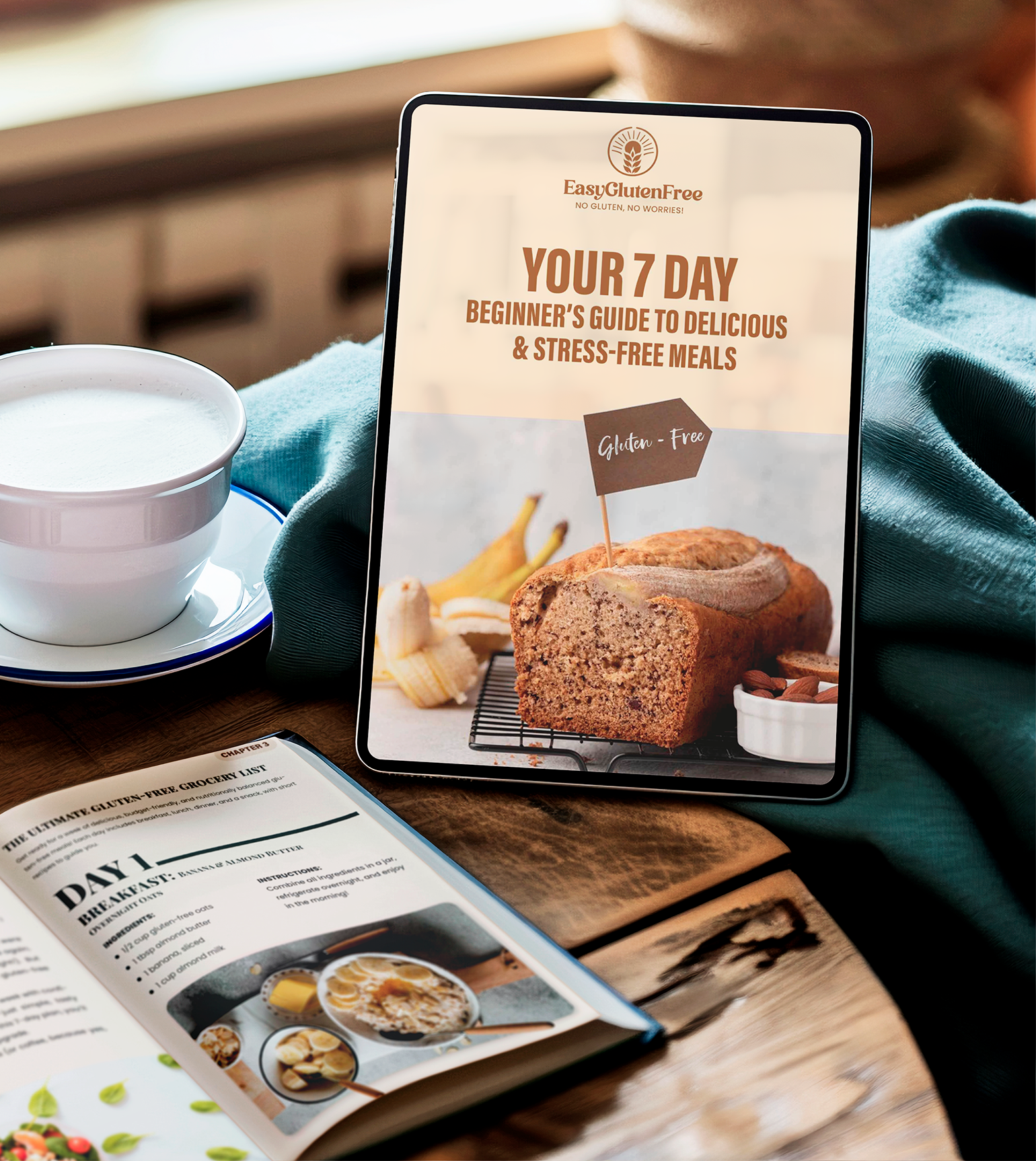
Save your search history some stress. Grab our FREE 7-Day Beginner's Guide and finally have a plan you can actually cook