Baking

Baking

Gluten-Free Baking 101: Mastering the Art of Baking Without Wheat

2026 Guide Your 7-Day Beginner’s Guide to Delicious & Stress-Free Meals Gluten-Free Baking 101: Mastering the Art of Baking Without Wheat Ready to dive into the world of gluten-free baking? Grab your measuring cups and let’s tackle this dramatic shift that might just transform your treats—without the gluten-induced headaches! Download Our Free Gluten-Free Starter Guide 7-day meal plan shopping list Tips & 3 beginner-friendly recipes download now Introduction Baking gluten-free can feel like navigating a minefield of confusing ingredients, dense textures, and crumbly failures. But fear not! Just because gluten is off the table doesn’t mean you can’t have that slice of cake waiting for you at the end of your culinary journey. This guide will arm you with the essentials: from choosing the right flours to mastering those tricky textures that gluten used to handle for you. First, let’s chat about gluten-free flours. They vary like a box of assorted chocolates; some are sweet, some are nutty, and some might surprise you with their unexpected funkiness. The trick is mixing them to achieve that elusive lightness you’d normally get from good ol’ wheat. And yes, there will be some trial and error involved—but hey, who doesn’t love a good tale of baking mishaps to share with friends over coffee? Speaking of mishaps, let’s also address the astonishing number of kitchen myths and misconceptions surrounding gluten-free baking. If I had a dollar for every time someone said you can’t bake without gluten, I’d buy myself one of those fancy stand mixers. Let’s break it down together—baking gluten-free is not just possible; it can actually be fun and rewarding! Table of Contents ▾ 1. Understanding Gluten-Free Flours 2. Testing for Gluten in Your Baked Goods 3. Mastering Texture in Gluten-Free Baking 4. Baking Troubles: Common Mistakes and Fixes 5. Exploring Delicious Gluten-Free Recipes 1. Understanding Gluten-Free Flours When it comes to gluten-free baking, flour is your best friend. But with a bazillion options out there, where do you even begin? Let’s break down some popular gluten-free flours that could become your new kitchen sidekicks: Almond flour: This nutty wonder adds moisture and a lovely flavor, great for cookies and cakes. Coconut flour: Absorbent and sweet, use this one sparingly; a little goes a long way! Oat flour: Make sure it’s labeled gluten-free (because oats can be sneaky) and use it to add a hearty texture. Brown rice flour: This powder is as versatile as it gets, perfect for everything from bread to pancakes. Combining these flours often yields the best results, so don’t hesitate to play mad scientist and mix them up. Just remember, gluten-free baking is still baking, so measuring accurately is key! Need Help Staying Organized? Plan meals & shopping Stay on track with ease See Planner 2. Testing for Gluten in Your Baked Goods There’s nothing worse than whipping up a gluten-free cake only to find out that your ingredients were sneaky little gluten carriers. Enter the Nima gluten sensor test! Perfect for us anxiety-prone bakers who just can’t take chances with hidden gluten, this handy device allows you to test your foods on the spot. Imagine the peace of mind you’d feel biting into a slice of cake at your friend’s party, knowing that you’re not on the brink of gluten disaster. Or trying something from that cute café you’ve been eyeing but never dared to enter. With single-use capsules that pair up with the Nima Sensor, you can confirm that your gluten-free treats are truly the safe havens they should be. No more second-guessing when it comes to what goes in your mouth! So whether you’re traveling or simply dining out, having this little device gives you the data you need to enjoy life without the gluten-induced paranoia. Go forth and bake (and eat) without fear! Nima gluten sensor test These single-use capsules pair with the Nima Sensor to help users test foods for gluten on the spot. Perfect for travelers, researchers of their own digestive reactions, or anyone who just doesn’t trust that café’s “gluten-free… we think?” answer. A reliable, quick-gluten-detection option that empowers people who want data—not guesswork. → View on Amazon 3. Mastering Texture in Gluten-Free Baking The quest for the perfect texture in gluten-free baking can feel like searching for a unicorn in a snowstorm. Why does gluten have to be so good at making things fluffy, elastic, and oh-so-delicious? The good news is you can replicate that magic with a few smart tricks. Start by incorporating ingredients that lend moisture, such as yogurt or applesauce, which help lift your baked goods from the density they can sometimes fall into. You can also play with binders like chia seeds or flaxseed meal—combine them with water and watch these little superheroes gel up, giving your baked goods that stretch you miss from gluten. And of course, eggs are quintessential for structure and fluffiness. Don’t shy away from experimenting, because the right balance will make all the difference! Finally, remember that over-mixing can lead to a gummy texture, so treat your batter with love and gentleness. After all, baking is an art and deserves a soft touch—kind of like how you handle your most treasured cookie recipes! Recipe Inspiration Try these gluten-free staples loved by thousands: Fluffy Gluten-Free Pancakes View More Classic Gluten-Free Chicken Pot Pie View More Loaded Gluten-Free Shepherd’s Pie View More 4. Baking Troubles: Common Mistakes and Fixes We all make blunders in the kitchen, especially when trying to bake gluten-free! Here are a few common hiccups and how to get over them: Dryness: If your loaf of gluten-free bread resembles a brick, it may need more moisture. Experiment with additional liquids and fat options! Crumbly cookies: Try adding an extra egg or more binders to your cookie dough. Flat cakes: Ensure your flour blend includes a good amount of starch for lift, and check your baking powder or soda’s freshness! Too dense: It sometimes takes a mix of textures—so don’t hesitate to lighten your flour blend with starches like
Baking

Gluten-Free Baking 101: Mastering the Art of Baking Without Wheat

2026 Guide Your 7-Day Beginner’s Guide to Delicious & Stress-Free Meals Gluten-Free Baking 101: Mastering the Art of Baking Without Wheat Ready to dive into the world of gluten-free baking? Grab your measuring cups and let’s tackle this dramatic shift that might just transform your treats—without the gluten-induced headaches! Download Our Free Gluten-Free Starter Guide 7-day meal plan shopping list Tips & 3 beginner-friendly recipes download now Introduction Baking gluten-free can feel like navigating a minefield of confusing ingredients, dense textures, and crumbly failures. But fear not! Just because gluten is off the table doesn’t mean you can’t have that slice of cake waiting for you at the end of your culinary journey. This guide will arm you with the essentials: from choosing the right flours to mastering those tricky textures that gluten used to handle for you. First, let’s chat about gluten-free flours. They vary like a box of assorted chocolates; some are sweet, some are nutty, and some might surprise you with their unexpected funkiness. The trick is mixing them to achieve that elusive lightness you’d normally get from good ol’ wheat. And yes, there will be some trial and error involved—but hey, who doesn’t love a good tale of baking mishaps to share with friends over coffee? Speaking of mishaps, let’s also address the astonishing number of kitchen myths and misconceptions surrounding gluten-free baking. If I had a dollar for every time someone said you can’t bake without gluten, I’d buy myself one of those fancy stand mixers. Let’s break it down together—baking gluten-free is not just possible; it can actually be fun and rewarding! Table of Contents ▾ 1. Understanding Gluten-Free Flours 2. Testing for Gluten in Your Baked Goods 3. Mastering Texture in Gluten-Free Baking 4. Baking Troubles: Common Mistakes and Fixes 5. Exploring Delicious Gluten-Free Recipes 1. Understanding Gluten-Free Flours When it comes to gluten-free baking, flour is your best friend. But with a bazillion options out there, where do you even begin? Let’s break down some popular gluten-free flours that could become your new kitchen sidekicks: Almond flour: This nutty wonder adds moisture and a lovely flavor, great for cookies and cakes. Coconut flour: Absorbent and sweet, use this one sparingly; a little goes a long way! Oat flour: Make sure it’s labeled gluten-free (because oats can be sneaky) and use it to add a hearty texture. Brown rice flour: This powder is as versatile as it gets, perfect for everything from bread to pancakes. Combining these flours often yields the best results, so don’t hesitate to play mad scientist and mix them up. Just remember, gluten-free baking is still baking, so measuring accurately is key! Need Help Staying Organized? Plan meals & shopping Stay on track with ease See Planner 2. Testing for Gluten in Your Baked Goods There’s nothing worse than whipping up a gluten-free cake only to find out that your ingredients were sneaky little gluten carriers. Enter the Nima gluten sensor test! Perfect for us anxiety-prone bakers who just can’t take chances with hidden gluten, this handy device allows you to test your foods on the spot. Imagine the peace of mind you’d feel biting into a slice of cake at your friend’s party, knowing that you’re not on the brink of gluten disaster. Or trying something from that cute café you’ve been eyeing but never dared to enter. With single-use capsules that pair up with the Nima Sensor, you can confirm that your gluten-free treats are truly the safe havens they should be. No more second-guessing when it comes to what goes in your mouth! So whether you’re traveling or simply dining out, having this little device gives you the data you need to enjoy life without the gluten-induced paranoia. Go forth and bake (and eat) without fear! Nima gluten sensor test These single-use capsules pair with the Nima Sensor to help users test foods for gluten on the spot. Perfect for travelers, researchers of their own digestive reactions, or anyone who just doesn’t trust that café’s “gluten-free… we think?” answer. A reliable, quick-gluten-detection option that empowers people who want data—not guesswork. → View on Amazon 3. Mastering Texture in Gluten-Free Baking The quest for the perfect texture in gluten-free baking can feel like searching for a unicorn in a snowstorm. Why does gluten have to be so good at making things fluffy, elastic, and oh-so-delicious? The good news is you can replicate that magic with a few smart tricks. Start by incorporating ingredients that lend moisture, such as yogurt or applesauce, which help lift your baked goods from the density they can sometimes fall into. You can also play with binders like chia seeds or flaxseed meal—combine them with water and watch these little superheroes gel up, giving your baked goods that stretch you miss from gluten. And of course, eggs are quintessential for structure and fluffiness. Don’t shy away from experimenting, because the right balance will make all the difference! Finally, remember that over-mixing can lead to a gummy texture, so treat your batter with love and gentleness. After all, baking is an art and deserves a soft touch—kind of like how you handle your most treasured cookie recipes! Recipe Inspiration Try these gluten-free staples loved by thousands: Fluffy Gluten-Free Pancakes View More Classic Gluten-Free Chicken Pot Pie View More Loaded Gluten-Free Shepherd’s Pie View More 4. Baking Troubles: Common Mistakes and Fixes We all make blunders in the kitchen, especially when trying to bake gluten-free! Here are a few common hiccups and how to get over them: Dryness: If your loaf of gluten-free bread resembles a brick, it may need more moisture. Experiment with additional liquids and fat options! Crumbly cookies: Try adding an extra egg or more binders to your cookie dough. Flat cakes: Ensure your flour blend includes a good amount of starch for lift, and check your baking powder or soda’s freshness! Too dense: It sometimes takes a mix of textures—so don’t hesitate to lighten your flour blend with starches like
Scroll to Top

We See You Googling
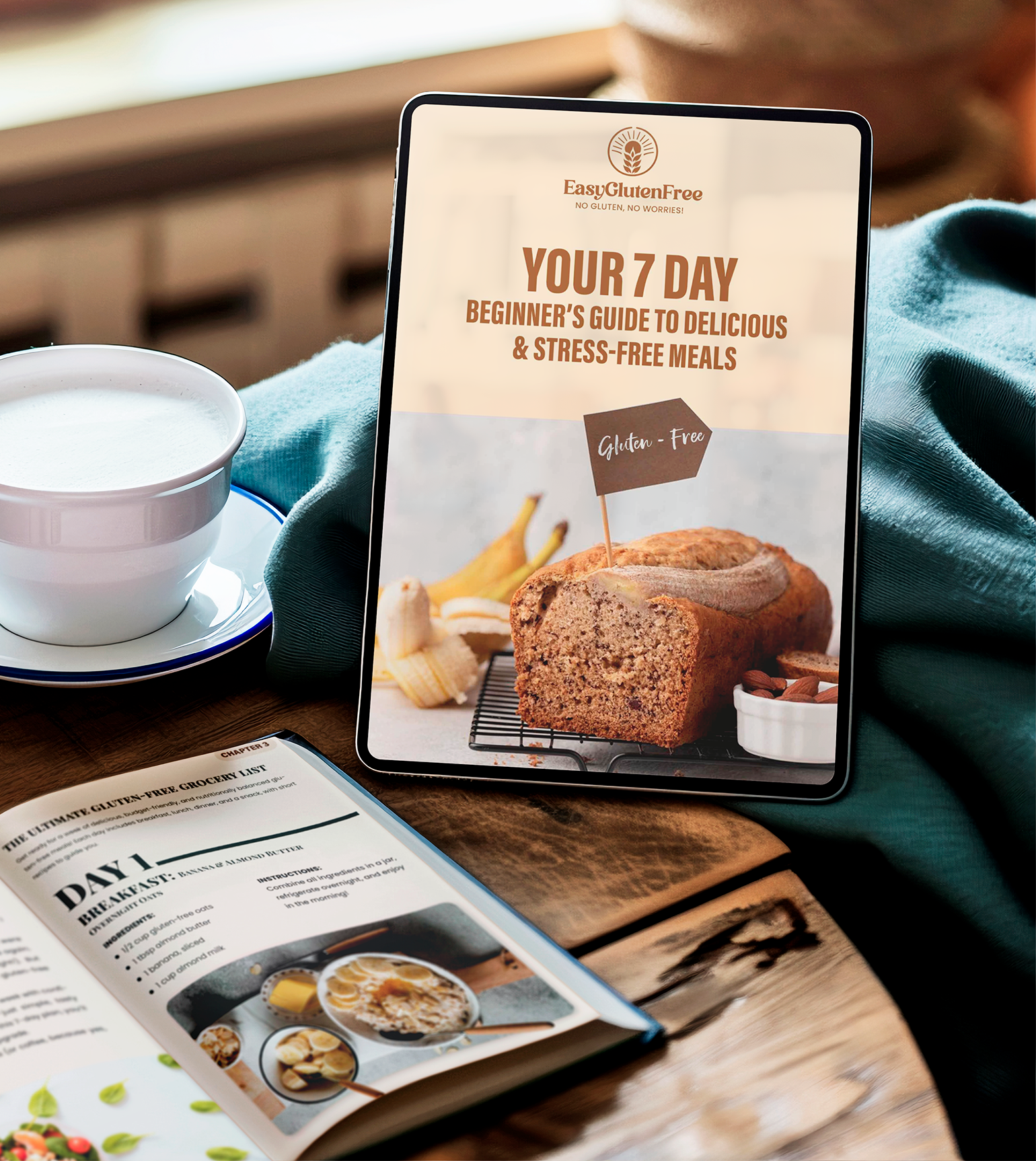
‘Easy Gluten-Free Dinner’ Again​

Save your search history some stress. Grab our FREE 7-Day Beginner's Guide and finally have a plan you can actually cook