Blog

Your blog category

Blog

“The Ultimate Gluten-Free Flour Guide for 2025: Tips, Recipes, and Troubleshooting”

2025 Guide The Best Gluten-Free Flours in 2025 Choosing the right gluten-free flour can make the difference between dry, crumbly bakes and fluffy, bakery-level magic. This 2025 guide walks you through the best gluten-free flours, how to use them, and the blends that actually work—without needing a food science degree. Download Our Free Gluten-Free Starter Guide 7-day meal plan shopping list Tips & 3 beginner-friendly recipes download now Introduction Gluten-free baking in 2025 is nothing like it was ten years ago. Instead of one sad, sandy “all-purpose” flour, we now have a full toolbox: almond flour, coconut flour, sorghum, millet, oat, cassava, and smart ready-to-use blends that behave almost like wheat flour—without the gluten. The flip side? That wall of options at the store can feel completely overwhelming. If you’ve ever followed a recipe to the letter and still pulled a dry muffin, gummy bread, or pancakes that refuse to brown, you’re not alone. Most gluten-free flours act very differently from wheat: they absorb more (or less) liquid, some bring strong flavors, others need binders like xanthan gum or psyllium husk. The secret is understanding what each flour does best, so you can pick the right one for the job—and stop wasting expensive ingredients. This guide focuses on practical, real-life gluten-free baking. We’ll break down the best gluten-free flours in 2025, how to combine them into blends, when to reach for almond flour versus coconut flour, and how to troubleshoot common gluten-free baking fails. Whether you’re newly gluten-free or a longtime baker ready to level up, you’ll walk away knowing exactly which bag of flour deserves a spot in your pantry. Table of Contents ▾ 1. Understanding Gluten-Free Flours in 2025 2. The Top Individual Gluten-Free Flours (and How to Use Them) 3. Ready-Made Gluten-Free Flour Blends 4. How to Choose the Right Flour for Every Recipe 5. Troubleshooting Common Gluten-Free Baking Problems 1. Understanding Gluten-Free Flours in 2025 Gluten-free baking starts with one simple truth: there is no single flour that behaves like wheat flour. Instead, we use a combination of gluten-free flours and starches to recreate the structure, tenderness, and elasticity that gluten normally provides. Gluten is a stretchy network of proteins that traps gas, allowing bread to rise and cakes to stay light. When we remove gluten, we have to rebuild that structure using other tools: Whole-grain gluten-free flours (like sorghum, millet, buckwheat, brown rice, gluten-free oat) bring flavor, fiber, and color. Nut and seed flours (almond flour, hazelnut, sunflower seed) add richness, moisture, and protein. Root and tuber flours (cassava, potato, tapioca) and starches provide lightness, stretch, and chew. Binders (xanthan gum, guar gum, psyllium husk, ground chia or flax) help hold everything together and mimic the elasticity of gluten. In 2025, we also see a big shift toward nutrient-dense gluten-free baking. Instead of relying only on white rice flour and tapioca, more bakers are using almond flour, coconut flour, and whole-grain options to improve both texture and nutrition, while still keeping recipes celiac-safe. Because different gluten-free baking goals need different textures, it helps to think in “flour families”: For cookies, muffins, and quick breads: almond flour + a light starch (tapioca or arrowroot) works beautifully for tender, moist crumbs. For sandwich bread and pizza crust: you’ll want whole-grain flours (sorghum, millet, gluten-free oat) for structure, plus starch for rise, plus a strong binder like psyllium husk. For pancakes and waffles: milder whole-grain flours or a well-formulated gluten-free baking blend keep things light and fluffy. Once you understand that each flour has a “superpower,” gluten-free baking stops feeling random and starts feeling like a set of reliable formulas you can lean on. Need Help Staying Organized? Plan meals & shopping Stay on track with ease See Planner 2. The Top Individual Gluten-Free Flours (and How to Use Them) Here’s a closer look at the gluten-free flours you’ll see most often in 2025—what they’re best for, and how to avoid common pitfalls. We’ll pay special attention to gluten-free baking with almond flour and coconut flour, since they’re pantry staples for many of us. Almond Flour Best for: cookies, muffins, quick breads, brownies, scones, and crumb toppings. Almond flour is naturally gluten-free, high in healthy fats, and incredibly forgiving. It keeps bakes moist for days and adds a gentle, slightly sweet, nutty flavor. It’s one of the best flours for people who want grain-free baking without sacrificing tenderness. Texture: rich, tender, slightly denser than wheat but never dry when used correctly. Liquid absorption: moderate; usually used with eggs to help bind and lift. Pair with: tapioca or arrowroot starch for lighter, fluffier textures. Pro tip: Look for fine, blanched almond flour, not almond meal. Blanched flour (skins removed) gives a smoother crumb and more consistent results in gluten-free baking. Coconut Flour Best for: grain-free pancakes, muffins, snack cakes, and dense, moist loaves where a bit of “body” is welcome. Coconut flour is super absorbent—far more than almond flour or rice flour. That’s why recipes using coconut flour look almost “wrong” at first: small amounts of flour, lots of eggs, and extra liquid. Used correctly, it creates moist, soft bakes and keeps carbs lower than many other gluten-free flours. Texture: soft, cake-like, slightly delicate if you don’t use enough binding. Liquid absorption: extremely high; never swap it 1:1 with other flours. Pair with: almond flour, tapioca starch, or eggs for balance and structure. Rule of thumb: use about 1/4–1/3 cup coconut flour for every 1 cup wheat flour the original recipe calls for, and increase eggs and liquid significantly. When in doubt, follow a recipe that’s written specifically for coconut flour—it’s not a good candidate for casual substitutions. Gluten-Free Oat Flour Best for: pancakes, waffles, muffins, quick breads, and kid-friendly snacks. Made from ground certified gluten-free oats, oat flour adds a mild, cozy flavor reminiscent of oatmeal. It’s ideal when you want familiar, “comfort food” style bakes. Texture: soft, tender, slightly chewy if used alone. Liquid absorption: moderate to high. Pair with: starches like tapioca or potato, or
Blog

“The Essential Guide to Gluten-Free Baking in 2025”

2025 Guide The Best Gluten-Free Flours in 2025 Choosing the best gluten-free flours in 2025 can feel overwhelming, but with a little guidance you can bake bread that actually rises, cookies that don’t crumble into dust, and pancakes that taste as good as (or better than) the gluten-filled versions. This guide breaks down the top gluten-free flours, how to use them, and which blends work best for everyday gluten-free baking. Download Our Free Gluten-Free Starter Guide 7-day meal plan shopping list Tips & 3 beginner-friendly recipes download now Introduction If you’ve ever stared at the gluten-free baking aisle wondering what on earth to do with almond flour, coconut flour, or that mysterious “1:1 gluten-free blend,” you’re not alone. Gluten-free baking is different chemistry, and the flour you choose has a huge impact on texture, flavor, and nutrition. In 2025, the gluten-free flour market has never been better. We now have reliable all-purpose blends, single-grain flours for artisan-style baking, and nutrient-dense options that support blood sugar balance and gut health. The catch? Not every flour works in every recipe, and swapping one for another without a plan is the fastest way to flat, gummy, or sandy bakes. This guide is here to simplify all of that. We’ll walk through the best gluten-free flours, how to combine them, and which flours are best for bread, cookies, cakes, and everyday cooking. Whether you’re baking for celiac disease, gluten sensitivity, or simply choosing a gluten-free lifestyle, you’ll walk away with a clear roadmap and confidence to experiment in your own kitchen. Table of Contents ▾ 1. Understanding Gluten-Free Baking Basics 2. The Best All-Purpose Gluten-Free Flour Blends 3. Almond, Coconut & Other Nut Flours 4. Whole-Grain Gluten-Free Flours for Better Nutrition 5. How to Choose the Right Flour for Every Recipe 1. Understanding Gluten-Free Baking Basics Before diving into specific gluten-free flours, it helps to understand what we’re trying to replace. Gluten is a protein found in wheat, barley, and rye. In traditional baking, it gives dough elasticity, helps bread rise, and creates that chewy, tender crumb we all love. When you remove gluten, you lose structure, stretch, and sometimes moisture—unless you intentionally build them back in. That’s why gluten-free baking typically relies on a mix of flours and starches. A single flour almost never does the job on its own. For example: Almond flour adds richness and moisture but can be heavy and dense. Coconut flour is extremely absorbent and can make baked goods dry if used alone. Rice flour gives structure but can be gritty or crumbly without support from starches or binders. Most modern recipes use a blend of gluten-free flours plus binders like xanthan gum, psyllium husk, or ground flaxseed. These help trap air bubbles from leavening agents (like baking powder or yeast), mimicking the springiness gluten would normally provide. When people say “gluten-free baking is hard,” what they usually mean is “I tried to swap wheat flour 1:1 with just almond or coconut flour and it failed.” Once you know which flour families exist and how they behave, you can predict the results far more easily. In general, gluten-free flours fall into a few main categories: Neutral starches: tapioca starch, potato starch, corn starch – light, great for soft texture and crisp edges. Base flours: white rice, brown rice, sorghum, oat flour – the backbone of most gluten-free flour blends. Nut & seed flours: almond flour, coconut flour, hazelnut, sunflower seed – rich, higher in fat and protein. Whole-grain flours: buckwheat, teff, millet, quinoa, amaranth – nutritious and flavorful, often slightly earthy. The magic happens when you combine these thoughtfully. That’s what we’ll explore in the next sections: which gluten-free flours and blends are working best in 2025, and how to use them without wasting ingredients—or your time. Need Help Staying Organized? Plan meals & shopping Stay on track with ease See Planner 2. The Best All-Purpose Gluten-Free Flour Blends For everyday gluten-free baking, an all-purpose gluten-free flour blend is your best friend. These blends are designed to replace regular all-purpose wheat flour in many recipes, usually at a 1:1 ratio by volume or weight. In 2025, most major gluten-free brands have refined their formulas to be less gritty and more reliable, especially for cookies, cakes, quick breads, and pancakes. But not all blends behave the same way. Some are starch-heavy and perfect for ultra-soft cakes; others are more whole-grain focused and better suited to muffins or rustic loaves. When choosing a blend, check for three things: Ingredients list: Look for a balance of base flours (like rice or sorghum) and starches (like tapioca or potato). Avoid blends that are mostly starch with minimal whole grains if you want better nutrition and texture. Added binders: Many “1:1” blends contain xanthan gum or guar gum. That means you usually don’t need to add more to the recipe. If your blend has no gums, you may need to add your own for structure, especially in breads and cakes. Intended use: Some blends are labeled specifically for bread or pizza dough, while others are general-purpose. A bread blend may be too heavy or yeasty for delicate cookies. When should you use a gluten-free all-purpose blend? When you are adapting a regular wheat-based recipe and want a simple starting point. For quick recipes like pancakes, waffles, brownies, or muffins. When you’re still learning gluten-free baking and don’t want to stock six different flours yet. There are a few limitations. All-purpose gluten-free blends can struggle with: Yeast breads: You’ll often get a denser crumb unless the recipe is specifically designed for gluten-free baking. High-structure bakes: Croissants, brioche, or delicate laminated pastries usually need specialized blends or custom flour combinations. Very moist cakes: If your batter is very wet, some blends can turn gummy. In that case, using a blend combined with nut flours like almond flour can improve the texture. If you’re feeling stuck, start with a trusted gluten-free recipe that was tested with an all-purpose blend, then branch out. Once you taste

Blog

“The Ultimate Gluten-Free Flour Guide for 2025: Tips, Tricks, and Recommendations”

2025 Guide The Best Gluten-Free Flours in 2025 Choosing the best gluten-free flours in 2025 doesn’t have to feel overwhelming. This guide will walk you through the essentials of gluten-free baking, from almond flour and coconut flour to smart blends that deliver tender breads, chewy cookies, and golden pancakes—without the gluten and without the guesswork. Download Our Free Gluten-Free Starter Guide 7-day meal plan shopping list Tips & 3 beginner-friendly recipes download now Introduction If you’re newly gluten-free—or just ready to level up your gluten-free baking—you’ve probably discovered that there’s no single “gluten-free flour” that acts exactly like wheat. Instead, you’re faced with shelves full of options: almond flour, coconut flour, oat flour, rice flour, sorghum, blends, starches… and a lot of conflicting advice. This guide is here to simplify it all for you. In 2025, gluten-free flours have come a long way. Ingredient sourcing is better, textures are finer, and blends are more reliable than ever. That means you can create fluffy cakes, chewy cookies, and crusty breads with less trial and error—if you pick the right flour for the job. We’ll walk through each major option, explain how it behaves, and show you where it shines and where it doesn’t. We’ll also talk about how to combine gluten-free flours, how to avoid common pitfalls (crumbly muffins, sandy textures, or gummy centers), and how to stock a smart gluten-free pantry. Whether you’re baking for celiac disease, gluten sensitivity, or simply by choice, this guide will help you feel confident every time you preheat the oven. Table of Contents ▾ 1. Understanding Gluten-Free Baking Basics 2. Almond Flour: The Gluten-Free Baking Powerhouse 3. Coconut Flour and Other High-Fiber Flours 4. All-Purpose Gluten-Free Flour Blends 5. Building a Smart Gluten-Free Flour Pantry in 2025 1. Understanding Gluten-Free Baking Basics Gluten-free baking isn’t just “wheat baking without wheat.” Gluten—the protein in wheat, barley, and rye—provides structure and elasticity. Once you remove it, you need to rebuild that structure with a combination of flours and binders so your bakes don’t fall apart. Most successful gluten-free recipes rely on a mix of ingredients rather than a single flour. Think of it like a team: one flour brings protein, another brings starch and lightness, and a third adds flavor and color. Together, they approximate the performance of wheat flour without the gluten. Here are the three building blocks to understand: Base flours (like rice, sorghum, or oat flour) create the bulk of your blend and help mimic the feel of all-purpose flour. Protein and fat-rich flours (such as almond flour) add moisture, tenderness, and staying power so your baked goods don’t dry out overnight. Starches and binders (tapioca starch, potato starch, arrowroot, plus xanthan gum or psyllium husk) create chew, lightness, and that slightly stretchy texture gluten usually provides. When you understand which role each gluten-free flour plays, you can start to swap and customize confidently. Want chewy cookies? Lean into almond flour and tapioca. Dreaming of a tall, fluffy cake? Go lighter on the nut flours and increase your starches. Learning this language will save you time, money, and a lot of crumbly experiments. One more important note: gluten-free flours absorb liquid differently. Coconut flour, in particular, is extremely thirsty and can ruin a recipe if you substitute it one-for-one for wheat. That’s why using tested gluten-free recipes—or a well-balanced gluten-free flour blend—is the easiest way to guarantee success as you learn. Need Help Staying Organized? Plan meals & shopping Stay on track with ease See Planner 2. Almond Flour: The Gluten-Free Baking Powerhouse Almond flour has become a cornerstone of gluten-free baking—and for good reason. It’s naturally gluten-free, rich in healthy fats and protein, and bakes up beautifully moist and tender. If you’re looking to replace wheat flour in cookies, brownies, quick breads, or even pie crusts, almond flour is often your best friend. There are two main types you’ll see on shelves in 2025: Blanched almond flour – Made from almonds with the skins removed and ground very finely. This is ideal for most gluten-free baking, from pancakes to macarons, because it creates a smooth, light crumb without specks. Almond meal – Ground from whole almonds with the skins on and often a bit coarser. It works well in rustic bakes or as a crunchy topping but can make cakes heavier and grittier if used alone. Almond flour shines in recipes where you want richness and tenderness. It brings a slightly sweet, nutty flavor that plays well with chocolate, spices, citrus, and berries. It also keeps baked goods moist for days, which is especially helpful if you’re avoiding gluten-free products that go stale quickly. However, almond flour doesn’t behave exactly like wheat flour. It lacks starch and binding power, so it works best when paired with eggs, a small amount of starch (like tapioca or arrowroot), or a touch of xanthan gum. For example, a chewy almond flour chocolate chip cookie might use mostly almond flour plus a tablespoon or two of tapioca starch to boost structure. Almond flour also browns faster than wheat flour because of its natural oils. When adapting recipes, you may want to lower your oven temperature by about 10–15°C (25°F) and keep a close eye on browning near the end of the bake time. In the context of gluten-free baking, almond flour pairs beautifully with coconut flour and oat flour. A small amount of coconut flour can absorb excess moisture from almond flour and create a tighter crumb, while oat flour adds a familiar “bakery” flavor to muffins and cakes. Together, these three can create an incredibly satisfying texture in everything from banana bread to blueberry muffins. Bob’s Red Mill Super-Fine Almond Flour This ultra-fine blanched almond flour is a staple in many gluten-free kitchens. Its consistent grind, mild flavor, and reliable performance make it perfect for cookies, quick breads, and the base of many gluten-free baking blends. It’s also an excellent choice for high-protein, low-carb baking that still tastes indulgent. → View on Amazon 3.

Blog

test

2025 Guide The Best Gluten-Free Flours in 2025 Choosing the best gluten-free flour in 2025 no longer has to feel overwhelming. In this guide, we’ll walk through the top options, how to use them in gluten-free baking, and which blends actually taste like the “real” thing. Download Our Free Gluten-Free Starter Guide 7-day meal plan shopping list Tips & 3 beginner-friendly recipes download now Introduction If you’re navigating a gluten-free lifestyle in 2025, you’ve probably noticed one thing: the gluten-free flour aisle has exploded. There are blends for cookies, bread, pizza, cakes, plus single-origin flours like almond flour, coconut flour, oat flour, and even sorghum and teff. It’s exciting—but it can also be seriously confusing. The good news is that gluten-free baking has never been more delicious or more reliable. We now understand how different gluten-free flours behave, how to blend them for structure and softness, and how to avoid that dry, crumbly texture that used to scream “this is gluten-free.” With the right flour (or blend), you can bake pancakes that fluff, bread that slices, and cookies that stay chewy. This guide breaks down the best gluten-free flours in 2025, how to choose the right one for your recipe, and how to stock a smart, stress-free gluten-free pantry. Whether you’re baking for celiac disease, gluten sensitivity, or just feel better wheat‑free, you’ll walk away knowing exactly which flours to use—and how to use them with confidence. Table of Contents ▾ 1. Understanding Gluten-Free Baking in 2025 2. The Top Single-Ingredient Gluten-Free Flours 3. Best All-Purpose Gluten-Free Flour Blends 4. Building a Gluten-Free Pantry That Actually Works 5. Practical Tips for Success with Gluten-Free Flours 1. Understanding Gluten-Free Baking in 2025 Gluten-free baking isn’t just “regular” baking with a different bag of flour. Gluten is a protein that gives dough elasticity, structure, and chew. When you remove it, you need to replace those functions using a combination of starches, whole-grain flours, and binders like xanthan gum or psyllium husk. The magic of modern gluten-free baking is learning how to balance these elements so your bakes look and taste familiar—without the gluten. In 2025, the landscape of gluten-free flours is more sophisticated than ever. We now have highly tested blends that mimic wheat flour in classic recipes, along with a wide range of nutrient-dense flours such as almond flour, coconut flour, buckwheat, and millet that bring fiber, protein, and healthy fats to your bakes. Instead of settling for “good for gluten-free,” bakers are expecting (and getting) truly delicious results. Here are a few core concepts that will make every gluten-free baking project easier: Blending is better than one flour alone. Most recipes work best with a base of gentle starches (like rice and tapioca) plus more flavorful, nutritious flours (like almond or sorghum). This combination creates structure, browning, and softness. Hydration matters. Gluten-free flours often absorb more liquid than wheat flour. If your batter looks thicker than a standard recipe, that’s usually okay—and sometimes necessary. Resting the batter 10–15 minutes before baking helps hydrate the flours fully. Binders are your friends. Ingredients like xanthan gum, guar gum, psyllium husk, and ground chia or flax add the stretch and cohesion you’ve lost without gluten. Many all-purpose blends already include a binder; check your label so you don’t double up. Not all gluten-free flours behave the same. Almond flour and coconut flour are not interchangeable. Oat flour doesn’t work like rice flour. Understanding a few basics about each flour will save you from dense cakes and crumbly cookies. Once you think of gluten-free baking as its own skill, rather than a strict copy of “regular” baking, the whole process feels more intuitive and a lot more fun. The rest of this guide will help you understand the strengths of each popular gluten-free flour so you can reach for the right one every time. Need Help Staying Organized? Plan meals & shopping Stay on track with ease See Planner 2. The Top Single-Ingredient Gluten-Free Flours Single-ingredient gluten-free flours are milled from just one grain, nut, seed, or root. They’re fantastic for customizing texture and flavor, boosting nutrition, and adapting recipes beyond what an all-purpose blend can offer. Here are the most useful players to keep on your radar in 2025. Almond Flour Keywords to remember: gluten-free baking, almond flour, moisture, tenderness, healthy fats. Almond flour is one of the most beloved gluten-free flours for good reason. It’s naturally grain-free, high in protein and healthy fats, and gives baked goods a rich, moist crumb. It shines in cookies, quick breads, muffins, and crusts. Best for: brownies, blondies, cookies, snack cakes, tart crusts, and crumble toppings. Texture: Tender and rich with a light, pleasant nuttiness. How to use: Often combined with a starch (like tapioca or arrowroot) to keep bakes from feeling heavy. Can replace 25–50% of an all-purpose gluten-free blend for extra moisture. Because it’s so dense, almond flour doesn’t behave like wheat flour on its own. Look for recipes that were developed for almond flour, or follow a tested blend ratio before experimenting. Coconut Flour Coconut flour is incredibly absorbent and fiber-rich. A little goes a very long way, which is why it’s famous for throwing off a recipe when swapped 1:1 for other flours. Used correctly, it creates soft, cake-like textures and adds a gentle coconut flavor. Best for: pancakes, muffins, keto-style bakes, and sponge-like cakes. Texture: Light and fluffy when balanced with enough eggs and liquid; dry and crumbly if misused. How to use: Typically 1/4–1/3 cup coconut flour per 1 cup wheat flour, plus extra liquid and eggs. Avoid direct substitutions. If you’re new to coconut flour, start with a recipe written specifically for it. Many people love using it for gluten-free baking when they want a lower-carb or higher-fiber option. Oat Flour (Certified Gluten-Free) Oat flour brings a cozy, familiar flavor that’s perfect for breakfast and snack recipes. Make sure to choose certified gluten-free oats or oat flour to avoid cross-contamination, which is a concern for people with celiac

Blog

“The Ultimate Gluten-Free Flour Guide for 2025”

2025 Guide The Best Gluten-Free Flours in 2025 Choosing the right gluten-free flour can be the difference between dry, crumbly bakes and soft, bakery-style perfection. In this 2025 guide, we’ll walk through the best gluten-free flours, how to use them, and how to finally bake with confidence—without gluten. Download Our Free Gluten-Free Starter Guide 7-day meal plan shopping list Tips & 3 beginner-friendly recipes download now Introduction Gluten-free baking has come a long way. Ten years ago, “gluten-free” often meant dry, sandy textures and strange aftertastes. In 2025, we’re in a completely different world. With high‑quality blends, single-origin grains, and better testing, you can bake fluffy pancakes, chewy cookies, and crusty bread—all without gluten and without feeling like you’re compromising. This guide focuses on the best gluten-free flours in 2025 and how to actually use them in real life. We’ll cover staple flours like almond flour and coconut flour, newer options like sorghum and tigernut, and ready-made gluten-free flour blends that behave almost like wheat flour in your favorite recipes. Whether you’re baking for celiac disease, non-celiac gluten sensitivity, or simply feel better wheat-free, this breakdown will help you stock your pantry with confidence. We’ll keep things practical: what each flour tastes like, how it behaves in gluten-free baking, which flours are high in protein or fiber, and which blends work best for pancakes, bread, or everyday cooking. By the end, you’ll know exactly which gluten-free flours to buy, how to combine them, and how to avoid the most common mistakes that lead to disappointing gluten-free bakes. Table of Contents ▾ 1. Understanding Gluten-Free Flours in 2025 2. Almond Flour, Coconut Flour & Nut-Based All-Stars 3. Whole-Grain Gluten-Free Flours (Oat, Sorghum, Brown Rice & More) 4. All-Purpose Gluten-Free Flour Blends: When to Use Them 5. Smart Pantry Planning & Substitution Tips 1. Understanding Gluten-Free Flours in 2025 Before we dive into specific gluten-free flours, it helps to understand one core truth: there is no single “perfect” gluten-free flour. Wheat flour is unique because gluten provides elasticity, structure, and chew. In gluten-free baking, we recreate that structure by combining several flours and starches—and sometimes binders like xanthan gum or psyllium husk. In 2025, gluten-free baking has become more intuitive thanks to three main categories of flours: Nut and seed flours (like almond flour and coconut flour): rich, higher in fat and protein, great for moist cakes, cookies, and low-carb recipes. Whole-grain gluten-free flours (like oat, sorghum, buckwheat, millet, and brown rice): more nutritious, with flavor and structure closer to traditional grains. Starches and refined flours (tapioca, potato starch, white rice flour, corn starch): provide lightness, crisp edges, and that tender “bakery-style” crumb when used in moderation. Most reliable gluten-free baking recipes use a combination of these categories. For example, a great gluten-free pancake might use a gluten-free all-purpose blend plus a little almond flour for richness and a touch of tapioca starch for fluffiness. This is why “gluten-free baking” is less about memorizing one magic flour and more about understanding how each option behaves. Another important change in 2025 is clearer labeling and better testing. Look for gluten-free flours that are certified gluten-free, especially if you have celiac disease. This is crucial with oat flour (which can be contaminated with wheat in the fields or factory) and with bulk-bin flours, which may share scoops or bins with wheat products. When possible, choose brands that test to below 20 ppm gluten—or even more stringent levels if you’re particularly sensitive. To make shopping easier, think in terms of “roles” instead of individual products: Structure builders: almond flour, oat flour, sorghum flour, buckwheat flour. Lighteners and crispers: white rice flour, tapioca starch, potato starch, corn starch. Flavor boosters: coconut flour, teff, buckwheat, chestnut, and nut flours. Once you know the role each flour plays, gluten-free baking stops feeling random or intimidating. You’ll be able to read a recipe and instantly understand why those flours were chosen—and how to tweak things if you want to experiment. Need Help Staying Organized? Plan meals & shopping Stay on track with ease See Planner 2. Almond Flour, Coconut Flour & Nut-Based All-Stars Almond flour and coconut flour are two of the most searched terms in gluten-free baking—and for good reason. They’re versatile, naturally gluten-free, and widely available. But they behave very differently, so using them well can transform your baking, while misusing them can quickly lead to dense, dry, or oily results. Almond Flour: The Gluten-Free Baking Workhorse Almond flour is made from finely ground blanched almonds. It’s naturally grain-free, gluten-free, and rich in healthy fats, protein, and vitamin E. In gluten-free baking, almond flour shines in: Moist cakes and muffins Cookies with chewy centers and crisp edges Shortcrust-style tart shells and crumbles Low-carb or paleo-friendly recipes Because almond flour is high in fat and has no starch, it creates a rich, tender texture but doesn’t provide the same structure that wheat flour does. For that reason, most recipes combine almond flour with eggs (for binding) and sometimes a starch like tapioca or arrowroot to add lightness. A typical ratio for simple almond flour bakes is about 2 parts almond flour to 1 part eggs by volume, plus a small amount of starch or coconut flour if you need extra structure. When shopping, look for “fine” or “superfine” almond flour, not almond meal. Almond meal is coarser and often includes skins, which can make baked goods heavy or gritty. Store almond flour in the fridge or freezer to protect its delicate fats and prevent rancidity. Coconut Flour: Super-Absorbent and Flavorful Coconut flour is a completely different beast. It’s made from dried, defatted coconut meat and is extremely absorbent. A little goes a long way—most recipes use only 1/4 to 1/2 cup coconut flour for an entire batch of muffins or pancakes. You will also almost always see more eggs in coconut flour recipes, because coconut flour needs both moisture and binding. In gluten-free baking, coconut flour is ideal for: Fluffy, high-fiber pancakes and waffles Quick breads and

Blog

“The 2025 Gluten-Free Survival Guide: Navigating the Changes and Building Practical Routines”

2025 Report The 2025 Gluten-Free Survival Guide: What’s Really Different This Year (and How to Make Life Easier) Gluten-free life in 2025 is both easier and more overwhelming than ever—this deep-dive cuts through the noise so you can skip the chaos, dodge the sneaky gluten, and build everyday routines that actually work. Grab the Free Gluten-Free Starter Guide and Stop Guessing at Every Meal Know exactly what to check on labels without standing in the aisle for 20 minutes. Get simple, beginner-friendly meal ideas that don’t require special chef skills. Use printable checklists for eating out, traveling, and stocking a safe kitchen. Download the free guide Introduction 2025 feels like a turning point for gluten-free living. There are more products, more awareness, and more conversations happening online—yet many of us are still tired, still bloated, and still wondering why this “simple” diet change feels like a second full-time job. This report is here to zoom out, name what’s changed, and show you how to make the most of it without burning out. This article is for you if you’re newly diagnosed and drowning in conflicting advice, a long-time gluten-free veteran who’s wondering what’s actually new, a parent managing kids’ needs on top of your own, or a busy professional who needs realistic solutions—not aspirational Pinterest boards. We’ll walk through what’s improved on store shelves, what doctors and researchers are saying now, the creative trends that are genuinely helpful (not just clickbait), how to say yes to travel and social events, and the weekly routines that quietly keep gluten-free life running smoothly. By the end, you’ll have a clearer path forward and a few practical changes you can start this week. Table of Contents ▾ 1. Make the 2025 Gluten-Free Grocery Aisle Work for You 2. Use the New Science Without Letting It Stress You Out 3. Fresh Gluten-Free Trends That Actually Make Life Easier 4. How to Travel, Dine Out, and Have a Social Life Without Constant Panic 5. Build Weekly Gluten-Free Routines So You’re Not Scrambling Every Day 1. The 2025 Gluten-Free Store Aisle: Better Options, New Traps Walk into almost any grocery store in 2025 and you’ll see gluten-free labels everywhere—from freezer waffles to dumplings to protein bars. That’s a huge win, but it also means it’s incredibly easy to assume “gluten-free” automatically means “safe, healthy, and worth the money.” This section is about what’s genuinely improved and where we still need to be careful. 1.1 Cleaner Labels, Better Textures, and Fewer “Sad” Substitutes One of the biggest shifts this year is how good many gluten-free basics have become. Bread doesn’t always crumble into dust. Pasta actually survives leftovers. More brands are moving away from long, mysterious ingredient lists and toward simple recipes built on whole grains and recognizable foods. It’s not perfect, but it is different—and it gives you more power to choose what feels best in your body. Look for products based on whole grains like brown rice, sorghum, quinoa, or oats labeled gluten-free instead of just starches and gums. Compared to five years ago, many GF breads and pastas now hold up in sandwiches and meal prep, so you don’t have to cook everything à la minute. When testing a new product, buy one package, try it in a simple meal, and jot a quick note on your phone so you remember which brands are keepers. 1.2 Prices, Availability, and Setting Realistic Expectations Here’s the honest part: gluten-free foods are still pricey, and some regions still have limited options. But 2025 has brought more store-brand gluten-free lines, better online delivery, and occasional price drops on staples like pasta and flour blends. You can’t control every shelf in every store, but you can build a smarter shopping strategy that protects your budget and your energy. Shop around: compare your local chains, warehouse clubs, and online retailers and keep a short “best place to buy” list for your top 10 staples. Adopt this mindset: packaged gluten-free foods are tools, not the foundation—lean on naturally gluten-free basics (rice, potatoes, beans, veg, meat, eggs) to steady your budget. Many in our community now do one big monthly stock-up of favorite GF items (bread, crackers, flour) and fill in the rest with weekly produce and proteins. Stay Sane With a Simple Gluten-Free Planner Stop staring into the fridge at 6 pm wondering what on earth is safe and quick. Cut down on food waste, last-minute takeout, and “I’ll just eat nothing” nights. See the planner 2. What the Latest Science Means for Your Gluten-Free Life Research around celiac disease, non-celiac gluten sensitivity, and gut health keeps evolving—and that can feel both validating and overwhelming. The important part for 2025 is not memorizing every new paper, but knowing enough to advocate for yourself and understand why your body’s responses are real, even if they don’t match someone else’s. 2.1 Celiac, Gluten Sensitivity, and Everything in Between We now know there’s a whole spectrum of gluten-related issues. Some people meet the classic criteria for celiac disease. Others don’t have celiac but genuinely feel better without gluten. And some discover that gluten was only one piece of a larger puzzle that includes gut health, stress, or other food triggers. You don’t have to fit neatly into a label to deserve care and relief. Celiac disease is an autoimmune condition where gluten damages the small intestine; non-celiac gluten sensitivity causes symptoms without that same measurable damage. Common patterns include fatigue, brain fog, bloating, iron deficiency, migraines, or skin issues that improve when gluten is removed. Work with a doctor and, ideally, a dietitian who understands gluten-free living so you’re not self-diagnosing everything alone. 2.2 Listening to Your Body Without Obsessing It’s easy to slip from “aware” into “hypervigilant,” especially after a rough glutening. The goal in 2025 is a calmer middle path: use the tools we have (food journals, symptom trackers, lab work) while remembering that perfection isn’t required to heal and feel better. Gently remind yourself that your body is on your

Blog

Transforming Your Gluten-Free Life: The Power of Tiny Daily Habits

If you’ve ever stood in your kitchen at 7:12 a.m., holding a crumbly gluten-free muffin that just disintegrated in your hand while you’re already five minutes late… you’re in the right place. Today I want to chat about something that doesn’t get nearly enough love in the gluten-free world: building tiny, sustainable *daily* habits that quietly make life easier, safer, and honestly, more delicious. Not a full pantry overhaul. Not a week-long reset. Just realistic routines that fit into the life you actually have. This is the gluten-free lifestyle “operating system” I wish someone had handed me on day one. — ### Why habits matter more than “being good” So many of us approach gluten-free living like a pass/fail test: – “I slipped up this weekend; I need to start over on Monday.” – “I was really good all week, then I messed up at dinner.” – “I know what to do, I’m just bad at sticking with it.” Here’s the thing: going gluten free for medical reasons isn’t a willpower project. It’s a logistics project. The tiny, boring things you do every day — how you store food, what you pack in your bag, how you order at restaurants — are what keep you safe and confident. When those are on autopilot, everything feels easier. When they’re not, every meal feels like a pop quiz. Think of habits as pre-decisions. You don’t have to stand in your kitchen at 7:12 a.m. wondering what to eat, or at a restaurant at 7:12 p.m. wondering how to navigate the menu. You’ve already built systems that support you. Let’s walk through a realistic day and layer in habits you can steal, tweak, and make your own. — ## Morning: Create a gluten-safe “launch pad” Mornings are usually where chaos loves to live, so this is where we’ll start building some structure. ### 1. Designate a gluten-free “safe zone” in your kitchen If you share your space with gluten-eaters, this might be the single most powerful habit you can build. Pick one area — a drawer, a shelf, a corner of the counter — and make it sacred. That’s where *all* of your GF basics live: – Your toaster (ideally a GF-only toaster — crumbs are sneaky) – Cutting board used only for GF foods – Your favorite GF bread, oats, and cereal – Butter, jam, and nut butters that *no one* dips gluten-y knives into – A knife and spatula reserved for gluten-free use Then comes the habit piece: *everything* that touches gluten-free food must start and end the day in that zone. It’s like a tiny gluten-free island in a sea of crumbs. You don’t need your whole kitchen to be perfect. You just need one dependable, drama-free space you can trust when your brain is tired. ### 2. Build a 5-minute breakfast fallback Instead of aspiring to be that person who wakes up early and makes chia pudding from scratch every day, give yourself a gentler rule: > “I always keep the ingredients for one *effortless* gluten-free breakfast on hand.” This might be: – GF toast + peanut butter + banana – Yogurt + gluten-free granola – Instant gluten-free oatmeal + frozen berries – Leftover dinner reheated in a pan (breakfast can be weird; I support it) The habit isn’t *what* you eat. It’s: – Keeping the ingredients stocked – Knowing exactly where they live – Making it your “no-thinking” default on rushed mornings If you already have a go-to gluten-free baking recipe you love, lean on that too. Bake a double batch on the weekend and freeze half. (If you’ve read any of our posts on baking, you know I’m a big fan of using your freezer as a quiet little safety net.) — ## Midday: Make lunch the easiest win of your day Lunch tends to be where gluten-free people either: – Overspend (hello, last-minute takeout), or – Undereat (hello, protein bar and coffee) A few micro-habits can fix that without turning you into a meal-prep robot. ### 3. Create a “grab-and-go” box in your fridge This can be just a clear bin — that’s it — but it sends a powerful message: *everything in here is safe and ready to toss into a meal or bag*. Stock it with: – Washed lettuce or greens – Cut veggies in jars or containers – Gluten-free deli meat (if you tolerate it and trust the brand) – Cheese slices or cubes – Hummus or single-serve dips – Hard-boiled eggs – A couple of labeled leftovers Habit: once or twice a week, you spend 10–15 minutes topping it up. Not a full prep session. Just a mini-reset so “I have nothing to eat” becomes “I can assemble something in 3 minutes.” ### 4. Pre-decide your “I’m too tired” lunch You know that point in the day when you’re too hungry to think clearly? That’s when gluten accidents *and* grumpy decisions happen. So, choose one super-simple gluten-free lunch that you like enough and can throw together almost on autopilot. For example: – Tortilla roll-ups (GF tortilla + turkey + cheese + lettuce) – Rice, canned beans, salsa, cheese – Snack plate: hummus, veggies, crackers, cheese, nuts, fruit Now give it a job: > “When I don’t want to think, this is what I eat.” By turning that choice into a habit, you’re not relying on willpower or creativity at your hungriest moment. — ## Out and about: Build your “always in my bag” kit If you’ve ever been stuck somewhere with nothing safe to eat, you already know: future you deserves better. ### 5. Keep a mini gluten-free survival kit This doesn’t need to be dramatic. Think of it as the grown-up version of leaving snacks in your car. In your bag, car, or desk drawer, keep: – 1–2 shelf-stable gluten-free snacks you *actually* enjoy – A small pack of nuts or trail mix – A protein bar that doesn’t taste like chalk – A few individually wrapped wipes (helpful for

Blog

Navigating the Gluten-Free Lifestyle: A Beginner’s Guide

Embrace Gluten-Free: It’s Not Just Survival, It’s a Lifestyle! Have you been recently diagnosed with Celiac disease, gluten intolerance, or simply curious about the benefits of a gluten-free diet? Either way, welcome aboard! Our journey takes us through the bountiful world of gluten-free living. Prepare for a feast of flavors where adaptation is key, packed with practical tips and delicious suggestions. I promise you that this journey is about a lot more than just giving up bread and pastries. Meet ‘Joe’: A Real-Life Gluten-free Journey Let’s begin our journey with an average Joe, Joe had dealt with years of unexplainable fatigue, abdominal discomfort, and even depression. His doctor suggested a series of tests, one of which revealed that he has Celiac disease. Joe felt daunted hearing about this lifelong sentence of consuming only gluten-free food. However, if you have known Joe then and met him now, you wouldn’t recognize him. Today, he’s a pro baker whipping up fluffy gluten-free bread, perfecting creamy gluten-free pasta, and creating divine, melt-in-your-mouth gluten-free cupcakes. His cravings? Satisfied! His guests? Amazed! Joe discovered that the gluten-free lifestyle embraced him more than he embraced it. He tested and uncovered sensational recipes, fooled loved ones with gluten-free version of dishes, and created a menu even non-celiac patients couldn’t resist! What was once a scary reality has turned into a healthier, and surprisingly more delicious life for Joe. The question is, would you like to know how he did it? Your Gluten-Free Starter Kit Just like our friend Joe, switching to a gluten-free life will be a lot easier with some groundwork. Here are a couple of tips that helped him in his journey: 1. Inform Yourself Knowledge truly is power. Understanding your dietary requirements and their implications on your health is imperative. Start by researching about your dietary condition and the potential benefits and challenges of a gluten-free lifestyle. Reading personal blogs, consulting with a nutritionist, and participating in online forums can be helpful. Our post on “Understanding Gluten Intolerance” is a great starting point. 2. Build Your Gluten-free Armoury A well-stocked kitchen makes cooking so much easier, and this is especially true when you’re adhering to a new diet. Fill your pantry with gluten-free essentials like rice, quinoa, gluten-free oats, chickpea flour, tapioca flour, cornstarch, xanthan gum, and plenty of fruits and vegetables. Check our recommended list of “Gluten-Free Pantry Staples” for a comprehensive list. 3. Read Food Labels Sometimes, gluten can hide in the most unexpected places like in condiments, meats, and even beverages. Whenever you shop, read food labels and watch out for hidden sources or cross-contaminations. It can be a bit overwhelming at first, but with time, you’ll become an expert. 4. Experiment In Your Kitchen What better way to determine what you like than experimenting with different foods and recipes? Embrace your new diet and have fun creating mouthwatering meals, snacks, and desserts. You’ll be surprised at your own culinary potential! Don’t worry about making mistakes; even the best chefs have had their share of kitchen disasters! Just like Joe, you’ll soon be creating gluten-free versions of your favorite meals that taste just as good, if not better than the originals. The Taste of Gluten-Free Success With patience, perseverance, and a positive attitude, your gluten-free journey will be a smooth sail. Just like Joe, you’ll come to love your new diet and see it as a blessing rather than a curse. You’ll feel healthier, more energetic, and even start enjoying meals more than ever! Living gluten-free doesn’t mean you’re missing out, rather, it means you have a world of alternatives to explore. Remember, embracing a new way of living is not about giving things up, it’s about adapting and finding even better replacements! Category: Gluten-Free for Beginners

Blog

Perfecting Gluten-Free Pickles: A Tangy Guide

Is it possible to enjoy the zesty crunch of a pickle without worrying about gluten? The simple answer is yes. But, as with many things in a gluten-free lifestyle, there’s more to the story. If you’re here because you love pickles and you’re adhering to a gluten-free dietary plan, don’t worry. I will not tell you to stop eating pickles. Instead, let’s take a culinary journey together to discover the ins and outs of making your very own gluten-free pickles. Pickles come in all shapes, sizes, flavors, and, unfortunately, gluten levels. From classic dill pickles to sweet bread-and-butter pickles, it’s crucial to read labels when buying store-bought versions. Some companies use malt vinegar, which contains barley (a gluten-filled grain), or even add maltodextrin, a potentially gluten-containing additive, to their pickling process. So, how do you navigate the pickle aisle without feeling overwhelmed? Knowledge is power. Educate yourself on [How to Read Food Labels](hyperlinked blog URL) and ensure that your crunchy snack doesn’t contain hidden gluten. With that said, there’s absolutely no need to give up on the tangy taste of pickles in your gluten-free lifestyle. Making your own gluten-free pickles is not only a fun and relatively straightforward process, but it also provides you with complete control over the ingredients used, ensuring they’re 100% free of gluten. To start, let’s gather the essentials: fresh cucumbers (if possible, try to find small, firm ones), vinegar (ensure to use a gluten-free vinegar like apple cider, rice, or distilled white vinegar), water, sea salt, sugar (optional), and your choice of seasonings (the classics are dill, garlic, mustard seeds, and peppercorns). All these ingredients are naturally gluten-free. If you aren’t sure where to find gluten-free spices, check out our excellent guide to [Navigating the Spice Aisle with a Gluten-Free Lifestyle](hyperlinked blog URL). Once you’ve got your ingredients ready, it’s time to pickle! Start by washing your cucumbers thoroughly and cutting them as desired (spears, slices, or whole if your cucumbers are small). Then, combine the vinegar, water, salt, and sugar (if you’re using it) in a saucepan and bring it to a boil. This is your pickling brine. While the brine is heating, pack your cucumbers snugly in a jar, sprinkle in your seasonings, and pour the hot brine over the top. Let everything cool before sealing the jar and popping it in the fridge. That’s it! Incredibly simple, right? Well, now comes the hardest part: waiting. The minimum recommended time to let your pickles sit before enjoying them is 24 hours, but if you can resist for a week or two, the flavors will develop even more, and they will be worth the wait! On top of the comfort of knowing what’s in your pickles, homemade pickle juice is also a gem in its own right. Pickle juice is not only refreshing but, it can also serve as a fantastic gluten-free flavor booster in your meals. You can toss it in salads, use it as a marinade for your meats, or even use it to liven up your gluten-free bloody mary. The possibilities are endless, and the pickle world is your oyster. Remember, having a gluten-free diet does not mean you have to live a flavorless life bounded by restrictions. With a little creativity and patience, you can still enjoy your favorite snacks. Making your own pickles is a fun, simple, and empowering endeavor, allowing you to transform gluten-free living into a culinary adventure. In the end, living a gluten-free lifestyle is about finding safe and tasty alternatives that can make this journey not only manageable but also completely delicious. So grab a jar, a bunch of cucumbers and experiment with flavors. Who knows, pickling may end up becoming your new favorite gluten-free hobby. **Category: Baking & Cooking Science**

Blog

Embarking on a Gluten-Free Pantry Makeover: A Tasty Journey

Switching to a gluten-free lifestyle can feel like you’ve embarked on a journey to a new path, where well-loved food trails are buried under a landslide of questions and confusion. We’ve all been there! Happily, it’s not an impossible journey. In fact, it’s filled with exciting food discoveries and health transformations. What if I told you that your pantry – yes, that tiny every-day corner of your kitchen – holds the key to making this transition smooth, easy, and delicious? As someone who’s avidly gluten-free, I’m intimately familiar with the trials and tribulations of restocking a pantry from scratch. I remember standing wide-eyed in the grocery aisle, flitting between Google searches, ingredient lists, and that nagging doubt saying, “but what if I accidentally buy the wrong thing?” It was a crash course in deciphering what exactly gluten was hiding in. It’s been quite a journey since my bewildered grocery store days, and I’ve put together a helpful roadmap for you. Today, we’ll be embarking on a gluten-free pantry makeover. Buckle in, dear friend. It’s going to be a tasty ride! A Gluten-Free Pantry – Why Does It Matter? Before we step into the makeover zone, let’s ask the question: why is curating a gluten-free pantry so important? Firstly, it’s a matter of health. If you’re sensitive to gluten, even a small cross-contact with gluten-containing foods can trigger your symptoms. By dedicating a space in your pantry that’s solely gluten-free, you’re taking a big step towards reducing the risk of accidental exposure. Secondly, let’s talk convenience. We’ve all had those moments. You suddenly find you need to whip up a meal out of the odds and ends residing in your pantry. Having a variety of versatile, gluten-free ingredients at your fingertips ensures you can always pull together a balanced, tasty meal. No mad dash to the grocery store required! Building Your Staples Building a gluten-free pantry is all about one thing: staples. These are the ingredients that’ll form the backbone of your recipes, the trusty comrades always ready to step up to the plate. But where to begin? Let’s break it down into categories – grains, proteins, and everything in between. Consider stashing a variety of gluten-free grains, such as quinoa, brown rice, or millet. Not only do these power-packed grains provide essential nutrients, but they’re also the perfect way to bulk up any meal. Spoilt for choice? Take a look at our guide to the wide world of gluten-free grains for a more in-depth view. Proteins are paramount, and luckily there are heaps of gluten-free options available. Canned beans, lentils, and chickpeas are versatile protein sources that can be added to any meal. For those busy nights, keep some canned fish or chicken in your pantry. Remember, when choosing canned goods, always check the label to ensure there are no sneaky gluten additives hiding around. Spices, sauces, and condiments are the very soul of a meal, adding those necessary courageous notes of flavor. Most pure herbs and spices are gluten-free, but some blends might have gluten-based additives, so it’s crucial to read labels. Some of my favorite gluten-free condiments include apple cider vinegar, tamari (a gluten-free soy sauce), and coconut aminos. The Next Level – Gluten-Free Baking Moving up a level and taking hold of gluten-free baking is a whole new gamechanger. Having a collection of gluten-free flours, sweeteners, and baking essentials will make those late-night cookie cravings or early-morning pancakes a breeze. We’ve previously explored the world of gluten-free flour, and it’s no secret they can be slightly overwhelming. Rice flour, almond flour, coconut flour—each has its own unique properties and uses. Start with a few basics, and then expand your collection as you hone your gluten-free baking skills. Getting sweet with gluten-free life? Keeping a range of sweeteners, like pure maple syrup, coconut sugar, and honey, will ensure you’re ready for any baking adventure. Add in the other essentials, like gluten-free baking powder and xanthan gum, and you’re set! Don’t forget to store your flours and baking goods in a cool, dry place to maintain freshness. Yes, refrigerator space may need to be negotiated for! Transitioning your pantry to a gluten-free haven can seem like an enormous task, but remember one thing. It doesn’t need to happen overnight. Start with a few swaps, and gradually build your pantry as you follow your gluten-free journey. There will be trial and error (trust me, I’ve been there), as well as the discovery of some new favorites. Every time you pull a jar from your pantry, you’ll know you’re nourishing your body with foods that truly make you feel go(o)d. If that’s not a pantry makeover, I don’t know what is! **Category: Gluten Free for Beginners**

Scroll to Top

We See You Googling
‘Easy Gluten-Free Dinner’ Again​

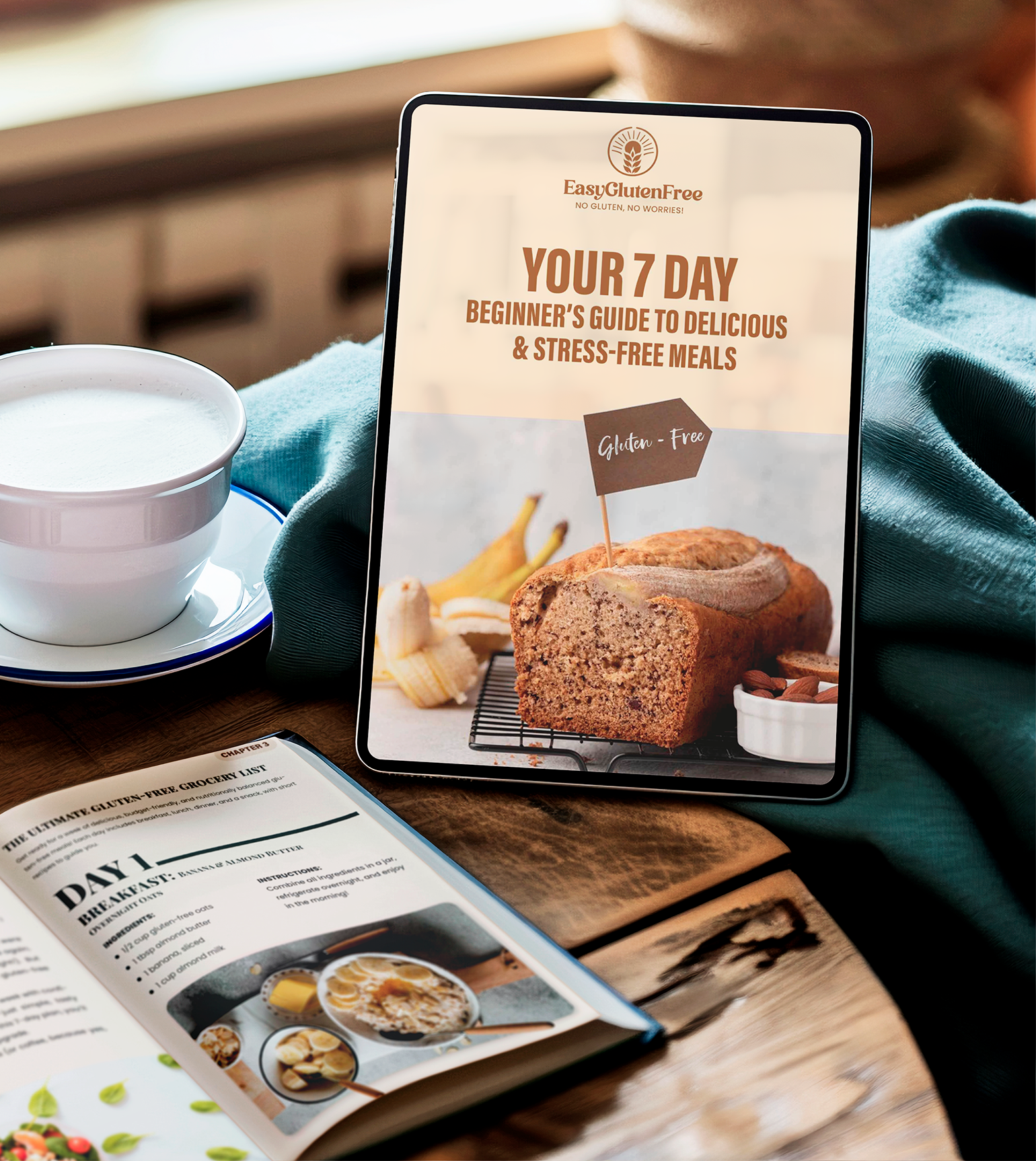
Save your search history some stress. Grab our FREE 7-Day Beginner's Guide and finally have a plan you can actually cook