Blog

Your blog category

Blog

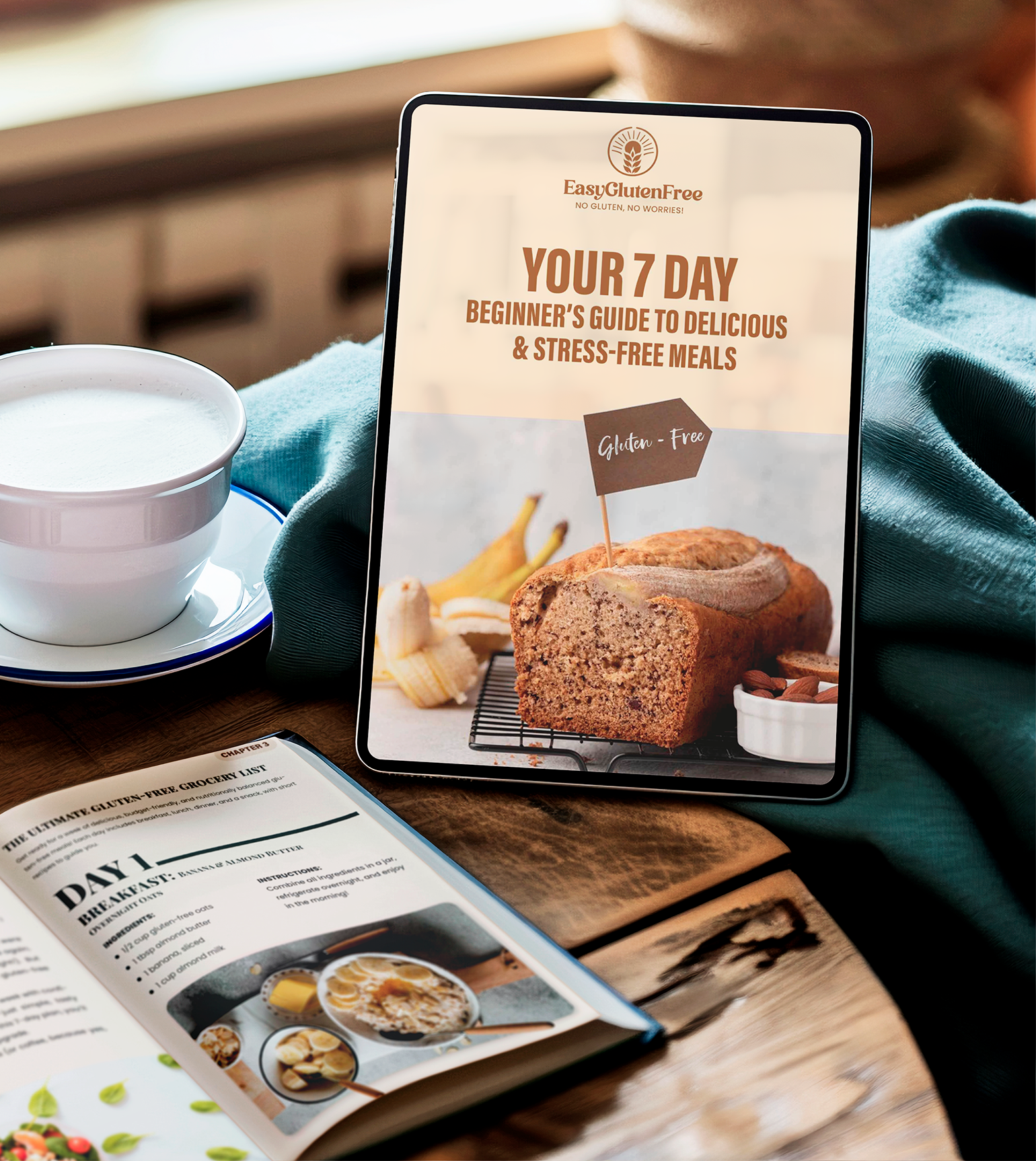
Sweet Success: Navigating the World of Sugar Substitutes in Gluten-Free Baking

One thing I really love about the gluten-free lifestyle is its ability to take you on such a fascinating journey of exploration. Every ingredient you use, every food choice you make, has the potential to reveal an aspect of this lifestyle you may not have considered before. It can be like a scavenger hunt at times, with each “find” taking you deeper into the understanding of how food impacts your health and overall wellbeing. Today, I want to take you on that journey with an ingredient that is more controversial than a season finale of your favorite TV show. Yes, we’re going to talk about… sugar substitutes! In the divine landscape of cakes, entries, and desserts, sugar is the queen that reigns supreme. But with increased focus on health and wellness, we’ve all been stealthily trying to uncrown that queen, haven’t we? And why not? Sugar, the processed white kind we’re inordinately fond of, is pretty much gluten-free, but it might not be the most healthful ingredient for our diet. However, fear not! A myriad of sugar substitutes have started to claim their throne, and it’s essential to understand the role they play in a gluten-free lifestyle. Stevia, xylitol, erythritol, monk fruit sweeteners — you’ve probably come across these names in your gluten-free journey. The trend is away from processed sugar and towards natural, healthier substitutes. This shift is particularly noticeable in gluten-free baking, where these sugar substitutes can do double duty. They not only reduce the calorie and sugar content of our baked goods, but also add to their shelf life and sometimes even improve their taste, texture, and appearance. I’ve written about these substitutes in the past, highlighting their general health benefits. But today, let’s take a deeper dive to explore their role and impact in gluten-free baking: their benefits, their drawbacks, and how they can be best used. Stevia, derived from the leaves of the Stevia rebaudiana plant, is a popular choice for a sugar substitute. It’s a natural sweetener with no calories and doesn’t affect blood sugar levels. It’s available in powdered and liquid forms, and it’s often used in gluten-free baking. However, it’s not a simple one-to-one substitute for sugar, as it’s much, much sweeter. It also has a unique aftertaste that some people find off-putting. If you are baking with Stevia, remember to stay mindful of this factor and adjust the other ingredients in your recipe to achieve the right balance of sweetness. Erythritol is another sugar substitute that’s gaining popularity. This corn-derived sweetener is about 70 percent as sweet as sugar and has fewer calories. But there’s a twist! Using erythritol in large quantities can potentially cause digestive issues. Hence, I wouldn’t recommend it for dishes in which sugar is the main ingredient (think caramel sauce or fudge!). But it works splendidly when combined with other sweeteners, or in recipes where sugar is not the star of the show. Then we have the slightly lesser-known moniker, Monk fruit sweeteners. Monk fruit, a small round fruit native to southern China, produces a natural sweetener that’s well-tolerated by most people and significantly sweeter than sugar. But like Stevia, it has a distinct aftertaste that doesn’t appeal to everyone. It’s more expensive than other sugar substitutes, so it’s typically used in combination with other sweeteners. Do you remember our piece on understanding gluten-free flour blends? Just like we need different gluten-free flours to create the perfect blend for a recipe, often, a mix of sweeteners can offer the best results when it comes to gluten-free baking. Using a combination can help you sidestep the shortcomings of one sweetener while capitalizing on the strengths of another. Embracing sugar substitutes in your gluten-free baking is like taking a new route to a destination you frequently visit. It might take a while to figure out the most efficient path (or the best sweetener blend for your favorite cupcake recipe), but the journey can be empowering and enlightening. The critical thing to remember is that there isn’t a “one size fits all” solution to using sugar substitutes in gluten-free baking. Every recipe, every palette, every tummy is different. Your favorite sweetener might differ from mine, and your go-to cookie recipe could taste great with Stevia, while mine could work better with a blend of erythritol and monk fruit. That’s the amazing part of this gluten-free journey: it allows us to experiment, learn, and savor new tastes and textures. Don’t be afraid to explore these alternatives. After all, the road to a successful, enjoyable gluten-free lifestyle is all about finding what works best for you and having fun while doing it! So take that bag of monk fruit sweetener, open that cookbook and indulge in the artful, somewhat scientific dance of gluten-free baking. Happy Baking, my friends! **Category: Baking & Cooking Science**
Blog

The Biggest Gluten-Free Trends of 2025: What’s Changing & What It Means for Your Gluten-Free Life

The Biggest Gluten-Free Trends of 2025: What’s Changing & What It Means for Your Gluten-Free Life The Biggest Gluten-Free Trends of 2025: What’s Changing & What It Means for Your Gluten-Free Life  From supermarket reformulations to new medical research and the rise of gluten-free “dupes” online, the gluten-free landscape is evolving faster than ever. Here’s everything happening in 2025 — and how these changes impact your daily gluten-free journey. 50% Download Our Free Gluten-Free Starter Guide 7-day meal plan shopping list Tips & 3 beginner-friendly recipes download now Introduction The gluten-free world is experiencing major transformations in 2025. Product quality is drastically improving, new medical studies are validating gluten sensitivity more than ever, gluten-free options are expanding in restaurants and travel destinations, and social media is pushing innovative (and surprisingly good) gluten-free food trends. Whether you’re newly gluten-free or years into the lifestyle, these shifts can make your journey easier, cheaper, and more enjoyable — if you know what to look for. In this article, we break down the biggest changes you need to know, how they affect your daily meals, and what practical steps to take next. Table of Contents 1. The Biggest Reformulations in Supermarkets (2025) The gluten-free products you’re seeing in stores today look very different from what we had just three years ago — in the best way possible. 1.1 Clean Labels Are Becoming the Norm Brands are removing: xanthan gum guar gum unnecessary fillers artificial preservatives Instead, they’re using: sorghum flour buckwheat quinoa brown rice potato starch psyllium husk (natural binder) This means gluten-free baking mixes and breads now have shorter ingredient lists and better textures. 1.2 Prices Are Dropping A 2025 retail analysis shows GF staples are finally stabilizing: GF pasta → down 18% GF flour blends → down 14% GF bread → down 9% Why? Large brands are entering the GF market, increasing supply and lowering cost. Need Help Staying Organized? Plan meals & shopping Stay on track with ease See Planner 2. New Research on Gluten Sensitivity (2024–2025) Multiple new studies released in the past year confirm what the gluten-free community has known for decades: 2.1 Non-Celiac Gluten Sensitivity (NCGS) Is Real Researchers now identify measurable reactions in many individuals who: do not have celiac disease but still react to gluten through immune or neurological pathways Symptoms include: bloating fatigue headaches brain fog joint pain NCGS is finally being recognized as a legitimate medical condition. 2.2 FODMAP Sensitivity Overlaps With Gluten Issues Up to 40% of GF individuals also react to high-FODMAP foods. This is why some people feel better gluten-free, but only fully improve when reducing certain carbs (like onions, garlic, or apples). Digestive Enzymes for Sensitive Stomachs Helps ease bloating and discomfort when transitioning to a gluten-free or low-FODMAP diet. → View on Amazon 3. Gluten-Free Dupes & TikTok Trends Taking Over in 2025 Social media continues to shape how we eat — and the gluten-free community is thriving. 3.1 The Top GF Trends Right Now 1. Starbucks Snack Box Gluten-Free Dupes People are recreating the viral lunch boxes using: boiled eggs plant protein bars GF pretzel sticks fruit + veggies hummus pots 2. High-Protein Gluten-Free Wraps Brands now offer wraps made from: egg whites chickpea flour lentils These bend, fold, and roll like normal tortillas. 3. The Gluten-Free “2-Ingredient Bagel” Greek yogurt + GF self-raising flour = viral bagel trend. Recipe Inspiration Try these gluten-free staples loved by thousands: Fluffy Gluten-Free Pancakes View More Classic Gluten-Free Chicken Pot Pie View More Loaded Gluten-Free Shepherd’s Pie View More 4. Gluten-Free Travel Is Booming in 2025 Whether it’s for business, vacation, or family trips, traveling gluten-free has never been easier. 4.1 Hotels Are Increasing GF Options You’ll now find: certified GF breakfasts GF toaster stations GF labeled buffets 4.2 Airlines Are Improving (Slowly) More carriers offer safe GF meals on international flights — still not perfect, but improving. 4.3 Cruises Are Becoming GF-Friendly Many cruise lines now: separate preparation areas label menus clearly offer GF desserts and snacks Travel Essentials Gluten-Free Soy Sauce Savourez la richesse d’une sauce soja authentique, pensée pour les personnes sensibles au gluten. Parfaite pour accompagner vos plats asiatiques, mariner vos viandes ou relever vos sautés. → View on Amazon 5. The Rise of Portable Gluten-Free Options With busier families and tighter schedules, the demand for portable GF snacks, drinks, and frozen meals is exploding. 5.1 2025’s Trending Grab-and-Go Items GF protein oats shelf-stable GF noodle bowls GF energy balls GF “crunch clusters” snack bags 5.2 Why This Matters For the first time, GF eaters can build a full day of meals without cooking once. Popular Recipes You Can Make Instead of Buying Packaged Foods Fluffy Gluten-Free Pancakes View More Classic Gluten-Free Chicken Pot Pie View More Loaded Gluten-Free Shepherd’s Pie View More These recipes give you better taste, better nutrition, and way less cost. Key Takeaways Gluten-free food quality is dramatically improving in 2025. Prices for essentials like pasta and flour are decreasing. Scientific research strongly supports gluten sensitivity. Social media is creating smart, fun GF “dupes.” Travel is becoming more GF-friendly worldwide. Portable GF options are expanding everywhere. Take the Next Step in Your Gluten-Free Journey Download the Free EGF Starter Guide Try our Gluten-Free Planner to simplify your week Explore our growing recipe library You don’t have to navigate the gluten-free lifestyle alone — we’re here to make it easier every day.

Blog

Navigating Family Meals: A Gluten-Free Adventure

Ahoy gluten-free voyagers! Remember when we first set sail on our gluten-free journey together? We started with the basics, sharing the A-Z of gluten-free living. Then we dove deeper, debunking common gluten-free myths, and stirring up sumptuous gluten-free recipes. And how about that unforgettable adventure when we threw a challenge to gluten-full foods and ended up winning (who knew gluten-free could be so good, right?). Today, though, I want to guide you through a totally new terrain. I’ve had several impassioned conversations with many of you in the community about the challenges of balancing family life while maintaining a gluten-free diet. It’s no secret that when one family member is gluten-intolerant, the changes in the kitchen and on the dining table can affect everyone in the family. Let’s face it, family dinners suddenly require more thought, planning, and even diplomacy to cater to varied dietary needs. But guess what? We are strong. We are smart. We’ve done it before, and we will do this too! First, let’s dispel the myth that coordinating family meals with a gluten-free lifestyle means doubling your kitchen duty. Do you remember our previous ‘One Week Gluten-Free Meal Plan on a Budget’? Revisiting that piece now, I realized how many of those meals are family-friendly. You see, that’s the secret sauce here. Gluten-free does not mean taste-free. There’s a myriad of delicious, gluten-free dishes that can cater to the whole family’s palate. Now, it’s clear that communication is key when managing diverse dietary needs within your home. It’s a great opportunity to educate your family about what a gluten-free lifestyle entails. Got teens at home or even little tots? It’s never too early or too late to start those meaningful conversations. Understanding why certain foods are off the menu can help everyone play their part in making meal times enjoyable and stress-free. And who knows? They might even take a liking to your gluten-free goodies without extra coaxing! You see, cooking gluten-free meals doesn’t automatically imply cooking separate meals for different family members. There are countless dishes that are naturally gluten-free or can easily be modified. For example, we’ve all had those times when we’ve craved a big comforting bowl of spaghetti bolognese, only to realize gluten-filled pasta is off limits. But fret not, Easy Gluten-Free is here to the rescue! Remember our fun exploration into ‘Choosing the Best Gluten Free Pasta’? Now isn’t the time to forget all those delicious alternatives to traditional pasta. But here’s the thing: sometimes even the pasta seems a tad too mainstream, doesn’t it? How about some exotic cuisine to stir up the dining table dynamics? Sushi, anyone? Yes, sushi can be gluten-free, and the best part is you can make it together as a family. Who knew food could also be a bonding exercise?! Make a sushi night at home using gluten-free soy sauce and other gluten-free fillings like fresh tuna, salmon, cucumber, and avocado. If this isn’t family fun, I don’t know what is. Of course, with all this food talk, we can’t forget snacks. If your household is anything like mine, snacks are probably the most haggled over items. Though it might be tempting to give in to the pleads for gluten-filled pretzels, chips, or cookies, we’ve got an ace up our sleeve. Go back to our post on ‘Top Five Gluten-Free Snacks’. It’s filled with quick, easy, and delicious gluten-free snacks the entire family will love. My friends, remember that every change brings challenges. Adapting to a gluten-free lifestyle is no different—especially when we have to juggle family preferences and dietary needs along the way. But trust me, it is all worth it! As you continue to embark on this journey, remember, you are stronger than gluten! And you certainly aren’t alone. The Easy Gluten-Free community is here to journey alongside you, offering support, advice, and tonnes of delicious, gluten-free recipes. Here’s to an easy gluten-free life that’s full of laughter, support, and of course, scrumptious meals shared with the ones we love. Until next time, bon appétit! **Category: Lifestyle & Social**

Blog

“Gluten-Free Guru: Mastering Meal Prep with Prep and Go”

In the glowing light of my kitchen, I’m celebrating the small victories: the kids devouring homemade gluten-free flatbreads and asking for seconds, the array of marinated chopped veggies prepped and packed in the fridge, and the perfectly-baked muffins that’ll be tomorrow’s breakfast-in-bed treat. As a gluten-free guru, I’ve had my share of trials and triumphs navigating the gluten-free landscape, and today, I’m thrilled to share a nugget of golden wisdom I’ve picked up along the way. Let’s dive into one hot topic, and friends, I’m not talking about the KitchenAid on my countertop. It’s the gluten-free meal prep, a.k.a. “Prep and Go,” as I like to call it. Prep and Go, the ultimate gluten-free kitchen organization, and planning technique, can revolutionize your daily meals — whether you’re a singleton redefining ‘adulting,’ a busy parent trying to juggle work and kids, or a fitness enthusiast eager to hit your nutrition goals. Want to know how it’s done? Grab your apron, roll up your sleeves, and let’s get started! Now, you’ve probably read my extensive guide on “15 Gluten-Free Pantry Staples to Keep You Stress-Free.” If you haven’t, it’s worth taking a peek before you dive headfirst into the world of meal prep. Having your pantry filled with the right staples is step one to mastering Prep and Go. But even with a well-stocked pantry, the idea of meal prep might seem like a concept solely meant for fitness enthusiasts or people on a strict diet. Not anymore! It’s for everyone who wishes to enjoy nourishing, delicious food without spending an eternity in the kitchen every day. Okay. Envision this. You come back from work, kick off your shoes, and your stomach is giving you the hunger sirens. But instead of scrambling to whip up a hasty, semi-edible dinner or resorting to take-out, imagine being greeted by a fridge full of pre-portioned gluten-free meals waiting to be heated and savored. Sounds like a dream? Welcome to the reality of Prep and Go. Ethiopian teff grain salad, southwest veggie quinoa bowls, fluffy pancakes or protein-packed mini frittatas – the possibilities are endless, and they can all be at your fingertips with some solid meal prepping strategy. First things first: create your gluten-free meal plan for the week. This helps you focus on specific ingredients, understand how they can be used efficiently across different meals, and greatly reduces food wastage. If you need inspiration, I’d suggest “Seasonal Gluten-free Recipes That Will Melt Your Heart and Tickle Your Tastebuds.” It’s an article I put together, full of wholesome, innovative recipes that use seasonal produce, and I guarantee it’ll get your culinary brain buzzing with ideas! Once your meal plan is ready, it’s time for the fun part! Set aside a block of time for meal prepping – I usually go for Sunday afternoons, a couple of hours after lunch, when my energy is high, my kids are settled with their activities, and I don’t feel rushed. Get those gluten-free grains boiling, roast those veggies, grill that lean protein, and start assembling your meals. Remember, anything that can last a few days in the fridge is your best friend! Meal prep is not just about dinner – think about breakfast and snacks too! Having gluten-free muffins, energy balls, or prepped fruit salad ready-to-go is a fantastic start to your day and will keep you from munching on anything inappropriate when mid-afternoon munchies kick in. Batch cooking is another essential weapon in your meal prep arsenal. Making a big batch of gluten-free granola or DIY hummus can be a lifesaver for hectic mornings and appetizer emergencies. Finally, invest in a good set of glass containers with selective dividers. Look for ones that are microwave-safe, leak-proof, and, most importantly, BPA-free. These will keep your meals fresh and portioned out at the perfect size for a fulfilling meal. Remember, Prep and Go does not mean all your meals have to be pre-cooked and ready-to-eat. It’s about having elements of your meals ready so you can assemble a quick, nutritious dish when you need it. Sometimes it may be a fully cooked meal, other times it may be a combination of cooked and fresh ingredients. In the midst of life’s whirlwinds, Prep and Go has become something precious to me, something that helps me feel grounded, focused, and proactive about my family’s nutrition. I’m delighted that I’ve been able to share one of my secret kitchen strategies with you and hope that it’ll add a burst of ease, health, and flavor to your gluten-free adventures. **Category: Budget & Meal Planning**

Blog

Elevate Your Gluten-Free Meals: The Art of Food Styling

Hello, my wonderful gluten-free community! What I love about this journey we’re on together is that no two days are ever the same. From discovering new gluten-free food products to creating scrumptious gluten-free recipes, there’s always something fresh to look forward to. Today, I’d like to take you by the hand and guide you into an aspect of gluten-free living that often flies under the radar: dressing up our gluten-free meals. Yes, you heard it right. We’re going to talk about how to make your gluten-free dishes look so tantalizing that anyone, gluten-free or not, will find them irresistible. And where do we begin? At the hearth of all creation – presentation. It’s not just about what you make but how you serve it that counts! First off, let’s all agree that we eat with our eyes first. A well-presented dish is an invitation, a promise of the deliciousness that’s about to tickle your taste buds. Visual appeal can turn a simple weekday dinner into a special event, and it might even get your hard-to-please kiddos excited about their veggies! (Parents, you know what I’m talking about!) Don’t fret if you’re feeling a little unsure where to start because we’re doing this together. You might remember a blog post we had titled [“5 Easy Ways to Jazz up Your Gluten-Free Meals”](#). That was all about introducing variety to your meals through new ingredients and cooking methods. This time around, we’re taking it a step further by focusing on the art of food styling. One of the easy ways to start sprucing up your gluten-free meals is by adding a splash of color. Fresh fruits and vegetables are not just loaded with essential nutrients; they also provide vibrant colors that can make any dish look irresistible. Big, juicy blueberries, deep-green spinach leaves, and dazzling red peppers are every food stylist’s dream. They say the more variety in color, the more nutritious the meal, so why not make your meal healthy and attractive! In addition to vivid hues, textures also play a key part in making your food visually appealing. Imagine a smooth, creamy bowl of gluten-free pasta Alfredo contrasted with the crunchy pop of green peas, or the rough, smoky look of grilled steak against delicate, fluffy gluten-free couscous. Texture invites curiosity, and it can make your dishes wonderfully photogenic! Now, let’s talk about the supporting actor who can turn your meal’s appearance around – garnishes. A sprig of fresh herbs, a drizzle of sauce, or a dusting of freshly ground spices can elevate the look of your dish. Garnishing is like the final touch, the cherry on the top that draws the eye to your culinary creations. Finally, don’t forget to give some love to your table setup. A well-thought-out table layout can enhance the overall dining experience. Mix and match your plates, use different bowls for contrasting dishes, experiment with your silverware placements. Get creative! Play around, use unconventional items for serving. Who decided that soup bowls were only for soups? They could hold your scrumptious gluten-free stir-fry as well! Speaking of creativity, our blog post on [“Innovative Gluten-Free Cooking Techniques”](#) is the perfect resource if you’re looking for fresh ideas to bring into the kitchen. Let your creativity straddle both the pan and the plate. Here’s one last nugget before I bid adieu. Remember, perfection is not what you should aim for. It’s about having fun in the process and lending your unique touch to what you cook and serve. Your guests are investing in the experience you’re providing, not in a perfect, magazine-cover home-cooked meal. Giving a delightful makeover to your gluten-free meals can be such a game-changer. Believe me, the first time you see surprised faces around your dinner table when you bring in your artfully plated gluten-free meal, you’ll see why I insisted on today’s topic. Remember, half the joy of a meal is in its creation, both in the kitchen and on the plate. So go ahead, roll up your sleeves, get playful with your presentation and let every plateful of food speak of the love and effort you put into it! Until next time, my gluten-free community, let’s continue to break boundaries and redefine how we see gluten-free food. **Category: Lifestyle & Social**

Blog

“Embracing a Gluten-Free Lifestyle as a Senior Citizen”

It was just another sunny Saturday. Armed with a picnic basket, a blanket, and a heart full of zest, I headed to the park. Upon finding the perfect spot under a lush tree, I spread my feast. A feast, I must confess, that was fully gluten-free. An elderly couple nearby watched curiously as I snapped a picture of my spread — cheese, fruits, homemade gluten-free bread, and a slice of my favourite gluten-free chocolate cake. Intrigued, they shuffled over, and we started talking. As I enthusiastically explained my commitment to a gluten-free lifestyle, they shared their concerns about trying it, too. Given their age, they were apprehensive – would their bodies react well to the change? Did they need to reimagine their entire diet? I realized, then, that there’s a whole section of our gluten-free community that I’ve never properly addressed: our senior friends! Just as taking the gluten-free plunge can be intimidating for anyone, it can feel even more daunting for our older loved ones. So, dear readers, today’s blog is about just that – understanding how to transition to a gluten-free lifestyle as a senior citizen, and what to keep in mind when making dietary modifications at that life stage. First things first: no, you’re never too old to switch to a gluten-free lifestyle! Age doesn’t define our needs and choices, and the same goes for our diet. What matters most are your health requirements. And the best part? Going gluten-free doesn’t mean replacing every single item in your pantry. In fact, many naturally gluten-free foods like fruits, vegetables, lean meats and dairy are already probably a part of your diet. But let’s navigate this in stages. **Understanding Your Nutritional Needs** The intrinsic nutritional needs of your body change as you age. What had been working for you in your 40s and 50s may not be serving you as well in your 60s and 70s. As we discuss in our post on [Gluten-Free for Beginners](#), nutritional balance is crucial in a gluten-free diet, and the same holds for seniors. Remember, while cutting gluten, it’s essential not to miss out on vital nutrients. Fibre is your body’s best friend at this age – it aids digestion, reduces cholesterol levels and even helps lower the risk of heart disease. Foods like fruits, vegetables, beans, and gluten-free whole grains like quinoa or brown rice are great sources. Don’t forget protein, either. Regular intake keeps your muscles strong and maintains a healthy immune system. Lean meats, fish, dairy, eggs, and legumes are all gluten-free and protein-rich. And last but not least, calcium, for those strong bones. Cheese, yogurt, leafy vegetables, or gluten-free fortified cereals can all help with a calcium boost. Of course, it’s essential to consult your healthcare provider before making dramatic dietary changes. They can provide tailor-made advice considering your unique needs and underlying health conditions, if any. **Keeping It Simple** Contrary to popular belief, transitioning to a gluten-free lifestyle doesn’t have to be an overhaul causing havoc in your kitchen. It just involves conscious choices. Take stock of what you currently consume and identify the potential sources of gluten – bread, pasta, soups that may use wheat as a thickening agent, sauces, etc. Then, look for their gluten-free alternatives. For instance, instead of regular wheat-based bread, opt for those made with alternative flours. If possible, you can even try baking your own gluten-free bread at home. Check out our [Bread Baking Guide](#) for some recipes and tips. Choosing naturally gluten-free foods, like most fruits, vegetables, dairy, and lean meats, can be a fuss-free and healthy way of transitioning. Sans the wheat, barley and rye, most of your existing diet could already be gluten-free! **Dealing with Social and Emotional Aspects** While health and dietary changes are considerable challenges on this journey, the social-emotional aspects shouldn’t be overlooked. Swapping spaghetti for spiraled vegetables at home is one thing. But saying no to your best friend’s homemade cookies or skipping the pasta at your favourite Italian restaurant? That’s where it gets hard. As someone who’s been on this journey, I can tell you that it does get better with time. Understand your triggers – the breadbasket at the restaurant, the smell of fresh pastries at the local bakery or your grandkids’ love for homemade cookies. Prepare for such situations. Carry along some gluten-free snacks when going out, discover new gluten-free restaurants or bakeries, and enjoy baking session with your grandchildren where they learn to make gluten-free cookies! Remember, maintaining relationships is just as important as maintaining a healthy diet. Don’t isolate yourself. Instead, educate your friends and family about your dietary choices. Trust me, they’ll be more than willing to support! **Educate Yourself Continually** Knowledge is, indeed, power when it comes to gluten-free living. There’s always something new to learn – a new gluten-free recipe, an interesting alternate flour, or simply ways to maintain a balanced diet. Research, join online forums, read books about gluten-free living, and don’t hesitate to ask questions and seek advice. Always remember to make these choices fun, instead of them feeling like a constraint. Going gluten-free as a senior needn’t be intimidating or overwhelming, but rather, it should be a well-informed, well-prepared, and ultimately lifestyle-enhancing change. Talk to your healthcare provider, understand your needs, take it one step at a time, believe in your choice, and watch yourself thrive on this new path. And remember, age is just a number when it comes to taking care of your health. You’re never too old to make a lifestyle change – a healthy, wholehearted one at that. So go on, embrace the sunshine of the gluten-free world, share that wealth of experience with the rest of us, and age fabulously, gluten-free! **Category: Health & Wellness**

Blog

Navigating a Gluten-Free Summer: Tips and Tricks for a Stress-Free Season

Adopting a gluten-free lifestyle is liberating, isn’t it? Bidding adieu to fatigue, bloating, and other symptoms that mess with your wellbeing gives you a sense of control. But hey, even the strongest of the superheroes have their fair share of struggle and weakness (remember Superman and Kryptonite?). It’s the same with us in the gluten-free world. Trust me when I say summertime, while being synonymous with beach days and barbeques, can turn a tad challenging for us if not armed with the right information and preparation. Wondering what’s the big deal about summer you ask? Well, for starters, get-togethers come packed with food, and the catch is that it’s often not gluten-free! And steering clear from an inviting bowl of chips because gluten might be lurking in it, or turning down a smoky barbecue rib because of hidden sauces, is not precisely what summertime dreams are made of. No worries, my fellow gluten-free warriors, I am here with an arsenal of advice for you to navigate the challenges summer brings. Let’s start with picnics, shall we? I can almost hear the clinking of glasses, laughter, the crickets joining in with their music, and the smoky fragrance of barbeque. Only, you realize too late you can’t partake in eating what’s being served. To dodge this pitfall, here’s the first tool in your arsenal — preparation! Carry a gluten-free kit with you wherever summer adventures take you. Stack it with sliced veggies, fruits, cheese, some gluten-free crackers…and voila! You are picnic ready! Ever tried making your gluten-free bread or rolls? I have just the (www.easyglutenfree.com/gluten-free-bread) for you. And if you’re thinking sandwiches, here’s another quick [guide](www.easyglutenfree.com/gluten-free-sandwiches) that’ll bring a zing to your preparation! Also, don’t hesitate to communicate your dietary needs if you’re attending someone else’s gathering. Your host would appreciate the heads up and in most instances, be glad to accommodate. Remind them about the potential cross-contamination, and if they seem puzzled, don’t worry. Here, pass them the [blog](www.easyglutenfree.com/cross-contamination) I wrote a while ago. It’ll help them understand better. Outdoor barbeques could be a trap too if you’re not careful. Those savory ribs slathered in BBQ sauce might be hiding gluten. But this doesn’t mean you need to forsake the mouthwatering pleasure of authentic BBQ. Remember the golden rule? Preparation is key! You could prepare in advance by making your own gluten-free barbecue sauce ([here](www.easyglutenfree.com/gluten-free-bbq-sauce)’s a fool-proof recipe), or look for gluten-free options while buying commercially available ones. Check the labels meticulously to ensure you’re not falling into a gluten pit! Summer isn’t summer without ice creams, right? But alas, ice-creams are another minefield in the gluten-free journey. Often, gluten is present in the form of additives or in the crunchy cones that allure you with their wafer-like crispness. One option could be to go for fruit-based sorbets that are typically gluten-free. You could also consider investing in a good quality, easy-to-use ice cream maker. Imagine the joy of whipping up some homemade gluten-free ice cream, exactly to your taste, and garnishing it with your favorite gluten-free goodies! Need a little push to get started? Look up this delectable and super easy [gluten-free ice cream recipe](www.easyglutenfree.com/gluten-free-vegan-icecream-recipe). Remember, it’s not only about the food but also about the drink. Beer gardens are synonymous with summer. But beer, traditionally, is made from barley, a gluten-containing grain. If you are a beer fan, no need to feel left out. There are a good number of gluten-free beers in the market now, just ensure to read the labels carefully. Also, let’s not forget about cocktails. While most spirits are gluten free in nature, the mixers can contain gluten. Stick with simple mixers like soda or 100 percent fruit juice. As we wrap up our summer gluten-free guide, remember that knowledge is your greatest ally in this journey. You’re already doing something fantastic for your health by embracing a gluten-free lifestyle. So, embark on this sunny season with your head high, some preparation, and a whole lot of gluten-free joy. Here’s to a vibrant & gluten-free summer! **Category: Lifestyle & Social**

Blog

“The Art of Gluten-Free Baking: A Journey to Delicious Creations”

Let’s take a little gluten-free journey together, shall we? Back to our roots, back to our home ovens, where our food journey actually begins. You know, the place where delicious treats come piping hot out of the oven, filling the house with the enchanting aroma of warm bread, gooey chocolate cookies or golden buttery pies. But hold on – before we get lost in those sensory delights, let’s answer your ever-so-relevant question: How can we bake these delights without using wheat or any other gluten-filled grains? Well, my gluten-free warriors, you’re just in the right place. Let me invite you on a joyous ride called ‘The Art of Gluten-Free Baking.’ Here, we’ll explore how to create culinary masterpieces and reduce the gluten-free bumps on the culinary road. Now, before we delve into the baking world, let’s just have a gentle reminder of what gluten-free living means. It means bidding adieu to wheat, barley, and rye – the troika of gluten. For a more detailed guide, you can check out our blog about starting your [Gluten-Free Journey](www.easyglutenfree.com/gluten-free-journey). Remember that baking gluten-free can at first seem like a real quest, especially when it comes to baking those perfectly crumbly pastries or fluffy cupcakes. But, like I always say, gluten-free life doesn’t mean compromising on taste or quality! Firstly, let’s discuss the flour. Not every flour substitute will work for each kind of baked delight. Some are excellent for baking bread, while others are perfect for creating your favorite pastries. I highly recommend having a variety of gluten-free flour substitutes on your pantry shelf such as almond flour, coconut flour, tapioca flour, and rice flour. They each have unique characteristics and work best in different situations. Almond flour, for instance, is brilliant for making cookies and cakes due to its moist and soft texture. Whereas, rice flour works wonders for pancakes and bread because of its light and fluffy texture. The key to gluten-free baking success lies in understanding the properties of these flours and knowing how to mix them for different outcomes. Our [essential guide to gluten-free flour substitutes](www.easyglutenfree.com/gluten-free-flour-guide) will give a detailed outlook on this topic. Next, let’s focus on structure and binding. Gluten in traditional baking provides elasticity and shape to baked goods — kinda like the scaffolding for your skyscraper of a cake. In gluten-free baking, we substitute this with xanthan gum or guar gum. These magic powders help mimic the structure and elasticity that gluten provided. Then comes the leavening. Without the gluten matrix in our dough to trap and hold gas bubbles, our baked goods might turn out denser than a black hole. To avoid this, use extra leavening agents like yeast, baking powder, or baking soda in your baking recipe to give that lift-off to your dough or batter. Tackling the moisture can be another challenge. As gluten-free flours tend to absorb more water, we might end up with baked goods drier than the Sahara desert. To circumnavigate this, use high hydrating ingredients like applesauce, yogurt, or mashed banana to provide that necessary moisture. Lastly, let’s talk about flavor. Yes, gluten-free flours can sometimes have a different taste than their gluten-packed counterparts. Embrace this uniqueness and play around with it. Use spices, extracts, citrus zest, or even gluten-free booze to ramp up the flavor. Gluten-free baking need not be a daunting affair. It’s about experimenting, embracing the adventure, and above all, enjoying the process. It’s about understanding that the first few trials might not turn out perfect, but don’t lose heart. Instead, take these as an opportunity to learn, refine, and innovate. So, my gluten-free friends, roll up those sleeves, sprinkle some gluten-free flour, and prepare to create some magic in your kitchen. And remember, every great baker has a story of a baking disaster behind them. It just adds flavor to their journey and sweetens their success. Happy gluten-free baking! **Category: Baking & Cooking Science**
Blog

“The Gluten-Free Bread Baking Chronicles: A Journey to Delicious Loaves”

Ah, the smell of fresh coffee in the morning, the crimson sunrise painting the sky, and a comforting hum of a new day unfolding. What could possibly mar this serene start? Perhaps a bite into a slice of stale gluten-free bread. Nothing rains on your breakfast parade like a chunk of bread that tastes more like packing foam. Trust me, I’ve been there. It’s true what they say; necessity is the mother of invention. My pursuit for the perfect gluten-free bread inspired me to venture into the realm of making my own and let me tell you — there’s no turning back. If you’re struggling with the eternal quest for delicious gluten-free bread, journey with me through the path of gluten-free bread-baking science. Not only will it save your mornings, but it might just become your new favourite hobby. Now, you might be wondering: where do I start in making gluten-free bread that doesn’t taste like sadness wrapped in disappointment? It’s simpler than you might think once you know the basics. To help you get started, I will walk you through a crash course in gluten-free bread-baking science. Remember, gluten-free baking is more than just a substitution game — it’s about understanding how different ingredients work together to create that magical loaf that’s perfect for your morning toast or that midnight PB&J sandwich craving. First off, it’s crucial to take note of gluten’s role in breadmaking. Gluten, a grouping of proteins found in certain grains, is accountable for the elasticity of dough, providing bread its unique structure and texture. Removing gluten from the equation literally leaves a hole in our bread, which we have to fill in with other ingredients. Let’s start with what goes into our gluten-free bread mix. One mistake many first-time gluten-free bakers make is substituting wheat flour for just one gluten-free type. However, the key to good gluten-free bread is a blend of gluten-free flours like rice, millet and sorghum, combined with a starch like potato or tapioca. Each flour contributes something unique to the final product, similar to symphony orchestra members adding their own notes to the overall composition. Sorghum flour, for example, is favoured for its mild flavour and nutrient content. Then, there’s potato starch, which compensates for gluten’s absence by adding moisture. Our previous blog on [‘Decoding Gluten-Free Flours’](hyperlinked to Decoding Gluten Free Flours blog) will give you a headstart on understanding the nature of each flour and starch, helping you fine-tune your own perfect gluten-free bread mix. Only substituting the flour, though, won’t make our gluten-free bread perform like its gluten containing counterpart. What we need is a rising agent. Those tiny holes or cracks that form in your bread – the crumb, as it’s called – are the result of a process called leavening, where yeast or baking powder prompts the dough to rise. Since our gluten-free dough is heavier and tighter, we often require more leavening than regular wheat bread. Another essential factor not to be overlooked is the hydration level, or simply — how much liquid you add to your dough. It’s the best kept secret among seasoned gluten-free bread-bakers that a well-hydrated dough equates to a better rise and a more palatable bread texture. Don’t worry if your gluten-free dough looks more like batter than traditional bread dough. You’re on the right path. Speaking of secrets, for those picturesque loaves with a soft interior and perfect crust, consider adding a binding agent — something to hold everything together. Xanthan gum and guar gum are popular choices. Or, if you want to lean on natural ingredients, try a chia or flax seed slurry (for every 1 Tbsp of chia/flax seeds, add 3 Tbsp of hot water). This will give your bread a good structure while keeping it moist and flexible, arguably the Holy Grail in the gluten-free bread world. Lastly, not to dampen your baking ardor, but remember, patience is a virtue in gluten-free bread baking. This dough demands a longer resting time as compared to its gluten-full brethren. It’s worth the wait, trust me. Balancing between different flours, optimizing hydration and levelling, and combining alternative binders might sound like a lot for a start, but don’t fret. I’ve consolidated all this into our beginner-friendly recipe in the [‘Baking Your First Gluten-Free Loaf’](hyperlinked to Baking Your First Gluten-Free Loaf blog) blog post. Follow along, and you’ll have a fabulous, homemade, gluten-free bread in your hands in no time! Taking up gluten-free bread baking might seem overwhelming at first but think of it more like an art – a delightful process of experimenting with ingredients, proportions, and methodologies until you’ve created your unique masterpiece. Just like every rewarding pursuit, it gets easier and more enjoyable with practice. All the theory and bread-baking jargon may seem daunting, but let’s not lose sight that it’s really about helping people like us enjoy those precious, simple moments — like having a warm slice of delicious bread in the morning without worrying about a gluten-induced aftermath. Until our next post, I’ll be here sipping on my coffee, gazing at the sunrise, and relishing a slice of fresh, homemade gluten-free bread. I can’t wait for you to join the club. Happy baking! **Category: Baking & Cooking Science**
Blog

Gluten-Free Packed Lunches: A Delicious Adventure

Life never gets dull when you’re gluten-free—that’s something I’ve learned throughout my incredible journey over the years. Every day is a new chance to learn, taste, and explore the gluten-free world. There’s always a nifty trick to master, a must-try gluten-free substitute to discover, or a delightful guilt-free recipe to try. Today, I would like to share with you my adventure with gluten-free packed lunches and how I learned to make them not just practical, but fun! Creating a gluten-free packed lunch can be a daunting task, but here’s the secret: Preparation and variety are your best friends. With the right planning and a bit of creativity thrown into the mix, you’ll find that making these lunches can be every bit as enjoyable as eating them! Let’s start with a basic concept: packed lunches need to be balanced and nutritious. Gluten-free or not—we all need our vitamins and nutrients from a variety of sources. Our [“Eating Balanced on a Gluten-Free Diet”](insert hyperlink) blog is a fantastic guideline to keep in mind when thinking about your daily intake. For the carbohydrates part of the equation, I love using quinoa as a base. It’s not only delicious and easy to cook, it is nutrient-rich. And the best part? Quinoa is a plant-based, complete protein. A real gem within the gluten-free realm. Plus, its tasty, nutty flavor adds a delightful twist to your dishes. But, if your taste palette is craving variety, don’t forget about other gluten-free grains like rice, millet, or buckwheat; they all have their unique charm. Choosing a protein source can often be a stumbling block when we’re aiming for a well-rounded gluten-free lunch. While meat and dairy options are a reliable source, we can dive into the realm of legumes too! Chickpeas, lentils, beans—these are all fabulous, healthy, and satisfying proteins. Adventurous lunch makers might even be brave enough to venture into tofu or tempeh, both accommodating and versatile ingredients. And hey, why not? Variety is the spice of life! Now, we’ve all heard that saying, “eat the rainbow,” right? Not only does it make for attractive Instagram photos, but it’s also the golden rule when it comes to your fruit and vegetable intake. An array of colors signifies different nutrients. Imagine a combination of ruby-red cherry tomatoes, a punch of leafy greens, vibrant carrot sticks, and that surprising crunch of purple cabbage. My previous post, [“Jazzing up your Gluten-Free Meals with Colorful Produce”](insert hyperlink), offers interesting insights on the topic. Gluten-free snacks for lunch are always a challenging task. It’s a battleground with every supermarket aisle shouting out tempting gluten-free cookies and chips. But let’s take a deep breath and remember that snacks are not the enemy—they just need a healthy makeover. Fresh fruit always hits the spot, or for a savory option, a handful of nuts are an excellent choice. And who’s to say you can’t have a sweet treat? A couple of squares of dark chocolate, or a small homemade gluten-free muffin (careful, portion matters!) is a delightful treat. Drinks? Whether it’s a refreshing fruit infused water, a homemade iced tea, or plain water– ensure to stay hydrated. Investing in good-quality, eco-friendly lunchware is also worthy of consideration. Choosing the right lunchbox, water bottle, and reusable utensils can make your lunch experience more enjoyable and environment-friendly. You’ll feel good, knowing you’ve reduced waste while enjoying your homemade meals on the go. Now, I do realize that not every day is a sunny day in the kitchen, and trust me, we’ve all been there. Midweek exhaustion hits, time seems limited, ingredients are running low. But don’t fret, make use of those leftovers! Transform Tuesday’s dinner into Wednesday’s lunch. Let’s not underestimate the simple yet flavorful combo of gluten-free pasta, olive oil, garlic, and a sprinkle of chili. Add in your leftover vegetables and protein, and there you have an entirely new meal—reimagined and not a smidgen of gluten! Remember, being gluten-free doesn’t mean boring. With a little organization, some creativity, and maybe a dash of adventurous spirit, you can learn to love making and eating gluten-free packed lunches. Here at Easy Gluten Free, we’re all about embracing the adventure of this lifestyle, and I can’t wait to hear about your lunch-prepping journeys! Stay tuned, and bon appetite, or as I prefer to say, “Happy Gluten-Free Eating!” **Category: Lifestyle & Social**

Scroll to Top
Free 7-Day Beginner’s Guide

We See You Googling
‘Easy Gluten-Free Dinner’ Again

Save your search history some stress. Grab our FREE 7-Day Beginner’s Guide and finally have a plan you can actually cook.

Free 7-day gluten-free beginner's guide