Blog

Your blog category

Blog

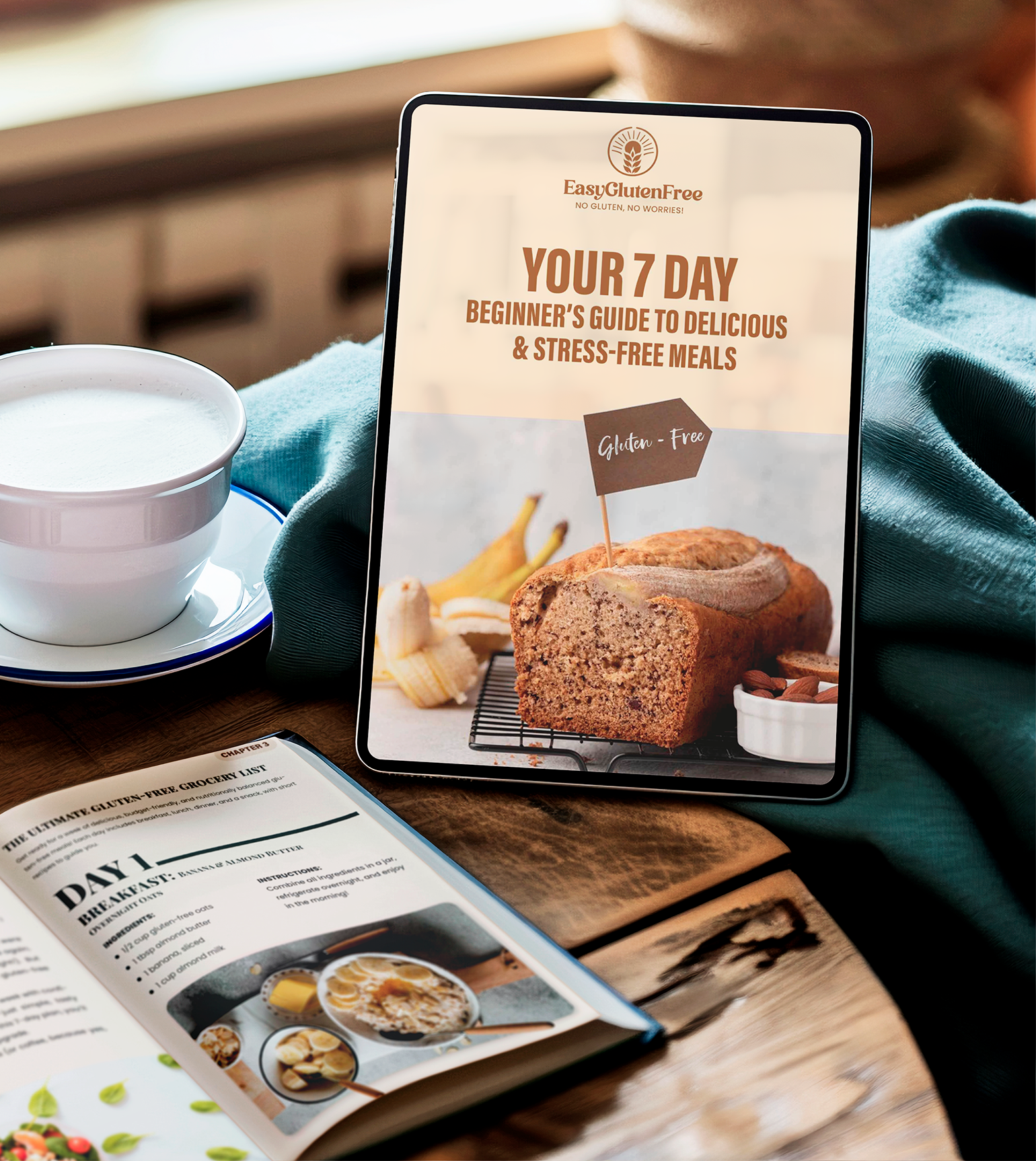
Navigating Social Life Gluten-Free: Tips for Parties and Gatherings

As someone who’s embarked on the gluten-free journey myself, I can testify that it’s more than just a diet. It’s a lifestyle change that affects every aspect of our lives, including social situations. Remember that awkward feeling the first time you attended a potluck post-diagnosis? Or how about that nervous encounter at the baker’s, deciphering confusing food labels and trying to explain to the person behind the counter that you’re not just being fussy, but that gluten could literally make you ill? You bet I’ve been there! Which is why today, we’re going to talk about something I know you’re wondering about: attending and navigating parties and social gatherings while remaining true to your gluten-free lifestyle. It’s a challenge, but let’s make it fun too! First of all, let’s start with the truth. You’re not alone. There are many others out there who are also trying to balance their social life with their dietary requirements. I’ve found that it helps to connect with people who understand what you’re going through. Especially when you’re just starting, support groups can be a lifesaver. Check out our post on [Best Online Gluten-free Support Groups](#) to find a community that suits you. Who knows, you might even make some amazing, lifelong friends. Now, back to that daunting potluck dinner. I know it can be tempting to skip such events because you know they’ll be a gluten minefield. But where’s the fun in that? My advice is to take the bull by its horns. Before you go, call the host and gently explain your situation to them. Trust me; most people are more understanding than you might think. They may not be able to guarantee everything will be gluten-free, but they’ll more than likely be extra cautious with the food they serve. But don’t just rely on them. This is where you have to get proactive. Take along some of your own delicious, gluten-free dishes to share. You’ll be surprised how many guests won’t even realize they’re eating gluten-free – and it gives you an excellent opportunity to raise awareness. By the way, if you’re in need of ideas, here’s my favorite collection of [Quick & Easy Gluten-Free Potluck Recipes](#). What about drinks you ask? Alcoholic beverages can be a tricky area, but there are plenty of gluten-free options to choose from. Ciders, wines, and most spirits are generally safe as the distillation process removes the gluten. In the case of beer, however, you’ll need to look for those explicitly labeled gluten-free. If you’re unsure, it’s best to stick to what you know is safe or opt for a chic non-alcoholic cocktail. Another part of socializing does involve going out to eat. And yes, that can be a minefield too. The first time I went to a restaurant post-diagnosis, I walked out feeling naturally defeated. But, once you’ve honed your dining out skills (which we’ve shared on posts like [Dining Out Gluten-Free: A Practical Guide](#)), it becomes a more enjoyable experience. And remember, part of living gluten-free is learning to advocate for yourself. Don’t be embarrassed to ask questions, whether that’s at a friend’s dinner party or a restaurant. Assert your needs clearly and politely, but firmly. Now, I asked you to imagine those awkward situations at the potluck or at the baker’s shop. But let me share one more image with you. Imagine walking into that same party confident and prepared, armed with delicious gluten-free dishes. Imagine going to the bakery and easily sifting through those confusing labels because now you know exactly what to look for. And imagine explaining your dietary needs with ease and grace, simply and without embarrassment because you know your health matters. That’s the picture I want you to have in your mind. Before we wrap this up, let me leave you with one more tip – consider hosting your own gluten-free party! It’s an excellent way to show your friends and family how delicious gluten-free can be. Whatever you do, remember that living gluten-free doesn’t mean being social-free. It means engaging in your social life on your terms, and that includes keeping yourself healthy. Here’s to great food, great company, and living our gluten-free life with joy! **Category: Lifestyle & Social**
Blog

“Winter Comfort: Cozy Gluten-Free Recipes to Warm Your Soul”

There’s something about the winter season that lends itself to cozy meals at home. But for some of us, planning that perfect comfort food menu can be a bit more challenging. Living a gluten-free lifestyle often involves some creative problem-solving, especially when trying to recreate classic comfort foods that traditionally contain gluten. But don’t fret, my gluten-free friends! One of the perks of facing a challenge is the innovation it sparks. I have been on the search for the perfect winter recipes to warm your homes and your hearts, and I couldn’t be more excited to share them with you. Let’s start off with arguably the go-to comfort food – the humble, yet versatile, soup. Now you might be thinking, isn’t soup already gluten free? Well, yes and no. While it’s true that the base ingredients of soup – vegetables, broth, and meats – are naturally gluten-free, the thickening agents used in some recipes are often derived from wheat. The good news, however, is that with a few easy swaps, soup can easily become a staple in your gluten-free menu. In one of my previous posts, I shared with you some [my favorite gluten-free thickeners](URL) that could easily replace wheat flour in any recipe. A personal favorite? My heart always leans towards a good, hearty bowl of chicken and vegetable soup. It’s a classic that never fails to warm me up on a chilly night. And with the help of some clever gluten-free thickeners, I promise you wouldn’t even notice the difference. Now, let’s move on to the main course. The challenge with gluten-free diets often lies in finding recipes that recreate the textures and flavors we are accustomed to, but without the common gluten culprits. An old-time favorite in my household is the meatloaf. Traditionally, this staple dish uses breadcrumbs, but by using gluten-free oats as a binder instead, you can achieve a similar, if not better, result. If you’re uncertain about how to replace traditional breadcrumbs with gluten-free alternatives, you can revisit my previous blog on [how to make delicious, gluten-free breadcrumbs](URL). To prepare your gluten-free meatloaf, simply mix your minced meat with gluten-free oats, chopped onions, and your preferred seasonings. Bake it in the oven until it’s beautifully golden and cooked through. As a tip, I love adding some maple syrup to the glaze for an extra layer of flavor. Meal planning can sometimes be a struggle in a gluten-free lifestyle, but trust me when I say, this meatloaf is a crowd-pleaser that’ll keep everyone coming back for more. And of course, no comfort food night would be complete without the quintessential side dish – the mashed potatoes. Not only is this creamy side naturally gluten-free, but it also pairs perfectly with most main courses. Instead of using wheat-based additives for flavor, why not experiment with dairy-free butter and almond milk? The result is just as creamy, if not more, and a lot healthier. Finally, we can’t forget about dessert. Now, living a gluten-free life doesn’t mean you can’t enjoy a sweet treat to round off a delightful meal. Pudding is my go-to winter dessert, and you’d be surprised to know how easy it is to make it gluten-free. Opt for a rice or tapioca pudding, using gluten-free rice or tapioca pearls. The pearls provide a beautiful texture contrast, while the milk (dairy or non-dairy, your choice) and sugar come together to create the most comforting sweet treat. All these recipes are proof that with a bit of creativity and smart ingredient substitution, you can enjoy a heartwarming, gluten-free comfort meal without feeling like you’re missing out on anything. Remember, comfort food is not just about the meals, it’s about the warmth they bring when enjoyed together. So, gather around your table, share these meals with your loved ones, and enjoy the cozy, gluten-filled (just kidding – gluten-free!) winter nights ahead. And if you’re looking to explore the world of gluten-free cooking even more, don’t hesitate to browse through the rest of our site. There are lots of gluten-free recipes to be discovered, and an entire community ready to share in your culinary journey. Here’s to food-filled, cozy nights, my friends. **Category: Baking & Cooking Science**

Blog

“Mastering the Art of Gluten-Free Risotto: A Delicious Journey”

The sun was setting, casting an orange glow through the window as I was sitting at my kitchen island, admiring the ingredients spread out before me. There was a fresh block of creamy goat cheese, various mushrooms, and a bunch of vibrant, leafy spinach. The stage was set for a demonstration of gluten-free culinary magic. You see, one of the common misconceptions about embracing a gluten-free lifestyle is the fear that food may lose its savoury splendour, and its theatrics of variety. I remember experiencing this fear myself when I first decided to ditch gluten for my health’s sake. But my friends, let me assure you, it was an unfounded fear. I’ve since discovered that the world of gluten-free food is as vast and diverse as a flourishing, beaming meadow. Tonight, I want to talk to you about something quite special, that every gluten-free beginner can master — perfecting the art of gluten-free risotto. A comforting, wholesome dish, the risotto is a stronghold of Italian cuisine, bursting with flavour and versatility. Now, while the traditional Italian risotto uses Arborio rice, which is gluten-free, the concern for those living gluten-free usually lies elsewhere. Hidden gluten in broths and stocks, add-ons that could be dusted with flour, or simply, the fear of monotony — these are the silent little speed bumps on the path to enjoying a glorious gluten-free risotto. Let me walk you through the process of creating a gluten-free risotto that is wholesome, rich in variety, and dare I say — a piece of culinary art. I want you to open your mind to a universe of flavours and possibilities as we begin this journey. Remember our friend, the humble Buckwheat Pancake, who taught us that removing gluten doesn’t mean axing flavour or diversity — it means reinventing them [link to the Buckwheat Pancake blog post here]. The first port of call in our risotto voyage is the broth. While many premade broths and stocks can harbor gluten, making your own is a straightforward and nutritious affair. It’s a good practice to question the status quo and ask ourselves – “Is this broth, truly gluten-free?” We’ve discussed earlier how to make your kitchen a ‘safe-zone’, and reading labels is a crucial part of that [link to gluten-free kitchen blog post here]. Earlier this week, I made a delicious homemade vegetable broth — a symphony of carrots, onions, celery, garlic, herbs, and spices, simmered together with love and patience. The next step — while the broth is gently simmering on your stove — is to sauté your add-ons in another pan. Today we’re using mushrooms and spinach. Sauteeing them with a little garlic, olive oil, and your herbs of choice will inject an enticing, aromatic base to your risotto. Not to mention the health benefits of these superfoods, rich in antioxidants, vitamins, and minerals. Onto the actual risotto bit. We use Arborio rice, unyielding in its gluten-free promise. The chalky, starchy Arborio rice gives risotto its signature creamy texture. Toast your rice in a pan with little olive oil before introducing them to the broth — one ladle at a time. You’ll see how the rice slowly plumps up, absorbing the rich broth while releasing its starch. Now let’s talk about cheese. Traditional risotto often calls for Parmesan, but goat cheese serves as an equally delightful, creamy replacement. It adds a striking personality, a suggestion of tanginess to your dish without any gluten additions. Remember, the secret to a great risotto is patience. Each ingredient is a chapter in the story of your dish, waiting for its moment to flourish and contribute. By cooking on a low to medium heat, slowly adding ladle after ladle of your beautiful broth to your rice, you allow the risotto to take on the flavours of each chapter, building taste, texture, and character. In the end, you’ll be rewarded with a labour of love, one that encapsulates the essence of Italian cuisine while adhering consistently to the principles of the gluten-free lifestyle. I bet you can almost smell the fragrant aroma of your risotto wafting through your kitchen now, can’t you? By perfecting this gluten-free risotto, and unleashing your creativity with various add-ons and spices, you can create a myriad of dish variations loaded with health benefits and explosive flavours. You can hold dinner parties, family lunches and brunches, and proudly serve this delicious, gluten free risotto. Living gluten-free isn’t about embracing limitation — it’s about delving into a rich, diverse world of flavours that are a feast not just for your palate, but also, for your health. It’s about asking questions, seeking knowledge, and making choices that fulfill your body, your taste buds, and your soul. Homemade risotto nights are now a regular occurrence in my home — a testament to how far I’ve come in my gluten-free journey, enjoying the process, the learning, and of course, the divine flavours. So why don’t you give it a try, too? And remember, always trust the journey. The path to a gluten-free life is not just about altering your diet, it’s about nurturing a new attitude towards food and health. So embrace the adventure, unleash your inner gluten-free chef, and cook up a storm of various, tantalizing risottos. Bon appétit, my friends! **Category: Baking & Cooking Science**

Blog

Embracing Naturally Gluten-Free Foods: A Culinary Exploration

I remember when I first vowed to live the gluten-free life, I was almost paralyzed with fear of missing out on my favorite foods – the classic, crusty sandwich, the wafting aroma of fresh Italian pizza, or just the hearty satisfaction of a simple plate of spaghetti. That first grocery haul of gluten-free items didn’t quite alleviate those fears, either. As I peered into my grocery bags, I pondered over the variety of gluten-free alternatives – bread, pasta, cookies, and (thank God!) even beer. Initially, the range amazed me. But as days turned into weeks and weeks into months, I gradually began to realize that I was far from having found the epitome of gluten-free variety. The iceberg of gluten-free eating was bigger than I thought – I was just scraping the surface! That’s when it struck me – why be so tangled up in merely swapping out the gluten-containing foods in my diet, when I could explore and leverage the naturally gluten-free food world out there? It was a revolutionary moment and it spurred the explorer in me to set off on a culinary adventure. And now, my friends, I want to inspire you to do the same! Don’t get me wrong, gluten-free versions of ‘regular’ foods are amazing and definitely make the transition easier. They have their own space in the gluten-free living handbook (and which, by the way, our go-to guide for transitioning to a gluten-free diet talks more about). But today, we’re going to venture away from that path and dive into the depth of naturally gluten-free living. Let’s talk tofu, my friends. That silky, white block of soy wonder that you may have already encountered in Asian cuisine. Tofu, made purely from coagulated soy milk, offers us gluten avoiders an excellent variety of dietary options – and it’s naturally gluten-free! Tofu is truly versatile and can be adapted to infinite flavors and diverse cuisines. Firm tofu tossed in a stir-fry can play protagonist for protein, while silken tofu can poise as a delectable dessert. Crumbled tofu can be your next scrambled eggs, while blending it with some delicious cocoa and honey can whip up your favorite chocolate mousse. And guess what? Just one block of tofu can boast almost 44 grams of protein and 10.5 grams of fiber! If your previous encounters with tofu were not too exciting, let me share why – it’s all about the cooking technique. Tofu tends to be bland tasting on its own, but it is a sponge for absorbing flavors. Marinating it increases its taste profile exponentially. Try dicing firm tofu and leaving it in a marinade of tamari sauce, crushed garlic, honey, and a hint of sesame oil overnight. The next day, sauté it with your favorite veggies for a gluten-free stir-fry that is bound to impress your taste buds! However, it’s essential to make sure the tamari sauce you choose is gluten-free because not all are. Making smart choices about sauces and condiments is a must-know in the gluten-free world, as I’ve previously discussed in my blog post about understanding gluten hidden in unlikely products. If you’re not a fan of soy or tofu just doesn’t resonate with your palate, fear not. We’ve still got a whole world of naturally gluten-free foods to traverse. How about exploring the realm of legumes – lentils, beans, and chickpeas? From Middle Eastern falafel and hummus to Indian dal and American baked beans – the legume landscape is vast and extremely flavorful. They not only inject proteins and fibers into your meals, but also extend a wide range of vitamins and minerals. Whether you want a warm, comforting soup or a vibrant, refreshing salad – legumes have got you covered! And while we’re at it, let’s not forget about rich, creamy avocados. This superfood carries the ‘good’ fats our bodies need and can be integrated into your diet in a variety of ways. Sprinkle some on your salads, mash them on your gluten-free toasts, or simply scoop out their creaminess with a spoon. And did I mention their potential for desserts? Yes, desserts! For those with a sweet tooth, rest assured. You can blend avocados with some ripe bananas, cocoa powder, and a touch of vanilla extract for a scrumptious chocolate pudding that’s gluten-free and nutritious. And there are countless more sweet delights you can conjure up, as long as you keep in mind our handy guide to gluten-free baking. At the end of the day, your culinary adventure is truly what you make of it. You are the architect of your diet, and choosing to step away from traditional food choices is part of that adventure. In fact, by doing so, you’re not only widening your food horizons but are also choosing a path that is inherently healthier. You cut down on processed foods and pave the way for wholesome, natural ingredients that truly nourish you. Let’s face it – it’s a win-win situation! Sailing on the sea of naturally gluten-free foods may be uncharted territory for some, but trust me, it’s an exciting journey well worth undertaking. So climb aboard, my gluten-free explorers, and let’s discover a world brimming with delicious flavors and nutritious choices that’s just waiting to be delved into. **Category: Educational Guides**

Blog

“Gluten-Free Kitchen Magic: Top 6 Gadgets for Delicious Delights”

Remember those Sunday morning pancakes we all loved as kids? How they would be hot, fluffy, and a pool of maple syrup would make them even more enjoyable. We would lazily sit around the breakfast table, devouring them. Some of us haven’t had that experience in quite some time, ever since the doctor explained that gluten was no longer our friend. But, friends, I’m here to tell you today—the gluten-free life doesn’t mean you have to give up all your beloved breakfast treats. In fact, quite the opposite! Your morning can still involve those covers-up-to-the-chin, pancake-enjoying moments, with a little twist. Getting the right texture, the right taste, and making sure all of it is 100% gluten-free was a journey for me. So, I experimented in my kitchen until I felt confident enough to share my experiences, and the results are astounding. [Here’s the recipe](insert link) for my tried and tested, absolutely delightful gluten-free pancakes. The best part? These pancakes are as good (or dare I say, better!) than the traditional ones. Isn’t it wonderful that being gluten-free doesn’t mean depriving ourselves from the things we genuinely love? It isn’t a journey of restriction but transformation—transformation of the food we eat and how we perceive food and cooking. It’s a bold new adventure that we’re embarking on. And every adventure needs some gear—some essential gizmos and gadgets that can make your gluten-free cooking not just easy, but delightful. Let’s embark on this cook’s sojourn together, filling our kitchen with the top 6 life-changing gluten-free cooking gadgets! First on our list is a good quality food processor. This is the superhero of your gluten-free kitchen. From grinding fresh almond flour to whipping up a silky smooth hummus or a delightful pesto, this wonder-gadget can make your gluten-free cooking much simpler. It will become your best friend, and you’ll ask yourself how you managed without one all this time. Next on the line, we have a dual-sided silicone spatula. Perfect for scraping every last bit of batter out of the bowl, this tool ensures none of your delicious gluten-free concoctions go to waste. Even better, it’s heat resistant, making it perfect for cooking on the stove as well! Once you make this small but significant investment, you’ll wonder why you hadn’t sooner. The third lifesaver is parchment paper or a silicone baking mat. Remember all those times when your prized cookies stuck to the pan, despite greasing it well? Well, these kitchen aids are here to wipe those memories away. Not only do these tools help with easy removal of sweets or savory dishes from the pans, but they also make cleanup a breeze. Great for making those [yummy gluten-free cookies](insert link)! Continuing to our vital fourth tool- trusty measuring cups and spoons. Going gluten-free often involves getting familiar with ingredients that are new to us. Having an accurate representation of quantities is key to achieving the perfect consistency and taste, especially when you are trying a recipe for the first time. Switching gears slightly, I want to introduce to you the humble rice cooker. Trust me, it’s not just for cooking rice. It’s a versatile piece of equipment that can help you prepare several gluten-free dishes—from barley to quinoa to lentils. The best part? It can also make your morning oatmeal while you are still in bed. Just set the timer, and wake up to the aroma of warm, hearty porridge. Last, but certainly not least, let’s talk about our sixth gadget – a quality bread machine with a gluten-free setting. One of the biggest misses for many of us is bread. But fret not, a good bread machine can help you churn out freshly baked, gluten-free bread without all the hassle. Have I got your attention yet? Good. Now remember, these are just a few of my top gadget picks for your gluten-free kitchen. Everyone’s journey is unique, so cater and adapt this, tailored to your cooking style and diet needs. Cooking gluten-free need not be seen as a chore or a daunting task. Instead, it should be seen as an opportunity — an opportunity to rediscover the magic of cooking, an opportunity to take control of your dietary needs, and an opportunity to transform a seemingly limiting condition into a joyful venture. Each spoon stir, every flip of a pancake, and the aroma of freshly baked bread are all reminders of why we do this. Remember when we started this blog post by reminiscing about those lovely Sunday morning pancakes? Well, my gluten-free friends, this is your opportunity to recreate those moments. The circumstances might be a little different, but the warmth and laughter at that breakfast table are on you to provide. So peel yourself off your bed, put on your apron, arm yourself with your culinary shield (or spatula), and start cooking. Because who wouldn’t want to wake up to the sight and smell of fluffy, delicious, soul-enriching gluten-free pancakes! **Category: Product Tips**

Blog

“Gluten-Free Pickling: A Delicious DIY Journey”

Growing up, I remember my grandmother throwing the most incredible parties. She could whip out a lavish spread that would feed an army, but my favorite part, the pièce de résistance, was always her colorful jar of homemade pickles sitting proudly in the middle of the dining table. Crunchy, tangy, and ever so slightly spicy – they were a perfect accompaniment to every dish. If there was ever a party without those pickles, it would feel like a party without balloons. Now, living gluten-free means I am even more obsessed with pickling. Not only do these delightful jarred treats add a pop of color and a burst of flavor to any meal, they also adhere to our requirements of being 100% gluten-free! This brings us to our topic today – a dive into the wonderful world of pickling. And, of course, how to make it gluten-free and fabulous. If you’re a fan of pickles but haven’t ventured into making them yourself yet, or if you just love a good food DIY, this post is for you. Let’s start with the basics: what is pickling? It’s a method of preserving food by fermenting it in brine or vinegar. This process can increase the lifespan of your fruits and vegetables, while also enhancing their flavor. Traditionally, pickling involved simply adding your fruit or veggies to the pickling solution and allowing the natural fermentation process to work its magic. Today, however, with our extensive knowledge of food science, there are numerous methods and variations to pickling you can experiment with. Perhaps the best reason to pickle your own vegetables: it’s gluten-free! While store-bought pickles are usually gluten-free, some brands may add malt vinegar (a no-no for gluten-free eaters) or other gluten-containing additives. So, making your own pickles gives you the control to ensure that every ingredient used is safe for consumption. The first step to making your own pickles is obviously choosing your pickling medium. Vegetables like cucumbers, cauliflower, and radishes are popular choices due to their sturdy texture and relatively neutral flavors. However, don’t feel confined to just these options. From carrots and beets to fruits like peaches and cherries, you can pickle nearly anything you set your heart on. One advantage of pickling your own vegetables is that you can control the flavors and the degree of pickling. Remember that vinegar is a must-have for pickling, but which vinegar you choose can have a big impact. White vinegar, cider vinegar, and red or white wine vinegar are all gluten-free options and can bring various tastes to your pickles. Experiment and find which ones you love the most! Next are the spices and herbs that help enhance the pickling process. These can include mustard seeds, peppercorns, and herbs such as dill. For a spicy kick, try adding a few slices of fresh jalapenos or a touch of crushed red pepper. If you prefer a sweeter profile, think along the lines of cinnamon sticks, cloves, or a bit of sugar. Now, let’s dive into the world of brining. For those who aren’t familiar with pickling, you might be wondering what role brining plays. Essentially, brining is a solution of salt and water, and this salty environment encourages good bacteria to grow on the vegetables, which then turn their natural sugars into lactic acid — a form of fermentation. In one of my earlier posts about essential gluten-free food science facts, I mentioned how important these healthy bacteria are for our gut health. This brings us to a delightful subtopic: fermented pickles! If you’ve heard of probiotics – the valuable bacteria that nourish our gut health – you already have an inkling of where I’m going with this. Fermentation is an easy way to incorporate these probiotics into your diet. A word of caution though, ensure you’re fermenting food under right conditions; you desire fermentation not food spoilage! If you’re looking to win the “hostess with the mostess” title at your next event, why not set up a gluten-free pickle bar? This provides a healthy, interactive, and completely gluten-free addition to your food lineup. If this idea tickles your fancy, check out my previous blog on creating the ultimate gluten-free party spread. The pickle varieties can be endless, catering to the taste buds of each of your guests. My favorite type of pickle? A dense and crunchy pickled cucumber soaked in garlic and dill-infused brine. With its tongue-tickling flavors, it’s the gluten-free star of just about every meal. Remember, making pickles is not a complicated process, and it leaves ample room for creativity. This kitchen experiment could transform you into your very own pickle connoisseur! Refer to this post whenever you need guidance, and don’t forget to have fun with it. After all, creating delicious and healthy gluten-free recipes is a journey best enjoyed, not rushed. Happy pickling, my gluten-free friends! **Category: Baking & Cooking Science**.

Blog

“Embracing the Gluten-Free Social Scene: Tips for Navigating Gatherings with Ease”

As we find ourselves nestled comfortably into the routine of a warm, gluten-free autumn, I’ve been reminiscing about my journey. This cozy time of year brings out all the homely feelings and inevitably stirs up thoughts about the warmth of gatherings, the richness of shared meals, and the tastes associated with comfort at home. Although it has been a few years now since I jumped on the gluten-free bandwagon, one thing that strikes me—even after all this time—is how food and social events are intricately entwined. Remember the days before you went gluten-free? You could tuck into a soft, chewy bagel at a brunch gathering or mozy down to your local pub for a pizza and beer night. Now, we have to navigate the choppy waters of gluten-laden socializing, and it can certainly feel tricky. However, over time, I’ve realized that this new lifestyle doesn’t mean forsaking social events with food or compromising on the delights that our taste buds deserve. There’s a gamut of delectable gluten-free options we can embrace when we attend or host social gatherings. It’s all about learning a few basics and planning ahead, and lucky for us, we have an entire community and blog dedicated to teaching these tactics! One of my favorite articles that helped me address this issue was “[Easy Gluten Free Party Platter Ideas](hyperlink)”. This eye-opener gave me a whole new perspective on how a gluten-free lifestyle didn’t necessarily have to shackle my social life. With a little ingenuity, we can all create such inviting spreads that our guests won’t even realize the absence of gluten. Trust me when I say your cheeseboard can still be the star of the show! Apart from stunning platters, another trick I’ve often used at gatherings is to include some gluten-free versions of popular party treats. For instance, substituting the ubiquitous bread basket or bowl of pretzels with a gluten-free alternative, or swapping the cookie plate for a tray of [gluten-free dark chocolate brownies](hyperlink). It’s about being innovative yet making sure everyone’s food preferences are recognized. An important aspect to consider when socializing as a gluten-free individual is communication. It can be disheartening when we’re excited about an event only to find out that there are no gluten-free options available. To avoid such situations, be upfront. Talk to your host about your dietary needs. They might not be familiar with what being gluten-free entails and how to cater to it. Alternatively, as a guest, you could offer to bring a dish or two- not only does this take some of the stress off your host, but you also have control over at least one dish that you can safely enjoy. When the tables are turned, and you find yourself playing the host, try to cater to a variety of dietary requirements, not just your own. While it’s fantastic to show off the multitude of gluten-free options available, remember to cater to your guests’ preferences too. This balance not only promotes inclusivity but can help debunk the myth that gluten-free food is bland or uninteresting. Planning is absolutely paramount. When attending events, I often carry a small emergency snack pack that includes gluten-free goodies. So if you land up at a place where the options are limited, you won’t be left hungry. Navigating the social glutenous world may initially feel like traversing a minefield but it does get better. Like any significant change in life, it takes time to adjust, learn, and manage the situation effectively. As you continue to venture out, armed with knowledge and preparation, you’ll find that you can dine, celebrate, and socialize just as you did back in your pre-gluten-free days. It’s all about focusing on what you can have, rather than feeling deprived of what you cannot. When we choose to treat our gluten-free lifestyle not as a limitation but, instead, as an opportunity to explore new alternatives and create innovative solutions, the experience becomes much more pleasant and satisfying. With planning and creativity, you can say yes to every invite that comes your way, without having to compromise on your dietary needs. So, pull out your calendar and start pencilling in the dates. You deserve to be social, to be included, and to enjoy delicious food while living your gluten-free life to its fullest! Category: Lifestyle & Social

Blog

Gluten-Free Pantry Organization: A Guide to Stress-Free Cooking

Ever amount to an obstacle. Today, I want to share tips and tricks on how to organize your gluten-free pantry to make your life easier. The beauty of a well-organized pantry is that it saves you time and reduces the stress of meal planning. Imagine opening your pantry door and knowing exactly where every bottle of gluten-free soy sauce, every bag of almond flour, and every box of your favorite quinoa pasta is located. Sounds like a dream, right? Well, with a little time and effort, you can turn that dream into reality. Think about your pantry as prime real estate in your kitchen. The goal is to make the most out of every square inch while ensuring that all of your belongings are easily accessible and visible. It’s not just about organization; it’s about intuitively knowing where everything is located, so you spend less time searching and more time cooking. Who doesn’t want that, right? So here’s your step by step guide to a functional, organized, gluten-free pantry. **Step 1: De-clutter** Before you start organizing, the first step is to pull everything out. Yes, literally everything. Start afresh. This gives you the opportunity to de-clutter your space and get rid of anything that you don’t need, like that odd box of gluten-loaded crackers that someone left at your place during your last get-together. It’s also a great opportunity to weed out any expired products. Despite our best intentions, we all end up with a few expired items that somehow find their way to the back of our pantries. **Step 2: Categorize** Next, you want to categorize your gluten-free goodies. Group similar products together based on your cooking and meal routine . For example, you might want to place all your gluten-free pasta, rice, and quinoa together in one section; your flour, bread crumbs, and xanthan gum together in the baking area; all your sauces, condiments, and spices in one area; and so on. Prioritize your most frequently used items and have them in the most accessible spots. **Step 3: Containerize** Now that you have organized your items into categories, consider getting some clear containers or bins. These are not only great for aesthetically pleasing organization (think Pinterest perfect pantry), but they’re also practical, as they allow you to see exactly what you have and how much. This can save you from buying more of something you already have and running out of something that needs to be re-stocked. Avoid plastic where you can and opt for more sustainable options like glass jars or metal bins. For your bulk items, such as gluten-free flours or grains, look for large jars with tight sealing lids. For smaller items, like spices, choose smaller containers with screw-on lids. Consider getting stackable containers to maximize your space. Remember, always label your bins and jars, especially when it comes to flours like almond, coconut, or tapioca. Trust me, they can all start to look the same after a while. **Step 4: Make it Beautiful** Lastly, but certainly not least, make it beautiful – Possibly my favorite part of the process. Think about your space as a blank canvas. Fill it with colors, labels, aesthetically pleasing jars and boxes that bring you joy every time you open your pantry door. After all, a beautiful and organized pantry is way more pleasant to use, and let’s be honest, makes cooking a lot more fun too. One of the most enjoyable aspects of the gluten-free lifestyle is getting creative in the kitchen. Whether that’s trying out new recipes, experimenting with different gluten-free flours like in this “Exploring Gluten-Free Flours” post or substituting gluten ingredients like in “Mastering The Art of Gluten-Free Substitutions”, it’s all a part of the journey. And having a well-organized pantry is key to that. So, roll up your sleeves, put on your favorite playlist, and let’s get to organizing. Need more tips or advice on navigating your gluten-free life? Feel free to reach out in the comments. Your gluten-free lifestyle should feel less like a challenge and more like an adventure. **Category: Lifestyle & Social**

Blog

“Navigating the Gluten-Free Universe with Ease”

Oh, hello there! Let’s settle in with a hot cup of gluten-free cocoa (hold the marshmallows, sorry!). If you’re someone who needs or wants to eat gluten-free, say for celiac disease, non-celiac gluten sensitivity, or any other health reasons, navigating dining out can sometimes feel like an obstacle course, rather than a relaxing meal. At “Easy Gluten Free”, we understand that it can be a daily obstacle to find a restaurant where you feel safe and confident choosing from the menu. Quick, someone fetch me my hero cape; we’ve got a gluten-free universe to navigate together! Contrary to popular belief, gluten does not only lurk in our devious wheat-based pizza crusts and double fudge brownies (oh, the heartache). Gluten, a complex protein, likes to make cameos in places like salad dressings, sauces, and even soy sauce. Sneaky, right? But fear not, as we’ve previously discussed in our blog post, [“Unmasking the Hidden Sources of Gluten”](http://blog.easyglutenfree.com/unmasking-hidden-sources-gluten), we have plenty of strategies and tips to help you flourish in these situations, whether you’re on a date, business lunch, or a family dinner. The first step towards an easier gluten-free dining experience is to be proactive; a diligent gluten-free ninja! Take to your devices and do some thorough research ahead of time. I like to think of this as my personal ‘Dinner Detective’ mission. Make use of restaurant review sites or download apps dedicated to discovering gluten-free restaurants. Thankfully, as we’ve seen in our [“Trending Gluten Free Apps post”](http://blog.easyglutenfree.com/trending-gluten-free-apps) some pretty nifty technological innovations have made this process less intimidating. When choosing restaurants, it’s important to understand that not every restaurant will be able to accommodate every dietary need. That said, some types of cuisines tend to be more gluten-free friendly than others. Thai, Indian, and Mexican food often have a multitude of naturally gluten-free options due to their frequent use of rice bases and corn products. Yet, let’s not be overly carefree with our sombreros on since cross-contamination is still quite a conundrum. Speaking of which, cross-contamination is the silent ninja warrior that can sneak into your otherwise gluten-free dish. Does the restaurant use the same pot of boiling water for gluten and gluten-free pasta? Do they toast their gluten-free bread on the same toaster used for wheat bread? If yes, then these seemingly innocent practices could lead to uncomfortable or dangerous reactions for a gluten-sensitive person. Be proactive, ask questions, and remember, your health is more important than any worry about being demanding. Now, while it’s important to be your own advocate, it’s equally important to be a polite and considerate diner. The old adage that you catch more flies with honey than vinegar rings especially true here. When discussing your dietary needs with waitstaff or chefs, express your gratitude for their willingness to accommodate you. A little kindness goes a long way, plus, it’s simply a nice thing to do! And last but not least, always have a backup plan! I call it my emergency gluten-free snack stash (whew, try saying that five times fast). In case your preferred dish is not available, or you discover mid-meal that a restaurant can’t confidently meet your needs, having a gluten-free snack can tide you over. Trust me; a slightly-hangry Claire who forgot her snack stash is not someone you want to meet. With these tips in your back pocket and a little pre-planning, your adventurous self can reclaim the joy of dining out without the lingering worry of gluten. Remember, every individual’s experience with gluten sensitivity is unique, and while we like to add fun and lightness to our discussions, we never minimize the very real and important dietary needs of our readers. Let’s unite, fellow gluten-free gourmands, and venture into the world with grace, safety, and an appetite for life, and, naturally, great food! **Category: Lifestyle & Social**
Blog

“Embracing Gluten-Free Living: How It Enriches Relationships”

Remember when we tossed around the idea that gluten-free living is a lot more than just choosing the right foods? Well, today we’re taking a deeper dive into the idea. So, huddle up. We’re exploring how living gluten-free affects and enriches our relationships. Picture this: a heartwarming scene from your favorite movie where old friends gather around a cozy fire, laughter filling the room, glasses clinking to the melody of unforgettable stories, and a shared meal binding everyone together. Food, as we all know, isn’t just necessary sustenance—it’s a social glue, a centerpiece of gatherings large and small, and a meaningful way we connect with those around us. Once you’ve embarked on a gluten-free journey, these wonderful social scenes can seem fraught with peril, closet monsters of gluten lurking in every pot and on every plate. But fear not, because I’m here to reassure you: being gluten-free doesn’t mean missing out on delicious delights or precious shared moments. Far from it. It just means getting a little creative, and letting your gluten-free flag fly with pride. The best part? It affords you the chance to become an ambassador of sorts, a gluten-free fibril in the grand societal tapestry, educating your loved ones on what it means to live this lifestyle and potentially helping others on their quest to a healthier, gluten-free life. Here are thoughtful ways your gluten-free challenge can heighten your relationships and enrich your life: First, let’s tackle dining out. It’s a time-honored tradition of love and friendship, an adventure seasoned with the taste of new culinary treats and the sound of soulful laughter. However, being out and about at restaurants might initially seem isolated, itching with the anxiety of cross-contamination or the dread of coming across as a finicky eater. I’ve discussed tips on dining out gluten-free in the past, [how to safely dine out on a gluten-free diet](hyperlink), so we won’t rehash the whole etiquette here. But, just remember one thing – being gluten-free doesn’t make you ‘difficult.’ It’s just a new tune the dance of your life is swaying to. Be ready to educate kindly and jokes light-heartedly with a touch of self-deprecative humor. Speaking of education, it’s time to invite them into your kitchen, and perhaps even ask them to join you in rolling up their sleeves. When the topic of food gets brought up, and trust me, it’s as inevitable as sunset, use it to your advantage. Share your experiences, your newfound favorites, and how it’s transforming your health and lifestyle. This is not merely about telling them what you can’t eat, but guiding them to your vibrant culinary world with open door policy. Remember the [gluten-free pantry staples guide](hyperlink) I shared with you before? It’s time to show and tell. Your friends may be pleasantly surprised to see how many delicious, healthy alternatives there are to common gluten-filled foods. Moreover, their knowledge would make you feel more at home if any of them are to host you. One of the silver linings of embarking on this journey is the sense of discovery and creativity you unravel along the way. Don’t hesitate to share that joy with your friends and family. Get them involved. Plan a gluten-free baking session one Sunday, let them sink their fingers into the joy of making [soft gluten-free chocolate chip cookies](hyperlink). When they taste and experience all the flavorsome, light, and healthy options the gluten-free world offers, I promise, they’d be relieved and might even join you on the journey. On the other spectrum of cooking is hosting meals. Oh, the pure joy of having your loved ones around your dinner table buzzing with laughter, conversations, and memories in making! Thanks to the variety of enthralling gluten-free dishes, you don’t have to hold back on planning that dinner party or the grand Thanksgiving feast you’ve always wished to host. Breathe easy and remember your mission to demonstrate that gluten-free doesn’t equate to flavor-free or creativity-free. So, unleash the power of gluten-free substitutes and stun them with a memorable spread. And of course, a can-do attitude can do wonders and help you turn the meal into a gluten-free hit. Living gluten-free doesn’t mean you’ve drawn a line in the social sand. To the contrary, it offers an opportunity to connect intimately through shared experiences, discoveries, and cuisines. It can foster a deeper sense of camaraderie and heighten the thrill of social gatherings. So, pull up your socks, embrace your inner gluten-free goddess, and prepare to enjoy the delightful dance of relationship enhancement with gluten-free living! **Category: Lifestyle & Social**
Scroll to Top
Free 7-Day Beginner’s Guide

We See You Googling
‘Easy Gluten-Free Dinner’ Again

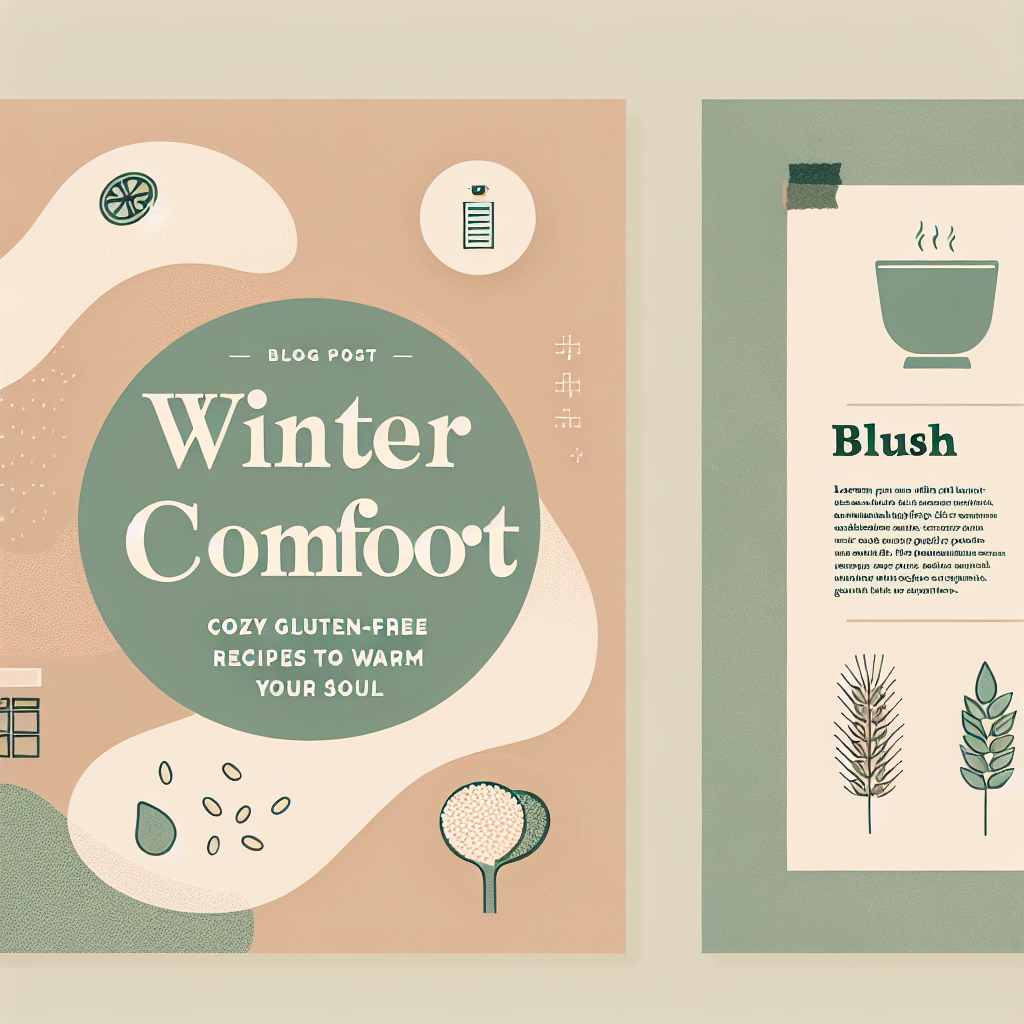
Save your search history some stress. Grab our FREE 7-Day Beginner’s Guide and finally have a plan you can actually cook.

Free 7-day gluten-free beginner's guide