Blog

Your blog category

Blog

Navigating the World of Gluten-Free Grains: A Beginner’s Guide

Grains, glorious grains! From the earliest days of human civilization, grains have been part of our diet. However, for people with gluten intolerance, grains can be tricky to navigate. But don’t worry, here at Easy Gluten Free, we’re going to sing a different tune. I call this the high note of the gluten-free ‘opera’. Today, we’re going to explore a beautiful wide world of gluten-free grains. Buckle up, because you’re about to embark on an astonishing journey through the uncharted territories of millet, quinoa, and teff. These are the unsung heroes of the gluten-free world that will keep your taste buds dancing and your body nourished without that dreaded gluten—be it you have celiac disease, gluten sensitivity, or simply are on a lifelong pursuit of healthier living. Kicking off our journey, let’s begin with a toast to the quirkiest of all the grains: Quinoa. Yes, we have an entire piece dedicated to the magic of quinoa [hyperlink 1: Gluten-free Grains: An Ode to Quinoa], but its versatility and nutritional value makes it worth mentioning again. This ancient grain, touted as a superfood, is a complete protein that adds a wonderful crunch to your salads and a comforting warmth to stews. Worried about balancing your blood sugars? No need! Quinoa has a low glycemic index that ensures a slow release of energy, essential for maintaining blood sugar levels. Next, we meander down the less-trodden path leading us to ‘Millet’. Perhaps when you hear millet, you conjure images of cute little finches pecking away at a hanging bird feeder sprinkled with these tiny yellow pearls. And you wouldn’t be wrong; millet indeed is a popular bird seed. But my friend, it’s far more than that. Millet is protein-rich, full of antioxidants, and packed with dietary fiber. Best of all, a spoonful of millet can turn any gluten-free porridge magic. You can find some millet inspired recipe ideas in [hyperlink 2: Delicious & Easy Gluten-Free Recipes that Everyone Will Love]. Be creative and add it to your daily life. Now, let’s talk about Teff. This teeny-tiny grain hailing from Ethiopia is a powerhouse of nutrition. Loaded with an impressive range of essential minerals like iron, calcium, and manganese, it’s also high in protein. Plus, its sweet, nutty flavor wins over even the most skeptical taste buds. Start your day with a comforting bowl of teff porridge sweetened with honey, or top it off on your salads for an added crunch. No matter how you choose to incorporate teff into your diet, I promise you won’t regret it. Okay, let me catch my breath here. We’ve covered a lot, but don’t go sprinting off just yet. Remember, introducing new grains into your diet should be as smooth and natural as humming your favorite song. Keep it fun and pace yourself. Make it a mission to try a new gluten-free grain every month. Pay attention to how your body responds to each grain before moving to the next. And keep in mind, while these grains are naturally gluten-free, cross-contamination can occur during processing. Be sure to look out for the ‘certified gluten-free’ label on your product. And if cooking feels daunting, I encourage you to be experimental. Remember the first time you baked gluten-free bread? You had to unlearn and relearn, accept a certain loaf’s unexpected crunch, and train your palate to enjoy a different, but delightful, kind of pleasure. Cooking with these new gluten-free grains will require the same openness from you. Lastly, I’d like to acknowledge that despite being on a gluten-free journey, we still have our unique tastes and preferences. So, let’s make room for joy in our culinary experiments. Find your signature grain, the one that feels like home every time you have it. Whether it’s the rich density of quinoa, the delicate tenderness of millet, or the sweet earthiness of teff, make sure your chosen grain brings you warmth, comfort, and a big, joyful grin on your face. In my next post, I’ll share a few exciting recipes to inspire your gluten-free tour. Until then, may the grain be with you! **Category: Educational Guides**
Blog

Reinventing Sunday Dinners: Gluten-Free Style

The first thing I want to let you know is that you’re not alone. Living a gluten-free lifestyle can feel isolating, overwhelming, and sometimes, downright frustrating; especially during holidays or times of celebration when it seems like every delicious dish is out of bounds. It may feel like you’re wandering through a dessert with no oasis in sight, but don’t worry – I’m your friendly gluten-free guide, and we’re in this together. Right, let’s flatten the learning curve and open up a whole new world of gluten-free friendly feasts! One of the most challenging aspects of living gluten-free can be the struggle of missing out on traditional dishes, particularly when dining out. So today, let’s talk about a little culinary adventure you can embark on from the comfort of your kitchen. We’re redoing Sunday dinners – gluten-free style! What we’re doing here really is a two-step process. We need to identify what elements of a traditional Sunday roast are not gluten-free and ensure we replace them with delicious alternatives that won’t make us feel like we’re missing out. Let’s start with the centerpiece of any good Sunday roast – the meat. Most meats are naturally gluten-free, but things can get tricky when you start adding in those delicious rubs, glazes, and sauces. Worcestershire sauce, a common ingredient in many meat marinades, often contains malt vinegar which is a definite no-no for those leading a gluten-free lifestyle. To avoid this, why not try whipping up your gluten-free marinade? This ‘Foolproof Gluten-Free BBQ Sauce’ does the trick every time, and I bet you’ll keep coming back to it! For the vegetarians among us, a plant-based alternative can be a quinoa or mushroom-stuffed bell pepper. Quinoa, a fantastic gluten-free source of protein is not only nutritious but also downright delicious – especially when jazzed up with some herbs and spices. Try this ‘Herbed Quinoa Stuffing Recipe’ and marvel at the flavors that explode on your plate! Next, we come to the all-important question: To bread or not to bread? What’s a Sunday dinner without warm, comforting bread rolls? Luckily, gluten-free doesn’t mean bid goodbye to freshly baked bread! You can easily substitute regular flour with a gluten-free blend. I’m a big fan of this ‘Ultimate Gluten-Free Bread Recipe’, which uses both tapioca and brown rice flour to really get that beautiful, fluffy texture, we all dream about! Of course, no Sunday feast is complete without a delicious dessert. ‘Can I eat that scrumptious-looking piece of pie?’ is a question that strikes terror into all gluten-free hearts. The answer is an emphatic YES! You just need to know the right recipes. Let’s replace the flour in a traditional pie crust with gluten-free oat flour for an equally delectable treat. Top it off with fresh fruits or a homemade gluten-free custard, and you’ll have your guests requesting seconds, and thirds! Finally, let’s talk about drinks. Did you know that some alcoholic beverages may not be gluten-free? Beer, for instance, unless explicitly labelled as gluten-free, is brewed from barley, and is a big no-no for us gluten-free folks. If you have been missing your Sunday ales, choosing a gluten-free beer or perhaps a glass of wine or cider can be a tasty compromise. Gluten-free doesn’t mean flavorless, or fun-less! Replicating, and sometimes even surpassing your favorite meals is absolutely doable, armed with the right recipes, ingredients, and a sprinkle of creativity. Take this as a fun culinary challenge to recreate a delicious, gluten-free Sunday dinner that you and your loved ones can enjoy. Remember, with every gluten-free feast you prepare, you’re showcasing to the world that this journey is not about restriction; it’s about revolutionizing the way we cook, eat, and live, ensuring we are nourished, satisfied, and unconditionally joyous, even with a gluten-free lifestyle. So go on, take these tips and become the superstar chef of your gluten-free kitchen. Now that you are equipped with the right knowledge, all you need is a little practice (and a lot of tasting!), and you’ll be well on your way to cooking up a storm. Remember, my gluten-free friends, we are not sacrificing taste on this journey. We are simply discovering a new way to deliciousness, one meal at a time. **Category: Baking & Cooking Science**

Blog

Exploring Gluten-Free Breakfast Delights from Around the World

Welcome back, my dear gluten-free friends! Today, I want to talk to you about something often overlooked when it comes to maintaining a gluten-free lifestyle- the humble breakfast. It’s an exciting topic for me, thanks to my deep-set love for everything “breakfasty”. Not just in the sense of what we consume, but also how we do it. Don’t you agree that there’s something magical about starting your day with a meal that fuels your body for the adventures that lay ahead, particularly when it tailors to your gluten-free needs? Unfortunately, though, many people who live gluten-free struggle with breakfast options, particularly when we’re constantly on the go. Traditional breakfasts like toast and cereal are typically packed full of gluten, and gluten-free alternatives can sometimes feel uninspiring. Hey, we’ve all been there, right? One too many smoothies or fruit bowls can leave anyone pining for variety. With this in mind, here’s the ultimate trick: Look beyond the traditional breakfast. The beauty of the gluten-free lifestyle is that it paves the way for endless creativity. Today, let’s dig into the world of international breakfast foods and discover their gluten-free possibilities together. First off, we jet to my absolute favorite – Japan. Many traditional Japanese breakfast foods are surprisingly gluten-free. The staples, like rice and fish, form a perfectly satisfying meal. But it’s the condiment that steals the show – Tamari. It’s a gluten-free alternative to soy sauce, and let me tell you, its rich flavor enhances any dish you whip up. I’ve talked extensively about using Tamari in my previous post, [Why Tamari is a Gluten-Free Game Changer](hyperlink). Now that’s a culinary holiday at home I’m signing up for. Next, we fly over to France, where you might imagine encountering gluten at every corner. Not so fast! There’s a delightful little item that regularly graces French cafe menus called le galette. Originating from the Brittany region, this savory pancake is made from buckwheat flour, which happens to be gluten-free. Top it off with scrambled eggs, thinly sliced ham, and a sprinkle of cheese for a moreish matin. Heading over to Mexico next. Many of their traditional breakfasts, like Huevos Rancheros, are naturally gluten-free, featuring eggs, avocados, salsa, and, of course, corn tortillas. I have to make a confession here – I cannot get enough of corn tortillas! They are versatile, quick, and easy breakfast savers for any gluten-sensitive person. I’ve shared my personal favorite tortillas in [The Best Gluten Free Products in Your Local Grocery Store](hyperlink). Now that we’ve sampled some international breakfast ideas, why not take them and add your personal twist? Turn the Japanese breakfast into a fusion dish by pairing it with your favorite local fresh veggies or transform your Mexican Huevos Rancheros into an irresistible breakfast burrito. After all, the joy of food comes not just from consuming it but creating it too! By incorporating a sprinkling of international inspiration into your breakfast routine, I promise you’ll never feel monotonous or limited by gluten-free options. And remember, you’re not just casually dabbling in cooking here. Each time you choose to step out of the ‘standard breakfast box’, you’re respecting your body, its needs, and the promise you’ve made to live gluten-free. Now, obviously, experimenting in the kitchen in the early morning might not be everyone’s cup of tea (pun intended). If your time-bounded schedule is eyeing me suspiciously from the corner, don’t worry, I’ve got you covered too. Meal planning and prepping ahead are your best pals here. You could prepare the galette batter the night before, whip up a large batch of corn tortillas over the weekend, or marinate your fish ahead of time. There are always options to make your gluten-free breakfast journey easier and more enjoyable. Trying new recipes and repurposing them to fit your dietary needs makes for a truly rewarding experience. It’s like being a culinary traveler, exploring the tastes and traditions of various cultures, right from your kitchen! Don’t get discouraged if the first attempt doesn’t turn out exactly as you imaged (remember my initial buckwheat pancake flop?). Practice, after all, makes perfect. The point is to have fun and give your breakfast routine a fresh, delectable revamp that caters to your gluten-free lifestyle, all while fitting into your busy schedule without causing extra stress. To wrap this tasty post up, I’d like to remind you that knowing your gluten-free status doesn’t have to feel restrictive. It’s rather an opportunity to go out (or should I say, stay in) and explore the world of limitless, delicious, and fun dining possibilities. What matters most is finding sustainable practices and food choices that suit you and your lifestyle, making your gluten-free journey a joyful and savoury ride. I cannot wait to hear about your exotic gluten-free breakfast exploits. Bon appétit! **Category: Health & Wellness**

Blog

“Easy Gluten-Free: Panic-Proof Potluck Solutions”

Sometimes, living the gluten-free life can be tricky. Consider this: You just got a last-minute invite to a game-night potluck at a neighbor’s house, and you’re frantic. The clock is ticking, your mind is racing, and you’ve got to throw together a quick gluten-free dish that’s delicious, crowd-pleasing, and—most importantly—100% safe for you to eat too. Sweat beading on your brow, you consider the scant contents of your fridge and pantry. Apples? Broccoli? Half a bag of gluten-free pasta? What can you concoct with these seemingly random ingredients? Deep breaths, my friends. There’s no need for panic or for a crisis-induced unhealthy stop at a grocery store. This is Claire Bennet by your side, your trusty guide at Easy Gluten-Free. I’m here to reassure you that gluten-free living, even in surprise situations, doesn’t have to mean stress. You can pull together a fantastic meal, at short notice, from ingredients you have on hand. And, surprisingly, your little recipe might become the talk of the party! One of my favorite go-to’s is my lifesaver gluten-free pasta salad, often referred to by my friends as “Claire’s everything but the kitchen sink salad” – which simply translates to ‘use whatever you’ve got on hand’! Let’s start with a base of gluten-free pasta. Stick to your regular choice, whether that’s a blend, corn, or rice pasta. Cook it al dente so it holds its shape well in the salad. If you’re new to cooking gluten-free pasta or just looking for ways to perfect your technique, head over here to [7 Tips to Perfect Gluten-free Pasta](https://easyglutenfree.blog/7-tips-to-perfect-gluten-free-pasta) for a quick revamp. While the pasta is boiling away, let’s turn our attention to veggies. My personal favorite add-ins are chopped bell peppers for their sweet crunch, cherry tomatoes (halved, of course) for their vibrant burst of flavor, and black olives for their briny depth. But remember, this is your salad and you can toss in whatever you’ve got – carrots, cucumbers, cooked broccoli, or even some zucchini. Let’s get to the fun part – proteins! Leftover chicken, tuna, or hard-boiled eggs? They’re all fair game. If you’re vegetarian or vegan, garbanzo beans or firm tofu are a fantastic swap. Even a humble can of kidney beans stashed at the back of your pantry can bring a lot of nutritional heft and satiety to your dish. Playing around with flavors is also a liberating exercise. Would you like a tangy Mediterranean flavor? Add in some feta cheese, mozzarella balls, or even grated Parmesan. Don’t shy away from sprinkling some dried herbs – oregano, basil, or chili flakes, going by the flavors you enjoy. Now to marry these wonderful flavors together, your salad will need a dressing. I often whip up a quick vinaigrette. All you need is olive oil, apple cider vinegar (or lemon juice), salt, pepper, and (if you like) a bit of honey or mustard for that extra flavor dimension. This homemade dressing ties all the magic together without the hazard of hidden gluten that store-bought dressings sometimes carry. If you’re not sure about which condiments are safe, check our earlier post on [Gluten-Free Pantry Essentials](https://easyglutenfree.blog/gluten-free-pantry-essentials) to steer clear of unintended gluten culprits! Once your pasta is cooked and cooled, it’s simply a matter of tossing everything together. Remember to underdress, you can always add more, but it’s hard to take back. Mix it up, take a bite, and voila! You’ve made a quick, delicious, and nutritionally balanced gluten-free dish. However, the real beauty of this “everything but the kitchen sink” approach isn’t just in how easy it is to toss together a meal—it’s in how easily it adapts to any dietary preferences. Vegetarian? Skip the meat. Dairy-free? Hold the cheese. Each serving is customizable and suitable for all kinds of eaters, making this fun dish a true crowd-pleaser. Don’t worry, our gluten-free adventure doesn’t stop at pasta salad. This fun, mix-and-match strategy can be tweaked for a gluten-free fried rice, quinoa salad, or even a pot of soup—it’s all about understanding the framework and then using what you have on hand to fill it in. Practice this, and you’ll find that the gluten-free potluck panic becomes a thing of your past. Isn’t it incredible? With just a little creativity, you’ve taken a potential crisis and turned it into an opportunity to whip up a last-minute, crowd-pleasing, gluten-free meal that shines. So the next time you’re staring at the contents of your pantry feeling a little lost, just remember: The only limit to what you can create is your own imagination. Here’s to stress-free, spontaneous eating, the gluten-free way! **Category: Budget & Meal Planning**

Blog

Gluten-Free Adventures: Navigating Travel with Dietary Needs

In the grand adventure that is gluten-free living, there’s so much to discover! From mouthwatering recipes to innovative techniques, from deciphering food labels to socializing without the stress, there’s always something exciting on the horizon. Today, however, we’re going to move beyond the kitchen (where we do have an exhilarating array of articles on gluten-free baking, such as our delicious article on [How to Create the Perfect Gluten-Free Cookies](#) and the recent post on [Must-Try Gluten-Free Bread Recipes](#)). We’re stepping out of our culinary comfort zone to explore a topic that often doesn’t get enough attention, but is just as important — travelling gluten-free. Traveling, especially for food-specific people like us, can be scary and overwhelming. There’s the unknown territory, the uncertainty about available food choices, language barriers potentially causing confusion about hidden gluten *shudders*, and the fear of getting “glutened” far away from home. But fear not, my dear gluten-free adventurers, for where there’s a will, there’s a way. Firstly, just like we did when we first began our gluten-free journey (you can refresh your memory with our guide to [Getting Started with Gluten-Free Living](#)), we need to start with some groundwork. This involves a little planning and research. Before you head off to your destination, take some time to look into popular local dishes and their basic ingredients. This will help you gain an idea of what you might need to avoid, substitute, or if you’ve hit the gluten-free jackpot! Next, don’t just research the dishes — dig into the restaurants and shops too. Look for places that offer gluten-free options and check out reviews by other coeliac travellers. The magic of the internet brings kindred spirits together, so leverage it to arm yourself with knowledge. Arming oneself doesn’t just stop at internet-based knowledge, though. Oh no, my gluten-free friends, we’re taking actual physical reinforcements! When packing, bring along plenty of gluten-free snacks, packaged meals, and your favorite products you might not be sure to find at your destination. Do remember to check food import policies if you’re traveling internationally! And while it’s obviously not as enjoyable as eating out in a new city or trying local delicacies, remember that having a backup plan always puts the mind at ease. With a stash of your favorite foods handy, you’ll know you won’t go hungry if a restaurant’s gluten-free option is just a lonely salad. Packing a small immersion heater and collapsible cookware also empowers you to cook simple gluten-free meals in a pinch. Speaking of restaurants, communication is key. It’s imperative to effectively communicate your dietary needs to your servers or cooks. Yes, it might feel like you’re joining the ranks of ‘fussy eaters,’ but it’s essential for your health. There are handy translation cards available in many languages which explain the concept of coeliac disease and the need for a gluten-free diet, so if you’re traveling abroad where English isn’t widely spoken, these cards can be a lifesaver. When we think of travel, what clicks first to mind is exploration, sightseeing, adventure, and FOOD. The world is full of vibrant, diverse culinary treasures waiting to be discovered. And yes, even being part of the gluten-free brigade, we can fully be a part of this delightful experience. If you’re visiting countries renowned for their gluten-free choices (like Italy, where coeliac disease was discovered and now hosts many coeliac-friendly opportunities), you’re in luck. But even if you’re travelling to places where gluten-free is not as common, don’t despair! Think of it as an opportunity to experiment with naturally gluten-free local foods. This not only gives you a unique way to immerse yourself in the local culture but also adds variety to your gluten-free diet. Let’s take Mexico, for example. Traditional Mexican cuisine uses corn in place of wheat, which is great news for gluten avoiders! So next time you’re travelling there, savor authentic corn tortillas, chiles en nogada, pozole – the choices are endless. In the end, remember that this is not just about surviving your holiday. It’s about embracing the experience, food and all, and navigating it in your own way. After all, gluten-free isn’t a constraint, it’s our unique lifestyle! And as you conquer each challenge, you will realize that you’re becoming more inventive and adaptable. As we wrap up our virtual tour to a world of gluten-free travel, let’s remember that each setback is an opportunity. So, pack your bags, make your checklists, arm yourselves with a smile, and embark on your journey. Whether it’s across the state or across the world, our gluten intolerance should never hold us back from experiencing the joy, excitement, and exotic tastes of travelling. The gluten-free world is your oyster! Before signing off, a reminder: travelling the globe as a proud gluten-free individual is just as much an adventure as any other journey. It comes with its fair share of challenges and triumphs, unique customs and cuisines to explore, and new stories to share upon your return. So go ahead, globetrotter, take that leap — gluten-free style! **Category: Lifestyle & Social**

Blog

Gluten-Free Pasta Delights: A Guide to Noodles and More

Sometimes, life is all about the simple pleasures. The sound of rain on a tin roof. The smell of freshly cut grass. A warm bowl of gluten-free pasta, rich with tomato sauce and dusted with parmesan. For many leading a gluten-free lifestyle, pasta was perhaps one of the toughest goodbyes. Those perfectly stranded noodles used to play the supporting role in many a comfort dish. But let’s admit it. Life without pasta isn’t much of a life at all. And here comes the good news, my lovely readers. Believe it or not — you don’t have to kiss pasta dishes goodbye after all. With more gluten-free alternatives than ever, we not only have access to pasta, but a pretty impressive selection at that. Join me, your trusty guide Claire Bennet, as I take you on a deeper dive into the world of gluten-free pasta. We’ll be exploring various types of noodles, their textures, flavors, and of course, the best ways to cook them. Before we explore, remember that mastering the world of gluten-free cooking comes with understanding your ingredients. Take a moment to [revisit our previous blog post](#) about reading food labels. It helps ensure your pasta pick is entirely gluten-free. Right, let’s set sail on our bowls of gluten-free pasta, shall we? Quinoa Pasta: You guys know how much I rave about quinoa. By now, you know it’s a fantastic source of protein and fiber, and its pasta incarnation doesn’t disappoint. Quinoa pasta holds up well, even under the weight of heavier sauces, and its nutty flavor can add depth to your dishes. Although it takes a bit longer to cook than traditional pasta, the wait is worth every velvety bite. Rice Pasta: This type of gluten-free pasta has been a strong favorite amongst celiac warriors for quite some time. While it does necessitate a keen eye during the cooking process to avoid ending up with a pot of mush, it boasts a fantastic ability to pair well with practically any accompaniment. Remember to rinse it under cold water post boiling to prevent any sticky situation! Corn Pasta: A savior for any corn tortilla fan, corn pasta releases sweet notes that sit well within tangy tomato-based sauces. Its rustic yellow color and strong texture can truly switch up your pasta night. But bear in mind, like our friend the rice pasta, overcooking can break down its structure. Now, let’s talk cooking. Preparing gluten-free pasta requires a slightly different approach than wheat-based kinds. Here are a few tips to help you get the most out of your gluten-free pasta range: – Use plenty of water: Making sure your pasta has a lot of room to swim helps to avoid clumping or sticking. – Stir occasionally: An occasional stir throughout the cooking process will keep everything moving and can also prevent sticking. – Taste test: Most importantly, always taste your pasta before draining it. Gluten-free pasta often has a different cooking time than what’s mentioned on the packet. – Rinse it: Once drained, do give most types of gluten-free pasta a quick rinse under warm water. This removes excess starch and prevents it turning into a mega gluten-free pasta blob (True story!). With that, your homey pasta bowl is back on the menu, complete with any sauce your heart craves. Why not pull that pesto jar out from the back of the fridge or whip up a delightful tomato sauce with oodles of garlic? I’ve been known to love a good pumpkin cream sauce, especially during these cool autumn months. We previously discussed how to make [the perfect gluten-free béchamel sauce](#), which you can spice up with a dash of nutmeg and some strong cheddar for a classic Mac and Cheese. From Fusilli to Penne, Spaghetti to Elbows… your pasta options are many and endlessly delicious. The world of gluten-free certainly doesn’t have to be restrictive. By embracing and understanding these new ingredients we offer our palate a delightful dish of diversity and delight. With an increasing number of grocery stores stocking gluten-free pasta, and a handful of brands specializing in such products, life has certainly become a tad easier for us gluten-free aficionados. Listen, at the end of the day, stomach grumbles happen and a comforting, wholesome, completely tantalizing bowl of pasta is often what the taste buds ordered. Don’t ever feel you have to miss out. As we continue this gluten-free journey together, remember that it’s okay to ask questions and explore new things. It’s okay to feel unsure about new ingredients or cooking techniques. That’s how we learn, grow, and become gluten-free gourmands. Welcome back, my pasta-loving friends, to the table where comfort resides. Let’s twirl our forks, make a delicious mess, and share laughter around the table, over a humble bowl of pasta. **Category: Baking & Cooking Science**

Blog

“Gluten-Free Pizza Delight: A Guide to Making the Perfect Pie at Home!”

Oh, my lovely gluten-free warriors, do I have a special dish for you today! Many people assume going gluten-free means bidding adieu to their beloved comfort foods. But let’s all take a moment to rejoice because… drumroll, please… our classic beloved comfort food — pizza, is not out of reach! Yes, we can still enjoy a hot, cheesy slice without the worry of gluten. All you need to make a gluten-free pizza that tastes as good as traditional pizza is a bit of courage, a lot of love, and the right ingredients. Let’s dive in! First things first – the crust. Don’t freak out, friends. I know the crust is the part we usually associate with gluten, but trust me when I say making a gluten-free pizza crust isn’t as daunting as it sounds. The key to a splendid crust lies in the right flour mix. Luckily for you, I’ve done the heavy lifting and tried out almost every gluten-free flour blend in existence (all in the name of science, of course!). I’ve already shared my experience in my previous post [“The Ultimate Guide to Gluten-Free Flours”](link). For our pizza crust, we are going to use the champion, the undefeated all-purpose gluten-free flour mix, which can hold its structure well giving us a nice, study base for our toppings. Another ingredient that deserves a special mention here is yeast. Many recipes for gluten-free pizza dough skip this because there’s no gluten for the yeast to act upon, but there are other elements, like the starches in our flour, that can benefit from this little microscopic marvels. Using yeast not only helps our crust rise and create a fluffy texture – it also adds a distinct, wonderful flavor we usually associate with classic wheat pizzas. Let’s move on to sauce and toppings – arguably the most exciting part of the whole pizza-making process. A good sauce can make or break a pizza, but the truth is, your sauce doesn’t need to be overly complicated. Crushed tomatoes, garlic, a handful of herbs, and a sprinkle of salt are all you need for a fantastic homemade pizza sauce. However, if you don’t have the time, you can definitely use some thoughtful and delicious store-bought sauces. Just be vigilant while shopping and make sure to read labels carefully to steer clear of hidden gluten culprits. If you’re still unsure of which sauces to pick, refer back to my blog post [“Is your sauce secretly sabotaging your gluten-free efforts?”](link). It covers everything you need to know about choosing gluten-free sauces. Now, we come to toppings. Ah, the endless possibilities! Always remember, the toppings are your playground. Whether you’re someone who loves loading your slice with veggies, or you’re a minimalist who swears by Margherita, the pizza world is your oyster! Just make sure your ingredients are fresh and gluten-free. If you’ve successfully navigated up to this point, I bet the only thing on your mind is… cheese, please? (Okay, enough with my cheesy wordplay). Go old school with mozzarella, or experiment with a combination of your favorite cheeses. Not a cheese lover? No problem! There is a plethora of vegan, dairy-free cheese options available these days, allowing everyone in the family to enjoy their custom-made personal pizza, no compromises! And now comes the final act – the oven. The key to a crispy, golden crust is a sufficiently hot oven. The crust needs to bake quickly to retain its structure. It might take some trial and error, but I’d recommended starting off with your oven preheated to around 475 degrees Fahrenheit and adjusting from there. Making pizza at home is a fun-filled activity where everyone can join in. From kneading the dough to choosing toppings, every step can be a chance to bond with your family or friends! It’s not just about creating a tasty pizza but also about the wonderful memories that come with it. So, there you have it, allies in all-things gluten-free! Follow these steps and you’ll be on your way to creating a perfect gluten-free pizza from scratch. With the right ingredients, a bit of practice, and a whole lot of love, anyone can make a pizza that not only satisfies their cravings but also aligns with their dietary needs. So go ahead and give it a try, and don’t forget to share the fruits of your gluten-free baking victory with me! Happy baking, my friends! **Category: Baking & Cooking Science**

Blog

Mindful Gluten-Free Living: Navigating Life with Awareness and Gratitude

As I sit here in my quiet kitchen with a warm cup of coffee in hand, sunlight slanting through the window, I can’t help but be engulfed by the aroma of my freshly baked scrumptious gluten-free banana bread loaf. Delighting in such simple pleasures, uninterrupted moments of peace is what I’ve always sought. And if you’re like me, striving to navigate a fulfilling life while adhering to a gluten-free lifestyle, you’ll understand that moments like these are much more than nibbling at your favorite treat – it’s about embracing every curveball life throws at you. You may have learned in our past articles how to [Prevent Cross Contamination in your Gluten-Free Kitchen](#) or even baked a [Gluten-Free Vanilla Cake](#) from scratch. But today, we’ll be exploring a facet of the gluten-free life that is often overlooked: embracing mindfulness in your gluten-free journey. You see, the transition to a gluten-free lifestyle can at times feel grueling, particularly when you’re fresh on this route. From reading every label with a hawk’s eye to cross-examining restaurant menus, yes, it can feel overwhelming. But, if we choose to view it from a different lens – a more kind and gentle perspective, it leads us down a path of mindfulness, one that inherently promotes healthier habits, gratitude, and a better understanding of our plates and, most importantly, ourselves. By now, you’re probably wondering, “Claire, how does a gluten-free diet and mindfulness relate?” Well, let’s dive a little deeper into that, shall we? Mindfulness, in its core, is about being fully present and engaged in the moment, aware of our thoughts, feelings, and our environment. It’s about savoring the experience rather than rushing through it. This principle can be seamlessly applied to our gluten-free journey. From consciously selecting ingredients to preparing meals and savoring them, every step can be transformed into a mindful practice. This not only makes the process more enjoyable but also adds a therapeutic undertone to it. Take, for example, grocery shopping. It may seem mundane or even stressful for some, but it can truly be a mindful exercise. When you’re on a gluten-free diet, it naturally requires you to become more present and thoughtful about what you’re buying. You’re probably studying food labels, understanding the sources of the food, maybe even researching about the brands. This practice alone makes you more aware of what you’re feeding your body. In turn, it can stimulate a greater appreciation for the food you consume and the effort that several individuals have put in before it reaches your table. The magic of mindfulness stretches further into the kitchen. The act of preparing gluten-free food can be a practice of mindfulness and love. Just think about gently mixing the ingredients of your gluten-free chocolate cake, feeling the texture change gradually under your fingers. Paying attention to those intricate details brings an element of tranquility and satisfaction. You’re not just feeding your body with nutritious gluten-free food, but also nourishing your soul with awareness and presence. Mindful eating, the practice of consuming food with attention and intention, is the next stage of this journey. It’s about savoring every bite, being attuned to the taste, texture, and aroma. When you mindfully eat, even the simplest gluten-free meal like quinoa salad with grilled chicken can be an extraordinary experience. It’s been said that mindfulness eating can enhance the enjoyment of food and can help maintain a healthier relationship with food. You could start this practice with one meal or snack in your day and gradually extend it to others. Creating a positive, grateful mindset is just as vital in our gluten-free journey. Honestly, it’s easy to feel bogged down at times. When you can’t partake in a pizza party or have to decline that delicious-looking cake at a birthday bash, it may feel like a tough pill to swallow. But if we shift our perspective and instead choose to appreciate the variety of foods we can still enjoy, then every meal becomes a celebration, instead of a restriction. And there you have it. Learn to intertwine mindfulness with your gluten-free lifestyle and the journey becomes so much more enjoyable and fulfilling. Mindfully selecting ingredients, savoring the process of creating your meals, being present while enjoying them, and finally, cultivating gratitude throughout – these steps signal not just towards a healthier body, but also a nourished soul. It’s not always easy, I’ll admit. But it’s the practice that matters, the intent to live fully in each moment. Remember that with every step you take on this gluten-free journey, you’re advocating for your well-being and that is a beautiful thing to celebrate. So, the next time you walk into the kitchen, trace the contour of a fresh vegetable or sip on your gluten-free peach lemonade, take a moment to realize how far you’ve come, how much you’ve learned. Such small measures of gratitude incorporated into our daily routines can indeed pave the way for a mindful, gluten-free life. **Category: Health & Wellness**

Blog

“Gluten-Free Beauty: Navigating the Hidden Wheat in Your Vanity”

As I sit down and tap the keys of my laptop while sipping on a warm cup of gluten-free apple cider, often, I find myself realizing how much gluten seems to sneak its way into so many aspects of our lives. Gluten isn’t just in our food. It finds its way onto our faces, into our hair, a sneaky little rogue in areas of our everyday lives that we wouldn’t suspect. That’s right, ladies and gentlemen, I’m talking about gluten in our beauty products. If you follow a gluten-free diet painstakingly, you’d be surprised to find out that gluten could still be hiding in places where you least expect it. Imagine my surprise when I found out years ago that our beauty regimens might not be as ‘gluten-free safe’ as I had initially thought. A shocking revelation, I know, but don’t worry, fellow gluten-free pals. You see, gluten in beauty products won’t be the same as ingesting a wheat-filled bagel. However, these products can cause topical skin reactions in some people, and there’s always the tiny risk of accidental ingestion. Think about it: applying lip balm that contains gluten, washing your hands with gluten-containing soap and then grabbing that delicious gluten-free cookie from the jar. It’s a cross-contamination nightmare! The question remains, how do we navigate our way around this? And more importantly, how do we identify beauty products that are “gluten gremlins” lurking on our vanity tables? That’s what we’ll journey on discovering today. First things first, not all beauty products have clear labeling regarding their gluten content. Unlike what we discoursed in [“Navigating the Gluten-Free Labeling Maze” ](blog1_link), the beauty industry doesn’t require the same detailed labeling for gluten as the food industry. This makes our task a bit trickier but not impossible, thanks to our primary weapon: Information. The primary sources of gluten in beauty products include wheat, barley, and rye. Reading the ingredient list and identifying these common sources is a great starting point. However, there might be technical, scientific names that you’re not familiar with; these could also be sources of gluten. Some examples include Triticum Vulgare (wheat), Hordeum Vulgare (barley), Secale Cereale (rye), wheat germ oil, wheat protein, and hydrolyzed vegetable protein, to name a few. Quite intimidating, right? But remember, we are all about making life easy here at Easy Gluten Free. So, I’ve done the homework for you, and I’ve compiled a handy list of these terms to make your product-reading journey less tedious. You can download the cheat sheet here – [“Gluten Culprits in Beauty Products – A Handy Cheat Sheet”](blog2_link). Stick this on your fridge, keep it in your wallet, or use it as a handy bookmark, and you’re one step closer to a fully gluten-free lifestyle. Next, you might wonder if there are any specific beauty products we should be especially cautious of while living the gluten-free life. Truth be told, anything that has a likelihood of getting into your mouth inadvertently, such as lip balm, lipstick or even toothpaste, should definitely be checked and double-checked. Similarly, products that come in contact with your hands – think hand cream or soap – should be on your gluten-watch-list too. But, and here’s the exciting news, there’s a plethora of gluten-free beauty brands in the market today. These brands take the commitment to ensure their products are safe for people like you and me who follow a gluten-free lifestyle. Brands such as Ilia Beauty, Afterglow Cosmetics, and Pacifica have gluten-free lines that range from skincare to makeup. Besides the products themselves, it’s essential to ensure the tools you use are free from any leftover gluten. Regularly clean your makeup brushes or invest in a gluten-free brush cleaning solution to avoid any contaminants. But now you might be thinking, “That sounds like a lot of work, Claire! And probably costly too.” – And I hear you. Switching and investing in all-new beauty products does sound like a tiring and expensive undertaking. However, remember that this is about your health and wellness, and it is always worth investing there. And much like in our [“Budget Gluten-Free Meal Planning”](blog3_link), there are ways you can be savvy about this too. You don’t have to change all your products immediately; you can do it gradually. Start with the products that are most likely to get into your mouth – lip balm, lipstick, toothpaste. Later on, you can progress onto products that you apply on your hands or body. Embrace the journey of giving your beauty regimen a gluten-free makeover just as you embraced the gluten-free lifestyle, step by step, one product at a time. After all, living a gluten-free life is about more than just what we eat—it’s about embracing a healthier lifestyle from top to bottom. As always, keep that gluten-free spirit alive, my friends. Feel free to share your gluten-free beauty finds on our community forum because sharing is caring. With warm and gluten-free love, Claire Bennet **Category: Health & Wellness**

Blog

Savoring the Gluten-Free Farm-to-Table Lifestyle

Hello to my lovely gluten-free family! Are you weary of having the pesky feeling that perhaps you are missing out on life’s simple pleasures due to your twisted relationship with gluten? Well, fear no more because as your trusty gluten-free confidante, I promise to keep you included in savoring the authentic and joyful part of food—that unique blend of conversation, connection, and of course, the sheer delight of culinary exploration. Today, we are going to discuss something that I believe has been influencing our plates and bellies in the past few years but is rarely talked about: “farm-to-table”- the concept, its impact on our health and how it scales with gluten-free living. So, tie on your aprons and prepare to dive in! Farm-to-table is essentially a social movement that promotes serving local food at restaurants and schools, usually through direct acquisition from the producer. With the increasing awareness of health concerns and sustainability, this practice gives consumers like us the chance to better contribute to our environment while being aware of what exactly goes on in our plates. In the context of a gluten-free lifestyle, this concept truly shines. Picture this, you are at a farm-to-table restaurant, and you’ve just ordered your meal. Your server doesn’t hesitate when you ask for a spinach salad sans croutons or when you ask if their salad dressings are gluten-free. In fact, they walk you through the source of each ingredient that goes into your dish, assuring you of its gluten-free status. What’s more, you’ll also be informed that your salad greens were harvested only this morning from a local farm nearby. Sounds like a dream, right? But, it’s pretty much the reality of dining at a farm-to-table restaurant. Embracing farm-to-table living means that you’re purchasing fewer processed foods, which not only puts you in the driver’s seat of your own health but also naturally aligns with a gluten-free diet. Since smaller, local farms generally use fewer additives and preservatives, you also eliminate that extra step of scanning every ingredient on the label at the grocery store (yes, you can finally bid adieu to squinting your eyes at the fine prints of ingredient labels!) Plus, there’s something comforting about knowing where your food comes from and who grows it, isn’t there? Being a gluten-free enthusiast, nutrition and food safety are naturally at the forefront of our concerns. [The Surprising Link Between Food Safety and Gluten-Free Living](link) is an interesting read that explains how certain cleaning agents and commonly used food preservatives could contain gluten or trigger inflammation. Better control over our food sourcing means less likelihood we are exposed to such hidden culprits. So it’s a win-win, both for our taste buds and health. Now, this is not to advocate that everyone should go 100% farm-to-table. It’s more about enhancing our appreciation for fresh, local ingredients and understanding that how our food is produced can truly impact its nutritional value and our overall health. And when it comes to gluten-free living, the farm-to-table lifestyle could become your new best ally. Understanding and embracing this concept, however, often includes overcoming the misconception that farm-to-table equals expensive and exclusive. It’s true some farm-to-table restaurants can be pricey (after all, commitment to quality and sustainability often comes with higher costs), but there are many ways you can incorporate this practice into your lifestyle without breaking the bank. Farmers markets are by far the best way to open that door and make farm-to-table an everyday reality. These local gems offer an astounding variety of fresh, flavorsome produce at reasonable prices. They often sell fruits, vegetables, herbs, and even dairy and meat products that are free of gluten or have not been cross-contaminated. Furthermore, the highly knowledge-based interaction between producers and consumers fosters trust and opens up opportunities for education about gluten-free foods. Starting your own small garden, even if it’s just a few pots of herbs on your windowsill or a couple of tomato plants, can be another way towards a gluten-free farm-to-table lifestyle. These steps don’t only cater to your gluten restriction, but they also inject the joy of involvement, freshness, and flavor back into your meals. Remember, every small step towards embracing a farm-to-table lifestyle is a move towards a healthier, more sustainable gluten-free living. So why not give it a go the next time you plan a meal or grocery shop? You might find that your relationship with food transforms beautifully—becoming more authentic, enjoyable, and worry-free. For more ways to incorporate sustainability into your gluten-free life, the post on [Making Your Gluten-Free Life More Eco-Friendly](link) offers more practical ideas. And definitely do yourself a favor and check out a few farm-to-table restaurants when you’re not up to cooking, you’ll thank me later! Embracing a new lifestyle is never an overnight venture, it involves gradual steps and changes. So take it easy and remember we’re all here navigating this gluten-free journey together. **Category: Lifestyle & Social**

Scroll to Top

We See You Googling
‘Easy Gluten-Free Dinner’ Again​

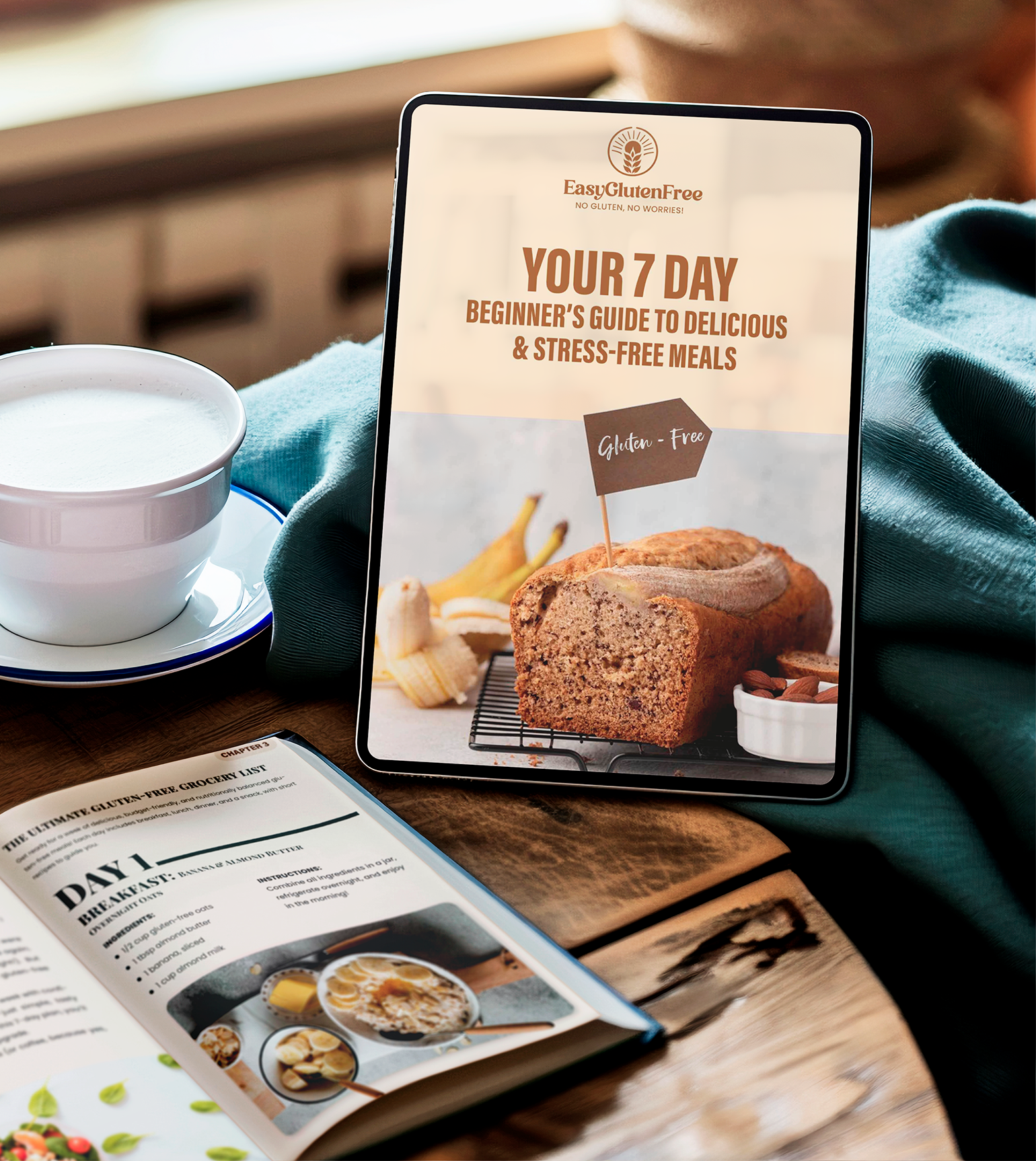
Save your search history some stress. Grab our FREE 7-Day Beginner's Guide and finally have a plan you can actually cook