Blog

Your blog category

Blog

“Mastering Gluten-Free Lunch Boxes: A Guide for School, Work, and Busy Days”

2026 Guide Snag the Free Guide That Makes Packing Gluten-Free Lunches 10x Easier Gluten-Free Lunch Box Ideas for School, Work & Busy Days Gluten-free lunches don’t have to be boring, complicated, or crumbly. With a few smart staples, the right containers, and some simple prep, you can pack satisfying gluten-free lunch boxes that actually survive the commute and still taste good by lunchtime. This guide walks you through easy, mix-and-match ideas for kids, teens, and adults—plus practical tips to keep everything safe, fresh, and stress-free. Download Our Free Gluten-Free Starter Guide 7-day meal plan shopping list Tips & 3 beginner-friendly recipes download now Introduction If going gluten free has turned lunchtime into a daily puzzle, you’re not alone. Between avoiding cross-contact, keeping food interesting, and making sure everyone actually eats what you pack, gluten-free lunch boxes can feel like a full-time job. The good news: once you have a few reliable building blocks and systems in place, it becomes much easier (and a lot more fun). This guide is designed to help you create gluten-free lunch box ideas that work for real life—school, office, college, travel days, and everything in between. You’ll find balanced combinations built around naturally gluten-free foods, smart shortcuts using clearly labeled packaged items, and plenty of flexible “formula” lunches you can customize with whatever you have on hand. Whether you’re packing for a gluten-free kid in a classroom full of crackers, or you’re the only gluten-free person in your workplace, you’ll learn how to plan, prep, and pack safe meals that feel normal, not restrictive. Let’s turn that lunch box from a stress trigger into something you actually look forward to opening. Table of Contents ▾ 1. Gluten-Free Lunch Box Basics 2. Easy Gluten-Free Lunch Box Combos 3. Kid-Friendly Gluten-Free Lunch Ideas 4. Gluten-Free Lunches for Work & College 5. Planning, Prepping & Staying Organized 1. Gluten-Free Lunch Box Basics Before we get into specific gluten-free lunch box ideas, it helps to zoom out and look at the big picture: what actually makes a satisfying, gluten-free lunch that carries you through the afternoon? Build a Balanced Gluten-Free Lunch Formula Use this simple formula to create endless lunches without overthinking it: Protein: grilled chicken, hard-boiled eggs, tuna or salmon salad, beans, lentils, hummus, tofu, cheese, Greek-style yogurt, leftover roast meat. Fiber & complex carbs (gluten-free): gluten-free whole-grain bread or wraps, cooked quinoa, rice, potatoes, corn, gluten-free pasta or buckwheat noodles, certified gluten-free oats. Colorful produce: raw veggies for crunch (cucumber, carrots, peppers, snap peas), fruit for sweetness (berries, apple slices, grapes, clementines), or a simple salad. Healthy fats: avocado, olive oil dressing, nuts or seeds (if allowed), nut/seed butter, olives, cheese. Something fun: a small sweet, salty snack, or dip—think gluten-free crackers, dark chocolate squares, popcorn, or apples with peanut butter. If you loosely check each of these boxes, you’ll usually end up with a lunch that feels filling, balanced, and more exciting than “just another sandwich.” Know Where Gluten Likes to Hide Many classic lunch items are obvious sources of gluten (sandwich bread, crackers, cookies), but others are sneakier. Always read labels carefully and look for a “gluten-free” statement when possible. Common places gluten can show up include: Soup cups, bouillon cubes, and instant noodles Pre-made salad dressings and marinades Imitation crab and some processed deli meats Flavored yogurt, granola, cereal bars, and snack mixes Soy sauce, teriyaki sauce, and some “seasoning blends” When in doubt, try to rely more on whole, naturally gluten-free foods (plain meats, eggs, beans, rice, potatoes, plain dairy, fruits, vegetables) and add a few trusted packaged products you know are safe. Avoiding Cross-Contact in Lunch Boxes If you or your child needs to strictly avoid gluten, cross-contact matters just as much as ingredients. A few simple habits can make a big difference: Use a dedicated gluten-free cutting board, knife, and toaster at home if possible. Prep gluten-free lunch components first, before making any gluten-containing food for others. Store gluten-free items on a separate shelf or bin so crumbs from regular bread don’t land on them. Pack dips and spreads in their own containers so nothing gets “double-dipped” with a gluten-y cracker later. It sounds small, but these routines quickly become second nature and help keep your lunch box truly gluten free. Containers That Actually Work for Gluten-Free Lunches Well-designed containers make gluten-free lunch packing much easier. Look for: Separate compartments to keep crackers away from juicy fruit or saucy mains. Leak-resistant lids for dips, dressings, and yogurts. A way to keep things cool—an ice pack or insulated compartment, especially for dairy, meat, and eggs. Easy-to-open lids for kids, so they’re not stuck waiting for help while everyone else starts eating. Once you have a reliable container system, suddenly those mix-and-match gluten-free lunches become much more realistic on a busy weekday morning. Need Help Staying Organized? Plan meals & shopping Stay on track with ease See Planner 2. Easy Gluten-Free Lunch Box Combos Instead of memorizing dozens of specific recipes, think in terms of reusable lunch “combos” you can rotate through. Here are some gluten-free-friendly ideas that work for both kids and adults, and that hold up well in a lunch box. 1. DIY Protein Snack Box This is the grown-up (or kid-approved) version of a snack plate, with enough protein and fiber to keep you full: Sliced turkey or chicken breast, or a few hard-boiled egg halves Gluten-free crackers or rice cakes Hummus or another bean dip Raw veggies (carrot sticks, cucumber rounds, cherry tomatoes) Fruit on the side (berries, grapes, or orange segments) Keep dressings and dips in their own small containers so everything stays fresh and the crackers don’t go soggy. 2. Leftover Dinner Remix Many gluten-free dinners turn into excellent lunch box mains the next day. Combine them with a few simple sides and you’ve got a complete meal: Leftover roasted chicken with rice and steamed veggies Gluten-free pasta salad made with olive oil, veggies, and cheese Rice bowls with beans, salsa, cheese, and avocado (pack cold
Blog

“Mastering Your Gluten-Free Snack Box: A Practical Guide”

2026 Guide Download the Ultimate Gluten-Free Snack Survival Guide Gluten-Free Snack Box Ideas for Work, Travel & Busy Days Building a reliable gluten-free snack box can be the difference between feeling stressed and underfed… or calm, prepared, and actually excited about what you’re eating. In this guide, you’ll learn how to stock smart, stay safe from gluten, and keep snacks interesting without spending hours in the kitchen. Download Our Free Gluten-Free Starter Guide 7-day meal plan shopping list Tips & 3 beginner-friendly recipes download now Introduction When you’re gluten free, “I’ll just grab something later” can backfire fast. Office meetings, road trips, delayed flights, kids’ sports, movie nights—these are the exact moments when gluten-filled snacks show up everywhere and safe options disappear. That’s where a well-thought-out gluten-free snack box becomes your everyday safety net. Instead of scrambling, you open your bag, car console, or desk drawer and there it is: a curated little stash of gluten-free goodness you actually want to eat. No boring rice cakes (unless you love them), no mystery-label chips, and no hoping the only thing left is a lonely banana. Just practical, tasty, clearly gluten-free snacks that match your life. This article walks you through how to build your own gluten-free snack box step-by-step: what to include, how to read labels quickly, ways to avoid cross-contact, and how to adapt your box for work, travel, school, and social events. Think of it as your portable gluten-free insurance policy—with flavor. Table of Contents ▾ 1. Why a Gluten-Free Snack Box Is a Game Changer 2. Store-Bought Gluten-Free Snack Box Options 3. How to Build Your Own Gluten-Free Snack Box 4. Snack Box Ideas for Work, Travel & School 5. Storage, Safety & Label-Reading Tips 1. Why a Gluten-Free Snack Box Is a Game Changer If you’ve ever been stuck at an event where the only “safe” thing you can eat is a sad, undressed salad, you already understand the value of a gluten-free snack backup plan. A dedicated snack box takes that idea and turns it into a system you can rely on day after day. Here’s what a good gluten-free snack box does for you: Reduces stress and decision fatigue. You don’t have to mentally calculate, “Will there be food there?” or “What if I’m hungry in the car?” Your snacks are already handled. Keeps you from getting “hangry.” Stable blood sugar makes everything easier—mood, focus, and even dealing with awkward questions about your gluten-free life. Helps you avoid risky last-minute choices. When you’re starving, questionable labels and “it’s probably fine” guesses look a lot more tempting. Having safe snacks on hand means you don’t have to gamble. Makes social situations more comfortable. You can toss your own snacks onto the table, share, and participate instead of feeling like the odd one out with nothing to eat. Your snack box can be as minimal or as extra as you want. Some people keep a tiny pouch in their bag with just two or three items. Others stash full boxes in the car, at work, and at home so they’re never caught off guard. The key is having snacks that are: Truly gluten free according to your needs Individually wrapped or safely stored Shelf-stable for at least a few weeks Balanced between “fun” and “fuel” (treats + protein/fiber) Once you’ve built your first box, maintaining it becomes easy. You’ll quickly learn which snacks you reach for most often, which ones feel comforting at stressful moments, and what you need to keep your energy stable on busy days. Need Help Staying Organized? Plan meals & shopping Stay on track with ease See Planner 2. Store-Bought Gluten-Free Snack Box Options Pre-made gluten-free snack boxes can be incredibly helpful when you’re just starting out, short on time, or want something easy to toss into your car, office, or college dorm. They’re also great for gift-giving—especially if you have a gluten-free teen, student, or family member who travels a lot. Most ready-made boxes focus on individually wrapped items, which is ideal for reducing cross-contact, keeping portions controlled, and making it easy to share. You’ll often find a mix of chips, bars, cookies, nuts, and other simple snacks that don’t require refrigeration or prep. Before buying any snack box, it’s always smart to: Scan the full ingredient list and allergen statements on the listing Check if items are labeled “gluten free” or certified by a third-party organization Confirm whether the box may contain other allergens you avoid (like dairy, nuts, or soy) Read a few reviews from gluten-free buyers to see how they’ve used it Once the box arrives, do a quick audit before you dive in. Packages can change over time, so giving labels a second look is always worth the extra minute, especially if you have celiac disease or high sensitivity. Snack BOX Gluten Free Healthy Care Package  This box is basically “emergency gluten-free social survival” in one package. It’s packed with individually wrapped snacks you can throw into your bag, keep at the office, bring to movie nights, or stash in your car so you don’t end up nibbling sad plain lettuce while everyone else has chips. Great for sharing, hosting, travel, or just living your best snack-gremlin life — gluten free. → View on Amazon 3. How to Build Your Own Gluten-Free Snack Box DIY snack boxes give you total control over ingredients, flavors, and budget. You can tailor them to your exact needs—low sugar, higher protein, dairy free, kid friendly, travel friendly, or all of the above. Step 1: Choose your container You don’t need anything fancy to start. Pick something that fits where you’ll use it most: For your bag or backpack: a small zip pouch, reusable silicone bag, or mini lunchbox For your desk or office: a clear bin, shoebox-size organizer, or sturdy basket For your car: a lidded storage box that won’t melt easily and can handle temperature swings For home “grab & go”: a labeled bin in the pantry that everyone knows

Blog

Navigating Gluten-Free Dining: A Practical Guide

2026 Guide Download Your Free Gluten-Free Eating Out Survival Guide Gluten-Free Travel and Eating Out: How to Stay Safe Without Losing the Fun Eating away from your own kitchen can feel like stepping into a gluten minefield—but it doesn’t have to be that way. With a bit of planning, the right tools, and a confident script for talking to staff, you can enjoy restaurants, road trips, and even street food stands while staying safely gluten-free. Download Our Free Gluten-Free Starter Guide 7-day meal plan shopping list Tips & 3 beginner-friendly recipes download now Introduction At home, you control every ingredient, pan, and cutting board. Out in the world? Not so much. Travel, work lunches, and dinners with friends can suddenly feel stressful when you’re gluten-free. Will there be anything safe to eat? Will staff understand what you mean by “gluten-free”? Will you spend the night feeling unwell because of one tiny crumb? The good news is you don’t have to choose between staying safe and actually having a life. With a few smart strategies, you can confidently navigate airports, fast-casual spots, fine dining, and even that random café you found on a road trip. The key is knowing how to research ahead, what questions to ask, and when to lean on tools and products that give you extra peace of mind. This guide walks you through practical, repeatable steps for gluten-free travel and eating out—so you can say yes to more invitations, more adventures, and more great meals, without constantly worrying about gluten sneaking onto your plate. Table of Contents ▾ 1. Planning Gluten-Free Travel Before You Leave 2. Smart Tools and Products That Make Eating Out Safer 3. How to Talk to Restaurants About Being Gluten-Free 4. Safer Choices at Common Restaurant Types 5. Travel Day Survival: Airports, Road Trips, and Hotels 1. Planning Gluten-Free Travel Before You Leave If you’re gluten-free, the most important part of eating out actually happens long before you sit down at a table. A little research turns an anxious trip into a relaxed, “I’ve got this” experience. Research gluten-free options in advance Start by looking up restaurants and grocery stores near where you’ll be staying. Focus on: Restaurants with dedicated gluten-free menus – These often show that the staff has at least some training and systems in place. Cuisines that are easier to customize – Think grilled meats, rice-based dishes, salads, and bowls over heavy bread and pasta spots. Chains you already trust – Familiar menus and known protocols can be very comforting when you’re tired or jet-lagged. Bookmark your top choices in Google Maps and label them “safe-ish” or “worth calling.” This becomes your personal gluten-free map for the trip. Call or email ahead Menus rarely tell the whole story. Calling ahead gives you a feel for how a restaurant actually handles gluten-free requests. When you call, you might say: “Hi, I eat strictly gluten-free and am sensitive to cross-contact. Do you have options that can be prepared safely, and how do you usually handle that in the kitchen?” Pay attention to whether the person sounds confident and specific or vague and unsure. Clear, practical answers are a very good sign. Choose your accommodation strategically When possible, look for: Rooms with a kitchenette or at least a fridge – Being able to store safe snacks or simple meals is a game changer. Proximity to supermarkets – Many larger grocery stores now carry gluten-free bread, crackers, and even frozen meals. Breakfast that isn’t your main plan – Hotel breakfasts are often bread-heavy and high risk for cross-contact, so think of them as a bonus, not your safety net. Pack a small gluten-free travel kit A simple kit can save you from “there is literally nothing I can eat here” moments. Consider including: Portable snacks like nuts, bars labeled gluten-free, or rice cakes Small packets of nut butter or shelf-stable hummus Instant gluten-free oatmeal or soup cups (for hotel kettles or microwaves) Your favorite gluten-free crackers or bread, especially when traveling abroad Think of this as your “Plan B” so you never feel forced to roll the dice on questionable food just because you’re hungry. Need Help Staying Organized? Plan meals & shopping Stay on track with ease See Planner 2. Smart Tools and Products That Make Eating Out Safer Even with great planning, eating out always involves a little uncertainty. That’s where supportive tools and products come in—they can’t replace good communication with restaurant staff, but they can add another layer of information and confidence. Build your personal “safety toolkit” Consider traveling with a few items that make gluten-free life on the go easier: Compact gluten-free snacks for flights, long meetings, tours, or unexpected delays. Travel containers and cutlery so you’re not relying on shared office or hotel kitchen items. Translation cards if you’re visiting a country where you don’t speak the language—helpful for explaining gluten-free needs clearly. These simple tools help you manage the situations that restaurants and cafes can’t always control. Why on-the-spot testing appeals to many gluten-free diners Some people like having a way to quickly check food when they’re unsure about ingredients or preparation. This can feel especially reassuring when: You’re traveling somewhere new and don’t know how well gluten-free is understood. You’re eating at social events where you didn’t control the menu. You’re still learning how your own body responds and want more data about what you’re eating. Everyone’s comfort level is different, and the goal is always the same: less guesswork, more confidence. Use tools as one layer of protection—not your only one Even the best products are just part of a bigger safety strategy. Clear communication with staff, smart menu choices, and avoiding obvious cross-contact risks should still be your first line of defense. Think of tools as helpful assistants—not magic shields. Nima gluten sensor test These single-use capsules pair with the Nima Sensor to help users test foods for gluten on the spot. Perfect for travelers, researchers of their own digestive reactions, or anyone

Blog

Crucial Guide to Gluten-Free Flour Substitutions

2026 Guide Download the No-Stress Guide to Gluten-Free Flour and Baking Swaps Gluten-Free Flour Substitutions: A Practical Guide for Everyday Baking Gluten-free baking doesn’t have to feel like a chemistry experiment. With the right flour substitutions and a few simple rules, you can turn family-favorite recipes into gluten-free winners—without gummy centers, dry crumbs, or mystery textures. This guide walks you through how to swap regular flour for gluten-free options in real-life baking situations so you can bake with confidence any day of the week. Download Our Free Gluten-Free Starter Guide 7-day meal plan shopping list Tips & 3 beginner-friendly recipes download now Introduction If you’ve ever swapped wheat flour for a gluten-free flour and pulled a pan of sad, crumbly muffins out of the oven, you’re not alone. Gluten-free baking is different—but it’s not impossible, and it doesn’t have to be complicated. Once you understand how different gluten-free flours behave, substitutions become much easier and far more predictable. In a traditional recipe, wheat flour provides protein (gluten), structure, and a surprising amount of moisture. When you remove gluten, you’re not just changing one ingredient—you’re changing how the entire recipe works. That’s why using the right gluten-free flour blend and the right ratios matters so much, especially when you’re converting a favorite family recipe or a long-loved cookbook classic. This practical guide is designed for everyday home bakers who want reliable gluten-free flour substitutions without memorizing complicated charts. We’ll cover the basics of how gluten-free flours work, when you can safely do a 1:1 swap, when you need adjustments, and how to get consistent results in cookies, cakes, breads, and more. Keep this guide handy, and gluten-free baking will start to feel a lot more intuitive—and a lot less stressful. Table of Contents ▾ 1. Understanding Gluten-Free Flour Basics 2. How to Substitute Gluten-Free Flour for All-Purpose Flour 3. Best Gluten-Free Flour Options for Common Recipes 4. Troubleshooting Gluten-Free Baking Mistakes 5. Practical Tips for Consistent Gluten-Free Results 1. Understanding Gluten-Free Flour Basics Before you start swapping flours in your favorite recipes, it helps to understand what gluten actually does. Gluten is the protein in wheat, barley, and rye that gives dough its stretch, chew, and structure. When you remove gluten, you’re taking away the “net” that holds everything together. Gluten-free flours replace this net using a combination of starches, whole-grain flours, and binders. That’s why so many gluten-free flour blends contain a mix like rice flour, potato starch, tapioca starch, and xanthan gum. Each component plays a role: Whole-grain flours (like brown rice, sorghum, or millet) add flavor, color, and structure. Starches (like tapioca, potato, or corn starch) add lightness and tenderness. Gums or binders (like xanthan or guar gum, or psyllium husk in some blends) help mimic gluten’s elasticity. Because of this, no single gluten-free flour behaves like wheat flour on its own. Rice flour alone is gritty, almond flour is rich and dense, coconut flour is extremely absorbent. That’s why blends are so popular—they’re designed to act more like all-purpose flour so you can bake with fewer adjustments. Another key difference is thirstiness—how much liquid gluten-free flours soak up. Many gluten-free blends absorb more moisture than wheat flour. If you simply substitute cup for cup without understanding this, you can end up with dry, crumbly baked goods. A good all-purpose gluten-free blend is formulated to get you as close as possible to a 1:1 swap, which makes your life a lot easier. Finally, gluten-free batters and doughs often look and feel different from what you’re used to. Cake batters may be thicker, bread doughs may look more like batter than a kneadable ball, and cookie dough may need extra chilling to hold its shape. Don’t panic if the texture looks unfamiliar—that’s normal with gluten-free baking. Need Help Staying Organized? Plan meals & shopping Stay on track with ease See Planner 2. How to Substitute Gluten-Free Flour for All-Purpose Flour One of the most common questions new gluten-free bakers ask is: “Can I just swap my regular flour for a gluten-free flour 1:1?” The honest answer is: sometimes yes, sometimes no—and it depends on the kind of recipe and the flour blend you’re using. For simple recipes like pancakes, waffles, muffins, quick breads, and many cookies, a high-quality gluten-free all-purpose blend that’s labeled “1:1” or “measure for measure” often works beautifully at the same volume as wheat flour. These blends are specifically calibrated to mimic regular all-purpose flour in mainstream recipes. You usually don’t need to change the amount of liquid, eggs, or fat, though occasionally a tablespoon or two of extra liquid can improve texture. For more delicate or structured recipes—like yeasted breads, cinnamon rolls, sandwich loaves, or layer cakes—the flour swap alone often isn’t enough. These recipes rely heavily on gluten for lift and structure, so you may need additional tweaks such as extra eggs, a bit more liquid, or longer mixing and rise times. Many bakers find that it’s easiest to start with a gluten-free recipe that’s already been tested, then later experiment with converting family favorites. Here are some general substitution guidelines to keep in mind: Use a trusted gluten-free all-purpose blend for most substitutions, not a single flour like almond or coconut. Start with a cup-for-cup swap by volume if the blend is labeled 1:1, and adjust only if the batter seems extremely thick or dry. If a recipe uses cake flour, you may get better results by reducing the gluten-free flour by about 10% or adding a tablespoon of extra liquid per cup. Chill cookie dough made with gluten-free flour for at least 30 minutes to reduce spreading and improve texture. For recipes that you slice (like loaf cakes and quick breads), let them cool completely before cutting so the crumb can set. Whenever you try a substitution for the first time, take notes: how thick the batter was, how long it baked, and how the final texture turned out. The next time you make it, you’ll know exactly what to adjust—maybe

Blog

“Zero-Stress Gluten-Free Meal Prep: A Weeknight Lifeline”

2026 Guide Download the Zero-Stress Gluten-Free Hosting Playbook Gluten-Free Meal Prep for Busy Weeknights: Stress-Free Dinners in Less Time Trying to juggle work, family, and a gluten-free lifestyle can make weeknights feel like an obstacle course. This guide walks you through a simple, realistic gluten-free meal prep system so you can eat safely, save time, and still enjoy dinners that feel like “real food,” not sad desk leftovers. Download Our Free Gluten-Free Starter Guide 7-day meal plan shopping list Tips & 3 beginner-friendly recipes download now Introduction If you’re gluten-free and busy, you don’t just need dinner—you need dinner that’s safe, fast, and doesn’t require you to chop vegetables for 45 minutes after a long day. That’s where gluten-free meal prep becomes your weeknight lifeline. Instead of starting from zero every evening, a bit of smart prep gives you ready-to-assemble meals that feel fresh, not repetitive. Meal prep can sound intense, like you need color-coded containers and an entire Sunday blocked off. In reality, a gluten-free prep routine can be as simple as roasting a tray of veggies, cooking a couple of proteins, washing some greens, and organizing a few key snacks. The magic is in the planning: knowing what you’ll eat, and what you can safely eat, before the week actually happens. In this article, we’ll break down a practical, flexible approach to gluten-free meal prep for busy weeknights. You’ll learn how to build a basic prep plan, choose naturally gluten-free ingredients, avoid cross-contact in a shared kitchen, and use tools (like reusable storage bags) to keep everything fresh and organized. Think of it as your blueprint for less chaos and more confident gluten-free eating all week long. Table of Contents ▾ 1. Why Gluten-Free Meal Prep Is a Game-Changer for Busy Weeknights 2. Essential Tools and Containers for Gluten-Free Meal Prep 3. How to Build a Simple Gluten-Free Meal Prep Plan 4. Gluten-Free Batch Cooking Ideas for Fast Weeknight Dinners 5. Time-Saving Tips, Safety Checks, and Staying Consistent 1. Why Gluten-Free Meal Prep Is a Game-Changer for Busy Weeknights Gluten-free living already comes with extra mental load: checking labels, planning safe options, possibly navigating a shared kitchen, and thinking ahead anytime you leave the house. When you add long workdays, kids’ schedules, or evening commitments, it’s easy for dinner to become reactive: “What can we throw together right now that’s gluten-free?” Meal prep takes that frantic energy and trades it for calm, repeatable systems. Instead of asking, “What’s for dinner?” you’re asking, “Which prepped ingredients am I using tonight?” That single shift helps reduce decision fatigue and makes gluten-free weeknights feel predictable rather than stressful. For gluten-free households, meal prep has a few extra advantages: Built-in safety checks: When you plan and prep ahead, you have time to verify labels, avoid may-contain statements, and ensure your pantry staples are gluten-free before the rush of dinner. Less temptation to order in: If you don’t have reliable gluten-free options nearby, having prepped meals waiting means you’re not stuck choosing between hunger and risk. Better use of naturally gluten-free foods: Batch cooking things like rice, potatoes, beans, roasted vegetables, and proteins makes it easy to base your meals around whole foods that are naturally gluten-free. Importantly, meal prep doesn’t have to mean eating the same container of food four nights in a row. A smart gluten-free prep system focuses on components—proteins, grains, sauces, and vegetables—that you can mix and match into different meals. Grilled chicken can become tacos one night, a grain bowl the next, and a quick soup topper later in the week. Even one to two hours of light prep can radically change your week. Pre-chopped vegetables mean stir-fries in minutes. Cooked quinoa or rice makes last-minute bowls or sides effortless. A jar of gluten-free marinade or sauce in the fridge turns simple chicken or tofu into something that tastes intentional instead of rushed. Need Help Staying Organized? Plan meals & shopping Stay on track with ease See Planner 2. Essential Tools and Containers for Gluten-Free Meal Prep You don’t need a whole new kitchen to start gluten-free meal prep, but a few reliable tools make the process faster, safer, and more enjoyable. Think less about “perfect Pinterest meal prep” and more about what helps you move quickly and safely in a real-life kitchen. At minimum, it helps to have: Dedicated gluten-free cutting boards and utensils if you’re in a shared kitchen, clearly labeled and stored separately from gluten-containing tools. A set of airtight containers in a few sizes (single-serving, family-size, and tiny ones for sauces or toppings). Baking sheets and parchment paper for roasting veggies, potatoes, and proteins in large batches without a ton of cleanup. A large skillet or Dutch oven for one-pan meals, soups, and sautéing prepped ingredients into quick dinners. Next, think about how you’ll store and portion everything. If you prep components—like roasted veggies, cooked grains, and proteins—you’ll want containers and bags that stack well, don’t leak, and make it easy to see what you have at a glance. That’s where reusable storage options really shine for gluten-free households, especially if you’re trying to pack lunches or snacks for work, school, or travel. Reusable food storage bags are especially handy for: Portioning out gluten-free snacks (like nuts, cheese cubes, or cut-up fruit and veggies) for grab-and-go moments. Freezing prepped ingredients like cooked rice, sliced chicken, or sauces in flat, stackable portions. Keeping gluten-free items physically separated from gluten-containing foods in the fridge or freezer. They’re also a great way to cut down on single-use plastics while keeping your gluten-free food organization looking neat and intentional. When your fridge is organized and labeled, it’s easier for the whole household to respect gluten-free zones and grab the right items quickly. Premium Silicone Reusable Food Storage Bags These are the “I have my life together” bags. Perfect for packing gluten-free snacks, leftovers from brunch, veggie sticks for road trips, or even freezer prep for busy weeks. They’re reusable, dishwasher-safe, plastic-free, and look aesthetically pleasing in your

Blog

The Gluten-Free Lunch Packing Guide: Tips and Ideas

2026 Guide Download the Free Gluten-Free Lunch Packing Guide for Stress-Free Days Gluten-Free Lunch Box Ideas for School, Work, and Busy Days Trying to pack a gluten-free lunch that’s safe, satisfying, and not the same sad salad every day can feel like a full-time job. This guide walks you through practical, realistic gluten-free lunch box ideas for school, work, and busy days—so you can eat well, stay energized, and stop stressing about what’s actually in your lunch. Download Our Free Gluten-Free Starter Guide 7-day meal plan shopping list Tips & 3 beginner-friendly recipes download now Introduction Gluten-free lunches can be surprisingly tricky. Breakfast is easy enough, dinner gets most of your attention—but lunch? Lunch happens in the middle of the chaos: at school, at your desk, in the car between activities, or on a plane with limited options. That’s exactly when cross-contact risks go up and convenience foods get very tempting. The good news: with a little planning and the right containers, gluten-free lunch boxes can be simple, safe, and genuinely fun to eat. You don’t need elaborate recipes or specialty products for every meal. You just need a reliable framework, some go‑to combinations, and a system that works with your routine instead of against it. This guide breaks down gluten-free lunch box ideas for different ages and lifestyles, how to build a balanced meal without gluten, and smart prep strategies so you’re not staring into the fridge at 7:30 a.m. wondering what on earth to pack. Whether you’re packing for a celiac kid, navigating office lunches, or trying to keep yourself fueled on travel days, you’ll find practical ideas you can start using this week. Table of Contents ▾ 1. Understanding Gluten-Free Lunch Basics 2. Gluten-Free Lunch Box Ideas for School and Work 3. Meal Prep Strategies for Stress-Free Gluten-Free Lunches 4. Safe Packing, Storage, and Cross-Contact Tips 5. Sample Gluten-Free Lunch Box Combinations 1. Understanding Gluten-Free Lunch Basics Before we dive into specific gluten-free lunch box ideas, it helps to get the basics right. Once you understand what to watch for and how to build a balanced meal, you can mix and match ingredients based on what your family actually likes. What “gluten-free” really means for your lunch Gluten-free is more than just avoiding regular bread and pasta. For lunch boxes, it usually means paying attention to: Obvious gluten foods: wheat bread, wraps, regular crackers, pasta, breaded meats, many baked goods. Hidden gluten: soy sauce (unless labeled gluten-free), some salad dressings, marinades, breaded toppings, meatballs, veggie burgers, and processed deli meats. Cross-contact: crumbs on cutting boards, shared toasters, knives used on regular bread, or bulk-bin items scooped with contaminated scoops. Always read labels and look for a “gluten-free” statement where possible, especially for items like crackers, bars, deli meat, and snacks that tend to be shared or processed on shared lines. The gluten-free lunchbox formula A helpful way to think about any gluten-free lunch is to use a simple formula. Aim for: Protein: keeps you full and supports energy (chicken, tuna, eggs, beans, hummus, cheese, Greek yogurt, tofu, leftover meat). Gluten-free carbs: for steady energy (rice, quinoa, gluten-free pasta, corn tortillas, gluten-free bread or crackers, potatoes, fruit). Healthy fats: for satisfaction and brain power (avocado, nuts, seeds, nut/seed butters, olive oil, cheese). Colorful produce: veggies and/or fruit for fiber, crunch, and freshness. When your lunch includes at least one option from each category, you’re more likely to feel satisfied and less likely to end up raiding the vending machine or the staff room snacks. Pantry and fridge staples that make packing easier Keeping a small set of gluten-free staples on hand makes it much easier to throw together a safe lunch box on busy mornings. Consider stocking: Proteins: canned tuna or salmon, hard-boiled eggs, pre-cooked chicken, turkey slices labeled gluten-free, hummus, edamame, Greek yogurt, cheese sticks. Carbs: cooked rice or quinoa in the fridge, gluten-free crackers, rice cakes, corn tortillas, gluten-free pasta, baked potatoes or sweet potatoes. Produce: baby carrots, cucumber, cherry tomatoes, snap peas, bell pepper strips, apples, berries, grapes, clementines, sliced melon. Extras: mini olives, pickles, nuts and seeds (if allowed), trail mix (check labels), salsa, guacamole, small containers of salad dressing. When gluten-free staples are prepped and ready to grab, building a safe, satisfying lunch box becomes more of a quick assembly job and less of a daily project. Need Help Staying Organized? Plan meals & shopping Stay on track with ease See Planner 2. Gluten-Free Lunch Box Ideas for School and Work Different settings have different challenges. A gluten-free lunch box for a young child needs to be simple, finger-friendly, and easy to recognize as “theirs.” For teens, presentations and portion sizes matter more. For adults, you might need something that feels more like a “real meal” and less like a snack plate. Kid-friendly gluten-free lunch ideas Kids often eat better when their food is colorful, bite-sized, and familiar. Some easy gluten-free lunch box ideas for school include: DIY “lunchable” box: gluten-free crackers, cheese cubes, turkey or ham slices (labeled gluten-free), cucumber rounds, and grapes. Roll-up sandwiches: turkey and cheese rolled in corn tortillas or gluten-free tortillas; add lettuce if your child likes it. Pasta salad: gluten-free pasta tossed with olive oil, cherry tomatoes, diced cucumber, shredded cheese, and chickpeas. Breakfast-for-lunch: mini gluten-free pancakes or waffles, Greek yogurt, berries, and a small container of maple syrup for dipping. Snacky box: hard-boiled egg, gluten-free pretzels, carrot sticks, hummus, and apple slices. For younger kids, clear compartments make it easier for them to see what they have and choose what to eat first—especially helpful if they’re still learning to manage their gluten-free needs independently. Gluten-free work lunch ideas For work days, you may want meals that feel more substantial but are still easy to eat at your desk or in a break room. Try ideas like: Leftover “bowl” lunches: leftover chicken, roasted veggies, and rice in one container. Add a small container of sauce or dressing when you’re ready to eat. Mediterranean box: hummus, gluten-free

Blog

“Mastering Gluten-Free Travel Snack Strategies”

2026 Guide Download the Ultimate Gluten-Free Travel Snack Survival Guide Gluten-Free Travel Snacks: Smart, Safe, and Actually Satisfying Ideas Planning gluten-free travel snacks shouldn’t feel like a full-time job. With a little strategy (and the right backup plan), you can skip the hanger, avoid risky last‑minute choices, and actually enjoy the journey — not just survive it. This guide walks you through stress-free, practical ways to pack gluten-free snacks for flights, road trips, day outings, and social events, so you can stay fueled, safe, and happy wherever you go. Download Our Free Gluten-Free Starter Guide 7-day meal plan shopping list Tips & 3 beginner-friendly recipes download now Introduction Traveling gluten free can be empowering, but let’s be honest — it can also be a little nerve‑wracking. Airports, gas stations, conferences, kids’ tournaments, and spontaneous nights out aren’t exactly known for their clearly labeled, certified gluten‑free options. That’s why having a smart gluten-free travel snack strategy is one of the best habits you can build early in your journey. Good snacks do more than just keep you from getting hungry. They buy you time to find a safe meal, give you options when plans change, and let you participate when everyone else is grazing on grab‑and‑go food. With the right mix of shelf‑stable favorites, fresh items, and a few “emergency snacks,” you can move through long days away from home without relying on luck or last‑minute Googling. This article breaks down exactly how to plan, pack, and rotate gluten-free travel snacks for different situations: flights, road trips, school or work days, and social events. You’ll find packing formulas, practical examples, and sanity‑saving tips to help you feel prepared instead of stressed — all without turning your carry‑on into a traveling pantry. Table of Contents ▾ 1. Why Gluten-Free Travel Snacks Matter 2. Building Your Gluten-Free “Emergency Snack Kit” 3. Best Gluten-Free Snacks for Flights, Road Trips, and Busy Days 4. How to Pack and Store Gluten-Free Travel Snacks Safely 5. Sample Gluten-Free Travel Snack Plans You Can Copy 1. Why Gluten-Free Travel Snacks Matter When you’re home, gluten-free eating can feel relatively predictable: you know which brands you trust, where to shop, and what meals work on repeat. The second you leave that comfort zone — hello airports, rest stops, client meetings, long practices, kids’ birthday parties — the risk of getting stuck without a safe option jumps way up. That’s where gluten-free travel snacks come in. Think of them as your safety net and your sanity saver. Instead of relying on whatever happens to be available, you’re walking into the day with a plan and a backup plan. The big problems snacks can solve Last‑minute hunger decisions: When you’re starving, you’re more likely to take risks on “probably fine” foods. Having snacks on hand buys you time to find something you truly trust. Limited or unclear labeling: Gas stations and kiosks aren’t designed for detailed label reading. Pre‑chosen, pre‑vetted snacks remove the guesswork. Social pressure: When everyone else is snacking, it’s easy to feel left out. Your own stash lets you participate without compromising safety. Delays and detours: Flight delays, traffic, or a restaurant being unexpectedly closed hurt a lot less when you’re not also dealing with low blood sugar. Snacks as part of your overall gluten-free strategy Snacks are not just “extras” — they’re a core tool in living a calm, sustainable gluten-free lifestyle. Combined with a bit of meal planning, they: Help you avoid emergency grocery runs in unfamiliar places Reduce the mental load of constantly scanning for safe options Support steady energy so you can actually enjoy your trip or event You don’t need an overflowing suitcase of food. You just need a small, intentional set of gluten-free snacks that you know your body likes, that travel well, and that fit your typical day. In the next sections, we’ll turn that idea into a simple, repeatable system. Need Help Staying Organized? Plan meals & shopping Stay on track with ease See Planner 2. Building Your Gluten-Free “Emergency Snack Kit” An emergency snack kit is your portable gluten-free safety net. It’s a small, dedicated stash of shelf‑stable snacks you keep packed and ready to go — for flights, long commutes, medical appointments, kids’ activities, or any day when food options might be limited or unpredictable. Think of it as insurance: most days you won’t need every snack in the kit, but when you do, you’ll be incredibly glad it’s there. A good kit is compact, varied, and filled with items that are easy to eat one‑handed, don’t need refrigeration, and won’t be crushed instantly at the bottom of a bag. What to include in a gluten-free emergency kit You can build a kit from individual items you love, or use a pre‑made gluten-free snack box as your starting point. Either way, aim for a mix of: Quick energy snacks: granola‑style bars labeled gluten free, nut or seed bars, individually wrapped nut butter packets (if safe for you). Savory, salty options: gluten-free chips or crackers, roasted chickpeas, corn nuts made in dedicated gluten-free facilities, or nuts if tolerated. Protein‑focused choices: shelf‑stable meat sticks labeled gluten free, single‑serve tuna or salmon packets (if the smell won’t bother others), or roasted edamame (if tolerated). Comfort snacks: fruit leathers, chocolate, or cookies that make social situations feel a little more normal. Store your kit in a small pouch, box, or reusable bag that lives in your backpack, work bag, car, or luggage. Once a month, quickly rotate anything close to its best‑by date into home use and restock from your pantry. Snack BOX Gluten Free Healthy Care Package  This box is basically “emergency gluten-free social survival” in one package. It’s packed with individually wrapped snacks you can throw into your bag, keep at the office, bring to movie nights, or stash in your car so you don’t end up nibbling sad plain lettuce while everyone else has chips. Great for sharing, hosting, travel, or just living your best snack-gremlin life —

Blog

A Guide to Confident Gluten-Free Testing: Understanding Labels, Tools, and Reactions

2026 Guide Download the Free Guide to Confident Gluten-Free Testing (at Home & On the Go) Gluten Testing 101: How to Check Foods, Labels, and Your Own Reactions If you’ve ever stared at a menu, a “gluten-free” label, or a mystery casserole at a family party and thought, “But… is it really safe?”, this guide is for you. We’ll walk through smart, realistic ways to test for gluten—from reading labels like a pro to using tools such as the Nima gluten sensor test—so you can eat with more confidence and less second‑guessing. Download Our Free Gluten-Free Starter Guide 7-day meal plan shopping list Tips & 3 beginner-friendly recipes download now Introduction Navigating a gluten-free life today is equal parts empowering and overwhelming. On one hand, there are more gluten-free products, menus, and resources than ever before. On the other, it sometimes feels like you need a science degree, a magnifying glass, and a lie detector test just to figure out whether your next meal is truly safe. Gluten testing doesn’t have to mean living in fear or obsessively Googling every single bite. Instead, think of it as building a practical toolbox: label-reading skills, kitchen habits that reduce cross-contact, and, if you choose, technology like the Nima gluten sensor test to give you additional data in tricky situations. Each tool plays a different role—and you get to decide which ones fit your lifestyle, budget, and comfort level. This article will walk you through the main ways people “test” for gluten in real life: understanding labels, managing your home and restaurant meals, using portable testing devices, and tracking your own body’s reactions. You’ll come away with a calmer, more systematic approach so that instead of guessing or stressing, you’re making informed, confident choices day after day. Table of Contents ▾ 1. Understanding What “Gluten-Free” Really Means 2. Using Tools Like the Nima Gluten Sensor Test 3. Everyday Strategies to Minimize Gluten Exposure 4. How to Listen to Your Body’s Signals 5. Building a Long-Term, Low-Stress Gluten-Free Routine 1. Understanding What “Gluten-Free” Really Means Before you think about gadgets or special tests, it helps to be very clear on what “gluten-free” actually means in everyday products. Regulations vary by country, but in many places (including the U.S. and EU), “gluten-free” on a label generally means the food contains less than 20 parts per million (ppm) of gluten. This level is considered safe for most people with celiac disease and gluten sensitivity, though individual tolerances can differ. That number—20 ppm—sounds technical, but what matters is this: a food can be legally labeled “gluten-free” and still contain tiny traces of gluten. For most people who need to avoid gluten, that’s okay. But if you’re highly sensitive or reacting even when you’re “doing everything right,” understanding this nuance can explain a lot. Decoding Labels Like an Expert Labels are your first line of defense. Instead of quickly scanning for the big scary word “wheat,” take a calm, step-by-step approach: Start with any gluten-free claim. If the package says “gluten-free,” that’s a good sign—but don’t stop there. It doesn’t tell you about manufacturing practices or potential cross-contact. Check the ingredient list. Look for obvious gluten sources: wheat, barley, rye, malt, brewer’s yeast, and triticale. Also be cautious with ingredients like “malt flavoring” or “malt vinegar,” which almost always come from barley. Look at “Contains” and “May Contain” statements. “Contains wheat” must be declared in many regions when wheat is present. “May contain wheat” or “made in a facility with wheat” are advisory statements about potential cross-contact; some sensitive people choose to avoid these, others tolerate them well. Learn the safe starches. Corn, rice, potatoes, quinoa, buckwheat, and oats labeled gluten-free are typically safe. When in doubt, choose products that are certified gluten-free by a trusted organization. Cross-Contact vs. Ingredients Two very different things can cause gluten exposure: Ingredients: gluten is actually part of the recipe (e.g., wheat flour, barley malt). Cross-contact: gluten sneaks in through shared equipment, prep surfaces, or utensils. Why does this matter? Ingredient gluten is usually easier to spot on labels or menus. Cross-contact is invisible and often the reason someone reacts to food that “should” be safe. That’s where good kitchen habits, smart restaurant questions, and sometimes testing tools come into play. Once you’re comfortable with the basics—what gluten is, where it usually hides, and how labels work—you’re in a much better position to decide whether extra testing options are worth adding to your personal toolkit. Need Help Staying Organized? Plan meals & shopping Stay on track with ease See Planner 2. Using Tools Like the Nima Gluten Sensor Test For many gluten-free eaters, there comes a moment when labels and questions don’t feel like enough. Maybe you travel a lot, eat out frequently, or have had a few “but it was supposed to be gluten-free” reactions that shook your confidence. That’s where portable testing tools can feel reassuring. Devices designed to detect gluten in food allow you to test small samples on the spot. Instead of relying only on what a server, chef, or package says, you get an extra layer of information to support your decisions. This can be especially helpful in situations like shared fryers, sauces with mysterious thickeners, or international travel where language barriers make ingredient lists harder to interpret. It’s important to understand that any food-testing device has limits: you’re only testing the small bite you put into the capsule or sample area, not the entire meal. Results also don’t replace your own judgment about obvious risks such as shared cutting boards or flour dust in the air. Think of these tools not as a magic shield, but as one more data point alongside your label-reading skills, questions, and personal experience. Some people use devices regularly, especially during the early years of a gluten-free diagnosis or when building trust with certain restaurants. Others reserve them for “high-risk” moments—like buffets, social gatherings, or street food—where the level of unknowns feels higher. And some never use them at all,

Blog

Perfecting Gluten-Free Baking: A Comprehensive Guide

2026 Guide Download the Free Guide to Perfect Gluten-Free Baking Every Time Gluten-Free All-Purpose Flour: How to Use It for Foolproof Baking Gluten-free baking doesn’t have to be a science experiment. With the right all-purpose flour blend, you can make cookies, muffins, pancakes, and quick breads that taste like the “real” thing—without complicated substitutions every time you bake. This guide walks you through exactly how to use gluten-free all-purpose flour so your recipes come out tender, fluffy, and consistently delicious. Download Our Free Gluten-Free Starter Guide 7-day meal plan shopping list Tips & 3 beginner-friendly recipes download now Introduction Switching to gluten-free baking can feel overwhelming at first. You go from casually scooping “regular” flour into a bowl to suddenly wondering which blend to buy, how much liquid to add, and why your favorite muffins are now dense and dry. The good news: once you understand how gluten-free all-purpose flour works, everything gets much simpler—and a lot more delicious. Modern gluten-free all-purpose flour blends are designed to function much like wheat flour in everyday recipes. You can often swap them 1:1, especially in pancakes, cookies, and quick breads. But a few key tweaks—like how you measure, mix, and bake—make the difference between “good for gluten-free” and “wow, can I have the recipe?” In this guide, you’ll learn exactly how to choose a reliable gluten-free all-purpose flour, how to use it successfully in your favorite recipes, and how to troubleshoot common baking problems like gumminess, crumbling, or that infamous sandy texture. Think of this as your go-to reference for stress-free, repeatable gluten-free baking wins. Table of Contents ▾ 1. What Is Gluten-Free All-Purpose Flour? 2. Choosing the Best Gluten-Free Flour for Everyday Baking 3. How to Substitute Gluten-Free All-Purpose Flour in Recipes 4. Common Gluten-Free Baking Mistakes (and Easy Fixes) 5. Practical Tips for Storing, Measuring, and Planning Ahead 1. What Is Gluten-Free All-Purpose Flour? Gluten-free all-purpose flour is a ready-made blend of naturally gluten-free grains and starches designed to mimic the structure and performance of wheat flour. Instead of relying on gluten for stretch and structure, these blends use a team of ingredients—usually rice flour, starches like tapioca or potato, and sometimes binders like xanthan gum—to create a similar result. Unlike single-ingredient flours (such as almond flour, coconut flour, or plain rice flour), gluten-free all-purpose blends are formulated so you can grab one bag and use it in a wide range of recipes. That’s what makes them so helpful for busy gluten-free home bakers: no need to keep five different flours on hand for one batch of muffins. Common ingredients in gluten-free all-purpose flour While every brand has its own formula, most all-purpose blends include some combination of: Rice flour (white or brown) for a neutral base Tapioca starch for chew and tenderness Potato starch or cornstarch for lightness Sorghum or millet flour for flavor and whole-grain balance Xanthan gum or guar gum to help hold everything together This mix gives you structure, moisture retention, and a texture that’s close to what you’d expect from wheat-based baking. The exact balance matters a lot—which is why some blends give soft, bakery-style results, and others can taste gritty or fall apart easily. Why blends work better than single flours If you’ve ever tried making cookies with just almond flour or just oat flour, you’ve seen how unpredictable the results can be. Single flours behave very differently from wheat flour and from each other. Blends are designed to smooth out those differences so home bakers can follow simpler instructions like “use 1 cup gluten-free flour” instead of juggling multiple bags and ratios. For everyday recipes—pancakes, muffins, quick breads, brownies, and many cookies—a reliable all-purpose blend is the easiest and most forgiving option. You can always explore specialty flours later, but mastering one good blend first will save you time, money, and a lot of disappointing bakes. Need Help Staying Organized? Plan meals & shopping Stay on track with ease See Planner 2. Choosing the Best Gluten-Free Flour for Everyday Baking Because not all gluten-free flour blends perform the same way, choosing a consistent, well-tested option is one of the most important decisions you’ll make as a gluten-free baker. A high-quality blend gives you reliable structure, neutral flavor, and that soft, tender crumb you’re craving in everything from pancakes to banana bread. When you’re evaluating gluten-free all-purpose flours, here are a few things to look for on the label and in reviews: Clearly labeled gluten-free and made in a facility that avoids cross-contact (important for anyone who must avoid gluten strictly). Designed as a “1-to-1” or “measure-for-measure” replacement for wheat flour in home baking recipes. Balanced ingredient list with both whole-grain flours and starches, not just one type of flour. Positive feedback from other gluten-free bakers, especially for recipes similar to what you plan to make (cookies, cakes, etc.). Once you find a blend you like, stick with it for a while. You’ll quickly get a feel for how it behaves, how much liquid it needs, and which recipes it shines in. That familiarity is what turns gluten-free baking from “hit or miss” into “I know exactly how this will turn out.” Below is a widely trusted option that many gluten-free home bakers rely on for everyday recipes. Bob’s Red Mill Gluten Free 1 to 1 Baking Flour This is the gold-standard gluten-free all-purpose flour. It behaves beautifully in pancakes, muffins, cookies, quick breads — and it’s the ideal flour to recommend in ANY practical baking guide. Reliable, consistent, and approved by thousands of gluten-free home bakers. Perfect for articles about technique, substitutions, and baking success. → View on Amazon 3. How to Substitute Gluten-Free All-Purpose Flour in Recipes One of the biggest perks of a good gluten-free all-purpose blend is that you can often substitute it directly for wheat flour in your favorite recipes. That said, a few small adjustments go a long way toward getting great texture and flavor. When a 1:1 swap usually works Gluten-free all-purpose flour tends to work

Blog

“Smart Gluten-Free Meal Prep Guide 2026”

2026 Guide Download Your Free Guide to Smarter Gluten-Free Meal Prep Gluten-Free Meal Prep for Busy Weeks: Stress-Free Ideas, Storage Tips & Simple Systems If you’re gluten-free and constantly juggling work, family, and “what on earth is for dinner,” you’re in the right place. This guide walks you through practical, gluten-free meal prep that actually fits into a real schedule—no four-hour Sunday marathons required. From smart batch-cooking ideas to safe storage and on-the-go snack strategies, you’ll learn how to make your kitchen work for you all week long. Download Our Free Gluten-Free Starter Guide 7-day meal plan shopping list Tips & 3 beginner-friendly recipes download now Introduction Living gluten-free already asks a lot of you: extra label reading, more planning before you eat out, and usually cooking more at home than your gluten-eating friends. When busy weeks hit, that can feel like too much. Meal prep is one of the simplest ways to make gluten-free living feel calmer, cheaper, and a lot more sustainable—without turning your whole Sunday into a cooking marathon. In this guide, we’ll walk through realistic gluten-free meal prep for busy weeks: how to plan around your schedule, which foods prep well, how to avoid cross-contact in a shared kitchen, and ways to safely store and reheat food so it still tastes great days later. Think of this as your blueprint for opening the fridge on a Wednesday night and feeling relieved instead of stressed. Whether you’re newly gluten-free or just ready to level up your systems, you’ll find ideas you can start using this week. Pair this with our free Gluten-Free Starter Guide, and you’ll have both the “what to cook” and the “how to prep it” sides covered. Table of Contents ▾ 1. Planning a Gluten-Free Meal Prep Week That Actually Fits Your Life 2. Essential Containers, Tools & Storage Strategies for Gluten-Free Prep 3. Gluten-Free Meal Prep Ideas: Breakfast, Lunch, Dinner & Snacks 4. Staying Safe: Cross-Contact, Label Reading & Shared Kitchens 5. Making Meal Prep a Sustainable Habit (Without Burning Out) 1. Planning a Gluten-Free Meal Prep Week That Actually Fits Your Life Successful gluten-free meal prep doesn’t start in the kitchen; it starts with your calendar. Before you pick recipes, look at your week: Which nights are late or busy? These are your “heat and eat” evenings. Which days are more open? These become good cooking or prep days. Do you have lunches away from home? You’ll need packable, spill-proof options. Once you’ve mapped your week, you can choose a simple structure to guide your meals. This keeps gluten-free meal prep from feeling like a full-time job. Pick a simple structure for the week Instead of starting from zero every week, use a loose framework like: Theme nights: bowl night, sheet pan night, pasta night (with GF pasta), soup night, leftover night. Protein anchors: chicken, beans/lentils, eggs, ground turkey, tofu, or fish. Cook once, use twice. Repeat breakfasts, rotate dinners: Most people can happily eat the same breakfast all week, which saves a lot of mental energy. Keep it flexible. The goal is to reduce decisions, not lock you into a rigid meal roster. Build meals around naturally gluten-free staples To keep prep easy and budget-friendly, lean into foods that are naturally gluten-free and widely available: Grains & starches: rice, quinoa, potatoes, sweet potatoes, corn, certified gluten-free oats. Proteins: eggs, chicken, canned tuna or salmon, beans, lentils, tofu, tempeh, plain ground meat. Produce: frozen vegetables, salad greens, cucumbers, carrots, peppers, berries, apples, oranges. Dairy & fats: cheese, yogurt, butter, olive oil, avocado, nuts and seeds (check labels where needed). Then fill in with a few carefully chosen gluten-free specialty items—like bread, wraps, or pasta—from brands you trust. Decide what to prep (and what not to) You do not need to prep full meals for every day. In fact, many people find it more realistic to prep “components” that can be mixed and matched: 1–2 cooked proteins (for example, shredded chicken and a bean-based dish) 1–2 grains or starches (rice, roasted potatoes, quinoa) Chopped raw veggies for snacking and quick sides 1 big-batch item (a soup, chili, or casserole) Grab-and-go breakfasts and snacks On busy nights, you’ll be able to pull from those components and assemble a meal in minutes, instead of starting from scratch. Keep a running gluten-free meal prep list To avoid decision fatigue, start a simple list in your notes app or planner of meals that: Everyone in your household actually likes Use ingredients you can find gluten-free reliably Store and reheat well Over time, this becomes your personal “busy week” menu you can rotate with very little effort. Need Help Staying Organized? Plan meals & shopping Stay on track with ease See Planner 2. Essential Containers, Tools & Storage Strategies for Gluten-Free Prep Good storage is the backbone of gluten-free meal prep. The right containers keep your food fresh longer, make lunches truly grab-and-go, and help you avoid accidental gluten exposure in a shared kitchen. What to look for in gluten-free meal prep containers When you’re gluten-free, your containers are doing two jobs: preserving food quality and protecting you from cross-contact. Here’s what matters most: Leak-resistant lids: so your soup doesn’t end up all over your work bag. Clear sides: seeing what’s inside reduces food waste and the “mystery container” problem. Easy to wash thoroughly: smooth surfaces without lots of scratches or crevices where crumbs can hide. Dedicated gluten-free use (where possible): especially for cutting boards, colanders, and containers used for grains or baked goods. Labeling to make your week smoother Even in a fully gluten-free home, labeling your prepped food saves you brain space later. Consider: Date + contents: “Chicken taco filling – Sun” or “Veggie quinoa bowls – Wed.” Reheat notes: “Microwave 2–3 min, stir halfway” or “Best cold.” Special notes for others in the home: like “Lunch – do not eat” if someone tends to raid your prepped meals. If you share a kitchen with gluten-eaters, consider also marking containers clearly as “GF” to avoid

Scroll to Top
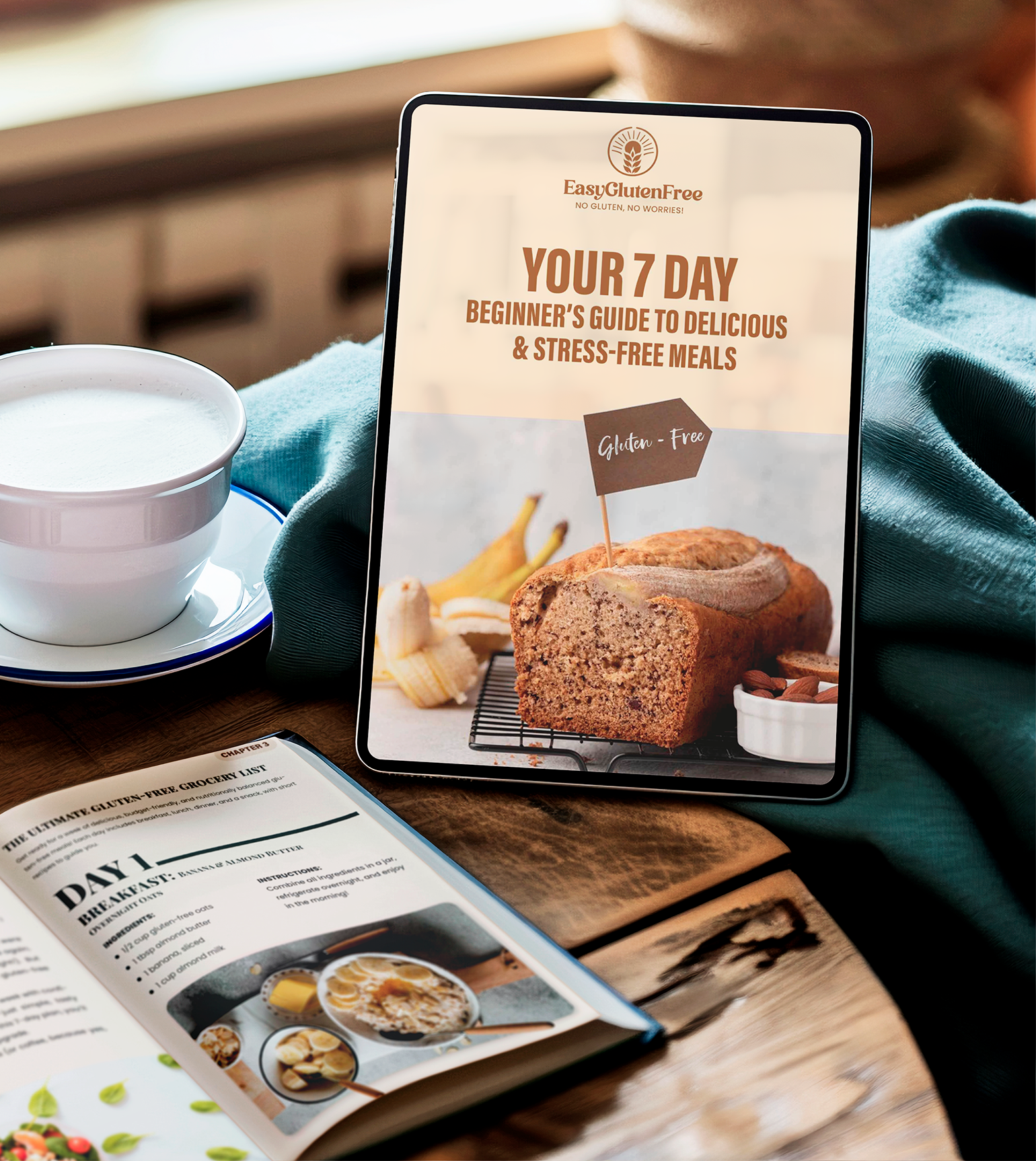
Free 7-Day Beginner’s Guide

We See You Googling
‘Easy Gluten-Free Dinner’ Again

Save your search history some stress. Grab our FREE 7-Day Beginner’s Guide and finally have a plan you can actually cook.

Free 7-day gluten-free beginner's guide