Blog

Your blog category

Blog

“Mastering Gluten-Free Pizza: A Delicious Adventure in the Kitchen”

Who doesn’t love pizza? That tasty goodness with its doughy base and cheese that’s gooey just in all the right places, and garnished with your favorite toppings? Pizza is a comfort food for many, and it can be a little disappointing when you discover you have to see it off your menu due to your new gluten-free lifestyle. The good news, however, is that you don’t have to! Yes, you read that right. Pizza can absolutely be a part of your gluten-free lifestyle. The crucial factor here is the flour. Typical pizza dough is made from wheat flour, which naturally contains gluten. This is what makes the dough stretchy and gives pizza its quintessential mouth-feel. Navigating how to make the perfect gluten-free pizza dough can seem like a gigantic challenge, but we are here to make it easy for you! Remember when we talked about the [Guide to Gluten-Free Flours](link here)? Well, it’s time to revisit that post because it’s going to be your treasure map for finding the perfect flour to make your gluten-free pizza. Playing around with different blends can have surprising (and delicious!) results. My personal favorite is a mixture of sorghum, brown rice, and chickpea flours. Now, the trick to get the doughy texture we all dearly miss is xanthan gum! Xanthan gum is the secret to giving your pizza dough that elasticity and fiber structure that gluten usually brings. As a bonus, it also helps to retain moisture, so your pizza doesn’t end up as dry as a biscuit! Next ingredient to our magical potion: Yeast. Yeast will help your pizza dough rise and result in that soft interior encased in a crisp outer crust. But remember to let the yeast interact with the sugar first. This process is called “proofing” and it’d give your dough a better texture and flavor. The concept of making gluten-free pizza might initiate some culinary anxiety, but I promise you, it’s very much doable and much more of an adventure than a daunting task. We learn as we go on this journey, and we develop our palette as we try new flavors and textures – and sometimes create some too! Feeling a bit overwhelmed? Don’t. Seriously, don’t. You don’t always have to plan a shopping trip around making this culinary masterpiece. There are pre-made gluten-free pizza bases available in the market. Just make sure to check the labels, or keep an eye out for our [Gluten-Free Shopping Guide](link here) before you add to the cart. Some brands sell gluten-free pizza bases that are ready to cook — you just have to pile on your favorite toppings and pop it into the oven. And voila, mouth-watering, gooey, gluten-free pizza is yours to feast on! Convenient, isn’t it? Especially for those days when the pizza cravings hit hard, but the chef in you doesn’t want to come out and play. Now let’s talk about the pizza sauce. While most homemade pizza sauces are naturally gluten-free since they are primarily composed of tomatoes, herbs, and spices, some store-bought versions may contain thickeners or flavor enhancers that have gluten. So, always read the labels before purchasing or when in doubt, make your own at home! There’s nothing like a homemade pizza sauce, trust me. Toppings? Why should they be a concern at all? You’d be surprised. While most vegetables, meats, and cheese are naturally gluten-free, processed variants can be sneaky hiding spots for gluten. So always double-check your pepperoni, sausages, or any other processed toppings. Being gluten-free does not mean missing out on comfort foods or the foods we love. It merely means tweaking them a bit to fit into our lifestyle. And honestly, these small adventures and experiments in the kitchen make the whole gluten-free journey even more interesting. So, slide that pizza into your oven and watch as the cheese melts and bubbles. Make sure to share your pizza pictures with us. We love to see your kitchen victories! Remember, the transition to a gluten-free lifestyle does require a bit of ingenuity and creativity in the kitchen, but believe me, it’s worth every bit of effort, especially when you’re sinking your teeth into your homemade gluten-free pizza! **Category: Baking & Cooking Science**
Blog

“Navigating Gluten-Free Shopping: Tips and Tricks for Beginners”

We all know that the changes we need to make for a gluten-free lifestyle can often feel a little challenging, even overwhelming. But, rest assured, it’s not an impossible task. When we’ve set our minds to something, we humans are very capable. Just like how we can climb mountains when we’ve never done it before…we can adopt a new lifestyle too. Now, let’s make it a bit easier for you — after all, that’s what I’m here for. Today, we will chat about gluten-free shopping and how, if done right, it can reduce stress, save time, and even slice that bill at the end of it. When you start your gluten-free journey, the first few trips to the supermarket can be confusing, frustrating, or at times, even daunting. Don’t worry, we’ve all been there. Picture me pacing up and down the aisles, trying to decipher what to put in my cart. Start by taking a deep breath, then vowing to take it one step at a time. Patience is the key when embarking on a gluten-free journey. It’s also helpful to keep in mind that you’ll soon adapt to these changes and they will eventually feel like second nature. Remember how you struggled to remember that PIN when you first got your card? The pasta, bread, cereal, and snack aisle can suddenly feel like a maze that you cannot navigate. You may feel like you’ve lost your best friends — cereals, pastries, and pasta — hello, macaroni! Did you also have a minor heart attack when you figured gluten was in those salad dressings and soy sauce? Oh, and the beer! Yes, I know, my friend, let those tears out. Nevertheless, as Einstein said, “In the middle of difficulty, lies opportunity.” Once you’ve mastered the skill of gluten-free shopping, there’d be no looking back. A well-planned shopping trip can help maintain a healthy diet, calm the nerves, and brighten up our gluten-free life! And, it’s a wonderful opportunity to try new foods you might have passed by before. Quinoa and buckwheat are now on your food radar…am I right? First things first: Plan your meals! Sounds a bit much? Well, trust me, this one step will save you time, money, and a whole lot of worry. Not sure where to start? Check out my previous post on “Busting the Budget Myth: Affordable Gluten-free Meal Planning” for some expert tips. Once you’ve planned your meals, creating a shopping list will be a breeze — not to forget, it’s very important to stick to said list to avoid unnecessary purchases. Next, fresh is our best friend! When navigating the store, it’s a good strategy to shop the perimeter — that’s typically where you’ll find fresh produce, meats, and dairy products. Fruits, vegetables, lean proteins, and plain dairy are naturally gluten-free. Plus, your body will thank you for the nutritious haul! Beyond fresh foods, you should get to know the gluten-free products aisle. Choosing the right gluten-free substitute for your pantry can be an adventure! Ready for a treasure hunt? Let’s dive in where I explain more about choosing between store-brand and name-brand gluten-free products. Remember, not all gluten-free bread tastes like cardboard…you just haven’t found the right brand for you yet. Stay away from hidden gluten. It’s the unexpected guest at the party we didn’t invite. Commonly, we find them disguised in processed meats, sauces, soups, and even candies. Always read the labels: if you’re unsure, leave it out. Now comes the trickiest part — reading packaging labels. Think of it as a passcode to your new lifestyle. Take your time and do it properly — no rushing here. It’s not as complicated as it first seems. Look for those magic words like “gluten-free” or a lovely little icon often depicted as wheat with a forbidden sign. Be aware, though, of labels saying “made with no gluten-containing ingredients” or “not made with gluten-containing ingredients”. These do not guarantee the product to be gluten-free as cross-contamination could occur during processing. Lastly, it’s all about exploration and flexibility. Gluten-free does not mean flavor-free. Things have come a long way since a few years ago. Gluten-free products are now engineered for better taste and texture — so keep an open mind and enjoy the hunt for your new favorites. So there you have it, my friends. With practice, your gluten-free shopping expeditions can become a hassle-free adventure. So gear up and get ready for your next trip to the supermarket, because equipped with this knowledge, you’re ready conquer gluten-free shopping — one cart at a time! **Category: Gluten-Free for Beginners**

Blog

Global Flavors: Navigating Gluten-Free Living

Living a gluten-free lifestyle can be tricky, especially when dining out or attending social events. But with the right knowledge and a little planning, you can enjoy a wonderful meal anywhere, without compromising on your gluten-free commitment. Today, let’s talk about combining gluten-free living with some exciting global cuisine. Bon appétit! First, a bit of backstory. My love affair with world flavours started in college. My roommates were from different parts of the globe, and we had a deal. Each week, one of us would cook a meal from our home country. Through this, I tasted my first Ethiopian Injera (which is funnily enough, naturally gluten-free!), my first Korean Kimchi, and my first Indian Biryani. This early exploration of flavours sparked a lifelong interest in international cuisine. But when I discovered my gluten intolerance, I was worried. Would I have to give up my love for food and flavours? My connection to my friends’ cultures? Happily, the answer is an unequivocal no! With some simple hacks and careful choices, you can bring the world to your plate, while maintaining your gluten-free lifestyle! Let’s start our global food tour in Italy — the land known for pasta, pizza, and everything wheat. Seems like a nightmare for gluten intolerance, right? Wrong. First up, swap traditional pasta for gluten-free alternatives. Brands like Barilla and Ronzoni have excellent options that don’t compromise on taste or texture. For pizza, you have two options. Either opt for restaurants that offer gluten-free pizza bases or make your own at home using a gluten-free crust. You can check out our previous blog post on [how to make a scrumptious gluten-free pizza at home](#) to give it a try. Next, we’re heading to the Far East, specifically — Japan. Sushi can be a great gluten-free option. Just keep in mind to avoid regular soy sauce as it often contains wheat. Opt for Tamari, a gluten-free soy sauce substitute, instead. Also, if you fancy tempura, remember that it’s traditionally made with a wheat flour batter. Opt for sashimi, grilled fish, or meat without any coating. For our third stop, let’s step into the vibrant culture and equally vibrant cuisine of Mexico. Traditional Mexican food relies heavily on corn, which is naturally gluten-free. Tacos, enchiladas, and nachos are great options, provided the tortillas are made from pure corn and not a wheat-corn blend. Stuffed peppers, or chiles rellenos, are another delicious gluten-free option. As always, be wary of sauces and marinades! Traversing further west, we land in South India. Unlike North Indian cuisine, South Indian food is predominately rice-based and offers numerous gluten-free options. Dosas (a kind of crispy pancake), idlis (steamed rice cakes), and a variety of rice dishes can make for a tasty, gluten-free meal. The key, again, is to ensure that the sauces and condiments are gluten-free. Lastly, we make our way to Ethiopia. As hinted earlier, Ethiopian cuisine uses a lot of injera, a sourdough-risen flatbread made from teff — a naturally gluten-free grain. Along with loads of meat and vegetarian stews, your Ethiopian meal can make you forget about gluten altogether! A note of caution before we finish our journey: when dining out, always make sure to communicate your dietary needs with your server. Cross-contamination is a real issue when it comes to living a gluten-free life, and even a speck of gluten can result in a reaction for those with gluten-intolerance or a condition like celiac disease. Diving into the rich tapestry of international cuisine may appear challenging when following a gluten-free lifestyle; however, with awareness, tweaks, and careful choices, it’s certainly achievable! It’s all about enjoying the journey while managing a healthy lifestyle. If you’re new to gluten-free living, start slow and welcome the world of flavours gradually. You can find more guidance in our post on [gluten-free living for beginners](#). Food has always been a fantastic way to explore other cultures. So, pack your adventure bags (and your gluten-free essentials) and enjoy this culinary world tour from the comfort of your own kitchen. Who knows? Maybe your new favorite dish is just a cookout away! **Category: Lifestyle & Social**

Blog

Decoding Gluten-Free Labels: Navigating the Grocery Store

Navigating the bustling aisles of your local grocery store, with shelves stacked high with a plethora of food products, can be a daunting experience, especially when you’re committed to a gluten-free lifestyle. Deciphering food labels, trying to understand the fine print, and avoiding cross-contaminated items, can sometimes seem like trying to crack hieroglyphics. But don’t fret, fellow gluten-free friend. I’m here to simplify the task for you. Let’s start off with a mini trip down memory lane. I remember my initial grocery run, post my gluten-free commitment. My list was a mile long and so was my nervousness. I questioned everything in my cart, reading and rereading the labels like I was studying for an ultimate gluten-free test. Looking back at those days, I smile at the over-eagerness of my beginner self. The past few years of my gluten-free journey have taught me so much about label reading, ingredient hunting and trust-building with gluten-free food brands. Today, I’m going to share what I’ve learned. Let’s start at the beginning — with ingredients. While it’s safe to assume that products marked ‘gluten-free’ are indeed free from gluten, not every gluten-free product carries such a label. Those are the ones we need to be watchful for. When I say ‘watchful’, it doesn’t mean you have to sweat buckets, searching high and low for invisible gluten particles. Instead, just keep an eye out for common gluten-containing ingredients like wheat, barley, rye, malt, brewer’s yeast, and oats (unless specified gluten-free). I have [previously discussed](#) in detail about these hidden culprits that could mess with your gluten-free mission. Many packaged foods, ranging from frozen vegetables to pre-packaged salads may include sauces or seasoning mixes that contain hidden sources of gluten. This is where a careful reading of the ingredients list comes in. Products may not spell out ‘gluten’ explicitly but mentioning ‘wheat’, ‘barley’, ‘rye’ or their derivatives is a telltale giveaway. Another trick is to understand the language of food labels. ‘Gluten-free’ means the product is free from gluten ingredients and has been tested to meet gluten-free standards. However, ‘no gluten-containing ingredients’ means the product doesn’t contain any gluten ingredients, but it hasn’t been tested for gluten cross-contamination. Now, let’s talk about products labeled ‘Certified Gluten-Free’. This can indeed be a guiding light for all of us trying to navigate through the fog of inconsistent labelling. This badge essentially means that the product has met stringent standards and has passed tests confirming it to be free of gluten. Trust me, spotting this label on any product feels like finding a hidden treasure in a dense jungle. Considering that even the tiniest bit of gluten can trigger symptoms, it’s best to be aware of possible cross-contaminations too. If you are extra sensitive to gluten or have celiac disease, it’s best to choose products that are manufactured in a dedicated gluten-free facility. I have delved deeper into [gluten cross-contaminations](#) in one of my previous blogs. Do give it a read for an in-depth understanding. When it comes to fresh produce and raw ingredients, they are naturally gluten-free. The challenge however might be in the thorough washing and cooking of these ingredients in a gluten-free kitchen environment to avoid cross-contamination. Also, here’s a quick tip for when you’re walking down those store aisles: stick to the outer edges of your grocery store layout. The fresh fruits, vegetables, meat, and dairy are usually placed along the edges while the pre-packaged foods lurk in the middle. Planning your grocery trip beforehand can save you from potential gluten traps and also time at the store. Over time, you’ll find your go-to brands and products that make gluten-free living easier and even delightful. Be patient with yourself and don’t let those confusing labels get to you. With time, these tips will become ingrained, just like the gluten you’re trying so hard to avoid. The grocery store, with all its shelves stacked high, will no longer appear as a daunting labyrinth, but rather a treasure trove full of healthy, gluten-free foods waiting to be discovered. To make your grocery trips even easier, I am planning to publish a series of gluten-free product recommendations, covering everything from breads to chocolates. Stay tuned! Remember, knowledge is power. Now that you are equipped with these tips, carry that power with you on your next trip to the grocery store. Don’t forget to wear your smile along with that apron because, dear friend, gluten-free doesn’t mean joy-free. So, until our next gluten-free talk, stay happy, stay gluten-free! **Category: Educational Guides**

Blog

Gluten-Free Delights: Your Brunch Menu Decoded

Guess what? I just cracked the code on your perfect weekend gluten-free brunch menu. And, before you ask, yes, every single item here is gluten-free, and no, you won’t miss the gluten at all! #1 A Comforting Bowl of Acai & Berry Smoothie Bowl Start your day with this super easy, super delicious, and super healthy Acai & Berry Smoothie Bowl. This is a fantastic way to sneak in some fruits and nuts early in the morning. The best thing about a smoothie bowl is that it’s customizable. Don’t like strawberries? Substitute them for mangoes. Want more protein? Add a scoop of your favorite gluten-free protein powder. Remember, the key here is to make something that not only looks good but makes you feel good as well. Before you dive headfirst into this bowl of goodness, here’s a quick tip from our “5 Must-Try Gluten-Free Breakfast Ideas” post: always make sure your protein powder is gluten-free, because not all of them are. #2 The Star of the Show: Leek and Smoked Salmon Quiche Now, let’s move on to the star of our brunch: A Leek and Smoked Salmon Quiche. Crumbly, buttery crust stuffed with smoky salmon, tender leeks, and creamy, melted cheese – this meal screams comfort. With my addition of nutritional yeast in the crust, you’ll get a hint of cheesy tang without any additional dairy. Check out this ‘Decoding Food Labels for Gluten-Free Products’ post to learn more about the importance of verifying ingredients you’ve never used before. Just because something says it’s ‘yeast’ doesn’t mean it’s gluten-free. #3 Sweeten the Deal: Almond Flour Pancakes with Maple Syrup Round off your brunch with these fluffy and slightly nutty almond flour pancakes. I think I hear your tummy rumbling already! The fantastic thing about using almond flour is its rich nutrient profile, packed with healthy fats, protein, and vitamins. Also, almond flour gives a tender crumb, considered by many to be superior to traditional wheat flour pancakes. Pair these pancakes with some pure maple syrup and fresh fruits, and you’re in for a treat. While maple syrup is naturally gluten-free, always remember to check the labels for potential cross-contamination in processing. Just like that, in three simple steps we’ve created your perfect weekend brunch menu. Apart from being gluten-free, these meals are packed with health benefits, thanks to the generous use of fruits, nuts, and lean protein. But more than anything else, these recipes are proof that a gluten-free lifestyle doesn’t mean compromising on flavor. On the contrary, you can have foods that are healthy, delicious, and gluten-free. Of course, brunch is more than just food; it’s also about creating an atmosphere. So pour yourself a cup of gluten-free coffee or tea, play some soothing music, and relish the moment of enjoying an incredible gluten-free meal. Cooking and eating gluten-free doesn’t have to feel like a chore. When it’s filled with delicious and appetizing meals, you will look forward to every mealtime. As you browse through these recipes, remember that it’s all adjustable. If you find something you don’t like or can’t have, don’t fret, replace it with what you love and enjoy. Gluten-free cooking is not a ‘one size fits all’ recipe. It’s customizable to your taste, your nutrition requirements, and your pleasure. In the end, I hope these brunch recipes inspire you to spend a few more minutes in the kitchen cooking rather than worrying about gluten hiding in your food. Joy in what you eat is a significant step towards joyful living. So go ahead and munch away! **Category: Baking & Cooking Science**
Blog

“Rise and Shine: Delicious Gluten-Free Breakfasts Await!”

We all know breakfast is the most important meal of the day, but sometimes it can also be the trickiest, especially when juggling a gluten-free lifestyle. The traditional breakfast staples — toast, cereals, pastries — are usually loaded with gluten. But don’t worry, just because you’ve said no to gluten, doesn’t mean you have to say goodbye to delicious and fulfilling breakfasts. “No more breakfast blues” is what I mantra-ed this morning as I savored my homemade gluten free pancakes topped with fresh berries and a drizzle of pure maple syrup. But let’s rewind a bit. When I initially embraced a gluten-free life, breakfast became a frustrating meal. I wouldn’t say I’m a morning person, and the last thing I wanted was to play a game of “beat the clock” while trying to whip up something tasty and gluten-free before rushing off to start my day. Sound familiar? If it does, have no fear, Claire is here! Together, we’ll venture into the delightful realm of gluten-free breakfasts, so you can start your day on the right, scrumptious note. Before we delve further, if this is your first journey into the world of gluten-free food or you’re considering it, I suggest you take a look at the [Easy Gluten Free Beginners Guide](https://www.easyglutenfree.slash/beginners-guide) on this blog. It’s my personal guidance to help newbies navigate the gluten-free universe. Right, back to the matter at hand— breakfast! **The Gluten-Free Breakfast Buffet** The first question after that early morning yawn often is, “What’s for breakfast?” To answer that, I’ve compiled a list of some of my favorite gluten-free breakfast options. Surely, one (or more!) might tickle your taste buds. 1. **Smoothie Bowls:** I’ve been, with good reason, a longtime fan of smoothies! They’re basically health in a blender— a combination of fruits and vegetables, plus some superfoods and protein. Want some tips on how to make the best smoothies? Check out [The Ultimate Gluten Free Smoothie Guide](https://www.easyglutenfree.slash/smoothie-guide). Breakfast is served in less than ten minutes! 2. **Eggs galore:** It may come as no surprise that eggs are a breakfast hero. Eggs Benedict, scrambled, sunny side up, or simply hard-boiled eggs. Eggs are a protein-packed breakfast choice that is naturally gluten-free. 3. **Gluten-Free Grains:** Are you a cereal lover? Say hello to options like Buckwheat (not to be confused with wheat!), quinoa, and certified gluten-free oats that can be turned into delightful porridges or wholesome granolas. Add your choice of fruits and nuts, and you got breakfast served. 4. **Gluten-free Pancakes and Waffles:** Believe it or not, pancakes and waffles can still be enjoyed without the gluten. A variety of gluten-free flours (like almond, coconut, or a gluten-free blend) can be used for a fluffy and delightful start to the day. 5. **The breakfast casserole:** Eggs, bacon or ham, gluten-free bread or potatoes, and cheese- all baked together until golden brown. It’s make-ahead, freezer friendly, and perfect for busy mornings. These are just a few of the many gluten-free breakfast possibilities. The key is a little creativity, a big appetite, and a handful of basic gluten-free ingredients. **Tips and Tricks** I’ve found that things like meal planning and food prep can be massive time savers. Aiming to eat healthily when you’re busy can be challenging, and it’s harder still when you’re juggling gluten-free restrictions. Here’s an idea: dedicate a little time over the weekend to making a big batch of gluten-free granola or pancakes batter that you can portion and freeze, ready to pop onto a hot griddle on a busy morning. Another helpful tip is to keep your pantry stocked with the gluten-free basics — I have listed my key pantry staples in the post [Gluten Free Pantry Essentials](https://www.easyglutenfree.slash/pantry-essentials). Final words? Don’t give up. You’ll have days where it feels like too much work or you’re bored of eating the same thing. On those days, switch it up. Try a new gluten-free bread recipe or look for fancy new toppings for your morning smoothie bowl. The key is to enjoy your food, so make breakfast something to look forward to! And with that, I wish you some brilliant mornings fueled by delightful, delicious, and totally gluten-free breakfasts. **Category: Gluten-Free for Beginners**

Blog

Navigating the Gluten-Free Snack World: Tips, Tricks, and Triumphs

Hello, gluten-free friends! Let’s take a few minutes out of our day to chat about navigating the wide world of snacking. Now, snacks are a much-loved part of any diet — after all, who doesn’t enjoy a pick-me-up between meals, or a little something to satisfy that late-night craving? But if you’re living gluten-free, you’re always looking for the savviest ways to keep tasty, nutritious, and above all else, gluten-free snacks on hand. One of my favourite things about being gluten-free is the magical world of experimentation it opens up. It’s like going on a snack expedition, climbing mountains of information, fording streams of options, and delighting in each rewarding discovery. Have you ever found that rare snack that satisfies your craving, meets your nutritional needs, and doesn’t compromise your gluten-free lifestyle? When devoured, it’s as victorious as planting a flag at a summit peak! Trust me, wonderful gluten-free friends, it can be done! And together, we’ll map out the journey. Just like you would before setting out on a grand adventure, you need to prepare for your snack expedition. Want to know how? It’s critical to stock your kitchen with some tried-and-true gluten-free ingredients that can come together quickly to form a satisfying snack. Some my favorites from our [gluten free pantry list](Pantry List) are nuts and seeds, fresh fruits, and vitamin-rich vegetables. That’s why I’m always raving about the beauty of DIY gluten-free snacking. And no, I’m not suggesting you spend hours labouring over gluten-free granola bars or from-scratch dips. There are simple, wholesome, and utterly delectable snacks that can be whipped up in minutes. For instance, it takes me no more than 5 minutes to put together a bowl of mixed nuts, seeds, and dried fruits. Then I might slice up a juicy apple or a handful of crunchy carrot sticks—voila, snack time is sorted! But what about those times when you’re on-the-go, out and about in the world and a snack attack strikes? Learning to prepare simple, portable gluten-free snacks that you can take along on your journeys outside will not only keep you satiated but it can help you avoid the temptation of quick, gluten-filled alternatives. Try making my personal favourite, protein-packed quinoa salad [on-the-go quinoa salad recipe](Quinoa Salad Recipe) and portioning it out into reusable containers for easy, on-the-go munching. Now, for those moments when you’re caught empty-handed—or empty-pocketed—and in need of a snack, don’t despair! There are plenty of gluten-free options available in most supermarkets and even corner stores. From crisp packets labeled ‘Gluten-Free’ to naturally gluten-free fruits, rest assured you’ll find a snack to nibble on. Do keep an eye out though, because not everything that seems gluten-free is actually safe [knowing your labels](Label Reading Guide). It’s so important to get familiar with food labeling and to understand what specifically to avoid. If you’re still not sure, friendly reminder: you can always go for fresh fruits and veggies. When in doubt, you can’t go wrong with Mother Nature’s produce– fresh, tasty and guaranteed gluten-free! Speaking of grocery stores, did you know that many of the big-name supermarkets now have dedicated gluten-free sections? Yes, indeed! These handy sections stock a wide array of gluten-free products, from crackers to cookies, and are a godsend for those times when you don’t have a snack prepared. Be ready though, as the temptation can be high with so many tasty options in sight! Finally, let’s not forget the role technology can play in helping us live our best gluten-free lives. There are some superb gluten-free apps out there that can help find eateries near you that cater to a gluten-free diet, suggest delicious and nutritious gluten-free recipes and even provide an online community where you can swap tips and share stories with fellow gluten-free folks. Breaking away from gluten doesn’t mean breaking away from variety or taste when it comes to snacking. Instead, it opens up a world of fascinating flavors and nutritious nibbles. With every bite you take, you’re nurturing your body, cherishing your health, and celebrating the vibrant life you lead. So, dear reader, next time you find yourself setting off on a glorious snack expedition, remember to pack your gluten-free map and compass – adventure, flavor, and health are all waiting for you out there! Until our next culinary adventure, Claire Bennet, signing off. **Category: Lifestyle & Social**

Blog

“Uncovering Gluten: The Hidden Dangers in Your Bathroom Cabinet”

When one adopts a gluten-free lifestyle, one of the hardest challenges is not just avoiding the basket of warm, crusty bread at restaurants or saying goodbye to your beloved doughnuts. It’s often the unexpected places where gluten hides that can be tricky and somewhat a bit annoying to uncover. One such place is your bathroom cabinet. That’s right, gluten can be lurking in your everyday hygiene products such as your toothpaste, shampoo, and skin cream. If you’re super sensitive to gluten, it could cause a reaction, which you definitely don’t want! So how do you avoid it, especially if the products aren’t labelled as gluten-free? Well, clueing yourself up on the potential places where gluten lurks is the first step. So let’s dive a little deeper into this topic. Take a breath and let me hold your hand as we embark on a journey to your bathroom cabinet, where you may have never thought to have a look. It might sound a little scary at first, but knowledge is power. And once you’re armed with this power, you can make better choices about the products that you use every day. First stop, toothpaste. I know, who’d have thought, right? A lot of toothpaste brands use gluten as a binding agent to get that perfect texture. A nice, effective brushing is essential, no doubt, but if you suffer from Celiac and are super sensitive, even a little gluten can upset your system. That’s why it’s essential to check the ingredients list on your toothpaste. Some of the words to look out for include, but aren’t limited to: wheat, barley, rye, malt, brewer’s yeast, and oats (unless specifically labelled gluten-free). It’s like decrypting a code, but once you’ve got the hang of it, it becomes second nature. Also, you can skip the intensive reading check by sticking to tried and trusted gluten-free toothpaste brands. Check out my past list of [five gluten-free toothpaste brands](#) to make brushing a breeze — you can thank me later! Let’s move on to shampoos and conditioners. Much like toothpaste, many of these products contain wheat proteins and other gluten-derived ingredients to help enhance the product’s texture and moisturizing properties. While some people can use these products without a problem, those with severe gluten allergies or Celiac disease might experience symptoms like an itchy scalp or skin rashes. Start reading the labels — names like wheat germ oil or hydrolyzed wheat protein should raise an alarm. Of course, to spare the guessing game, switching to a reliable gluten-free brand is the way to go. Here is a post I wrote a while ago on [gluten-free shampoos](#) that you might find useful. Now that you’ve taken care of your teeth and your tresses, let’s talk about skincare. Your daily moisturizer, sunscreen, and even your beloved lip balm could be potential hiding places for gluten. In skincare products, it’s often used as a binder and emollient. As always, vigilance in checking ingredient lists is a must. Remember, just because something is organic or vegan does not automatically make it gluten-free. Similarly, a product being marked “wheat-free” does not equate to being gluten-free. Also, keep in mind that “gluten-free” isn’t regulated for personal care products, so checking ingredient labels is your safest bet. The flask of body lotion sitting on your shelf might have gluten, as companies often add wheat germ oil for its beneficial properties. Even makeup isn’t safe from gluten’s reach. Mascara, foundation, lipsticks — oftentimes, ingredients derived from gluten are used to improve the product’s consistency or staying power. Still with me as we venture this daunting gluten world? Seems challenging? Feel like throwing your arms up and pledging only to use water for the rest of your life? Hang on! It might seem a little overwhelming at first, but remember, it does get easier. And to help keep the overwhelm from invading your shopping trips, I am equipping you with one crucial piece of advice — always, always read the labels. Oh, and don’t forget, you have a whole community here at Easy Gluten Free who’s got your back. If you’re not sure, ask questions, share products that you love, and together we’ll make this lifestyle not just manageable, but enjoyable! It seems like a lot to remember, but you don’t have to do it all at once. You’ve already taken the first step by reading this blog. As the famous phrase goes, ‘Rome wasn’t built in a day’. Well, your gluten-free journey is no different. It will be built one day at a time, one product at a time. Embracing a gluten-free lifestyle is more than just editing your grocery list. It’s a holistic approach that impacts different facets of your day-to-day life. While companies are slowly catching up and providing more gluten-free options, we, as consumers, need to continue advocating for transparency and safety in the manufacturing processes. Remember, embarking on a gluten-free journey is a major lifestyle change, and a little hiccup here and there is part of the process. So breathe, take your time, and celebrate each small victory on your path to a gluten-free life. Because we, at Easy Gluten Free, salute your determination and are ever ready to support your gluten-free journey! **Category: Health & Wellness**

Blog

Brewing Clarity: Is Coffee Gluten-Free?

It’s a sweet little moment that blossoms every morning — the simple act of brewing coffee. As the aroma wafts through the air and fills your kitchen, it signals the start of a brand-new day. But what happens when your beloved coffee ritual becomes a little complicated due to gluten sensitivity or celiac disease? Fret not, my dear friends, because today, we are going to explore a question that perhaps may have been nudging at the corner of your minds: “Is coffee gluten-free?” On the face, it may seem like an odd question. Coffee — that’s just beans and water, right? Well, while pure coffee itself is indeed gluten-free, problems can arise with what we sometimes add to it, whether it’s flavorings, creamers or even certain processing methods. Let’s pour ourselves a cup of knowledge while we spill the beans on this topic. Let’s start from scratch — what about coffee beans? Thanks to Mother Nature, coffee beans, in their pure, unadulterated form, are naturally gluten-free. Being a seed from the Coffea plant species, coffee doesn’t contain any gluten like barley, rye, or wheat do. So, if you are one to savor your coffee black as midnight on a moonless night, you are in the clear. However, for those of us who delight in the frothy dances of creamers or mesmerizing swirls of flavor shots, the journey could get a little tricky. That’s because many coffee creamers and flavorings can contain gluten-based ingredients, or might have been processed on equipment that also processes gluten-containing products. Something we’ve been deep-diving on recently is how reading labels becomes a habit (and almost a lifeline) when you are embarking on a gluten-free journey. If you want to get good at it, refresh yourself with the basics with our [10 Tips for Reading Food Labels When You’re Gluten-Free](past_link_here). This practice is critical when you’re browsing through shelves of different coffee creamers and syrups. To take the guesswork out, prepare your creamer from a dairy or plant-based milk that you trust. Throw a vanilla bean in your sugar jar for some naturally infused vanilla sweetness. A spoonful of this vanilla sugar can enchantingly elevate your daily cup. For those with a knack for DIY, try our favorite flavorsome [Homemade Gluten-Free Coffee Creamer Recipe](past_link_here). Cold brewing has taken the world by storm. This method involves steeping ground coffee in cold water for a prolonged period, extracting flavors slowly and gently. It creates a smoother, less acidic brew that’s delightful on a hot, sunny day. Now, the curiosity might strike — “Is cold brew coffee gluten-free?” Generally, yes. It possesses the same principles as hot coffee. However, the catch is if the coffee is flavored or mixed with malt-based alcohol for any reason. This could introduce gluten into the mix. Now, do you remember the fascination we all had when dalgona coffee, or whipped coffee, become a sensational trend on social media? Before you whip up a storm, though, please ensure that the instant coffee you are using is gluten-free. Look for brands that specifically state “gluten-free” or ones where the only ingredient is coffee. You might wonder, “Why instant coffee? Isn’t it just coffee?” Well, dear reader, this is where we invite you into the fascinating world of food science. Some brands of instant coffee are not purely coffee. They may contain fillers like wheat derivatives or maltodextrin, which can contain gluten, depending on its source. Remember, being on a gluten-free diet doesn’t mean that you have to sacrifice your favorite gustatory experiences. With a little awareness and a dash of caution, you will be able to enjoy your morning cuppa, just the way you love it, while still keeping gluten at bay. So, next time when the sunrays of the dawn are just peeking over the horizon and you’re shuffling towards your kitchen, ready to start brewing that coffee, you’ll know that you’re making a choice that respects your body. After all, your morning cup of coffee is more than just a drink — it’s a ritual, a meditative moment of peace before the day begins. Now, you can enjoy it, knowing that it aligns with your gluten-free journey. And if you ever have a query simmering away, remember that the Easy Gluten Free family is here to brew answers with you! **Category: Educational Guides**

Blog

Gluten-Free Meal Planning on a Budget: Tips and Tricks

Have you ever found yourself staring at the shelves in the grocery store, feeling overwhelmed by all the gluten-free products and not sure where to start? Or maybe you’ve been living a gluten-free lifestyle for a while but want to freshen up your meal planning routine. Well, you’re in luck because today we’re going to talk about budget-friendly meal planning for a gluten-free diet! Eating gluten-free can sometimes get a bad rap for being expensive, but with a little creativity and planning, you can enjoy delicious meals without breaking the bank. The key is to be strategic with your shopping and meal prep. So, grab a pen and paper (or your favorite note-taking app) because we’re about to dive into some practical tips to help you navigate gluten-free meal planning on a budget. **1. Plan Your Meals** One of the best ways to save money on groceries is to plan your meals for the week. Take some time to sit down and create a meal plan that includes breakfast, lunch, dinner, and snacks. This way, you’ll know exactly what you need to buy at the store and can avoid any impulse purchases. **2. Keep It Simple** When it comes to gluten-free meal planning on a budget, simplicity is your friend. Stick to basic ingredients like rice, quinoa, potatoes, beans, and fresh fruits and vegetables. These items are often more affordable and can be used in a variety of dishes. **3. Shop the Sales** Keep an eye out for sales and discounts on gluten-free products at your local grocery store or online. Stock up on items that are on sale, like gluten-free pasta, canned goods, or snacks. You can also use coupons and cashback apps to save even more money. **4. Buy in Bulk** Buying gluten-free items in bulk can also help you save money in the long run. Look for bulk bins at the grocery store where you can purchase ingredients like flours, nuts, and seeds by weight. You can also consider joining a wholesale club to buy gluten-free products at a lower cost. **5. Cook in Batches** Cooking in batches is a great way to save time and money. Prepare large portions of your favorite gluten-free dishes and freeze them for later use. This way, you’ll always have a delicious meal on hand, and you won’t be tempted to order takeout on busy nights. **6. Get Creative with Leftovers** Don’t let leftovers go to waste! Get creative and repurpose them into new meals. For example, leftover roasted vegetables can be added to a salad or turned into a hearty soup. This not only saves money but also reduces food waste. **7. DIY Gluten-Free Staples** Instead of buying pre-packaged gluten-free products, consider making your own at home. Items like gluten-free bread, granola bars, and snack mixes can be easily made with simple ingredients. Not only is this more budget-friendly, but you can also customize the recipes to suit your taste preferences. **8. Explore Plant-Based Proteins** Incorporating more plant-based proteins into your diet can help lower your grocery bill. Items like beans, lentils, tofu, and chickpeas are not only affordable but also packed with nutrients. Try adding them to your favorite gluten-free recipes for a budget-friendly twist. **9. Don’t Forget About Snacks** It’s easy to overspend on gluten-free snacks, so make sure to plan ahead and stock up on budget-friendly options. Items like popcorn, nuts, seeds, and homemade trail mix are great choices for satisfying your snack cravings without breaking the bank. By implementing these budget-friendly meal planning tips into your gluten-free lifestyle, you can enjoy delicious and nutritious meals without breaking the bank. Remember, it’s all about being resourceful, creative, and mindful of your spending. With a little effort and planning, eating gluten-free on a budget can be both enjoyable and sustainable. So, the next time you find yourself in the grocery store, remember these tips and tricks to help you make the most of your gluten-free meal planning journey. Happy cooking! **Category: Budget & Meal Planning**

Scroll to Top
Free 7-Day Beginner’s Guide

We See You Googling
‘Easy Gluten-Free Dinner’ Again

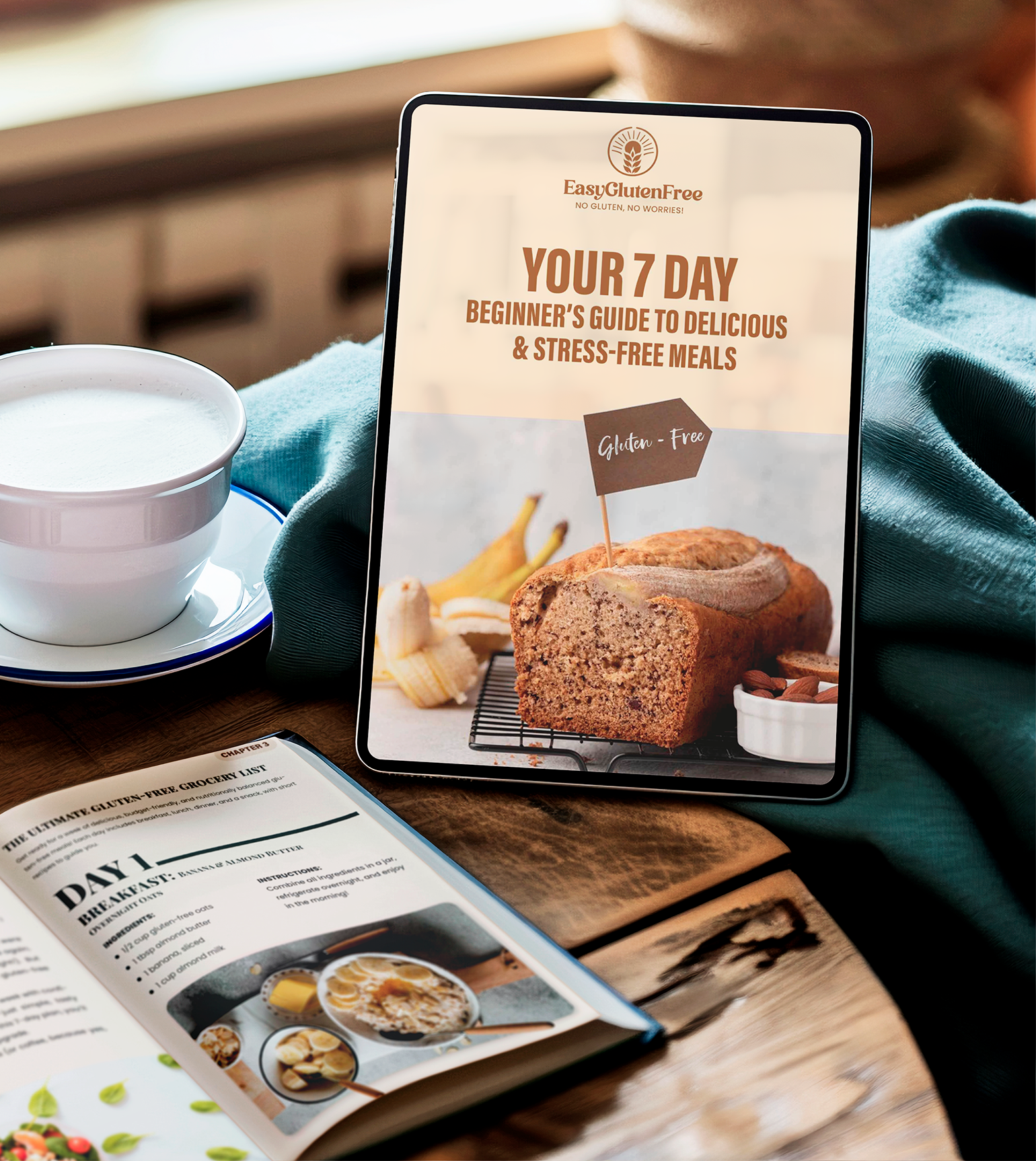
Save your search history some stress. Grab our FREE 7-Day Beginner’s Guide and finally have a plan you can actually cook.

Free 7-day gluten-free beginner's guide