Blog

Your blog category

Blog

“The Gluten-Free Flour Guide 2025: Everything You Need to Know”

2025 Guide The Best Gluten-Free Flours in 2025 Looking for the best gluten-free flours in 2025 so your pancakes don’t fall apart and your cookies don’t taste like sand? You’re in the right place. This guide walks you through the top gluten-free flours, how to use them for gluten-free baking, and exactly when to reach for almond flour versus coconut flour (and when to absolutely not mix the two). Download Our Free Gluten-Free Starter Guide 7-day meal plan shopping list Tips & 3 beginner-friendly recipes download now Introduction Going gluten-free used to mean giving up flaky croissants, chewy pizza crust, and birthday cakes that didn’t crumble at the first touch of a fork. In 2025, that’s no longer the case. With thoughtful gluten-free baking and the right gluten-free flours, you can enjoy bakes that are tender, fluffy, and full of flavor—without a trace of wheat, barley, or rye. The challenge is that the gluten-free aisle has exploded. You’ll see almond flour, coconut flour, oat flour, sorghum, buckwheat, tapioca, arrowroot, cassava, and a dozen all-purpose gluten-free blends… and that’s before you even add the starches and binders. The question most people ask me is: “Which gluten-free flour should I actually buy, and how do I use it so my recipes work every time?” This 2025 guide is here to answer exactly that. We’ll break down the best gluten-free flours, how they behave, how to substitute them, and which ones to keep in your pantry depending on whether you mostly bake cookies, bread, or quick weekday dinners. Whether you’re cooking for celiac disease, gluten sensitivity, or simply feeling better grain-free, this is your roadmap to gluten-free baking that’s delicious, reliable, and stress-free. Table of Contents ▾ 1. Understanding Gluten-Free Flours in 2025 2. Almond Flour: The Gluten-Free Baking Powerhouse 3. Coconut Flour and Other Low-Carb Staples 4. Building Your Own Gluten-Free Flour Blend 5. Practical Tips for Foolproof Gluten-Free Baking 1. Understanding Gluten-Free Flours in 2025 When you remove gluten from baking, you’re removing the protein that gives dough elasticity and helps trap air for that tender, bouncy crumb. Gluten-free flours don’t naturally behave like wheat flour, which is why early gluten-free baking often turned out dry, dense, or gummy. The good news: modern gluten-free flours are much more refined, and when you understand how they work, you can recreate almost any classic recipe. In 2025, gluten-free baking typically relies on a blend of three components: a base flour, a structure flour, and a starch. The base flour brings flavor and bulk—think brown rice flour, sorghum flour, oat flour, or almond flour. Structure flours add protein and a bit of chew, such as buckwheat or teff. Starches like tapioca, potato, or arrowroot lighten the crumb, create crisp edges, and help with browning. Most store-bought gluten-free all-purpose blends combine these categories for you. This is why you’ll often see ingredients like rice flour, tapioca starch, and potato starch grouped together on the label. These blends are designed to replace regular flour cup-for-cup in many recipes, especially cookies, muffins, pancakes, and quick breads. However, they’re not all created equal—some are better for tender baking, while others perform better in yeasted bread. Here’s a simple way to think about the major players on your gluten-free shelf in 2025: Grain-based gluten-free flours (rice, sorghum, millet, certified gluten-free oat flour) are neutral to slightly nutty in flavor and mimic the texture of wheat flour most closely. Nut and seed flours (almond flour, hazelnut, sunflower seed flour) are rich and tender, adding moisture and healthy fats, fantastic for gluten-free baking that feels indulgent. Root and tuber flours (cassava, potato, tapioca) add stretchiness, crispness, or chew, depending on how you use them. They’re invaluable in pizza crusts and tortillas. Specialty flours (coconut flour, buckwheat, teff, chickpea) bring stronger flavors or unique nutrition profiles, shining in specific recipes but rarely used alone. On top of that, most gluten-free bakers use a small amount of a binder like xanthan gum or psyllium husk to replace gluten’s elasticity. While that may sound technical, in practice it’s as simple as adding 1/4 to 1/2 teaspoon per cup of flour in recipes that need structure, like bread or pizza dough. As you experiment in your own kitchen, remember that gluten-free flours are not interchangeable in a 1:1 way. Swapping almond flour for coconut flour in the same quantity, for example, will almost always lead to failure. Instead, think of each flour as a tool with a specific job, and choose your flour based on the texture you want: light and airy, soft and cakey, rich and moist, or crisp and crunchy. Need Help Staying Organized? Plan meals & shopping Stay on track with ease See Planner 2. Almond Flour: The Gluten-Free Baking Powerhouse Almond flour remains one of the best gluten-free flours in 2025 for home bakers who want reliable, crowd-pleasing results. Made from finely ground blanched almonds, it’s naturally gluten-free, grain-free, and rich in healthy fats, protein, and vitamin E. In gluten-free baking, almond flour brings tenderness, moisture, and a lovely mild nuttiness that works in both sweet and savory recipes. Because almond flour is higher in fat and lower in starch than wheat flour, it behaves very differently in recipes. Instead of building structure, it creates a soft, moist crumb that’s more forgiving of over-baking than most gluten-free flours. This is why almond flour is so popular in gluten-free baking recipes like brownies, cookies, banana bread, and snack cakes—the result is rich and satisfying, not crumbly or dry. To get the best results from almond flour: Use finely ground, blanched almond flour, not almond meal. Blanched flour (skins removed) gives lighter texture and more delicate flavor. Combine almond flour with a starch such as tapioca or arrowroot when you want more elasticity or crisp edges—for example, in pizza crust or waffles. Expect denser batters than with wheat flour. Almond flour batters don’t pour as easily but bake up moist and tender. Reduce oil or butter slightly compared to wheat recipes, because

Blog

“The Ultimate Guide to Gluten-Free Flours in 2025”

2025 Guide The Best Gluten-Free Flours in 2025 Looking for the best gluten-free flours in 2025 that actually bake, taste, and feel like the real thing? This guide walks you through the must‑have flours, how to use them, and which blends will finally make your gluten-free baking feel easy and joyful. Download Our Free Gluten-Free Starter Guide 7-day meal plan shopping list Tips & 3 beginner-friendly recipes download now Introduction If you’ve ever opened your pantry, stared at five different bags of gluten-free flour, and wondered why your banana bread still sinks in the middle, you are not alone. Gluten-free baking in 2025 is light‑years ahead of where it was even five years ago, but the sheer number of options can feel overwhelming. Almond flour, coconut flour, sorghum, oat, cassava, 1:1 blends… which one actually belongs in your cookies, and which one turns your muffins into dry little bricks? This guide is here to uncomplicate things. We’ll walk through the best gluten-free flours available in 2025, what they’re made from, how they behave in recipes, and when to use each one. Think of it as your friendly gluten-free baking roadmap: clear, practical, and rooted in real‑life kitchen testing, not just theory. Whether you’re new to the gluten-free lifestyle or you’ve been at it for years and still chasing that perfect chewy chocolate chip cookie, we’ll help you build a flour toolkit that actually works. We’ll also look at nutrition, cost, and cross‑contamination concerns for those with celiac disease or high sensitivity. Along the way, you’ll see how to pair flours (for example, using almond flour to add richness, or coconut flour to absorb moisture), and how modern “cup‑for‑cup” gluten-free baking blends can make weeknight baking almost as easy as it was before wheat left your kitchen. By the end, you’ll know exactly which gluten-free flours to stock, how to use them with confidence, and which brands and recipes are worth bookmarking. Table of Contents ▾ 1. Understanding Gluten-Free Baking in 2025 2. The Top Single-Ingredient Gluten-Free Flours 3. 1:1 Gluten-Free Baking Blends: When to Use Them 4. How to Choose the Right Flour for Each Recipe 5. Pantry Setup, Storage & Budget Tips 1. Understanding Gluten-Free Baking in 2025 Gluten-free baking has changed dramatically over the last decade. In the early days, most recipes were dense, crumbly, and had that unmistakable gritty texture. Today, thanks to better milling techniques, improved starches, and smarter combinations of grains and nuts, you can create gluten-free baked goods that are soft, fluffy, and nearly indistinguishable from their wheat‑based counterparts. To really understand the best gluten-free flours in 2025, it helps to know what gluten did in the first place. Gluten is the protein in wheat, barley, and rye that gives dough elasticity and helps trap air bubbles. That’s what makes bread chewy, cakes tender, and pizza stretchy. When we remove gluten, we have to think in terms of “functions,” not just ingredients: what will create structure, what will hold moisture, and what will add tenderness and flavor? Most successful gluten-free baking relies on a combination of three building blocks: Whole-grain flours (like brown rice, sorghum, or certified gluten-free oat flour) for flavor, color, and some structure. Starches (like tapioca, potato, or arrowroot) to add lightness, chew, and that soft, bouncy crumb you want in pancakes and bread. Protein- or fat‑rich flours (like almond flour or coconut flour) to increase tenderness, richness, and moisture. In 2025, we also have better tools: highly consistent “gluten-free baking blends” designed to mimic all‑purpose wheat flour, plus improved xanthan and psyllium options to substitute some of gluten’s binding power. But even if you lean heavily on 1:1 blends, understanding individual flours will help you customize recipes and troubleshoot texture problems. Another evolution: ingredient transparency. Many brands now clearly label whether their products are safe for people with celiac disease, and more facilities are certified gluten-free. When you’re reading flour labels, look for “certified gluten-free,” watch for potential cross‑contaminants (like shared oats or processing lines), and keep an eye on added ingredients like gums, sugar, or milk powder if you prefer to keep things simple or allergen‑friendly. Finally, remember this guiding principle: gluten-free baking is more about hydration and balance than strict substitution. The same “cup” of almond flour behaves nothing like a cup of coconut flour. Some flours (especially coconut and certain starches) absorb a surprising amount of liquid; others (like almond flour) stay moist and rich. Once you accept that recipes sometimes need small tweaks—an extra egg, a spoonful of starch, a splash more milk—your gluten-free baking becomes far more predictable and enjoyable. Need Help Staying Organized? Plan meals & shopping Stay on track with ease See Planner 2. The Top Single-Ingredient Gluten-Free Flours Single‑ingredient gluten-free flours are exactly what they sound like: flours made from one whole food, such as almonds, oats, or coconut. They’re powerful tools because they let you control flavor, nutrition, and texture in a very targeted way. Below are the most reliable options to keep in your pantry in 2025, how they behave, and the best ways to use them. Almond flour Almond flour has become a gluten-free baking superstar, and for good reason. It’s naturally grain‑free, higher in protein and healthy fats, and gives baked goods a tender, moist crumb with a gentle nutty flavor. It shines in cookies, quick breads, muffins, tart crusts, and brownies. When you’re searching for “gluten-free baking” inspiration, almond flour recipes often deliver that bakery‑style richness you may be missing. How to use it: Almond flour does not behave like wheat flour or like starch‑based gluten-free blends. It’s heavier and moister. It works best in recipes that are designed specifically for almond flour or when it’s used in combination with a lighter flour or starch (for example, half almond flour and half gluten-free all‑purpose blend). It pairs especially well with eggs, which help provide structure. Best uses: Cakes with a moist crumb (carrot cake, lemon cake), brownies, cookies, financiers, and crusts. Avoid using it alone in

Blog

The Flour Power: Your 2025 Gluten-Free Guide

2025 Guide The Best Gluten-Free Flours in 2025 Finding the best gluten-free flours in 2025 doesn’t have to feel like a chemistry experiment. With a few smart choices and some easy tips, you can bake bread, cookies, and pancakes that are so good no one will guess they’re gluten-free. Download Our Free Gluten-Free Starter Guide 7-day meal plan shopping list Tips & 3 beginner-friendly recipes download now Introduction If you’re new to gluten-free baking, the flour aisle in 2025 can look overwhelming. Almond flour, coconut flour, oat flour, cassava, sorghum, teff, tapioca starch, all-purpose blends… and that’s before we even talk about xanthan gum. The good news: you don’t need to understand every single option to start baking food you truly love. In this guide, we’ll walk through the best gluten-free flours in 2025, how they behave, and when to use them. Whether you’re cooking for celiac disease, gluten sensitivity, or just feel better grain-free, you’ll learn which flours to stock, which to skip, and how to combine them for consistent results. We’ll keep it practical, approachable, and 100% gluten-free lifestyle–friendly. We’ll also sprinkle in real-world tips for gluten-free baking, including how to convert your favorite wheat recipes, how much liquid to add when using almond flour or coconut flour, and which all-purpose blends are worth the money. By the end, you’ll have a confident game plan for gluten-free baking, from fluffy pancakes to crusty bread. Table of Contents ▾ 1. Understanding Gluten-Free Flours in 2025 2. The Best All-Purpose Gluten-Free Flour Blends 3. Single-Ingredient Flours: Almond, Coconut & More 4. How to Choose the Right Flour for Every Recipe 5. Practical Tips for Gluten-Free Baking Success 1. Understanding Gluten-Free Flours in 2025 The gluten-free baking world has changed dramatically over the past decade. In 2025, we’re no longer limited to crumbly rice cakes and dense loaves. Thanks to better milling, smarter blends, and a focus on nutrition, gluten-free flours can now rival wheat in taste and texture—when you use them correctly. First, let’s quickly define what “gluten-free flour” means. Gluten is the protein in wheat, barley, and rye that gives dough elasticity and structure. When we remove gluten, we also remove that built-in “stretch” that traps air and creates a soft crumb. Gluten-free flours don’t naturally have that same protein network, which is why early gluten-free baking often turned out dry, gritty, or gummy. Modern gluten-free baking solves this in two main ways: Blending multiple starches and flours (like rice, sorghum, tapioca, and potato) to mimic the behavior of wheat flour. Adding binders such as xanthan gum, guar gum, psyllium husk, chia, or flax to recreate gluten’s structure. When you understand these basics, the flour aisle starts to make a lot more sense. Most products fall into three big categories: All-purpose gluten-free flour blends that are designed as a one-to-one swap for wheat flour in recipes. Single-ingredient grain or pseudo-grain flours like oat, sorghum, buckwheat, millet, teff, and rice flour. Nut and seed flours such as almond flour, coconut flour, chestnut flour, sunflower seed flour, and ground flax. Each category has strengths and weaknesses. All-purpose blends simplify your life but can be more processed. Single-ingredient flours give you more control and often better nutrition, but they require some experimenting. Nut and seed flours are naturally gluten-free and nutrient-dense, but they behave very differently from wheat flour and usually can’t be swapped one-for-one. In 2025, another factor to consider is dietary preference beyond gluten. Many people are looking for flours that are not only gluten-free but also: Grain-free or paleo-friendly Higher in protein or fiber Lower in carbs (for blood sugar or keto goals) Free from top allergens like nuts, dairy, or soy This is where almond flour and coconut flour really shine. Both are naturally gluten-free, grain-free, and widely available, making them staples of modern gluten-free baking. You’ll see them featured throughout this guide because they are incredibly versatile once you learn how to balance them with other ingredients. Finally, a quick word about certification. If you have celiac disease or high sensitivity, look for flours that are certified gluten-free to avoid cross-contamination in processing facilities. In many regions, this means fewer than 20 ppm of gluten, but some brands voluntarily test even lower. With the landscape in 2025 mapped out, we can dive into specific recommendations—starting with the most user-friendly option for everyday baking: all-purpose gluten-free blends. Need Help Staying Organized? Plan meals & shopping Stay on track with ease See Planner 2. The Best All-Purpose Gluten-Free Flour Blends For many home bakers, an all-purpose gluten-free flour blend is the easiest entry point into gluten-free baking. Just scoop, level, and swap one cup of blend for one cup of wheat flour—no lab coat required. In 2025, there are more blends than ever, but not all of them behave the same way. Most all-purpose gluten-free flours share a few core ingredients: Base flours like white rice flour, brown rice flour, or sorghum flour Starches such as potato starch, tapioca starch, or corn starch for lightness and crispness A binder like xanthan gum or guar gum (though some “gum-free” blends use psyllium or flax instead) When choosing a blend, think about two main questions: Does it claim to be a 1:1 replacement for all-purpose wheat flour? Does it already contain xanthan gum or another binder? If the package says “1:1” or “measure for measure,” start there. These blends are formulated to work in your favorite traditional recipes for things like cookies, quick breads, muffins, and pancakes. Many people find they can convert family recipes with minimal changes when using a high-quality 1:1 blend. However, not all blends are ideal for every job. Some are fantastic for tender cakes but struggle with yeasted breads. Others excel in cookies but produce gummy banana bread. This is where mixing in a bit of almond flour or adjusting the liquid can make a big difference. If you prefer to avoid gums, look for blends that leverage psyllium husk, chia seed, or flaxseed as

Blog

The Ultimate Gluten-Free Flour Guide for 2025

2025 Guide The Best Gluten-Free Flours in 2025 Choosing the best gluten-free flours in 2025 can feel overwhelming, whether you’re baking your first loaf of bread or perfecting Sunday pancakes. This guide breaks down the most reliable gluten-free flours, how to use them, and which blends actually work—without the guesswork, gritty textures, or cardboard cookies. Download Our Free Gluten-Free Starter Guide 7-day meal plan shopping list Tips & 3 beginner-friendly recipes download now Introduction If you’ve ever swapped wheat flour for a random gluten-free flour and ended up with gummy brownies or crumbly bread, you already know this truth: not all gluten-free flours are created equal. In 2025, we’re lucky to have more options than ever, but more choice can also mean more confusion. This article is your roadmap to gluten-free baking success. We’ll look at the most reliable flours—like almond flour, coconut flour, oat flour, rice flour, and modern all-purpose blends—plus how to combine them so your gluten-free baking rivals (or beats!) traditional baking. Whether you’re cooking for celiac disease, non-celiac gluten sensitivity, or simply choosing a gluten-free lifestyle, having the right flours in your pantry is a game changer. We’ll also talk about nutrition, texture, and flavor, and I’ll share practical tips you can use today: which flour to choose for pancakes, how to make crispy pizza crust, and why your cookies sometimes spread too much. Keep this guide handy as your go-to reference whenever a recipe calls for “gluten-free flour” and you’re not sure what that actually means. Table of Contents ▾ 1. Understanding Gluten-Free Baking in 2025 2. The Top Single-Ingredient Gluten-Free Flours 3. All-Purpose Gluten-Free Flour Blends: When to Use Them 4. Matching the Right Flour to the Right Recipe 5. Pantry Setup & Smart Shopping for Gluten-Free Flours 1. Understanding Gluten-Free Baking in 2025 Gluten-free baking in 2025 is not about finding “the one magic flour.” It’s about understanding how different gluten-free flours behave so you can build structure, moisture, and flavor without gluten. In classic baking, gluten is the protein network that traps air, gives chewiness to bread, and helps cakes rise. Take gluten away and you need smart substitutes. Most of the time, successful gluten-free baking uses a team of flours instead of just one. A common strategy is to mix: A base flour (rice, sorghum, oat) for bulk and mild flavor A protein- or fat-rich flour (almond flour, chickpea flour) for tenderness and richness A starch (tapioca, potato, arrowroot) for lightness and stretch An optional binder (xanthan gum, psyllium husk) to mimic gluten’s elasticity Many people now prefer using store-bought gluten-free all-purpose blends for convenience, especially those labeled “1:1” or “cup-for-cup.” These blends aim to replace wheat flour directly in recipes. They are great for busy weeknights, but understanding the individual flours inside them will make you a more confident baker, able to tweak recipes instead of just hoping for the best. Another important shift in 2025 is the focus on whole-food, nutrient-dense flours. Years ago, gluten-free baking was mostly white rice flour and starch, which left many people feeling hungry quickly and didn’t support stable blood sugar. Now, almond flour, coconut flour, buckwheat, teff, and high-fiber blends are more common. They don’t just replace wheat; they nourish you while satisfying cravings. Finally, it’s crucial to consider cross-contamination. If you’re baking for celiac disease or severe gluten sensitivity, look for certified gluten-free labels on all flours, especially oat flour, which is often processed in facilities that also handle wheat. Store your gluten-free flours in clearly labeled containers away from any gluten-containing ingredients. Once you understand this big picture—structure, blends, and safety—choosing the best gluten-free flours in 2025 becomes much less intimidating and a lot more fun. Need Help Staying Organized? Plan meals & shopping Stay on track with ease See Planner 2. The Top Single-Ingredient Gluten-Free Flours Single-ingredient gluten-free flours are exactly what they sound like: one grain, nut, or seed, finely ground. They’re the building blocks of gluten-free baking, and understanding their strengths and weaknesses will instantly level up your gluten-free baking skills in 2025. Almond Flour Almond flour is one of the most loved gluten-free flours—and for good reason. It’s naturally grain-free, rich in protein and healthy fats, and creates tender, moist bakes. It’s a star in gluten-free baking for cookies, cakes, muffins, and bread-like loaves. Use almond flour when you want a soft crumb and rich flavor, like in banana bread or chocolate chip cookies. It pairs beautifully with a little tapioca or arrowroot starch for lightness. Almond flour also helps keep baked goods fresher for longer because of its higher fat content. Tips: Almond flour is not the same as almond meal. For baking, look for fine, blanched almond flour. It browns faster than grain flours, so lower your oven temperature by about 10–15°C (25°F) if you notice over-browning. Coconut Flour Coconut flour is ultra-absorbent and fiber-rich. A little goes a very long way: most recipes use only a few tablespoons. It makes wonderfully moist-yet-fluffy baked goods when used correctly, but it can easily turn dry and crumbly if you treat it like wheat flour. Use coconut flour when you want high-fiber, low-carb bakes or when you’re baking grain-free. It’s fantastic in pancakes, muffins, and snack cakes when combined with plenty of eggs and liquid. In gluten-free baking, coconut flour is often paired with almond flour for balance. Tips: Never swap coconut flour 1:1 for wheat or almond flour. Follow a tested recipe that specifically uses coconut flour, or start by replacing only 10–20% of the flour in a recipe with coconut flour and increasing the liquid slightly. Oat Flour Oat flour offers a gentle, nutty flavor and a comforting, bakery-style texture. It’s naturally gluten-free, but you must choose certified gluten-free oats due to frequent cross-contamination with wheat in the supply chain. Oat flour works beautifully in breakfast recipes like pancakes, waffles, and quick breads. It adds a bit of chew and structure without being heavy. Many 2025 gluten-free baking recipes rely on oat flour as

Blog

“The Ultimate Guide to Gluten-Free Flours in 2025”

2025 Guide The Best Gluten-Free Flours in 2025 Confused by the dozens of gluten-free flours on the shelf? This 2025 guide breaks down exactly which gluten-free flours to use, when to use them, and how to bake soft, fluffy, never-gummy favorites—whether you’re new to gluten-free baking or ready to level up your breads, cookies, and cakes. Download Our Free Gluten-Free Starter Guide 7-day meal plan shopping list Tips & 3 beginner-friendly recipes download now Introduction Walking into the baking aisle used to be simple: grab a bag of wheat flour and you were done. In a gluten-free lifestyle, that single bag turns into an entire shelf of options—almond flour, coconut flour, oat flour, sorghum, millet, tapioca, rice… plus blends promising “1:1” perfection. It’s exciting, but it can also feel overwhelming and expensive if you don’t know what you’re looking for. This guide is here to make gluten-free baking feel manageable, predictable, and—yes—fun. We’ll walk through the best gluten-free flours in 2025, what each one actually does in a recipe, and how to combine them so your cookies don’t crumble, your breads actually rise, and your pancakes stay soft instead of gritty or dense. Whether you bake weekly or just want a reliable birthday cake, the right flour choice is half the battle. We’ll focus on real-life, home-baker results: which flours are most beginner-friendly, which are naturally nutrient-dense, how almond flour and coconut flour behave, and how to build (or buy) a gluten-free flour blend that works. Along the way, you’ll see product recommendations, recipe ideas, and practical tips so you can stock your pantry with confidence and bake gluten-free favorites that everyone at the table will love. Table of Contents ▾ 1. Understanding Gluten-Free Baking Basics 2. The Top Single-Ingredient Gluten-Free Flours 3. Gluten-Free Flour Blends: When to DIY and When to Buy 4. Matching Flours to Recipes: What Works Best Where 5. Smart Shopping, Storage, and Budget Tips for 2025 1. Understanding Gluten-Free Baking Basics If you’ve ever swapped wheat flour for a random gluten-free flour and ended up with a dry brick or a gooey mess, you’ve already discovered the core truth of gluten-free baking: there’s no single, perfect substitute for wheat flour. Gluten isn’t just an ingredient—it’s a structure-building protein. Remove it, and you have to replace its “job” with a smart combination of gluten-free flours and binders. In traditional baking, gluten provides three main things: elasticity (the stretch you feel in dough), structure (so your bread can trap gas and rise), and chew (that satisfying bite in cookies and pizza crust). Gluten-free flours each provide parts of that puzzle, but not all of it. Some give tenderness, some add protein, others provide crispness or moisture. That’s why gluten-free baking often uses blends—one flour rarely does it all. Think of your gluten-free flour mix as a team: Base flours like brown rice flour, sorghum flour, and oat flour create bulk and mild flavor. Protein- and fat-rich flours like almond flour and coconut flour add richness, moisture, and a tender crumb. Starches like tapioca, arrowroot, and potato starch add stretch, lightness, and that delicate, bakery-style texture. Binders such as xanthan gum, psyllium husk, and ground chia help mimic gluten’s elasticity and hold everything together. The good news in 2025: gluten-free flours are better, more consistent, and much easier to find than even a few years ago. Many all-purpose gluten-free blends are designed for “cup-for-cup” or “1:1” swaps, and specialty flours like almond flour and coconut flour now have finer grinds that perform beautifully in baking. Before we dive into specific flours, here are a few guiding principles to keep your gluten-free baking less stressful: Weigh when you can. Gluten-free flours pack differently, so a cup of almond flour can weigh something very different from a cup of rice flour. A cheap kitchen scale will instantly improve consistency. Follow gluten-free recipes at first. Once you understand how gluten-free flours behave, then start experimenting with your favorite wheat-based recipes. Hydration matters. Many gluten-free batters and doughs look thicker (or looser) than you’re used to. Trust the recipe, and give the batter a few minutes to hydrate before adding extra flour. Expect a learning curve. Gluten-free baking uses the same oven, but new “rules.” A few test batches now will save you years of frustration. With these basics in mind, let’s look at the star players: the individual gluten-free flours that deserve a spot in your pantry. Need Help Staying Organized? Plan meals & shopping Stay on track with ease See Planner 2. The Top Single-Ingredient Gluten-Free Flours Not all gluten-free flours are interchangeable. Each one has its own personality—flavor, texture, and best uses. Here are the top flours in 2025 for everyday gluten-free baking, with a focus on almond flour, coconut flour, and other pantry staples you’ll see in recipes again and again. Almond Flour: The Moisture Hero Almond flour is made from finely ground blanched almonds. It’s naturally gluten-free, grain-free, and loaded with healthy fats, protein, and vitamin E. In gluten-free baking, almond flour shines because it keeps baked goods moist, tender, and satisfying. Best for: cookies, muffins, quick breads, coffee cakes, and snack bars. It also works beautifully in crusts for cheesecakes and tarts. How it behaves: Almond flour is heavier than wheat flour and doesn’t absorb liquid the same way, so it’s usually combined with eggs and/or a starch for structure. It browns nicely, giving a gentle, nutty flavor that pairs well with chocolate, fruit, and warm spices. Tips for success: Use superfine almond flour rather than almond meal for smoother textures. Pair with a starch (like tapioca) or a blend for lighter, less dense results. Store in the fridge or freezer to protect the natural oils from going rancid. Coconut Flour: Super Absorbent and Fiber-Rich Coconut flour is made from dried, defatted coconut meat. It’s naturally gluten-free and very high in fiber, which makes it incredibly absorbent—far more than wheat flour or almond flour. Best for: pancakes, muffins, snack cakes, and low-carb recipes where you

Blog

“The Ultimate Guide to Gluten-Free Baking in 2025”

2025 Guide The Best Gluten-Free Flours in 2025 Choosing the best gluten-free flours in 2025 can feel overwhelming, but with a bit of guidance—and some reliable pantry staples—you can absolutely bake bread, cakes, and cookies that no one will guess are gluten-free. Let’s walk through the most reliable flours, how to use them, and which blends are actually worth your money. Download Our Free Gluten-Free Starter Guide 7-day meal plan shopping list Tips & 3 beginner-friendly recipes download now Introduction The gluten-free baking world has exploded over the last few years. In 2025, we’re spoiled with choice: almond flour, coconut flour, oat flour, sorghum flour, and countless gluten-free flour blends line the shelves. The downside? It’s harder than ever to know which gluten-free flours actually work, and which will leave you with gummy bread or crumbly muffins. If you’re new to a gluten-free lifestyle—or you’ve been gluten-free for years but still feel intimidated by from-scratch baking—this guide is for you. We’ll break down the strengths and weaknesses of the most popular gluten-free flours, how to combine them, and how to avoid the most common mistakes people make when removing wheat from their recipes. By the end, you’ll know which gluten-free flours deserve a permanent spot in your pantry, how to use them confidently in everyday cooking and baking, and which products (including a couple of our favorite EasyGlutenFree recipe mixes) will make gluten-free baking more enjoyable and far less stressful. Table of Contents ▾ 1. Understanding Gluten-Free Flours in 2025 2. Core Pantry Staples: Almond, Coconut & Oat Flour 3. Building Better Blends: Starches, Binders & Ratios 4. Choosing the Right Flour for Every Recipe 5. Practical Tips for Foolproof Gluten-Free Baking 1. Understanding Gluten-Free Flours in 2025 To choose the best gluten-free flours in 2025, it helps to understand what we’re trying to replace. In traditional baking, wheat flour brings three crucial things: structure (thanks to gluten), elasticity (so dough can stretch and trap air), and mild flavor. When we remove gluten, we have to rebuild those qualities using a mix of gluten-free grains, starches, and binders. Gluten-free flours vs gluten-free starches Not all “flours” behave the same way. It’s helpful to divide them into two families: Whole flours (like almond, sorghum, buckwheat, oat, millet) bring flavor, color, nutrition, and body. They tend to be heavier and more filling. Starches (like tapioca, potato, arrowroot, and cornstarch) bring lightness, chew, and crispiness. They can’t stand alone, but they dramatically improve texture when paired with whole flours. Most successful gluten-free baking recipes use a blend of at least one whole flour and one starch. This is why a bag of all-purpose gluten-free baking blend works far better than trying to bake with just coconut flour or just rice flour. What’s new in 2025? The biggest shift we’re seeing in 2025 is a move away from gritty rice-heavy blends toward more thoughtfully balanced mixes that incorporate sorghum, millet, and certified gluten-free oat flour for better flavor and nutrition. Many home bakers are also embracing nut flours (especially almond flour) for their richness and ease of use in cookies, quick breads, and cakes. You’ll also notice more labels highlighting gluten-free baking specifically, with notes like “for bread,” “for cookies,” or “for cakes.” That’s not just marketing. Different flours shine in different recipes, and understanding those differences is the key to baking you actually enjoy eating. Common myths to forget right now Myth 1: Gluten-free baking is always dry and crumbly. With the right blend of almond flour, tapioca starch, and a solid gluten-free flour mix, you can absolutely get moist, tender, bakery-style results. Myth 2: You can swap any gluten-free flour 1:1 for wheat flour. Sadly, no. Some blends are designed for 1:1 swaps, but single flours (like coconut flour or pure oat flour) need major liquid and egg adjustments. Myth 3: More flour equals more structure. In gluten-free baking, adding extra flour often leads to dense, gummy textures. Measuring accurately and respecting the intended hydration level is essential. If we keep these truths in mind as we explore individual flours, it becomes much easier to understand why a recipe works—and how to fix it when it doesn’t. Need Help Staying Organized? Plan meals & shopping Stay on track with ease See Planner 2. Core Pantry Staples: Almond, Coconut & Oat Flour Let’s look closely at three of the most popular gluten-free flours in 2025: almond flour, coconut flour, and oat flour. These show up in thousands of gluten-free baking recipes and can cover most of your day-to-day needs when used thoughtfully. Almond flour: the everyday workhorse Almond flour remains a star of gluten-free baking for good reason. It’s naturally grain-free, low in carbs compared to traditional flours, and rich in healthy fats and protein. This combination gives baked goods a tender crumb and helps them stay moist for days. Best uses: Cookies and brownies (chewy, rich, and never chalky) Quick breads and muffins (especially banana, pumpkin, and lemon) Pie crusts and crumble toppings Coatings for chicken or fish (instead of breadcrumbs) How to use it: Look for “fine blanched almond flour” rather than almond meal. Blanched almond flour has the skins removed and is ground more finely, which leads to smoother, softer textures in gluten-free baking. Almond flour doesn’t behave like wheat flour, so it’s best to start with recipes specifically developed for it, or with a reliable gluten-free blend that already includes almond flour. Coconut flour: powerful but tricky Coconut flour is ultra-absorbent and very high in fiber. A little goes a very long way, which is why many people have a “coconut flour horror story” from trying to substitute it 1:1 for traditional flour and ending up with a brick. Best uses: High-fiber muffins and snack cakes Thick, hearty pancakes or waffles Keto-style baking where carbs need to be minimized Rules for coconut flour: Use only 1/4–1/3 cup coconut flour for every cup of wheat flour you would normally use. Increase moisture: more eggs, more liquid (milk, dairy-free milk,

Blog

“The Ultimate Gluten-Free Flour Guide for 2025: Tips, Recipes, and Troubleshooting”

2025 Guide The Best Gluten-Free Flours in 2025 Choosing the right gluten-free flour can make the difference between dry, crumbly bakes and fluffy, bakery-level magic. This 2025 guide walks you through the best gluten-free flours, how to use them, and the blends that actually work—without needing a food science degree. Download Our Free Gluten-Free Starter Guide 7-day meal plan shopping list Tips & 3 beginner-friendly recipes download now Introduction Gluten-free baking in 2025 is nothing like it was ten years ago. Instead of one sad, sandy “all-purpose” flour, we now have a full toolbox: almond flour, coconut flour, sorghum, millet, oat, cassava, and smart ready-to-use blends that behave almost like wheat flour—without the gluten. The flip side? That wall of options at the store can feel completely overwhelming. If you’ve ever followed a recipe to the letter and still pulled a dry muffin, gummy bread, or pancakes that refuse to brown, you’re not alone. Most gluten-free flours act very differently from wheat: they absorb more (or less) liquid, some bring strong flavors, others need binders like xanthan gum or psyllium husk. The secret is understanding what each flour does best, so you can pick the right one for the job—and stop wasting expensive ingredients. This guide focuses on practical, real-life gluten-free baking. We’ll break down the best gluten-free flours in 2025, how to combine them into blends, when to reach for almond flour versus coconut flour, and how to troubleshoot common gluten-free baking fails. Whether you’re newly gluten-free or a longtime baker ready to level up, you’ll walk away knowing exactly which bag of flour deserves a spot in your pantry. Table of Contents ▾ 1. Understanding Gluten-Free Flours in 2025 2. The Top Individual Gluten-Free Flours (and How to Use Them) 3. Ready-Made Gluten-Free Flour Blends 4. How to Choose the Right Flour for Every Recipe 5. Troubleshooting Common Gluten-Free Baking Problems 1. Understanding Gluten-Free Flours in 2025 Gluten-free baking starts with one simple truth: there is no single flour that behaves like wheat flour. Instead, we use a combination of gluten-free flours and starches to recreate the structure, tenderness, and elasticity that gluten normally provides. Gluten is a stretchy network of proteins that traps gas, allowing bread to rise and cakes to stay light. When we remove gluten, we have to rebuild that structure using other tools: Whole-grain gluten-free flours (like sorghum, millet, buckwheat, brown rice, gluten-free oat) bring flavor, fiber, and color. Nut and seed flours (almond flour, hazelnut, sunflower seed) add richness, moisture, and protein. Root and tuber flours (cassava, potato, tapioca) and starches provide lightness, stretch, and chew. Binders (xanthan gum, guar gum, psyllium husk, ground chia or flax) help hold everything together and mimic the elasticity of gluten. In 2025, we also see a big shift toward nutrient-dense gluten-free baking. Instead of relying only on white rice flour and tapioca, more bakers are using almond flour, coconut flour, and whole-grain options to improve both texture and nutrition, while still keeping recipes celiac-safe. Because different gluten-free baking goals need different textures, it helps to think in “flour families”: For cookies, muffins, and quick breads: almond flour + a light starch (tapioca or arrowroot) works beautifully for tender, moist crumbs. For sandwich bread and pizza crust: you’ll want whole-grain flours (sorghum, millet, gluten-free oat) for structure, plus starch for rise, plus a strong binder like psyllium husk. For pancakes and waffles: milder whole-grain flours or a well-formulated gluten-free baking blend keep things light and fluffy. Once you understand that each flour has a “superpower,” gluten-free baking stops feeling random and starts feeling like a set of reliable formulas you can lean on. Need Help Staying Organized? Plan meals & shopping Stay on track with ease See Planner 2. The Top Individual Gluten-Free Flours (and How to Use Them) Here’s a closer look at the gluten-free flours you’ll see most often in 2025—what they’re best for, and how to avoid common pitfalls. We’ll pay special attention to gluten-free baking with almond flour and coconut flour, since they’re pantry staples for many of us. Almond Flour Best for: cookies, muffins, quick breads, brownies, scones, and crumb toppings. Almond flour is naturally gluten-free, high in healthy fats, and incredibly forgiving. It keeps bakes moist for days and adds a gentle, slightly sweet, nutty flavor. It’s one of the best flours for people who want grain-free baking without sacrificing tenderness. Texture: rich, tender, slightly denser than wheat but never dry when used correctly. Liquid absorption: moderate; usually used with eggs to help bind and lift. Pair with: tapioca or arrowroot starch for lighter, fluffier textures. Pro tip: Look for fine, blanched almond flour, not almond meal. Blanched flour (skins removed) gives a smoother crumb and more consistent results in gluten-free baking. Coconut Flour Best for: grain-free pancakes, muffins, snack cakes, and dense, moist loaves where a bit of “body” is welcome. Coconut flour is super absorbent—far more than almond flour or rice flour. That’s why recipes using coconut flour look almost “wrong” at first: small amounts of flour, lots of eggs, and extra liquid. Used correctly, it creates moist, soft bakes and keeps carbs lower than many other gluten-free flours. Texture: soft, cake-like, slightly delicate if you don’t use enough binding. Liquid absorption: extremely high; never swap it 1:1 with other flours. Pair with: almond flour, tapioca starch, or eggs for balance and structure. Rule of thumb: use about 1/4–1/3 cup coconut flour for every 1 cup wheat flour the original recipe calls for, and increase eggs and liquid significantly. When in doubt, follow a recipe that’s written specifically for coconut flour—it’s not a good candidate for casual substitutions. Gluten-Free Oat Flour Best for: pancakes, waffles, muffins, quick breads, and kid-friendly snacks. Made from ground certified gluten-free oats, oat flour adds a mild, cozy flavor reminiscent of oatmeal. It’s ideal when you want familiar, “comfort food” style bakes. Texture: soft, tender, slightly chewy if used alone. Liquid absorption: moderate to high. Pair with: starches like tapioca or potato, or

Blog

“The Essential Guide to Gluten-Free Baking in 2025”

2025 Guide The Best Gluten-Free Flours in 2025 Choosing the best gluten-free flours in 2025 can feel overwhelming, but with a little guidance you can bake bread that actually rises, cookies that don’t crumble into dust, and pancakes that taste as good as (or better than) the gluten-filled versions. This guide breaks down the top gluten-free flours, how to use them, and which blends work best for everyday gluten-free baking. Download Our Free Gluten-Free Starter Guide 7-day meal plan shopping list Tips & 3 beginner-friendly recipes download now Introduction If you’ve ever stared at the gluten-free baking aisle wondering what on earth to do with almond flour, coconut flour, or that mysterious “1:1 gluten-free blend,” you’re not alone. Gluten-free baking is different chemistry, and the flour you choose has a huge impact on texture, flavor, and nutrition. In 2025, the gluten-free flour market has never been better. We now have reliable all-purpose blends, single-grain flours for artisan-style baking, and nutrient-dense options that support blood sugar balance and gut health. The catch? Not every flour works in every recipe, and swapping one for another without a plan is the fastest way to flat, gummy, or sandy bakes. This guide is here to simplify all of that. We’ll walk through the best gluten-free flours, how to combine them, and which flours are best for bread, cookies, cakes, and everyday cooking. Whether you’re baking for celiac disease, gluten sensitivity, or simply choosing a gluten-free lifestyle, you’ll walk away with a clear roadmap and confidence to experiment in your own kitchen. Table of Contents ▾ 1. Understanding Gluten-Free Baking Basics 2. The Best All-Purpose Gluten-Free Flour Blends 3. Almond, Coconut & Other Nut Flours 4. Whole-Grain Gluten-Free Flours for Better Nutrition 5. How to Choose the Right Flour for Every Recipe 1. Understanding Gluten-Free Baking Basics Before diving into specific gluten-free flours, it helps to understand what we’re trying to replace. Gluten is a protein found in wheat, barley, and rye. In traditional baking, it gives dough elasticity, helps bread rise, and creates that chewy, tender crumb we all love. When you remove gluten, you lose structure, stretch, and sometimes moisture—unless you intentionally build them back in. That’s why gluten-free baking typically relies on a mix of flours and starches. A single flour almost never does the job on its own. For example: Almond flour adds richness and moisture but can be heavy and dense. Coconut flour is extremely absorbent and can make baked goods dry if used alone. Rice flour gives structure but can be gritty or crumbly without support from starches or binders. Most modern recipes use a blend of gluten-free flours plus binders like xanthan gum, psyllium husk, or ground flaxseed. These help trap air bubbles from leavening agents (like baking powder or yeast), mimicking the springiness gluten would normally provide. When people say “gluten-free baking is hard,” what they usually mean is “I tried to swap wheat flour 1:1 with just almond or coconut flour and it failed.” Once you know which flour families exist and how they behave, you can predict the results far more easily. In general, gluten-free flours fall into a few main categories: Neutral starches: tapioca starch, potato starch, corn starch – light, great for soft texture and crisp edges. Base flours: white rice, brown rice, sorghum, oat flour – the backbone of most gluten-free flour blends. Nut & seed flours: almond flour, coconut flour, hazelnut, sunflower seed – rich, higher in fat and protein. Whole-grain flours: buckwheat, teff, millet, quinoa, amaranth – nutritious and flavorful, often slightly earthy. The magic happens when you combine these thoughtfully. That’s what we’ll explore in the next sections: which gluten-free flours and blends are working best in 2025, and how to use them without wasting ingredients—or your time. Need Help Staying Organized? Plan meals & shopping Stay on track with ease See Planner 2. The Best All-Purpose Gluten-Free Flour Blends For everyday gluten-free baking, an all-purpose gluten-free flour blend is your best friend. These blends are designed to replace regular all-purpose wheat flour in many recipes, usually at a 1:1 ratio by volume or weight. In 2025, most major gluten-free brands have refined their formulas to be less gritty and more reliable, especially for cookies, cakes, quick breads, and pancakes. But not all blends behave the same way. Some are starch-heavy and perfect for ultra-soft cakes; others are more whole-grain focused and better suited to muffins or rustic loaves. When choosing a blend, check for three things: Ingredients list: Look for a balance of base flours (like rice or sorghum) and starches (like tapioca or potato). Avoid blends that are mostly starch with minimal whole grains if you want better nutrition and texture. Added binders: Many “1:1” blends contain xanthan gum or guar gum. That means you usually don’t need to add more to the recipe. If your blend has no gums, you may need to add your own for structure, especially in breads and cakes. Intended use: Some blends are labeled specifically for bread or pizza dough, while others are general-purpose. A bread blend may be too heavy or yeasty for delicate cookies. When should you use a gluten-free all-purpose blend? When you are adapting a regular wheat-based recipe and want a simple starting point. For quick recipes like pancakes, waffles, brownies, or muffins. When you’re still learning gluten-free baking and don’t want to stock six different flours yet. There are a few limitations. All-purpose gluten-free blends can struggle with: Yeast breads: You’ll often get a denser crumb unless the recipe is specifically designed for gluten-free baking. High-structure bakes: Croissants, brioche, or delicate laminated pastries usually need specialized blends or custom flour combinations. Very moist cakes: If your batter is very wet, some blends can turn gummy. In that case, using a blend combined with nut flours like almond flour can improve the texture. If you’re feeling stuck, start with a trusted gluten-free recipe that was tested with an all-purpose blend, then branch out. Once you taste

Blog

“The Ultimate Gluten-Free Flour Guide for 2025: Tips, Tricks, and Recommendations”

2025 Guide The Best Gluten-Free Flours in 2025 Choosing the best gluten-free flours in 2025 doesn’t have to feel overwhelming. This guide will walk you through the essentials of gluten-free baking, from almond flour and coconut flour to smart blends that deliver tender breads, chewy cookies, and golden pancakes—without the gluten and without the guesswork. Download Our Free Gluten-Free Starter Guide 7-day meal plan shopping list Tips & 3 beginner-friendly recipes download now Introduction If you’re newly gluten-free—or just ready to level up your gluten-free baking—you’ve probably discovered that there’s no single “gluten-free flour” that acts exactly like wheat. Instead, you’re faced with shelves full of options: almond flour, coconut flour, oat flour, rice flour, sorghum, blends, starches… and a lot of conflicting advice. This guide is here to simplify it all for you. In 2025, gluten-free flours have come a long way. Ingredient sourcing is better, textures are finer, and blends are more reliable than ever. That means you can create fluffy cakes, chewy cookies, and crusty breads with less trial and error—if you pick the right flour for the job. We’ll walk through each major option, explain how it behaves, and show you where it shines and where it doesn’t. We’ll also talk about how to combine gluten-free flours, how to avoid common pitfalls (crumbly muffins, sandy textures, or gummy centers), and how to stock a smart gluten-free pantry. Whether you’re baking for celiac disease, gluten sensitivity, or simply by choice, this guide will help you feel confident every time you preheat the oven. Table of Contents ▾ 1. Understanding Gluten-Free Baking Basics 2. Almond Flour: The Gluten-Free Baking Powerhouse 3. Coconut Flour and Other High-Fiber Flours 4. All-Purpose Gluten-Free Flour Blends 5. Building a Smart Gluten-Free Flour Pantry in 2025 1. Understanding Gluten-Free Baking Basics Gluten-free baking isn’t just “wheat baking without wheat.” Gluten—the protein in wheat, barley, and rye—provides structure and elasticity. Once you remove it, you need to rebuild that structure with a combination of flours and binders so your bakes don’t fall apart. Most successful gluten-free recipes rely on a mix of ingredients rather than a single flour. Think of it like a team: one flour brings protein, another brings starch and lightness, and a third adds flavor and color. Together, they approximate the performance of wheat flour without the gluten. Here are the three building blocks to understand: Base flours (like rice, sorghum, or oat flour) create the bulk of your blend and help mimic the feel of all-purpose flour. Protein and fat-rich flours (such as almond flour) add moisture, tenderness, and staying power so your baked goods don’t dry out overnight. Starches and binders (tapioca starch, potato starch, arrowroot, plus xanthan gum or psyllium husk) create chew, lightness, and that slightly stretchy texture gluten usually provides. When you understand which role each gluten-free flour plays, you can start to swap and customize confidently. Want chewy cookies? Lean into almond flour and tapioca. Dreaming of a tall, fluffy cake? Go lighter on the nut flours and increase your starches. Learning this language will save you time, money, and a lot of crumbly experiments. One more important note: gluten-free flours absorb liquid differently. Coconut flour, in particular, is extremely thirsty and can ruin a recipe if you substitute it one-for-one for wheat. That’s why using tested gluten-free recipes—or a well-balanced gluten-free flour blend—is the easiest way to guarantee success as you learn. Need Help Staying Organized? Plan meals & shopping Stay on track with ease See Planner 2. Almond Flour: The Gluten-Free Baking Powerhouse Almond flour has become a cornerstone of gluten-free baking—and for good reason. It’s naturally gluten-free, rich in healthy fats and protein, and bakes up beautifully moist and tender. If you’re looking to replace wheat flour in cookies, brownies, quick breads, or even pie crusts, almond flour is often your best friend. There are two main types you’ll see on shelves in 2025: Blanched almond flour – Made from almonds with the skins removed and ground very finely. This is ideal for most gluten-free baking, from pancakes to macarons, because it creates a smooth, light crumb without specks. Almond meal – Ground from whole almonds with the skins on and often a bit coarser. It works well in rustic bakes or as a crunchy topping but can make cakes heavier and grittier if used alone. Almond flour shines in recipes where you want richness and tenderness. It brings a slightly sweet, nutty flavor that plays well with chocolate, spices, citrus, and berries. It also keeps baked goods moist for days, which is especially helpful if you’re avoiding gluten-free products that go stale quickly. However, almond flour doesn’t behave exactly like wheat flour. It lacks starch and binding power, so it works best when paired with eggs, a small amount of starch (like tapioca or arrowroot), or a touch of xanthan gum. For example, a chewy almond flour chocolate chip cookie might use mostly almond flour plus a tablespoon or two of tapioca starch to boost structure. Almond flour also browns faster than wheat flour because of its natural oils. When adapting recipes, you may want to lower your oven temperature by about 10–15°C (25°F) and keep a close eye on browning near the end of the bake time. In the context of gluten-free baking, almond flour pairs beautifully with coconut flour and oat flour. A small amount of coconut flour can absorb excess moisture from almond flour and create a tighter crumb, while oat flour adds a familiar “bakery” flavor to muffins and cakes. Together, these three can create an incredibly satisfying texture in everything from banana bread to blueberry muffins. Bob’s Red Mill Super-Fine Almond Flour This ultra-fine blanched almond flour is a staple in many gluten-free kitchens. Its consistent grind, mild flavor, and reliable performance make it perfect for cookies, quick breads, and the base of many gluten-free baking blends. It’s also an excellent choice for high-protein, low-carb baking that still tastes indulgent. → View on Amazon 3.

Blog

test

2025 Guide The Best Gluten-Free Flours in 2025 Choosing the best gluten-free flour in 2025 no longer has to feel overwhelming. In this guide, we’ll walk through the top options, how to use them in gluten-free baking, and which blends actually taste like the “real” thing. Download Our Free Gluten-Free Starter Guide 7-day meal plan shopping list Tips & 3 beginner-friendly recipes download now Introduction If you’re navigating a gluten-free lifestyle in 2025, you’ve probably noticed one thing: the gluten-free flour aisle has exploded. There are blends for cookies, bread, pizza, cakes, plus single-origin flours like almond flour, coconut flour, oat flour, and even sorghum and teff. It’s exciting—but it can also be seriously confusing. The good news is that gluten-free baking has never been more delicious or more reliable. We now understand how different gluten-free flours behave, how to blend them for structure and softness, and how to avoid that dry, crumbly texture that used to scream “this is gluten-free.” With the right flour (or blend), you can bake pancakes that fluff, bread that slices, and cookies that stay chewy. This guide breaks down the best gluten-free flours in 2025, how to choose the right one for your recipe, and how to stock a smart, stress-free gluten-free pantry. Whether you’re baking for celiac disease, gluten sensitivity, or just feel better wheat‑free, you’ll walk away knowing exactly which flours to use—and how to use them with confidence. Table of Contents ▾ 1. Understanding Gluten-Free Baking in 2025 2. The Top Single-Ingredient Gluten-Free Flours 3. Best All-Purpose Gluten-Free Flour Blends 4. Building a Gluten-Free Pantry That Actually Works 5. Practical Tips for Success with Gluten-Free Flours 1. Understanding Gluten-Free Baking in 2025 Gluten-free baking isn’t just “regular” baking with a different bag of flour. Gluten is a protein that gives dough elasticity, structure, and chew. When you remove it, you need to replace those functions using a combination of starches, whole-grain flours, and binders like xanthan gum or psyllium husk. The magic of modern gluten-free baking is learning how to balance these elements so your bakes look and taste familiar—without the gluten. In 2025, the landscape of gluten-free flours is more sophisticated than ever. We now have highly tested blends that mimic wheat flour in classic recipes, along with a wide range of nutrient-dense flours such as almond flour, coconut flour, buckwheat, and millet that bring fiber, protein, and healthy fats to your bakes. Instead of settling for “good for gluten-free,” bakers are expecting (and getting) truly delicious results. Here are a few core concepts that will make every gluten-free baking project easier: Blending is better than one flour alone. Most recipes work best with a base of gentle starches (like rice and tapioca) plus more flavorful, nutritious flours (like almond or sorghum). This combination creates structure, browning, and softness. Hydration matters. Gluten-free flours often absorb more liquid than wheat flour. If your batter looks thicker than a standard recipe, that’s usually okay—and sometimes necessary. Resting the batter 10–15 minutes before baking helps hydrate the flours fully. Binders are your friends. Ingredients like xanthan gum, guar gum, psyllium husk, and ground chia or flax add the stretch and cohesion you’ve lost without gluten. Many all-purpose blends already include a binder; check your label so you don’t double up. Not all gluten-free flours behave the same. Almond flour and coconut flour are not interchangeable. Oat flour doesn’t work like rice flour. Understanding a few basics about each flour will save you from dense cakes and crumbly cookies. Once you think of gluten-free baking as its own skill, rather than a strict copy of “regular” baking, the whole process feels more intuitive and a lot more fun. The rest of this guide will help you understand the strengths of each popular gluten-free flour so you can reach for the right one every time. Need Help Staying Organized? Plan meals & shopping Stay on track with ease See Planner 2. The Top Single-Ingredient Gluten-Free Flours Single-ingredient gluten-free flours are milled from just one grain, nut, seed, or root. They’re fantastic for customizing texture and flavor, boosting nutrition, and adapting recipes beyond what an all-purpose blend can offer. Here are the most useful players to keep on your radar in 2025. Almond Flour Keywords to remember: gluten-free baking, almond flour, moisture, tenderness, healthy fats. Almond flour is one of the most beloved gluten-free flours for good reason. It’s naturally grain-free, high in protein and healthy fats, and gives baked goods a rich, moist crumb. It shines in cookies, quick breads, muffins, and crusts. Best for: brownies, blondies, cookies, snack cakes, tart crusts, and crumble toppings. Texture: Tender and rich with a light, pleasant nuttiness. How to use: Often combined with a starch (like tapioca or arrowroot) to keep bakes from feeling heavy. Can replace 25–50% of an all-purpose gluten-free blend for extra moisture. Because it’s so dense, almond flour doesn’t behave like wheat flour on its own. Look for recipes that were developed for almond flour, or follow a tested blend ratio before experimenting. Coconut Flour Coconut flour is incredibly absorbent and fiber-rich. A little goes a very long way, which is why it’s famous for throwing off a recipe when swapped 1:1 for other flours. Used correctly, it creates soft, cake-like textures and adds a gentle coconut flavor. Best for: pancakes, muffins, keto-style bakes, and sponge-like cakes. Texture: Light and fluffy when balanced with enough eggs and liquid; dry and crumbly if misused. How to use: Typically 1/4–1/3 cup coconut flour per 1 cup wheat flour, plus extra liquid and eggs. Avoid direct substitutions. If you’re new to coconut flour, start with a recipe written specifically for it. Many people love using it for gluten-free baking when they want a lower-carb or higher-fiber option. Oat Flour (Certified Gluten-Free) Oat flour brings a cozy, familiar flavor that’s perfect for breakfast and snack recipes. Make sure to choose certified gluten-free oats or oat flour to avoid cross-contamination, which is a concern for people with celiac

Scroll to Top

We See You Googling
‘Easy Gluten-Free Dinner’ Again​

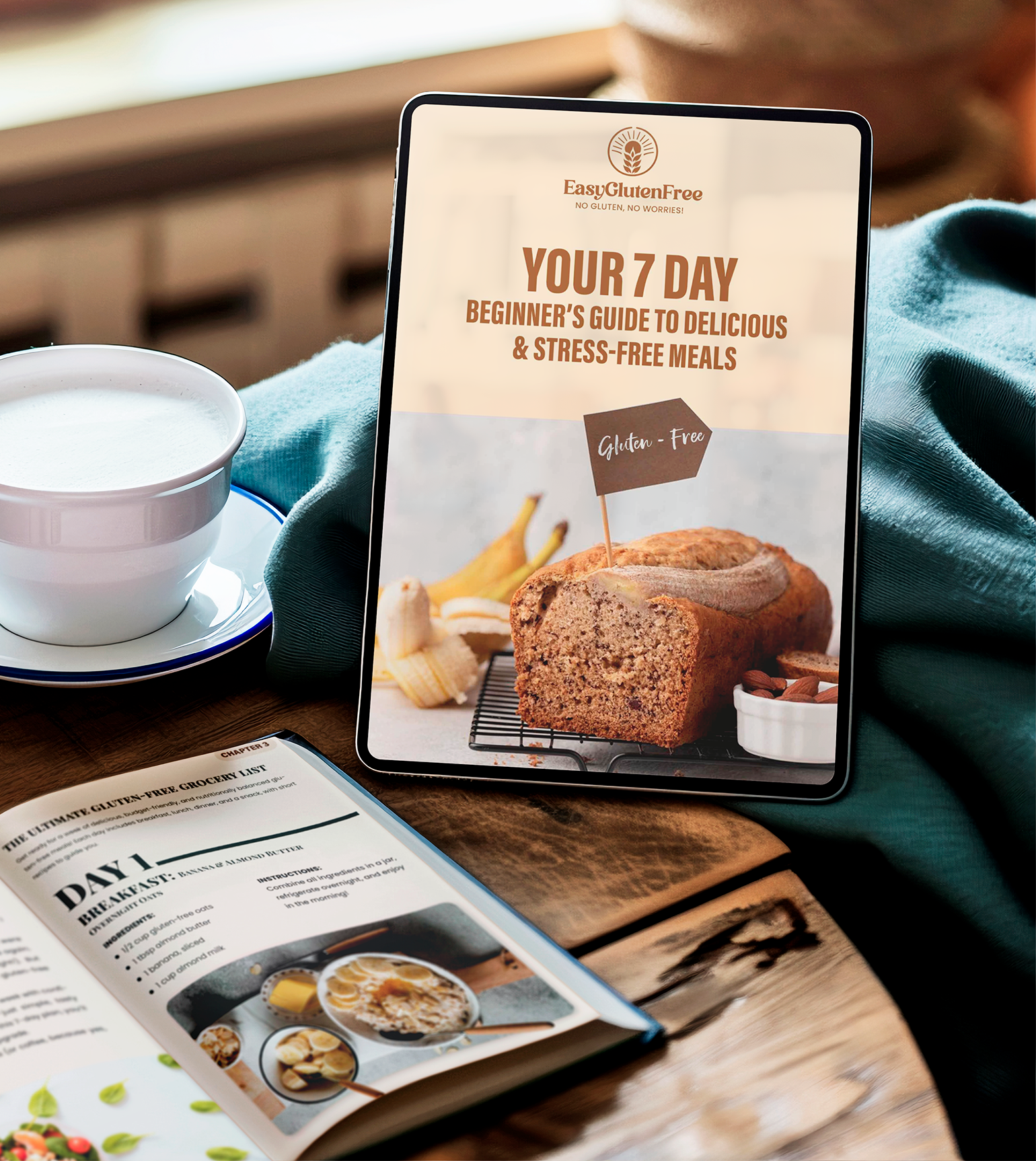
Save your search history some stress. Grab our FREE 7-Day Beginner's Guide and finally have a plan you can actually cook