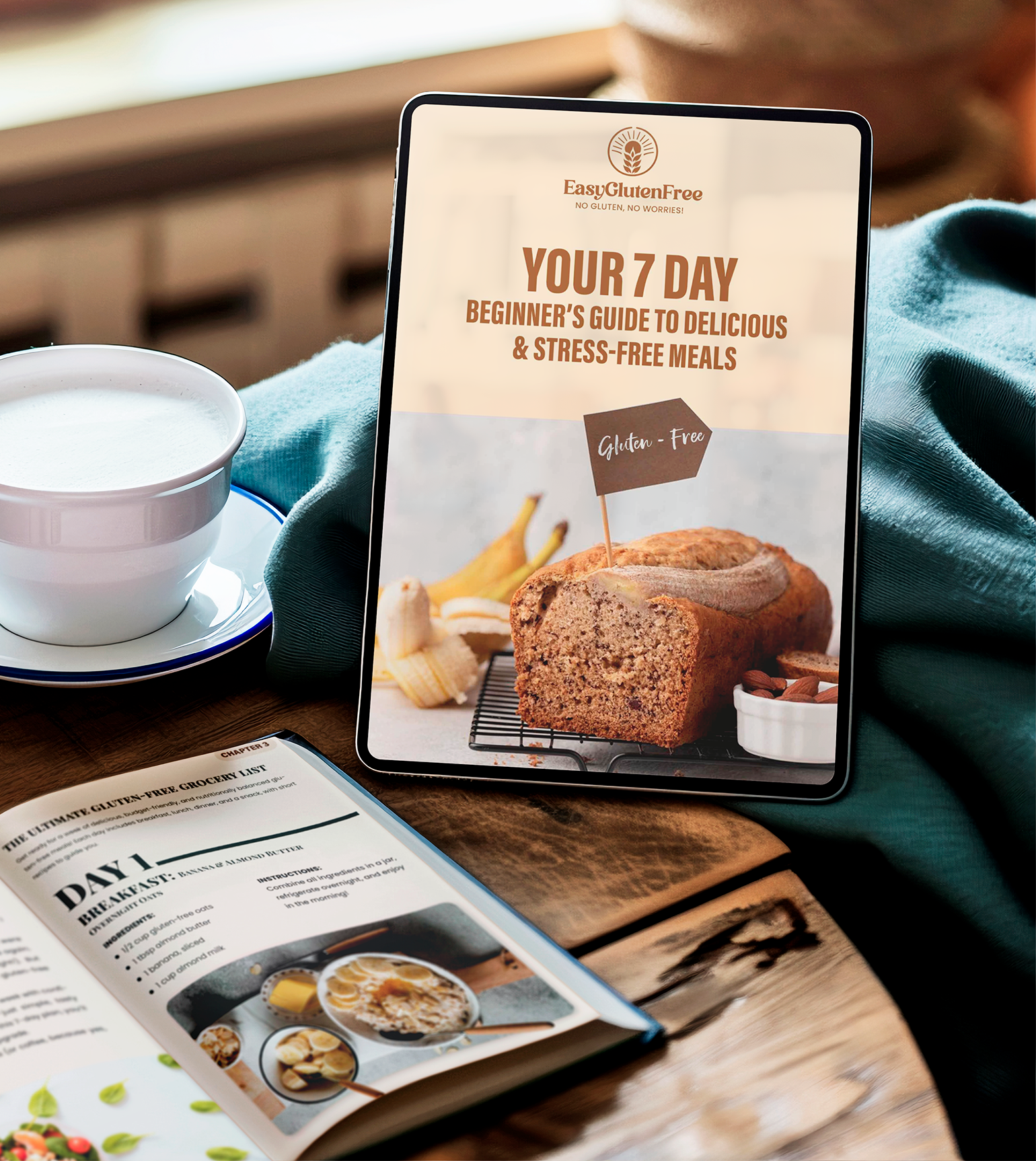
Download the Free Guide to Confident Gluten-Free Travel

Gluten-Free Travel Tools: How to Test Food for Gluten and Stay Safe on the Go
Traveling gluten free doesn’t have to mean eating plain salads, packing half your suitcase with snacks, or silently stressing about every meal. With the right tools and a simple plan, you can explore new places, enjoy local food, and still protect your gluten-free lifestyle. This guide walks you through smart, practical ways to test food for gluten, communicate clearly, and set yourself up for calm, confident trips—whether you’re going out for the day or hopping on a long-haul flight.
Download Our Free Gluten-Free Starter Guide
- 7-day meal plan
- shopping list
- Tips & 3 beginner-friendly recipes
Introduction
Leaving your gluten-free “safe zone” can feel intimidating. At home you know which brands work, which restaurants get it, and which friends always double-check ingredients. On the road, everything changes—new menus, new kitchens, new labels, and often a language barrier on top of it all. No wonder so many gluten-free travelers end up anxious, hungry, or both.
The good news: you don’t need perfection to travel safely; you just need a system. That system has three pillars—planning, communication, and verification. Planning helps you avoid worst‑case scenarios (hello, airport delays and no safe food). Communication ensures restaurant staff actually understand what gluten free means. Verification gives you backup tools so you’re not relying only on “I think that should be fine.”
In this article, we’ll focus especially on that third pillar: practical tools and strategies to help you test food for gluten, plus how to pair them with everyday, low-tech habits like reading labels, asking the right questions, and carrying emergency snacks. Whether you’re strictly gluten free or supporting someone who is, these tips will help you travel with more confidence, less guesswork, and way better meals.
1. Understanding Gluten Risk While Traveling
Every trip has two kinds of gluten risk: what’s in the food itself, and what can happen to that food before it reaches your plate. Understanding both helps you decide when you can relax and when you need to be extra cautious.
Ingredient risk is about obvious gluten sources—wheat flour in breading, barley in soup, soy sauce in marinades, or questionable bouillon cubes. These are the items you’re probably already good at avoiding at home. On the road, though, ingredients can be less transparent. Recipes vary country to country, and even from restaurant to restaurant. A dish that’s safely gluten free at home (like fries or omelets) might be coated, thickened, or flavored with gluten somewhere else.
Cross-contact risk is more subtle but equally important. Even if your dish is made from naturally gluten-free ingredients, it can be contaminated by shared fryers, cutting boards, pasta water, or utensils. This is especially common in bakeries, casual cafes, food trucks, and hotel buffets, where gluten-containing foods are everywhere and staff are moving quickly.
Before you reach for high-tech testing tools, it’s worth tightening up your basic travel habits. A few simple shifts can dramatically cut your risk, without turning every meal into an interrogation.
Know your personal tolerance and goals
People avoid gluten for different reasons—some for medical diagnosis, some for suspected sensitivity, some for general wellness. Your situation determines how strict you need to be and how you use testing tools.
- If you must be extremely strict (for example, medically advised to avoid even tiny traces), you’ll likely want to combine conservative restaurant choices, detailed questions, and tools that add extra reassurance.
- If you’re more flexible, you might use tools occasionally—for higher-risk situations like street food, buffets, or “we can probably make that gluten free” conversations.
There is no one right way to travel gluten free. The goal is an approach that lets you feel both as well as possible and as relaxed as possible for your body and your comfort level.
Learn the “usual suspects” when you’re away from home
Certain foods are especially tricky for gluten-free travelers:
- Fried foods: Often share a fryer with breaded items, making even plain fries risky.
- Soups and sauces: Thickened with flour, roux, or gluten-containing bouillon; soy sauce shows up everywhere in some cuisines.
- Breakfast buffets: Crumbs on everything, shared tongs, and mystery scrambled eggs that may contain pancake batter or flour.
- Street food: Delicious, but cross-contact can be hard to control at busy stands.
Once you know where gluten is most likely to hide, you can either avoid those categories altogether or bring in backup tools to help you evaluate specific foods more carefully.
Why testing tools are a backup, not a substitute
Devices and test kits can be incredibly helpful, especially when you’re in unfamiliar places. But they don’t replace thoughtful restaurant choice, clear questions, or basic label reading. Not every food can be tested easily, and no test is perfect for every scenario. Think of gluten testing tools as an added layer of protection and peace of mind—especially valuable when you’re already doing the basics well.
2. Tech & Tools to Help You Test Food for Gluten
Gluten-testing technology has grown quickly over the past few years, and for many travelers it’s become as essential as a phone charger or passport. Tools that test small portions of food can be especially useful in situations where you:
- Don’t fully trust the communication at a restaurant
- Want extra reassurance with high-risk foods (like fried items or sauces)
- Are visiting countries with limited gluten-free labeling or language barriers
- Are learning which foods your body responds to best and want more data
Before you rely on any device or test kit, read the manufacturer’s guidance carefully: what it can test, what it can’t, and how to interpret the results. Most tools are designed to test a small, representative sample of your food, not the entire plate. That means good sampling technique—taking a bit from different parts of a dish—is key.
How gluten testing fits into your travel routine
Here’s a simple way to think about when these tools can be most helpful:
- High trust, low risk: A dedicated gluten-free restaurant with excellent reviews? You may feel comfortable skipping a test.
- Medium trust, medium risk: A “gluten-free friendly” restaurant that understands basics but has a shared kitchen—this is where a test can add peace of mind.
- Low trust, higher risk: Buffets, street food, or very busy tourist spots—either keep it very simple (like whole fruit) or lean on testing as well as conservative choices.
It’s also helpful to think about your emotional energy. Some travelers like to test frequently for data and reassurance. Others prefer to reserve testing for situations where they’re genuinely unsure and don’t want to spend the rest of the day wondering whether the meal was safe.
Pair your tools with good questions
Testing kits work best when paired with smart questions, not instead of them. Before you even consider testing, ask:
- “Do you have a gluten-free menu or trained staff who handle gluten-free orders?”
- “Is there a separate prep area, or how do you avoid cross-contact?”
- “Is your fryer shared with breaded items?”
- “Are any marinades, sauces, or seasonings made with flour or regular soy sauce?”
If these questions are met with confusion or vague answers, that’s valuable information on its own—and might be a sign to simplify your order, test your meal, or choose another restaurant entirely.
Nima gluten sensor test
These single-use capsules pair with the Nima Sensor to help users test foods for gluten on the spot. Perfect for travelers, researchers of their own digestive reactions, or anyone who just doesn’t trust that café’s “gluten-free… we think?” answer. A reliable, quick-gluten-detection option that empowers people who want data—not guesswork.
3. How to Vet Restaurants and Menus Before You Eat
Testing tools are most useful when they’re the last step in a smart decision, not the first. The more carefully you choose where to eat, the less you’ll have to worry once the food arrives. A little research up front goes a long way.
Do a quick pre-trip scan
Before you travel, spend 20–30 minutes mapping out a few potential safe spots near your hotel, airport, and major sightseeing areas. Look for:
- Dedicated gluten-free bakeries or restaurants
- Places with clearly labeled gluten-free menus and good reviews from gluten-free diners
- Grocery stores or markets where you can grab simple staples if restaurants feel too risky
Save your top picks in a notes app or map so you’re not searching frantically while already hungry.
What to look for in reviews
When browsing reviews, dig a bit deeper than “has gluten-free options.” Look for:
- Specific mentions of cross-contact awareness: Separate fryer, separate prep space, allergy protocols.
- Reviews from celiac or medically gluten-free diners: Their experiences can be especially helpful.
- Consistent feedback: One great review is nice; a pattern of positive experiences is much better.
If a restaurant claims gluten-free options but reviews mention confusion, mix-ups, or frequent mistakes, treat that as a yellow flag.
Questions to ask when you arrive
Once you’re at the restaurant, keep your conversation simple but clear:
- Start with: “I need my food to be gluten free—no wheat, barley, or rye, including crumbs. Can you do that safely here?”
- If yes, follow with targeted questions about fryers, shared pans, and sauces.
- Ask if they have any dishes that are naturally gluten free and easiest to prepare safely.
If the server seems unsure, it’s okay to ask them to check with the kitchen. You’re not being difficult; you’re being clear. And if you’re still not comfortable, there’s no shame in ordering something very simple (like a plain salad with oil and vinegar) or using that moment to lean on your gluten testing tools.
When a buffet or breakfast bar is your only option
Hotel buffets and breakfast bars are tricky, but sometimes they’re unavoidable. If you find yourself staring down a crowded table of gluten, focus on items that have had the least chance of cross-contact:
- Whole fruit with a peel (bananas, oranges)
- Individually packaged yogurt, nuts, or cheese
- Hard-boiled eggs still in the shell
- Gluten-free packaged options that you can read the label on
If the hotel offers gluten-free bread or pastries but they’re sitting in the middle of a crumb-covered tray, use your judgment and comfort level. This is a common place where tools that test for gluten can help you evaluate specific items if you’re unsure and want more data before diving in.
Recipe Inspiration
Try these gluten-free staples loved by thousands:



4. Smart Packing: Snacks, Staples, and Backup Meals
Packing well is the unglamorous but powerful secret behind stress-free gluten-free travel. When you know you’ve got safe, filling options in your bag or suitcase, it’s much easier to walk away from a restaurant that doesn’t feel right—or to handle delays, detours, and closed kitchens without panic.
Always-pack travel snacks
Build a small, reliable rotation of snacks you know your body loves. Aim for a mix of:
- Protein: Nuts, seeds, nut butter packets, jerky labeled gluten free.
- Carbs: Gluten-free crackers, rice cakes, instant gluten-free oatmeal packets.
- Fun treats: A favorite gluten-free cookie or chocolate bar—helpful when everyone else is grabbing pastries.
Keep a handful in your day bag and reload from your suitcase each night so you’re never stuck exploring a new city with only your stomach’s opinion to guide you.
Simple “just add hot water” meals
For longer trips or destinations with fewer gluten-free options, bringing a few basic meal-building items can be a game changer:
- Instant gluten-free oats or porridge cups (use the hotel kettle or hot water from a cafe).
- Cup soups or rice noodle bowls clearly labeled gluten free.
- Small packets of seasoning, salt, and herbs to brighten up plain foods.
Combine these with fresh fruit, yogurt, or salad from a local shop and you’ve got a safe, surprisingly satisfying meal when nothing else works.
Kitchen and travel accessories
Depending on how minimalist you like to travel, you might also consider:
- A small reusable container and fork/spoon set for leftovers or spontaneous picnics.
- Reusable snack bags to portion out nuts, crackers, or granola.
- Wet wipes so you can quickly clean surfaces before preparing or testing food.
These little extras take up minimal space but give you a lot more control over your food environment—especially in transit, on trains, or while sightseeing.
Documents and phrases that help
Alongside snacks and staples, consider packing tools for communication:
- A simple gluten-free dining card in the local language explaining what you can’t eat.
- A note on your phone with key phrases (like “no wheat, no breading, no soy sauce”) translated into the local language.
- Any travel letters or documentation your doctor recommends for medications or special foods, especially for flights.
Combining these with smart packing and, if you choose, gluten-testing tools, turns what could be a nerve‑wracking meal into something you can actually sit back and enjoy.
5. Sample Gluten-Free Travel Day Plan
To pull everything together, here’s what a realistic, low‑stress gluten-free travel day might look like—testing tools included. You can adjust this template based on your needs, destination, and how strict you need to be.
Morning
- Start with a breakfast you control as much as possible: instant gluten-free oats in your hotel room, fruit, and a snack bar you brought from home.
- Check your mapped list of gluten-free friendly lunch and dinner options near where you’ll be exploring that day.
- Pre-pack snacks (nuts, crackers, a treat) and, if you use one, your gluten-testing device or capsules in your day bag.
Midday meal
- Arrive a bit early to your chosen restaurant so staff aren’t overwhelmed.
- Explain your gluten-free needs clearly and ask about their cross-contact practices.
- Choose a dish that’s naturally simpler (grilled protein plus vegetables, for example) rather than something with many sauces and components.
- If you use a testing tool, take a small, representative sample from different parts of your dish to test before you eat the full portion.
While you wait for results (if applicable), nibble on your safe snacks or another part of the meal you already know is low risk, like a packaged drink.
Afternoon exploring
- Rely mainly on your pre-packed snacks and simple items like fruit from a local market.
- If you’re tempted by street food, stick with naturally gluten-free items that are prepared separately—or use your testing tools judiciously when you’re unsure and feel it’s worth checking.
Dinner
- Choose a restaurant from your pre‑researched list, or ask your hotel to call ahead and verify gluten-free options.
- Repeat your short script about needing gluten-free food without cross-contact.
- Order with your energy level in mind. If you’re tired or language is a barrier, this might be a night to keep your meal very basic, or to eat a backup meal using the staples you brought.
- Again, if you use a gluten-testing tool, this is a good time for it—especially if the dish includes sauces or fried items and you’re not fully confident about how they were prepared.
End of day
- Note any reactions or how you felt after particular meals. Over time, you’ll learn which types of places and dishes are safest for you.
- Restock your day bag with snacks and any supplies you’ll need tomorrow, so you’re not scrambling in the morning.
The more you practice this rhythm—plan a little, communicate clearly, test when it’s helpful, and always have a backup—the more automatic it becomes. Instead of every meal feeling like a gamble, it becomes just another part of your well‑practiced gluten-free routine, no matter where in the world you are.
Key Takeaways
- Safe gluten-free travel is built on three pillars: planning ahead, clear communication, and smart verification tools.
- Gluten testing tools work best as a backup layer of protection, not a substitute for thoughtful restaurant choice and good questions.
- Pre‑researching gluten-free friendly spots and reading detailed reviews saves you stress, especially in unfamiliar countries or airports.
- Packing reliable snacks and simple “just add hot water” meals gives you freedom to walk away from restaurants that don’t feel safe.
- Creating a simple daily rhythm—plan, ask, test when helpful, and always have backup—turns gluten-free travel from intimidating to empowering.
Take the Next Step in Your Gluten-Free Journey
- Download the Free EGF Starter Guide
- Try our Gluten-Free Planner to simplify your week
- Explore our growing recipe library
You don’t have to navigate the gluten-free lifestyle alone, we are here to make it easier every day.
Category: Travel